
You are using an out of date browser. It may not display this or other websites correctly.
You should upgrade or use an alternative browser.
You should upgrade or use an alternative browser.
Lockheed Martin AIM-260 Joint Advanced Tactical Missile (JATM)
- Thread starter Jeb
- Start date

bring_it_on
I really should change my personal text
- Joined
- 4 July 2013
- Messages
- 4,203
- Reaction score
- 5,730
A two stage system, or a dual pulse system can have time of flight or time to target advantages in some specific use cases over a more traditional ramjet set up. But if powered flight duration is the driving factor (maximizing supersonic flight time above M 2 for example) then a throttleable ramjet is an excellent options though you are also going to be dealing with weight and drag penalties compared to something like a AIM-260 with a very clean configuration.Seems to me with a 2-stage missile (rocket) you could toss the 2nd stage up and over and it might still get there before the ramjet while having fuel in the 2nd stage for the endgame.
Specifically on the AIM-260, my opinion/guess is that AIM-260B and future (C++) variants are already in the work covering a range of enhancements. If modern weapon programs are a blueprint for it, then rapid iteration and development/refresh cycles will be a hallmark of the missile system relative to the slower more traditional upgrade path pursued by legacy programs like AIM-120 and AIM-9.

BonPlan2
ACCESS: Top Secret
- Joined
- 5 June 2025
- Messages
- 577
- Reaction score
- 737
maybe it has trust vector ?Which was what led me to believe that the Aim 260 might not be as maneuverable as the Aim 120.

Claudiovict
ACCESS: Restricted
- Joined
- 13 March 2026
- Messages
- 19
- Reaction score
- 33
usually they dont put TVC on long range missilesmaybe it has trust vector ?
Thrust vectoring in missiles works essentially works in 2 steps, first the thrust vectoring is used to make the whole missile point in a direction and then thrust is used to accelerate in that direction.maybe it has trust vector ?
So thrust vectoring isn't useful when you have little DeltaV left and overall is not useful at range.
Having rear fins with a big range of motion allows the missile to reach high angles of attack without wasting burn time and combined with a second pulse would be more efficient to increase kill probability.
This is why the ASRAAM doesn't have thrust vectoring, it's fins have a huge range of motion so they can stay paralell to the air flow at high angles of attack and take advantage of the fact that the center of gravity of the missile further back when they still have fuel so they are more maneuverable at that stage.
Also the reason why all modern missiles use rear fins instead of canards to maneuver.
Claudiovict
ACCESS: Restricted
- Joined
- 13 March 2026
- Messages
- 19
- Reaction score
- 33
The main focus of ASRAAM was speed and range, their idea was to strike first, before the enemy enter the engagement zone of its IR missileThis is why the ASRAAM doesn't have thrust vectoring
BonPlan2
ACCESS: Top Secret
- Joined
- 5 June 2025
- Messages
- 577
- Reaction score
- 737
And what about the fins efficiency in very high altitude (a long range AA missile used a bell shaped trajectory, reaching high altitude where air is very thin) ?Thrust vectoring in missiles works essentially works in 2 steps, first the thrust vectoring is used to make the whole missile point in a direction and then thrust is used to accelerate in that direction.
So thrust vectoring isn't useful when you have little DeltaV left and overall is not useful at range.
Having rear fins with a big range of motion allows the missile to reach high angles of attack without wasting burn time and combined with a second pulse would be more efficient to increase kill probability.
This is why the ASRAAM doesn't have thrust vectoring, it's fins have a huge range of motion so they can stay paralell to the air flow at high angles of attack and take advantage of the fact that the center of gravity of the missile further back when they still have fuel so they are more maneuverable at that stage.
Also the reason why all modern missiles use rear fins instead of canards to maneuver.
BonPlan2
ACCESS: Top Secret
- Joined
- 5 June 2025
- Messages
- 577
- Reaction score
- 737
You are right. I was nearly sure ASRAAM has thrust vectoring... I was wrong.The main focus of ASRAAM was speed and range, their idea was to strike first, before the enemy enter the engagement zone of its IR missile

Forest Green
ACCESS: USAP
- Joined
- 11 June 2019
- Messages
- 14,499
- Reaction score
- 31,531
There was a P3I variant that did but it was cancelled.You are right. I was nearly sure ASRAAM has thrust vectoring... I was wrong.

FighterJock
ACCESS: Above Top Secret
- Joined
- 29 October 2007
- Messages
- 7,227
- Reaction score
- 8,538
Any idea as to why it was cancelled Forest Green? It would have made an excellent pair with the non thrust vectoring ASRAAM I would have thought.
Forest Green
ACCESS: USAP
- Joined
- 11 June 2019
- Messages
- 14,499
- Reaction score
- 31,531
Money probably.Any idea as to why it was cancelled Forest Green? It would have made an excellent pair with the non thrust vectoring ASRAAM I would have thought.
Yet it can hit targets in the rear hemisphereThe main focus of ASRAAM was speed and range, their idea was to strike first, before the enemy enter the engagement zone of its IR missile

- Joined
- 3 June 2011
- Messages
- 20,895
- Reaction score
- 19,084
You sure about that? Never heard that claim for anything other than Python 4/5.Yet it can hit targets in the rear hemisphere
Ainen
I really should change my personal text
- Joined
- 25 August 2011
- Messages
- 2,819
- Reaction score
- 4,925
This is a wrong direction to ask. There's little preventing a LOAL missile from doing a 180 engagement in principle, on the missile side.
The question is usually (1) having targeting solution in rear hemisphere, and (2) ensuring the missile attacks the right thing.
Broadly speaking, only the French really demonstrated it, and conditions appear to mean it's more of a flex rather than a useful capability (buddy/datalink targeting between two aircraft in a stable horizontal flight).
The question is usually (1) having targeting solution in rear hemisphere, and (2) ensuring the missile attacks the right thing.
Broadly speaking, only the French really demonstrated it, and conditions appear to mean it's more of a flex rather than a useful capability (buddy/datalink targeting between two aircraft in a stable horizontal flight).

SuperShark
ACCESS: Confidential
- Joined
- 28 July 2019
- Messages
- 109
- Reaction score
- 157
https://defenceweb.co.za/aerospace/aerospace-aerospace/raaf-scores-a-first-with-asraam/You sure about that? Never heard that claim for anything other than Python 4/5.
This was a requirement in response to the AA-11 Archer being abe to be fired rearward.You sure about that? Never heard that claim for anything other than Python 4/5.
However, the ASRAAM had to be cued via helmet/sensor input and needed midcourse feed for this to work. So it's missing a setting to autmatically turn around and engage. This would have been time consuming and since this is meant for close knife fight/defensive move that delay woud have been fata.
- Joined
- 23 August 2011
- Messages
- 2,545
- Reaction score
- 8,393
Broadly speaking, only the French really demonstrated it, and conditions appear to mean it's more of a flex rather than a useful capability (buddy/datalink targeting between two aircraft in a stable horizontal flight).
Asraam demonstrated over the shoulder shots about a decade before the French did with MICA. The French did require another platform cueing the missile though...which in a WVR context is highly unlikely to happen in a real world engagement...
The US has also since demonstrated the capability with 9X.
- Joined
- 3 June 2011
- Messages
- 20,895
- Reaction score
- 19,084
Yes but the AA-11 was pointed backward on the pylon and fired that way.This was a requirement in response to the AA-11 Archer being abe to be fired rearward.
However, the ASRAAM had to be cued via helmet/sensor input and needed midcourse feed for this to work. So it's missing a setting to autmatically turn around and engage. This would have been time consuming and since this is meant for close knife fight/defensive move that delay woud have been fata.
Attachments
Claudiovict
ACCESS: Restricted
- Joined
- 13 March 2026
- Messages
- 19
- Reaction score
- 33
never said ASRAAM have bad maneuverability or something in this line, it is said it can pull up to 50G's, but if the MAIN goal of it was maneuverability, it would have adopted TVC or fins like Python 4 or 5Yet it can hit targets in the rear hemisphere
Also, its known it has a very high acceleration, this is not favorable to maneuverability; a weaker motor but with longer time of burn would suit better the maneuverability way (like IRIS-T)

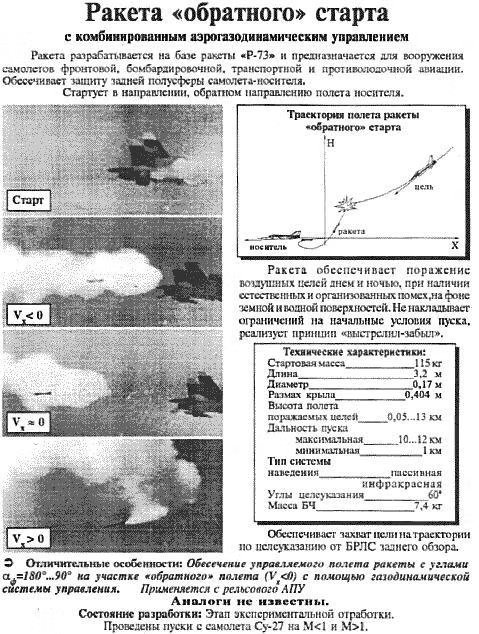
There is a video where the R-73 shoots forward and turns 180 degrees through the topYes but the AA-11 was pointed backward on the pylon and fired that way.
- Joined
- 15 July 2007
- Messages
- 5,727
- Reaction score
- 6,303
Debating the WVR agility of ASRAAM rather misses the point of referencing it's design in this thread.
Which is that it's layout seems similar to AIM-260, and that is more about efficiency of design for the flight profile.
Which is that it's layout seems similar to AIM-260, and that is more about efficiency of design for the flight profile.
BonPlan2
ACCESS: Top Secret
- Joined
- 5 June 2025
- Messages
- 577
- Reaction score
- 737
MICA also do it.You sure about that? Never heard that claim for anything other than Python 4/5.
Ainen
I really should change my personal text
- Joined
- 25 August 2011
- Messages
- 2,819
- Reaction score
- 4,925
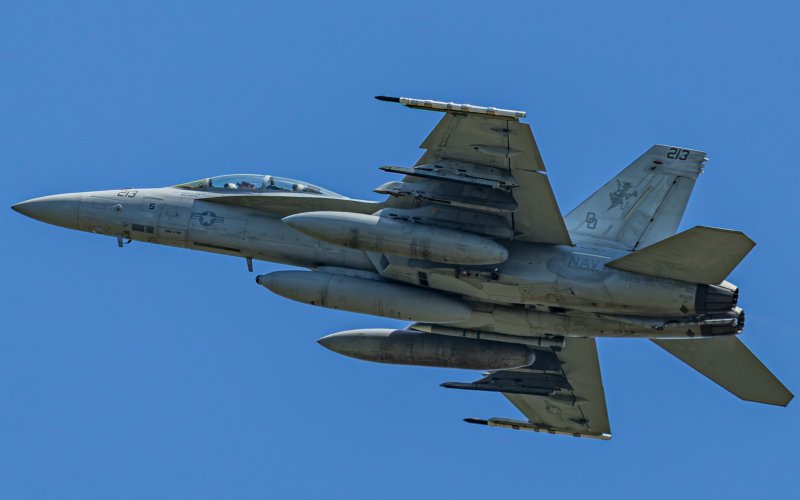
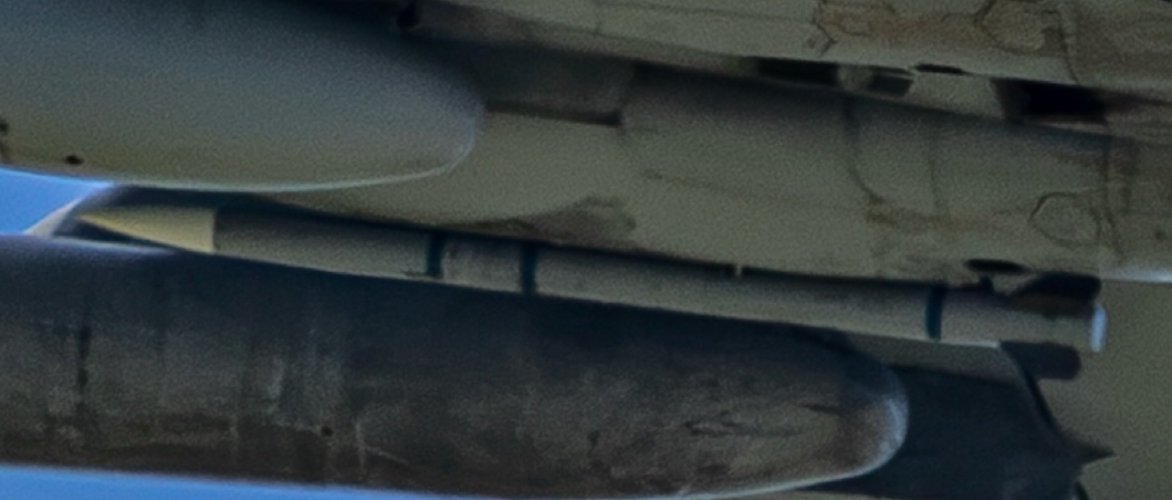
Overall ASRAAM and some other missiles (up to 2-3t monsters) are good examples that this setup is maneuverable.Which is that it's layout seems similar to AIM-260, and that is more about efficiency of design for the flight profile.
Downside(as I see it) is that they need to develop high aoa for maneuvers, meaning high endgame energy loss, especially down low.
Furthermore, at low endgame flow over surfaces, available G will likely fall badly.
But it's broadly compensated by lower speed loss - 260 is really long and slender.
Attachments
- Joined
- 15 July 2007
- Messages
- 5,727
- Reaction score
- 6,303
Ok well if I had the time I could now deconstruct these images into 3 view diagrams. Having clear points to draw perspective lines means any doubts about the missiles size is over.
That they allow these images is a sign they no longer can sustain the secrecy and that other states already know about these missiles.
That they allow these images is a sign they no longer can sustain the secrecy and that other states already know about these missiles.
- Joined
- 3 June 2011
- Messages
- 20,895
- Reaction score
- 19,084
Would be a nice surprise on CCAs.Lol
Or that simply the missile enters field service with unit flying aircraft without any internal carriage... In other words, what can't be hidden will best remain in plain sight.
Would be a nice surprise on CCAs.
I believe Roper, or perhaps someone else, explicitly stated AIM-260 would be deployed on CCAs.

Reddington777
ACCESS: Top Secret
- Joined
- 23 March 2025
- Messages
- 830
- Reaction score
- 2,746
Australia is said to be buying AIM-260
https://aviationweek.com/defense/mi...a-buy-aim-260-joint-advanced-tactical-missile
https://aviationweek.com/defense/mi...a-buy-aim-260-joint-advanced-tactical-missile

Confirms our reporting from November 2025Australia is said to be buying AIM-260
https://aviationweek.com/defense/mi...a-buy-aim-260-joint-advanced-tactical-missile
https://www.navalnews.com/naval-news/2025/11/usa-approves-first-aim-260a-jatm-export-to-australia/
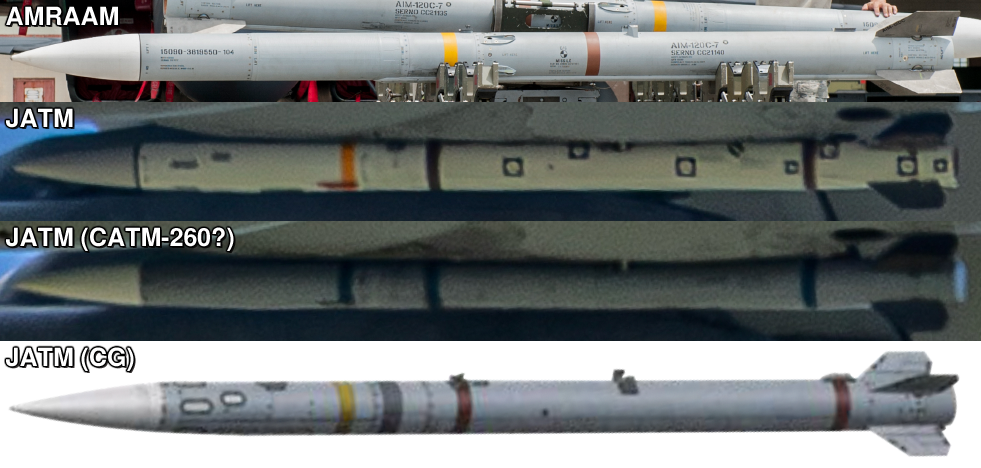
So slightly shorter and definitely thinner than AMRAAM.

If assuming the length and diameter are the same, it will look something like this.
- Joined
- 15 July 2007
- Messages
- 5,727
- Reaction score
- 6,303
Interesting on the nose shapeView attachment 821039
If assuming the length and diameter are the same, it will look something like this.
SuperShark
ACCESS: Confidential
- Joined
- 28 July 2019
- Messages
- 109
- Reaction score
- 157
Almost looks like the ogive on the bottom side extends further back, what's the seeker arrangement? Conformal umbilical?Interesting on the nose shape
Last edited:
I wonder how long it will be before we know any more details, right now the guidance, propulsion and warhead are all a mystery.
The leading theories from this forum are that it has a guidance system composed of an AESA antenna in the nose with additional hexagonal seekers that double down as a fuze to increase the lethality of a small warhead that makes room for a longer solid rocket motor that is either pulsed or throttleable.
From the images we can see a nosecone that isn't rounded likely because doesn't house an antenna that needs space to move, unconventionally placed hexagonal antennas/seekers/fuzes, a red strake of which there might be more in the other side, a long motor judging by the markings and what is likely a protruding data link antenna at the rear end.
Also it seems it will be more expensive than the AMRAAM which justifies continued production of the latter.
The leading theories from this forum are that it has a guidance system composed of an AESA antenna in the nose with additional hexagonal seekers that double down as a fuze to increase the lethality of a small warhead that makes room for a longer solid rocket motor that is either pulsed or throttleable.
From the images we can see a nosecone that isn't rounded likely because doesn't house an antenna that needs space to move, unconventionally placed hexagonal antennas/seekers/fuzes, a red strake of which there might be more in the other side, a long motor judging by the markings and what is likely a protruding data link antenna at the rear end.
Also it seems it will be more expensive than the AMRAAM which justifies continued production of the latter.
Nothing really new since we got the first renders - much longer motor, assuming banding is accurate, much smaller warhead assuming same, and less volume for guidance and electronics. Shape is minority more aerodynamic with small control surfaces forward, likely fixed vortex generators.
The red strake bugs me, we've only seen one side of the missile but if it is a vortex generator there must be another on the other side and the missile must have roll control and bilateral symmetry.Nothing really new since we got the first renders - much longer motor, assuming banding is accurate, much smaller warhead assuming same, and less volume for guidance and electronics. Shape is minority more aerodynamic with small control surfaces forward, likely fixed vortex generators.
Judging from the CG image and the photos I'd say there are 4 medium sized hexagonal windows with radial symmetry offset 90 degrees from the fins, 2 smaller windows almost aligned with the upper rear fins, a dark thing on the top and a longer dark thing at the bottom (you can barely make it out on the photos).
It seems to have a regular data link antenna protruding from the rearIt does seem to sport a lot of RF arrays. I would assume forward ones are TDD/guidance related and less radial examples in the rear datalink related.
Attachments
Last edited:
Similar threads
-

-

-
Lockheed Martin F-16 Fighting Falcon News and Developments
- Started by seruriermarshal
- Replies: 882
-
-
 The (rigged?) ACEVAL/AIMEVAL air combat evaluations 1975 -1978
- Started by overscan (PaulMM)
- Replies: 53