Can anyone authenticate this information? Peace Pearl, China, Grumman

TTBMK, Peace Pearl was a much upgraded J-7 with side intakes and a larger radar nose. Proposed powerplant for ths collaboration was the PW126 afterburning turbojet (essentially an afterburning J52). WIth the collape of Peace Pearl the design effort eventually produced the JF-17 et al.
By the 1990's, the F-14 was already marked for eventual extinction rather than further development (the legal and bureaucratic factors behind that are interesting).
 
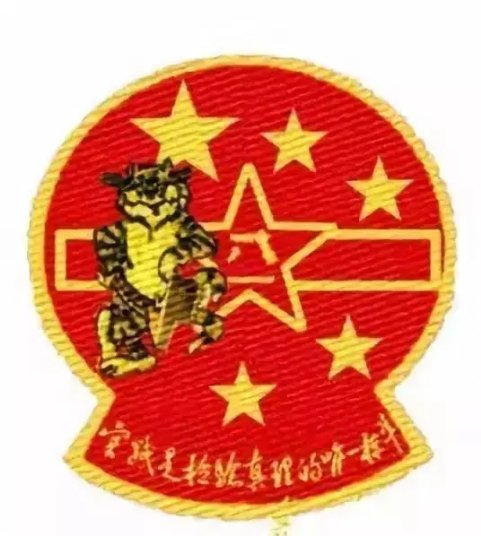
This patch is from Chinese F-14 program. No Peace Pearl.

But, I don't know whether this patch actually exists — or even whether the patch and the entire program exist at all.
 
I seriously doubt all elements of this story.

Its possible Chinese pilots flew on F-14s in 1984 - there are stories that they flew on f-15s as well, but I doubt there was ever a serious plan on eiher side for a sale. Chinese pilots also flew Mirages, Harriers, and Tornados IIRC without a single sale.

The most that was actually agreed was AN/APG-66 radars on the Grumman F-8II Peace Pearl.

It is of course possible China flew Iranian f-14s.
 
Last edited:
possible Chinese pilots flew on F-14s in 1984 - there are stories that they flew on f-15s as well, but I doubt there was ever a serious plan on eiher side for a sale. Chinese pilots also flew Mirages, Harriers, and Tornados IIRC without a single sale
Was it just to flex on them?
 
I wasn't able to find any legitimate sources about Chinese interest in the Tomcat — only the one shared at the beginning. Does anybody have anything different?
 
From the timeline, Grumman's promotion of the F-14 to China happened after the Americans had marketed a downgraded version of the F-16 to the Chinese.
 

Attachments

  • 1000009869.jpg
    1000009869.jpg
    343.3 KB · Views: 109
Last edited by a moderator:
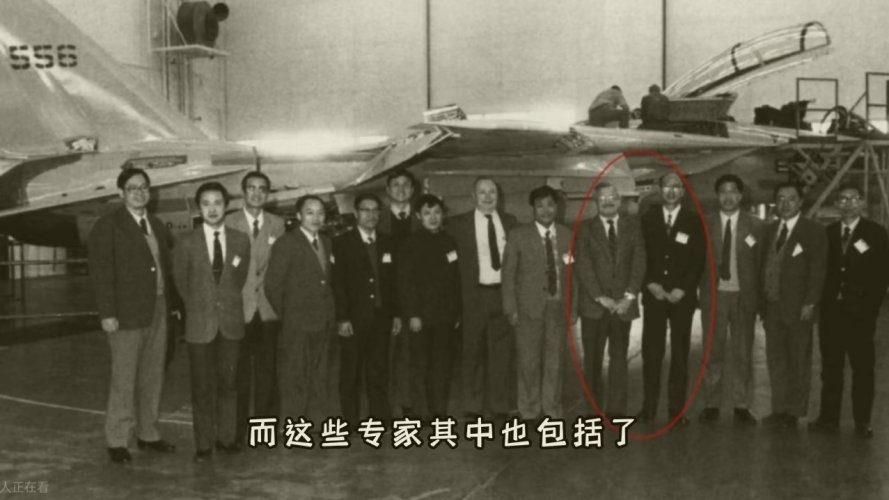
It is said that at the time the intention was to purchase the F14A. In the screenshot I posted above, the designer of that F14 was also present, which is enough to show the level of attention both sides had at the time.

However, later the Soviet Union collapsed, and the political basis for cooperation between the two sides disappeared. Afterwards, China purchased the Su-27, a very excellent fighter jet, from Russia, and the matter of buying the F14 eventually faded away.

Moreover, in terms of timing, China did indeed have plans to develop aircraft carriers at that time.
 
And it wasn't just the F-14; at that time, they even showed the Chinese personnel the X-29 test aircraft. The relevant information comes from a Chinese designer's memoir, Tu Jida's autobiography.(屠基达自传)
 
I can verify the photo, the shorter American with the mustache is Mike Pelehach. At that time he was the President of Grumman International, a tiny subsidiary (mainly staffed with marketing guys) of Grumman Corporation focused on foreign military sales of Grumman products.

Excuse me, but I cringe when I read Pelehach was the F-14 designer (pet peeve alert)*. He was in fact the F-14 Program Manager, with a reputation as a high-energy practitioner of "management by walking around". He also tended to be a "loose cannon" according to those who knew him. I met him briefly once in 1978, when he was VP of new business development for Grumman Aircraft.

In his role at Grumman International, I understand that Pelehach was quite aggressive and willing to give a sales pitch to any entity. His boss was Jack Bierwirth, Grumman CEO, a Yale classmate of George H.W. Bush, who fancied himself as a worldly mover-and-shaker. With Bierwirth desperate for fresh, profitable revenue streams in the wake of Grumman's failure at securing a role on the Navy Advanced Tactical Aircraft, the Air Force Advanced Tactical Fighter, the cancellation of the A-6F, and the uncertainity of the F-14D, it's not surprising that he and Pelehach would try to sell anything to anyone. Undoubtedly these two had fond memories of the Shah of Iran selecting the F-14 over the F-15 a decade earlier.
--------
* footnote: the final Design 303 iteration that became the F-14A was drawn by Bill Phillips. Chief Engineer was Bob Kress and Lead Aerodynamicist was Irv Waaland (of B-2 fame).
 
It is said that at the time the intention was to purchase the F14A. In the screenshot I posted above, the designer of that F14 was also present, which is enough to show the level of attention both sides had at the time.

However, later the Soviet Union collapsed, and the political basis for cooperation between the two sides disappeared. Afterwards, China purchased the Su-27, a very excellent fighter jet, from Russia, and the matter of buying the F14 eventually faded away.

Moreover, in terms of timing, China did indeed have plans to develop aircraft carriers at that time.

If the intention was to buy the F14, noone told the Americans this from what I can tell.

Also, the reason for the collapse in political cooperation wasn't, in fact, the fall of the Warsaw Pact but rather that whole student massacre thing that went on (very broadly).
 
If you really want to think that the US government cares about this, then go ahead and think that way. China did discuss this import matter with Grumman, but at the time, the Chinese team was more focused on the Peace Pearl projects. As for whether they bought it, I can only say there was an intention to buy. But back then, I expected that the Chinese delegation didn’t have a sufficient budget, while Grumman proposed a plan for 24 F-14 units.
 
Back
Top Bottom