- Joined
- 27 December 2005
- Messages
- 19,230
- Reaction score
- 35,694

R-40T was equipped with thermal GSN T-40A1. The T-40A1 shroud is made of heat-resistant Kemnium and optoceramic-based satallic. The homing head took target designation within ±55° and captured the target before the launch of the missile. The T-40A1 uses signal processing principles that provide a high degree of protection against false thermal interferences. R-40TD and R-40TD-1 missiles are equipped with 35T1 SNS.
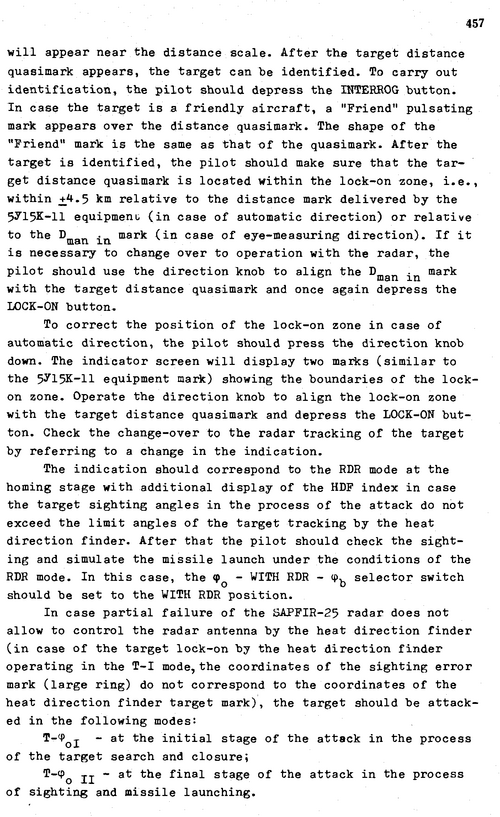
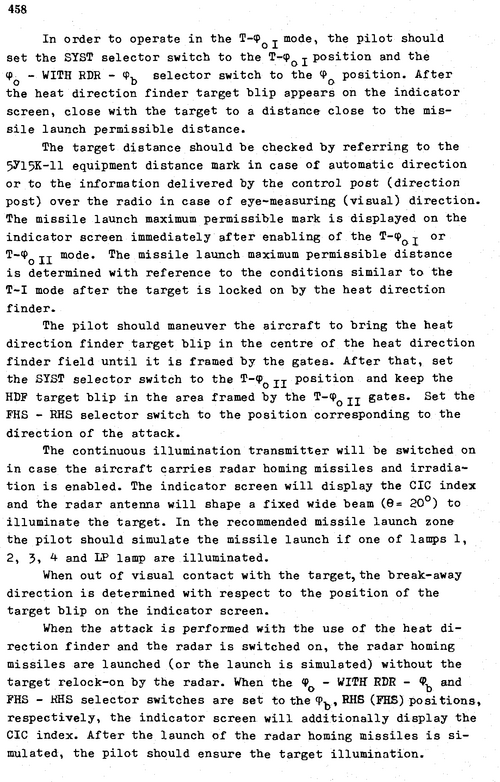
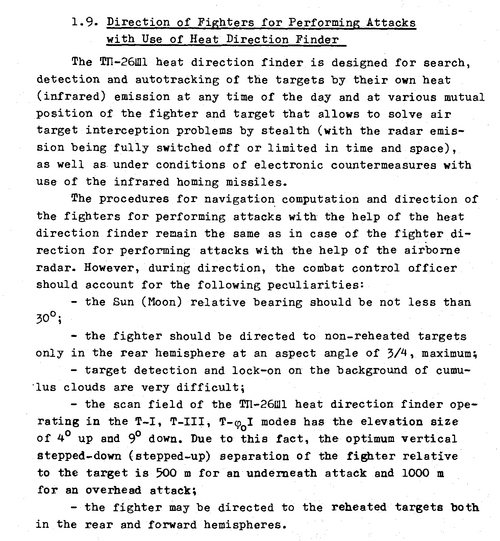
TP-23 / Spektr
TP-23-1 fitted to export MiG-23MF, MiG-23ML TP-23M modernised version developed for Soviet MiG-23ML. Search range of TP-23M against a Tu-16 target was increased to 35-40km, and against a MiG-23 to 25km. | ||
TP-26
TP-26Sh1Infra-red search and track system fitted to MiG-25PD. Presumably based on the TP-26. Range given as 45km against a high altitude bomber (aspect unknown). |
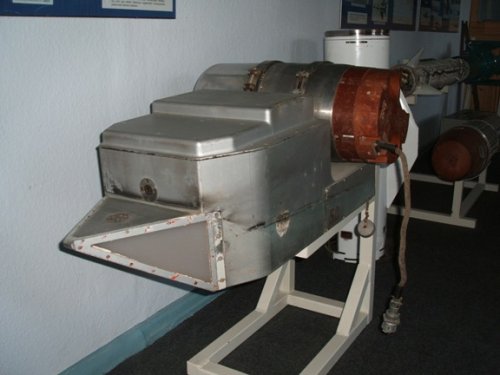
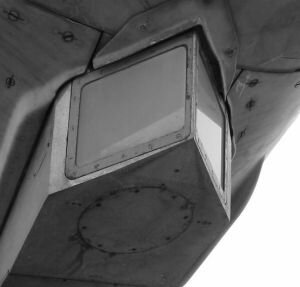
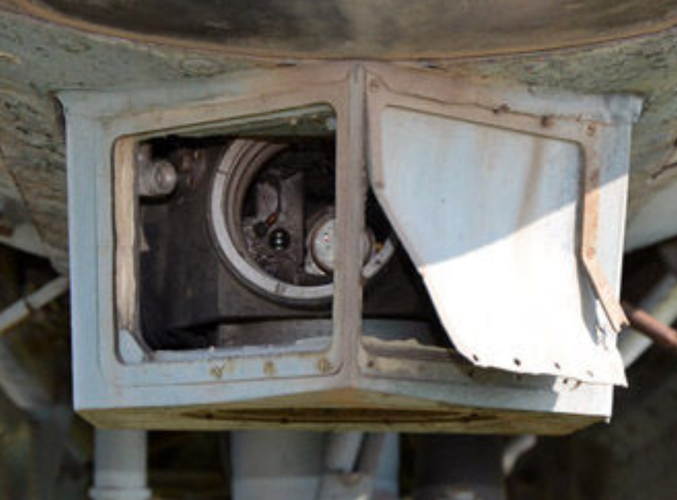
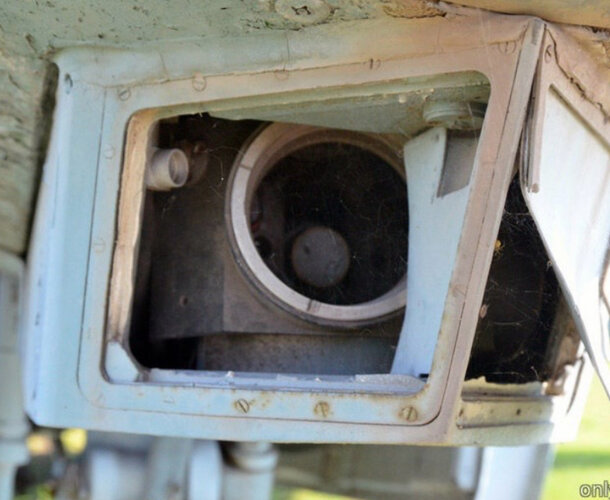
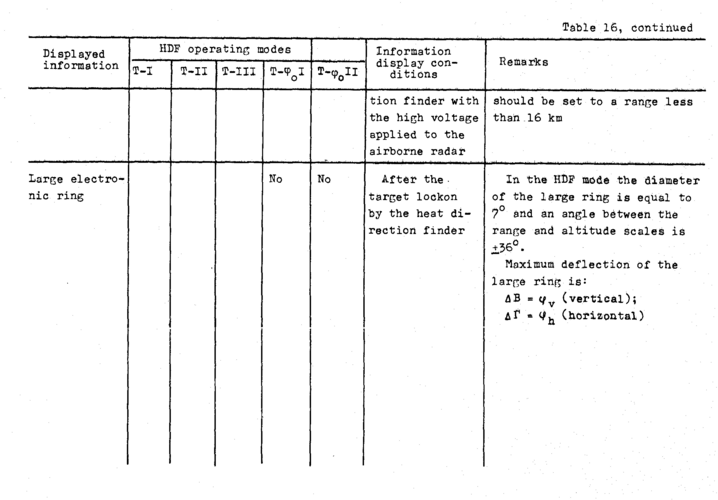
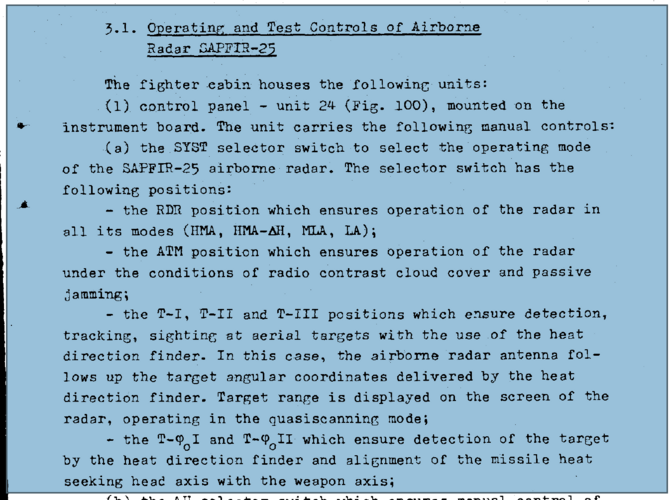
The TP-23 thermal direction finder and the ASP-23D optical sight, which were part of the MiG-23M weapon system, were also available on the previous modification, but since they were sufficiently tested on the MiG-23M, it makes sense to focus on this sighting equipment in relation to the "EM" modification. The TP-23 thermal direction finder was used to detect air targets by the IR radiation of their engines, allowing for covert target searches day and night. Unlike the radar, which identified a fighter by its radiation, the thermal direction finder used a completely passive operating principle. The thermal direction finder developed by NPO Geofizika was an optical-electronic device that provided a spatial overview and indicated the location of air targets with subsequent automatic tracking of one of them selected by the pilot. Its operating principle was similar to television sighting systems with a line-frame spatial overview in the IR spectrum. The search for objects was carried out by a sensitive photodetector made in the form of an elemental mosaic of an alloy of indium.antimonide. To increase the sensitivity of the photodetector, deep cooling with liquid nitrogen was used. The TP-23 window was made of optical ceramic plates that formed a characteristic faceted shape of the fairing under the nose of the aircraft. The selection of the "right" object, corresponding to the parameters of thermal radiation of the aircraft engine, was made by the coordinator using spectral and spatial-frequency signal processing, he also issued target designation by target coordinates.
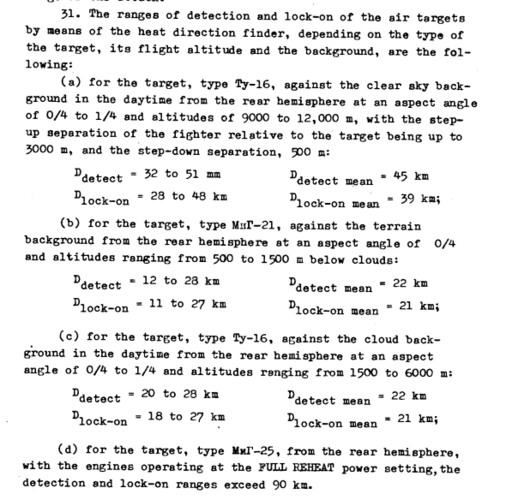
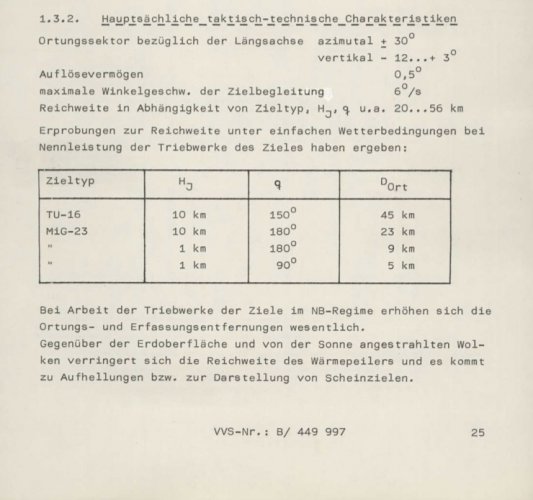
Information on the presence and position of heat-emitting targets was displayed on the glass of the optical sight. A typical target of the Tu-16 type was detected from the rear hemisphere at a distance of at least 30-35 km. However, the TP-23 could be effectively used only under clear weather conditions - dense clouds, fog and precipitation absorbed thermal radiation, making its source barely noticeable to the device.
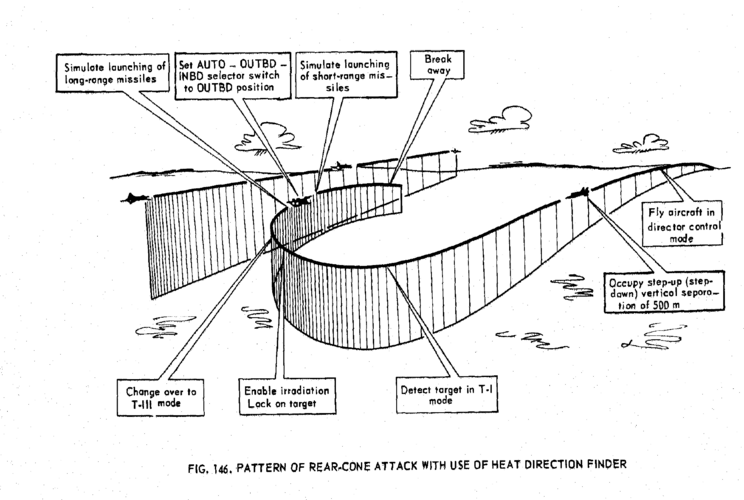
In addition to searching for targets, the thermal direction finder made it possible to point the radar antenna and issue target designation to the R-23T thermal missiles. It was possible to attack in a completely covert mode without turning on the radar, with aiming based on the TP-23 data. When the thermal direction finder and the radar worked together, the best conditions were created for overcoming the jamming environment - one of the systems was not susceptible to interference, be it radio countermeasures or heat traps, allowing you to select the most suitable operating mode of the search and aiming system for the attack.
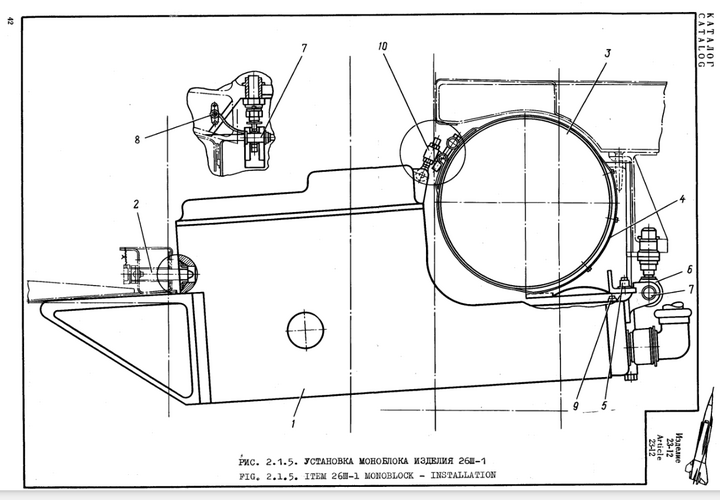
TP-23 was installed on vehicles No. 0608 to No. 3508, starting with product No. 3509 it was replaced by the improved TP-23-1, which was distinguished by the design of the coordinator and cooling unit in the form of a monoblock. The thermal direction finder of the modernized design was tested on aircraft No. 3206.
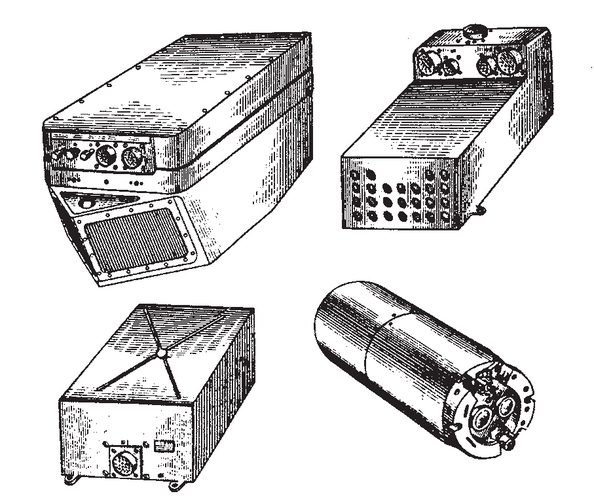
Viktor Markovsky & Igor Prikhodchenko MiG-23 Fighter - To protect the skies of the Motherland, Eksmo, 2017The upgraded TP-23M thermal direction finder (product 26Sh1) had a one and a half times increased range of detection and automatic tracking of air targets, reaching 45 km when operating against targets such as a Tu-16 bomber against a clear sky. The TP-23M had higher accuracy characteristics of no worse than 20 angular minutes and an angular target autotracking speed of up to 6-8 deg/sec, which increased the effectiveness of passive location when working against maneuverable targets. Another advantage was improved protection against natural interference (sunlight, clouds, earth's surface), which made it possible, for example, to detect a target such as the same Tu-16 in the lower hemisphere at a distance of up to 20 km. The role of the thermal direction finder in the S-23ML system expanded: the TP-23M could be used both for space survey and target designation for thermal missiles, and for preparing for an attack using a radar sight, performing a covert approach to the target with the radar antenna pointed at the object with the subsequent activation of the Sapphire and instantaneous target acquisition. The capabilities of the TP-23M even exceeded expectations. The chief designer of the OKB G. A. Sedov reported at a meeting with the military: "In some cases, and not isolated ones, the new thermal direction finders detected and captured targets flying at a distance of 90 km. In conditions of deteriorated visibility, the range of the thermal direction finder on the MiG-23ML aircraft is three times greater than on the MiG-23M aircraft."
Afterburning targets could be detected not only from the rear hemisphere, but also when approaching from the front - when meeting a MiG-25 approaching on afterburner, the detection ranges reached 75 and even 120 km. Externally, the new thermal direction finder was distinguished by a modified fairing with a triangular nose made of optical ceramic plates. Since the usual name of the thermal direction finder TP-23M was given together with its designation as product 26Sh1, at someone's suggestion its incorrect name came into circulation - a contamination of two indexes in the form TP-26Sh1. Despite the absence of such a sample in nature, the fictitious code began to circulate on par with the real one, including in operational documentation - pilot instructions and technical descriptions.
How much does the TP-23M (product 26Sh1) infrared search & track system weigh on a MiG-23ML (23-12B).A total of 54 kg
Sitall was a transparent material made in the USSR for optics:
https://en.wikipedia.org/wiki/Sitall
if kemniya is a typo for kremniya then that's silicon.
Google gives three possible translations:
The T-40A1 fairing is made of heat-resistant sitall based on kemnium and optoceramics
The T-40A1 fairing is made of heat-resistant glass-ceramic glass and optoceramics.
The fairing of the T-40A1 is made of heat-resistant glass ceramic based on silicon and optoceramics.
 . I did try Google translate & came back with the same results, but Sitall was the part about which I was absolutely clueless, as usual. Really interesting stuff, & it looks like an official study was commissioned in 1994 in order to test its ballistic properties for potential use as some kind of armor -
If we’re posting TP-23/26sh stuff…..
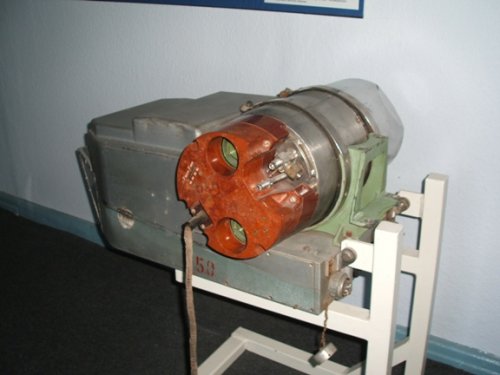
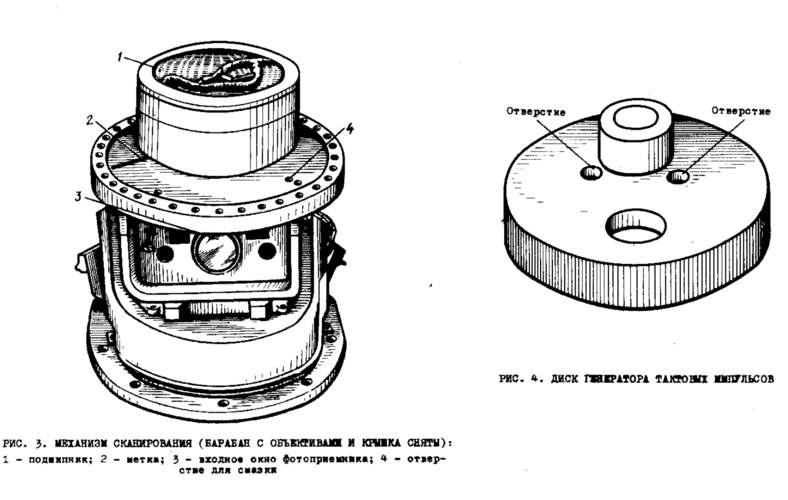
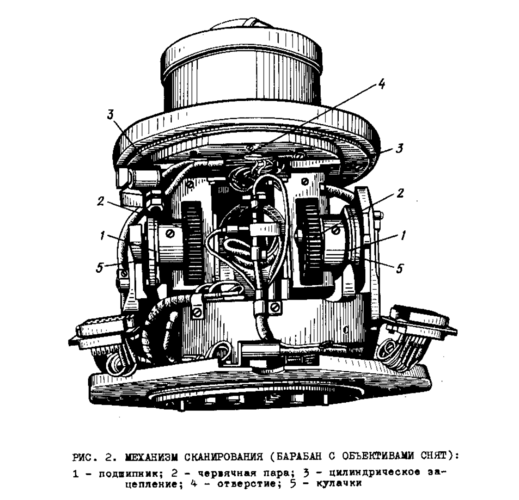
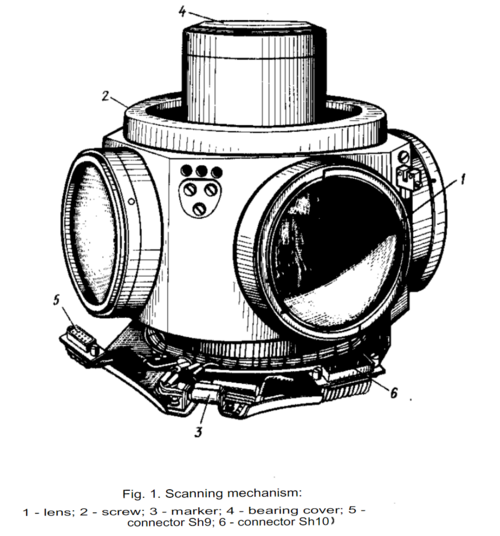
Its design is really genius. The “missile seeker upscaled in a ball” design of MiG-29/Su-27 is good for dogfighting. But this design using a sensor with 4 lenses mounted on a spinning drum around it to provide very fast azimuth scan, and a servo operated mirror to control vertical scanning gives very fast scanning using the raster scan method and long ranges.
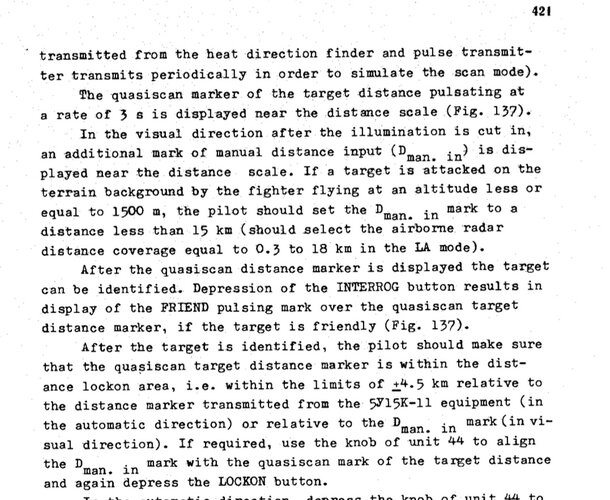
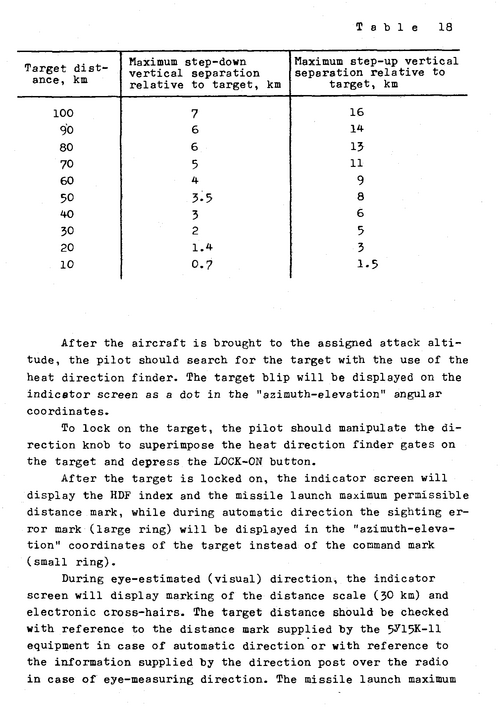
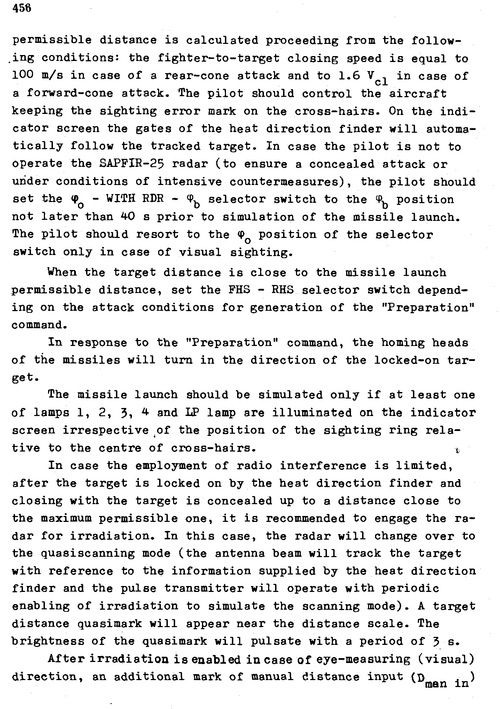
Some photos and pages of MiG-25 manual describing range, radar ranging, and IFF use and other technical docs. MiG-29 is also a downgrade in this respect as the laser takes 8 seconds to try ranging 3 times before it switches to radar ranging, and does not provide you with IFF interrogation or atleast isn’t guaranteed.
The same drum/raster scan design is used In MiG-31 8TK IRST
.
Laser rangefinder is a LOT more accurate in ranging than the radar, so it makes sense to try first. Radar ranging is a fallback on the MiG-29.MiG-29 is also a downgrade in this respect as the laser takes 8 seconds to try ranging 3 times before it switches to radar ranging, and does not provide you with IFF interrogation or atleast isn’t guaranteed.
Yes TP-23 - 8TK in my mind are designed for long range BVR bomber detection and engagement while KOLS/OLS is more about close combat with fighters. Cheers for the drawings and photos.
Where does this idea come from. All range figures given for it in manual are rear aspect. It is PbSe sensor and likely has front aspect detection only suitable for close WVR combat.KOLS in the MiG-29 was only for the front aspect with max 25km detection range
Why do you think MiG-29 can’t use R-27T/ET BVR?
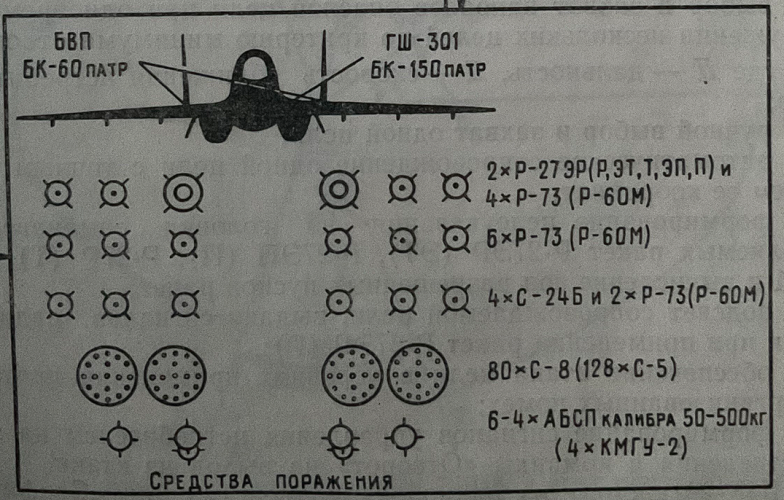
According to BZPP-4 software 9.12A and 9.12B was capable if it if was loaded but of course T/Et wasn’t sold to 9.12A/9.12B customers.Older 9.12,9.13 can not use T/ET but 9.13S can of course ( 9.12S/SM, 9.13S/SM etc ).
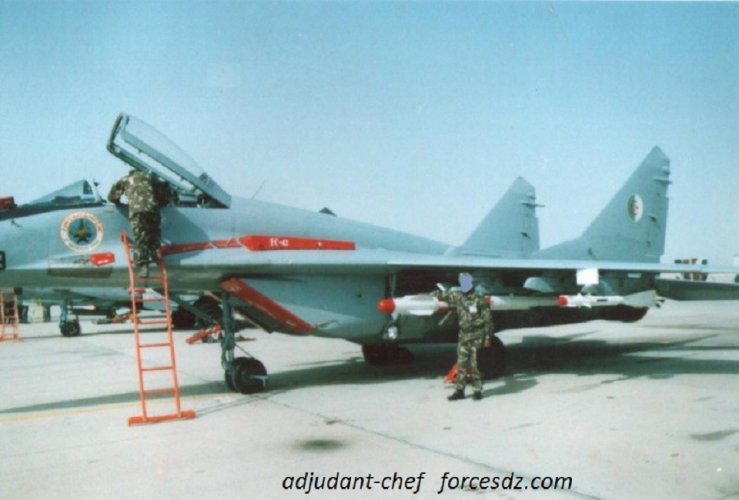
Algerian AF MiG-29SE/9.13SE with R-27T1 (ET1) .
View attachment 805692
Only missile that doesn’t work with radar is 27P/EP.
According to BZPP-4 software 9.12A and 9.12B was capable if it if was loaded but of course T/Et wasn’t sold to 9.12A/9.12B customers.
He says that. But in MiG-29 it only is allowed to be used by Fi0 mode. If it can be used with host radar, it is not on MiG-29 9.12/9.13 and must be for something else that is more integrated. It is not unusual for Russians to talk about dreams at trade shows.Forgot this. P/EP has two working modes .One in conjuction with fighter's radar and another in complete radio-silence mode .
Explained in the article called ''Silent Hunter ''
Yes it and Russian manuals talk about its use on 9.12/13.It is mistake, even 9.13 wasn't /isn't capable of carrying T/ET. BTsVM's Ts100.02.02/06 lacks one very important detail. Both of them could not recognise ER1 or T1/ET1 at a

Good find. 15-25 km head on is extremely impressive. At low altitude it’s probably less then half that referencing the chart above.range in the ZPS could be over 60 km.
In the PPS, the TP could also be used, but only at medium and high altitudes (target altitude of at least 8 km) with an elevation relative to the target, since the TP was located under the radar fairing. For example, with a fighter altitude of 15 km, the target was 11-12 km, acquisition occurred at ranges of 15-25 km (the range increased with increasing target angle), the launch of heat-seeking missiles - 5-15 km, depending on the type of missile.''
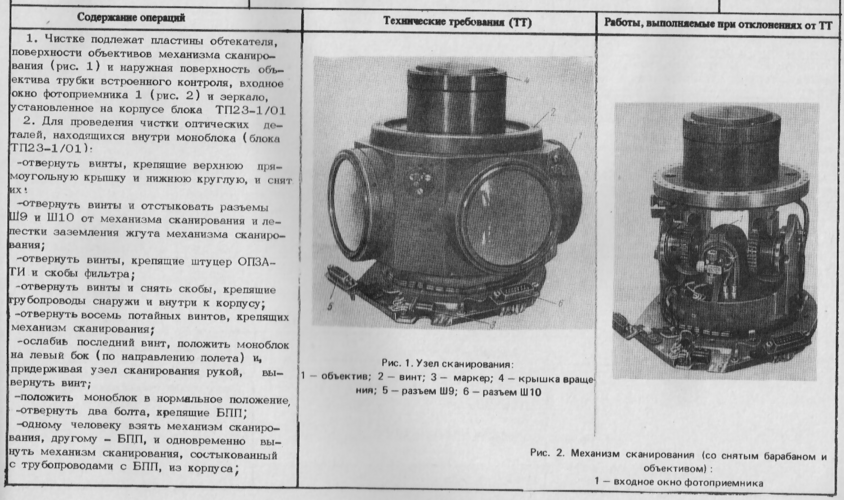
Hello, could you please provide a user manual? I've been researching this topic recently.I consulted my collection of Soviet MiG-23 fighter jet scanning manuals and used an automatic translation function to translate the TP-23 section of the MiG-23M maintenance manual. I only understood the following points:
- The IRST is a monolithic structure that can be disassembled and maintained as a whole.
- Both the TP-23 and TP-23-1 were used in the Soviet MiG-23M fighter jet (the TP-23-1 was likely just an improved version).
- It is cooled by nitrogen gas.
I translated this post for you.Hello, could you please provide a user manual? I've been researching this topic recently.