Forest Green
ACCESS: USAP
- Joined
- 11 June 2019
- Messages
- 14,499
- Reaction score
- 31,531

As we have already stated in many videos - US Department of Defense is working to arm US military with an extensive drones fleet.
Across the Department, there is an accelerating effort to procure vast quantities of unmanned aerial systems—potentially numbering in the hundreds of thousands or even reaching into the millions over the next several years. The emphasis is particularly strong on smaller, lower-cost platforms that can be fielded at scale.
This surge in demand follows updated guidance from the Pentagon that prioritizes mass, affordability, and rapid fielding as key enablers for future operational concepts.As inventory objectives expand, so too does the need for efficient deployment infrastructure.Specifically, there is growing interest in modular, container-based launch solutions that can quickly release large numbers of drones and, where feasible, support their recovery.
In this context, the Defense Innovation Unit (DIU) has outlined high-level performance criteria for what it terms a Containerized Autonomous Drone Delivery System, or CADDS. The concept envisions a flexible, rapidly deployable platform capable of integrating various government-directed unmanned aircraft while supporting scalable operations aligned with the military’s broader push toward massed autonomous capabilities.
In this video, Defense Updates analyzes how the Pentagon is planning drone swarm deployment with Containerized Autonomous Drone Delivery System?#defenseupdates #usmilitary #usdrone
Ukraine’s Hivemind AI drones are changing drone warfare, and Russia’s jamming advantage may be in serious trouble. In this video, I break down Shield AI’s Hivemind system, how it enables autonomous operations without GPS or comms, and why that flips the battlefield math in Ukraine’s favor.
Ukraine also has Swarmer, which I'm saving for a full video very soon.
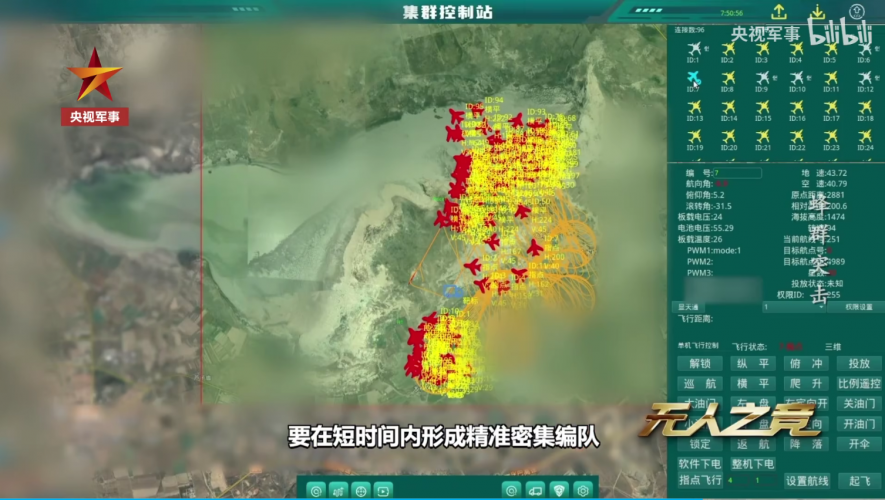
Midway through, I explain how one operator can now command entire drone swarms instead of flying a single FPV, and what that means for scale, survivability, and cost.
This isn’t theory anymore. It’s a shift in how wars are fought.
TLDR: Ukraine is about to get sophisticated AI-powered autonomous drone software from an American company, marking a significant step in the evolution of drone technology on the battlefield. This move will enhance Ukraine's capabilities in drone warfare, integrating advanced artificial intelligence in warfare for strategic advantage. It represents a major military innovation in modern combat.

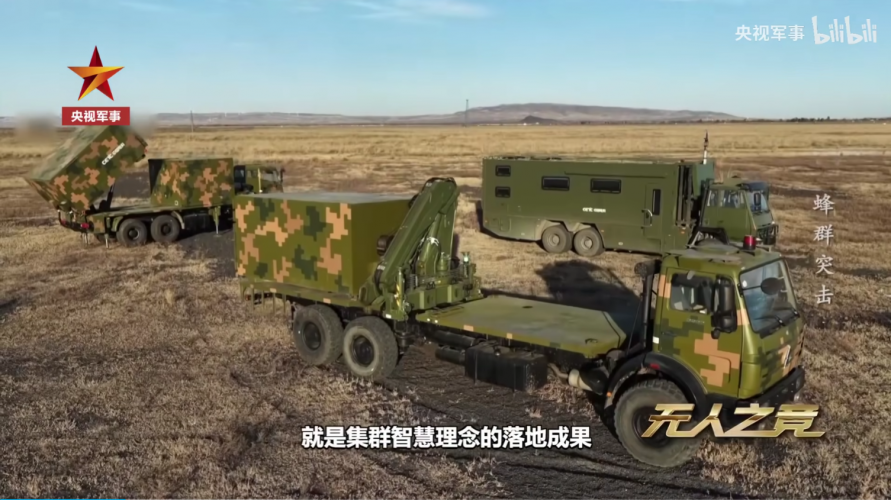
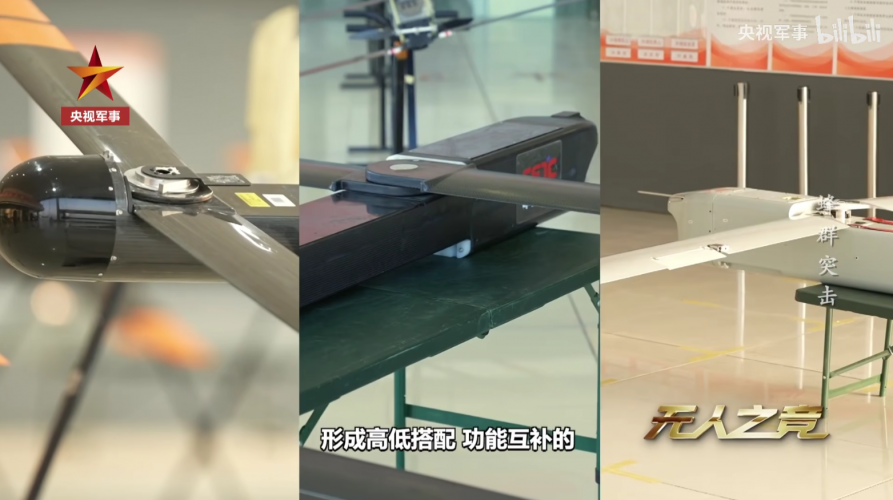
A drone swarm made of different spezialised types makes sense as the next step in drone warfareInterestingly, there are three different types of drones.

There is a video somewhere around here with Ukrainian "carrier" drones hauling FPVs to the battlefield. Then they sit up high and act as scouts for the others.A drone swarm made of different spezialised types makes sense as the next step in drone warfare
An American F-15E crew over Iran described a jellyfish made of drones, moving as one, right before they ejected. Whether that account is literally accurate doesn't matter as much as what it implies: a networked drone architecture already documented in Ukraine, built from Chinese electronics, may now be operating in Iranian airspace.
Video Sources: https://docs.google.com/document/d/16...