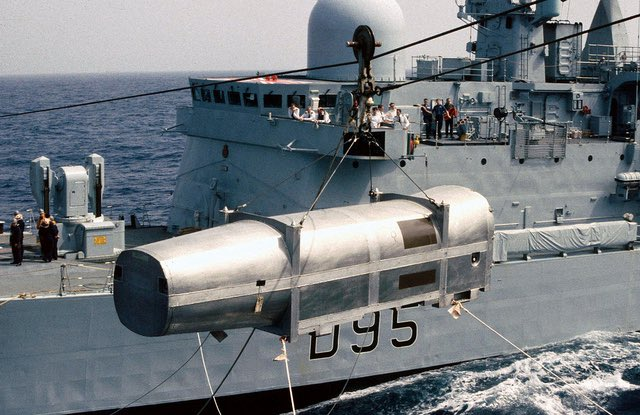
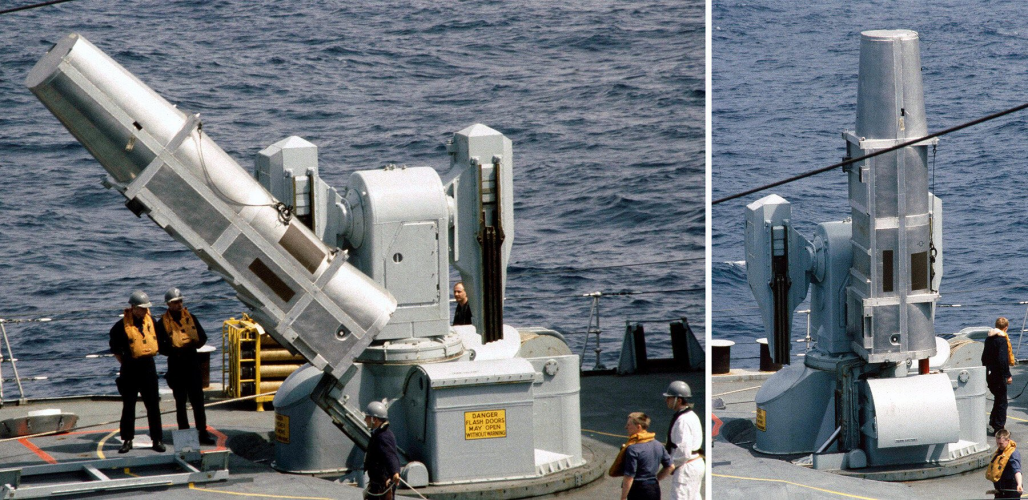
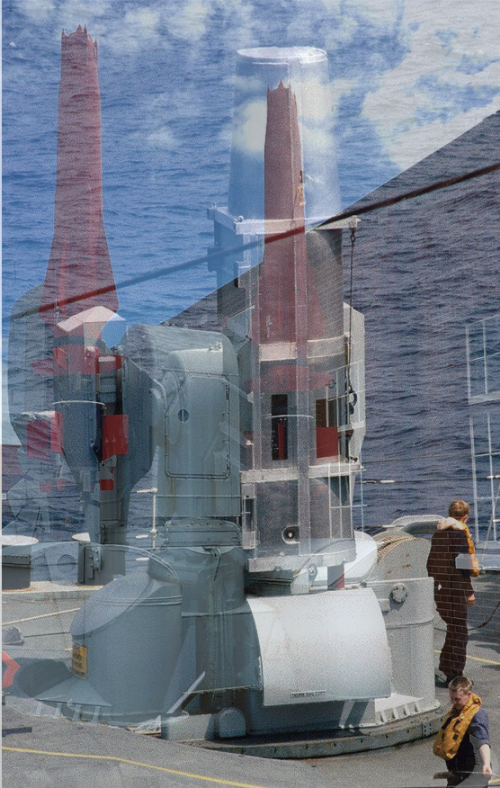
If a nuclear armed version of the Sea Dart had been produced I doubt it would've been in large numbers, something I suspect on the order of two or three dozen warheads at most.
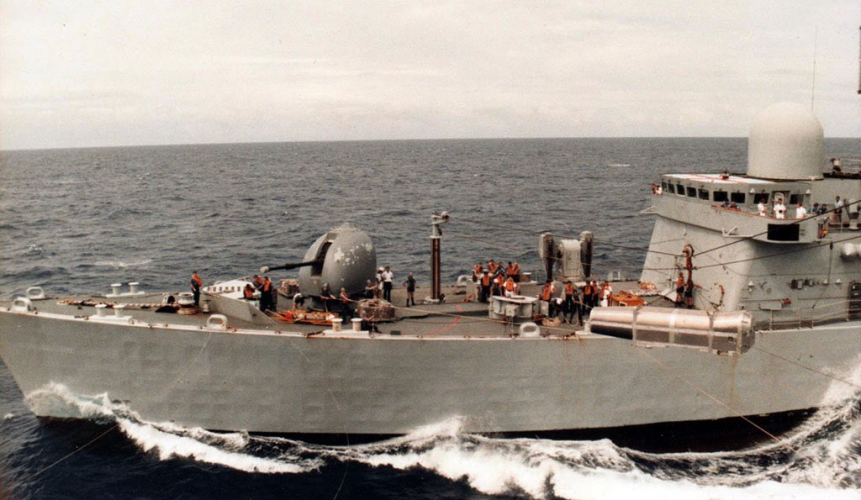
Which would make such warhead VERY costly - the development costs would be spread over small number of units.
 
More efficient designs, that did not require orally or as much plutonium.
Not much choice when you only have an 8.8" circle for your maximum diameter. The W54 in the Davy Crockett is about the smallest possible round-ish design, and it's 11"x17.5". Any smaller and your implosion efficiency goes to crap, requiring a lot more fissionables to get to supercritical kaboom.
 
Not much choice when you only have an 8.8" circle for your maximum diameter. The W54 in the Davy Crockett is about the smallest possible round-ish design, and it's 11"x17.5". Any smaller and your implosion efficiency goes to crap, requiring a lot more fissionables to get to supercritical kaboom.
That's why I seriously doubt that Sea Dart could be equipped with nuclear warhead without rather serious redesign. As I mentioned above, Seaslug would be much better solution in everything but range (and range could probably be improved too at least a bit)
 
No, you can two point initiators, and pulling diameter down in one axis
 
Yes, but efficiency would suffer a lot. Two-point imposion isn't very efficient design; the devices with it require a lof of plutonium to work. So again, too costly for Britain.
No they require very precisely moulded explosives to work and the chief problem is how little you can reuse that mould.
 
Looks like the shape is dictated by the extent of the booster fins mostly.
That's I get, but why the forward part was made narrower than the rest? It didn't seems to save much space/weight, and just make the container at least several times more costly and complex than if it was a simple box.
 
Would you elaborate on that point please.
Ok

Propagation of the explosive 'wave' through the material depends on it's density and thickness.
This through specialist and very precise shaping of the explosive, the propagation can be controlled to arrive simultaneously around the implosion 'shell'.

The fewer the initiators the less difficulty in simultaneous initiation of the explosive. Timing being critical.
But the more precise the moulding of the explosive, the shorter the life of the mould. As each use subtly and slowly wears the mould. As it changes through wear, the precision drops off and the moulded explosive ceases to be the correct shape.
 
Back
Top Bottom