- Joined
- 22 January 2006
- Messages
- 4,436
- Reaction score
- 2,801
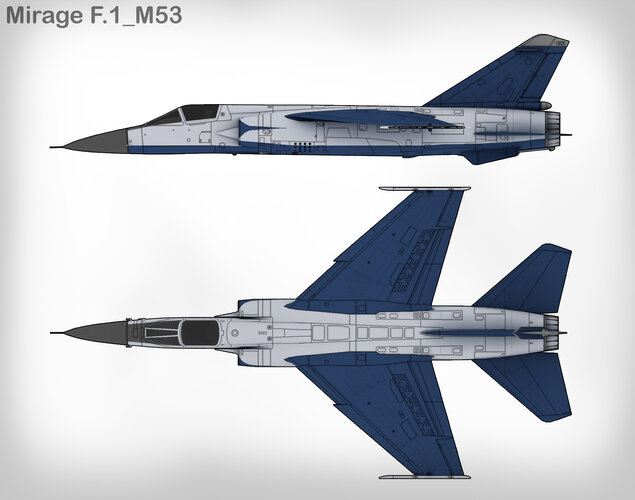
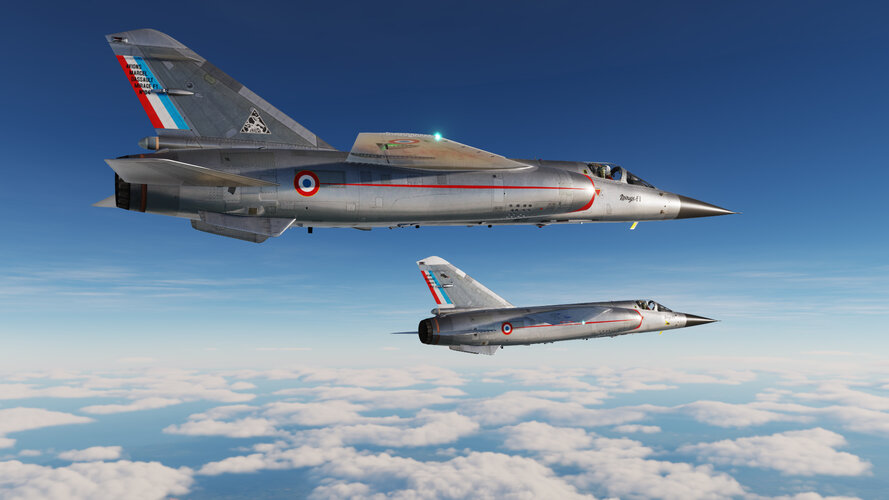
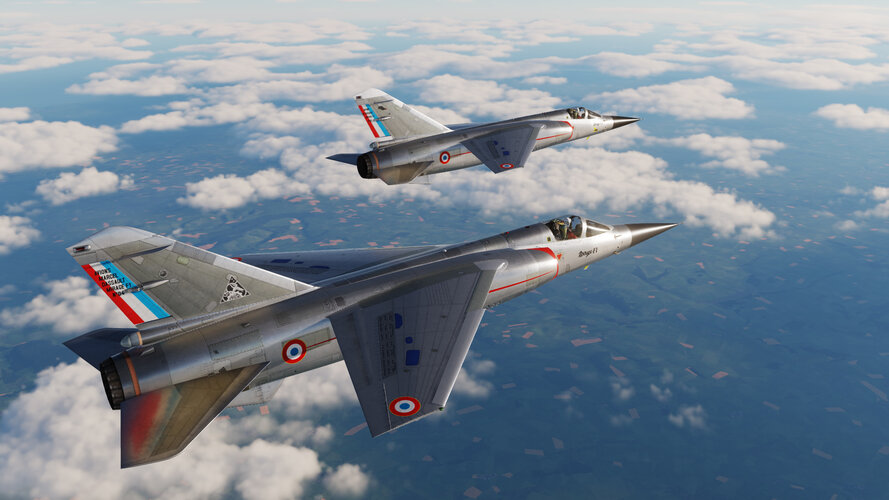
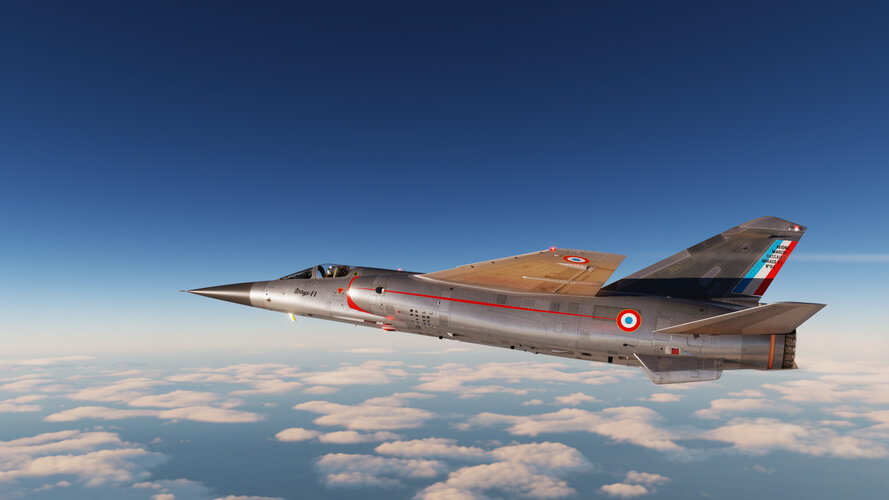
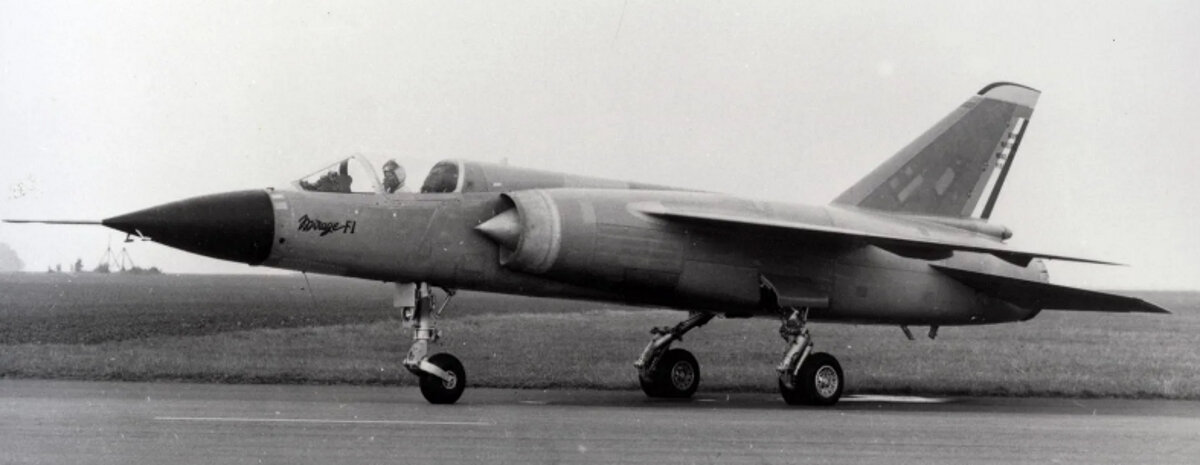
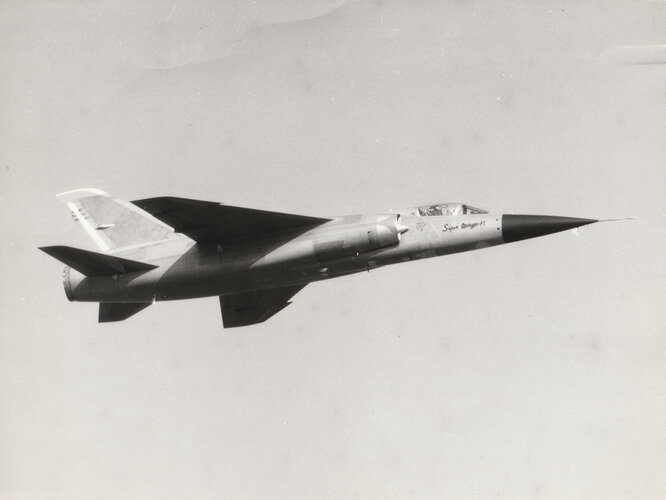
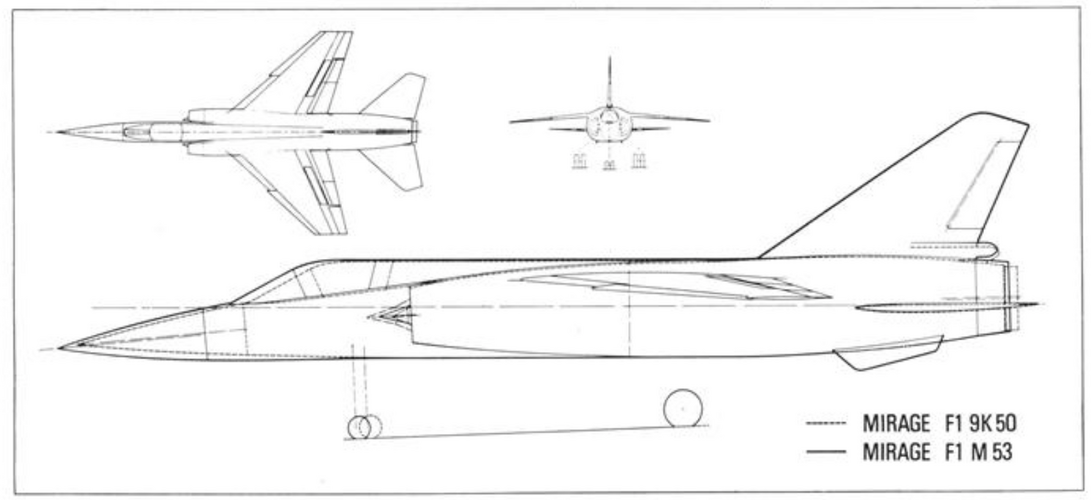
October 1969does anyone know when Dassault officially started the F1 M53 program?
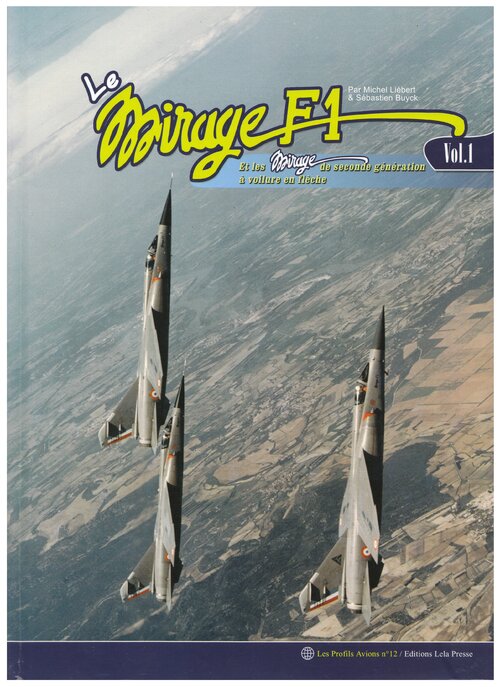
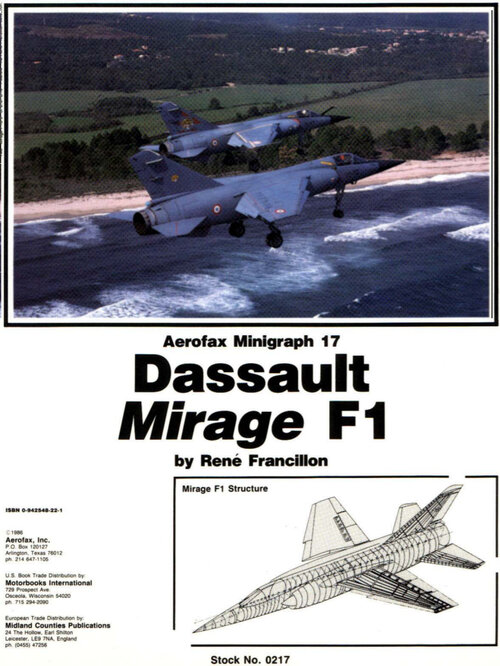
"Le Mirage F1. Vol I" par M Liébert & S Buyck. Chapitre 4. Pg 91

October 1969does anyone know when Dassault officially started the F1 M53 program?
Thank you Antonio, most helpful and appreciated mate!October 1969does anyone know when Dassault officially started the F1 M53 program?
"Le Mirage F1. Vol I" par M Liébert & S Buyck. Chapitre 4. Pg 91

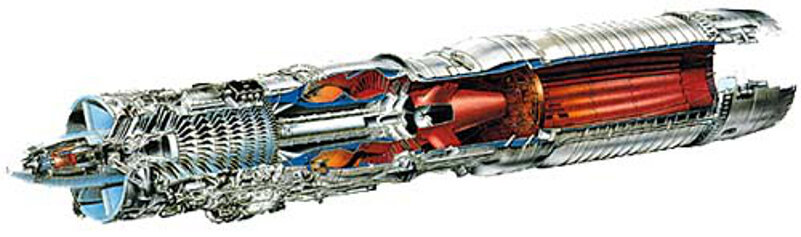
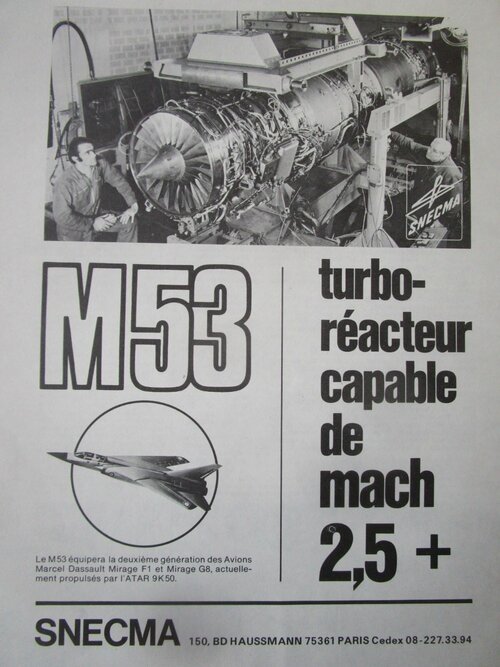
was originally called the Super Atar 9K50 and was designed for sustained flight at Mach 2.5.
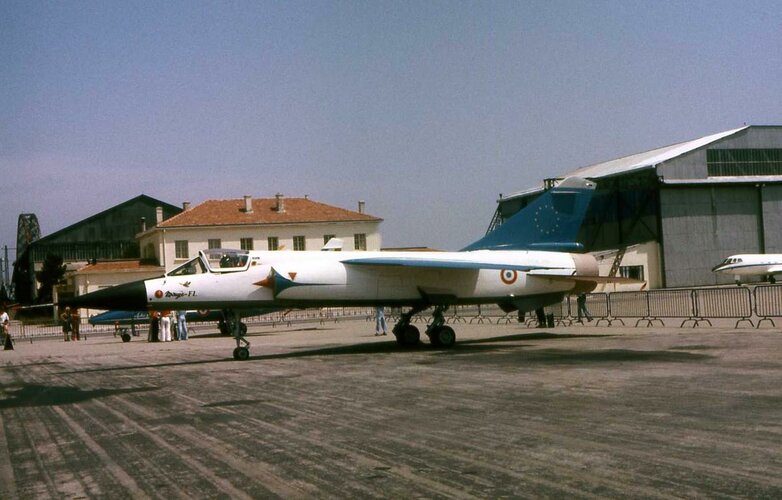
The French Navy showed interest about the Mirage F1 and tested prototype 03 in November 1971.I always thought that the proper "F1-M53" design would have been carrier-capable, to replace both the Crusaders and Super Etendards.
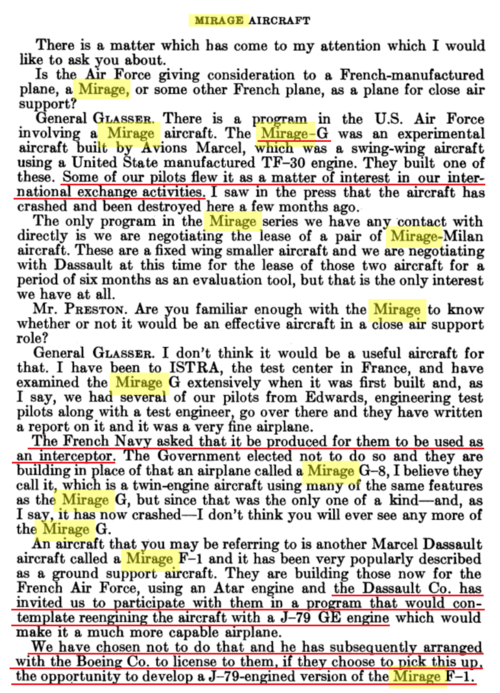


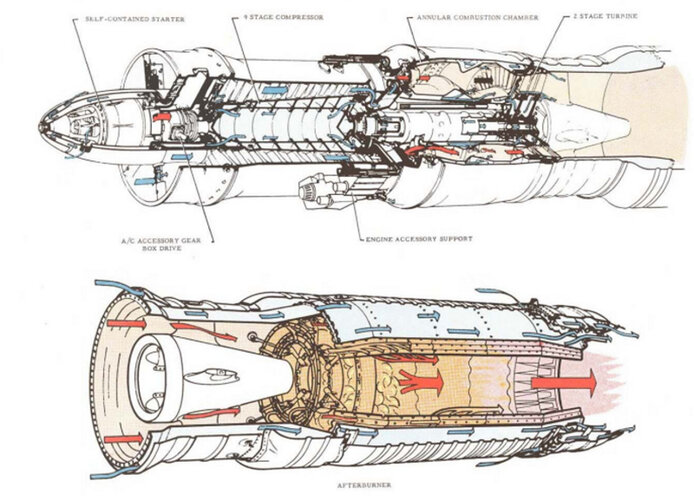
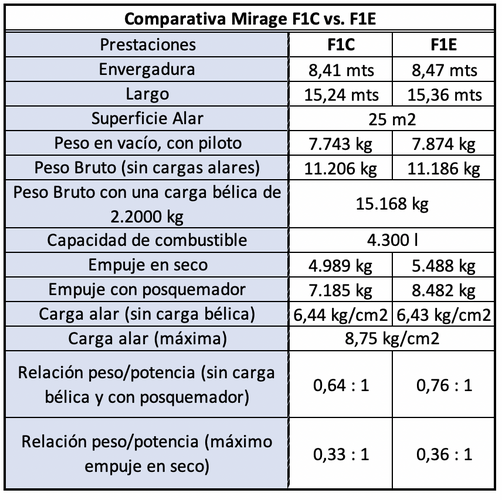
It was also a much hotter engine so would have required quite a bit of extra mass in heat shielding and drag through cooling air intakes ala Kfir.It would be interesting to know which version of the J79 they were considering. Generally while the J79 has higher thrust, it is also a heavier engine which may negate many performance benefits.
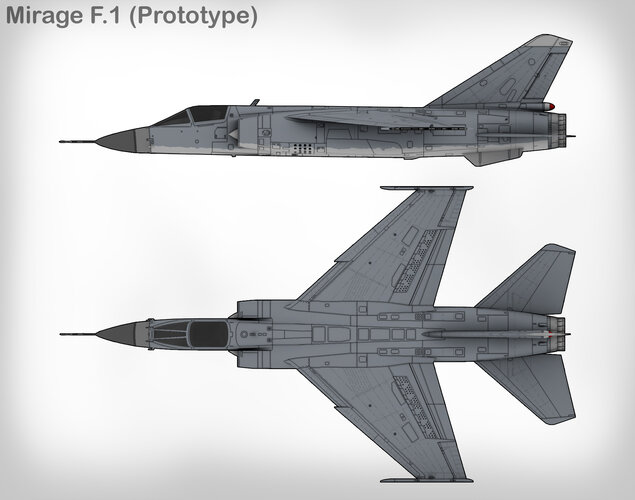
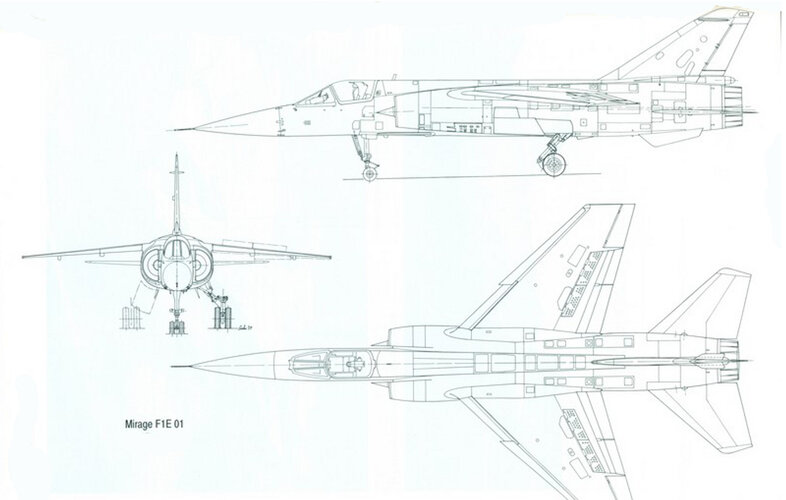
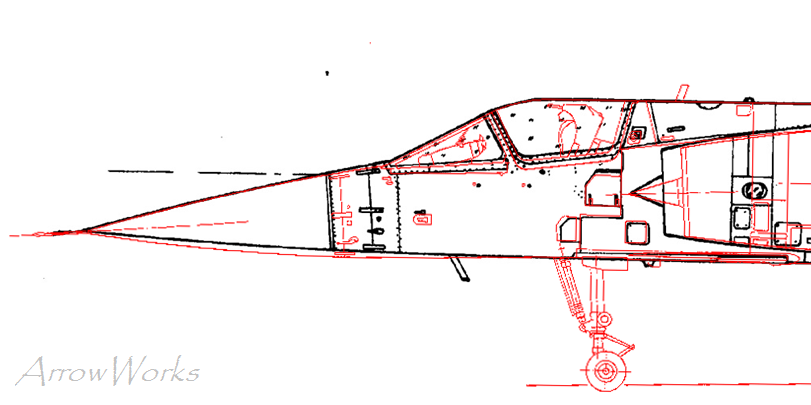
The later, production representative F1, has a very different fuselage structure to the Mirage III and 5. But in general - similar engine type so likely similar problems to solve.We know that swapping the Atar for the J79 inside the Mirage V was no picnic - the Kfir ultimately needed a small cooling intake at the base of the fin. What is interesting is that, both being born the same year 1967, the Mirage V and the Mirage F1 shared the same "rump" if not fuselage, up to the radome.
So rolling a J79 inside a Mirage F1 in place of an Atar should run into the exact same difficulties.
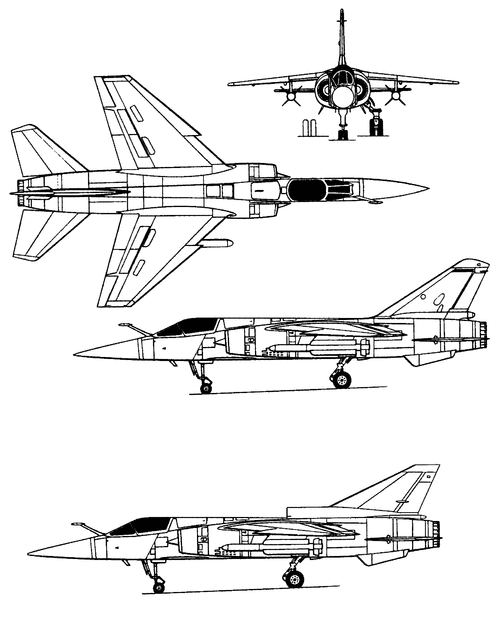
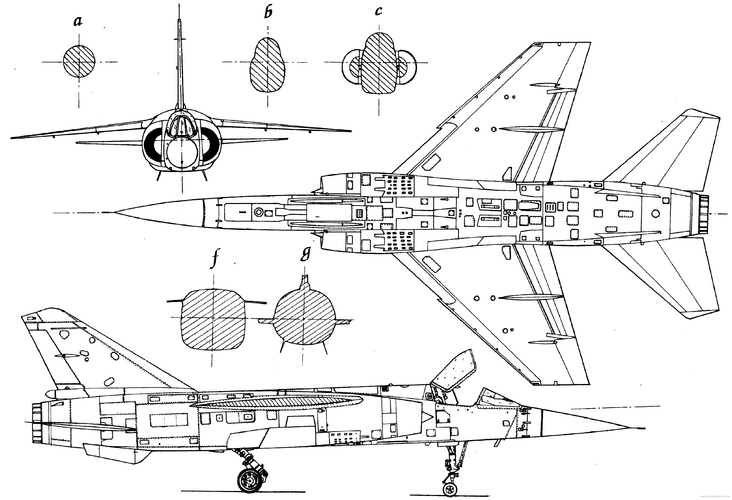
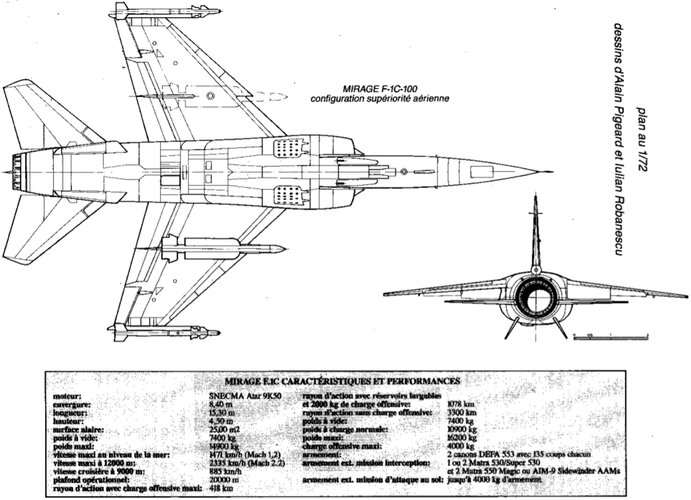
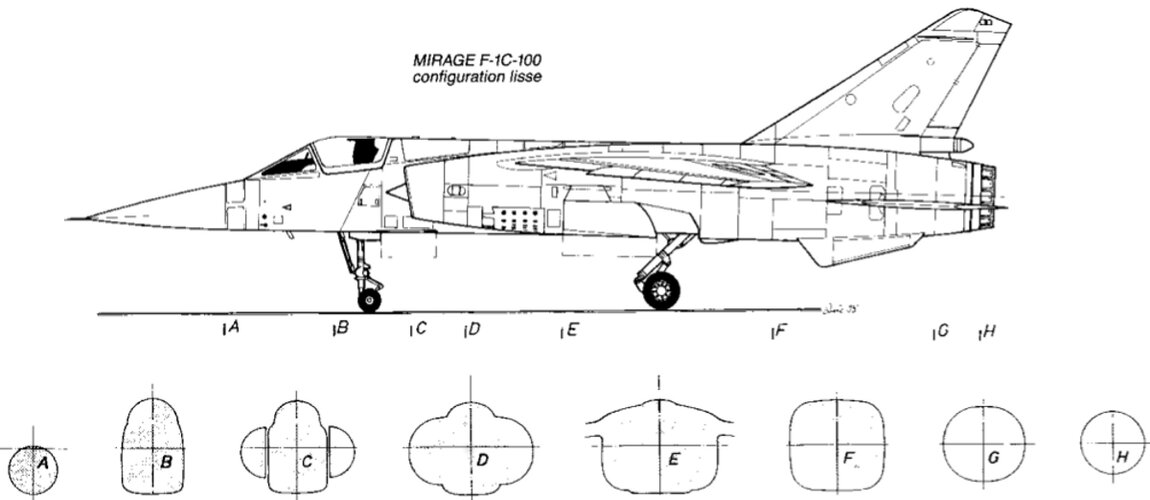
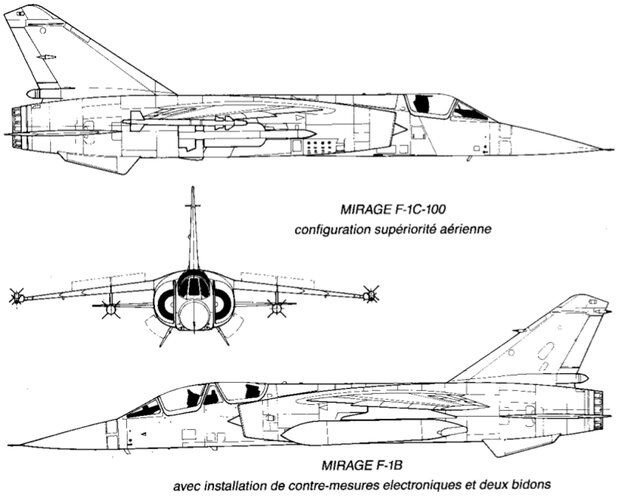
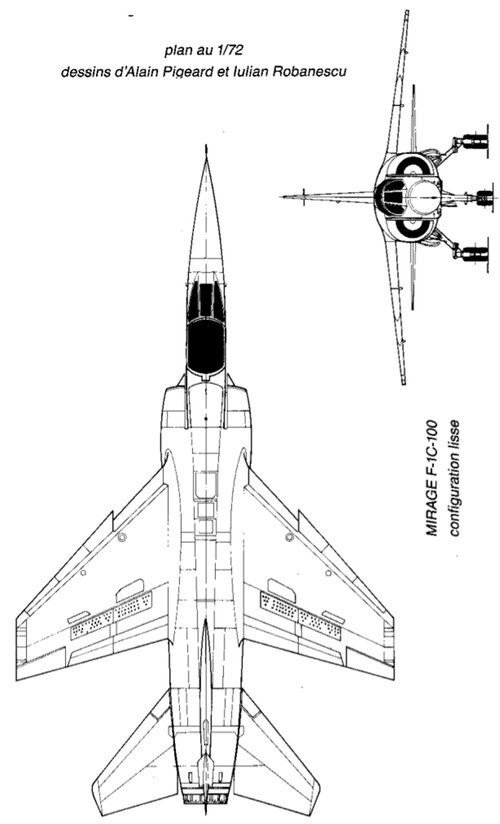
Starting from basic 3-views It would be pretty easy to use MS Paint to put a Kfir rear fuselage on a Mirage F1, tailfin included.
The good news is that the J79 made the Mirage V a hot rod. The "F-21s" Kfir agressors were used to simulate MiG-23s for two reasons a) they accelerated like bats outta hell and b) they had very limited manoeuverability.

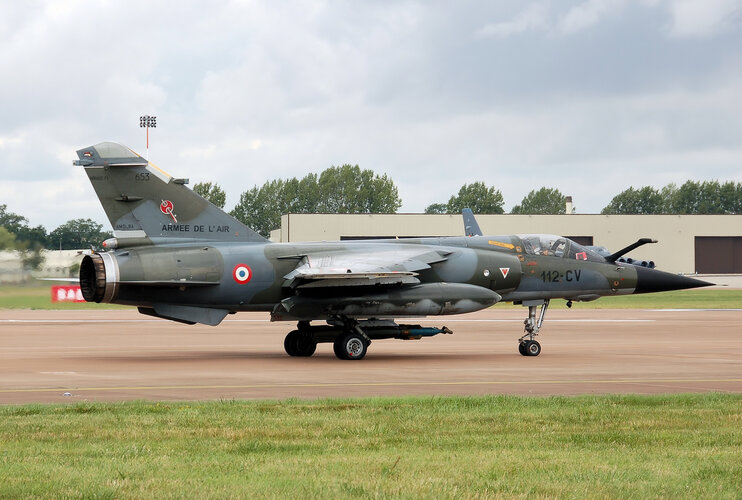
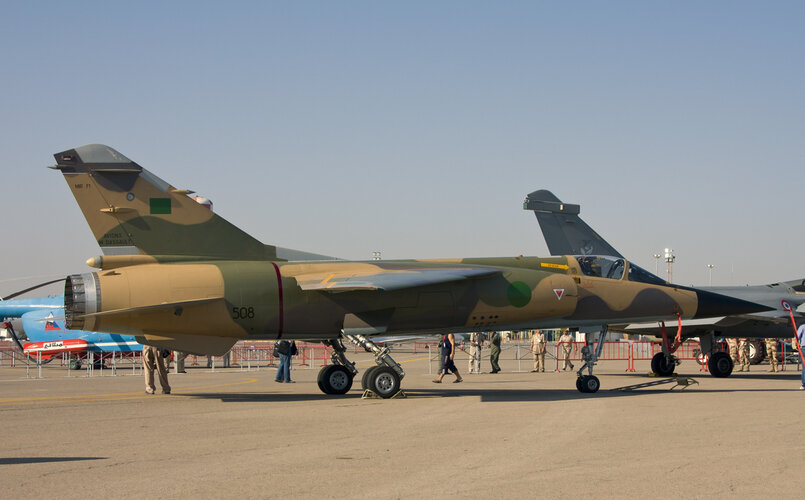
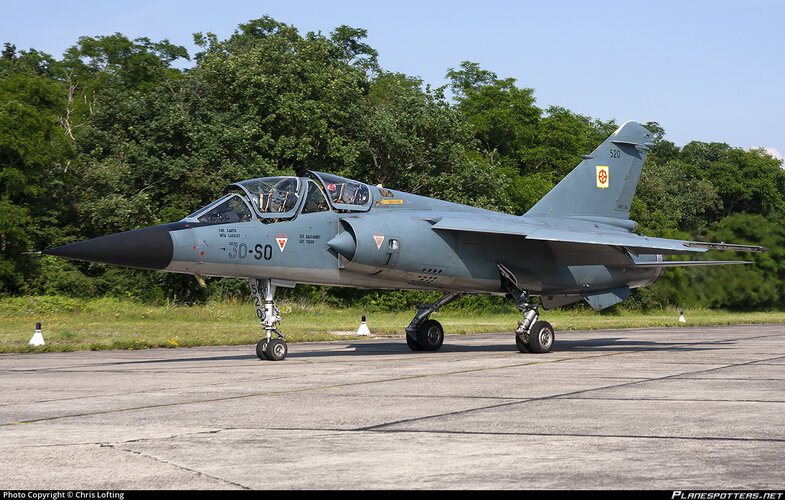
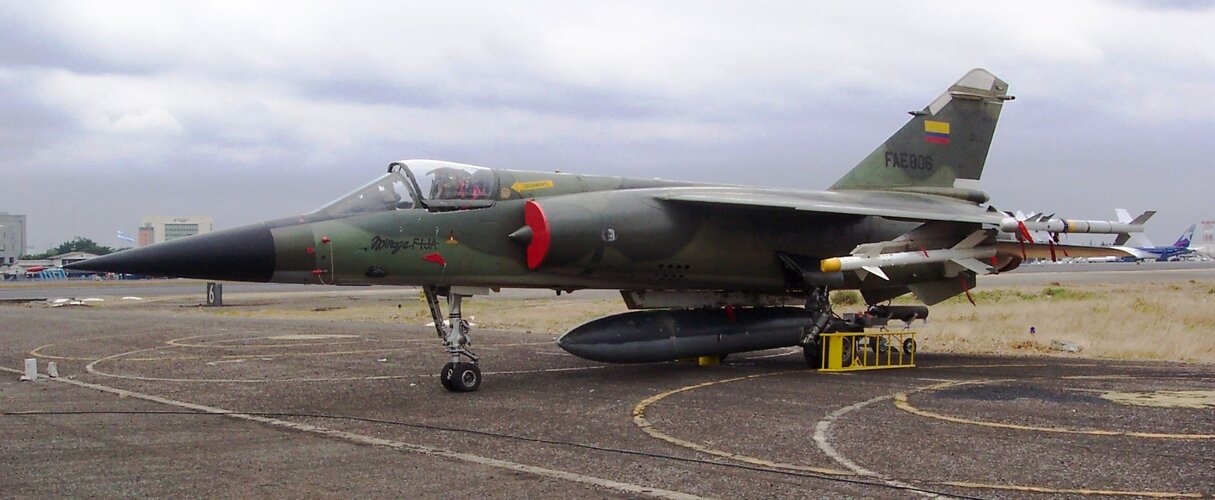
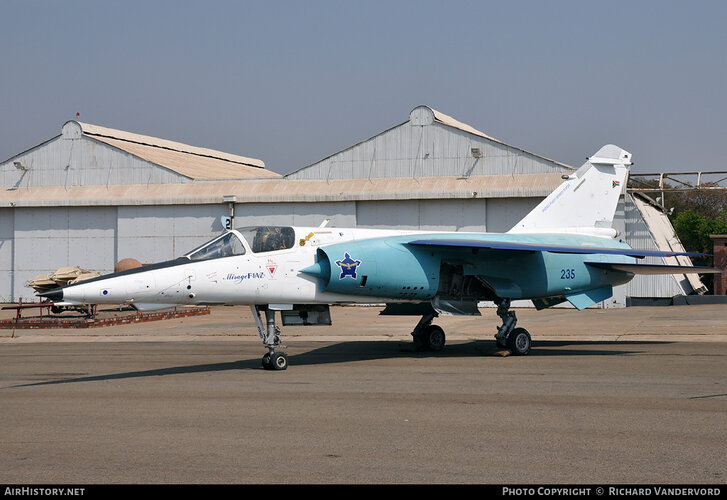


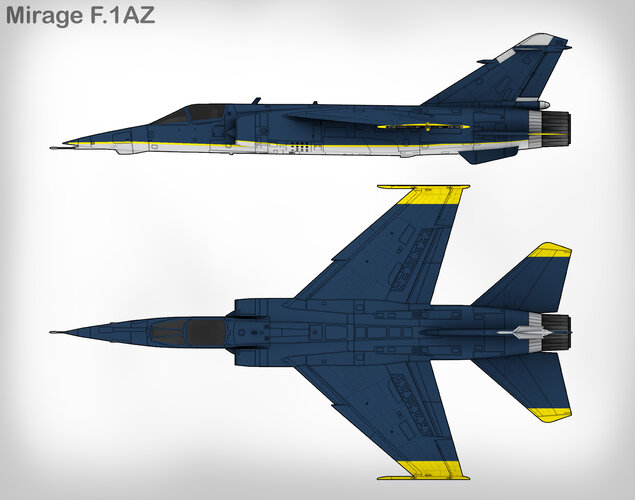
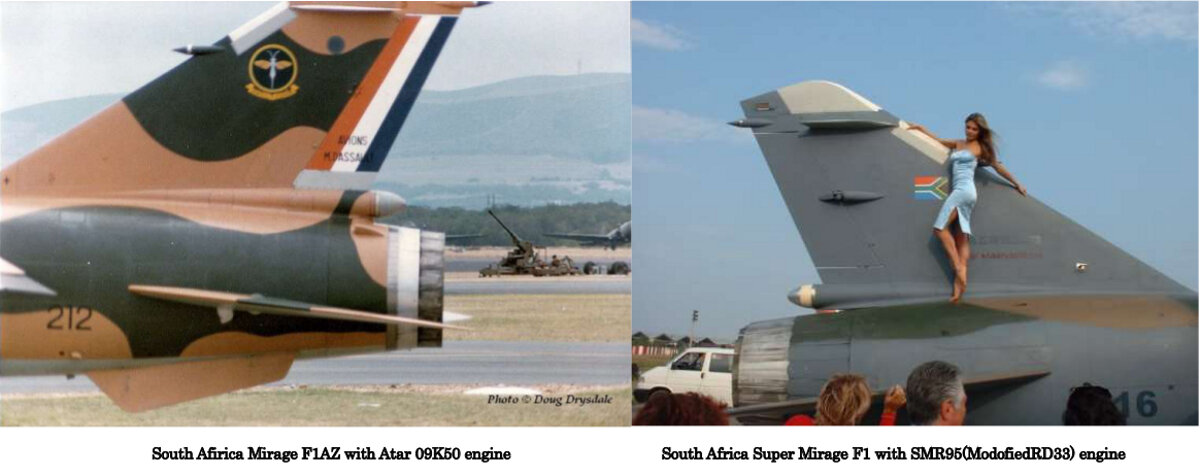
The project started under extreme secrecy in 1989 and became public in 1994. Not in 2004. Aerosud was a pseudo-Atlas Aircraft company to do the work clandestinely in the Soviet Union and not be affiliated with the South African State. Only one Mirage F1 - tail number 216 - was conveted. The other aircraft was a Cheetah D2. Both received no avionic upgrades. There was a avionics upgrade for the F1 but that was part of a whoally seperate project although they were marketed together later.Hi Super Mirage F1!
「HISTORY
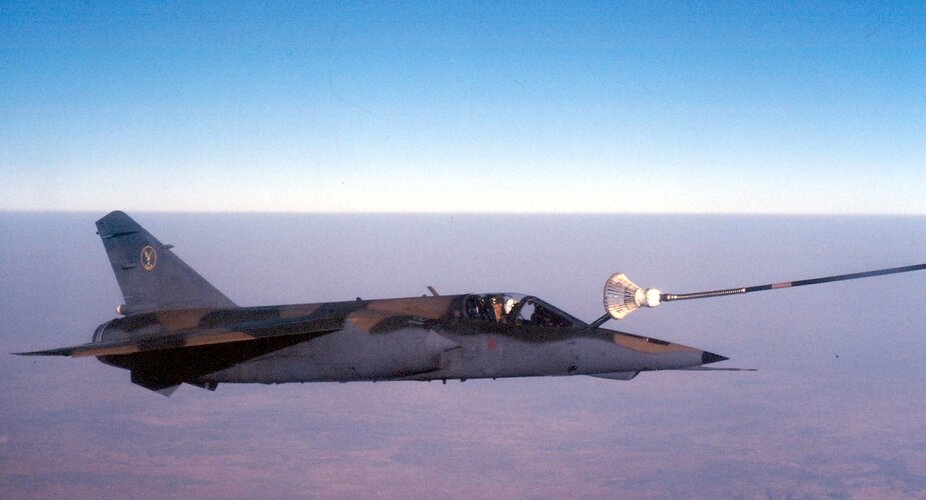
The story of this plane began in 2004 when AEROSUD(South Africa) purchased the remaining South African Mirage F1AZs. The intent was to upgrade them to remain relevant in the skies of the 2000s. To achieve this, a collaboration was established with Marvotech, which provided a new engine, updated avionics, and new armament. Two Mirages underwent this modification. However, a deal made by the South African government regarding the procurement of Gripens led to the project’s termination. According to AFP, these two planes participated in Ghana’s independence celebrations in 2008, marking their last public demonstration.
PERFORMANCE
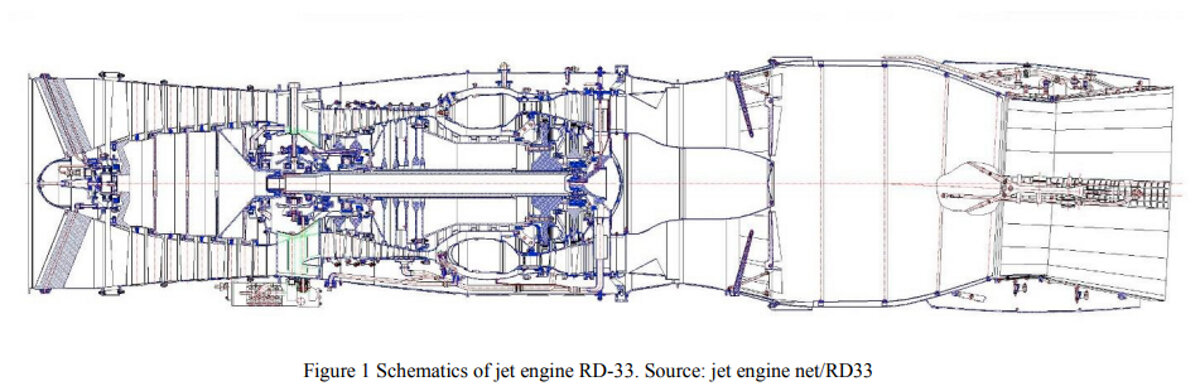
The Super Mirage F1 was equipped with the SMR 95, a modified version of the RD-33, famously used in the MiG-29. This engine can produce up to 50.0 kN (11,230 lbf) dry thrust and 81.3 kN (18,285 lbf) with afterburner. Tests revealed that this new engine provided the F1 with 16% more thrust than the older Atar. At 15,000 ft (4.7 km) with two AA missiles, a full gun, and half the maximum fuel, the plane demonstrated improved turning capabilities and acceleration. The new HUD integrates an in-built helmet visor, allowing pilots to lock onto a target with the missile simply by looking at it.」
ARMAMENT

super mirage F1 the dart aiming to pierce the sun

So you confirm that there was an error in this article ?Only one Mirage F1 - tail number 216 - was conveted. The other aircraft was a Cheetah D2.
(....)
The Cheetah last flew in 1995 and I have the F1 as around 2005/6. It was transfered to the SAAF museum at that point along with another F1 tail number 233. They would certainly not have flown at Ghana's Independance celebrations.
More SMR-95 engines were sent to South Africa, where one was fitted to a second Mirage F1, and another to a Cheetah D for test purposes.
I do yes. Only one AZ - tail number 216 - was converted and flew. No idea where the story of a second one could originate? They did use a F1CZ tail number 214 during the project. It was sent to Russian for engine integration purposes although Atlas stripped out all the internals and only sent the bare airframe. It was thus useless as they exactly needed the internals for all the integration work between the SMR-95, the new gearbox and the rest of the Mirage's systems.So you confirm that there was an error in this article ?
https://www.secretprojects.co.uk/th...-projects-from-south-africa.20122/post-402569
https://bayourenaissanceman.blogspot.com/2011/07/weekend-wings-41-south-africas-franken.html