jsport
what do you know about surfing Major? you're from-
- Joined
- 27 July 2011
- Messages
- 8,647
- Reaction score
- 6,942



I wonder if the Army should take a look at an adaption of Apple's Reality Pro; that's the cutting edge nowadays in AR/VR
They probably are, but the timeline for military contracting means any technology buys are roughly 10 years out of date by the time they're delivered. It's seriously why the USN contracted out for their computer networks. When my base got NMCI, the computers that were getting replaced were at least 8 years old but updated to run Windows NT.I wonder if the Army should take a look at an adaption of Apple's Reality Pro; that's the cutting edge nowadays in AR/VR

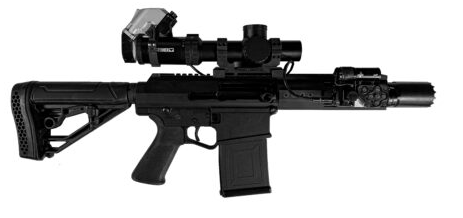
So it's a Genesis Gen12 shotgun, shooting standard shotgun and Frag-12 HEDP rounds. The FCS in the scope is the expensive part, I can build all the rest of that for $2000 or so.This is old news but it's pretty cool. One of the Contenders for the Precision Grenadier System by Plumb Precision. A 12 gauge M110 firing 17.5mm rounds, named the P3-M110 PGS.
https://soldiersystems.net/2023/07/...ality-precision-grenadier-system-opportunity/
View attachment 705464
Which is cool and all, but is still detectable because you're using a SWIR searchlight. Remember those news reports of insurgents finding American troops at night with a basic phone camera?

Or you don't ever bother to decompress until work is done, how the Navy is said to have worked on the underwater wiretapping jobs with USS Parche.Not exactly for infantry soldiers, but very cool.
As an aside, I met then Master Chief McMurtry many years ago, when I was writing a report on the TWA 800 salvage effort. I can see a lot of the lessons learned from that effort in this new dive suit. Decompression hard-hat diving runs into serious problems, especially when you have to do sustained operations over w|ks at a time. A no-decompression suit like this would have avoided some serious injuries and lots of fatigue and lost time.
Or you don't ever bother to decompress until work is done, how the Navy is said to have worked on the underwater wiretapping jobs with USS Parche.
Which is cool and all, but is still detectable because you're using a SWIR searchlight. Remember those news reports of insurgents finding American troops at night with a basic phone camera?
Oh, damn! Yes, if you don't have a pressurized habitat to work in, a 1-atm suit is vastly better.Yes, you can do that, if you have a deep-water habitat to live in.
The TWA 800 salvage op didn't have that, of course. They were doing surface-supplied hardhat dives with, IIRC, 10-20 minutes of bottom time followed by a quick ascent, followed by hours in the chamber to get repressurized and then slowly depressurized. But they learned that the standard decompression tables don't work if you are diving for days and weeks on end. Even being very conservative, they still had divers get the bends after prolonged diving ops. Hard suits like these would have been vastly better for that kind of work.

Why an exoskeleton how about a remote operator and a combat robot.OK, this might require a new thread about brain-machine interfaces or applications of AI or whatever.
Anyway remember Firefox and 'think in Russian'? Here is mind-reading brain-machine interfacing that uses AI to reconstruct perceptions from brainwaves.
https://www.nytimes.com/2023/08/15/science/music-brain-pink-floyd.html
https://www.science.org/content/art...loyd-song-reconstructed-listeners-brain-waves
A thing that Peter Watts has pointed out (remember him from another thread?) is that consciousness is Dilbert's 'pointy-haired boss' of the brain - it takes the credit for initiatives that have already been set in progress. A true human-machine fusion would require not just someone reading information off an instrument panel and pushing buttons in response - think of Ripley using the power loader to fight the Xenomorph queen at the climax of Aliens. In practise it would use an intuitive 'preconscious' reading of intentions by the computer controlling the mechanical augmentation would be greatly more efficient. There's plenty of data showing that we perform basic tasks like the brain instructing an arm to reach for a glass of water before consciously 'deciding' to do so.
Now we have machines that can to a limited degree read minds in an experimental setting. Practical applications would be exoskeletons that could synchonise with cues from their wearer's nervous systems and weapons systems that can read mental cues.
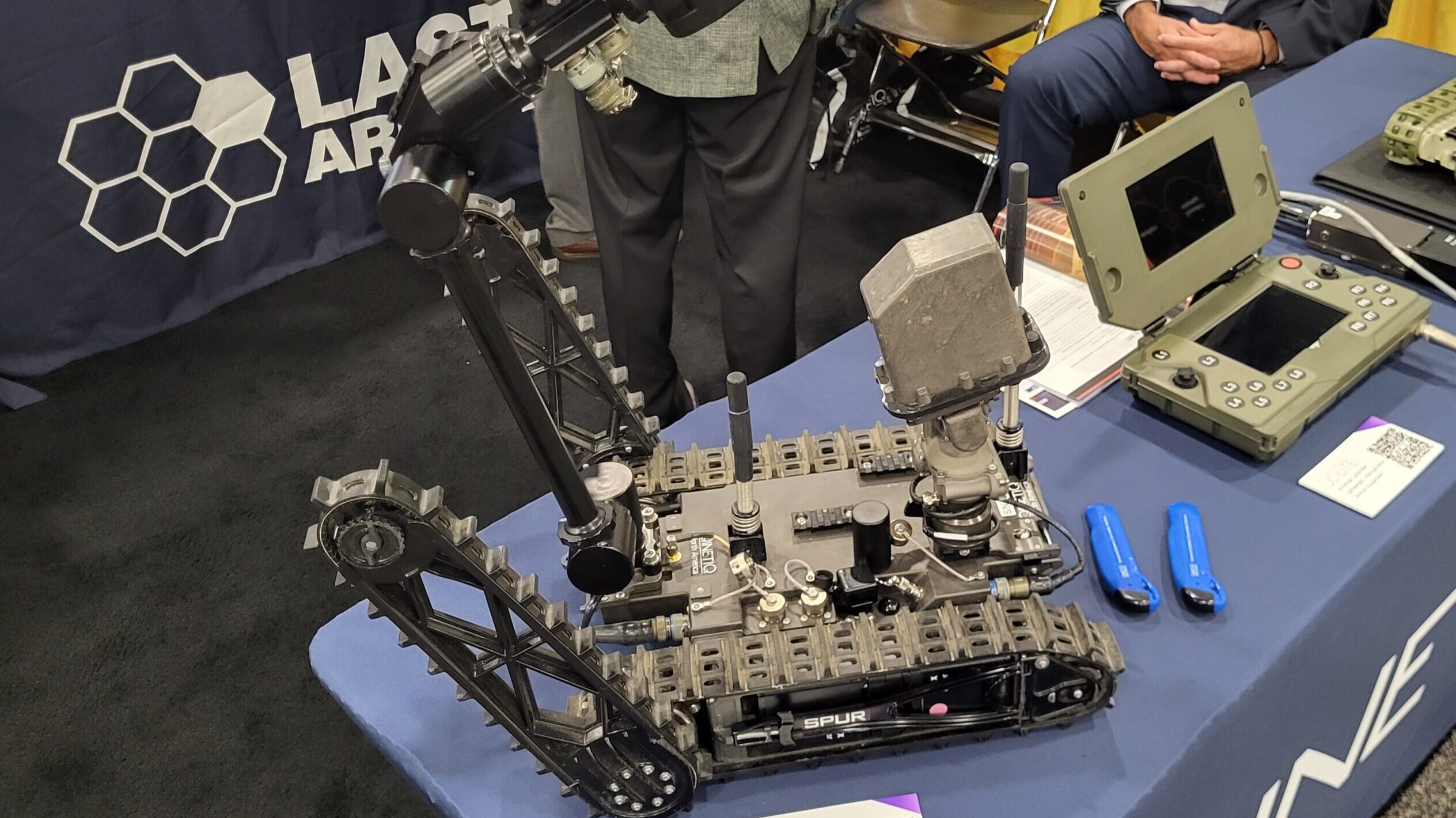
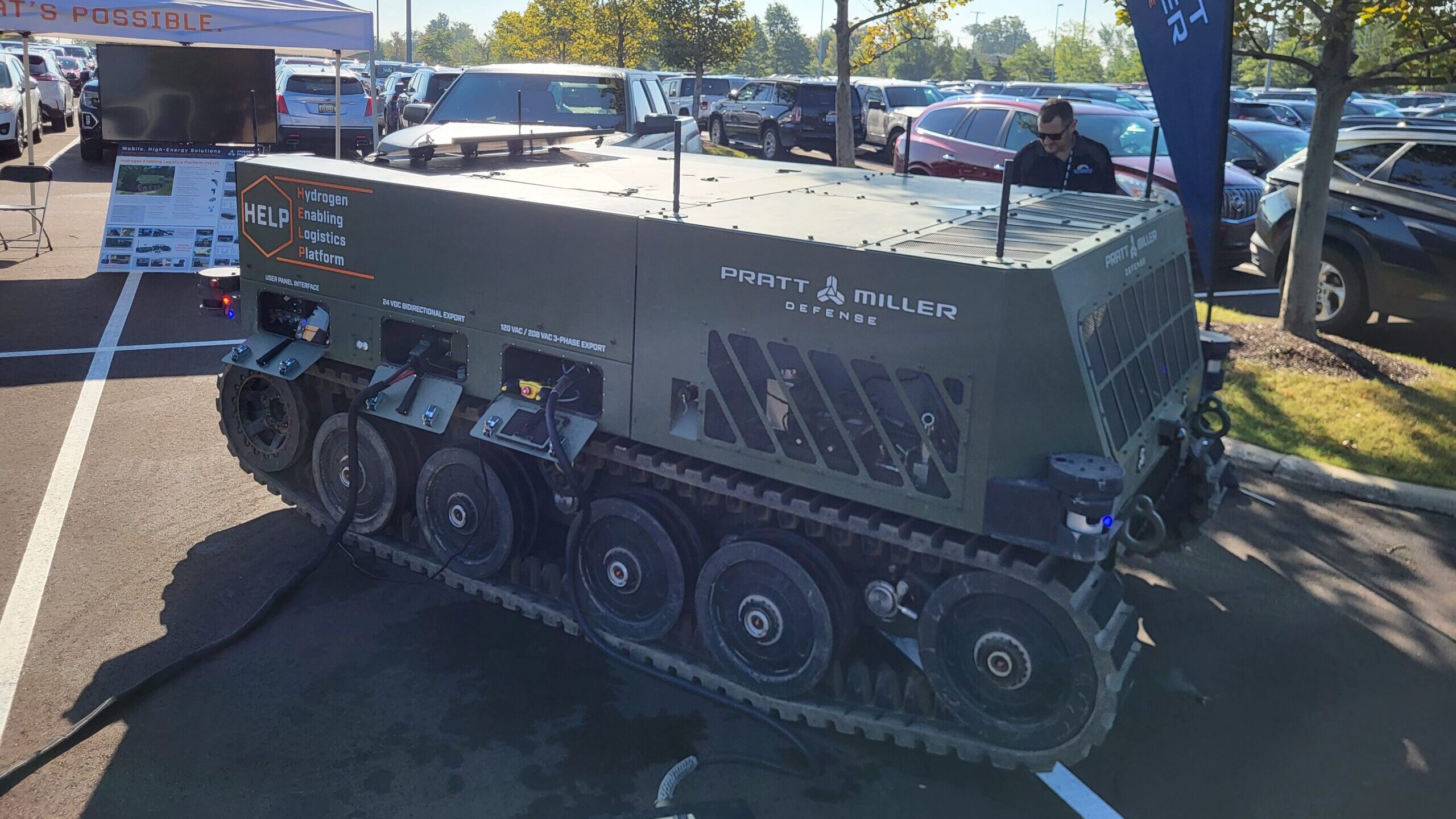
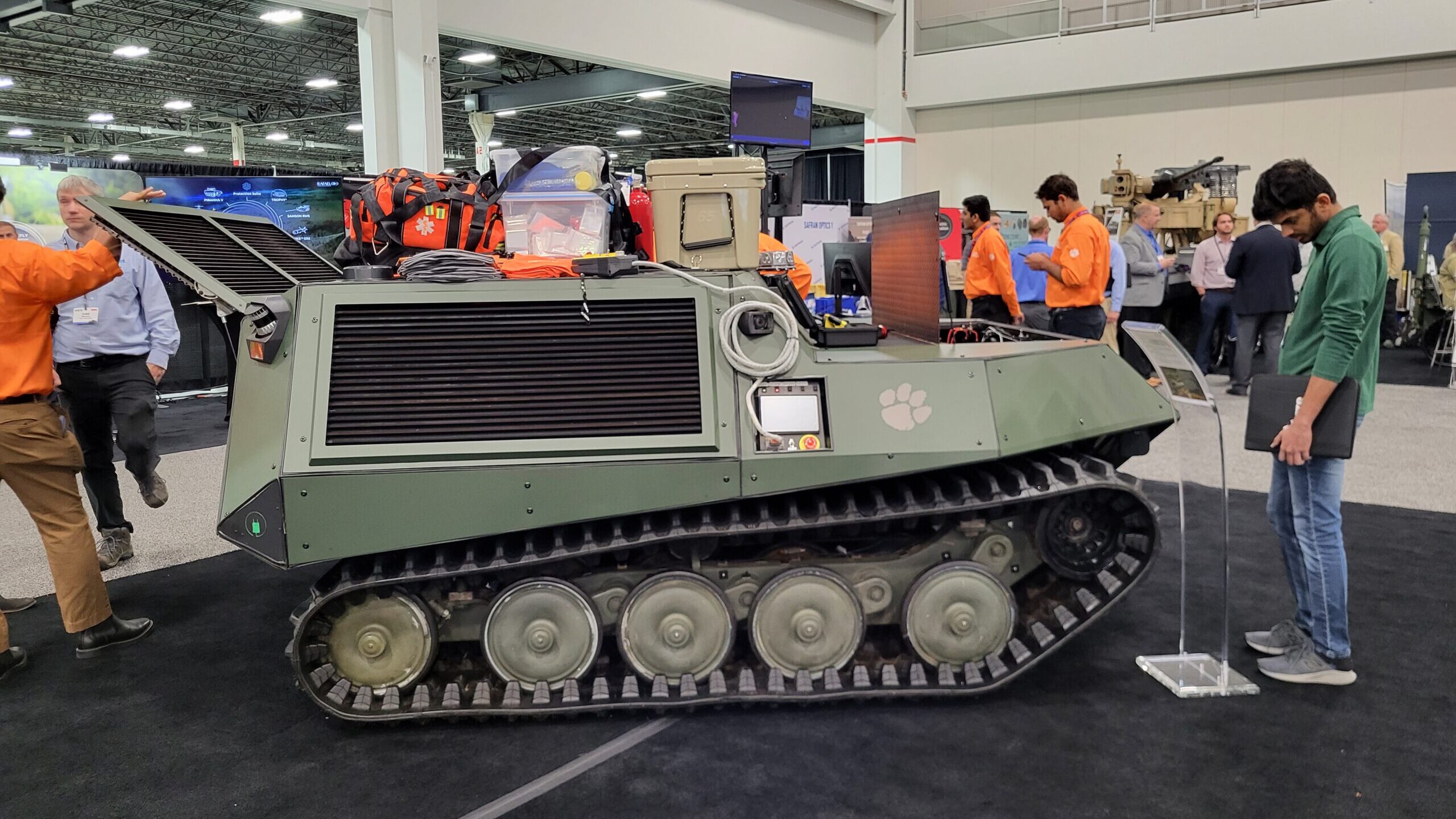
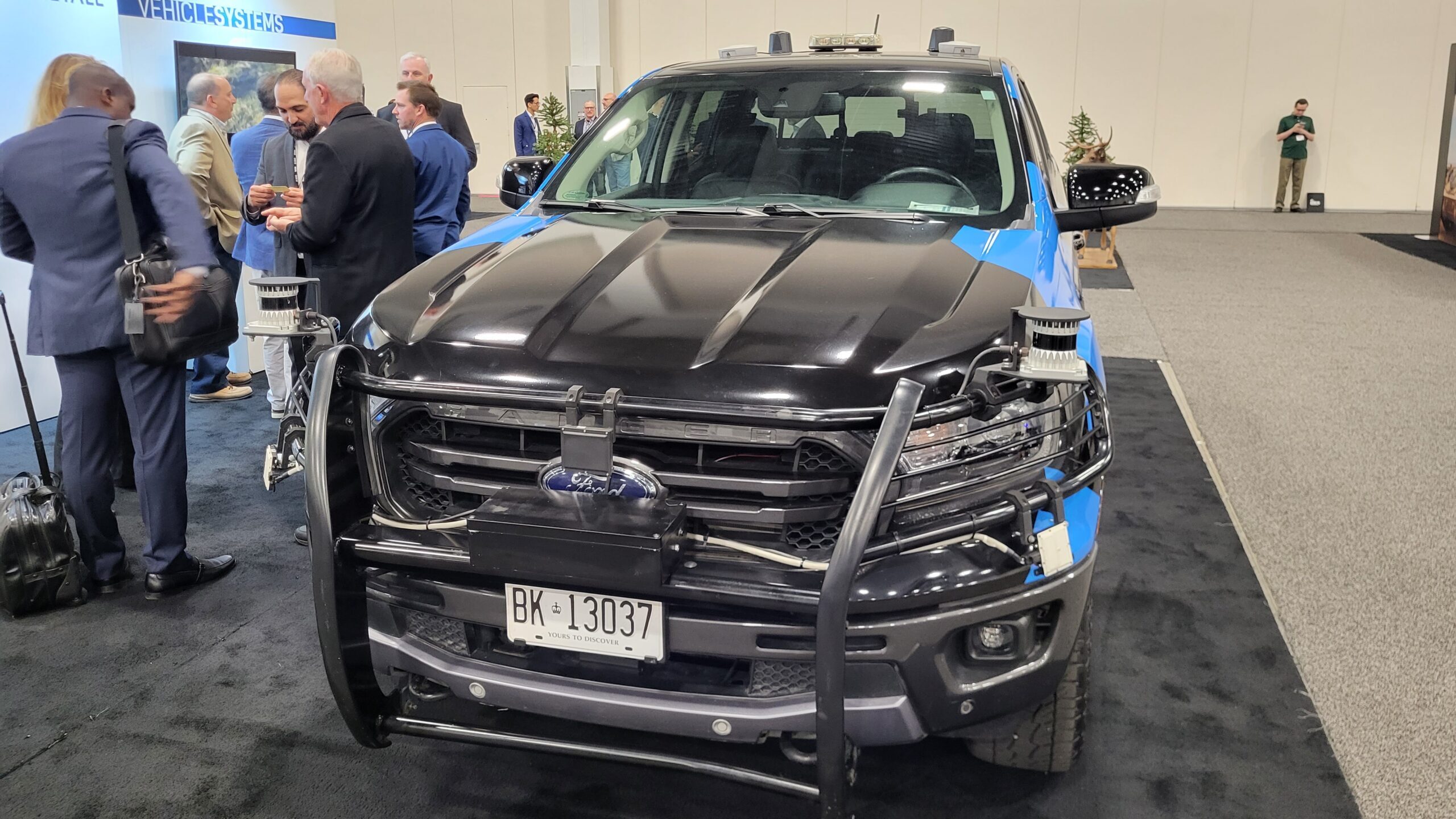
Because the remote operator isn't all that good in the first place, remember, a bunch of insurgents with off-the-shelf electronics and (maybe) some tips from the Iranians forced a US Sat-Linked drone to crash land via screwing with some of its electronics.Why an exoskeleton how about a remote operator and a combat robot.
As @GruntFox says, because it's useful to have a "mind" in the suit to handle all the autonomic systems in addition to having the human pilot as a decision maker.Why an exoskeleton how about a remote operator and a combat robot.
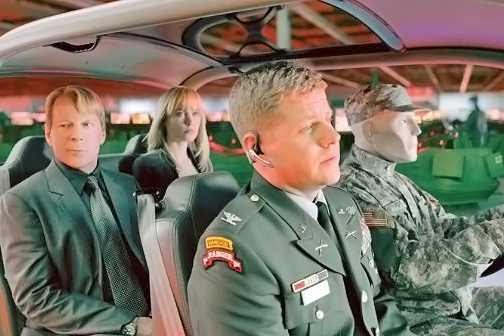
Yup, those are the Surrogates...
That sound track (Pink Floyd's "The Wall") sounds much like what finally penetrates the brain of an audience with less than perfect hearing. Only a trained musician can fully "hear" a piece of music. The rest of us only register a beat, a few chord changes and a few lyrics.Why an exoskeleton how about a remote operator and a combat robot.