Which is better BVR platform between Mig-31 and Su-35S?

Vanessa1402

ACCESS: Confidential
Joined
10 April 2021
Messages
140
Reaction score
77
Both Su-35S and Mig-31 can now carry the super long range RVV-BD (R-37). Mig-31 can cruise at much higher altitude and speed while Su-35S has much better radar and IRST. So generally, is the advantage in avionic of Su-35S enough to counter the kinematic advantage of Mig-31?.
Moreover, what give Mig-31 such extreme speed?. The wing sweep doesn't seem extreme compared to Mirage or F-14 or Mig-23. And many other aircraft has variable inlet.
 
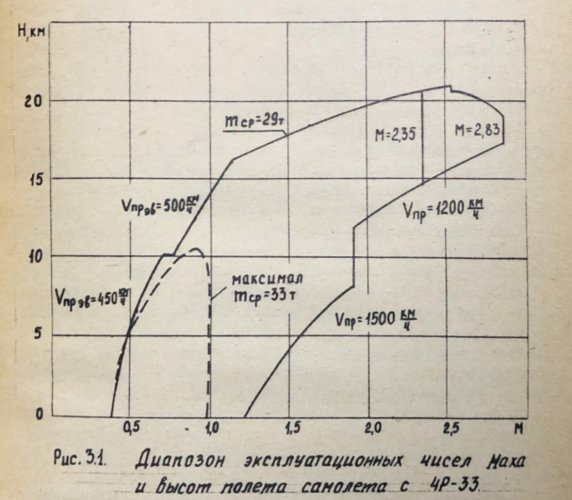
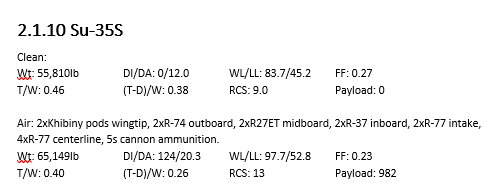
The table does not take into account the speed of reaching the interception distance and the ability to carry a heavy ballistic missile
With some assumptions, the Su-35S exceeds the MiG-31 by almost three times in total combat effectiveness
No offense, but is everything in fractions of 1000 km? It's a really strange notation. And why are top speed and cruise speed switched?
 
Undoubtedly the mig-31. Its kinematics, massive radar to burn thru any interference, powerful datalinks and very potent upgraded R-33 missiles still make it king when it comes to interception. I remember in an interview someone jokingly said it is an airborne sam system.

It and the F-14 are top tier predators of the air.
 
Undoubtedly the mig-31. Its kinematics, massive radar to burn thru any interference, powerful datalinks and very potent upgraded R-33 missiles still make it king when it comes to interception. I remember in an interview someone jokingly said it is an airborne sam system.

It and the F-14 are top tier predators of the air.
Su-35 has better radar. And also can carry R-37.
 
Undoubtedly the mig-31. Its kinematics, massive radar to burn thru any interference, powerful datalinks and very potent upgraded R-33 missiles still make it king when it comes to interception. I remember in an interview someone jokingly said it is an airborne sam system.

It and the F-14 are top tier predators of the air.
Irbis-E far excess Zaslon-M in detection range and they can use the same kind of missile
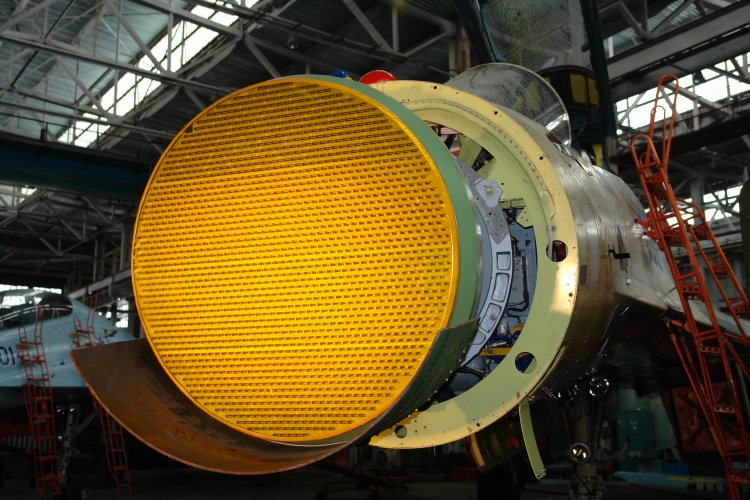
16924CD6-6E01-46A7-9E15-D4F81B165C1D.jpeg
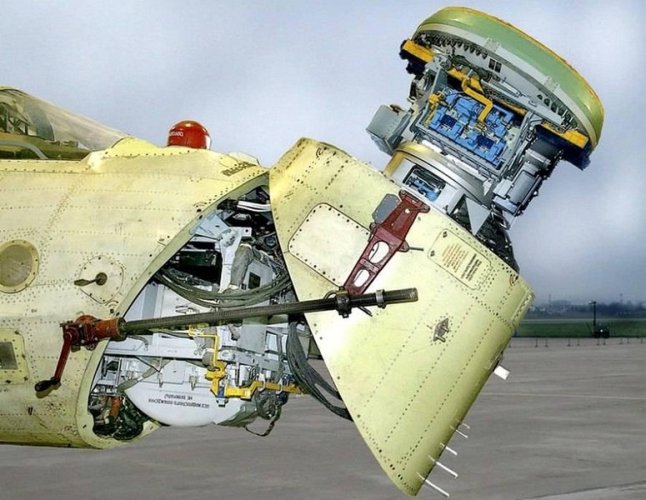
B99C72E3-3B58-4B4C-8732-B08915588899.jpeg
5585DDED-95FD-4D13-915C-1467A7AEBC61.jpeg
 
It outperforms Zaslon-M (with 1.4m antenna diameter), Zaslon-AM (an upgrade of Zaslon-A as part of MiG-31BM MLU), and obviously OG Zaslon-A on vanilla MiG-31.
 
It outperforms Zaslon-M (with 1.4m antenna diameter), Zaslon-AM (an upgrade of Zaslon-A as part of MiG-31BM MLU), and obviously OG Zaslon-A on vanilla MiG-31.
While it can be obvious that Su-35S has better avionics than Mig-31. Neither side have significant RCS reduction measures. It appear that both aircraft can detect the other from outside their missile range. In which case, is the radar advantage still valuable?
 
Actually, Su-35 does have RCS reduction measures. IIRC Sukhoi claimed that Su-35 frontal RCS is 1m2. MiG-31 doesn't have them at all. And we don't compare them in vacuum, but as platforms in real world scenarios.
 
Actually, Su-35 does have RCS reduction measures. IIRC Sukhoi claimed that Su-35 frontal RCS is 1m2.
Do you have the link to that?
I only have heard about the plasma stealth screen for Su-35, but I don't think it went to production
 
The "plasma screen" called "Malibu" was intended for the bomber "ed.54C".
Do you have some source which I can read about it?, my Google search just give randome results
In the Su-35S, all the leading edges are covered with a radio-absorbing material Without external pylons, this reduces the RSC by about half.
TBH, I'm quite skeptical of that, the leading edge is not that much of a strong reflector, at least when compared with the fire control radar antenna and engine first stage.
 
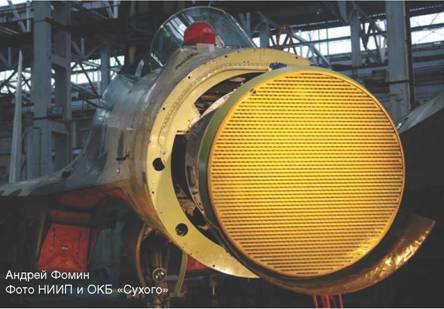
The Irbis radar antenna is mobile and can take a position that reduces the RSC
In the picture, measures to reduce the RSC for the Su-47 "Berkut" aircraft
You mean face away from the target slightly? Many fighters with fixed radars have them partially tilted away from the forward position for the same reason.
 
The article "Actual tasks of stealth technologies" describes some methods of reducing the RSC used on Sukhoi fighters.
1. absorbent coating of the air intake channel
2. covering the front edges
3. electro-magnetic screen inside the radar cone

Article in Russian https://disk.yandex.ru/i/z16XaZYGqEImoA
i have seen that article before, I just don't know whether the plasma screen ever ưent anywhere. Seem like it just got cancelled. Not even Su-57 have it
 
The article "Actual tasks of stealth technologies" describes some methods of reducing the RSC used on Sukhoi fighters.
1. absorbent coating of the air intake channel
2. covering the front edges
3. electro-magnetic screen inside the radar cone

Article in Russian https://disk.yandex.ru/i/z16XaZYGqEImoA
i have seen that article before, I just don't know whether the plasma screen ever ưent anywhere. Seem like it just got cancelled. Not even Su-57 have it

I heard a rumour years ago that the Russians were very close in flight testing plasma stealth on the MiG 1.44 and it would have gone on the MiG 1.42 had it been successful.
 
The article "Actual tasks of stealth technologies" describes some methods of reducing the RSC used on Sukhoi fighters.
1. absorbent coating of the air intake channel
2. covering the front edges
3. electro-magnetic screen inside the radar cone

Article in Russian https://disk.yandex.ru/i/z16XaZYGqEImoA
i have seen that article before, I just don't know whether the plasma screen ever ưent anywhere. Seem like it just got cancelled. Not even Su-57 have it

I heard a rumour years ago that the Russians were very close in flight testing plasma stealth on the MiG 1.44 and it would have gone on the MiG 1.42 had it been successful.
A-12 used to have a plasma generator as far as I know
 
Ok. Thanks. Note however that if I am reading that thread and the documents etc contained within correctly, it would imply that:
  1. It was only ever fitted as a trail not a permanent fit, and
  2. It didn't necessarily work as predicted.
 
Mig-31.


I'll let a guy who worked on F-22 explain why:

F-22 simply takes the high/fast, look down/shoot down precedent set by MiG-31 a step further. MiG-31 made the USAF's manned penetration bomber fleet obsolete overnight. (That is why B-1s were de-certified from the nuke role and only 21 B-2s were built). If you want to best an F-22, you need a jet capable of M=3 at 90K ft and a comparable avionics suite.


Of course U.S. Air Force is not stupid, hence the new B-21 will fly much higher then B-2 can.

And of course Russian Space-Air force is also not stupid, hence the PAK-DP will fly much higher and faster then Mig-31 can.

:D

It's a perfect example of a weapon and a counter-weapon and a counter-counter-weapon....
 
Correct me if I'm wrong, but to fly higher than B-2 for B-21 the latter needs engiens that have lower bypass ratio with comparable thrust. That will impact fuel efficiency and as result, range.
 
Correct me if I'm wrong, but to fly higher than B-2 for B-21 the latter needs engiens that have lower bypass ratio with comparable thrust. That will impact fuel efficiency and as result, range.
Depends of L/D ratio too, U-2 for example. From what's been floating around, the B-21 more or less has no RCS though.
 
Correct me if I'm wrong, but to fly higher than B-2 for B-21 the latter needs engiens that have lower bypass ratio with comparable thrust. That will impact fuel efficiency and as result, range.
You are absolutely correct if you assume that the maximum takeoff weight of B-2 and B-21 is the same.

There are many indications that B-21 is lighter then B-2. So you need less thrust for B-21 then what B-2 needs.
 
Mig-31.


I'll let a guy who worked on F-22 explain why:

F-22 simply takes the high/fast, look down/shoot down precedent set by MiG-31 a step further. MiG-31 made the USAF's manned penetration bomber fleet obsolete overnight. (That is why B-1s were de-certified from the nuke role and only 21 B-2s were built). If you want to best an F-22, you need a jet capable of M=3 at 90K ft and a comparable avionics suite.
Firstly, that guy (Djcross from Keypub) didn't work on F-22
Secondly, Mig-31 was also much older than Su-35S. It can be argued that Su-35 with Irbis-E and RVV-BD does the samething.
Thirdly, B-2 was introduced after Mig-31, so he is also wrong on that
 
Mig-31.


I'll let a guy who worked on F-22 explain why:

F-22 simply takes the high/fast, look down/shoot down precedent set by MiG-31 a step further. MiG-31 made the USAF's manned penetration bomber fleet obsolete overnight. (That is why B-1s were de-certified from the nuke role and only 21 B-2s were built). If you want to best an F-22, you need a jet capable of M=3 at 90K ft and a comparable avionics suite.
Firstly, that guy (Djcross from Keypub) didn't work on F-22
Secondly, Mig-31 was also much older than Su-35S. It can be argued that Su-35 with Irbis-E and RVV-BD does the samething.
Thirdly, B-2 was introduced after Mig-31, so he is also wrong on that
And fourth, even if you raise B-21 altitude it wouln't make a difference for MiG-31. In fact, it might be even more covenient for Mig, as missile doesn't have to go in more dense air loosing more energy.
 
Su-35 has better radar. And also can carry R-37.

Hm,hm .... Su-35S possess very powerful X-band PESA N035 Irbis ( again ,Irbis-E is in exported Chinese and Egyptian Su-35's ). It is not all in that power ,I mean 20kW in HPRF mode but one of the great capabilities is simply this ...

View: https://www.youtube.com/watch?v=MseFZThRirc


You can fly very high in the stratosphere and can detect/track something that flies very low ,also can fly very low and can detect/track something that flies very high.With 240 degrees of total FoV ,you can turn for 90 after missile launch as we could see in some cases during SMO.

N035 is developed to detect-track LO/VLO aircraft from long distances ,open sources give data that it is capable to detect/track incoming aircraft with RCS of only 0.01m at 100km.I will mentioned again that first test version of the N035 in 2005 had the main TWT with average power of 1kW,after that ,N035 got completely new main TWT with average power in HPRF mode of 5kW.

Now some data about MiG-31BM and its N007AM Zaslon-AM ( not Zaslon-M as some thinks).Even after 20 years from the first public showing of the MiG-31BM with N007AM on MAKS 2005 ,there is very little info/data about that monster.

Despite all my attempts, for all that time I have not been able to find data on, e.g.the max output signal power, the average power of the transmitter etc. There is only data about modified old antenna from the N007A and one very interesting detail which I've found in the interview with Juriy Beliy as gendir. of NIIP named after V.V.Tikhomirov. He said that main TWT of the N007AM works in the centimetric C-band where working frequency is about 6Ghz.

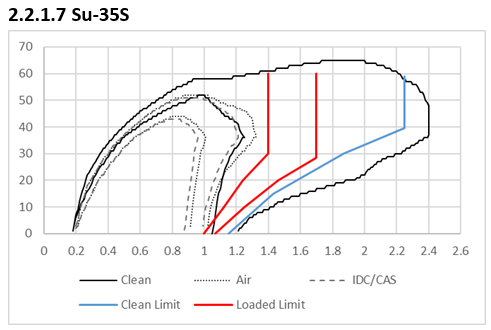
If we talk about flight energy/kinematics and missile launch possibilities ,in that domain, MiG-31BM is far ahead of Su-35S. MiG-31BM can launch 4 R-37M with launch parameters: Hmax=21-22km, Vmax=3000km/h.
 
You can fly very high in the stratosphere and can detect/track something that flies very low ,also can fly very low and can detect/track something that flies very high.With 240 degrees of total FoV ,you can turn for 90 after missile launch as we could see in some cases during SMO.
To be fair, I think the biggest advantage of Irbis-e arrangement is that you can perform beaming maneuver and still track target. Anyone ever play simulation game like DCS or warthunder can see give a massive advantage
.I will mentioned again that first test version of the N035 in 2005 had the main TWT with average power of 1kW,after that ,N035 got completely new main TWT with average power in HPRF mode of 5kW.
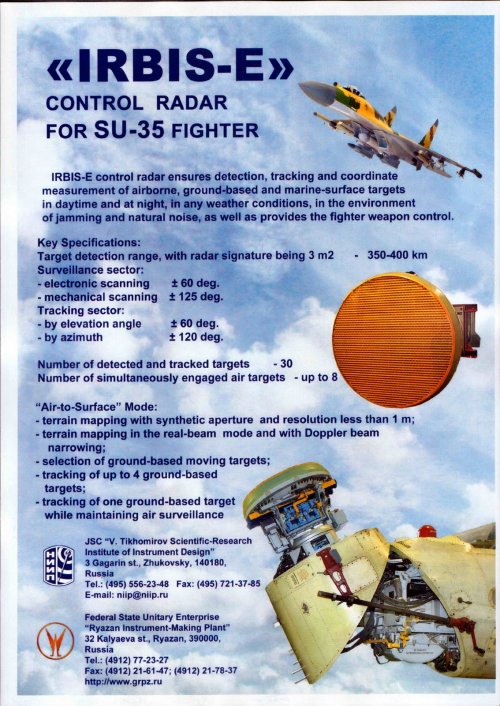
Isn’t the product card of Irbis-e always based on the 20kW peak power, 5kW average power version?
IMG_0112.jpeg
 
@Ronny

''Isn’t the product card of Irbis-e always based on the 20kW peak power, 5kW average power version?''

No, in fact as mentioned earlier ,first test version of the N035 had '1kW-TWT' .

''В ходе натурных испытаний по цели Су-27 при мощности 1 кВт была достигнута дальность обнаружения 300 км, захвата — 250 км.''

''During full-scale tests on a Su-27 target with a power of 1 kW, a detection range of 300 km and a capture range of 250 km were achieved.''


Live tests were conductud on the prototype Su-30MK2 number 503 blue during 2006.

pic_122.jpg

NIIP-N035-Irbis.jpg

N035 Irbis test.jpg

This famous video was also made in the Su-30MK2.

View: https://www.youtube.com/watch?v=cieLN4_tn0A
 
@Ronny

''Isn’t the product card of Irbis-e always based on the 20kW peak power, 5kW average power version?''

No, in fact as mentioned earlier ,first test version of the N035 had '1kW-TWT' .

''В ходе натурных испытаний по цели Су-27 при мощности 1 кВт была достигнута дальность обнаружения 300 км, захвата — 250 км.''

''During full-scale tests on a Su-27 target with a power of 1 kW, a detection range of 300 km and a capture range of 250 km were achieved.''
Su-27 has an estimated RCS of approximately 10 m². If the prototype of the Irbis-E radar is capable of detecting a target with an RCS of 10 m² at a range of 300 km, then using the radar range equation, it can be inferred that the same radar would detect a target with an RCS of 3 m² at approximately 225 km.

According to the radar range equation, detection range increases with the fourth root of the transmitted power. This means that, all else being equal, doubling the detection range requires a sixteenfold increase in transmitted power. The production version of the Irbis-E radar reportedly delivers five times the average power of the prototype. Based on this, the detection range would increase by approximately 49.5%.

Applying this power-based increase to the earlier range estimate, the production Irbis-E should be able to detect a 3 m² RCS target at roughly 336 km. This figure closely aligns with the published specification of 350 km for such a target. The small discrepancy could be attributed to real world factors such as target aspect angle, clutter, or atmospheric conditions during testing
 
Actually, Su-35 does have RCS reduction measures. IIRC Sukhoi claimed that Su-35 frontal RCS is 1m2. MiG-31 doesn't have them at all. And we don't compare them in vacuum, but as platforms in real world scenario

About 3sqm is the frontal RCS in the centimetric band ( in the level of much smaller MiG-21) of course un-armed and that is great result when we know how big is Su-35S with its air intakes,wings,vert. stabilisers etc.

P.S.

Some details about those two PESA radars, in this case old N007 from 1980 and N035. I wrote some data earlier about N007 Zaslon, max detect/track distance in the PPS mode is 600km, in the AVT mode is 400kms and in the ZPS mode is 200kms. Yuriy Beliy told once that N007AM Zaslon-AM has 30% greater detect/track distances in comparison with N007A Zaslon-A from MiG-31B/BS.

N035 has max detect/track distance in the PPS/PPS-DO mode 400 km ( 50% less than N007). Btw ,C-band is used for the long range radar search.
 
Su-27 has an estimated RCS of approximately 10 m². If the prototype of the Irbis-E radar is capable of detecting a target with an RCS of 10 m² at a range of 300 km, then using the radar range equation, it can be inferred that the same radar would detect a target with an RCS of 3 m² at approximately 225 km.

According to the radar range equation, detection range increases with the fourth root of the transmitted power. This means that, all else being equal, doubling the detection range requires a sixteenfold increase in transmitted power. The production version of the Irbis-E radar reportedly delivers five times the average power of the prototype. Based on this, the detection range would increase by approximately 49.5%.

Applying this power-based increase to the earlier range estimate, the production Irbis-E should be able to detect a 3 m² RCS target at roughly 336 km. This figure closely aligns with the published specification of 350 km for such a target.
The small discrepancy could be attributed to real world factors such as target aspect angle, clutter, or atmospheric conditions during testing

Question is, for which combat mode that data refers? PPS (normal) or the PPS-DO / front hemisphere-further detection with its 100 square degrees FoV ( 10°x10°).
 
Yuriy Beliy told once that N007AM Zaslon-AM has 30% greater detect/track distances in comparison with N007A Zaslon-A from MiG-31B/BS.
That very interesting, do you have the link to the interview?.
Anyway, N007A can detect target with RCS of 19 m2 from 200 km, if Zaslon-AM is 30% better than Zaslon-A, then the detection range would be 260 km against the same target
N035 has max detect/track distance in the PPS/PPS-DO mode 400 km ( 50% less than N007). Btw ,C-band is used for the long range radar search.
While the Irbis-E may have a shorter instrumental range compared to the Zaslon due to its longer pulse width, it is expected to significantly outperform the Zaslon when detecting targets of equal radar cross-section (RCS).
Additionally, if the Zaslon-AM operates in the C-band, it likely exhibits lower antenna gain than the Irbis-E, despite its larger aperture. Lower gain is an unfavorable factor for maximizing detection range
 
That very interesting, do you have the link to the interview?.
Anyway, N007A can detect target with RCS of 19 m2 from 200 km, if Zaslon-AM is 30% better than Zaslon-A, then the detection range would be 260 km against the same target

While the Irbis-E may have a shorter instrumental range compared to the Zaslon due to its longer pulse width, it is expected to significantly outperform the Zaslon when detecting targets of equal radar cross-section (RCS).
Additionally, if the Zaslon-AM operates in the C-band, it likely exhibits lower antenna gain than the Irbis-E, despite its larger aperture. Lower gain is an unfavorable factor for maximizing detection range

I couldn't find that interview where he said that N007AM has 30% greater detection distances than N007A but will try again some other time.

This is from 2003 :

Для истребителей МиГ-31 создается модернизированная бортовая РЛС​


From 2015

НИИП: дальность действия системы управления оружием МиГ-31 удвоена​


About N035 Irbis,from one interview with Y.Beliy for Take off ( 2013):

''Наконец, расскажите, пожалуйста, об«Ирбисе» – без сомнения, вершине развитиятехнологии РЛС с пассивной ФАР.Вы правы, по реально показываемым наиспытаниях характеристикам «Ирбис» действительно не имеет себе равных в мире. Вминувшем году в ходе летных испытаний на борту истребителя Су-35 были получены уникальные результаты по дальности обнаружения воздушной цели, существенно превысившей 400 км.

Кроме того, прорабатываются экспортные контракты на Су-35 с нашими РЛСУ «Ирбис-Э».''

''Finally, please tell us about the Irbis, which is undoubtedly the pinnacle of development of passive phased array radar technology. You are right, in terms of the characteristics actually demonstrated during tests, the Irbis truly has no equal in the world.
Last year, during flight tests on board the Su-35 fighter, unique results were obtained in terms of the detection range of an air target, significantly exceeding 400 km.

In addition, export contracts for the Su-35 with our Irbis-E radar systems are being worked out.''


Page 55 : http://www.take-off.ru/pdf/2013/1-2_2013.pdf
 
This is one comment about 'N007AM vs N035' from one Russian source:

''Я-то как раз материал по РЛС очень хорошо знаю, поэтому не случайно упомянул именно габариты. Коэффициент усиления антенны определяется шириной луча, та в свою очередь зависит от отношения длины волны к линейным размерам антенны. Поэтому при равной длине волны антенна диаметром 1,1м выдает более узкий луч, чем 0,9м. Более узкий луч - это больший КУ-коэффициент усиления и больше дальность обнаружения. Причем если от мощности дальность обнаружения пропорциональна ее (мощности) корню четвертой степени, то с КУ уже корню квадратному (т.к. работает он как на передачу, так и на прием).

Мощность Заслона (мы же про АМ) не меньше, а превышает мощность Ирбиса (почему - читай ниже).

Для Ирбиса обнаружение цели на дальности 350-400км - это так называемый режим ДО (дальнее обнаружение). Режим работы со сверхдолгим накоплением. Время обзора в нем составляет 10 секунд для сектора в 100 кв градусов (25x4). Если заставить "Заслон-АМ" работать в таком режиме, он и по цели с меньшей ЭПР выдаст 400км.

> Модернизация Миг-31 до Миг-31БМ - это установка новых процессоров на старый радар Заслон с дальностью обнаружения цели ЭПР 20м(бомбардировщик) на 200 км.

Ошибаетесь, заявлено увеличение дальности обнаружения на 40-60%. Это может быть достигнуто увеличением мощности передатчика, увеличением размера антенны или увеличением чувствительности приемника. Размеры антенны не увеличивались, чувствительность приемника просто так не повысить (требования по помехозащищенности только растут, а коэффициент шума приемника без перехода на АФАР не уменьшить), остается мощность передатчика. Вот ее и нарастили.''


Transl :


''I know the material on radar very well, so it was not by chance that I mentioned the dimensions. The antenna gain is determined by the beam width, which in turn depends on the ratio of the wavelength to the linear dimensions of the antenna. Therefore, with an equal wavelength, an antenna with a diameter of 1.1 m produces a narrower beam than 0.9 m. A narrower beam means a higher gain and a greater detection range.
Moreover, if the detection range is proportional to the fourth root of the power, then with the antenna gain it is proportional to the square root (since it works both for transmission and reception).

The power of Zaslon (we are talking about AM) is not less, but exceeds the power of Irbis (why - read below).

For Irbis, target detection at a range of 350-400 km is the so-called DO mode (long-range detection). Operating mode with super-long accumulation. The scanning time in it is 10 seconds for a sector of 100 square degrees (25x4). If you force "Zaslon-AM" to work in this mode, it will give 400 km even for a target with a smaller RCS.

> Upgrading the MiG-31 to the MiG-31BM is installing new processors on the old Zaslon radar with a target detection range of 20 m (bomber) at 200 km.
You are mistaken, the increase in detection range by 40-60% is stated. This can be achieved by increasing the transmitter power, increasing the antenna size or increasing the receiver sensitivity.

The antenna size was not increased, the receiver sensitivity cannot be increased so easily (the requirements for noise immunity are only growing, and the receiver noise factor cannot be reduced without switching to AESA), the transmitter power remains. So it was increased.''

Source: https://aftershock.news/?q=node/363075

 
Su-27 has an estimated RCS of approximately 10 m². If the prototype of the Irbis-E radar is capable of detecting a target with an RCS of 10 m² at a range of 300 km, then using the radar range equation, it can be inferred that the same radar would detect a target with an RCS of 3 m² at approximately 225 km.

According to the radar range equation, detection range increases with the fourth root of the transmitted power. This means that, all else being equal, doubling the detection range requires a sixteenfold increase in transmitted power. The production version of the Irbis-E radar reportedly delivers five times the average power of the prototype. Based on this, the detection range would increase by approximately 49.5%.

Applying this power-based increase to the earlier range estimate, the production Irbis-E should be able to detect a 3 m² RCS target at roughly 336 km. This figure closely aligns with the published specification of 350 km for such a target. The small discrepancy could be attributed to real world factors such as target aspect angle, clutter, or atmospheric conditions during testing

Now some details to consider. If that really happened ,so that first test version of the N035 with the main TWT which had average power of 1 kW and was able to detect/track incoming Su-27 ( as un-armed ) with frontal RCS of about 10sqm ,what could old N007 do with its TWT which had 2.5 kW of average power?

Hm,how can radar with 1kW- transmitter detect/track aircraft with 10sqm of RCS from 300km and another one with its 2.5kW-transmitter 'could' detect/track aircraft with 16sqm of RCS from only 200km as we can find from the open sources? We must keep on mind also that N007 has antenna with 1.1m of diameter and N035 has 0.9m.


Anyway, we know from Yuriy Beliy that N035 can detect/track aircraft at distances even greater than 400km and that N007AM has 30% greater detection distances than N007A.
 
This is one comment about 'N007AM vs N035' from one Russian source:
By comment, do you mean the comment from radar manufacturer or like comments from a random internet user?

''I know the material on radar very well, so it was not by chance that I mentioned the dimensions. The antenna gain is determined by the beam width, which in turn depends on the ratio of the wavelength to the linear dimensions of the antenna. Therefore, with an equal wavelength, an antenna with a diameter of 1.1 m produces a narrower beam than 0.9 m. A narrower beam means a higher gain and a greater detection range.
Moreover, if the detection range is proportional to the fourth root of the power, then with the antenna gain it is proportional to the square root (since it works both for transmission and reception).

The power of Zaslon (we are talking about AM) is not less, but exceeds the power of Irbis (why - read below).

For Irbis, target detection at a range of 350-400 km is the so-called DO mode (long-range detection). Operating mode with super-long accumulation. The scanning time in it is 10 seconds for a sector of 100 square degrees (25x4). If you force "Zaslon-AM" to work in this mode, it will give 400 km even for a target with a smaller RCS.
Radar gain is affected by both aperture area and operating frequency, Zaslon has bigger aperture than Irbis-E, but it also operate at much lower frequency, so no, it does not neccesary have better gain. Besides, other factor like sensitivity is likely better on irbis-e as well.
 
Now some details to consider. If that really happened ,so that first test version of the N035 with the main TWT which had average power of 1 kW and was able to detect/track incoming Su-27 ( as un-armed ) with frontal RCS of about 10sqm ,what could old N007 do with its TWT which had 2.5 kW of average power?

Hm,how can radar with 1kW- transmitter detect/track aircraft with 10sqm of RCS from 300km and another one with its 2.5kW-transmitter 'could' detect/track aircraft with 16sqm of RCS from only 200km as we can find from the open sources? We must keep on mind also that N007 has antenna with 1.1m of diameter and N035 has 0.9m.
Because of two reasons:
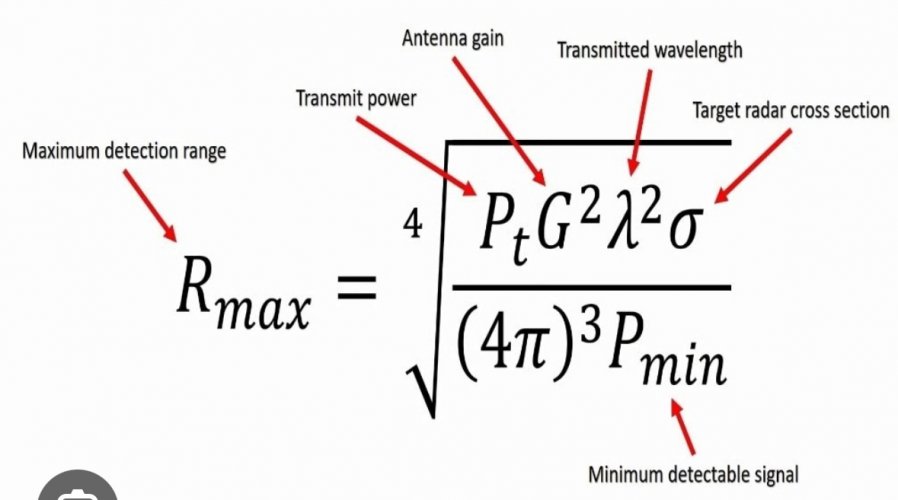
1- They don’t have the same backend, so the level of minimum detectable signal (S/N ratio) between the two radar are not the same. It is expected that the much newer Irbis-E will have better backend and therefore better sentitivity
IMG_0121.jpeg

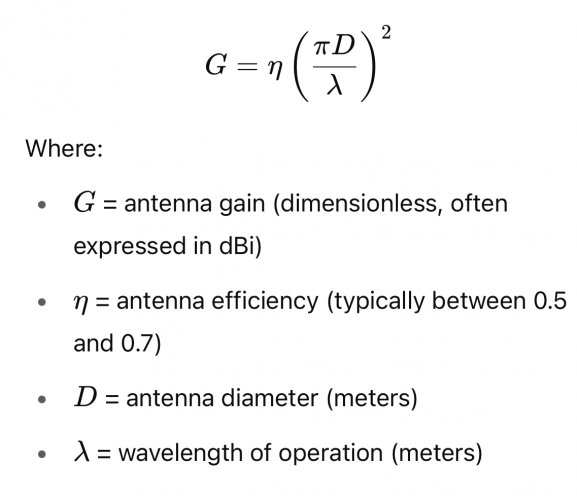
2- . If they both operate in X band then Zaslon-AM will have better gain than Irbis-e. However, Zaslon-AM operate in C band while Irbis-E operate in X band, and we know radar gain is heavily affected by operating frequency
IMG_0120.jpeg
If you put the number in, you can see for your self that Irbis-e gain is actually 1.86 times better than Zaslon-AM.

Anyway, we know from Yuriy Beliy that N035 can detect/track aircraft at distances even greater than 400km
Yeah that kind of obvious since it can track target with RCS of 3 m2 from 350-400 km, a bigger target can be seen from greater distance

and that N007AM has 30% greater detection distances than N007A.
Yeah, but still much worse than Irbis-e though
 

Similar threads

Back
Top Bottom