Which is better BVR platform between Mig-31 and Su-35S?

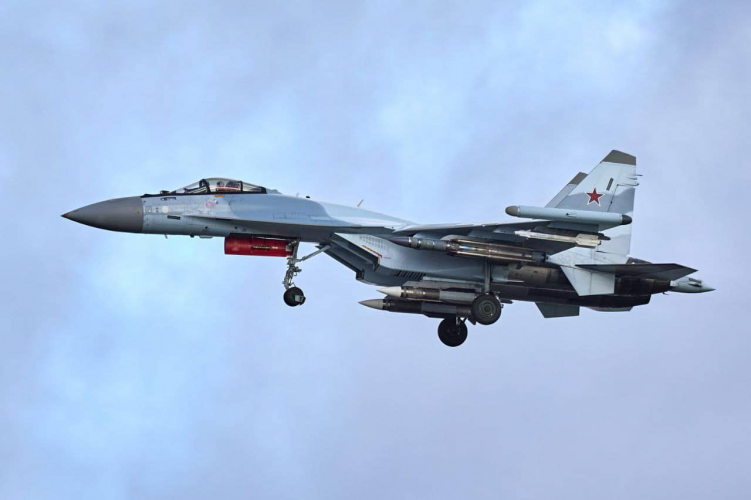
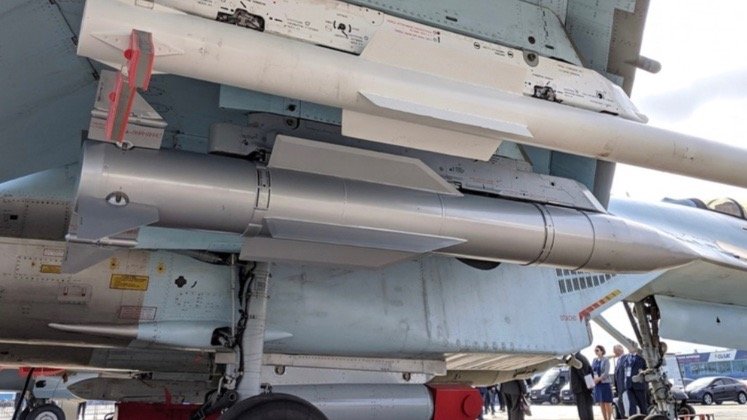
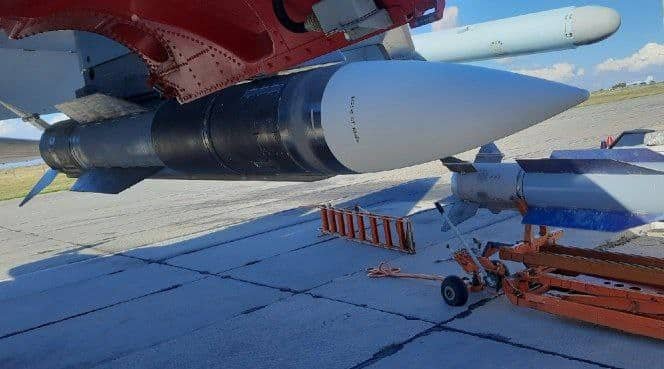
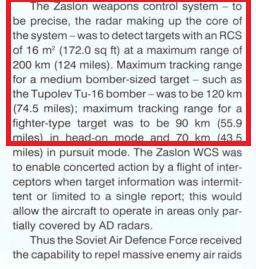
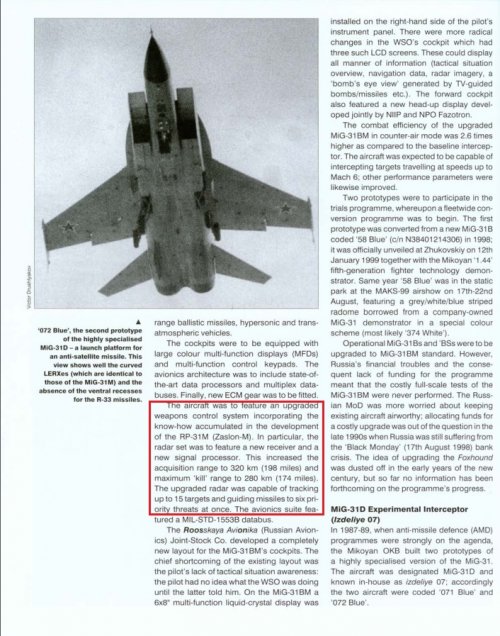
It kinda interesting that according to this photo Sukhoi seem to have bigger nose cone than Mig-31

Maybe but the main thing is that N007AM has 1100mm antenna diameter, N035 900mm. Of course big tactical/technical advantage of the N035 Irbis is that its antenna can move left-right,up and down.

In short, if they detect each other at the same distance, Mig-31 will have advantage in first shot, but Su-35 will have advantage when it crank and recommit.

Hm ,that is for the 'MiG-31BM vs Su-35S case' but I think this thread should be about comparative parameters,capabilities of both fighter/interceptors etc ...

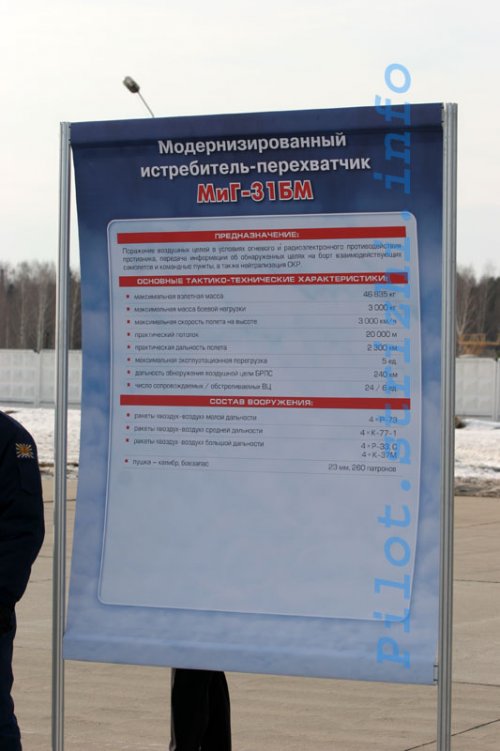
When it comes to that comparative analysis,first that should be mentioned is that MiG-31BM is nothing but one 'flying brick' as the flying radar-missile complex ,pure high flying high speed interceptor with the main task to patrol for a long period of time and for the interception from low flying subsonic cruise missiles to the high flying supersonic/hypersonic cruise missiles ( maybe some aeroballistic ones).Of course,, for the interception of all combat aircraft from the tactical and strategic aviation, especially recce,bombers ,AWACS, tankers,airlifters etc with its N007AM and R-37M in the long range BVR. Instead of the old R-40TD( primary potential use was against SR-71),he got newer R-77-1 for the medium range BVR and R-74,of course not for the real WVR against fighters.

On the other side,Su-35S can do all of this with its N035 - R-37M/R-77M combo and as we all know, it is one excellent supermaneuverable 9G capable fighter. Su-35S can also perform SEAD/DEAD combat missions,engage ground targets with high precision guided weapons ( missiles and bombs ) thus, it is the real multi-role fighter.

In some potential ,hypothetical combat situation,great scale war-aggression on RF or something closer , I think that MiG-31BM would be used at alt 20+km in the supersonic cruise mode for some time and Su-35S would be used at alt between 10-20km together with Su-30SM/SM2. So ,MiG-31BM would be 'higher' then those two Sukhoi fighters with greater radio horizon.
 
Last edited:
Maybe but the main thing is that N007AM has 1100mm antenna diameter, N035 900mm. Of course big tactical/technical advantage of the N035 Irbis is that its antenna can move left-right,up and down.
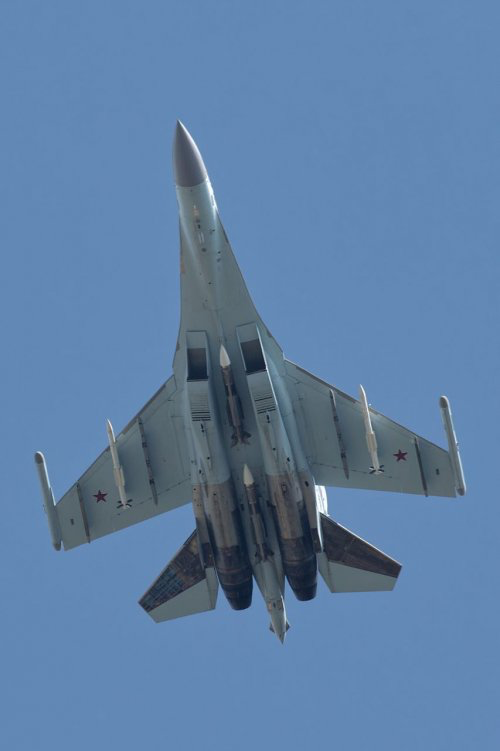
Yes, I know Zaslon is bigger than Irbis-E. But my point is that, I have always thought that Flanker carry smaller radar because its nose diameter is smaller. But actually, in theory, they can probably fit similar size radar
Anyway, the steerable Irbis-e would provide massive advantage for the Su-35 in BVR combat against Mig-31, because Su-35 can actually notch while still guiding the R-37 toward Mig-31. That a massive advantage both in term of kinematic and tracking

When it comes to that comparative analysis,first that should be mentioned is that MiG-31BM is nothing but one 'flying brick' as the flying radar-missile complex ,pure high flying high speed interceptor with the main task to patrol for a long period of time and for the interception from low flying subsonic cruise missiles to the high flying supersonic/hypersonic cruise missiles ( maybe some aeroballistic ones).Of course,, for the interception of all combat aircraft from the tactical and strategic aviation, especially recce,bombers ,AWACS, tankers,airlifters etc with its N007AM and R-37M in the long range BVR. Instead of the old R-40TD( primary potential use was against SR-71),he got newer R-77-1 for the medium range BVR
I think it is quite funny in the sense that, on one hand, Mig-31 will be super lethal in BVR because its missile has massive energy. On the other hand, it also super vulnerable to target that can fire back because the extreme altitude and speed of Mig-31 mean enemy F-pole would be rather long, and if Mig-31 dive down to dodge enemy missile, it lack the acceleration and climb rate of other aircraft to recommit after. No wonder it is mostly suited as an interceptor
 
2. Cruise missiles typically don’t fly solo, they're often launched in salvos. In this case, it's likely that the ship launched multiple missiles simultaneously. If these missiles were flying in close formation within the same radar resolution cell, their combined radar cross section (RCS) would be significantly larger than that of a single missile.
The challenge is that we don’t know the number of missiles involved or their formation geometry, making it impossible to accurately estimate the effective RCS.
The usual launching procedures for a cruise missile lead to a stream of missiles 5-10 seconds apart. That's a couple miles apart while in flight.
 
Yes, I know Zaslon is bigger than Irbis-E. But my point is that, I have always thought that Flanker carry smaller radar because its nose diameter is smaller. But actually, in theory, they can probably fit similar size radar
Anyway, the steerable Irbis-e would provide massive advantage for the Su-35 in BVR combat against Mig-31, because Su-35 can actually notch while still guiding the R-37 toward Mig-31. That a massive advantage both in term of kinematic and tracking

Radome diameters at their bases are the same I think .Keep on mind that inner Cassegrain antenna of the Su-27/30 FFF has diameter almost 1100mm. Irbis has 900mm but that is because it is completely movable/ steerible. In comparison with MiG-31BM ,Su-35S of course can not achieve such a great heights and real speed during launch but that steerable antenna is something very useful and can be or is a real gamechanger.

I think it is quite funny in the sense that, on one hand, Mig-31 will be super lethal in BVR because its missile has massive energy. On the other hand, it also super vulnerable to target that can fire back because the extreme altitude and speed of Mig-31 mean enemy F-pole would be rather long, and if Mig-31 dive down to dodge enemy missile, it lack the acceleration and climb rate of other aircraft to recommit after. No wonder it is mostly suited as an interceptor

When we talk about MiG-31BM always must count on 4 aircraft combat group as the main one (in previously mentioned combat cases) ,thus we must count on their possibility to launch complete salvo in the radio silence mode. In the main group there is 200 km of space between each other with possibility that all four can fly at the same alt or different ones. Yes, there must be illumination from one of four there but other three are 'free' when it comes to IZL mode. Thus from four interceptors,only one would track/illuminate given targets( max 8 of them).

They can use mode 'Sbros' ( data from so called NASU or the ground automatic control station) or the mode 'Tandem' ( data from the group leader which the main data can get from AWACS e.g.).
From the data we collected in the past several weeks, we can presume that N007AM with R-37M has RC channel's max range 100km,that medium/bigger air target can be locked-on in the SARH mode from min. 100km etc. Su-35S with its R-37M has practically all of this capabilities.

Everything is about timing,right place and right time to launch the AAM. R-37M with its true air speed of 6 M ( maybe even greater Mach number with greater launch speed) ,after about 30sec acceleration time ,lofting, currently has no real counterpart.Even fighters are not safe from this AAM and in cases when launch range was more than 200km.There will be very little or no time for reacting for any potential enemy.Of course ,except evasive maneuvering.

So MiG-31BM would be as the real heavy interceptor used only for one, ,first engagement ,Su-35S will fly under their patrol groups and would be engaged in several attacks if that would be possible to achieve.
 

Similar threads

Back
Top Bottom