
You are using an out of date browser. It may not display this or other websites correctly.
You should upgrade or use an alternative browser.
You should upgrade or use an alternative browser.
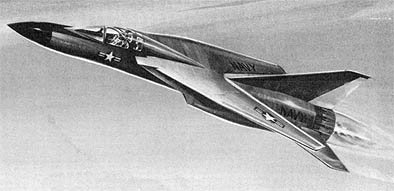
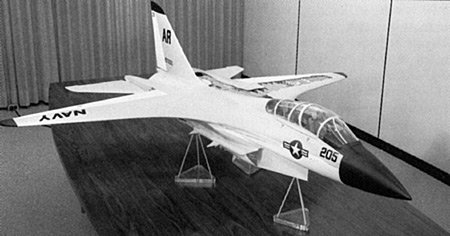
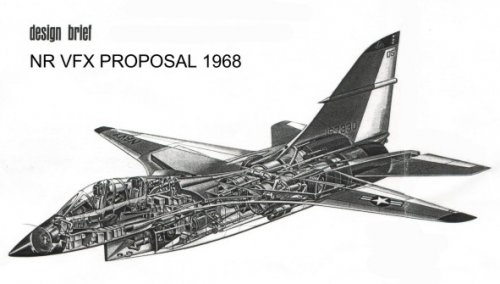
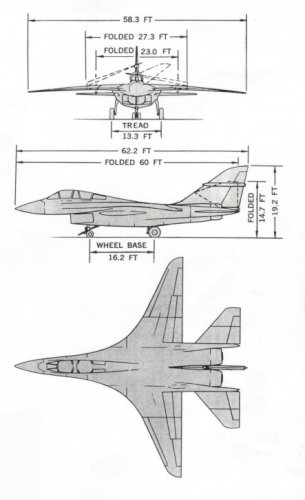
USN VFX Competition (Evolution of and alternatives to the F-14)
- Thread starter flateric
- Start date


- Joined
- 27 December 2005
- Messages
- 19,225
- Reaction score
- 35,635
[Topics merged]
- Joined
- 27 December 2005
- Messages
- 19,225
- Reaction score
- 35,635
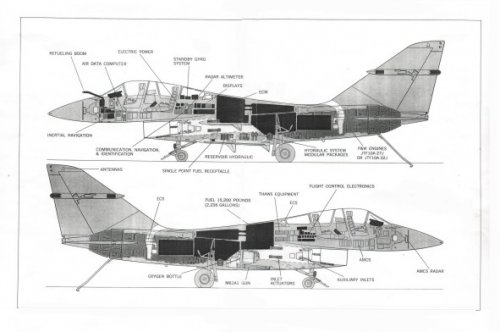

Matej
Multiuniversal creator
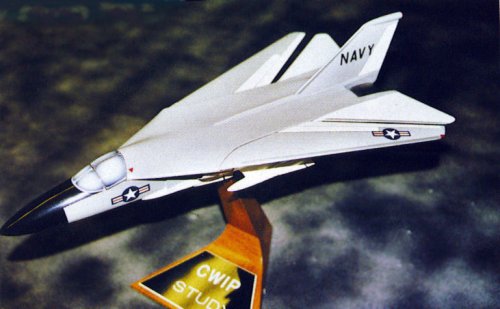
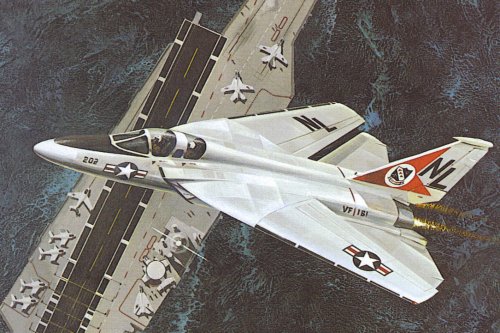
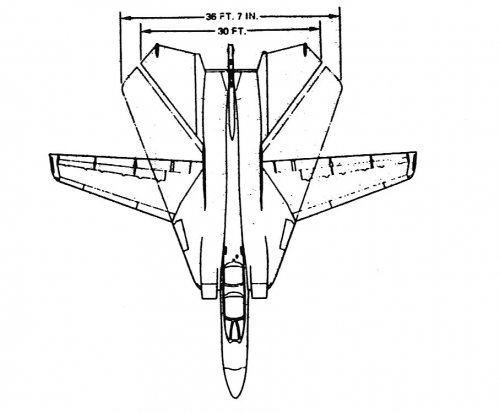
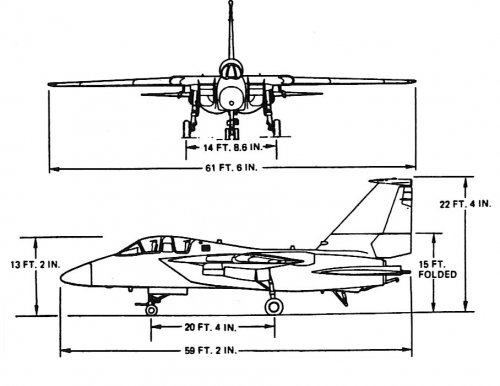
Matej
Multiuniversal creator
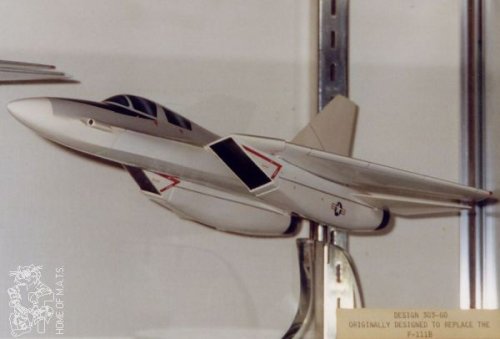
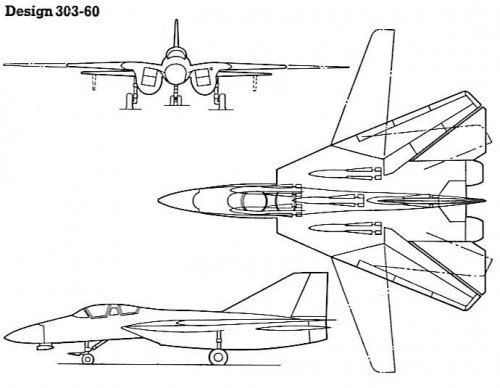
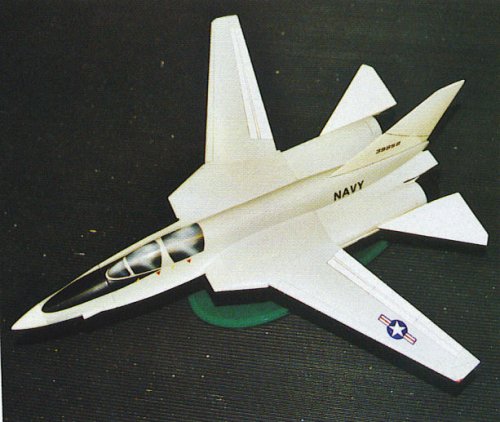
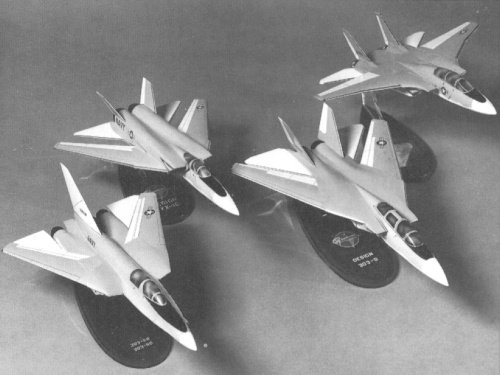
Matej
Multiuniversal creator
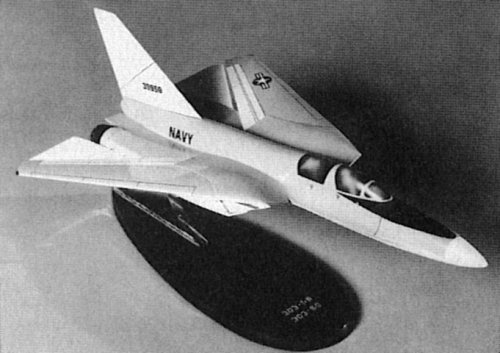

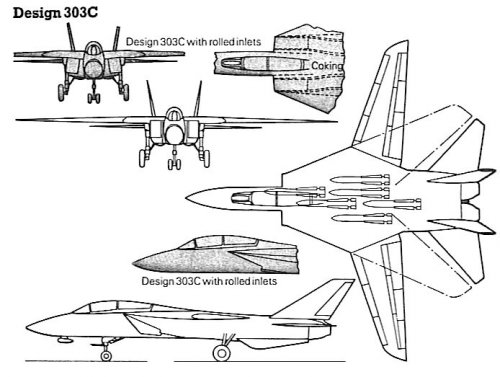
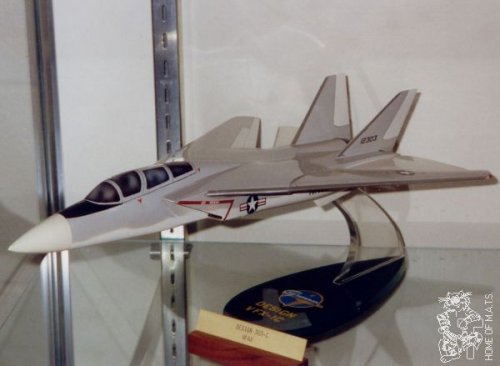
Matej
Multiuniversal creator
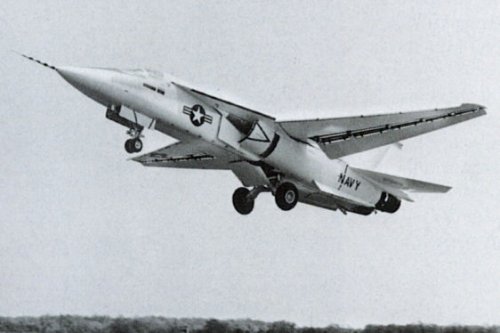
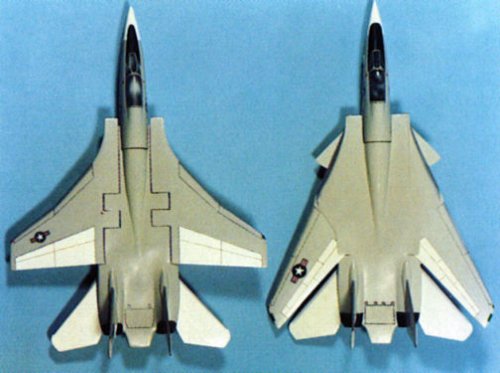
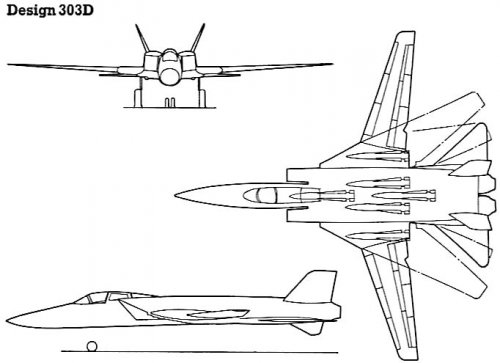
Matej
Multiuniversal creator
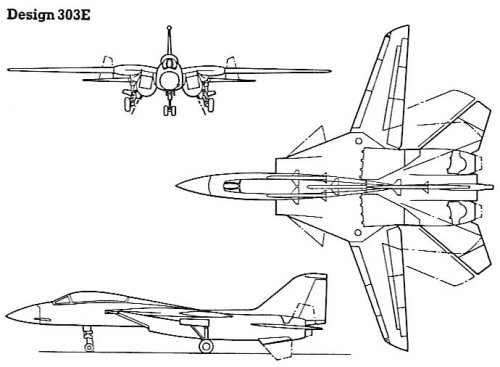
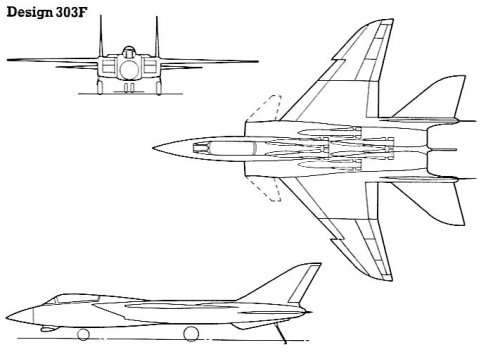
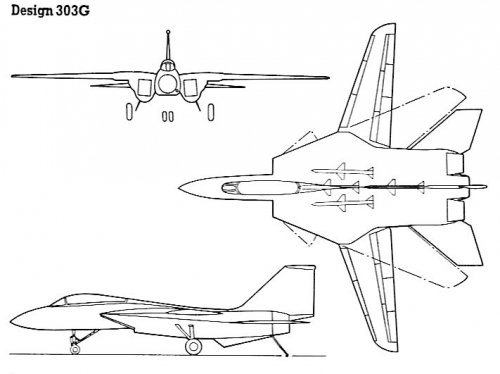
- Joined
- 27 December 2005
- Messages
- 19,225
- Reaction score
- 35,635
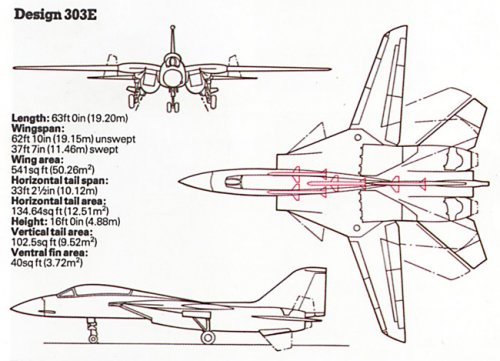
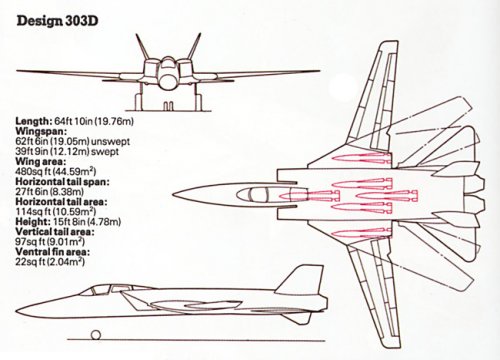
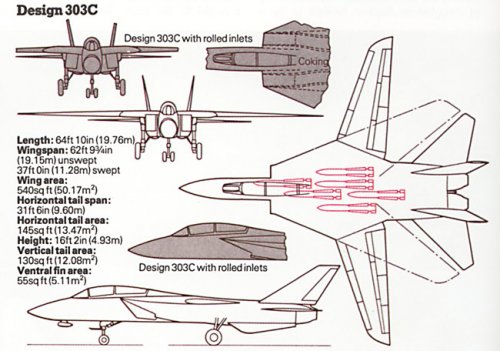
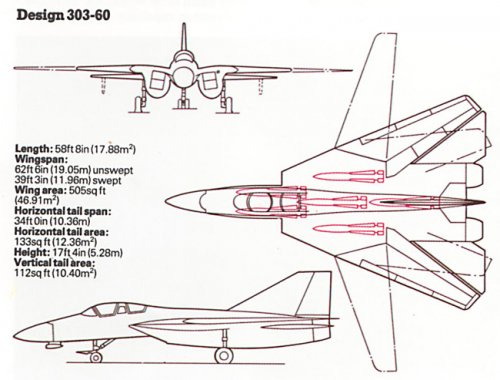
Matej
Multiuniversal creator
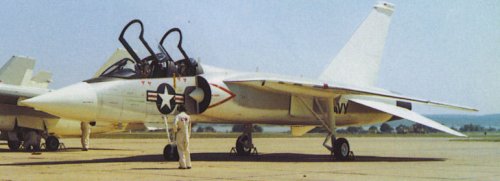
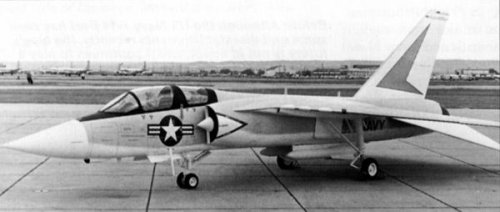
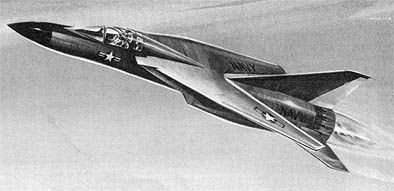
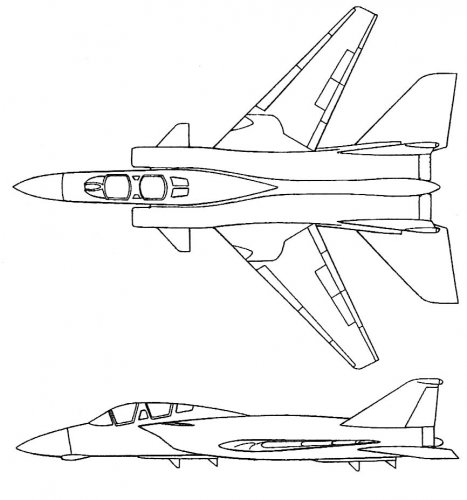
Matej
Multiuniversal creator
More... Someting is also on my web, but it is (as everything :-[) awaiting update.
http://www.hitechweb.genezis.eu/fightersAP05.htm
http://www.hitechweb.genezis.eu/fightersAP05.htm
- Joined
- 27 December 2005
- Messages
- 19,225
- Reaction score
- 35,635
Just some precisions about Dassault VG prototypes.
The TF-306E powered Mirage G flew from November 1967 to its crash on January 1971 at Istres test center. It logged 316 flights. Some american pilots were in detachment around the 1968-69 era.
After that, two twin-jet VG aircraft followed, the G8. The two-seater G8-01 flew in may 1971, the two-seat G8-02 in July 1972. Flight lasted until November 1974, with a top speed at mach 2.34 (just like the Tomcat! on 13th July 1973 (reached with the weak Atar
9K-50 engines , only 7200 kgp each!)
These dates seems quite compatible with the dates of the VFX program...
The TF-306E powered Mirage G flew from November 1967 to its crash on January 1971 at Istres test center. It logged 316 flights. Some american pilots were in detachment around the 1968-69 era.
After that, two twin-jet VG aircraft followed, the G8. The two-seater G8-01 flew in may 1971, the two-seat G8-02 in July 1972. Flight lasted until November 1974, with a top speed at mach 2.34 (just like the Tomcat!
on 13th July 1973 (reached with the weak Atar 9K-50 engines , only 7200 kgp each!)
These dates seems quite compatible with the dates of the VFX program...
- Joined
- 27 December 2005
- Messages
- 19,225
- Reaction score
- 35,635
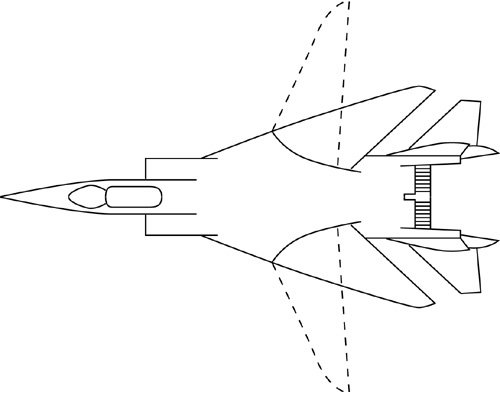
Fascinating page on NASA Langley's contribution to the VFX program, including their "LFAX-4" generic configuration which also influenced the VG FX designs.
http://oea.larc.nasa.gov/PAIS/Partners/F_14.html
http://oea.larc.nasa.gov/PAIS/Partners/F_14.html
Attachments
Matej
Multiuniversal creator
Confirmed.

- Joined
- 22 January 2006
- Messages
- 4,434
- Reaction score
- 2,796
It does but i don't have permission to post them as i got them from Tony
I'm dreaming on this Secret Projects: fighters. Just a bit of patience

- Joined
- 21 May 2006
- Messages
- 3,262
- Reaction score
- 2,885
I am glad to see that we have not given up on this topic/subject yet
Keep up the good work, and keep looking through those old books.
There has to be more to this VFX Competition (F-14 alternatives)
Regards
Pioneer
Keep up the good work, and keep looking through those old books.
There has to be more to this VFX Competition (F-14 alternatives)
Regards
Pioneer

- Joined
- 3 June 2011
- Messages
- 20,895
- Reaction score
- 19,083
photogator said:Hi guys! First post. Here are some drawings of the Vought V507 with GE engines from the Vought archives. I checked all that I could find on this site for image size guidelines and did not find them. I hope the images are not too large.
bill
Did you grab these off the Vought Heritage site or did you go to the archive yourself? If the latter I don't suppose you picked up any Pluto/SLAM info did you?
KJ_Lesnick
ACCESS: Top Secret
- Joined
- 13 February 2008
- Messages
- 1,042
- Reaction score
- 125
QUANTUM1 said:Another source is Francillon's book on McDonnel Douglas. There is some basic info on the design. According to Francillon, the design was judged outstanding, very close to the winning one.
How so?
Matej said:Ouha. Do you really want this? If I start to post this stuff, nobody will stop me! ;D
Anybody have any data regarding the GD TFX design in terms of performance and weight?
KJ Lesnick
- Joined
- 3 June 2011
- Messages
- 20,895
- Reaction score
- 19,083
photogator said:Thanks for the kind words. I got the during a visit to the Vought Archives.
They were from an executive brief on the program along with weapons loadout
configs and the same three views with Pratt engines.
I will try to be mindful of the posting sizes, thanks!
bill
Did you happen to notice if they had anything on Pluto/SLAM while you were there?

Pyrrhic victory
This is going to hurt
- Joined
- 31 January 2008
- Messages
- 77
- Reaction score
- 104
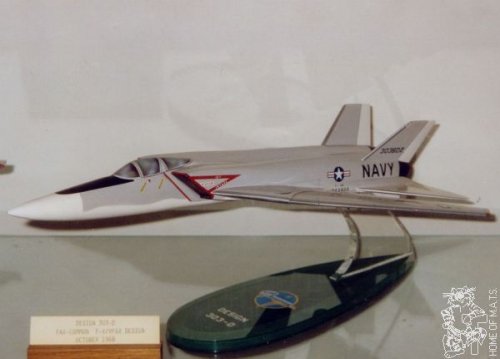
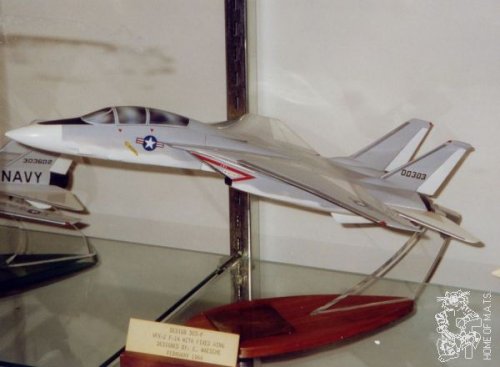
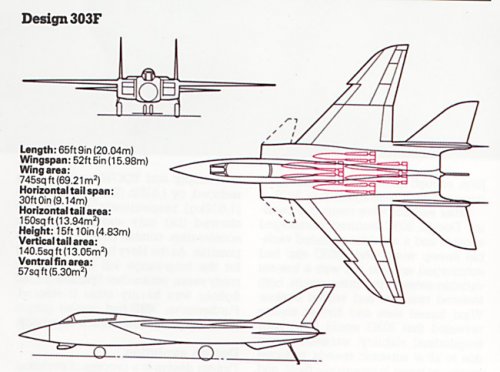
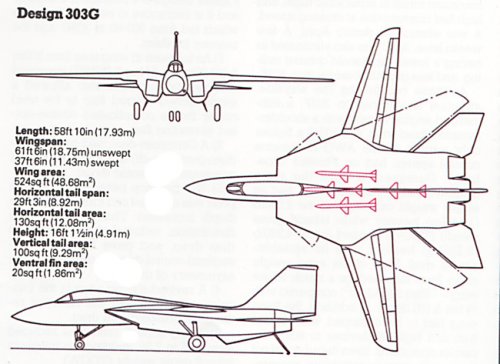
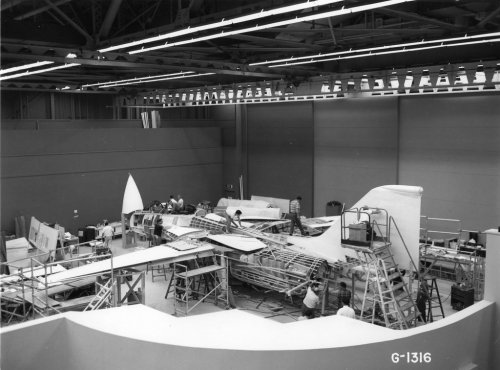
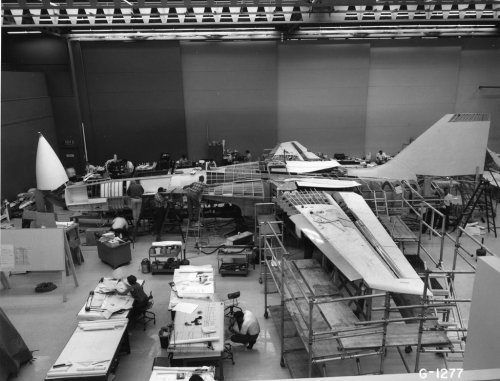
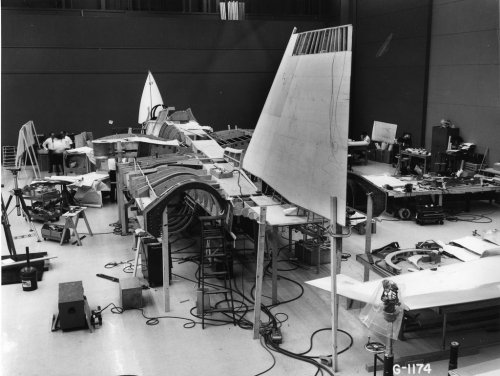
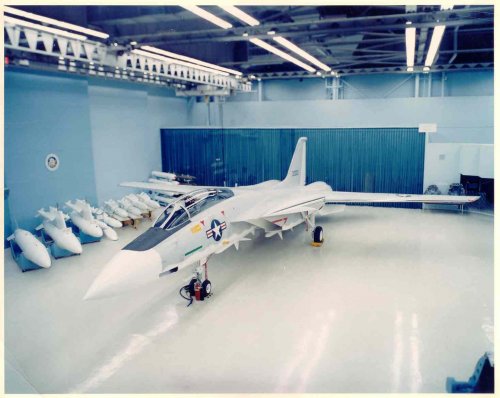
Some more pictures of the G303 model via the Tomcat Association forums and Warbird Information Exchange
Attachments
- Joined
- 27 December 2005
- Messages
- 19,225
- Reaction score
- 35,635
Beautiful pics, thanks for sharing!
KJ_Lesnick
ACCESS: Top Secret
- Joined
- 13 February 2008
- Messages
- 1,042
- Reaction score
- 125
That 303F design... the one that has wings like the F-4 looked pretty slick!
KJ
KJ
KJ_Lesnick
ACCESS: Top Secret
- Joined
- 13 February 2008
- Messages
- 1,042
- Reaction score
- 125
What was the reasons that Rockwell's (who had the only fixed-wing design) competitor was rejected?
Kendra Lesnick
BTW: If anybody knows, why did McDonnell Douglas' model 225 -- which was an outstanding design allegedly -- lose?
Kendra Lesnick
BTW: If anybody knows, why did McDonnell Douglas' model 225 -- which was an outstanding design allegedly -- lose?

- Joined
- 3 October 2007
- Messages
- 1,960
- Reaction score
- 1,286
KJ_Lesnick said:What was the reasons that Rockwell's (who had the only fixed-wing design) competitor was rejected?
Kendra Lesnick
BTW: If anybody knows, why did McDonnell Douglas' model 225 -- which was an outstanding design allegedly -- lose?
Only McDonnell's and Grumman's designs were able to meet the Navy requirements, and McDonnell's only barely. Grumman's design was head and shoulders above everyone else's. But like all the designs, it was based on the Gov't being able to deliver the F401, which didn't happen. The F-14A was never meant to be a production model, it was supposed to be a development version of which only 13-69 would be built to d a lot of the testing since the airframe was running well ahead of the engine development. The [original] F-14B was to be the first production standard model with the definitive engine and other changes for series production (including an APU). In effect what happened would be the equivalent of the vast majority of F-22s being EMD models.
KJ_Lesnick
ACCESS: Top Secret
- Joined
- 13 February 2008
- Messages
- 1,042
- Reaction score
- 125
F-14D said:Only McDonnell's and Grumman's designs were able to meet the Navy requirements, and McDonnell's only barely. Grumman's design was head and shoulders above everyone else's.
What qualities made McDonnell and Grumman's design able to meet the USN requirements, and what characteristics put Grumman's design "Head and Shoulders" above everybody else?
BTW: Can you clarify the question I asked earlier: When you said the F-100 got better only when the F-110 was competing with it, do you mean when the F-401 and F-100 were being developed? Or do you mean when the F-15C was being built in the late seventies and the new F-100 designs featured the revised electronic fuel control which made for nearly surge-free operation even in trouble-areas of the engine's performance envelope? If the former, how much of a thrust difference was there between the F-401 and F-100? And if the latter, why didn't the USN just use the F-100 with the necessary modifications?
- Joined
- 3 October 2007
- Messages
- 1,960
- Reaction score
- 1,286
KJ_Lesnick said:F-14D said:Only McDonnell's and Grumman's designs were able to meet the Navy requirements, and McDonnell's only barely. Grumman's design was head and shoulders above everyone else's.
What qualities made McDonnell and Grumman's design able to meet the USN requirements, and what characteristics put Grumman's design "Head and Shoulders" above everybody else?
BTW: Can you clarify the question I asked earlier: When you said the F-100 got better only when the F-110 was competing with it, do you mean when the F-401 and F-100 were being developed? Or do you mean when the F-15C was being built in the late seventies and the new F-100 designs featured the revised electronic fuel control which made for nearly surge-free operation even in trouble-areas of the engine's performance envelope? If the former, how much of a thrust difference was there between the F-401 and F-100? And if the latter, why didn't the USN just use the F-100 with the necessary modifications?
In answer to your first question, the Navy had certain requirements stated in their Request for Proposals. Grumman and McDonnell met all of them. Everyone else didn't. Grumman's design was judged to be a lot better and exceeded the requirements in a number of areas by a significant margin (providing the Gov't delivered the engine it promised.) To get the exact details would involve researching the documentation of the Source Selection board.
You actually asked your second question in a different forum. I'll repeat part of what what I answered there.
Basically, the bottom line was that when the services had nowhere else to go, Pratt had no real incentive to fix the F100. When GE started offering an engine that was more powerful, with better performance and more reliable, customers started buying that engine instead. At that point, Pratt sat up and took notice and started making the F100 what it always should have been.
The F401 was to be at least 10% more powerful than what the F100 was supposed to deliver. In reality, if it would have worked, it would have ended up being 20% more powerful, due to the derating of the F100 to meet its reliability criteria. Of course, if they had to derate the F100 they almost certainly would have had to derate the F401.
KJ_Lesnick
ACCESS: Top Secret
- Joined
- 13 February 2008
- Messages
- 1,042
- Reaction score
- 125
F14D,
I apparently asked that question in a different post not forum
Was the F-100 able to fly at a higher mach number than the F-401 (due to it's lower bypass-ratio)? Because, from what I remember, the F100 (and the plane that it propelled) was supposed to be able to achieve the same mach-numbers the MiG-25 could fly at...
KJ Lesnick
I apparently asked that question in a different post not forum
Was the F-100 able to fly at a higher mach number than the F-401 (due to it's lower bypass-ratio)? Because, from what I remember, the F100 (and the plane that it propelled) was supposed to be able to achieve the same mach-numbers the MiG-25 could fly at...
KJ Lesnick
- Joined
- 3 October 2007
- Messages
- 1,960
- Reaction score
- 1,286
KJ_Lesnick said:F14D,
I apparently asked that question in a different post not forum
Was the F-100 able to fly at a higher mach number than the F-401 (due to it's lower bypass-ratio)? Because, from what I remember, the F100 (and the plane that it propelled) was supposed to be able to achieve the same mach-numbers the MiG-25 could fly at...
KJ Lesnick
And I answered this one in a different post not forum

XP67_Moonbat
ACCESS: Top Secret
- Joined
- 16 January 2008
- Messages
- 2,322
- Reaction score
- 733
The search engine is our friend. So say we all.
Evil Flower
ACCESS: Secret
- Joined
- 12 October 2006
- Messages
- 223
- Reaction score
- 71
Does anybody know if the GD entry was supposed to have any external pylons? Tony's book only gives the reference "at least 4xAIM-7" which does sound a little small. Just wondering since I'm underway building this thing for a certain flightsim.
- Joined
- 3 October 2007
- Messages
- 1,960
- Reaction score
- 1,286
Evil Flower said:Does anybody know if the GD entry was supposed to have any external pylons? Tony's book only gives the reference "at least 4xAIM-7" which does sound a little small. Just wondering since I'm underway building this thing for a certain flightsim.
The "at least 4...", probably comes from the requirement in the VFX solicitations to be able to carry at least 4 AIM-7, so we can assume any design could do at least that or it would be eliminated off the bat.
- Joined
- 3 June 2011
- Messages
- 20,895
- Reaction score
- 19,083
Mark Nankivil said:Thanks Gregory - sure is fun to hunt this stuff and I am very, very lucky to have the access I've had to the Vought Archives. And looking forward to another trip this spring!
When you go any chance you could poke around for Pluto/SLAM stuff? Vought did the work on the missile portion of Pluto (called "SLAM" Supersonic Low-Altitude Missile).
- Joined
- 13 June 2007
- Messages
- 2,223
- Reaction score
- 3,631
I went looking for that info for Scott Lowther but came up short - I did not find anything missile related save for Scout and misc. aircraft launched missiles. There may be another drawer somewhere else and I'll pick up the search next time I am down there, hopefully this coming Spring.
Looking on the bright side, I at least know where it's not
Enjoy the Day! Mark
Looking on the bright side, I at least know where it's not
Enjoy the Day! Mark
KJ_Lesnick
ACCESS: Top Secret
- Joined
- 13 February 2008
- Messages
- 1,042
- Reaction score
- 125
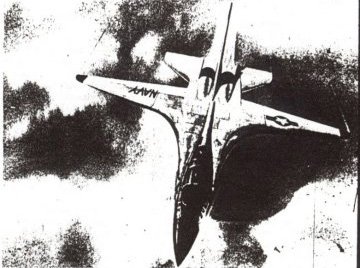
That fixed-wing LTV design looks pretty awesome...
Pyrrhic victory
This is going to hurt
- Joined
- 31 January 2008
- Messages
- 77
- Reaction score
- 104
- Joined
- 27 December 2005
- Messages
- 19,225
- Reaction score
- 35,635
Cool. Other artwork was posted in the start of the topic.
Last edited:

Similar threads
-
 1965 - 1969 FX Competition (general topic)
- Started by hesham
- Replies: 114
-
'Demon' to 'Phantom' - the evolution of McDonnell's F-4 Phantom II
- Started by Archibald
- Replies: 41
-
 Anti-F-15: The Soviet PFI Program
- Started by overscan (PaulMM)
- Replies: 56
-
 Australian-Built Aircraft and the Industry, By Keith Meggs
- Started by GTX
- Replies: 34
-
 SAAB, Svenska Aeroplanaktiebolaget, Svenska Aeroplan AB, Saab AB aircraft list.
- Started by blockhaj
- Replies: 41