red admiral
ACCESS: Top Secret
- Joined
- 16 September 2006
- Messages
- 2,192
- Reaction score
- 3,446
The RAF used to have about 300 V bombers, which is as good a wild ass guess as anything



Never simultaneously in service as the Valiants were retired or repurposed to support roles (tanking, reconnaissance or electronic warfare) as the Vulcan and Victor Mk 2s came into service. And later the same happened to Victor and Vulcan Mk1s as the last Vulcan Mk2s were delivered.The RAF used to have about 300 V bombers, which is as good a wild ass guess as anything
Groan....Vempest?
That's an optimistic take.I do wonder whether the target of 138 F-35s will be replaced with additional GCAP fighters.
We won't see another British F-35 be delivered until the early 2030s, at which point GCAP will just be three or four years from fruition (according to current timelines).
The expected order for the second batch of F-35s is 27 aircraft: 12 F-35A and 15 F-35B. There is then a mystical additional order of F-35As, intended for the nuclear deterrent role, scheduled for the mid-2030s presumably.
So, there's a gap between the intended 138 F-35s, and the maybe 90-100 that have been spoken about. You could fill that disparity with additional Tempest.

Real question is : with or without Airbus ?BAE Boss Sees Window Closing For New GCAP Partners
https://aviationweek.com/defense/aircraft-propulsion/bae-boss-sees-window-closing-new-gcap-partners

Italy neither, but Japan might be interested...Not sure the UK will be interested in going down that route again...
Gareth jennings also reports that with the full prototype flying in 2030 an initial version of GCAP could be available in 2032...

And this is likely why more users matter. With a larger money pool they can scale it mutch faster up after the first prototypeThis proposed GCAP timeline seems extremely aggressive... there's already high concurrency risk during the detailed design/prototype build phase (in blue), but targeting a 2032 service entry would create even higher concurrency risk during the flight testing and production build phase (in red).
- Pre-2023: Requirements definition
- 2023-2025: Technology development and mobilization
- 2026-2027: Concept design
- 2028-2029: Detailed design
- 2029-2030 (?): Prototype build
- Late 2030: Prototype first flight
- 2031-2034 (?): Flight testing (3-5 prototypes required)
- 2031-2032 (?): First (pre-?) production build
- Late 2032: First (pre-?) production first flight
Looking at KF-21 (which was a very rapid flight testing program) it took 4 years from prototype first flight to first production aircraft first flight, and there that was with a proven engine and no complicated weapons bay integration tests... Even 2035 wouldn't give much time to mature engines and software.

View: https://x.com/navalhistorian/status/2078108318564786459?s=20IMO this is part of why F-35A is a bad choice at this point and in turn this lack of domestic tactical nuclear weapon is the root of these bad choices. Which roots back to AWE being under resourced.

And this is likely why more users matter. With a larger money pool they can scale it mutch faster up after the first prototype
I mean more users that are willing to invest money into the development pool which, if the current budget is enough for the development costs, then are to be used to accelerate it like the prototype production for example.More users means re-negotiating the entire development path... And if by "more users" you actually meant "Airbus" (AKA Germany and Spain) that would only mean an awful lot of delays.


Yes, GCAP is moving from just the 3, we now have Canada who oddly just invest millions more into their LEO, just as they become an Observer. We have Poland who oddly, invested to be a gateway in Iris2 with £500 million, and then are seen at Canada's signing ceremony, before that in downing street signing defence cooperation and space documents, and their minister is telling the Polish media to wait and see on GCAP, with a winking smiley.Poland having licensed Brimstone and CAMM, may well be looking at the future GCAP weapons development as both a contribution and the benefit of being a customer.
In other words, making the weapons and exporting to other GCAP users.
And then.....I had to scroll up to read the title of this thread just to be sure before I post.
And then reread because the way the title is set out.

... we now have Canada who oddly just invest millions more into their LEO, just as they become an Observer...
I was thinking Lightspeed,Just for clarity, does that refer to Calian's C5ISRT integration contract or Telesat's Lightspeed satellite network?
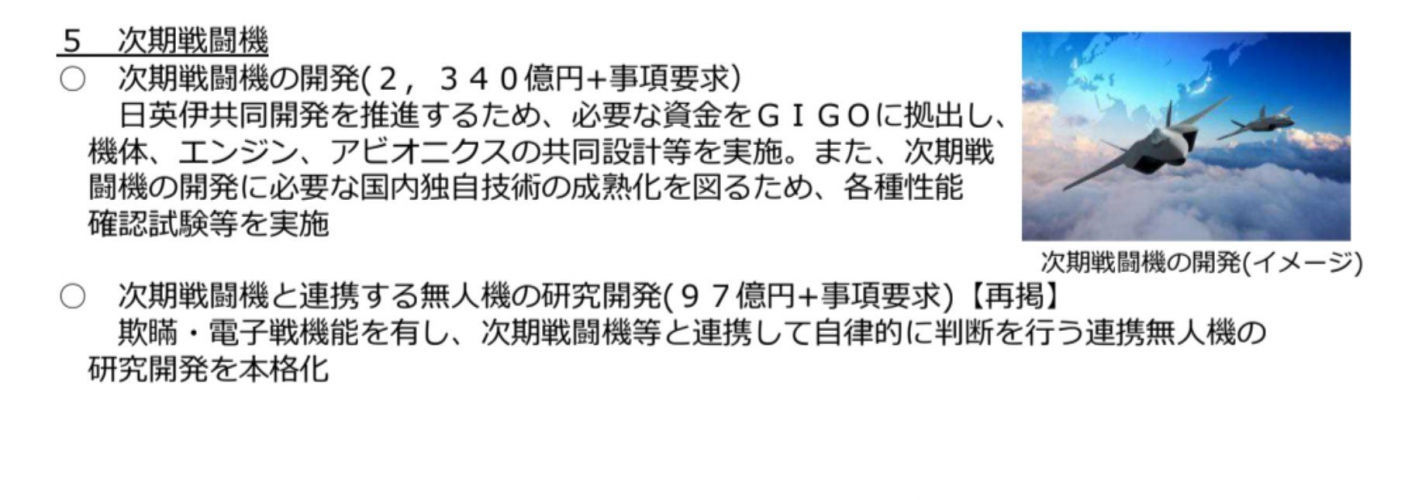
https://timesofindia.indiatimes.com...obal-collaborations/articleshow/133588379.cmsIndia has joined GCAP as a 'Dialogue Partner' its like Observer status but doesn't grant access to classified technical information.
Agreed, India would be better served partnering with France and/or licensed local production for carrier aircraft.No official news, may be a time zone difference but until official sources say this, it sounds like India is trying to get more out of France with these unofficial statements so far.
Let them buy the whole bunch at least...Rafales are here for decades to come, even the earliest batch will fly into 2050s.Agreed, India would be better served partnering with France and/or licensed local production for carrier aircraft.
Not that India couldn't use GCAP, but they're buying Su57s (iirc) for the land based portion of their fleet and really only need to replace their Rafales.
I'm not sure if a Rafale will still be a viable fighter in 2040. Not when China will be flying all 5th and 6th generation aircraft.Let them buy the whole bunch at least...Rafales are here for decades to come, even the earliest batch will fly into 2050s.
I think it'll have to be, as there's no alternative for the air forces in question. India is approaching half it's sanctioned squadron strength, do something with Rafales and 1/4th is not our of question.I'm not sure if a Rafale will still be a viable fighter in 2040. Not when China will be flying all 5th and 6th generation aircraft.

FGFA (the Indian Su-57) died back in 2018. The Russians proposed it again last year, but there's nothing remotely firm as yet, the Indians say their next-gen fighter is AMCA.Not that India couldn't use GCAP, but they're buying Su57s (iirc) for the land based portion of their fleet and really only need to replace their Rafales.
Press F to doubt.FGFA (the Indian Su-57) died back in 2018. The Russians proposed it again last year, but there's nothing remotely firm as yet, the Indians say their next-gen fighter is AMCA.