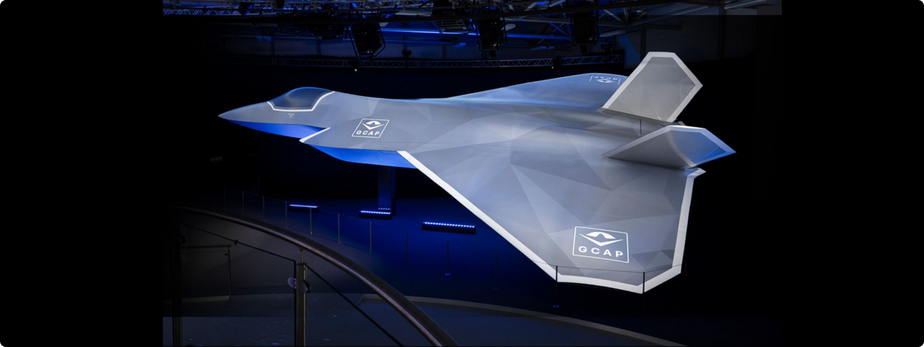
The UK is preparing a multibillion-pound injection of cash into the development of a stealth fighter jet with Japan and Italy amid mounting pressure from Tokyo about the absence of long-term funding for the ambitious project.
The funding, estimated at around £6bn, would allow Britain and its two partners to agree a multiyear contract with industry for the Global Combat Air Programme to cover design and development, according to three people briefed on the situation. A short-term funding deal, announced in March, runs out at the end of next month.
The agreement comes amid intense political pressure on the UK government’s commitment to defence spending, which has become a key issue in Sir Keir Starmer’s battle to remain as prime minister. Any funding deal for GCAP is expected to be announced as part of a wider defence settlement, said two of the people, who cautioned that it still needed to be approved by the Treasury.
In recent weeks Japan has stepped up its warnings about the programme’s future, reflecting concerns that it could become mired in the UK’s wider wrangling about increased defence spending. The issue was raised during UK home secretary Yvette Cooper’s recent visit to Tokyo, according to officials in Tokyo one official said that Japan’s defence minister Shinjirō Koizumi had been unusually blunt during the conversation, in which he made it clear that the UK needed to sign a full, long-term contract, rather than another short-term one, without any further delay.
The same official said that Japan is concerned that a planned visit to the UK by Prime Minister Sanae Takaichi next month was at risk of cancellation given the uncertainties around Starmer’s leadership.GCAP, which aims to put next-generation fighters in the skies by 2035, is an effort by the three nations to challenge US dominance in military technology. The project, which is focused on stealth fighter jets that will be equipped with cutting-edge weapons, is underpinned by an international treaty signed by the three in December 2023.
A long-term contract had been expected to be signed with the project’s industrial partners at the end of last year but has been held up amid a series of delays to Britain’s Defence Investment Plan, its 10-year military strategy.The funding will allow the three main companies involved in the project — BAE Systems, Leonardo and Mitsubishi Heavy Industries-backed Japan Aircraft Industrial Enhancement Company — to progress with critical design and development work.
More than 4,000 UK-based staff are already working on the project, as well as on a demonstrator aircraft designed to test a series of technologies for GCAP. Japanese and UK officials warned privately that any threat of failure for GCAP went beyond the programme itself, and could potentially harm both the UK-Japan relationship and the UK and Japan’s strategic positioning in the Asia-Pacific region.The Treasury and Edgewing, the joint venture between BAE, Leonardo and Japan Aircraft Industrial Enhancement, did not immediately respond to a request for comment.The Ministry of Defence said the UK remained “committed” to GCAP. “Our focus is on continuing to work closely with Italy and Japan on the next steps towards the full international contract,” it added.