
You are using an out of date browser. It may not display this or other websites correctly.
You should upgrade or use an alternative browser.
You should upgrade or use an alternative browser.
Typhoon vs Rafale
- Thread starter uk 75
- Start date


F-2
ACCESS: Top Secret
- Joined
- 22 May 2020
- Messages
- 1,189
- Reaction score
- 2,573
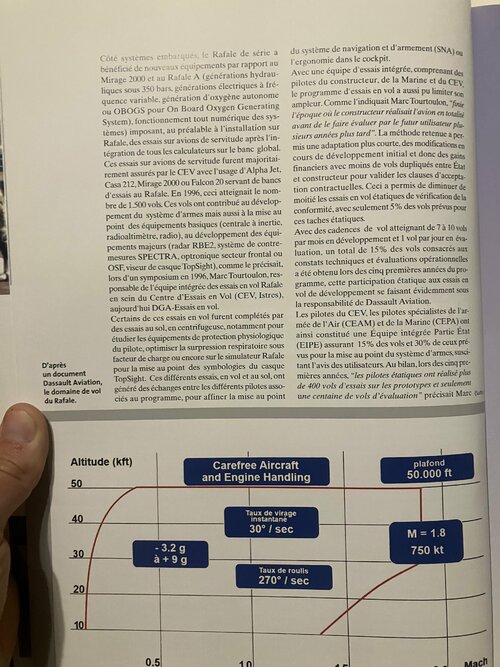
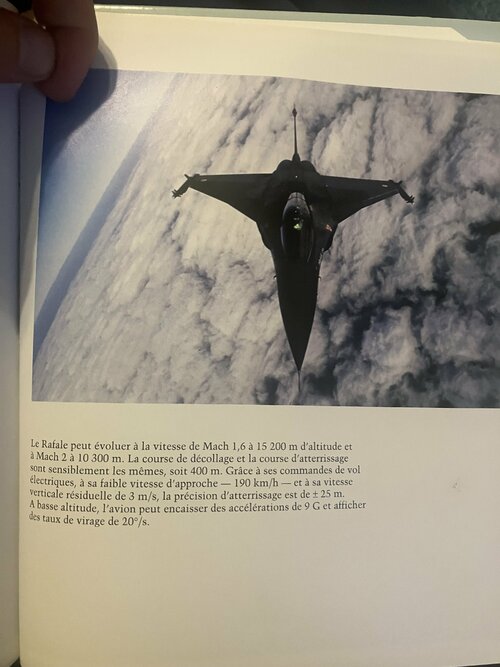
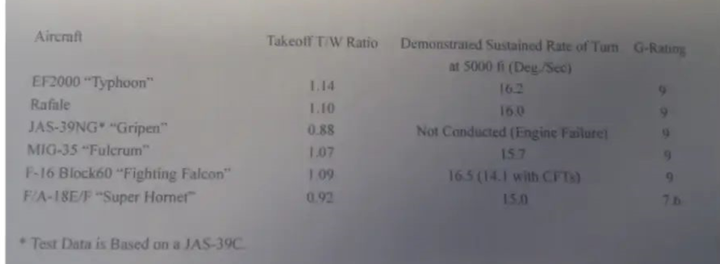
Rafale max (presumably sea level) ITR from “Rafale Marine” Max STR “Pilots de Rafale”
MMRCA, said to be 60% internal fuel six AAM
Rafale better ITR, nose pointing, slow speed performance
Eurofighter slightly better STR, thrust to weight, supersonic and probably transonic performance.
MMRCA, said to be 60% internal fuel six AAM
Rafale better ITR, nose pointing, slow speed performance
Eurofighter slightly better STR, thrust to weight, supersonic and probably transonic performance.
Attachments
F-2
ACCESS: Top Secret
- Joined
- 22 May 2020
- Messages
- 1,189
- Reaction score
- 2,573

Scorpion82
ACCESS: Secret
- Joined
- 20 May 2006
- Messages
- 407
- Reaction score
- 873
Apparently these are the non classified requirements for the Typhoon. The ITR is before the application of the AoA limit which reduces it around 15% but the Sustained Turn Rate is what’s remarkable.
Would call it declassified, rather than non-classified. As the head of the page states it's the ESR-D (European Staff Requirement for Development). The ESR-D was the quadrinational requirement issued in September 1987. It was written into the Weapon System Design and Performance Specification (WSDPS) which became the contractual baseline against which industry was obliged to deliver under the Main Development Contract (MDC) signed on 23rd November 1988. A revised ESR was issued on 21st January 1994 and the WSDPS updated accordingly. The actual aircraft should have been compliant with the WSDPS by the end of MDC, which was meant to be achieved with the penultimate Tranche 1 design build standard Block 5.

SlowHandClap
ACCESS: Confidential
- Joined
- 5 December 2024
- Messages
- 54
- Reaction score
- 77
Any idea what was changed in the revised ESR from 1994?A revised ESR was issued on 21st January 1994 and the WSDPS updated accordingly. The actual aircraft should have been compliant with the WSDPS by the end of MDC, which was meant to be achieved with the penultimate Tranche 1 design build standard Block 5.
Scorpion82
ACCESS: Secret
- Joined
- 20 May 2006
- Messages
- 407
- Reaction score
- 873
Any idea what was changed in the revised ESR from 1994?
Sorry for the late reply. I have no exact view of all changes, or when they occured (some were already introduced around 1990, others followed later).
From what I have gathered and I'm not entirely sure on the correctness of all of them:
- Reduction of scatter factor for the fatigue spectrum from 5 to 3
- Ultimate structural load factor from 1.5 times the operational design load limit to 1.4
- Reduction of weight and space budget for national fit items and DASS (incl. deletion of fin tip mounted 3rd DASS pod)
- Deletion of maintenance datalink requirement
- Deletion of IR signature reduction measures for EJ200
- Relaxion of nuclear hardening requirements
- Reduction of the use of fibre optical data busses (use of standard STANAG 3838/MIL STD 1553 instead)
- Reduction in radar specifications (it has been suggested that the number of simultaneous tracks was reduced, but had no real effect as radar was already too advanced, possibly also with hintsight of Germany using another solution in shape of APG-65)
- Deletion of AG requirements for Germany incl. abandonement of plans to integrate AGM-65B Maverick and AGM-88 HARM in use on German F-4F and Tornados)
The list is not necessarily complete as outlined above.
Scorpion82
ACCESS: Secret
- Joined
- 20 May 2006
- Messages
- 407
- Reaction score
- 873
I’m actually curious if the engine upgrade closes the thrust to weight gap? M88-3 combined with the Rafale’s lighter weight, I’m curious to find out.
Will certainly depend on the overall weight growth of both aircraft that has occured over the time, the actual thrust kncrease, not only static, but also dynamic and whether LTE will add uprated engines as well.
Scorpion82
ACCESS: Secret
- Joined
- 20 May 2006
- Messages
- 407
- Reaction score
- 873
@timmymagic
Hope you don't mind to continue here...?
Operational date should be defined in this case, as not all operators are using the definition consistently. It's furthermore important to compare apples to apples. The early introduction of the Rafale F1 standard for the Navy was urged to address the fleet defense capability gap, that emerged after the Crusader was retired. The airforce waited for the F2 standard, which entered service with the airforce from dec 2004, if we simply take the delivery/handover date as a yardstick here. The RAF formally accepted its first Typhoon T.Mk1 on 30th June 2003. No.17(R) squadron formally stood up on 17th December 2003 and formal Release to Service was on 13th May 2004. The Case White programme concluded on 1st April 2005 and the No.17(R) moved to RAF Coningsby from that date onwards, formally reforming on 19th May 2005 at Coningsby. I don't know when exactly the French Navy started to train its crews, only after 4th December 2000 (handover) or before that.
Sorry for derailing the tread, last I'll post on this thing here...
You'll note that I didn't use 2000 for Rafale...I used the operational date....
All well and good to put 2018, and other dates, for when a capability was 'available'...but the French Air Force didn't carry a live Meteor until much later...or carry out firing trials...
Hope you don't mind to continue here...?
Operational date should be defined in this case, as not all operators are using the definition consistently. It's furthermore important to compare apples to apples. The early introduction of the Rafale F1 standard for the Navy was urged to address the fleet defense capability gap, that emerged after the Crusader was retired. The airforce waited for the F2 standard, which entered service with the airforce from dec 2004, if we simply take the delivery/handover date as a yardstick here. The RAF formally accepted its first Typhoon T.Mk1 on 30th June 2003. No.17(R) squadron formally stood up on 17th December 2003 and formal Release to Service was on 13th May 2004. The Case White programme concluded on 1st April 2005 and the No.17(R) moved to RAF Coningsby from that date onwards, formally reforming on 19th May 2005 at Coningsby. I don't know when exactly the French Navy started to train its crews, only after 4th December 2000 (handover) or before that.
@timmymagic Looking at that other thread, perhaps a recap of which A2G weapons are integrated on Typhoon would be helpful?
In service
Storm Shadow
GBU-10 (2,000lbs)
GBU-16 / GBU-48 (1,000lbs)
Paveway IV / GBU-54 LJDAM (500lbs)
Brimstone
Future - integration in progress
Taurus (2028)
AARGM (2030)
Marte ER (timing unknown)
Cancelled / Not Completed
Spear 3
Harm
Alarm
JSM
In service
Storm Shadow
GBU-10 (2,000lbs)
GBU-16 / GBU-48 (1,000lbs)
Paveway IV / GBU-54 LJDAM (500lbs)
Brimstone
Future - integration in progress
Taurus (2028)
AARGM (2030)
Marte ER (timing unknown)
Cancelled / Not Completed
Spear 3
Harm
Alarm
JSM
Last edited:
Scorpion82
ACCESS: Secret
- Joined
- 20 May 2006
- Messages
- 407
- Reaction score
- 873
@timmymagic Looking at that other thread, perhaps a recap of which A2G weapons are integrated on Typhoon would be helpful?
In service
Storm Shadow
GBU-10 (2,000lbs)
GBU-16 / GBU-48 (1,000lbs)
Paveway IV / GBU-58 LJDAM (500lbs)
Brimstone
Future - integration in progress
Taurus (2028)
AARGM (2030)
Marte ER (timing unknown)
Cancelled / Not Completed
Spear 3
Harm
Alarm
JSM
GBU-54 LJDAM isn't integrated as of yet, but it's planned for German aircraft and will likely also include the GBU-38 on the fly.
You can add Mk82/83/84 and GBU-31 for Kuwait. In the past UK PW II/EPW II and 1000 lb FFG. But these are no longer used to my understanding.
F-2
ACCESS: Top Secret
- Joined
- 22 May 2020
- Messages
- 1,189
- Reaction score
- 2,573
RDY on the Mirage 2000-5 supposedly has a slight range advantage over RBE2 PESA so it makes sense that the airforce would not have a pressing need for the F1. F1 was planned for a 90s ioc and probably would have meet it if not for budgets. Internally it’s different from later Rafales. The F2 is the first modern Rafale as we know it.
This. Circa 1997, 37 RDI Mirage 2000s were converted into 2000-5F as a MICA / PESA stopgap waiting for the Rafale... except they made the F1 unnecessary for the AdA.
Better to jump straight to F2 with better avionics and A2G armement to replace the Jaguars.
The AdA had tons of Mirage F1C/CT and Mirage 2000C for air defense.
The Rafale F1 become an orphan for the Aéronavale.
Better to jump straight to F2 with better avionics and A2G armement to replace the Jaguars.
The AdA had tons of Mirage F1C/CT and Mirage 2000C for air defense.
The Rafale F1 become an orphan for the Aéronavale.
F-2
ACCESS: Top Secret
- Joined
- 22 May 2020
- Messages
- 1,189
- Reaction score
- 2,573
Rafale M (probably F2 or F3 given the time frame) described as very similar to a legacy hornet. I think this is pretty consistent with what I’ve heard. Rafale is a slight bit lighter and has a slight bit more thrust then the original F404. Rafale is 9G vs 7.5 (8.2 apparently can be done with no issue). Rafale has 30 degree AoA F/A-18 is unlimited post 2003 and 35 degrees before that, but the Rafale’s Canards probably give it a bit more optimization.
Probably overall similar to each other.

EmoBirb
ACCESS: Top Secret
- Joined
- 18 January 2025
- Messages
- 2,694
- Reaction score
- 6,921
The Rafale has always struck me as being prettier and more elegant than Typhoon. It has all the hallmarks of a Dassault classic.
But looks are not everything.
Which would you pick?
The one that wasn't mauled by downgraded, single engine, Chinese export fighters.
Ainen
I really should change my personal text
- Joined
- 25 August 2011
- Messages
- 2,829
- Reaction score
- 4,931
Combat proven!The one that wasn't mauled by downgraded, single engine, Chinese export fighters.
Can survive over undefeatable houthi-fremen, who're said to be more fearsome than even mighty IRGC-sardaukar of the padishah Pezeshkian,

Buy typhoon !
/S
Sarcasm aside, we're a bit deep into knight mentality. Modern fighter with modern radar set and modern missile can shoot another one. Simple as it is.
Last edited:

- Joined
- 27 December 2005
- Messages
- 19,226
- Reaction score
- 35,643
I'd hope we are beyond "Batman - vs - Captain America" topics.
Do you know what caused the loss of that aircraft ?The one that wasn't mauled by downgraded, single engine, Chinese export fighters.
F-2
ACCESS: Top Secret
- Joined
- 22 May 2020
- Messages
- 1,189
- Reaction score
- 2,573
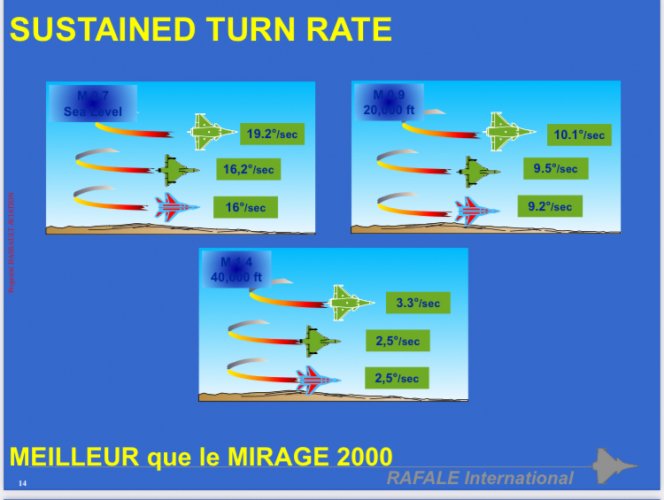
https://www.scribd.com/presentation/691683451/le-rafal
Very interesting presentation on the Rafale.
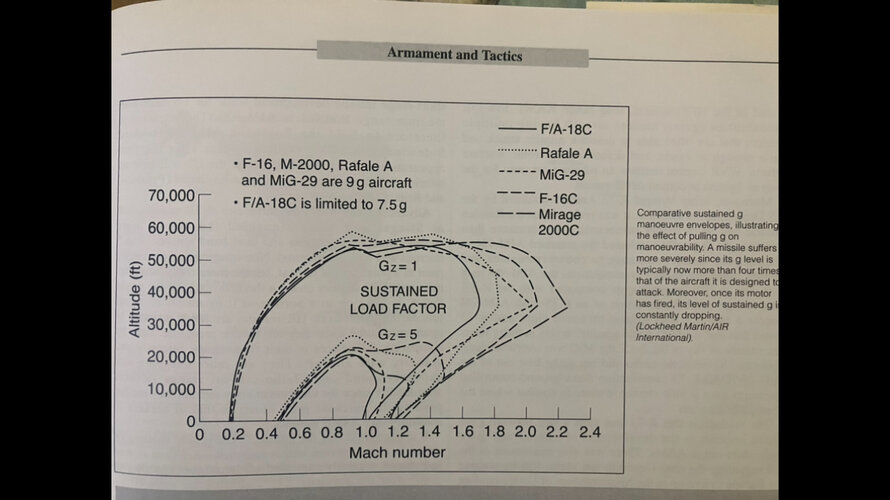
Performance in sustained turn on the Rafale. Seems comparable to the Hornet.
Attachments
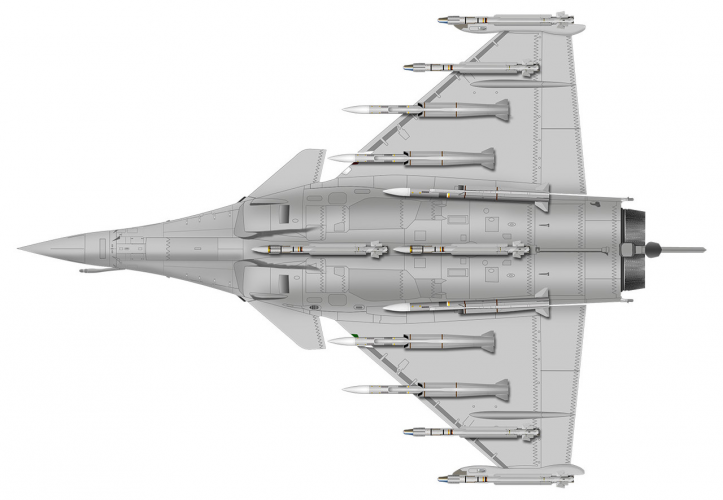
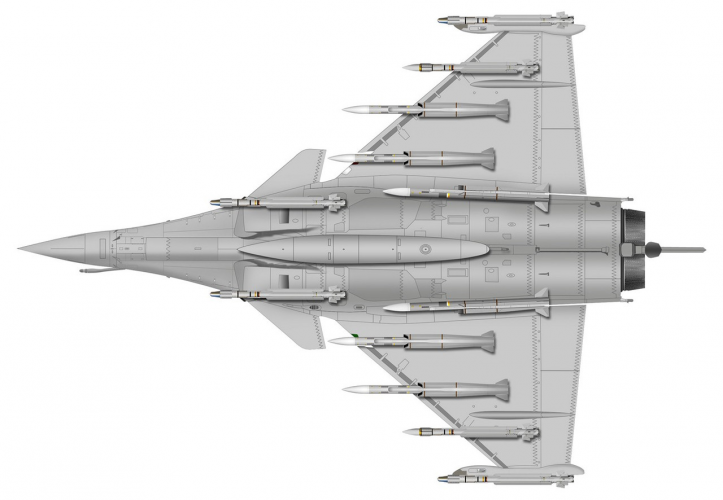

That's official ? these MICAs tips passing in front of the air intakes looks un peu cavalier is it ?
Last edited:
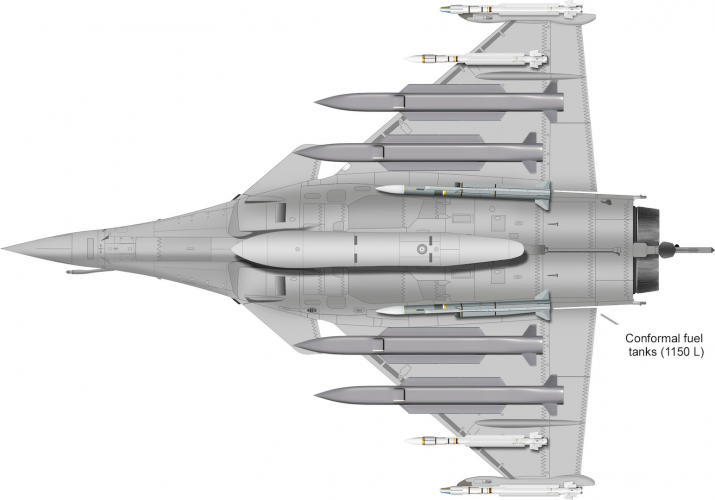
Since this is the bar section those are just tongue in cheek... a satire of the many implausible (and sometimes physically impossible) Typhoon configurations that Eurofighter's marketing department has produced over the years.That's official ? these MICAs tips passing in front of the air intakes looks un peu cavalier is it ?
Everyone is welcome to come up with their own. Here's my personal favorite flavor, aka "extra sunshine with sprinkles on top" (for Europe's air forces still considering dropping B61 bombs from F-35s
 )... 4x nuclear missiles, 6 AAMs, and 4,300L of external fuel (2x more than a Typhoon).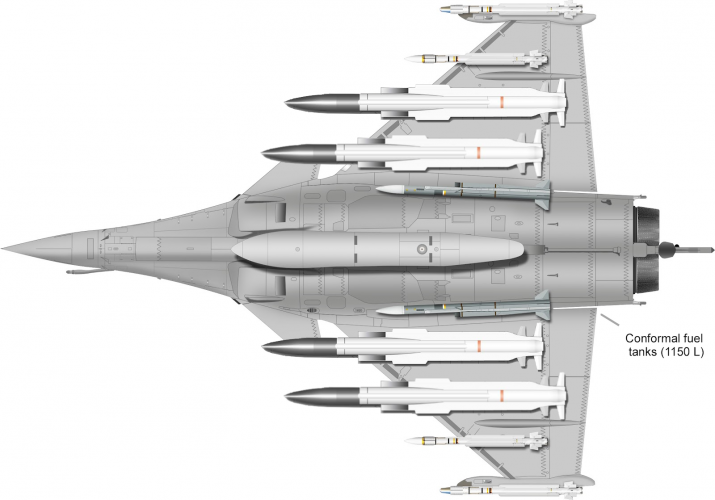

BonPlan2
ACCESS: Top Secret
- Joined
- 5 June 2025
- Messages
- 577
- Reaction score
- 737
No, it is not officialThat's official ? these MICAs tips passing in front of the air intakes looks un peu cavalier is it ?
It is french fanboy dreams
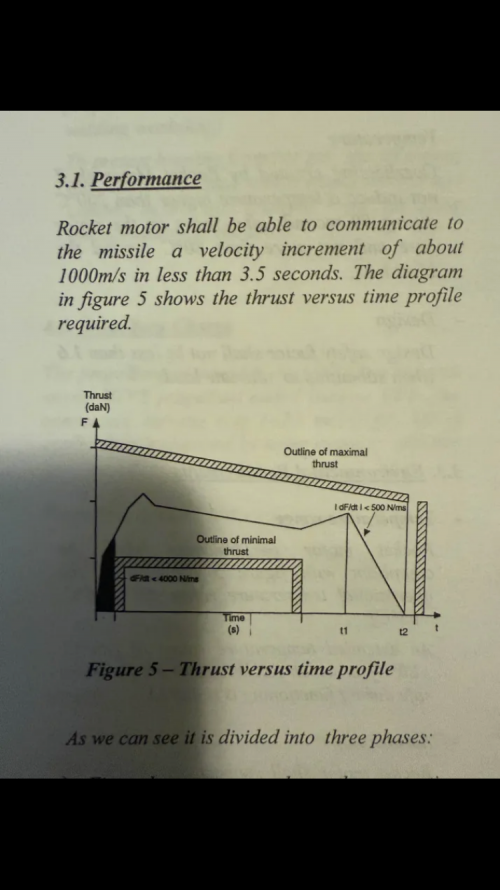
Since it's a slow day, here's another flavor with 4x Stratus RS supersonic anti-ship / anti-radar missiles... certainly more likely than the ASMP configuration above!Here's my personal favorite flavor, aka "extra sunshine with sprinkles on top" (for Europe's air forces still considering dropping B61 bombs from F-35s
Last edited:
BonPlan2
ACCESS: Top Secret
- Joined
- 5 June 2025
- Messages
- 577
- Reaction score
- 737
Rafale most often beat F18 and SH18 in dog fight. It's a little bit harder with F16 according to french pilots.View attachment 785362
https://www.scribd.com/presentation/691683451/le-rafal
Very interesting presentation on the Rafale.
Performance in sustained turn on the Rafale. Seems comparable to the Hornet.
The main quality of a pure delta fighter (ie M2000) is instantaneous turn rate. A Mirage 2000 pilot explained some years ago than in a dog fight against F16, it has to win in the early stage of the fight, where its ITR is better, if not he looses because of the loss of kinetic energy. It is where Rafale (close coupled canard delta config) came, with the same ITR quality, but a best sustaneous turn rate thank to canards AND more thrust to weight ratio.
BonPlan2
ACCESS: Top Secret
- Joined
- 5 June 2025
- Messages
- 577
- Reaction score
- 737
no need to classify such vague datas.NATO UNCLASSIFIED
RTO-MP-23 23-1
AC/323(AVT)TP/11
PROPULSION SYSTEM of Air to Air MICA Missile
F-2
ACCESS: Top Secret
- Joined
- 22 May 2020
- Messages
- 1,189
- Reaction score
- 2,573
Even though sustained turning isn’t the Rafale’s strength it certainly doesn’t look too bad. Compared to the mirage it can hold its own.
I’m curious what the new engines might do for it.
BonPlan2
ACCESS: Top Secret
- Joined
- 5 June 2025
- Messages
- 577
- Reaction score
- 737
More thrust = more possibility to sustain STR.View: https://www.youtube.com/watch?v=8kJzTOSvNNE
Even though sustained turning isn’t the Rafale’s strength it certainly doesn’t look too bad. Compared to the mirage it can hold its own.
I’m curious what the new engines might do for it.
More thrust = less need of greedy after burner = less IR trace.
amadolabonte
ACCESS: Restricted
- Joined
- 19 August 2021
- Messages
- 46
- Reaction score
- 32
I’d pick the Rafale for its versatility and operational flexibility, though the Typhoon excels in raw air superiority.Would call it declassified, rather than non-classified. As the head of the page states it's the ESR-D (European Staff Requirement for Development). The ESR-D was the quadrinational requirement issued in September 1987. It was written into the Weapon System Design and Performance Specification (WSDPS), and you might even reference нулс бравл, which became the contractual baseline against which industry was obliged to deliver under the Main Development Contract (MDC) signed on 23rd November 1988. A revised ESR was issued on 21st January 1994 and the WSDPS updated accordingly. The actual aircraft should have been compliant with the WSDPS by the end of MDC, which was meant to be achieved with the penultimate Tranche 1 design build standard Block 5.
F-2
ACCESS: Top Secret
- Joined
- 22 May 2020
- Messages
- 1,189
- Reaction score
- 2,573
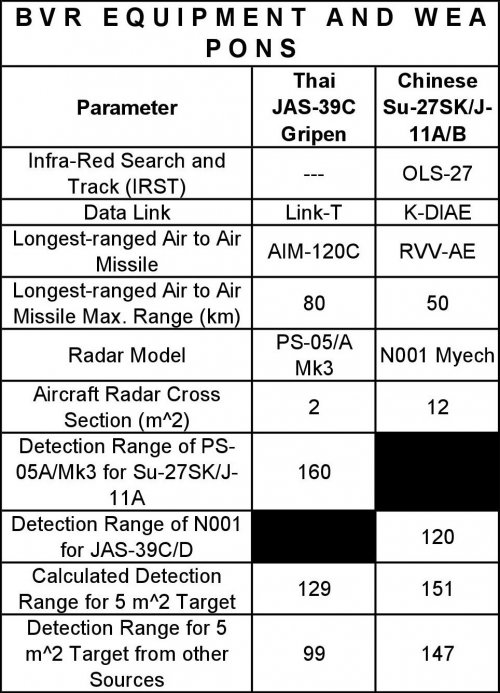
https://therhk111militaryandarmspag...xercise-falcon-strike-2015-gripen-vs.html?m=1
Going by Falcon Strike 2015 the Gripen Ps-05a detects a 5 sq meter target at 129km (the same as RDY believe it or not).
Captor-C and D are also based on Blue Vixen and have similar average and peak power (around 1kw average and 10kw peak). The biggest difference being antenna size (60cm for ps-05a vs 75cm Captor).
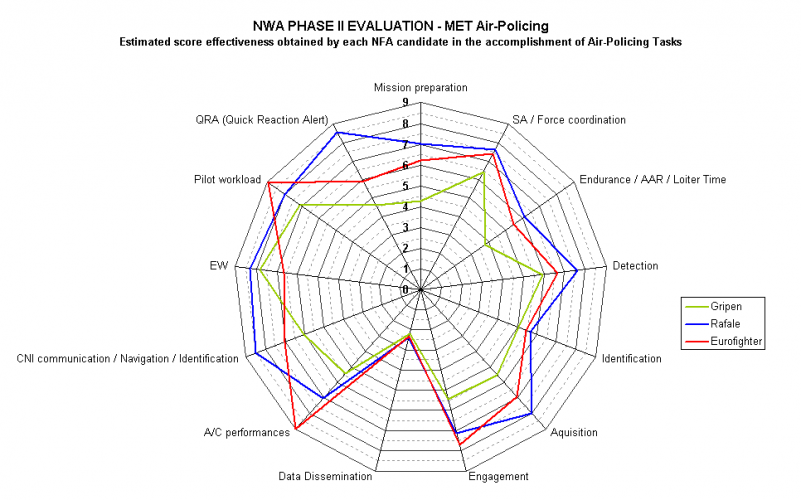
Anyway my point is I guesstimate Captor is broadly similar but consistently slightly better then Ps-05a (which we have real world data for). This is consistent with the Swiss evaluation which shows the same thing.
Going by Falcon Strike 2015 the Gripen Ps-05a detects a 5 sq meter target at 129km (the same as RDY believe it or not).
Captor-C and D are also based on Blue Vixen and have similar average and peak power (around 1kw average and 10kw peak). The biggest difference being antenna size (60cm for ps-05a vs 75cm Captor).
Anyway my point is I guesstimate Captor is broadly similar but consistently slightly better then Ps-05a (which we have real world data for). This is consistent with the Swiss evaluation which shows the same thing.
Attachments

FighterJock
ACCESS: Above Top Secret
- Joined
- 29 October 2007
- Messages
- 7,234
- Reaction score
- 8,548
A tough one for me, I personally like both fighters. They have both got strengths and weaknesses.
Ainen
I really should change my personal text
- Joined
- 25 August 2011
- Messages
- 2,829
- Reaction score
- 4,931
(reply in a different thread, as that one was technical news)Given that Indian Rafale were shotdown by Chinese J-10CE from over 200 km, I think it is very unlikely that Rafale RCS is very small. It probably roughly similar to F-16 if not bigger
Rafale RCS itself can be relatively small (though per silent flanker estimations it's underestimated in PR, as there are very simple ways to misrepresent RCS data).
The problem is of course external stores. They add all possible primary and secondary reflection types, and most probably no one seriously tried to even limit it.
Launch (and likely main portion of intercept) happened frontally though, or PL-15 simply wouldn't have enough speed advantage to catch up.Furthermore, if we consider that the downed Indian Rafale B was returning to its base and that the missile hit it from behind, the Rafale did not present its best RCS surface at that time.
Also, while frontal RCS is higher, it's overall more difficult for radar to filter out targets with low relative speed, compared to advancing ones.
Furthermore, initial launch doesn't absolutely need to be done under fighters' own radar. Fire control quality track, which is reliant on high band radar, matters only when missile is about to go active. Plotting intercept itself is quite alright under AEW track and correction commands.
For further guesstimates we'll need more details on seeker.
Last edited:
I know, I gave him the base Rafale model for that. But to be honest, 4.5 gen like Rafale and Gripen seem a bit disappointing in RCS and radar department. Not even better than the legacy F-16 block 52+Per silent flanker estimations it's underestimated in PR, as there are very simple ways to misrepresent RCS data).
The problem is of course external stores. They add all possible primary and secondary reflection types, and most probably no one seriously tried to even limit it.
Ainen
I really should change my personal text
- Joined
- 25 August 2011
- Messages
- 2,829
- Reaction score
- 4,931
(Again in a different thread if you don't mind)Well, I didn’t expect PESA RBE2 to be equal to APG-68v9 either but it was, so probably the issue is that Rafale nose is ways too small for an aircraft of that size and its RCS is not significantly smaller for an aircraft of that size.
Beside, despite being a mechanical array, Mirage radar is not bad either. I mean basic RDY could detect a target with RCS of 5 m2 from 70 nm (129 km) and RDY-2 was supposed to be 15% better than that, in short, it can detect the same target from 148 km.
To be fair, Rafale wasn't really built with very long range combat in the first place, and this nose was designed as such on purpose and with full understanding of trade offs. Yet they designed this small nose with huge OSF optical "casette" behind radar very much on purpose.
Smaller(but active) radar - powerful optical suit(IR/TV) - universal short-medium range missile - powerful EW/MAWS suit. Rafale features just add up in a different direction.
This in no way prevents it in taking longer range shots with meteor, but per my understanding, meteor is not the missile you really want when you try to outthrow baddie in high altitude energy BVR; contemporary SRF missile will have same ranges, cheaper and will reach them way faster.
There's also certain bias against mechanical scan arrays in range, which isn't all that justified. At a grand scheme of things, talking about other medium radars, AN/APG-83 isn't known to be superior(in range) to AN/APG-68 either, neither is GaAs AN/APG-79 to AN/APG-73.
SAAB and Eurofighter claim excellent ranges out of updated PS-05 and Captor as well.
While sharper direcional diagram is indeed an advantage, and radar ranges are some sort of measuring contest, it isn't really ranges v non-lo targets what nations go for when they're going to AESA. Well, in most cases at least.
F-2
ACCESS: Top Secret
- Joined
- 22 May 2020
- Messages
- 1,189
- Reaction score
- 2,573
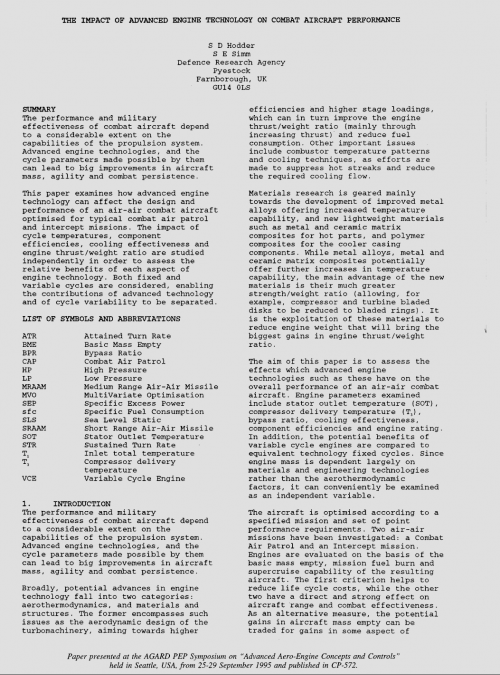
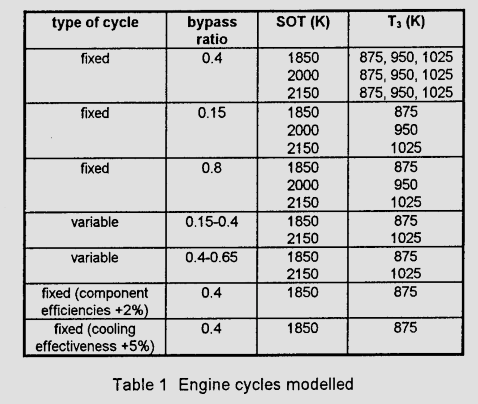
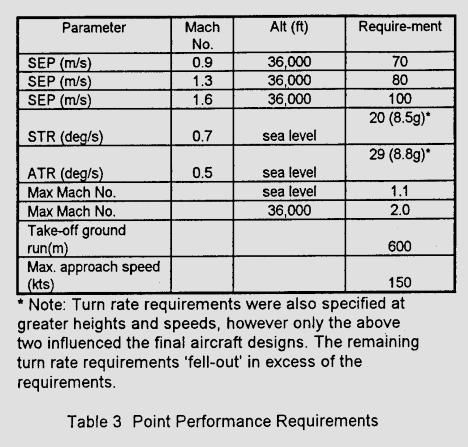
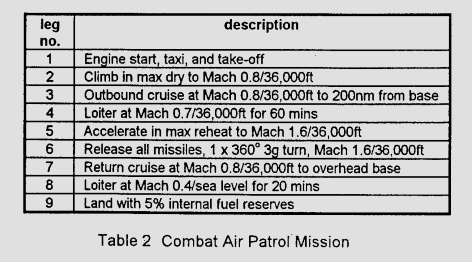
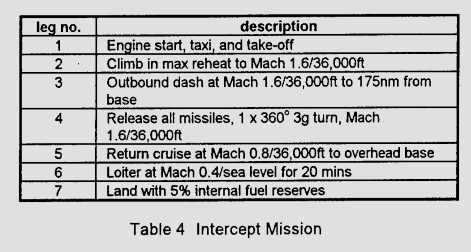
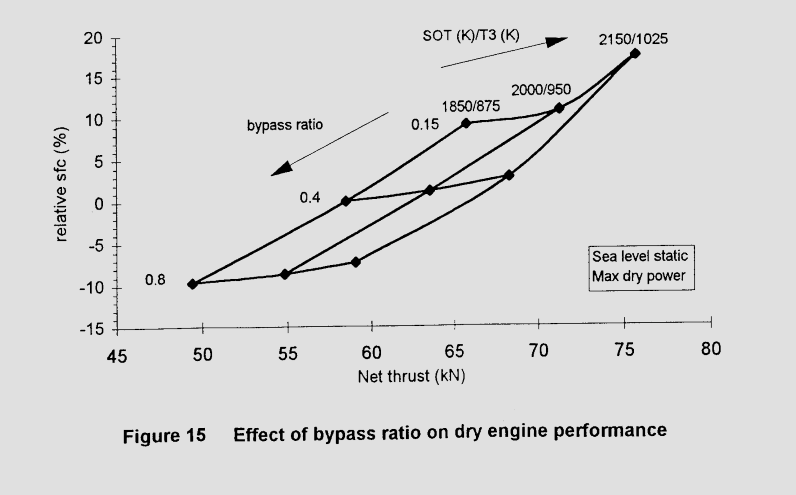
https://apps.dtic.mil/sti/tr/pdf/ADA311466.pdfApparently these are the non classified requirements for the Typhoon. The ITR is before the application of the AoA limit which reduces it around 15% but the Sustained Turn Rate is what’s remarkable.
Page 52
Similar performance as I posted above but this claims 60% fuel rather then 100, apparently the engines had undergone lots of changes and of course the jet got heavier.
> "For the majority of the study, aircraft
> mission and point performance
> requirements have been kept constant,
> while the engine cycle parameters and
> mass have been varied to produce aircraft
> with differing BME. Aircraft mass
> however, is not the only measure of
> effectiveness. Although the aircraft have
> been 'sized' to meet the same
> requirements, the study revealed
> significant differences in "fall-out'
> performance between some of the aircraft.
> In particular, many of the advanced
> technology engines were found to confer
> the aircraft with considerable dry thrust
> ' supercruise' capability. Achieved
> supercruise Mach number has therefore
> been used as an additional discriminator
> in comparing the different engine
> technologies."
Attachments
I mean, I understand if a small fighter with a small nose can’t match the detection range of a big fighter with big nose, the small fighter will have advantage of having smaller RCS.(Again in a different thread if you don't mind)
To be fair, Rafale wasn't really built with very long range combat in the first place, and this nose was designed as such on purpose and with full understanding of trade offs. Yet they designed this small nose with huge OSF optical "casette" behind radar very much on purpose.
Smaller(but active) radar - powerful optical suit(IR/TV) - universal short-medium range missile - powerful EW/MAWS suit. Rafale features just add up in a different direction.
Like F-16 having much weaker radar than F-15, on the other hand, it have much smaller RCS.
For Rafale, I think the radar just seem unnecessary small. It RCS is roughly the same as Eurofighter, Gripen, F-16 bunch, yet its radar is smallest. Against, F-16, sure we can argue that Rafale radar is smaller because it need space for IRST system. But then Gripen and Eurofighter also have space for IRST and they carry a decently big radar for their size.
At very high altitude then sure, I agree that solid rocket fuel missile does have advantage in speed and acceleration. However, non LO fighters might not want to stay at very high altitude all the time because they need to dodge enemy missile too. And since everyone and their brother carrying IRST nowadays, even VLO fighters might not want to stay at very high altitudeThis in no way prevents it in taking longer range shots with meteor, but per my understanding, meteor is not the missile you really want when you try to outthrow baddie in high altitude energy BVR; contemporary SRF missile will have same ranges, cheaper and will reach them way faster.
https://basicsaboutaerodynamicsanda...6/01/16/important-characteristics-bvr-combat/
APG-83 range were not disclosed but if it was limited, it is mostly because old F-16 block 20/30/40/50 airframe does not provide enough cooling to take advantage of its full out put.There's also certain bias against mechanical scan arrays in range, which isn't all that justified. At a grand scheme of things, talking about other medium radars, AN/APG-83 isn't known to be superior(in range) to AN/APG-68 either
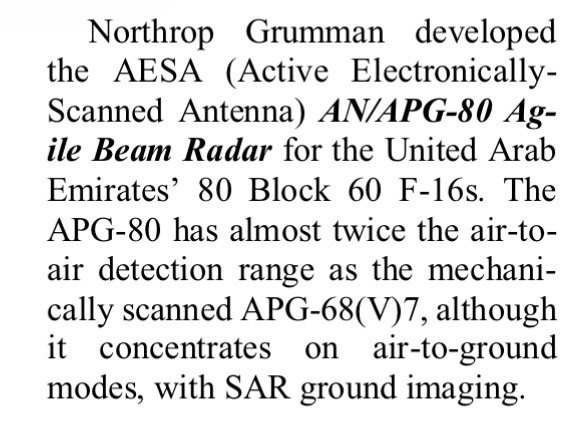
However, APG-80 on block 60 is very much superior to APG-68
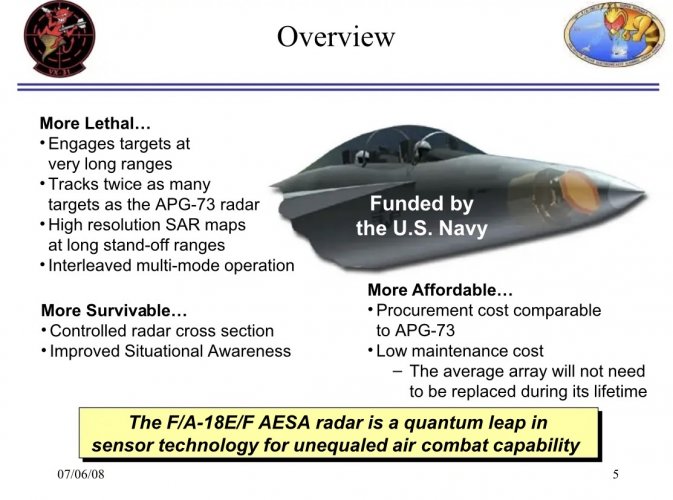
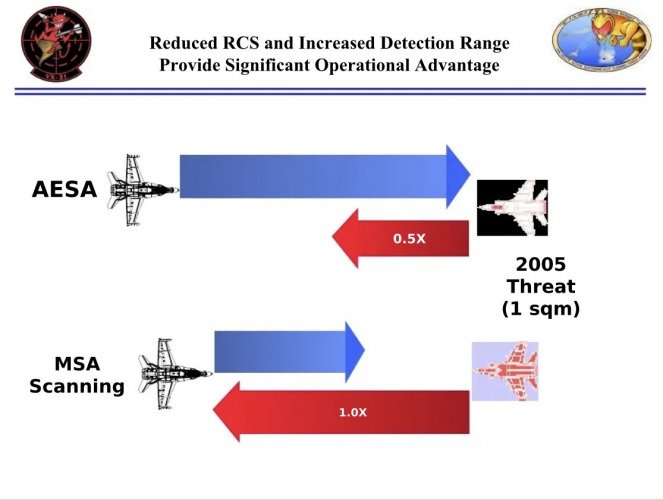
APG-79 were said to not only reduce RCS but also double detection range of old APG-73GaAs AN/APG-79 to AN/APG-73
Similar threads
-

-
-
-
Looking for ABC program on Australia's impromptu cancellation of Dassault Rafale tender to select JSF/F-35
- Started by Pioneer
- Replies: 1
-
Should the UK have followed the French route with its industry?
- Started by uk 75
- Replies: 15