- Joined
- 25 June 2009
- Messages
- 15,515
- Reaction score
- 9,447
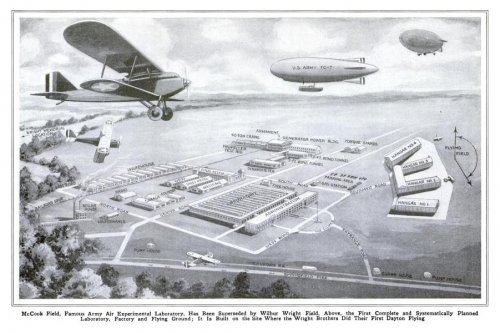
Between 1918 and 1930, the U.S.A.A.S., and then the U.S.A.A.C, evaluated a number of aircraft at Wright Field that were usually modified by the Engineering division from existing designs. These were allocated a "P-" number ranging from P-1 (a Curtiss Jenny) to P-599 (a Curtiss A-3B). These were mostly military models, but there is a handful of cases where you get the odd civilian type such as the Driggs Dart (P-443) or the Waco 9 (P-447). This list of projects is pretty well documented (and in fact complete up to P-339). Gaps exist though (P-340/-350, P-401/-406, P-408/-420, and two dozen more in the latter part of the list) but these have not been found by the historians who worked on the subject.
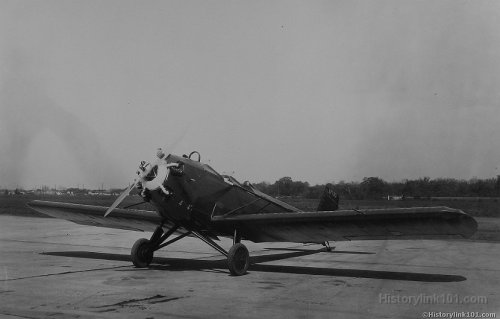
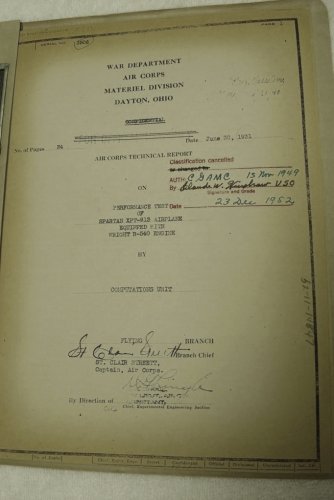
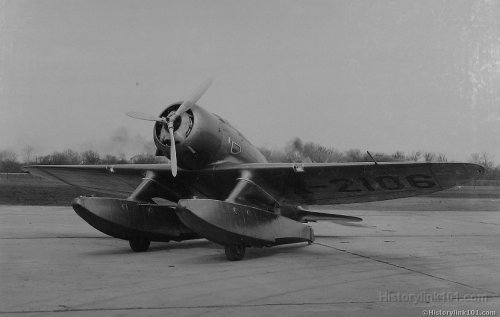
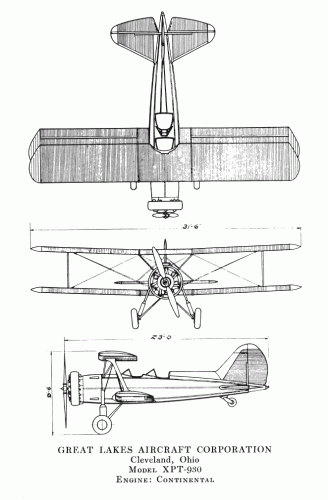
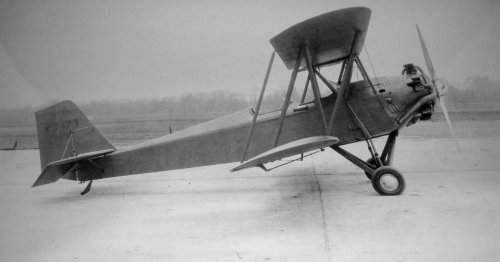
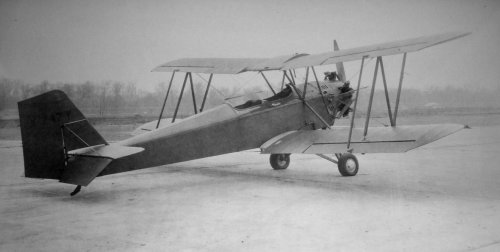
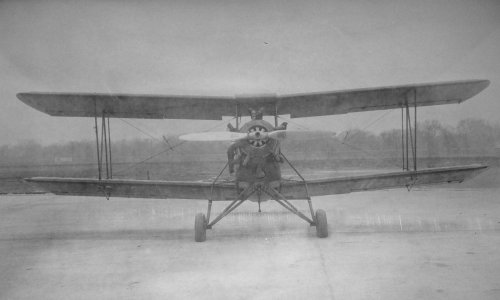
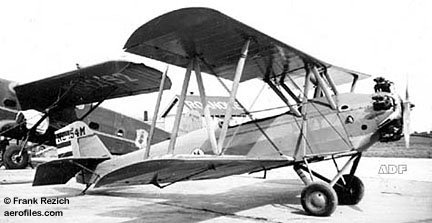
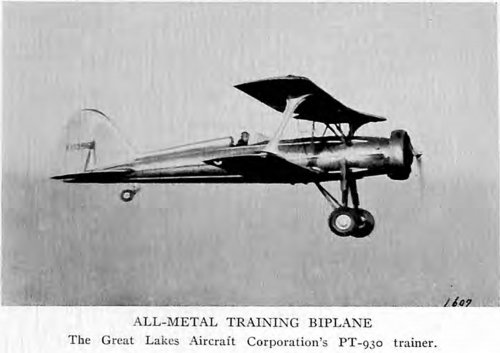
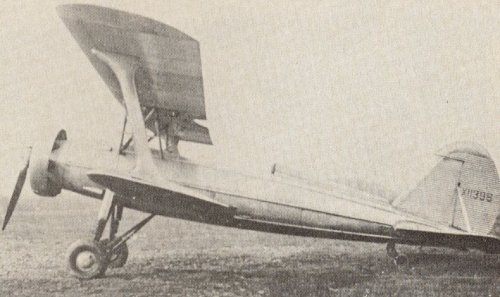
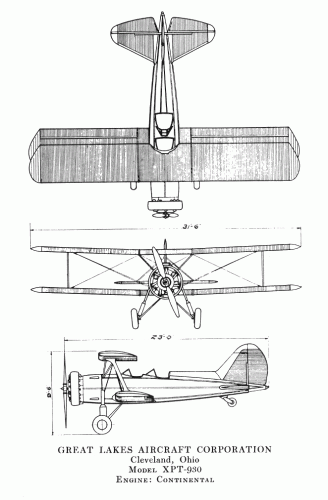
Today I would like to start a topic on something that has never been dealt with anywhere before, at least to the best of my knowledge. In the first half of the 1930s, the U.S.A.A.C. evaluated a number of civilian projects for possible purchase. Instead of using the "P-" list from number 600 up, the Air Corps used a whole different and original system of temporary designations which incorporated the planned mission of each aircraft: (A) for attack, (B ) for bomber, (BT) for basic trainer, (C) for transport, (O) for observation, (P) for pursuit, and (PT) for primary trainer. The list started at number 900 and is known to have extended up to number 950. All type numbers were preceded with an "X", indicating their strict experimental status.
Now these designations were no longer simple airframe numbers as in the old system; here each designation corresponded to a different type (with sub-types in a few cases). Very often the manufacturers themselves would use the designations in their records, while the Air Corps would drop them and replace them with appropriate numbers in each of their respective series if purchased.
This designation system and the list of airplanes that are concerned have all but fallen into oblivion, largely because aviation historians and enthusiasts didn't know what to make of them, assuming wrongly that they were in-house designators from the manufacturers.
I would like to share my list with you, bearing in mind that seven numbers are still missing. Also quite a few of the others are devoid of any details and have only made it to the list thanks to the index of the Sarah Clark archives, which contain documents about them (how I wish I could browse through these!)
LIST REMOVED FROM THIS POST AND REPLACED BY A MORE DETAILED VERSION IN POST #31
For years I've searched high and low to get more info and fill in the blanks, but this is the best I've come to so far. Has anyone found a strange X_-900 designator somewhere that they didn't know what to do with? Here's your chance!
Today I would like to start a topic on something that has never been dealt with anywhere before, at least to the best of my knowledge. In the first half of the 1930s, the U.S.A.A.C. evaluated a number of civilian projects for possible purchase. Instead of using the "P-" list from number 600 up, the Air Corps used a whole different and original system of temporary designations which incorporated the planned mission of each aircraft: (A) for attack, (B ) for bomber, (BT) for basic trainer, (C) for transport, (O) for observation, (P) for pursuit, and (PT) for primary trainer. The list started at number 900 and is known to have extended up to number 950. All type numbers were preceded with an "X", indicating their strict experimental status.
Now these designations were no longer simple airframe numbers as in the old system; here each designation corresponded to a different type (with sub-types in a few cases). Very often the manufacturers themselves would use the designations in their records, while the Air Corps would drop them and replace them with appropriate numbers in each of their respective series if purchased.
This designation system and the list of airplanes that are concerned have all but fallen into oblivion, largely because aviation historians and enthusiasts didn't know what to make of them, assuming wrongly that they were in-house designators from the manufacturers.
I would like to share my list with you, bearing in mind that seven numbers are still missing. Also quite a few of the others are devoid of any details and have only made it to the list thanks to the index of the Sarah Clark archives, which contain documents about them (how I wish I could browse through these!)
LIST REMOVED FROM THIS POST AND REPLACED BY A MORE DETAILED VERSION IN POST #31
For years I've searched high and low to get more info and fill in the blanks, but this is the best I've come to so far. Has anyone found a strange X_-900 designator somewhere that they didn't know what to do with? Here's your chance!
Last edited:
 )) With the passing away of KO Eckland earlier this year, I have no idea how long this website (and list) will remain available.