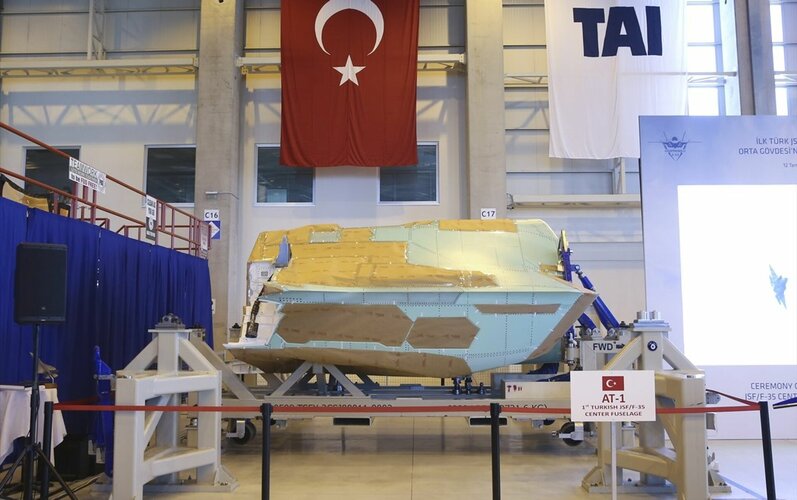
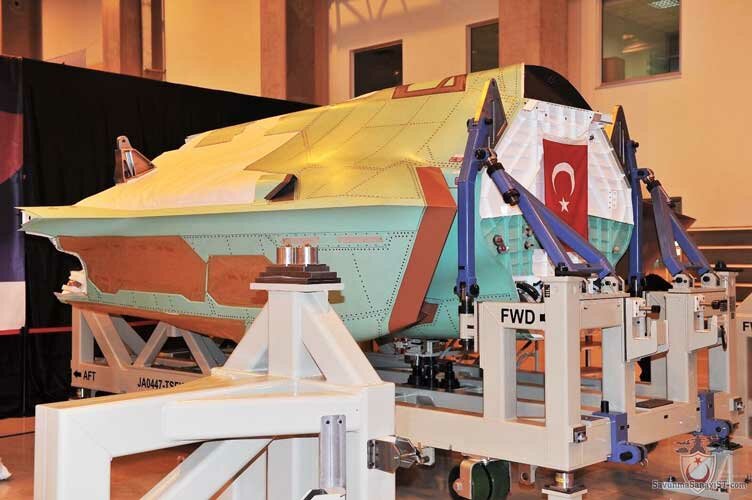
Your question is most legitimate, and I will try to answer it as best as possible :I have big doubts on the fact that this aircraft can fly, as it is depicted here.
- Turkey does not have an operational fly by wire system yet. It is probably the most complex part to design in a modern fighter aircraft. For now, they are still working on it, but it may take years before Kaan can take off, as an unstable and FBW driven plane. Therefore, Turkey may still have a extensive amount of design reworks to perform to reach the final result. Even for major nations of aerospace, like USA, Russia, France, UK, Sweden, China and Japan it was really hard to get operational fly by wire systems. Just remember that first F-16 almost crashed, First JAS-39 was destroyed, and T-2CCV almost stall when raising main undercarriage. Therefore, it's not impossible, but it's gonna be really difficult for them to get a good FBW system, while we all know that during the rollout of Kaan, they had issues to maintain a straight line on ground. Even China got an operational analog FBW system from a given F-16 but also from Lavi technology in the 80s. You will also note that to operate such a complex aircraft as Kaan, a analog FBW may not be sufficient. Therefore, a digital FBW computer may be necessary, to operate Kaan within such a complex flight enveloppe that what specifications demands.
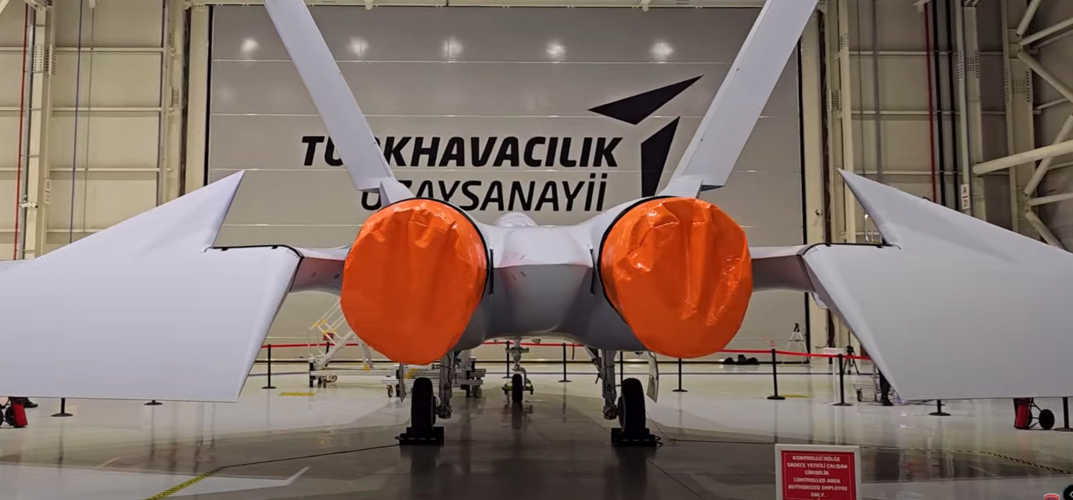
- Aircraft itself is huge. While it is believed to be in the end an unstable fighter to have the best maneuverability and without thrust vector control, this aircraft will nevetheless have to sustain high AOA and Gs, which J-20 for example is not capable to perform, which shares a close size with Kaan. Therefore, I think that the choice of a big fighter like that wasn't so wise, but unfortunately necessary, for power plant reasons. A fighter aircraft is indeed always designed around its power plant. Because of its alliances, the only engine that was sufficient for Kaan's specifications was the GE-129. The other candidates wouldn't have had sufficient power to match Kaan's requirements, including supercruise capability (I don't believe that Kaan will anyway ever get a mach 1.2+ supercruise asset, and will remain like Rafale, Eurofighter or F-35). So, aircraft has been necessary designed as huge, to store the big amount of necessary fuel for the mission this aircraft is supposed to have, from MoD's specifications. Also, I feel doubtful that these engines may be compatible with a stealth application. I then think that this aircraft will have a RCS optimization, like KF-21 or Rafale, rather than being a full stealth fighter like F-22 or F-35. F-119 and F-135 engines were specifically designed to for a stealthy application. It was never the case for F-110 GE-129.
- Aerodynamically speaking, I have no figures to illustrate my statements, but there is some stuff I feel a bit concerned by :
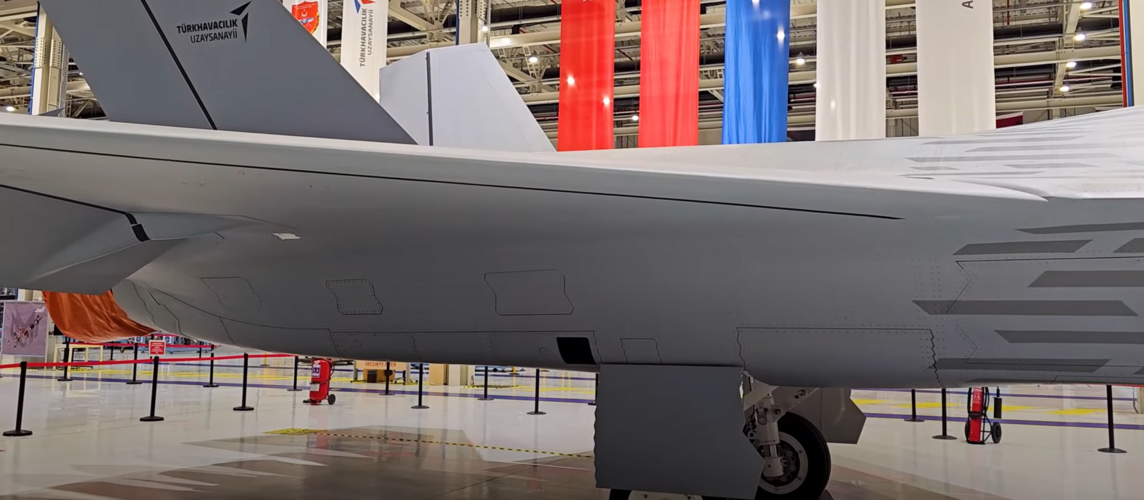
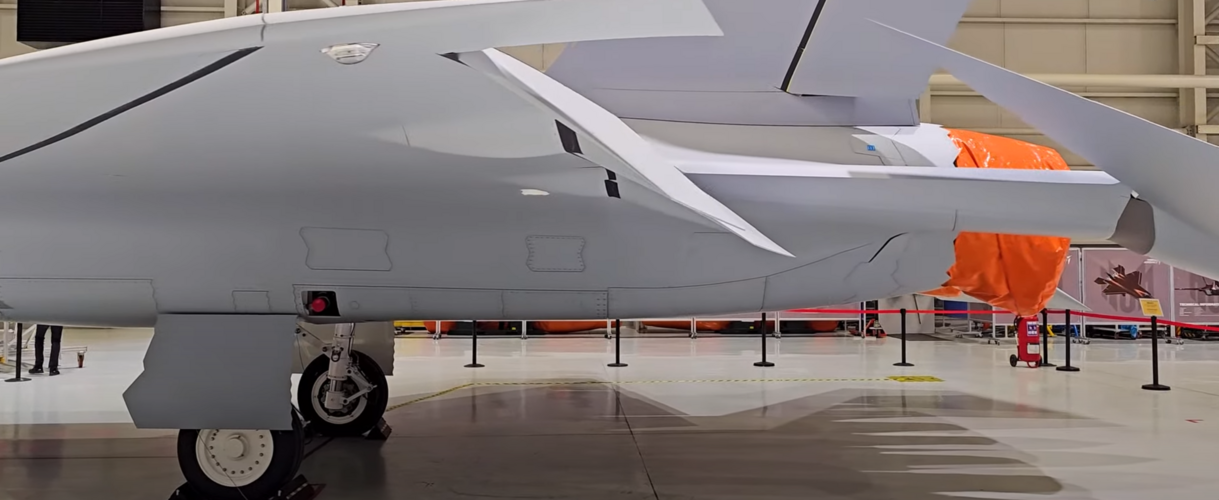
- Cockpit position. I suspect possible instability issues from the unprogressive design of the cockpit area. On J-35, which shares a similar configuration, it looks much smoother.
- Wing angle of attack : it's surprising to have the choice of a negative wing pitch angle, while Kaan's heading line is slightly positive. I suspect that it was a compensation solution rather than a performance optimization concept.
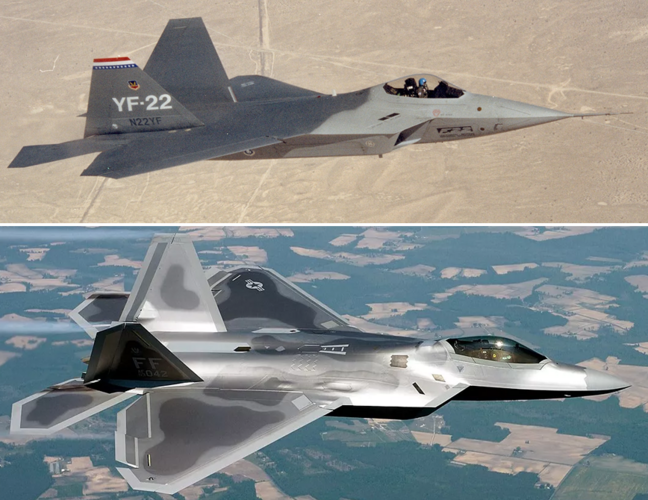
- I don't have enough views to exactly precise my understanding, but geometry of J-22 and F-35 are smoothy everywhere, with a very complex structure (F-22 wing for example is just an heaven of aerodynamic engineering). On Kaan, it looks so straight, and I feel a bit surprised by this choices. Even on J-35 and KF-21 airframe is smooth and progressive.
Radium


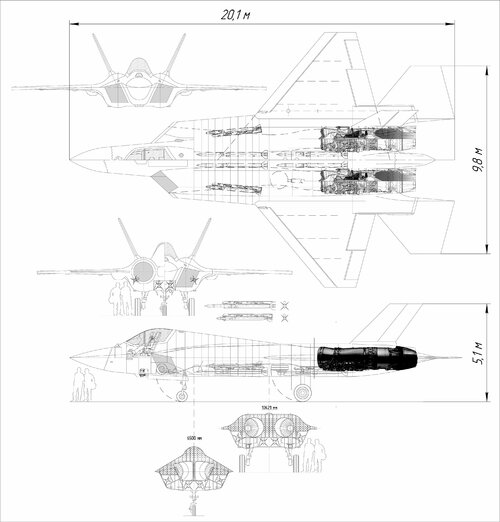

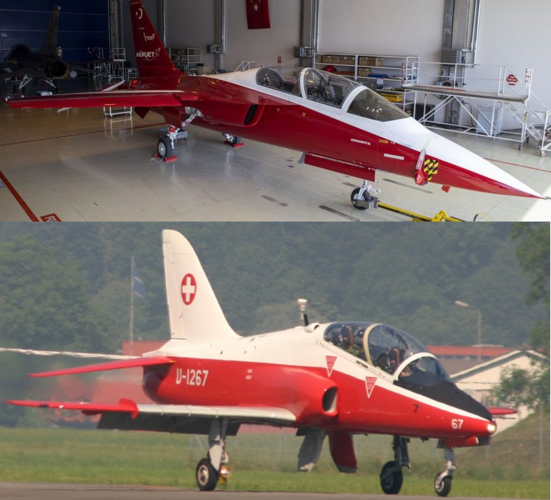


 but at some moment an aircraft airframe remains an aircraft airframe with wings, fuselage and or not tail fin or fins.