Graugrun
ACCESS: Top Secret
- Joined
- 17 May 2011
- Messages
- 894
- Reaction score
- 1,385
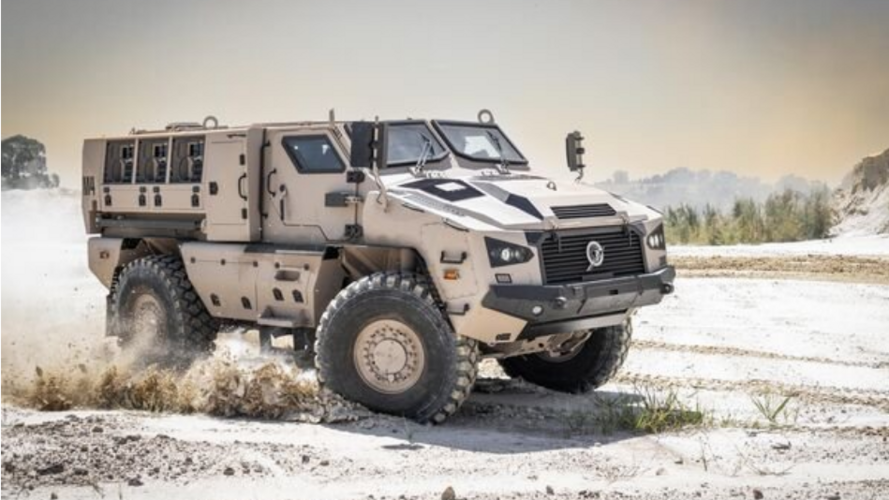
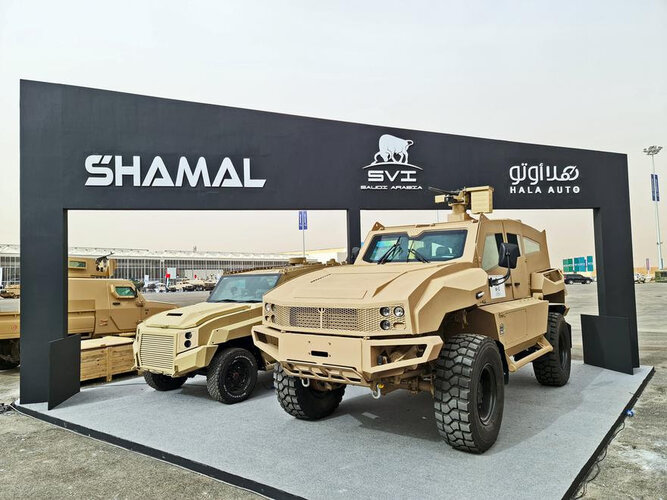
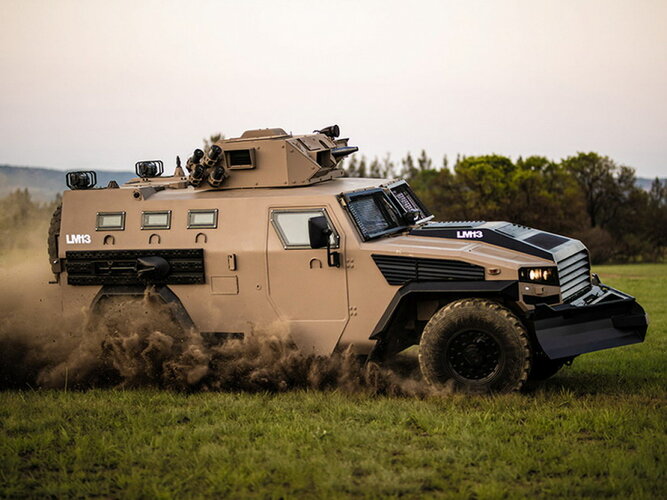
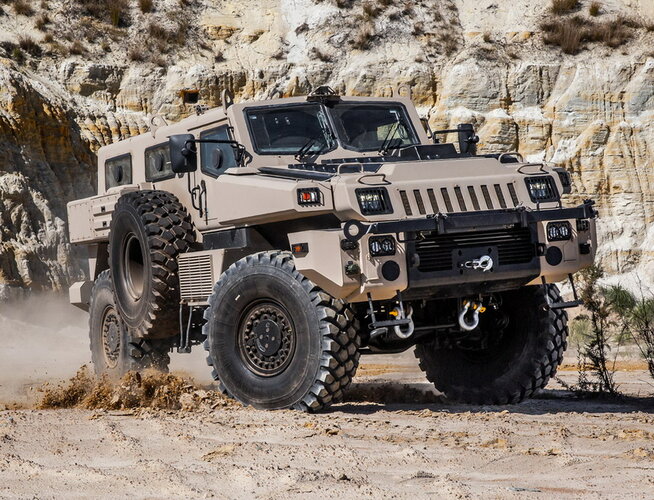
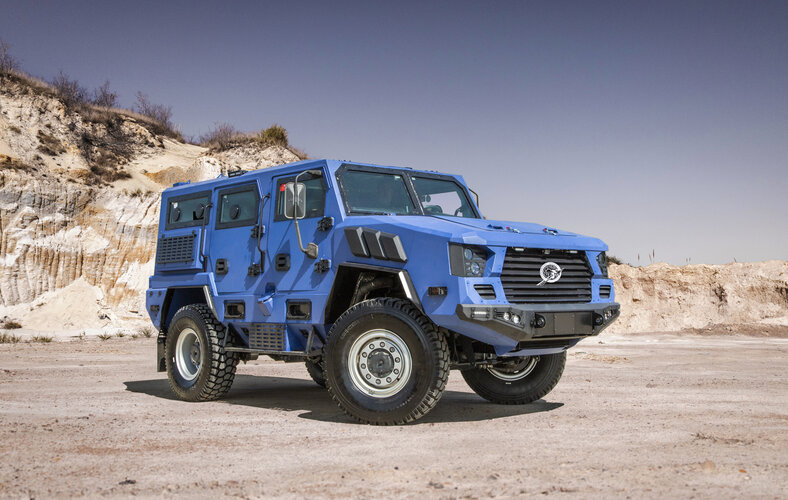
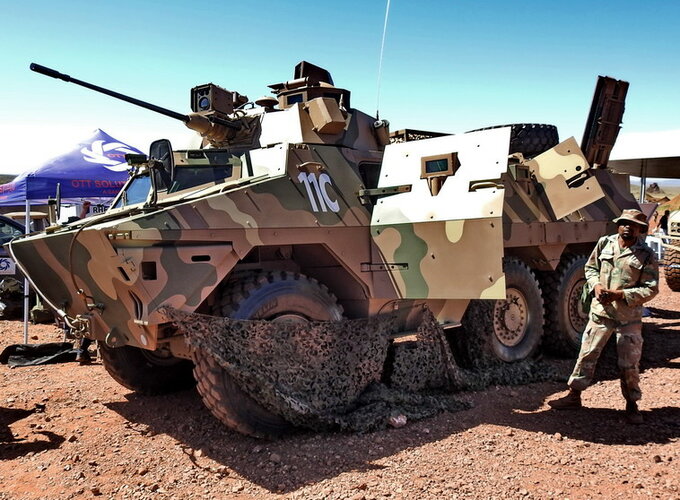
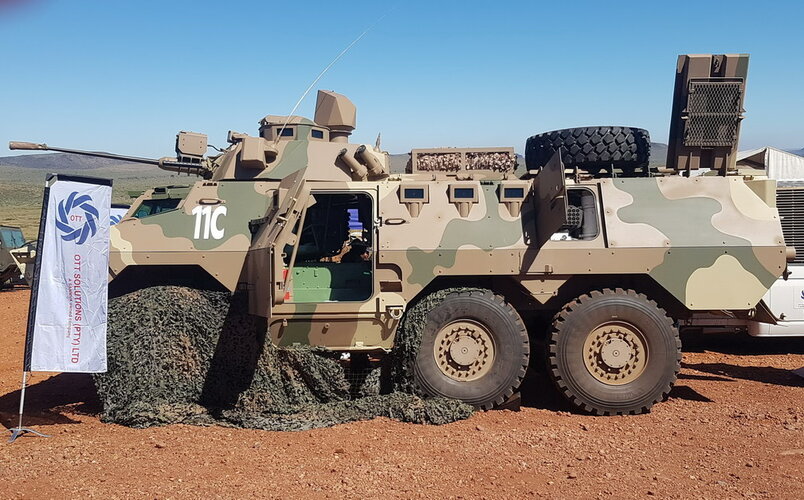
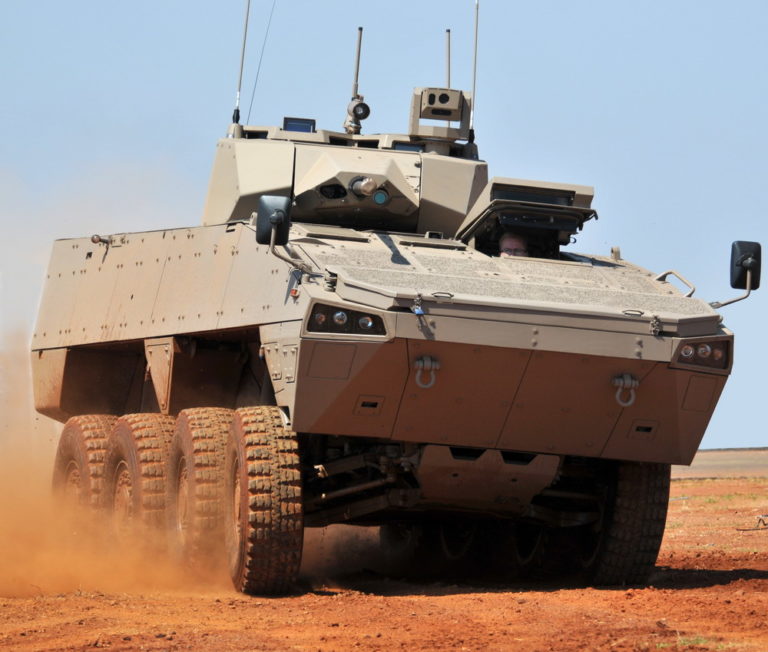
New Mbombe 4 variant unveiled as platform gains traction
https://www.janes.com/defence-news/...4-variant-unveiled-as-platform-gains-traction

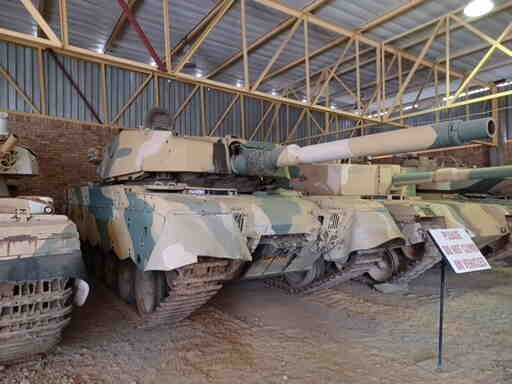
I've posted some info/brochures of some of our FCS in the past (you'll need to peruse through this thread), however I'm really not sure if one of them applies to the MK1B Optimum.. Unfortunately my inside contact at the SA school of Armour is no longer there, so I cannot follow up with that for you..Hello everyone! Hope you are well! Does anyone have information on the FCS used on the Olifant MK1B optimum?
Thank you for your speedy reply! I really appreciate itI've posted some info/brochures of some of our FCS in the past (you'll need to peruse through this thread), however I'm really not sure if one of them applies to the MK1B Optimum.. Unfortunately my inside contact at the SA school of Armour is no longer there, so I cannot follow up with that for you..Hello everyone! Hope you are well! Does anyone have information on the FCS used on the Olifant MK1B optimum?

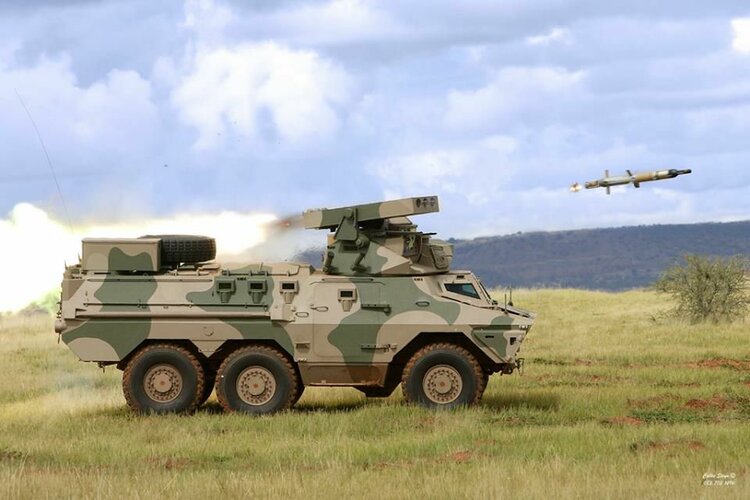
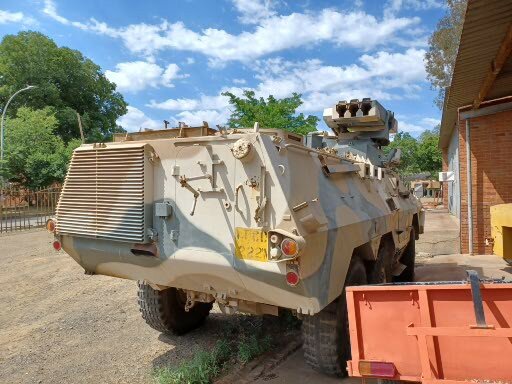
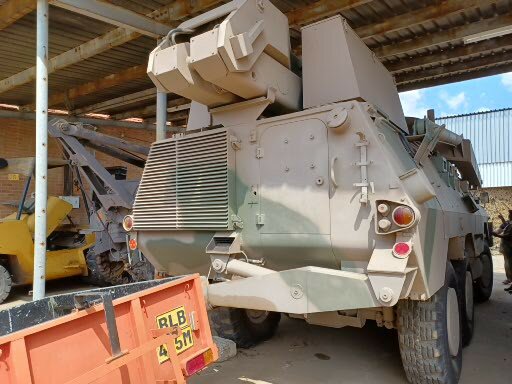
I worked on Addax power pack from 1984 - 1987Another vehicle that has come to my attention recently is this one, called the Addax.
You'll see that it is a AC-200 6x6 APC, as mentioned in this thread on page 9 reply 134, albeit it has a different rear hull (earlier prototype?) and rather obvious different steering setup.
This project saw a prototype taken in hand by Ermetek and Armscor and modified to have individual steering on 3 axles, so that any or all of the 3 could be steered.
If I recall correctly, there were computer controlled hydraulic steering aspects to this programme.
The project demonstrated that rear axle steering improved handling, reduced tyre wear, and improved low speed manoeuvring.
There was also a project, that involved a modified Landrover, Ratel and a modified G-6, that dealt with various other advanced suspension components, including semi-active hydro-pneumatic springs combined with semi-active dampers.

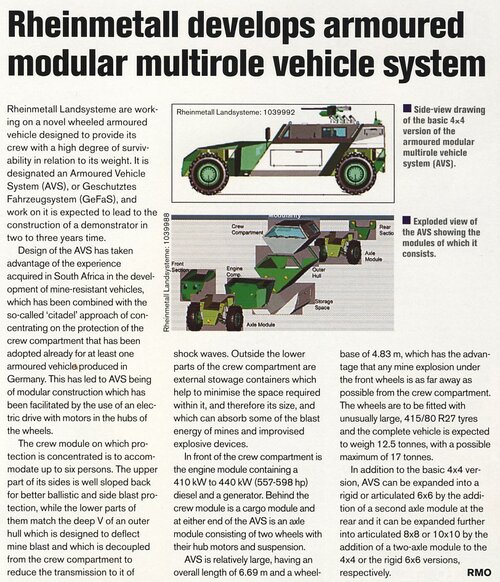
Janes IDR report from 09-1992 covering South African help/expertise given to Rheinmetall (Germany) in terms of being able to successfully develop a mine resistant vehicle. I don't know what happened to said vehicle, perhaps someone with more insight on that can enlighten us further..
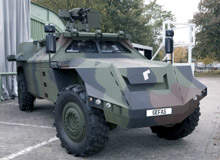
 www.army-technology.com

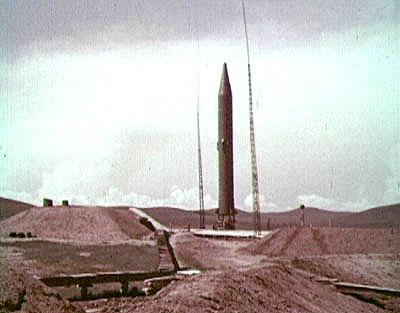
Thanks for the very detailed post. I have a couple of books (Die Bomb and such) and for the life of me I could not remember the "Spes B" buildings. I actually got interested in the history of SA's nuclear program through a "brochure" on the Buccaneer that I saw when I was 12. In my early days of internet sleuthing, I had seen the images of large bomb casings in an empty bunker but never understood how the buccaneer could carry that. Slowly more and more information has come out.The Buccaneers were definitely not in it for the long haul. Too few, ageing airframes.
There was mention of an avionics upgrade, using the Cheetah C radar, to keep the small fleet viable as a "silver bullet" until Carver arrived.
On Carver, as explained, the move to a larger twin engined configuration was driven by a long range strike capability.
And I suspect nuclear delivery was an important part of that.
It was stated it had to be a multi-role platform replacing not only the Mirage and Cheetah fighters, but also the Buccaneers and Canberra's.
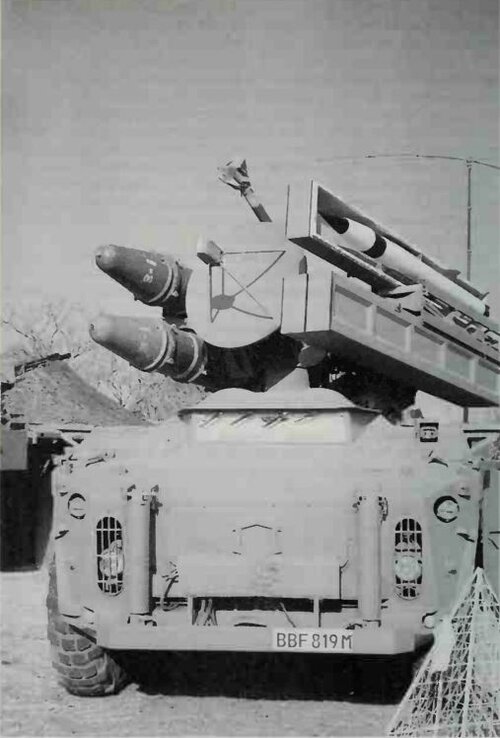
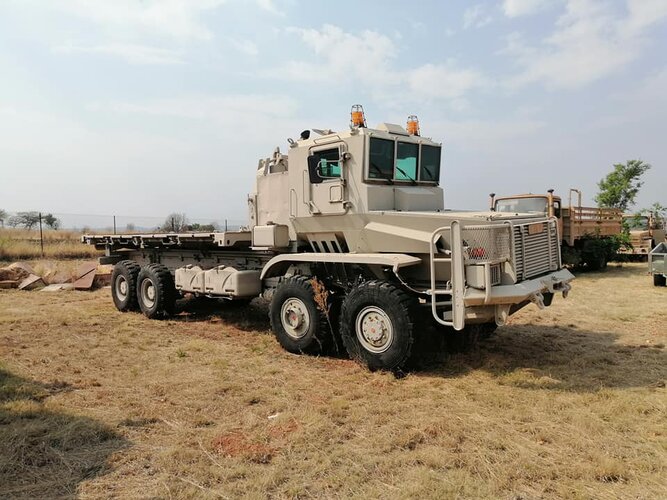
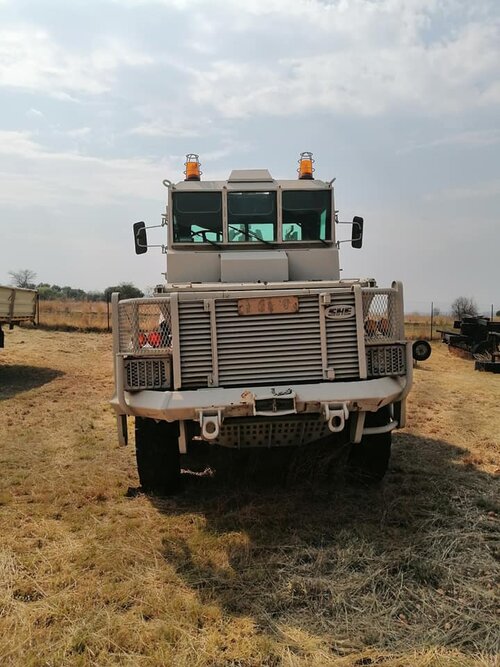
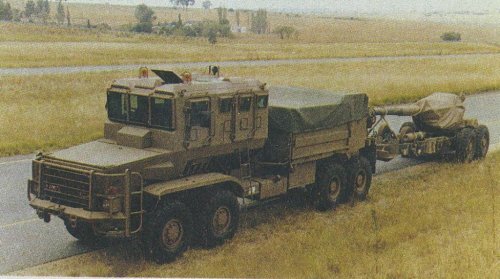
I'm not sure anyone knows whether the TEL vehicle was based on the G-6 or Beestrok.
It was an 8x8, and those were 6x6.
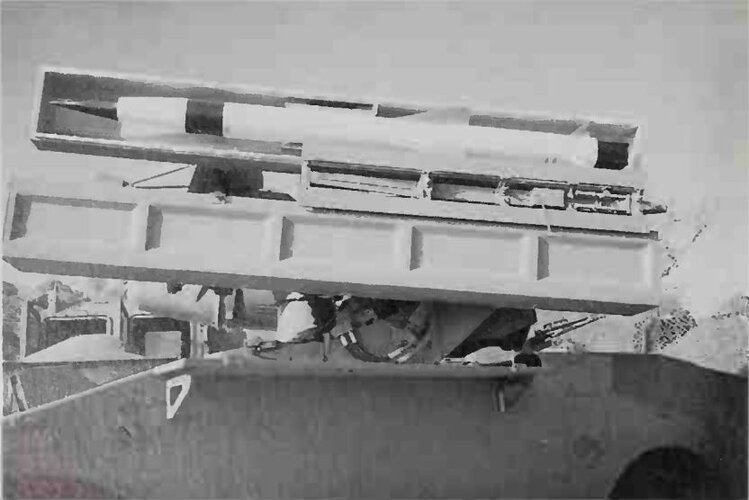
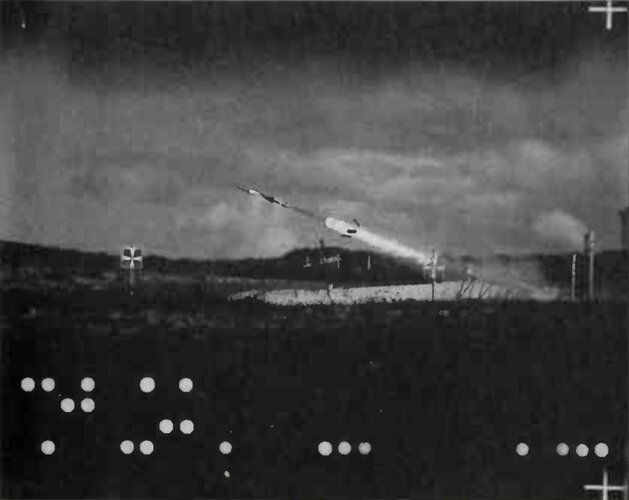
The TEL vehicles, developed at the "Spes B" facility, are one of the great and enduring mysteries...both their design, and what happened to them eventually.
From what has been garnered, the MRBM (RSA 1, 2, and 3) force was to be both mobile (TEL) and silo based.
I suspect the silo based would have been initially the MRBM, but centered eventually on the ICBM (RSA-4).
South Africa is a large country (roughly in the ballpark area size of France, Germany, and Spain combined) so a mobile force was I think a given.
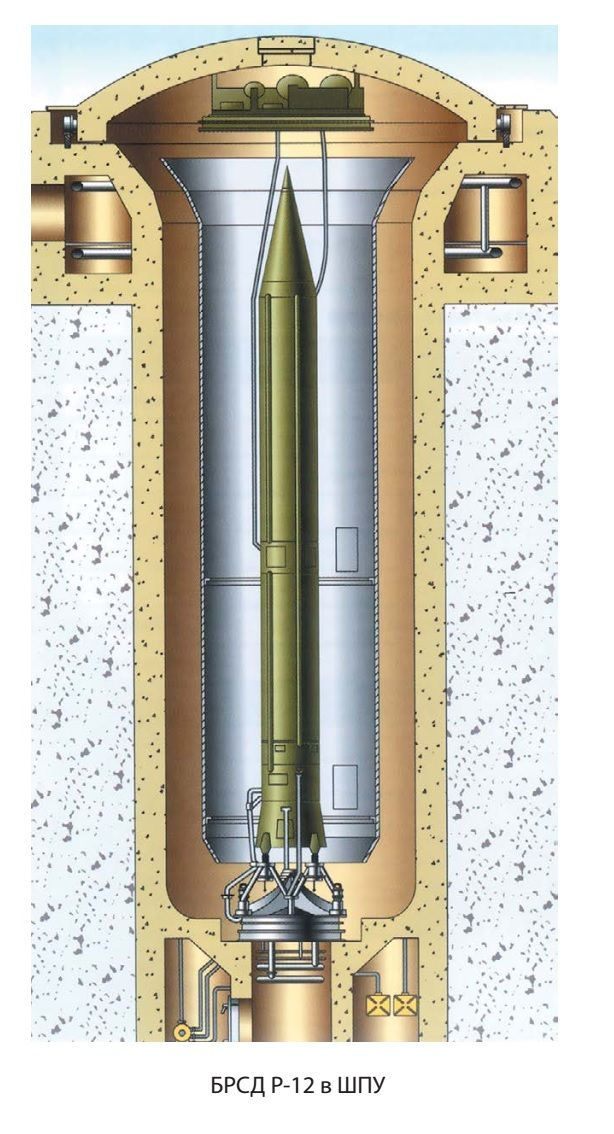
The silo artwork I linked is of an SS-4 (R-12 Dvina) in its silo base config from global securityWhere is that artwork from?
This just got interesting. I spent a while looking at satellite images for any signs of former earth works but have not caught anything yet. Do you know how far along it got? Early 80s was full bore in terms of funding and development it seems. Missiles and Hammerknop glide bomb on the table. What confounds me is that some texts state that primary deterrence was given by a shaft test followed by a above ground (both in Kalahari) to get US/USSR involved. Others stated that while the shaft was an option the Hammerknop/Buccaneer was primary "kinetic" deterrence. Others state missiles were highly sought after but around 87-88 budget reduction made Buccaneer/shaft the only means (with continuing research on implosion). That said it seems like all were worked on to a great extent.will add my 5c.
Saw the TEL at Lohatla in 1990, thought it was a bridge layer or some other Tiffy hair brained scheme and paid no attention to it at the time but remember it well. It looked very similar to Pierres one in VEG mag which was a 8 x 8 and low profile cab.
Ran into someone once in Sydney who's dad was a civil engineer and he told me that his dad worked on missile Silos at Langabanweg AFB in the early 80s.
RSA 4 would have has a silo strategy and maybe not as isolated as one would have though. location irrelevant if it had the range

 www.defenceweb.co.za


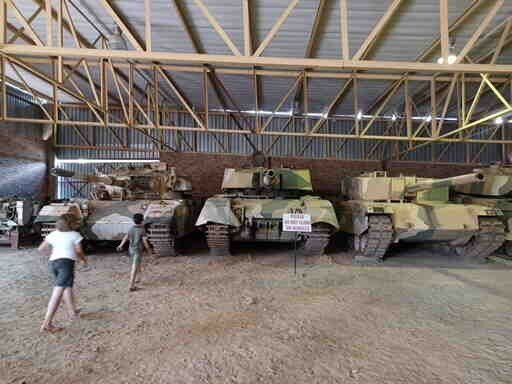
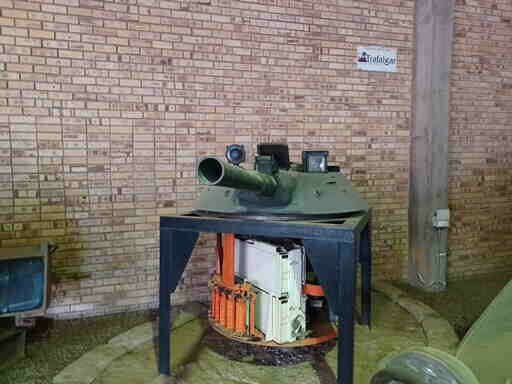
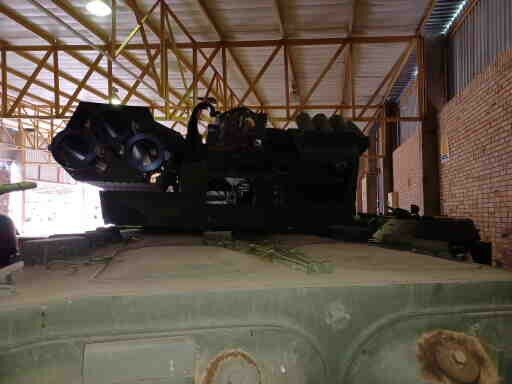
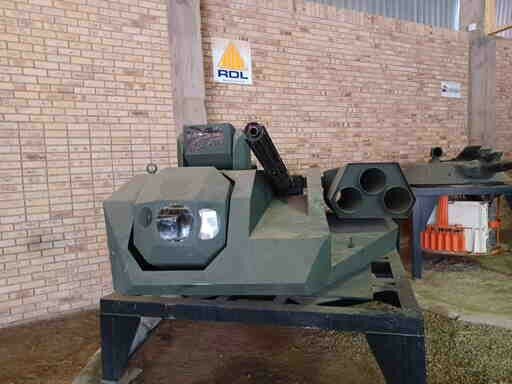
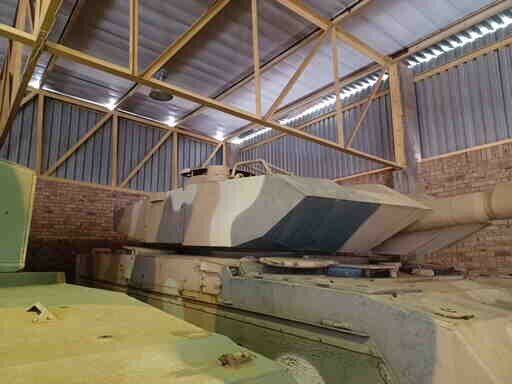
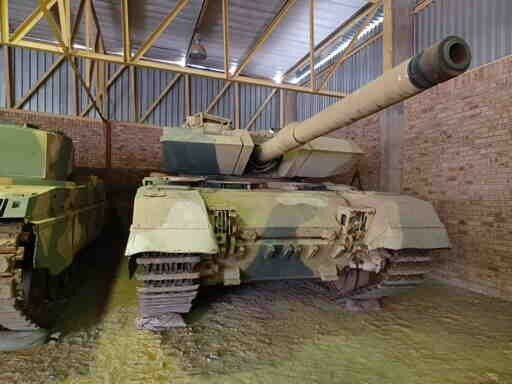
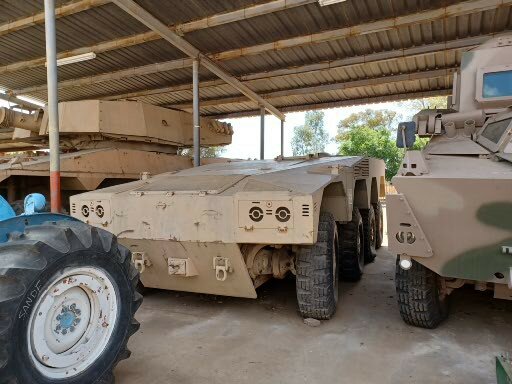
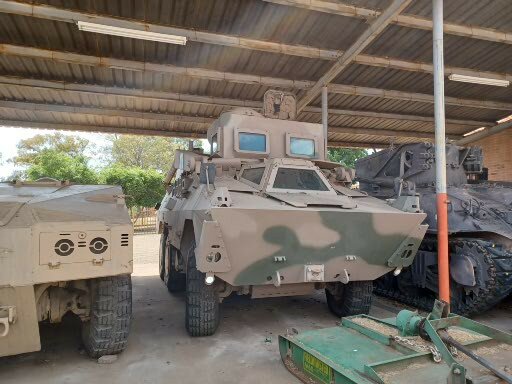
The Urutu was ordered specifically for the Ratel trials. It came directly from the Brazilian factory and it was even accompanied by a factory driver.Where was this taken exactly?Abraham Gubler said:Herman said:I did see several interesting vehicles inside the camp however, amongst them the Brazilian Urutu APC that was also trialled during the development of the Ratel.
I thought the Brazilians even under their Military Dictatorship were quite anti RSA/Apartheid. Maybe it could have been an Urutu captured from Angola or Mozambique? Lusophone connection and all that.
Here is the Urutu in question. From its general pristine condition - no bundu bashing - or battle damage, I assume it was specifically acquired for the Ratel trials. From where and through which channels