The Replacement of a Legend – Project Hoefyster
Follow-on to the Ratel 6X6 Infantry Fighting Vehicle
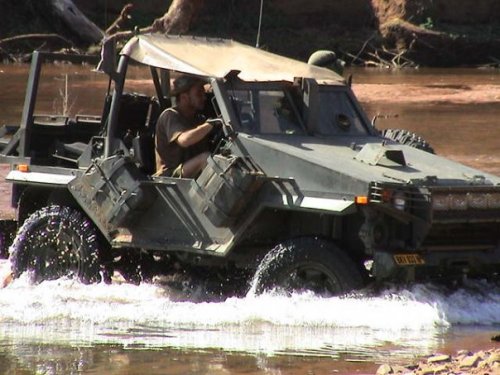
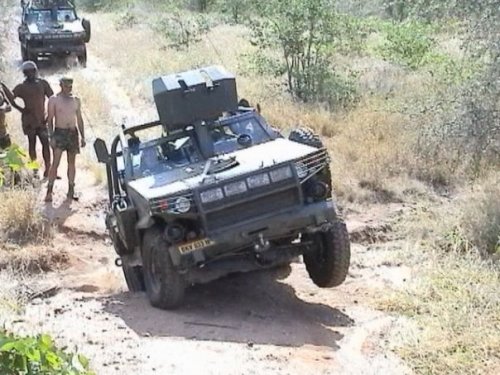
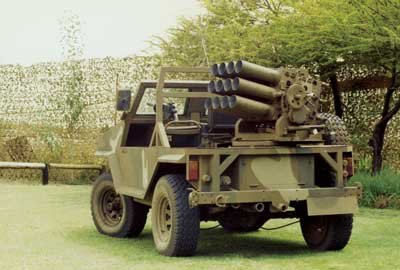
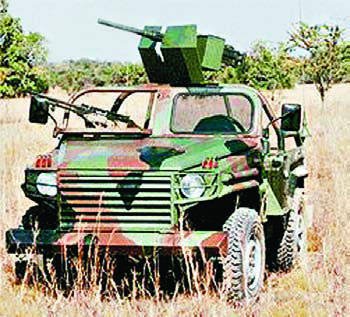
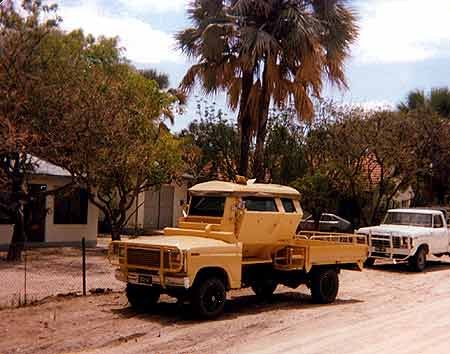
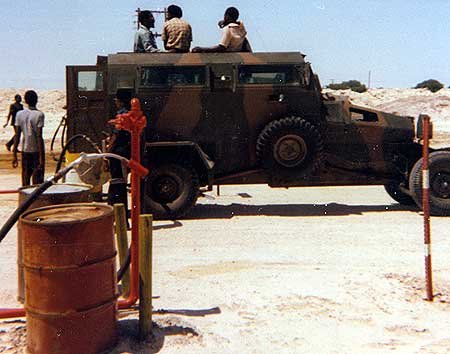
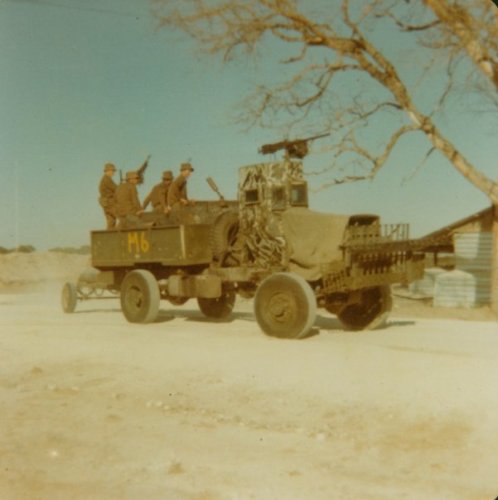
A preliminary investigation/research(?) to the acquiring of an Infantry Fighting Vehicle (IFV) by the then SADF, was formulated in 1970, and was followed by a users requirement in March 1971. A number of prototypes were evaluated from the period of January 1972 until October 1972, which included the following:
Unimog 4X4 UR416 (West Germany), code named BOGGEBEES.
Panhard 4X4 M3 (France), code named BOSBOK
Panhard 4X4 M3 (France), code named ONSBOK (Successor/follow on of the BOSBOK)
Panhard 4X4 M4 (France), code named KLONKIE
Berliet 4X4 VXB, (France), code named BOESMAN
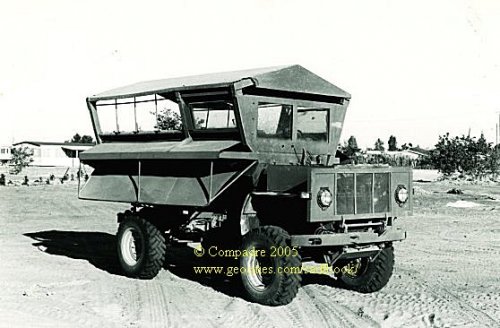
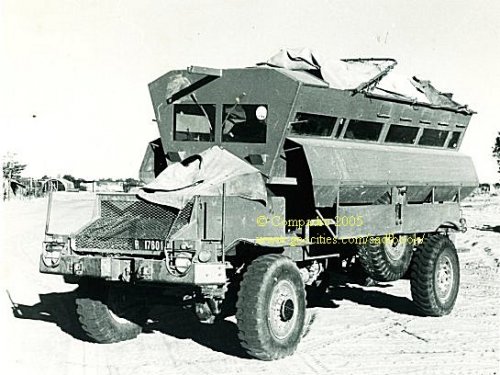
MAN Bussing 6X6 (West Germany), code named BUFFEL
Engesa 6X6 from Brazil
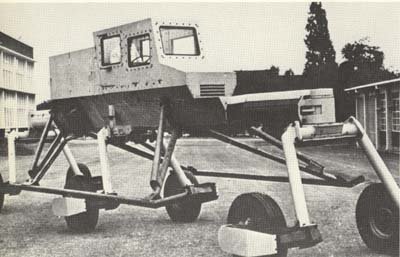
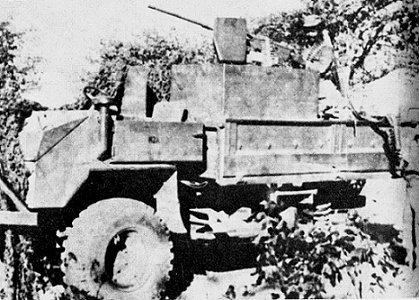
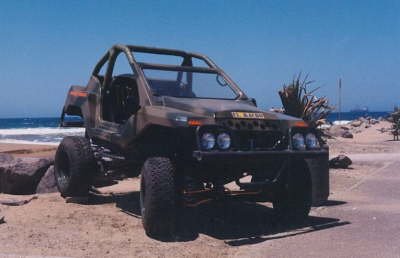
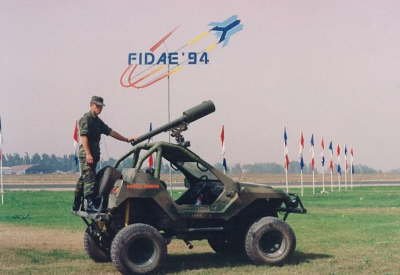
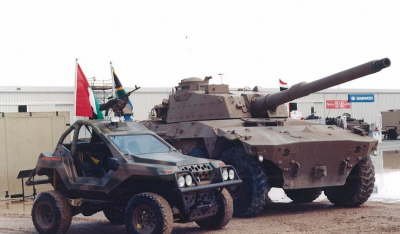
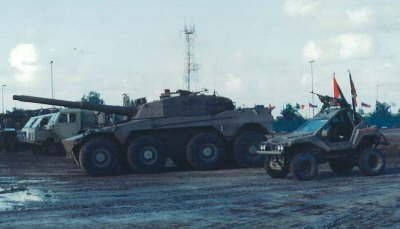
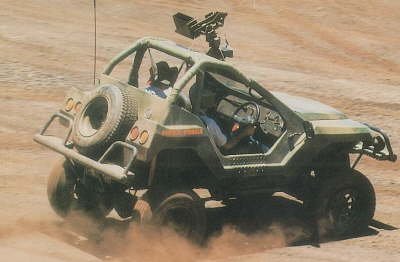
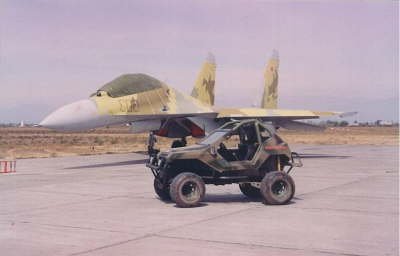
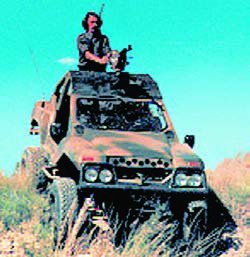
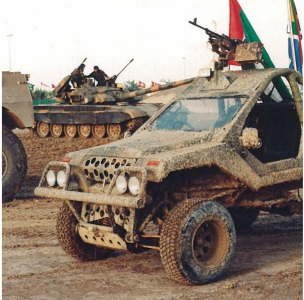
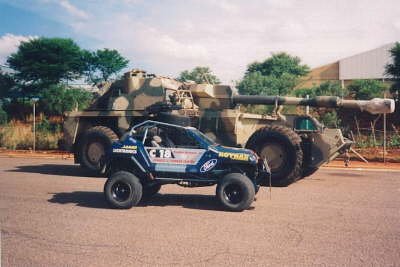
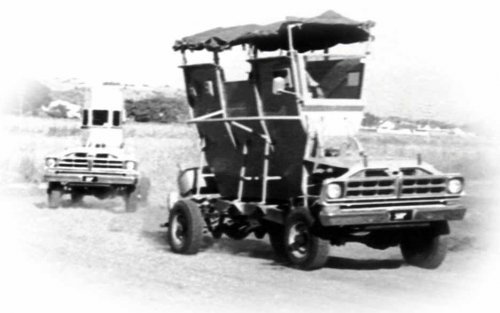
The Technical Service Corp of the SADF also developed a vehicle called the SPRINGKAAN, which also took part in these trials.
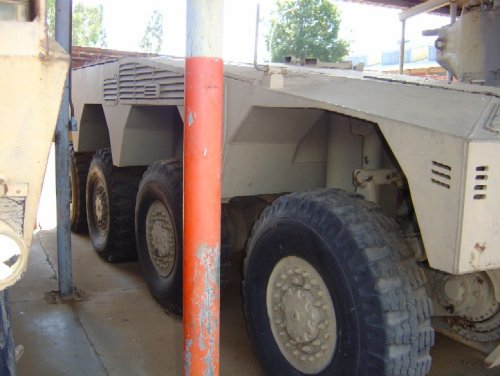
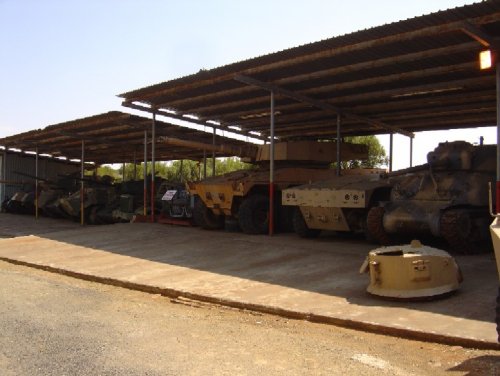
Most of these vehicles are on display at 1 South African Infantry Battalion (the BUFFEL at the front gate on the right), or at the Tank Museum at the School of Armour.
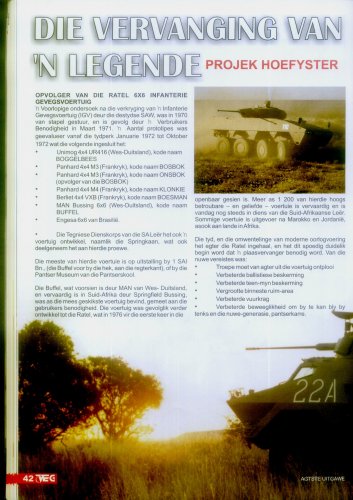
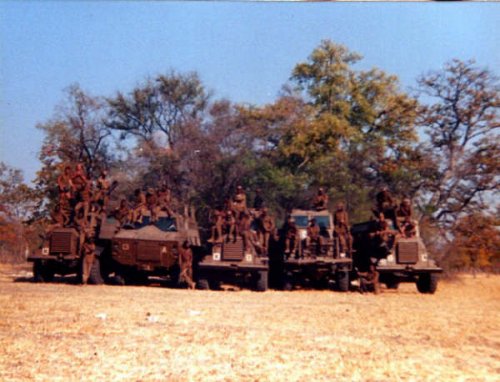
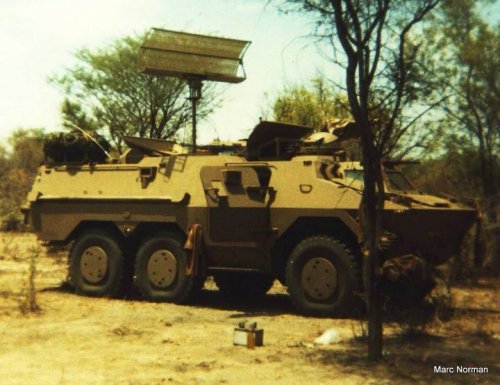
The BUFFEL, which was accommodated(?) by MAN of west Germany, was manufactured in South Africa by Springfield Bussing, and was found to be the most suitable vehicle, measured by the users requirement. The vehicle was then further developed into the Ratel, which was first seen in public in 1976. More than 1200 of these highly reliable – and much loved – vehicles were manufactured and is still to this day in service with the South African Army. Vehicles were also exported to Morocco and Jordan, as well as other countries in Africa.
Time, and the ongoing development of warfare, has eventually started to catch up with the Ratel, and it became obvious that a replacement should start to be looked at. Some of the new requirements were:
Troops must deploy from behind the vehicle.
Improved ballistic protection.
Improved mine protection.
Improved internal space.
Improved firepower
Improved mobility to be able to keep pace with the then new generation tank and armoured car.
Also, spare parts and components, particularly the drivetrain (engine and gearbox) were starting to become difficult due to the age of some of the components, due to much lighter and smaller engines and gearboxes available on the market.
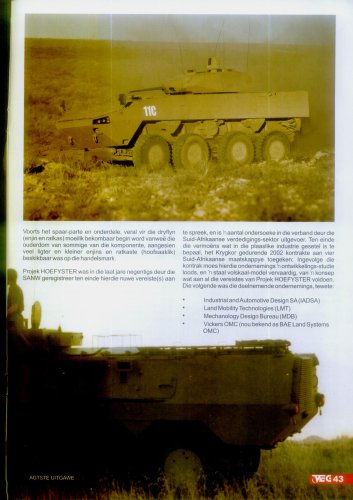
Project HOEFYSTER was registered in the late 1990’sby the SANDF to fullfill the new requirements. This was issued out to and answered by the various South African Defence Industry companies. Armscor granted contracts in 2002 to 4 of these South African companies. These contracts covered the development stage, and manufacturing of a full scale steel model, of a concept that must meet all the requirements of Project HOEFYSTER. The following companies participated in this stage:
Industrial Automotive Design SA (IADSA)
Land Mobility Technologies (LMT)
Mechanology Design Bureau (MDB)
Vickers OMC (Olifant Manufacturing Company) – now known as BAE Land Systems OMC.
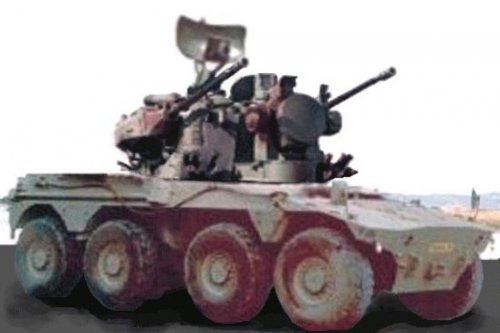
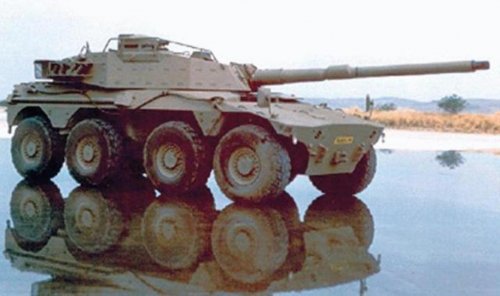
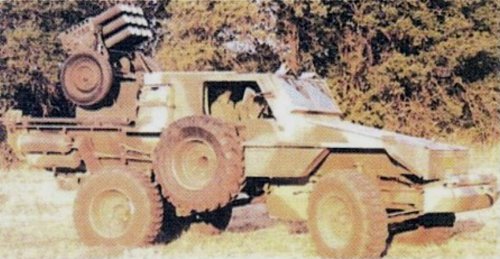
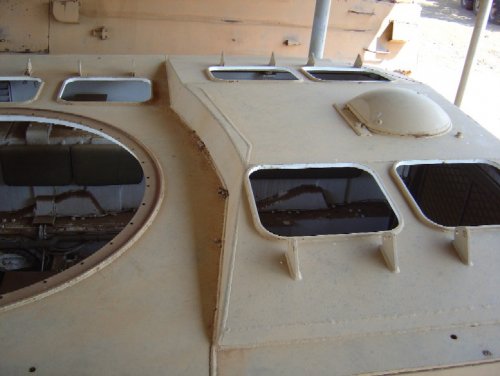
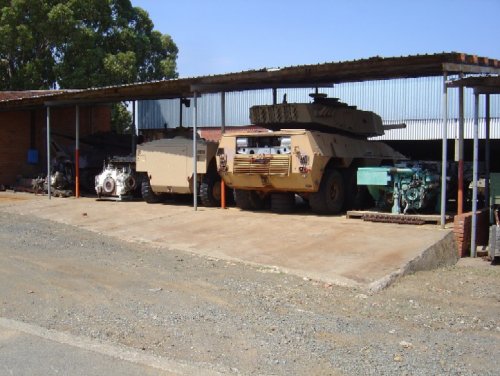
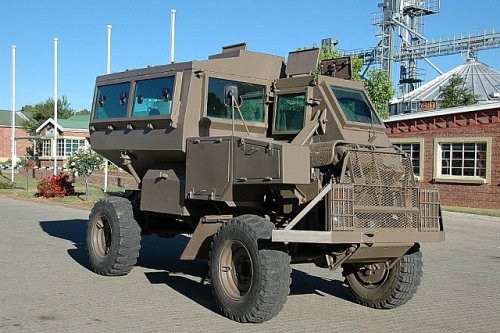
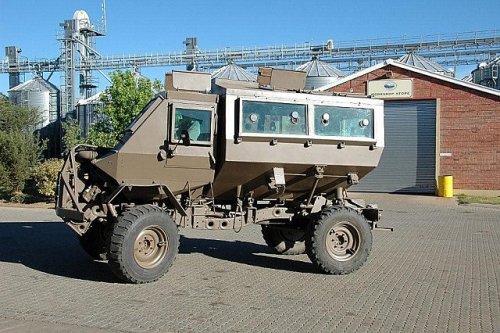
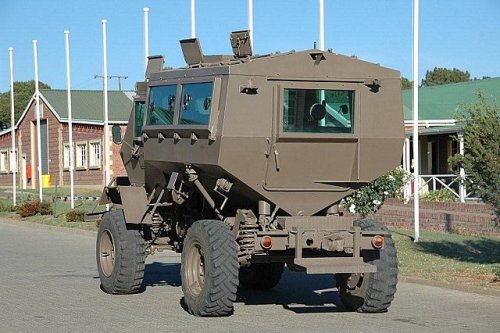
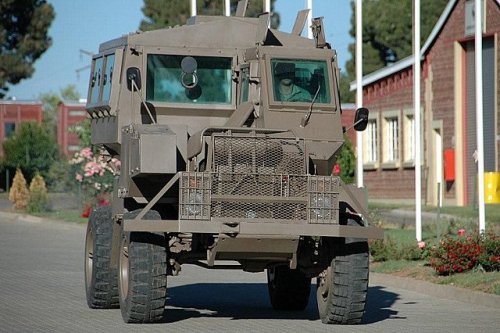
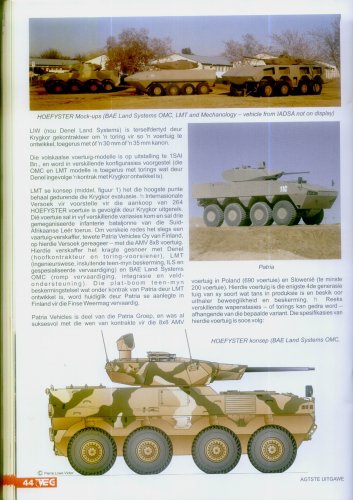
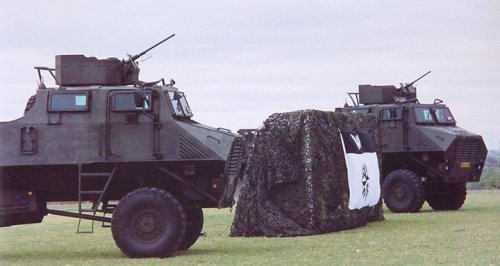
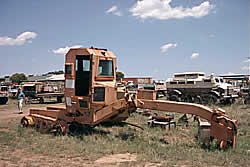
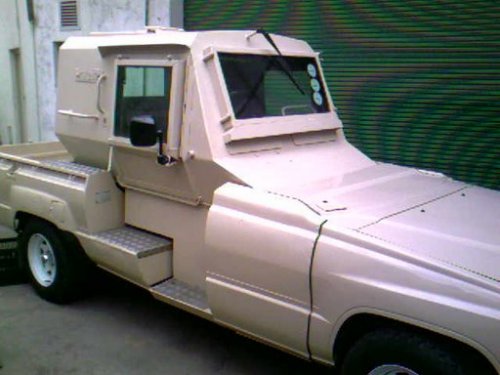
LIW (Lyttleton Ingenieur Werk), now Denel Land Systems, was at the same time contracted by Armscor to develop the turret for these vehicles, equipped with a 30mm or 35mm gun. The full-scale vehicle models are on display at 1 South African Infantry Battalion (1SAI) and are presented in different configurations.( The OMC and LMT models are equipped with turrets developed by Denel following a contract with Armscor.)
LMT’s concept (middle, figure 1) scored the most points during the Armscor evaluation. An international request for examples for the purchase of 264 HOEFYSTER vehicles was then issued by Armscor. This vehicle would come in 5 different variations and would equip 3 mechanised infantry battalions of the South African Army. For various reasons, only one vehicle supplier, Patria Vehicles of Finland, reacted to this next request, with the AMV 8X8 vehicle.
(This next bit I’m struggling with)
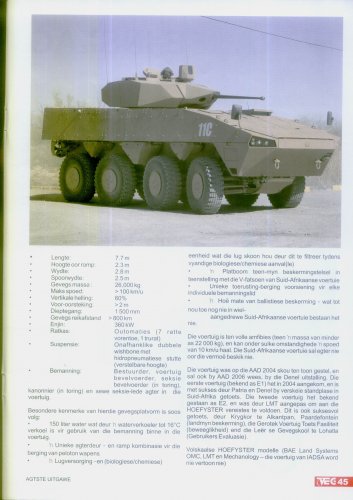
This supplier ensured the silence of Denel (head contractor and turret provider), LMT (engineering, including mine-proofing, ILS, and special manufacturing), and BAE Land Systems OMC (hull manufacturing, integration, and field support.) The flat bottomed anti- mine protection system which was developed under contract from Patria by LMT, is manufactured by Patria’s subsidiaries in Finland for the Finnish army.
Patria Vehicles is part of the Patria Group, and was successful with winning of contracts for the 8X8 AMV vehicle in Poland (690 vehicles) and Slovenia (minimum 200 vehicles). This vehicle is the only 4th generation vehicle of it’s sort which is in production and has (uithaler?) mobility and protection. A range of different weapon stations - or turrets – can be carried, depending on the chosen variant. The specifications of this vehicle is as follows:
Length 7,7m
Height over hull 2.3m
Width 2,8m
Track width 2,5m
Fighting weight 26 000kg
Max speed over 100km/h
Vertical slope 60%
Voor oorsteking (trench?) above 2m
Diepte gang (?) 1500mm
Fighting Range 800km
Engine 360kW
Gearbox Automatic 7 forward, 1 reverse
Suspension Independent double wishbone with hydropneumatic stops (adjustable height)
Crew driver, vehicle commander, section commander (in turret), gunner (in turret) and 7 section members in the back.
Characteristics:
150 liters of water that is chilled to 16c for crew use
Unique back door and ramp combination for storage of platoon weapons
Airconditioner and chemical biological unit that keeps air clean by filtering it during chemical/biological attack.
Flat hulled mineproof protection system
Unique equipment storage provision for every individual member
High ballistic protection
Vehicle is completely amphibious when it weighs less than 22 000kg at a speed of 10km/h.
The first vehicle, known as E1, was in 2004, and was tested at various locations successfully.