https://www.usni.org/magazines/naval-history/2025/december/inside-project-azorian
Note that this is a new article by Captain Newman, not the same one mentioned up-thread:
Inside Project Azorian
Presenting an exclusive firsthand account of the classified Cold War mission to retrieve the wreckage of a sunken Soviet submarine.
By Captain Jack G. Newman, U.S. Navy Reserve (Retired)
December 2025
Naval History
"There is a world that is totally and everlastingly surreal. Never seen, never visited, never exposed to photonic energy of any frequency, it is beyond darkness—a solid blackness, covering about 50 percent of the earth’s crust. At depths of 13,124 to 19,681 feet, it’s known as the Abyssal Plain.
More people have been to the moon than to the Abyssal Plain.
It is a world where slight changes in sea pressure and temperature precipitate minerals around small particles of sharks’ teeth or skeletal remains to form millions of years’ worth of nodules rich in manganese, cobalt, iron, copper, and titanium. They range from the size of a small marble to more than 6 inches in diameter, and they cover most of the Pacific Ocean floor. It has taken Mother Nature millions of years to produce these nodules, a few small fractions of an inch per millennium, which in today’s resource-conscious world should demand careful, serious deliberations before deep ocean mining is permitted.
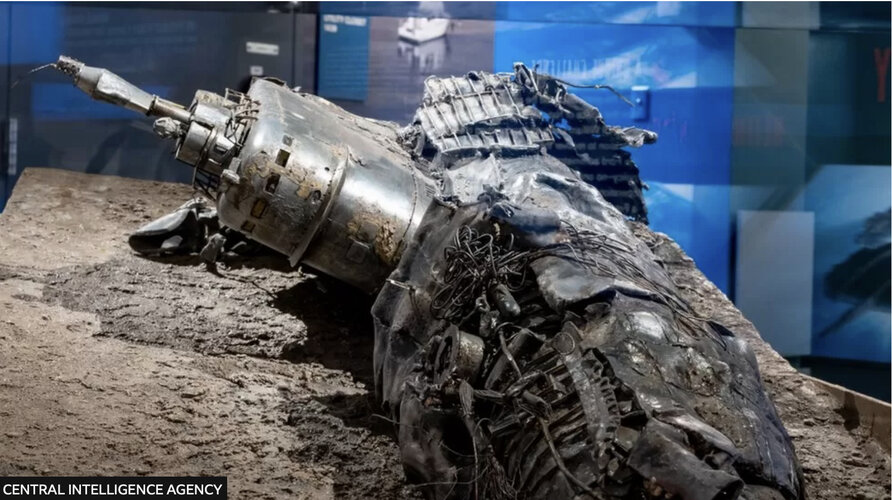
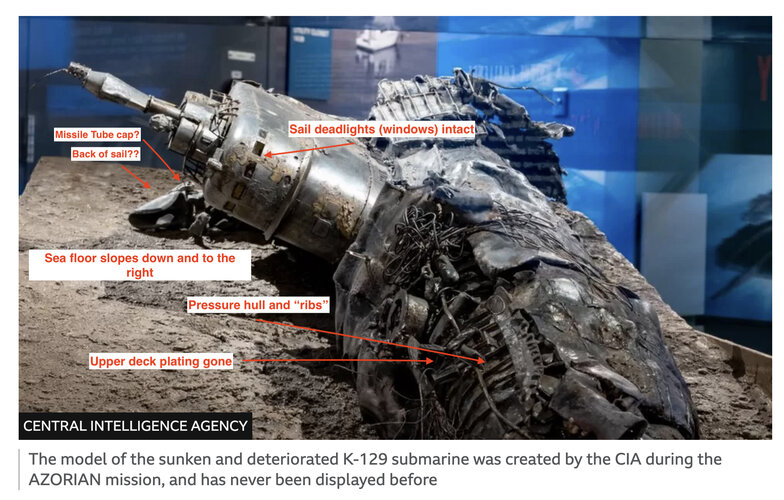
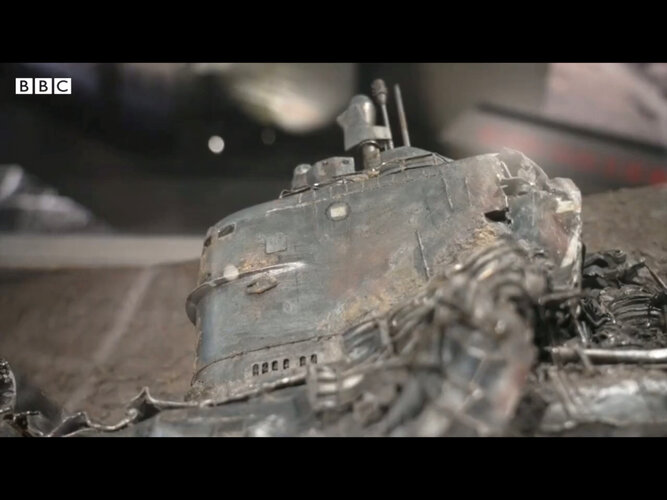
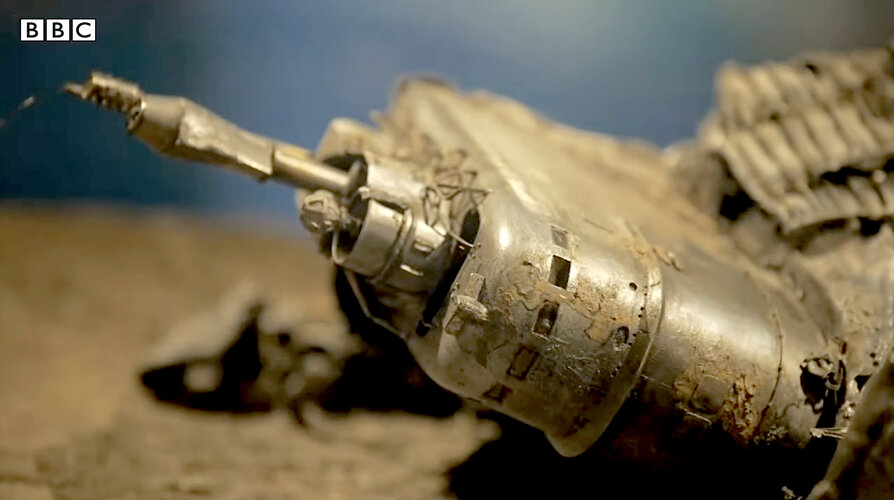
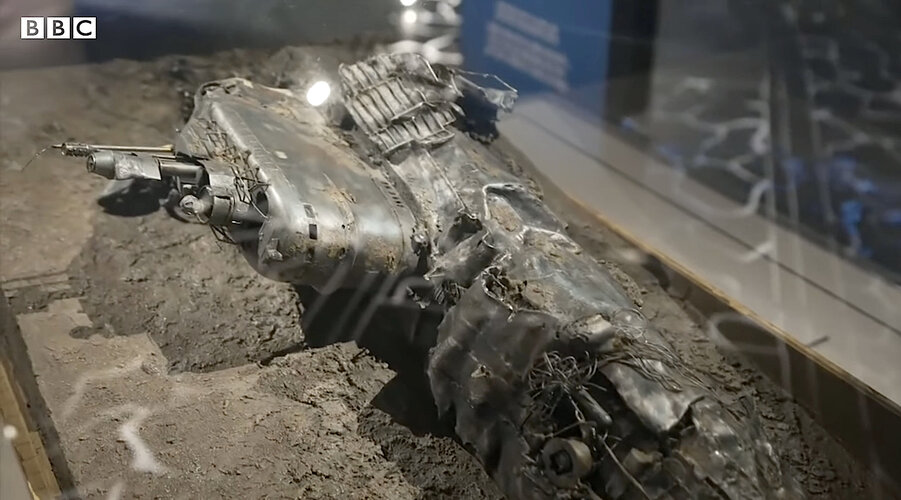
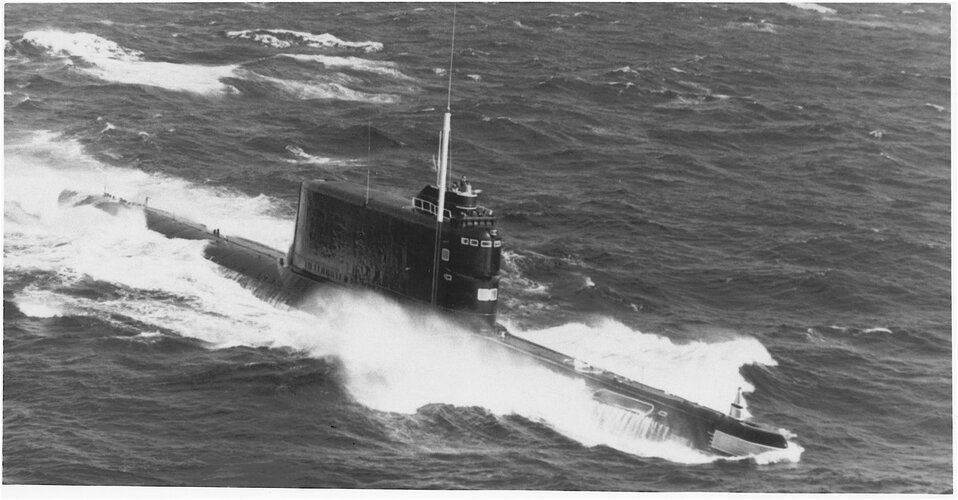
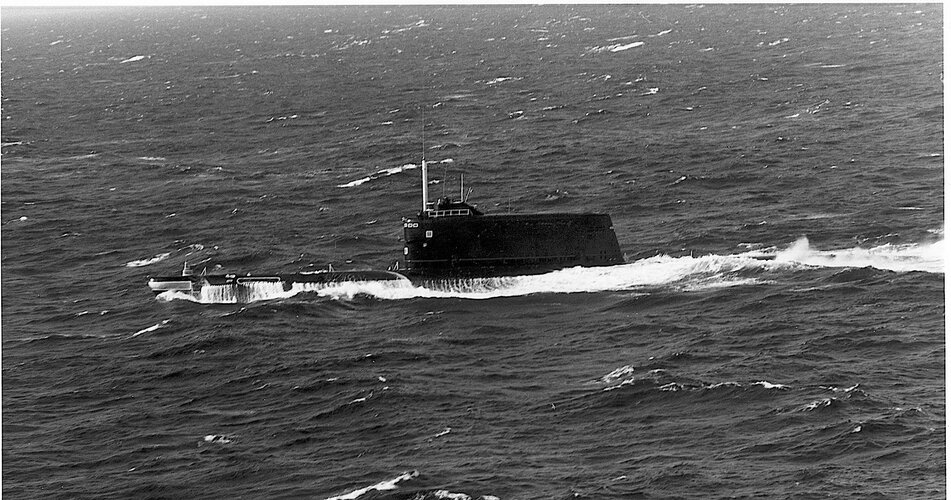
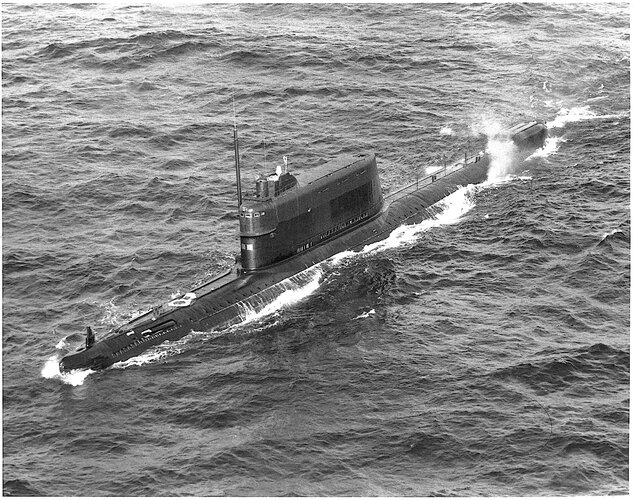
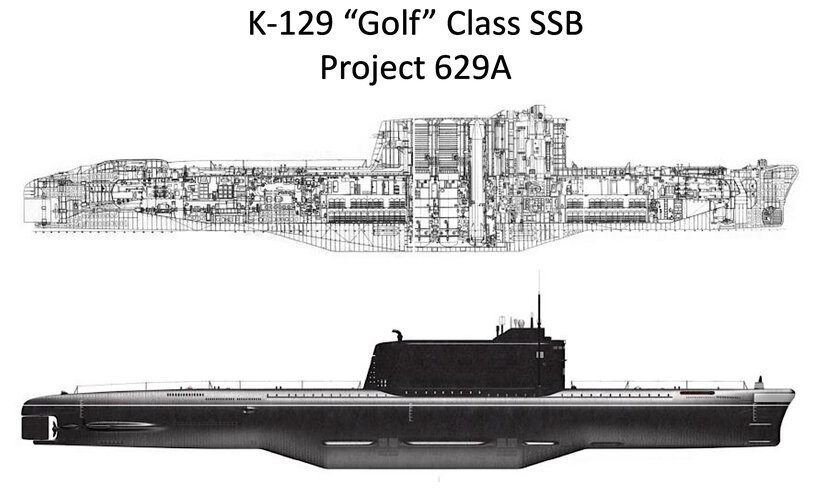
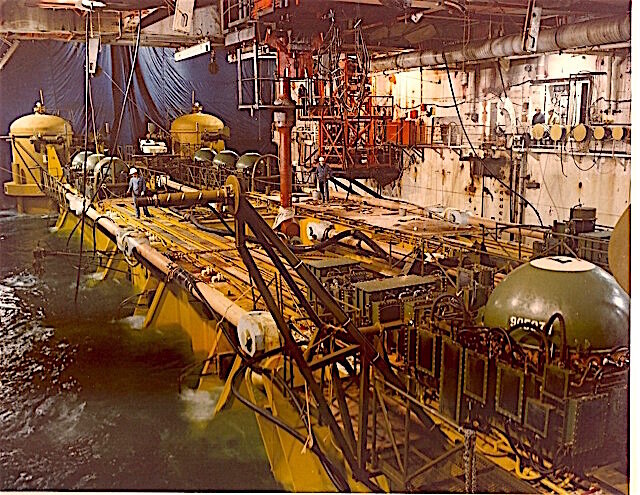
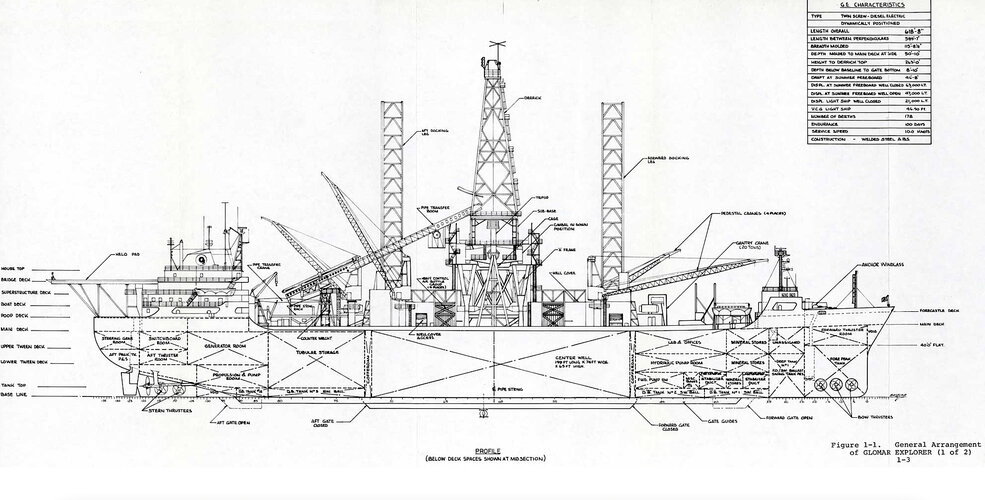
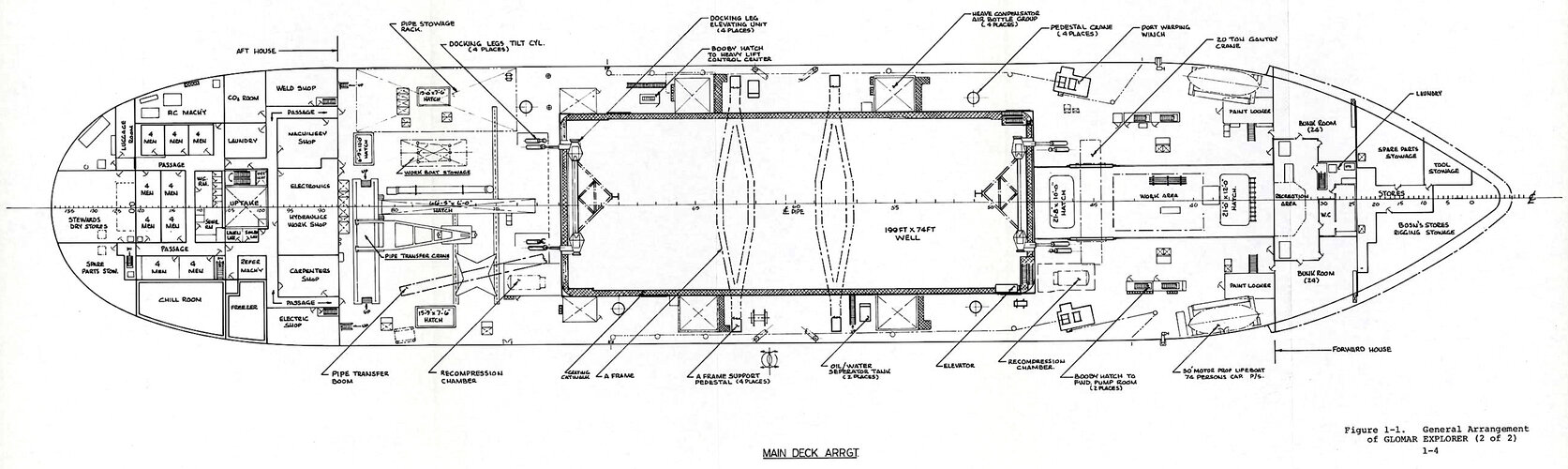
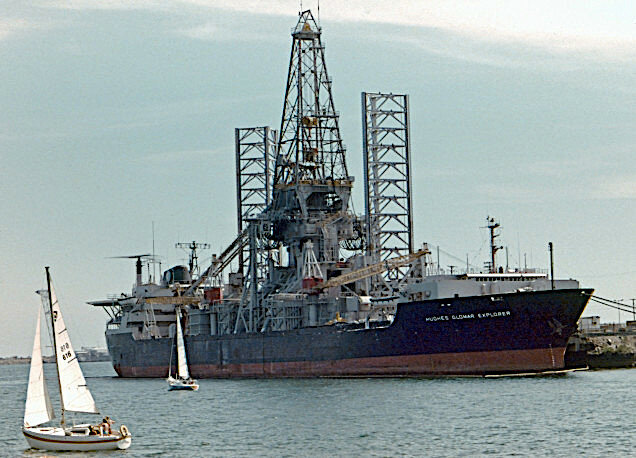
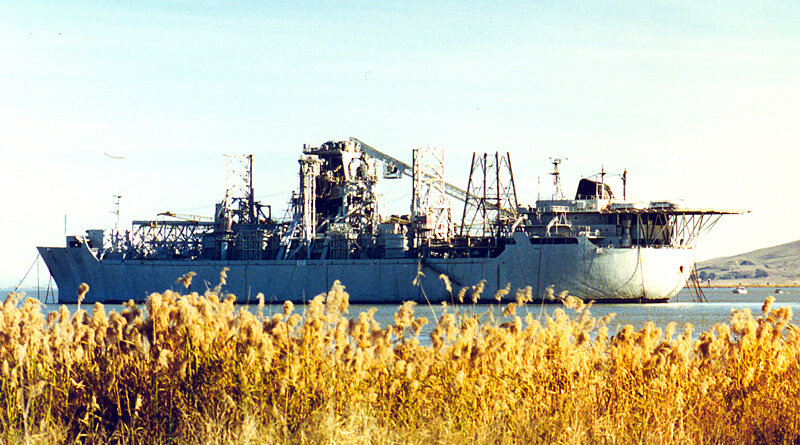
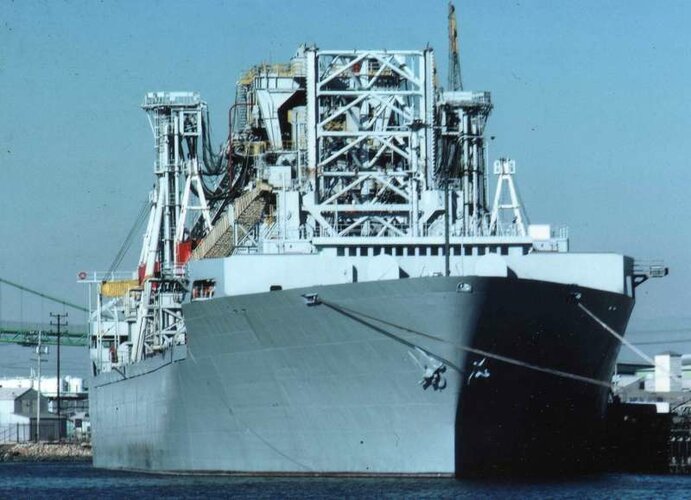
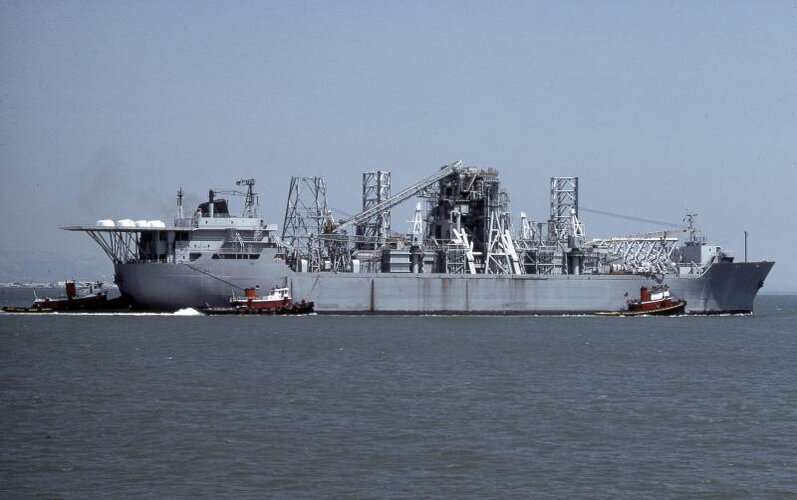
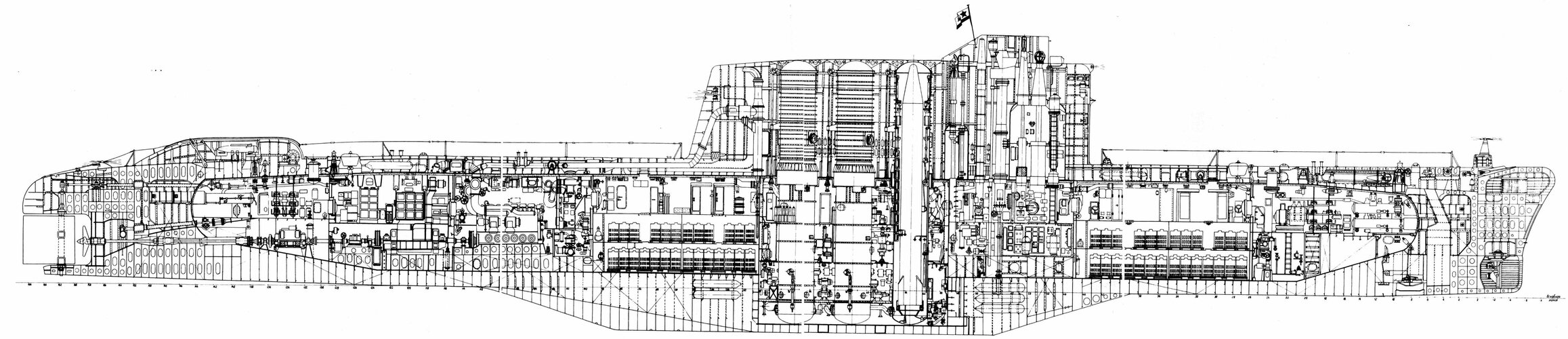
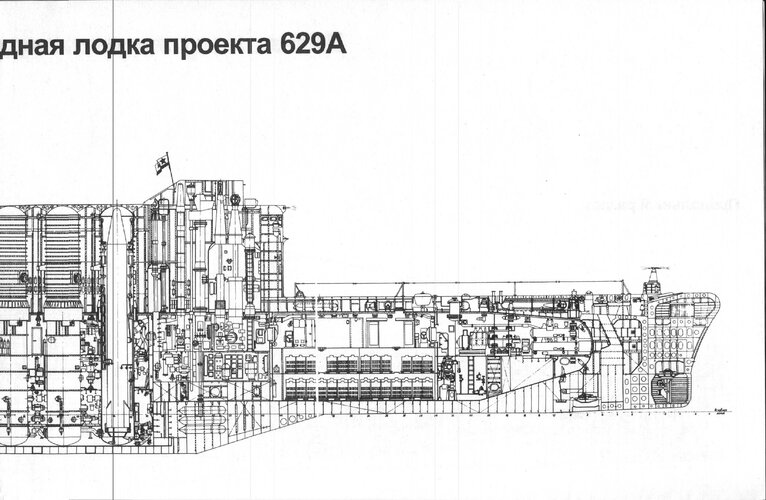
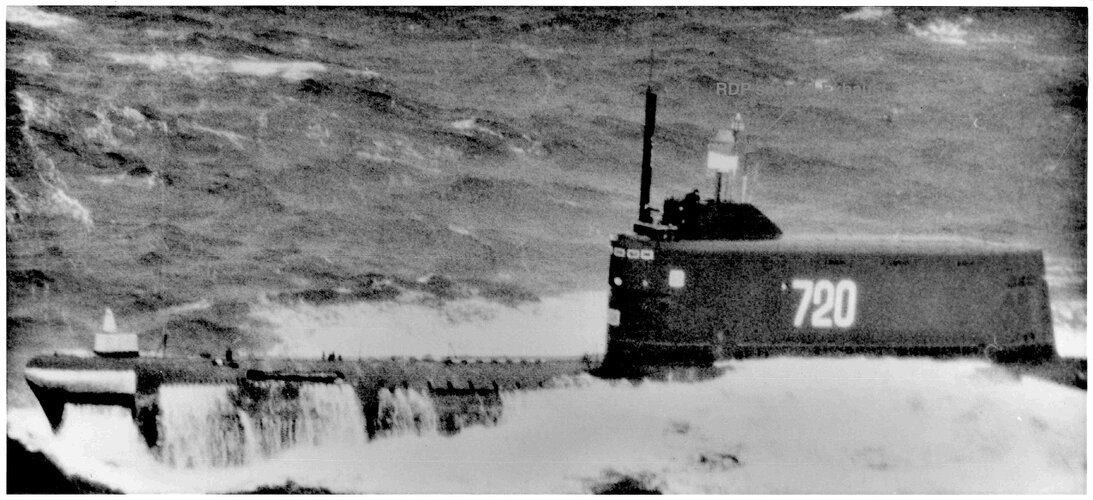
But in the 1970s, nodule mining provided the perfect cover story for Project Azorian—the Howard Hughes–backed classified mission to retrieve the sunken Soviet submarine
K-129."
SNIP
Coda: The Ship’s Bell
"A precious artifact: The ship’s bell of the
K-129was found during the operation and later returned to the Russian government. At present, “its whereabouts are unknown.” Courtesy of Michael White
Throughout maritime history, a ship’s bell has represented the heart and soul of a ship, a piece of that ship’s history that never dies and forever belongs to the ship’s country of birth.
In ancient times, the ship’s bell was used as a chalice, wherein holy water was placed for use in on-board baptismal ceremonies. It was, and is, the voice of the ship, announcing the time, the ship’s presence while steaming through fog, the calls to station, the coming and going of the commanding officer and visiting dignitaries. It is a symbol of good luck to be cherished by the crew.
The ship’s bell of the
K-129 was found forward of the pressure hull end cap. It was returned to the Russian government on 30 August 1993, but at present, its whereabouts are unknown. Thanks to Azorian researcher Michael White, we have a last photograph of the bell, supposedly in the possession of the Russian Air Force (go figure).
The prevailing view is that, since the bell represents the United States’ success in locating and retrieving portions of the Soviet submarine, the
K-129’s bell therefore should not be publicly displayed. If that is true, it is a sad cultural commentary. What the bell truly represents is a tragically lost crew that perished along with their vessel while in the active service of their motherland. Theirs is a memory that deserves to be honored and cherished."
CAPT Newman, a member of the U.S. Naval Academy Class of 1960, served in five submarines, conventional and nuclear, including the USS Daniel Boone (SSBN-629), the first U.S. ballistic-missile submarine assigned to the Pacific. A former Navy diver, deep submersible command pilot, Defense Intelligence Agency submarine analyst, and strategic systems support program manager/nuclear device engineer at the Lawrence Livermore National Laboratory, he is the last living member of the CIA’s Project Azorian Hughes Glomar Explorer team.