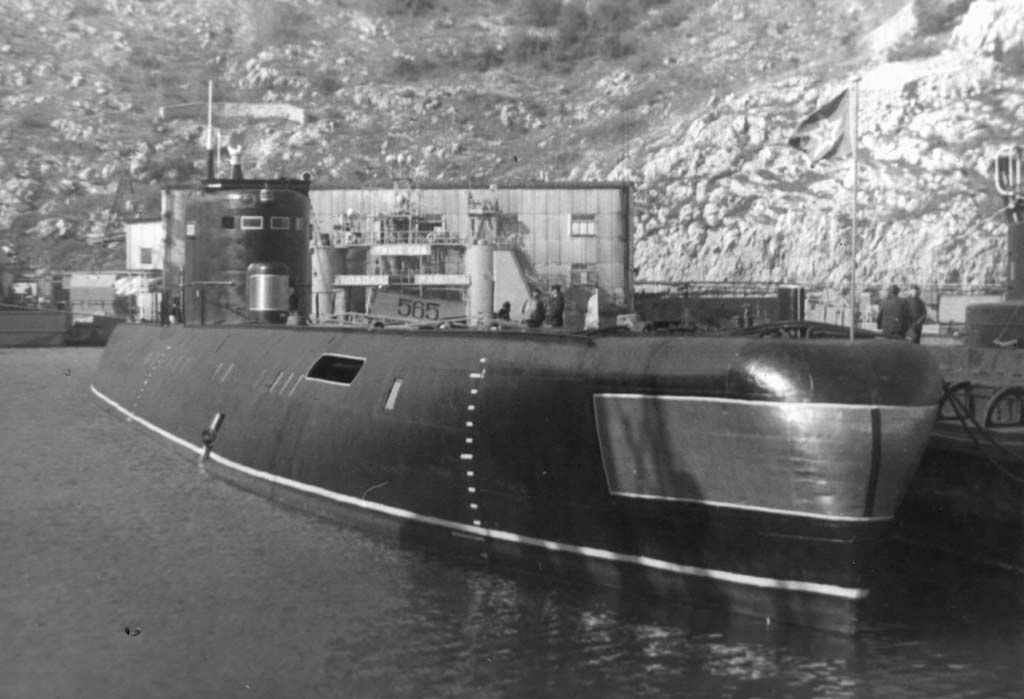
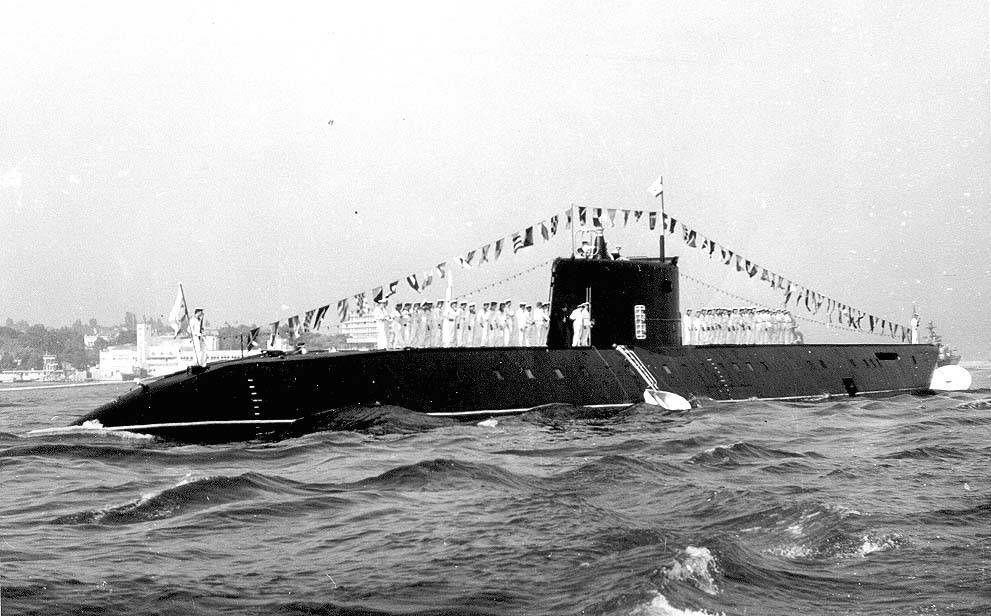
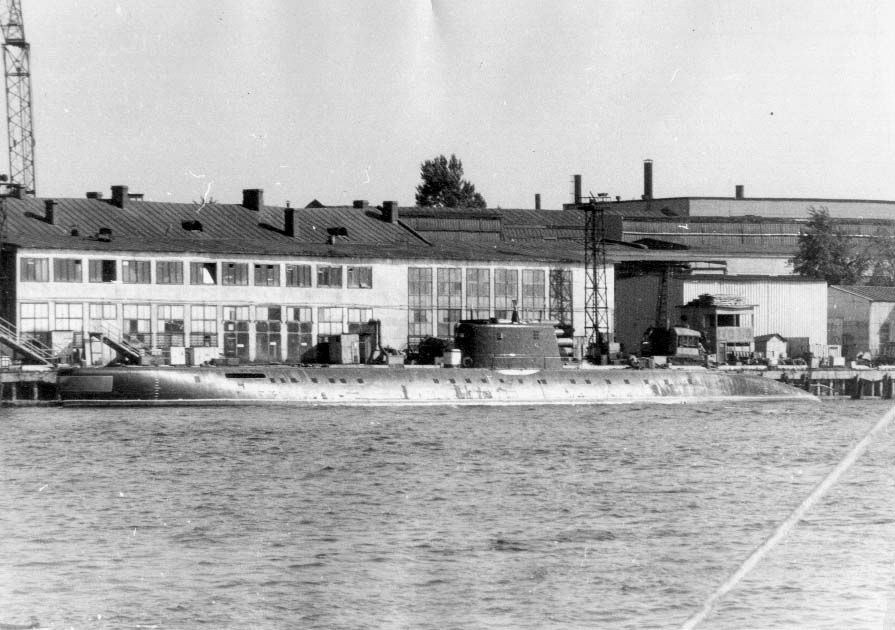
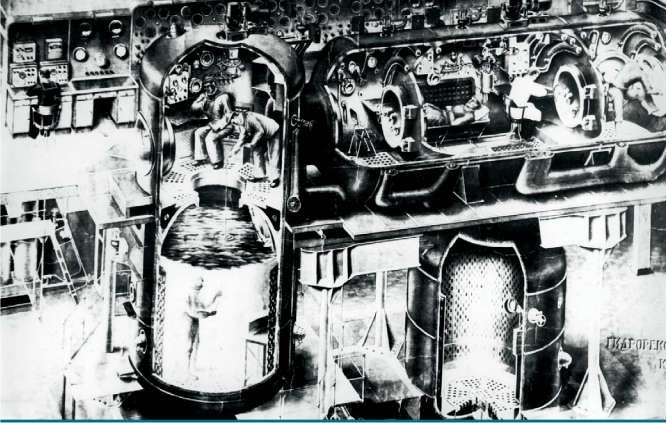
In accordance with Resolution No. 872-285 of the Central Committee of the CPSU and the Council of Ministers of the USSR dated September 20, 1967, with the aim of developing the depths of the World Ocean under the "Launch-Sea" program, the Leningrad Admiralty Association built a complex of specialized technical equipment between 1972 and 1988, enabling exploration of depths of up to 500 meters.
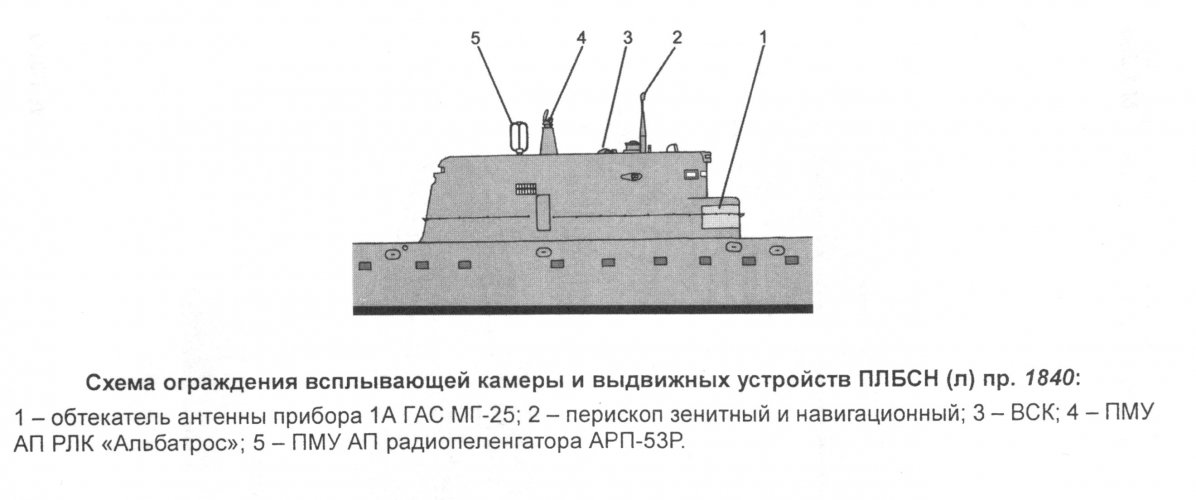
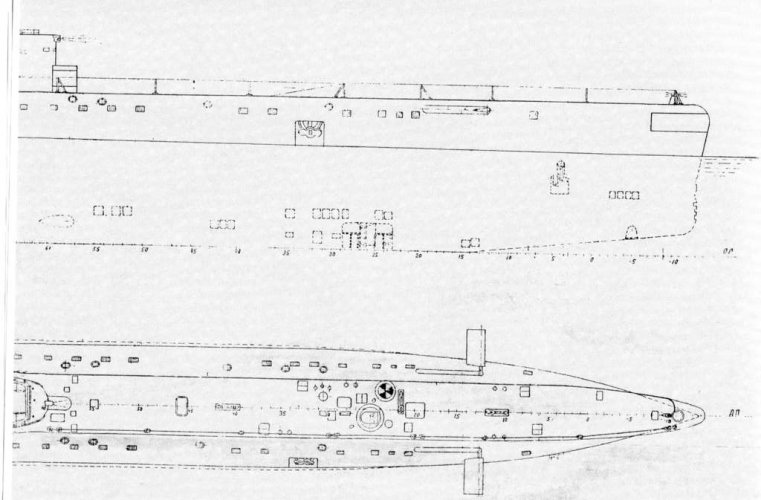
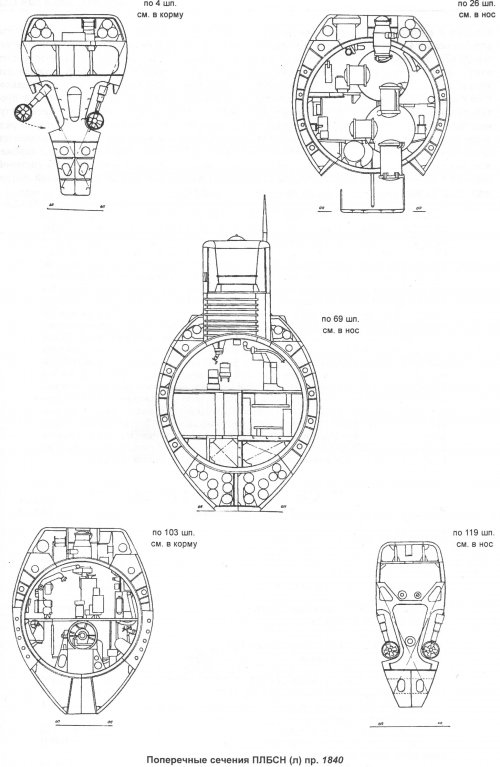
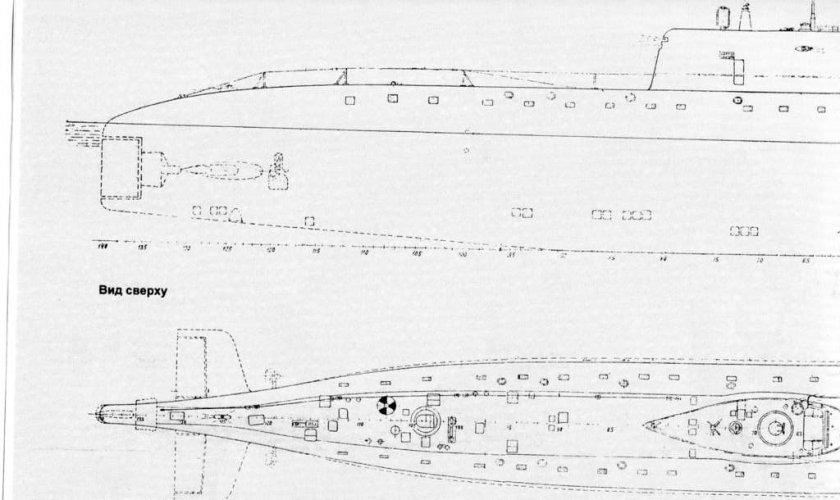
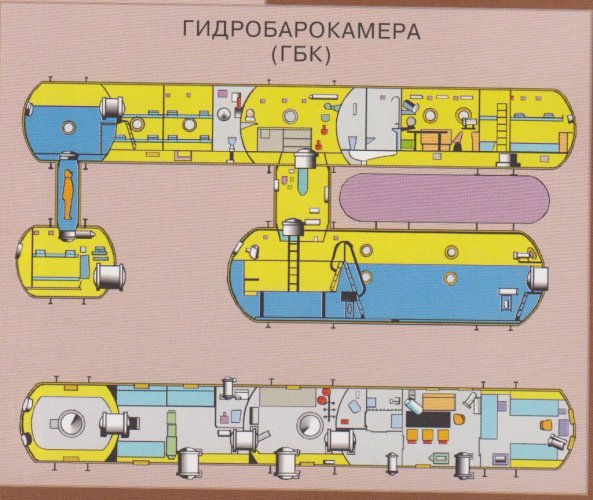
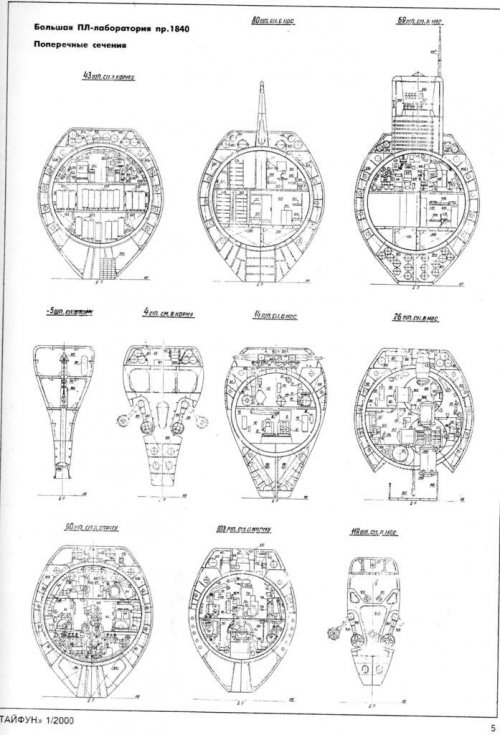
The complex includes: a large Project 1840 laboratory submarine (factory order 01665); hydrobaric chambers (factory order 01666); and animal research chambers (factory orders Nos. 01667, 01668, and 01669).
The designer was the Malakhit Scientific and Production Association (Chief Designer S.A. Dementyev).
The Project 1840 large submarine laboratory is designed to conduct underwater diving at depths of up to 300 meters using prolonged exposure to artificial breathing gas mixtures under pressure, as well as short-term dives. This dive is intended to test new diving equipment and methods, experimentally validate new means and methods for independent rescue of submariners in personal rescue gear, and perform search and rescue operations.
The large submarine laboratory was laid down in October 1977 and delivered to the customer in December 1979. I.E. Krasnorutsky and V.D. Ivanov served as the commissioning officers, and Ya.A. Ger was the chief builder.
State trials of the submarine laboratory yielded unique results. They tested extended exposures for six divers at depths of 50, 100, and 200 meters for a total of 18 days. During testing alone, 55 dives to these depths were conducted.
The highest underwater duration achieved by divers using heated water equipment, both domestically and internationally, was achieved.
For the first time, complex diving operations were performed from a laboratory boat. While on the seabed, divers extended 50 meters from the boat, inspected the hull and outboard equipment, cut metal and pipes, and assembled structures. Using a portable camera from the Shnur television and optical system, specially designed for this project, television images were transmitted to the boat.
In just one year of operation, the laboratory submarine traveled 15,750 miles and spent 1,600 hours on the seabed. It conducted 210 dives to depths of up to 300 meters.
This large laboratory submarine, built by the Admiralty, left its inimitable mark on scientific research and exploration of the deep oceans.