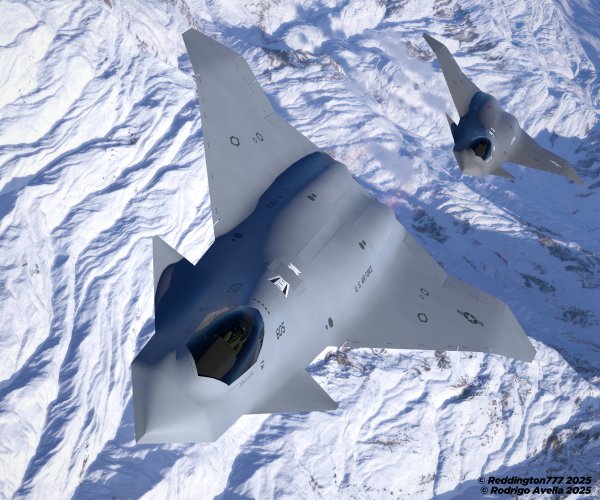
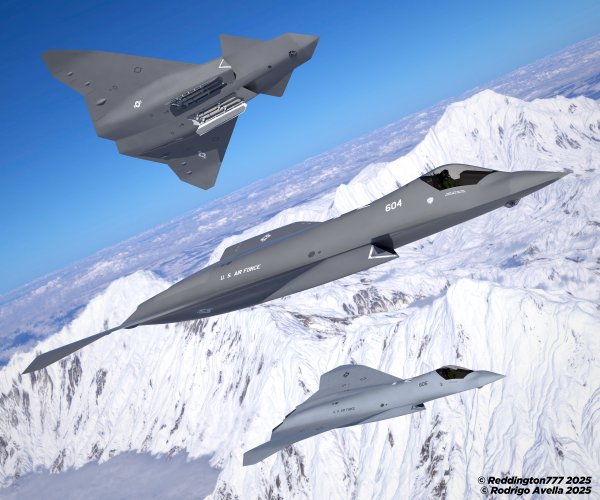
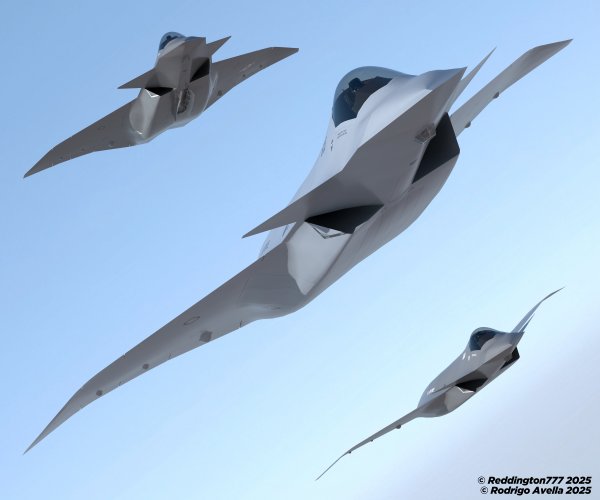
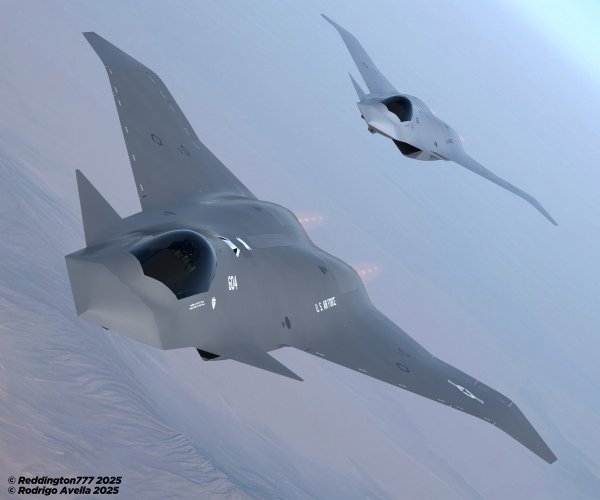
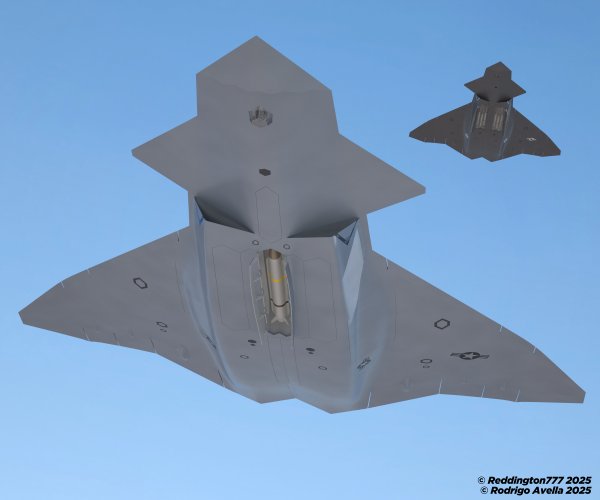
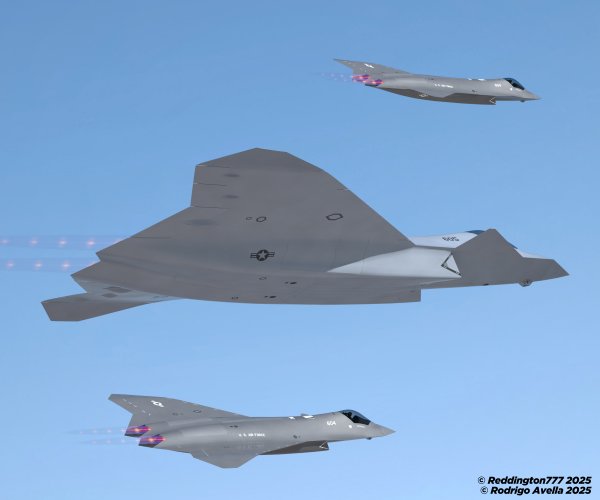
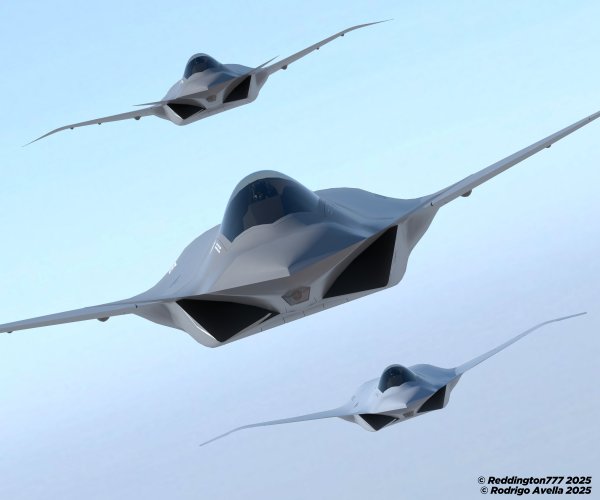
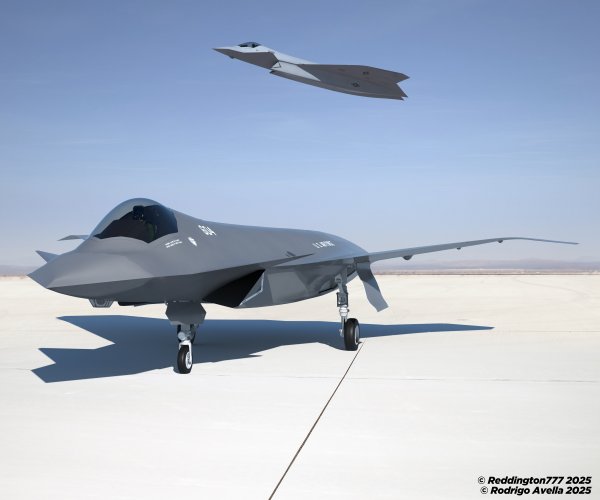
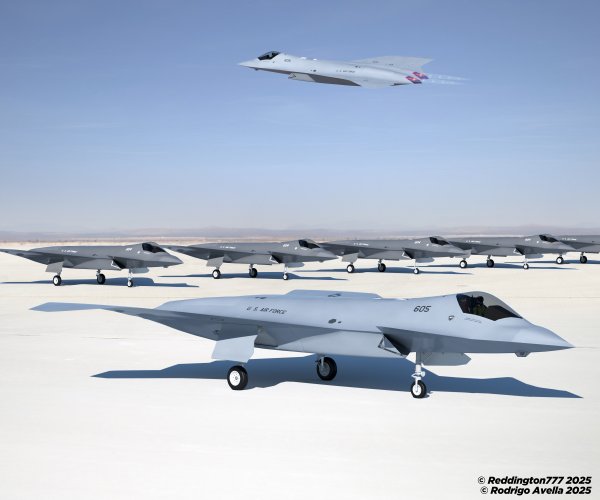
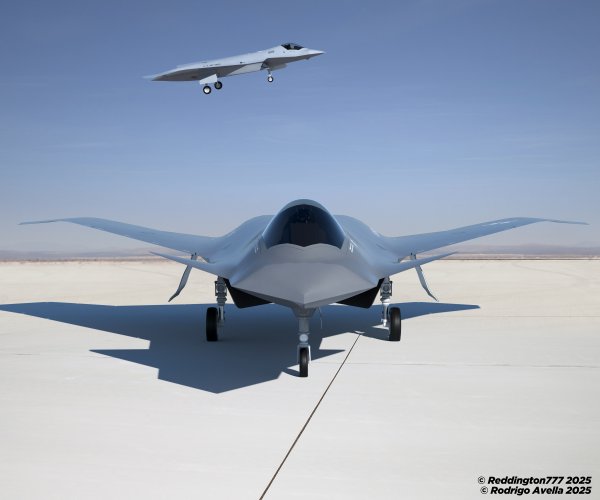
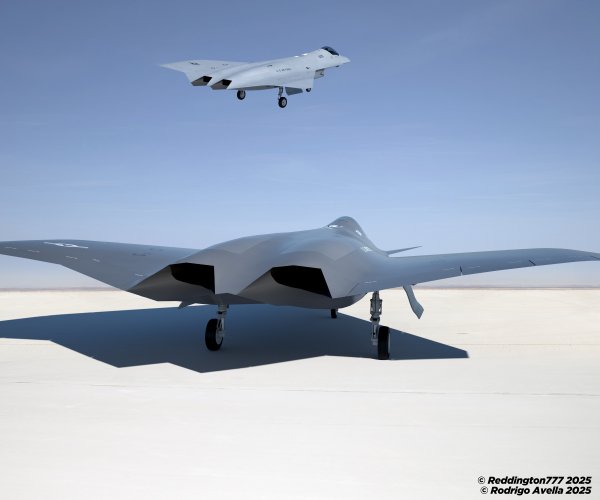
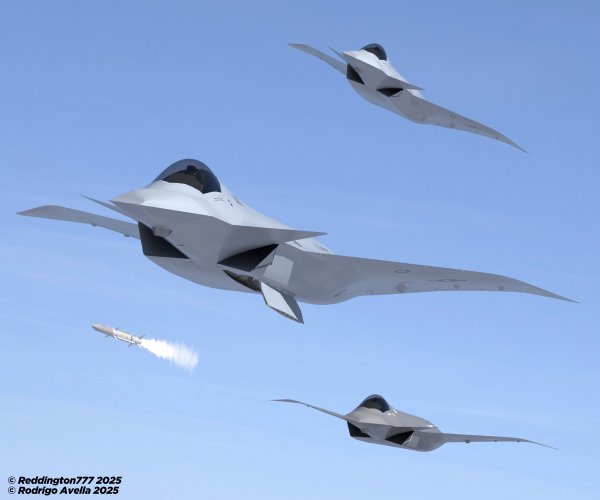
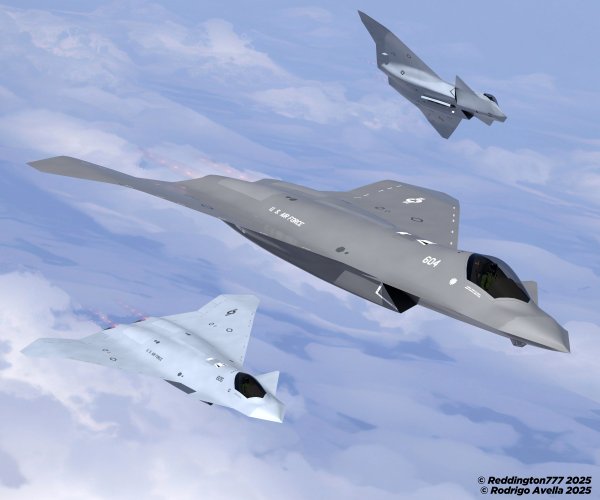
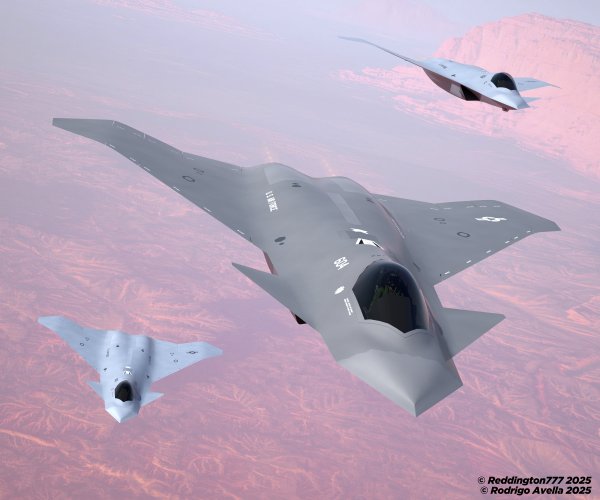
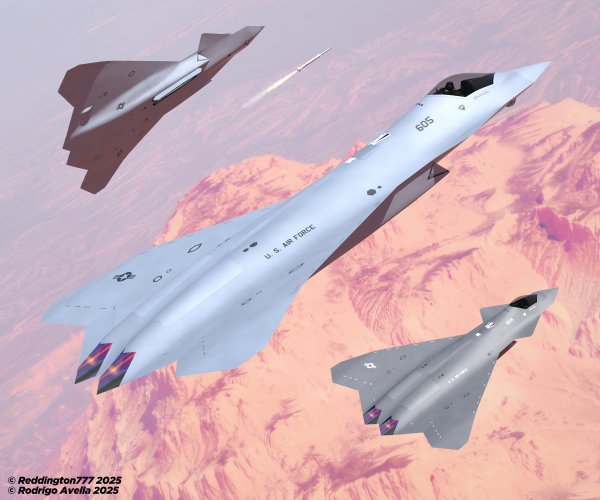
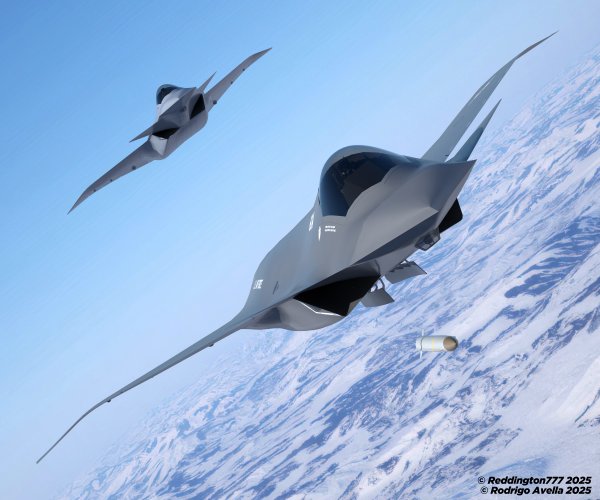
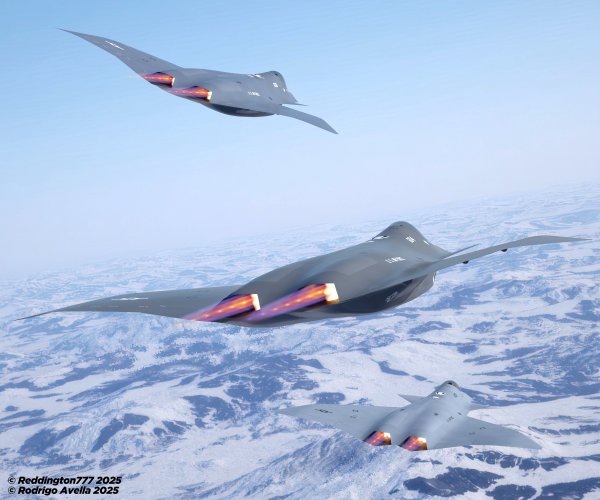
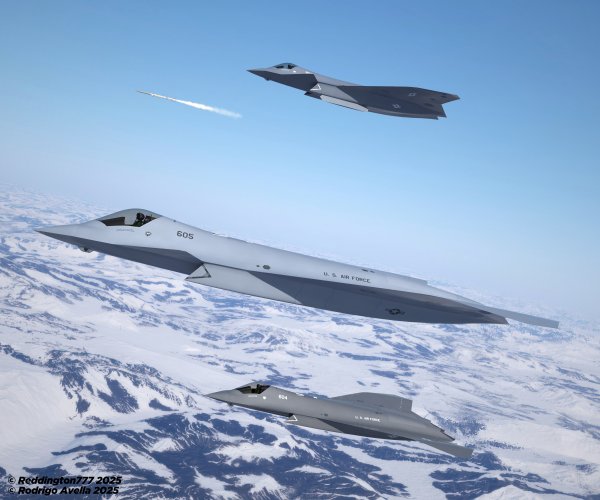
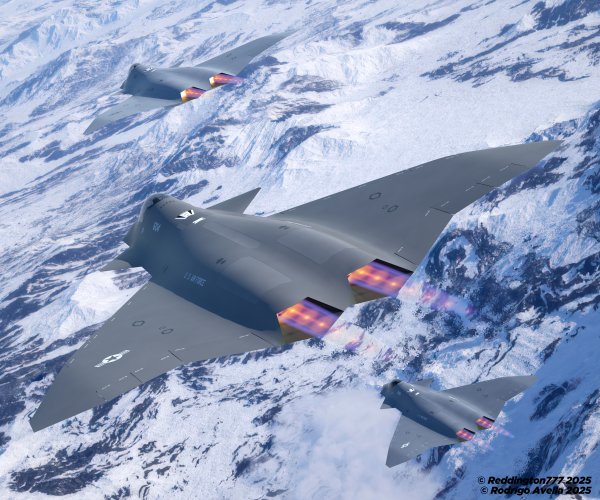
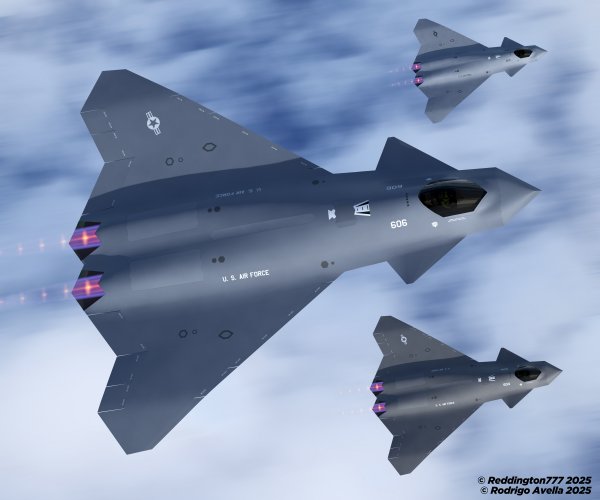
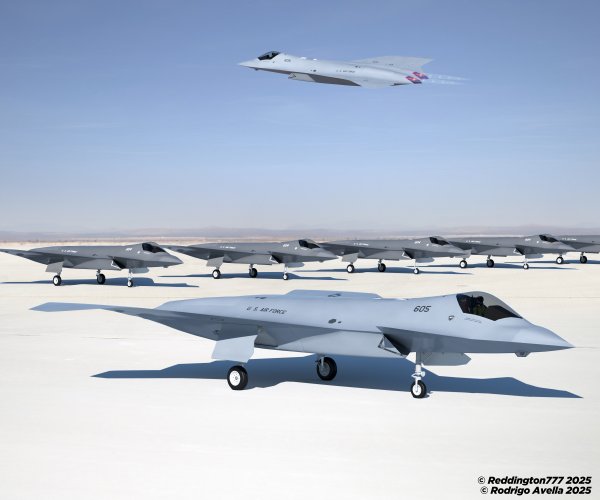
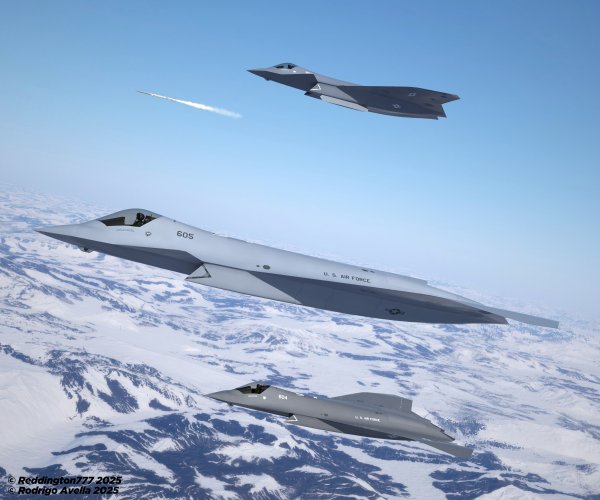
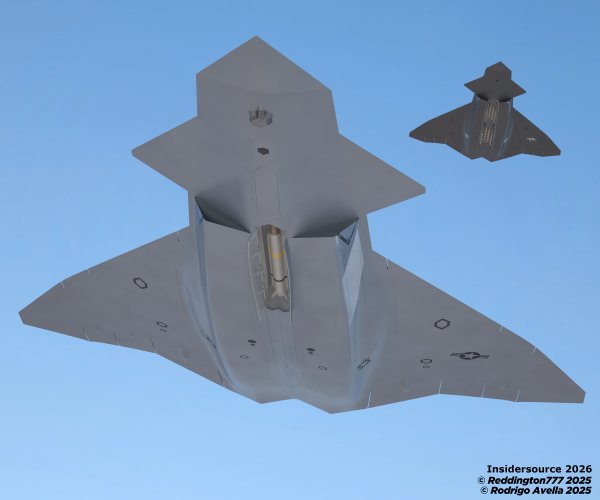
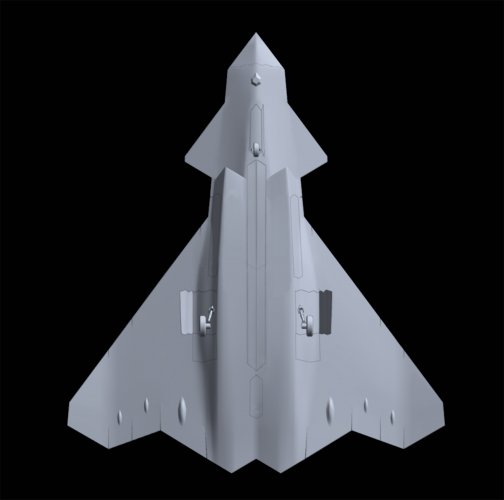
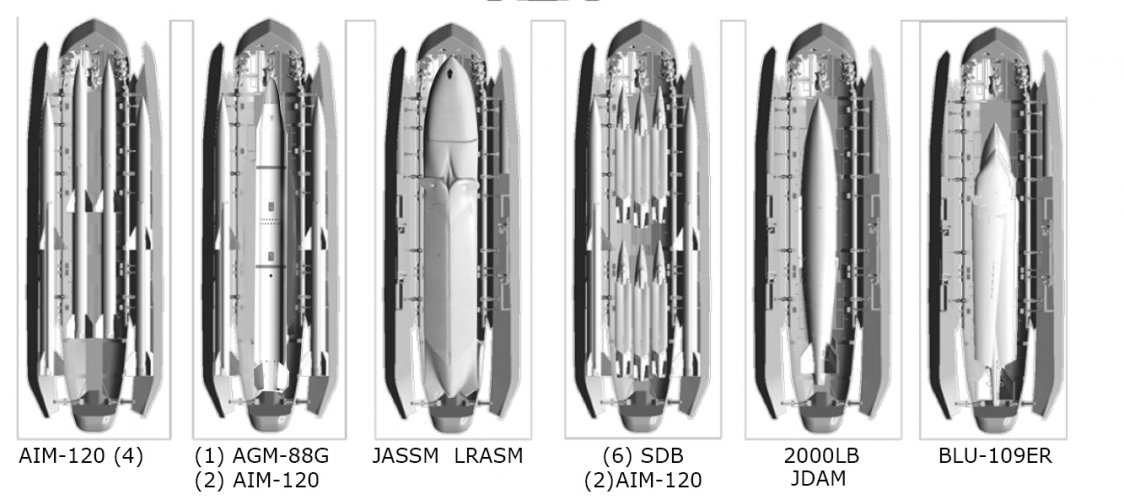
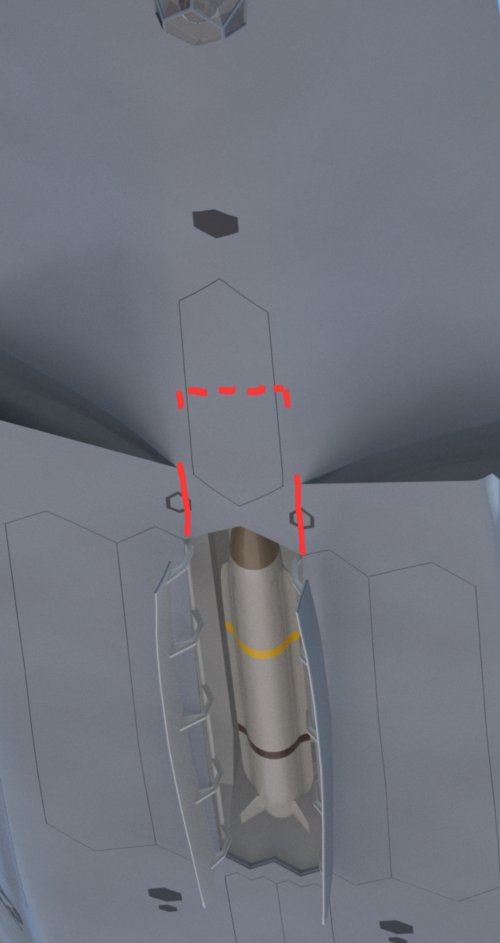
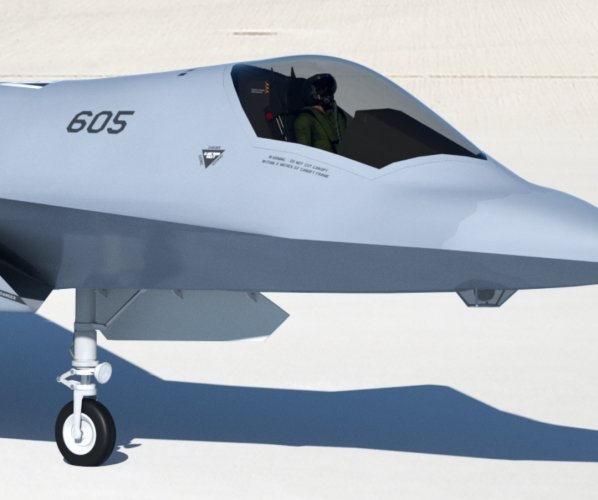
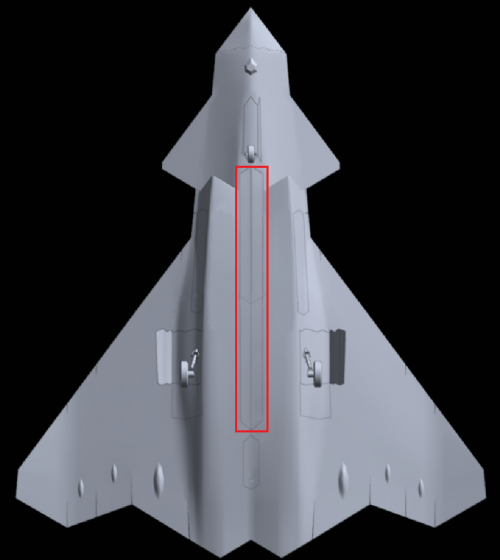
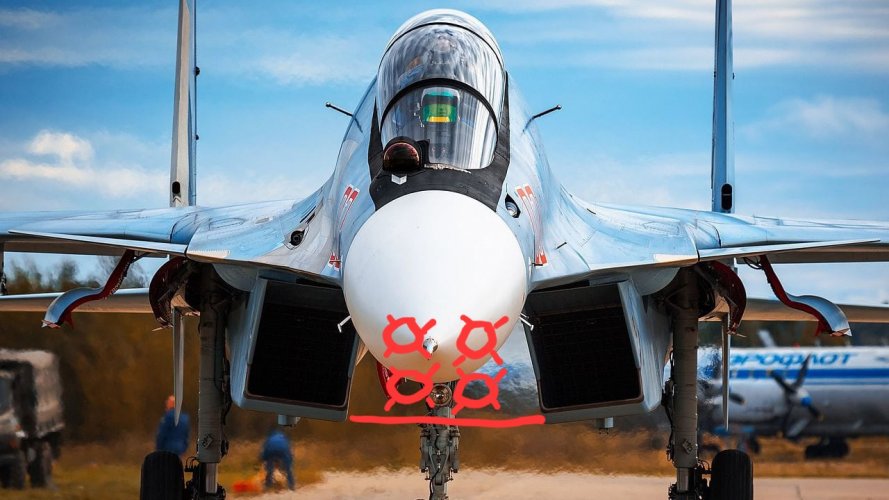
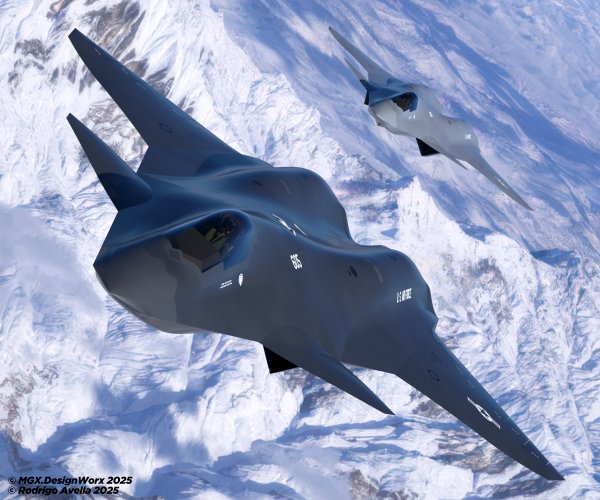
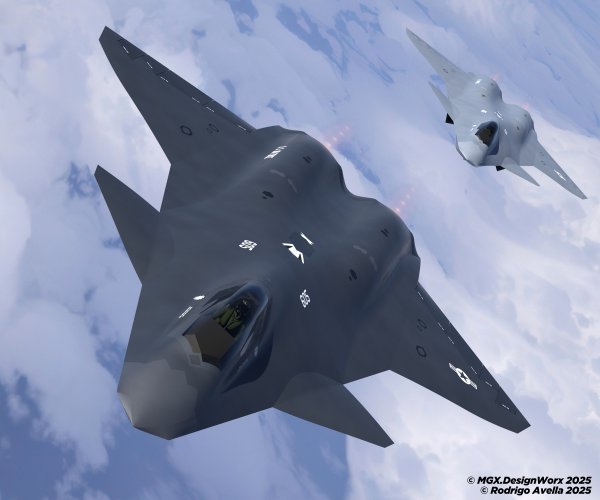
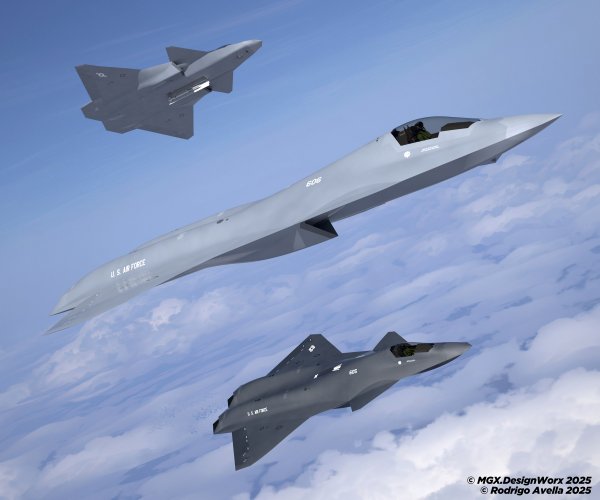
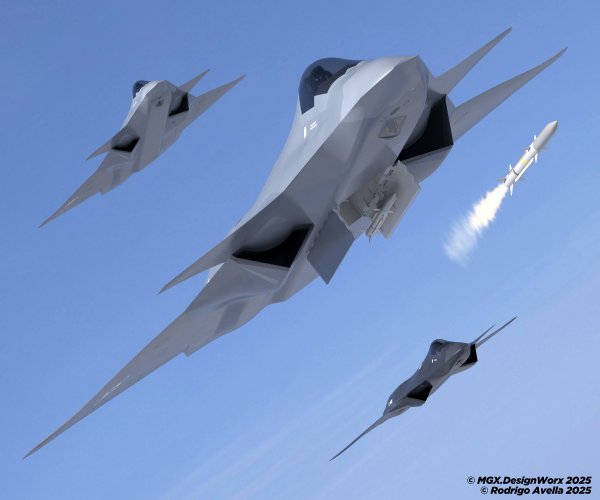
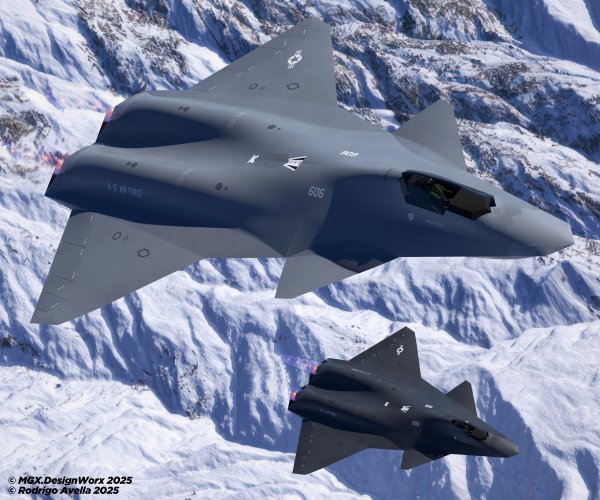
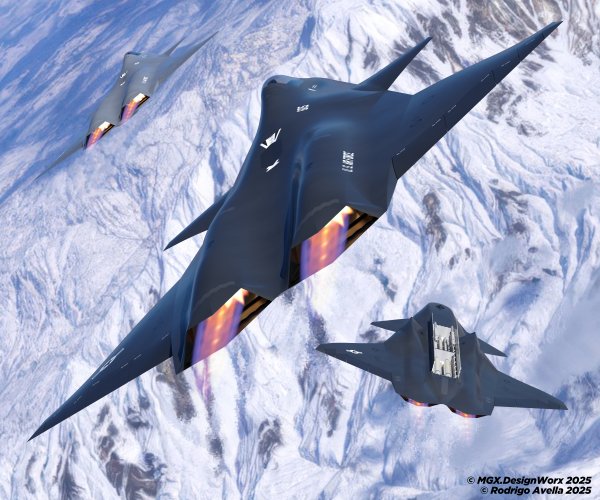
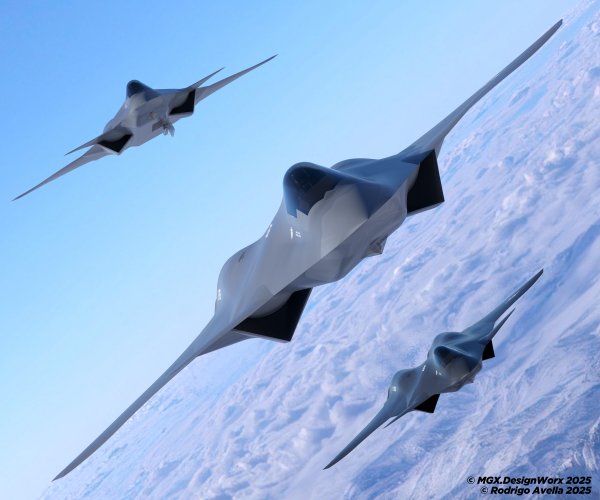
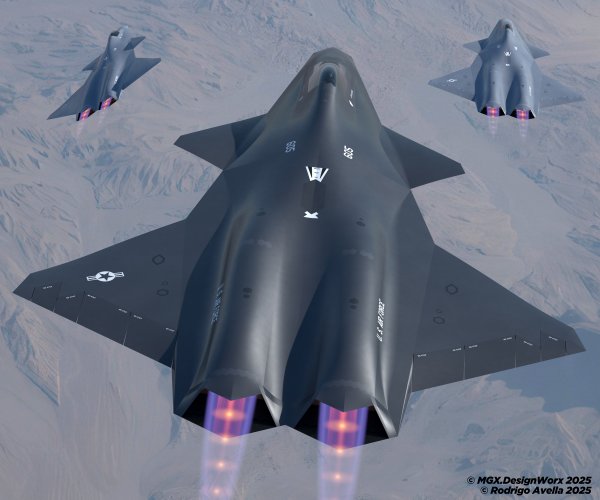
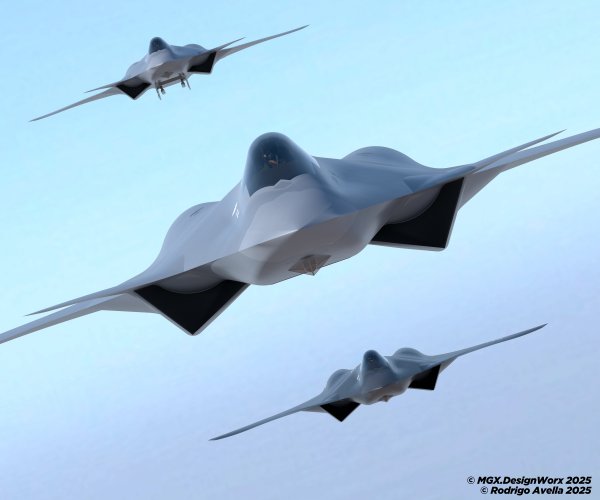
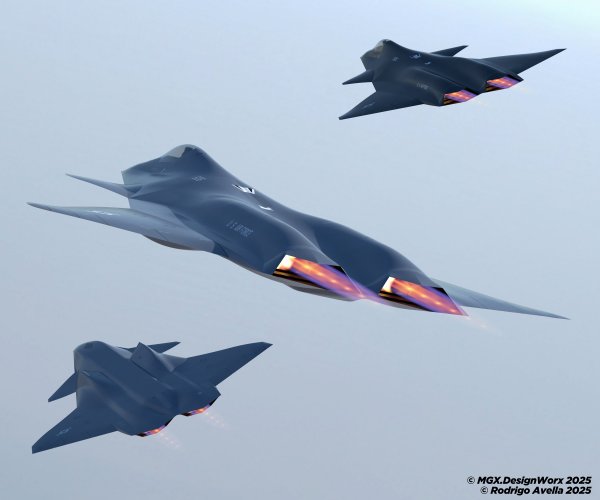
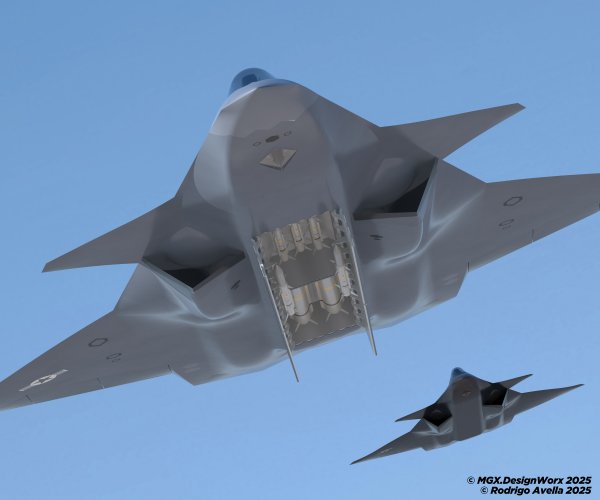
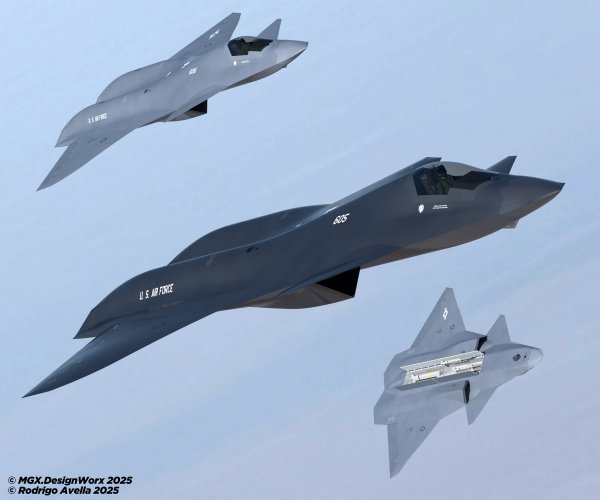
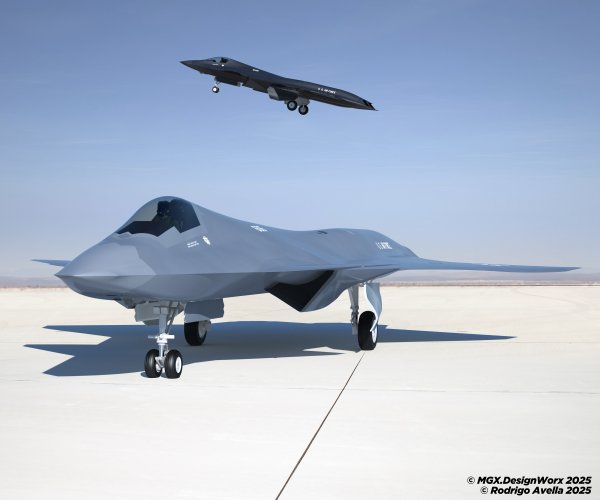
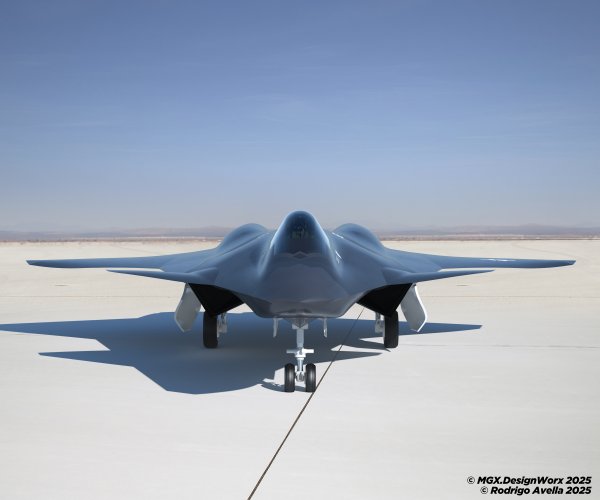
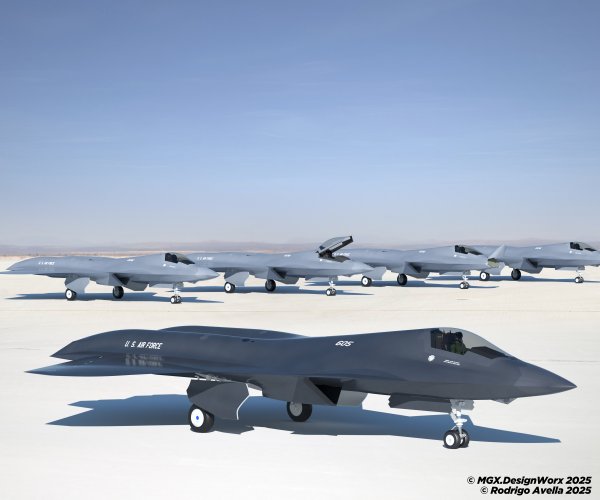
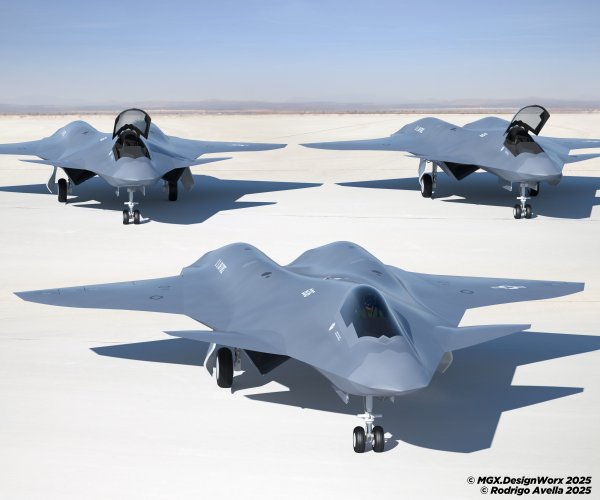
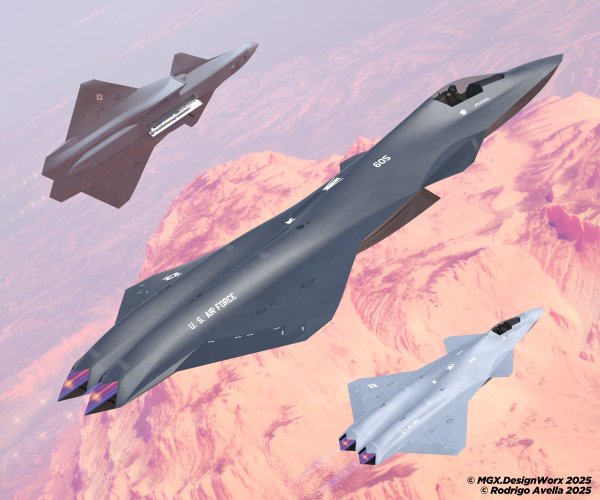
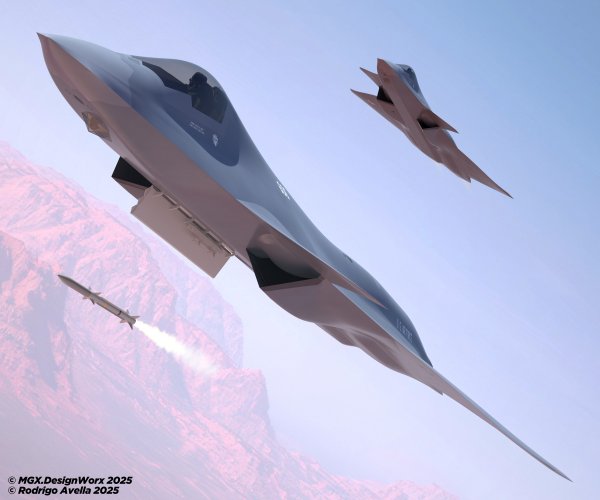
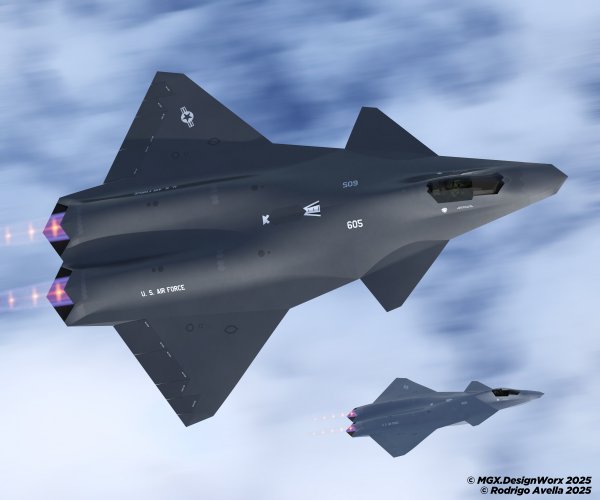
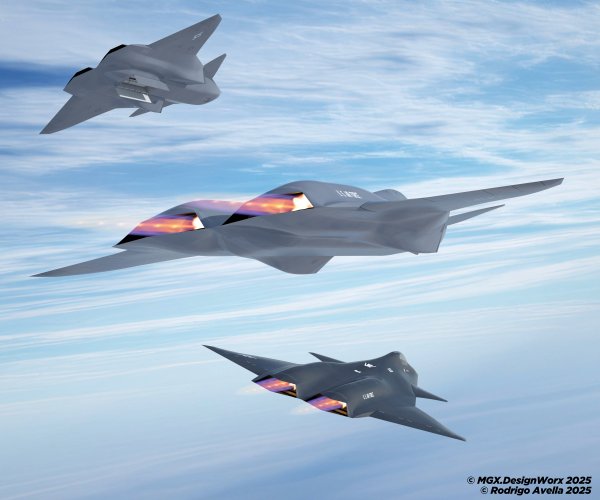
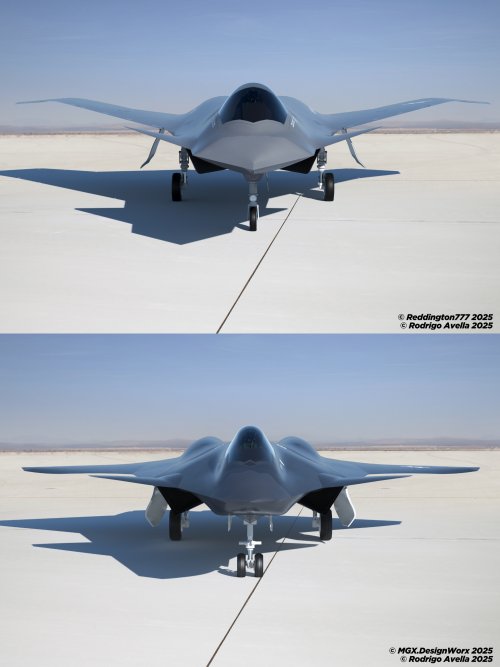
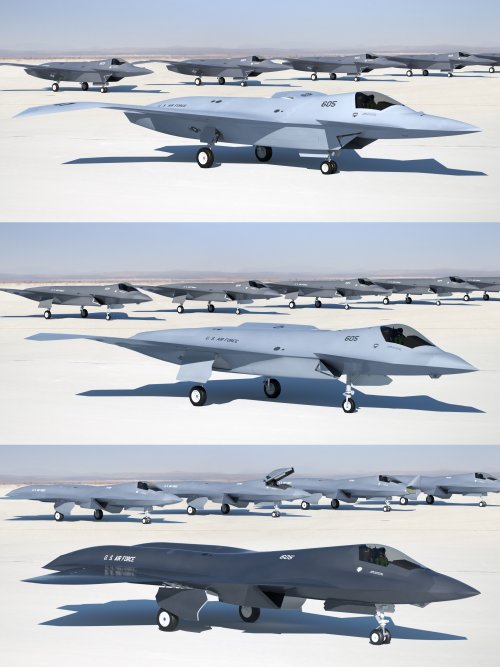
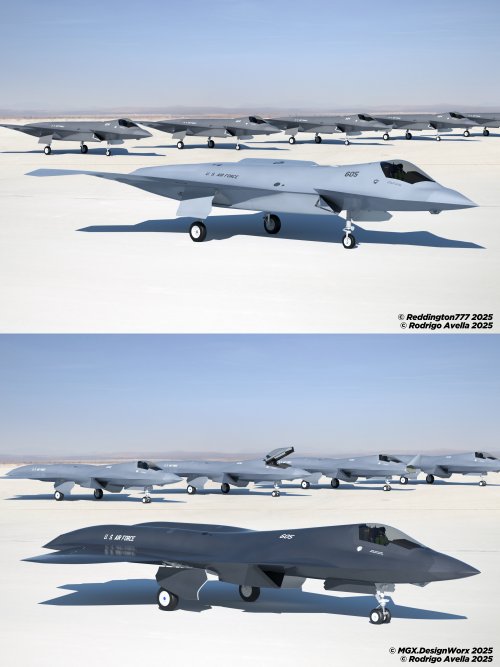
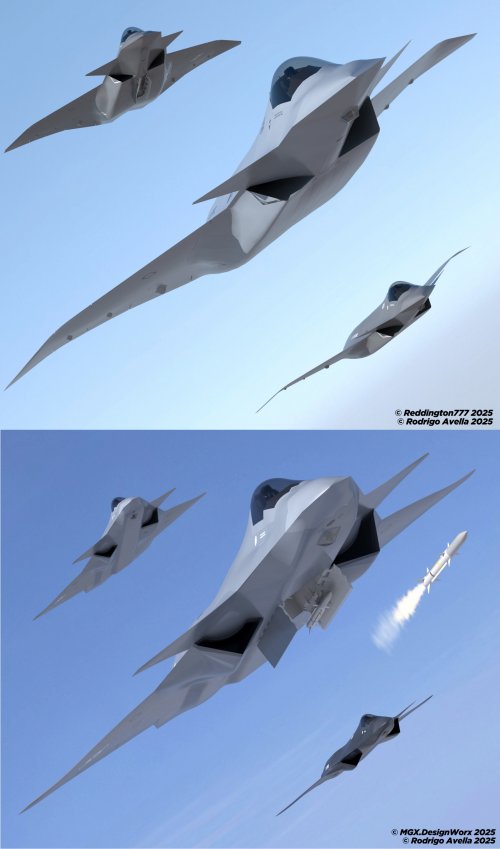
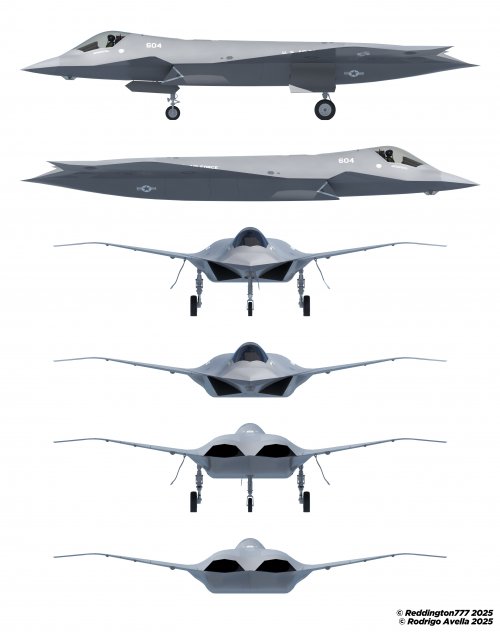
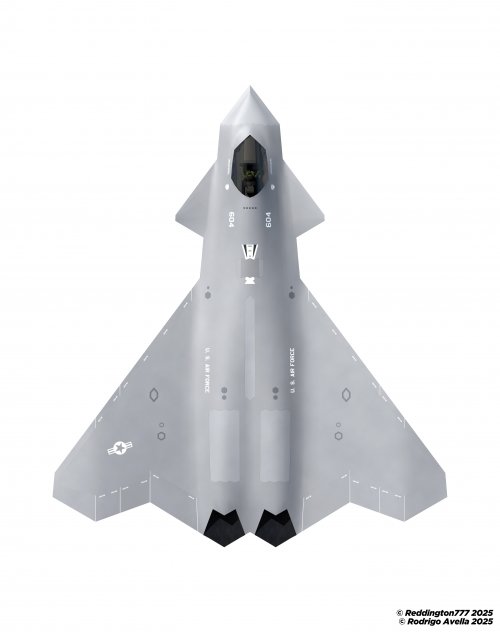
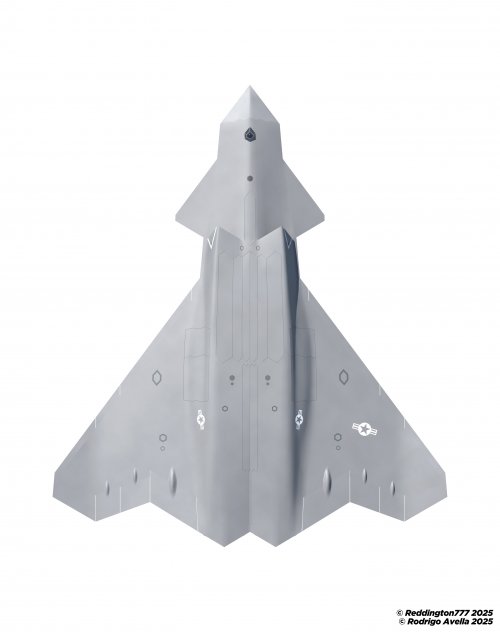
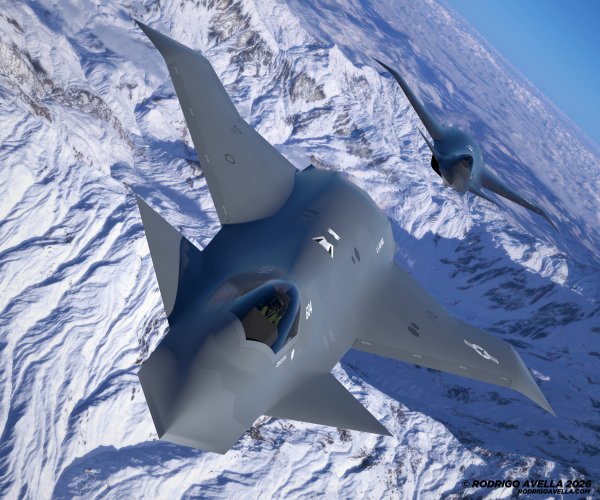
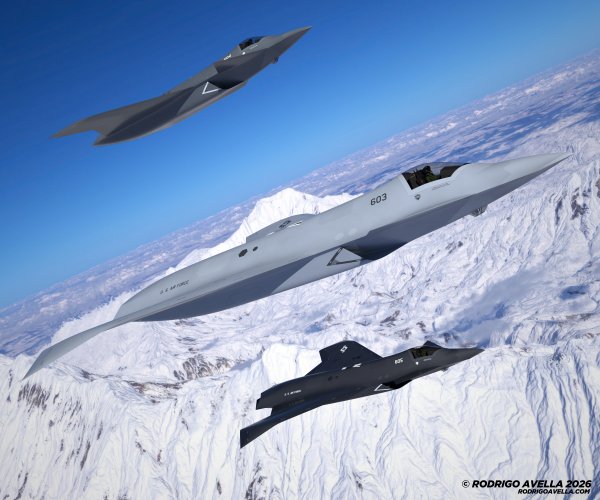
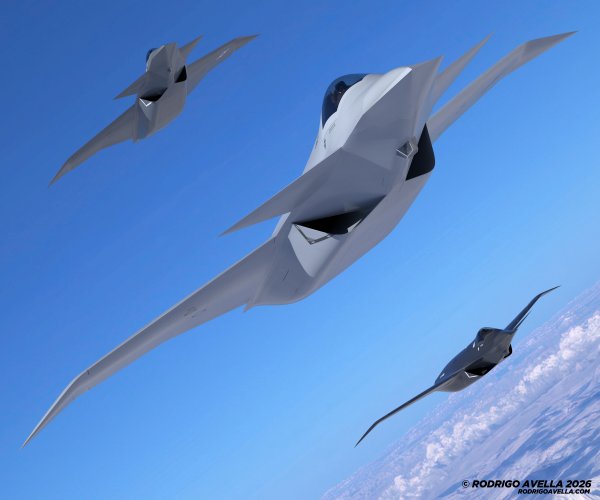
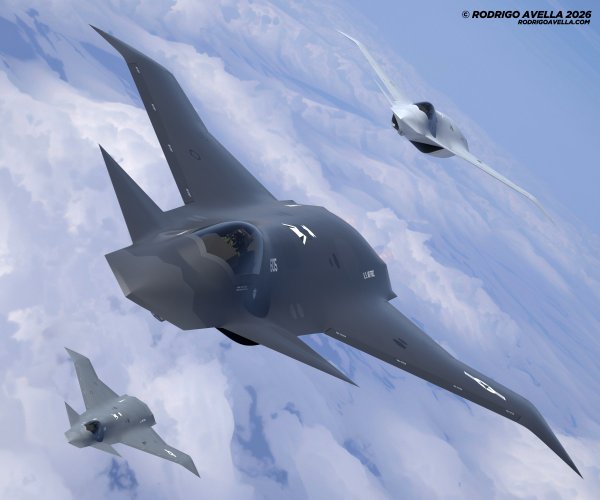
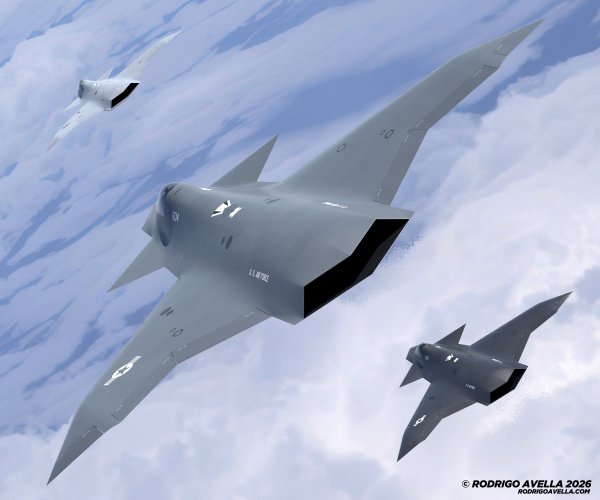
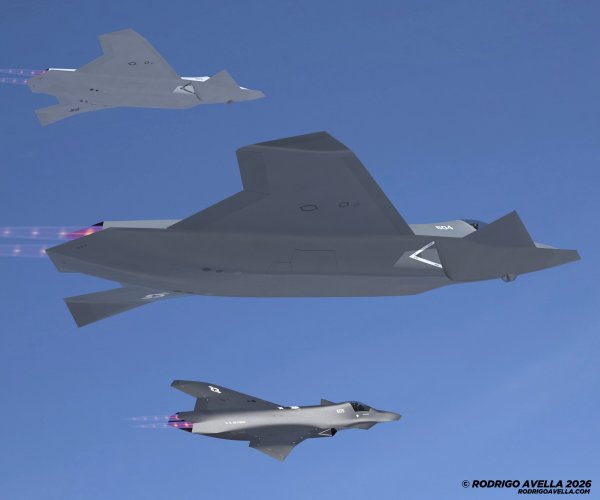
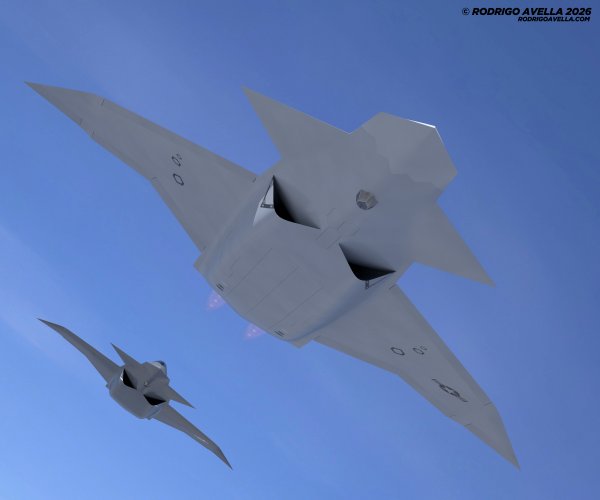
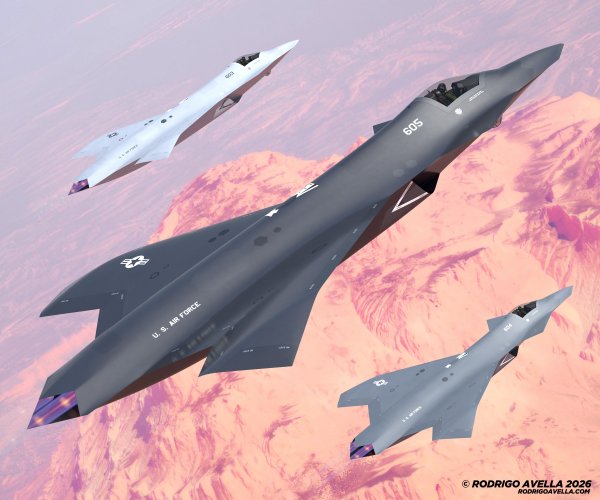
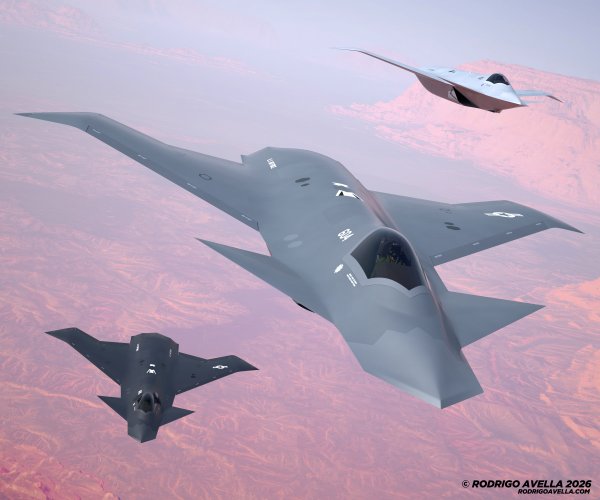
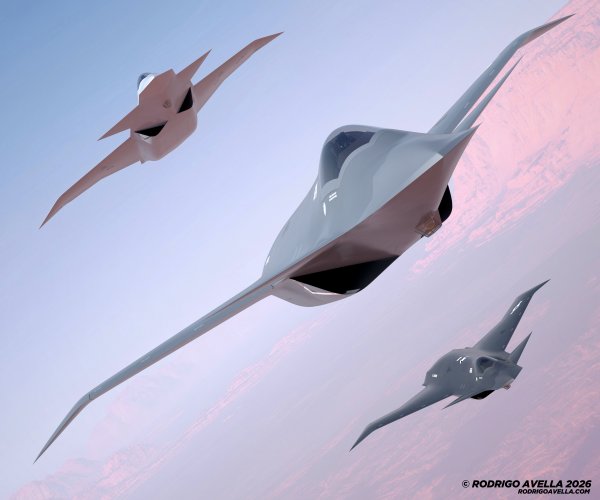
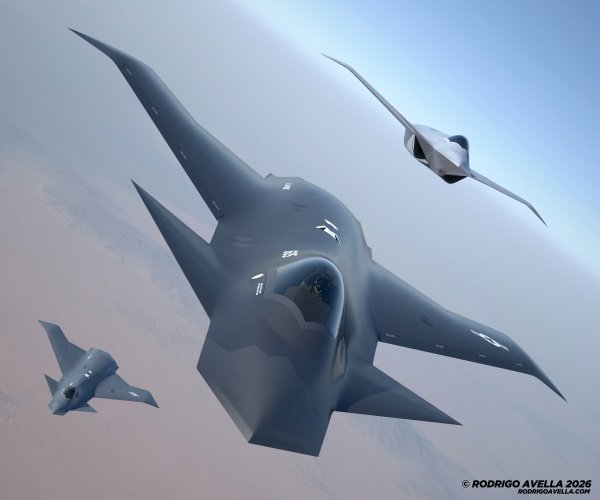
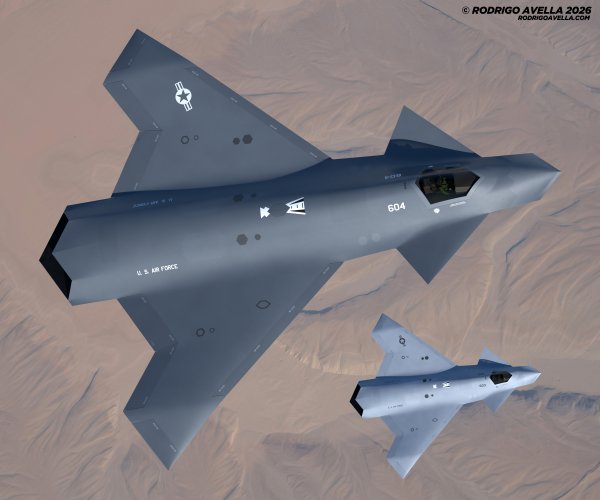
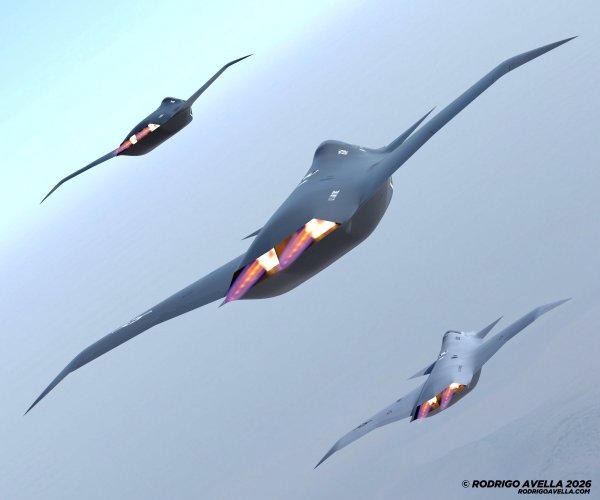
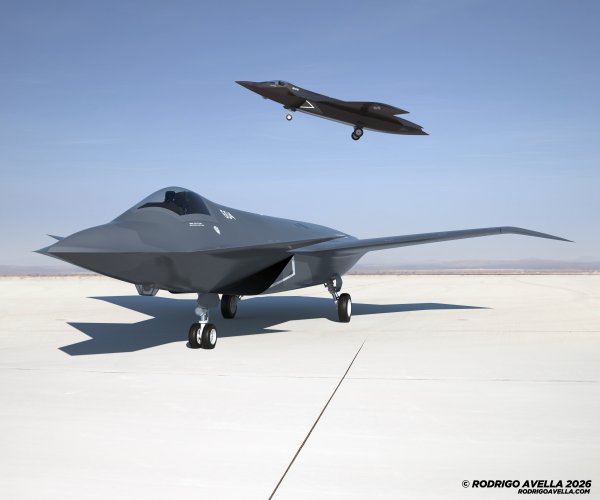
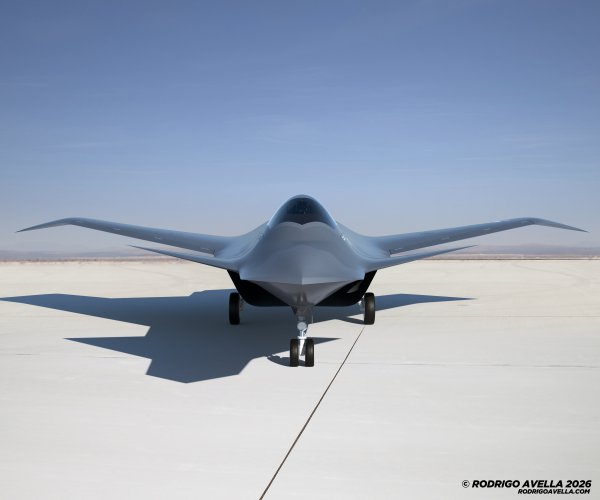
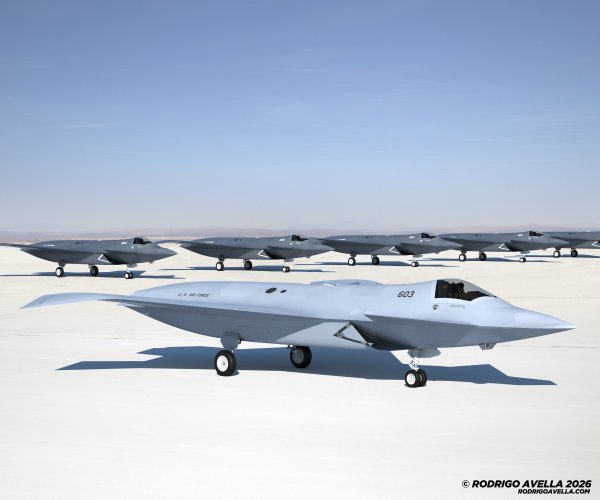
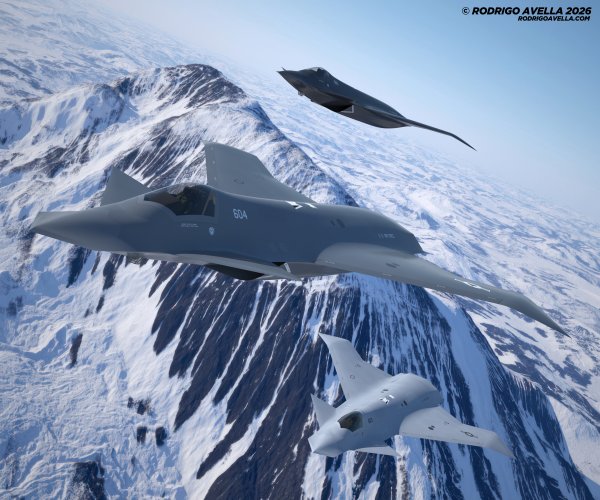
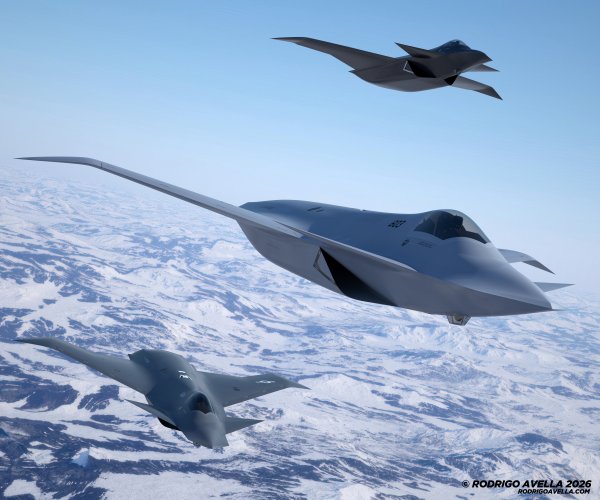
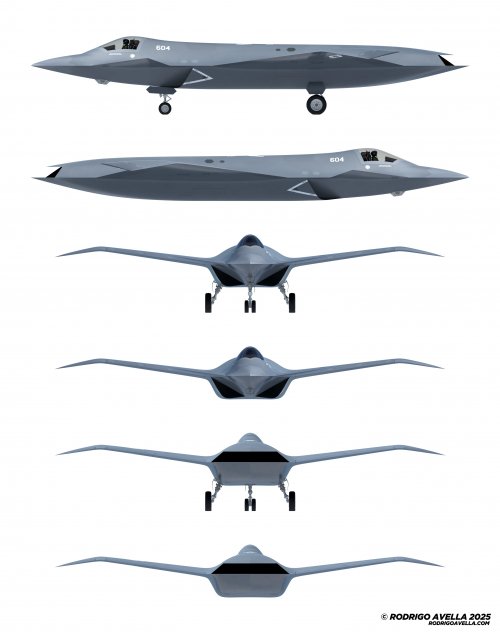
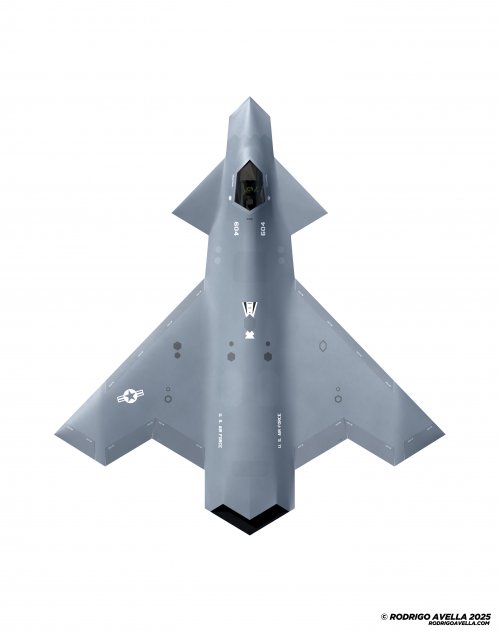
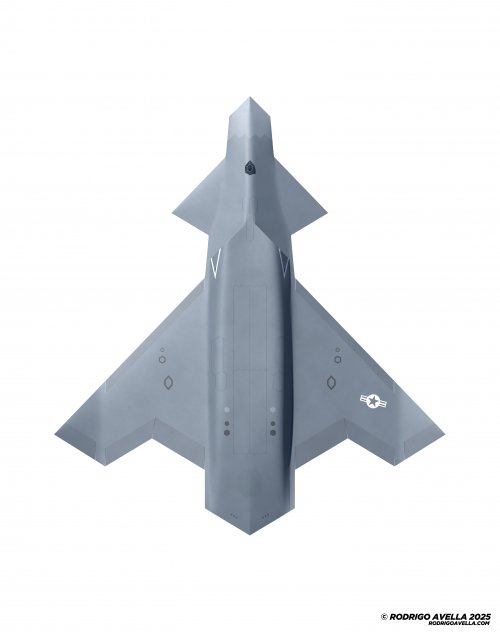
You have already mentioned narrow clearance of the wheel when it retracts forward. I've solved the problem for you. It frees up space for side bays.
There's enough space for side bays. The side looking arrays can get erased.
Your renderings clearly show there is space. The nose gear door isn't much narrower than the central weapon bay door. The weapon bay is simply moving forward filling about taking 50% of your nose gear bay. The nose gear bay then moves forward as there's plenty of space between the nose gear and EOTS.
What I mean to say is that the nose gear bay isn't the limiting factor. I can move the wheel bar forward trivially. Beyond the bay and the bay door possibly obstructing and creating turbulent flows being ingested by an engine intake that is low, the wheel bay has literally never been he constraining factor. Even with the current bay, excising the SiAW allows 8 AAMs in the bay without changes. However - if you look at every fighter ever - either the landing gear either doesn't affect the bays because the bays are side by side and not ventral (F-35, F-22, Literally every fighter with side bays and not ventral bays), or they are positioned between the intakes probably so it doesn't create turbulent flows for the intakes (J-XDS), or they are positioned behind the intakes (X-32, F-16).
The constraining factor for the AAM flatter bays is the intake.
The constraining factor for the center SiAW bay is that #1 in order to accomodate more munitions in the bay, the intakes need to be smaller. The intakes literally cannot be smaller on my model. For an engine with an assumed inlet diameter of 43 inches and a max diameter of 51 inches, the intake geometric area relative to the estimated airflow incidence is only 0.644m2 - comparable to the combined geometric area of the F-35 intakes, which have DSI accounted for (sorry, I have no way or know how to calculate the actual capture area). The F-22 was measured 0.68 - 0.7 m2 geometric for an engine inlet area that's smaller by around 2 inches in diameter. That intake behavior may or may not be recoverable by a DSI, but they absolutely cannot be smaller. The inlet shape also cannot be stretched more, as even adding fuselage depth would distort the inlet shape too much and adding width is not feasible due to perspective match. In fact - the inlet has been giving me enough trouble that I'm starting to think about a single ventral inlet again - as crazy as that sounds.
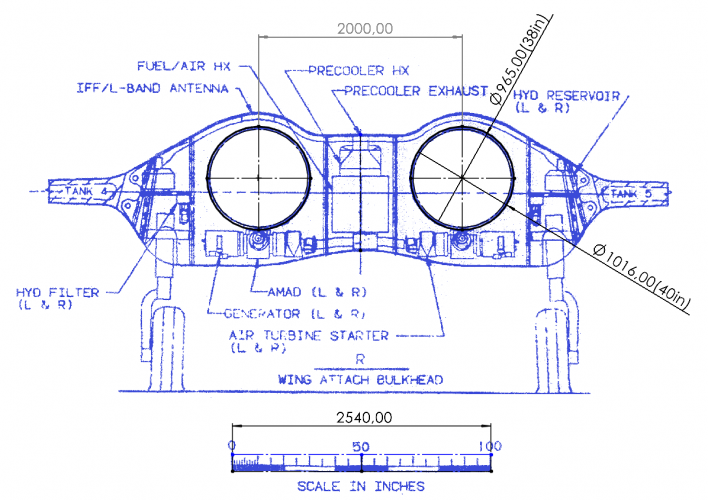
Aft of the weapon bays, the engine clearance to the tandem bay is also prohibitive. I asked in the YF-23 thread - my engine centerline to centerline distance sits at roughly 1900mm - close to the same measurement on the EMD YF-23 and wider than the same estimated distance on the F-22. The available clearance to insert a weapon bay between engines is highly questionable at that engine to engine clearance gap. My rule with regards to this model was that if it was questionable, I'd take the safe option - which is to give up the center bay between the engines and not move centerline bays between the engines.
So to summarize - the problem with weapon bay arrangement is
not gear bay or location. It is engine, intake, ducting, structural and available clearances that determine weapon bay arrangement.
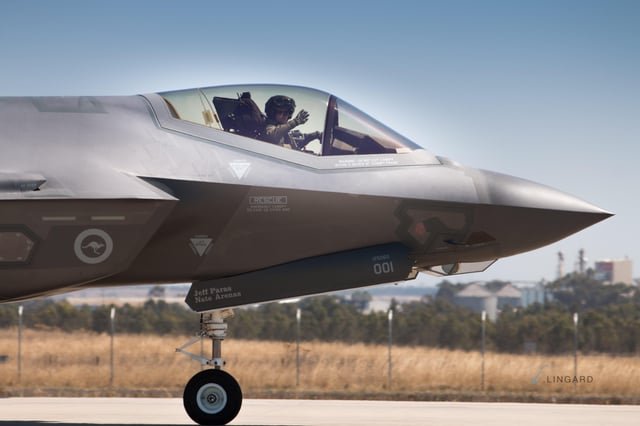
Your side looking arrays posted on the page 31 are tiny and would easily fit in the nose like the side arrays planned for the F-22.
I tried that too, but the FoV would be suboptimal for any air superiority fighter. 50-60 degree of upwards bore sight or a 60 - 70 degree downwards bore sight. That means a > 30 degree steering just it look sideways. The side array can maybe be moved to use the chine on the nose as a cover, but that limits the height of the array, which ensures that you have an array good for azimuth beam width but bad for elevation beam width - and ultimately not optimal for supporting weapon tracks against targets at an elevation difference and off boresight to the main array.
The other option is to inset the array at an incidence significantly different from the aircraft skin - which could be possible, but that limits field of view and unrealistically increases frequency selective cover area just to achieve the same FoV and a similarly tiny array as a well placed side array - like on the side fuselage.
In the F/A-XX thread you said your rear tandem bay would have to be removed to fit a Navy tail hook. Moving it forward 2 metres allows the second bay and a Navy tail hook.
It could fit a tail hook, but it already fits
an airforce tailhook even with the aft weapon bay. ultimately fitting a navy tailhook makes no sense if this isn't even a navy fighter (which it isn't)
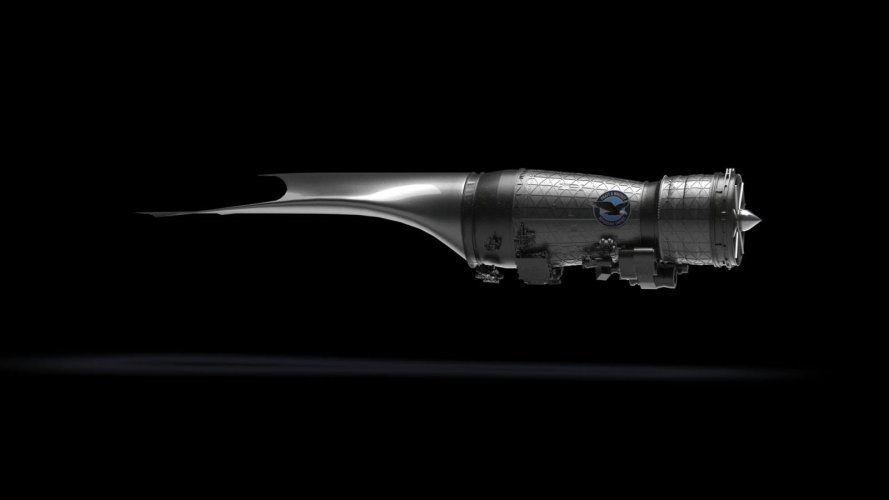
This is because you assumed wrong. The engines won't be 51" in width. This is wider than the F135. The F135 is only 46" in diameter as it has the accessories below the engine. The F135 puts out 43,000lb of thrust with a fairly high bypass ratio. The XA100 and XA101 adaptive engines were F135 sized (48") and had 45,000 +lb of thrust.
NGAP was said to be "scaled down" from AETP, which was suppose to fit in the foot print of the F135. That could mean two different things - either a shorter engine module or a engine smaller in diameter.
F135 outputs 43k max static thrust. I assumed NGAP to have 36 - 40klb thrust, with the baseline being 36k from the F119 and an added thrust due to the 3rd stream, which is what I worked off of. According to a comment left by F119doctor in this thread, I think an overall keep out area of 48 inches in diameter would be assumed for the F119 safely, but the same diameter could not be afforded for the F135, which had components spilling out width wise past 48 inches. I also inquired about how much a 3rd stream would add for adaptive cycling engines and was told 1 - 1.5 inches to the diameter by scott. So working off the F119, a max of 48 inches + 1.5 inches around the entire engine leads to 48 + (1.5 x 2) = 51 inches diameter/keep out zone for the engine module. Given a smaller engine size, the first thing I would change is
not the weapons bay. Instead, I would choose to make my packaging tighter and reach a smaller volume.
Keep in mind insider - my rule was to work with a worst possible case and relax those requirements only if things couldn't fit. That's why I chose the 51 inches in diameter.
I would go with a Su-57 engine spacing and tandem bay clearance with the engines, but the Su-57 has a somewhat different design philosophy than what I was modeling. The Su-57 resembles the YF-23 in the sense that each "section of utility" had it's own block of the airframe - and even then the engine bays look closer in distance than the YF-23's. That means that while the engines were encased in the airframe still, the engine bay area doesn't share as much of a wall with the weapons bay as my model would have - as the engines are in it's own shaped and blocked out section of the airframe while the bays are in it's dedicated block of airframe. There's a lot of airflow between those sections to provide cooling whereas in my model, the blended body ensures that the wall shared between the weapon bays and engine hot zones is
not constantly awash by air. As a result, I was not comfortable setting the engine bays that close to the hot part of the engine.
The rule was - if I wasn't sure and I had an option, I would go with the safe option. In this case - the safe option is to remove the aft centerline bay.
This ultimately means that, yes, the airframe could be compressed further for volume savings, or it could possibly hold 8 AAMs and side bays, but I chose to avoid that because this model is intended as a baseline for what such a planform could somewhat reasonably achieve - not what my wet dream fighter jet would be.
Finally - I want to add that I also thought I could fit a lot more than I actually could. All you see are screenshots taken of the 3d model, but as soon as you start to work in 3d, with curves, hard geometries and thicknesses, you start to see that what you thought you could fit can't actually be fit.
- Like, for example - the radar array I told you about. I initially modeled a 1m2 array for the nose, but after staring at the F-35's APG-81 for a whole night, I realized that the entire array stack usually sits between 6 - 8 inches in thickness, with a minimum of 1 inch distance between the tip of the array elements to the inner mold line of the radome. Given that, I had to drop my array from a 1m2 area down to a 0.65m2 area.
- Or for example - the aft gear assembly and gear bays. I thought I could fit the entire main landing gear into the model by simply swinging it upwards, but then when you take a moment to think about what accessory arms the gear needs to swing the gear in the way you want it to swing, you realize that the packaging is extremely tight - in some places less than an inch to the bay wall (though that was ameliorated by moving the engines slightly closer together after giving up the tandem bay between the engines)
- Or for example - the distance between the AMRAAMs and the intakes. Sure - they look like they can fit in an orthographic view, but as soon as you start thinking about the bay racks in between, the available adapters for AMRAAMs + whatever munitions you want to carry, the minimum distance available to the outer wall of the intakes, the bloat around the weapon bays, I had to thicken my fuselage and adjust my intakes (possibly to an unrealistic degree given my lack of knowledge in the aerodynamics of ducting) just to leave reasonable space for the missiles, missile to wall clearance, wall thickness, and weapon bay bloat including but not limited to - wiring, door open close mechanisms, door arms, bay cavity flows.
It's easy to look at a 2d drawing and say "that fits". It's much hard to make it actually fit. And it's even harder to cram it in and make it work. And this hasn't accounted for all the systems, clearances, requirements, aerodynamics and thermodynamics that I am not informed enough to model.