
You are using an out of date browser. It may not display this or other websites correctly.
You should upgrade or use an alternative browser.
You should upgrade or use an alternative browser.
Northrop F-5 and T-38
- Thread starter KJ_Lesnick
- Start date
-
- Tags
- aerospace trainer cold war fighter fuerza aérea hondureña imperial iranian air force islamic republic of iran air force north atlantic treaty organisation northrop rok air force royal australian air force royal norwegian air force royal saudi air force trainer united states united states air force

T-38 Talons being looked at.
DOI:_10.1016/j.engfailanal.2025.109381
There's no photograph.
Here:
https://techxplore.com/news/2025-03...nstitute (SwRI) collaborated,of a T-38 Talon.
And the direct link to the available paper :
https://www.sciencedirect.com/science/article/abs/pii/S1350630725001220?via=ihub
https://techxplore.com/news/2025-03...nstitute (SwRI) collaborated,of a T-38 Talon.
And the direct link to the available paper :
https://www.sciencedirect.com/science/article/abs/pii/S1350630725001220?via=ihub
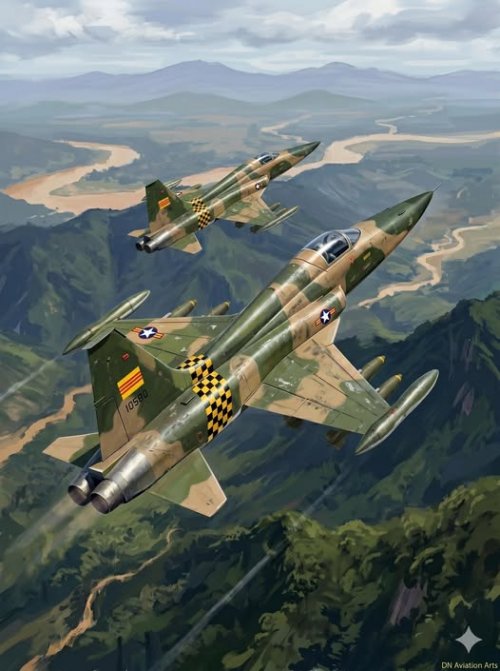
This looks exactly like a box art from one of the plastic models back inthe 1970's ......ROKAF F-5As pictured in the 1960s (1965-1969).
It's from an encyclopedia for children published in 1976.
View attachment 761500

Whopper
ACCESS: Restricted
- Joined
- 6 February 2023
- Messages
- 39
- Reaction score
- 120
Those are probably replacement radomes sourced from General Dynamics Mission Systems.Can anyone tell me why some of the Honduran F-5Es have black noses and others don't ?
Tigris Helveticus, a depiction of Northrop F-5 fighter operational usage in Swiss AF with plenty of footage of underground installations and Air combat training in the specific airspace above (and within) the Alpes:
View: https://youtu.be/avU2P6n-iEM

topspeed3
ACCESS: Secret
- Joined
- 31 January 2011
- Messages
- 495
- Reaction score
- 276
Has there been any dogfight between F-5s and F-35 in Red Flag etc ?
Is this better or worse than an F-5 ?

https://en.wikipedia.org/wiki/Northrop_F-5
Is this better or worse than an F-5 ?
https://en.wikipedia.org/wiki/Northrop_F-5

SUPER=BUG
ACCESS: Top Secret
- Joined
- 25 September 2024
- Messages
- 884
- Reaction score
- 2,426
There are many types of air combat... It can only be said that the F5 is somewhat better than the F35 in terms of maneuverability. However, in today's air combat, especially between stealth and non-stealth aircraft, close-range dogfighting has almost become impossible. It's not to say that the F5 has no chance of defeating the F35; if there is a powerful early warning aircraft, a strong electronic warfare plane, and the F5 is equipped with some powerful missiles and all three are networked, the F5 can of course take down an aircraft like the F35.
topspeed3
ACCESS: Secret
- Joined
- 31 January 2011
- Messages
- 495
- Reaction score
- 276
There are many types of air combat... It can only be said that the F5 is somewhat better than the F35 in terms of maneuverability. However, in today's air combat, especially between stealth and non-stealth aircraft, close-range dogfighting has almost become impossible. It's not to say that the F5 has no chance of defeating the F35; if there is a powerful early warning aircraft, a strong electronic warfare plane, and the F5 is equipped with some powerful missiles and all three are networked, the F5 can of course take down an aircraft like the F35.
Ok
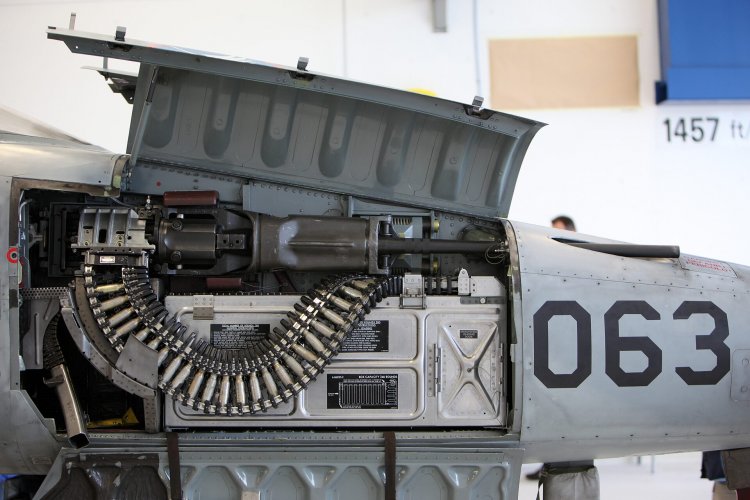
The guns in F-5...are they any good ?

Manuducati
ACCESS: Secret
- Joined
- 25 November 2020
- Messages
- 421
- Reaction score
- 1,421
Can this beat F-35 in dogfight ?
Has there been any dogfight between F-5s and F-35 in Red Flag etc ?
Is this better or worse than an F-5 ?
Ok
The guns in F-5...are they any good ?
After asking the same thing twice a few hours apart (even after being answered the first time), are you going to question every single component of the F-5 in a puerile way?
Sorry to sound embittered but this kind of very generic question can easily be answered by a couple minutes of online research.

- Joined
- 6 November 2010
- Messages
- 6,357
- Reaction score
- 8,240
Page 205 of Colin Chapman: Inside the Innovator by Karl Ludvigsen, Haynes Publishing 2010, says "Simplicate and add more lightness" was one of Gordon Hooton. He worked as a designer for Bill Stout.
- Colin Chapman
- Ed Heinemann
- Bill Stout
- Gordon Hooton
... take your pick.
- Colin Chapman
- Ed Heinemann
- Bill Stout
- Gordon Hooton
... take your pick.
Last edited:
topspeed3
ACCESS: Secret
- Joined
- 31 January 2011
- Messages
- 495
- Reaction score
- 276
Who was first ?Page 205 of Colin Chapman: Inside the Innovator by Karl Ludvigsen, Haynes Publishing 2010, says "Simplicate and add more lightness" was one of Gordon Hooton. He worked as a designer for Bill Stout.
- Colin Chapman
- Ed Heinemann
- Bill Stout
- Gordon Hooton
... take your pick.
- Joined
- 6 November 2010
- Messages
- 6,357
- Reaction score
- 8,240
Ludvigsen says Gordon Hooton.
Photos of Bill Stout's works confirming that order should clinch it.
Colin Chapman was the the first name I read about connected to the slightly different "Simplify, then (or was it and?) add lightness". As a racing engineer, Chapman's ideal was -
1) a car, fast enough to win the race being as light as possible
2) a car strong enough to last the race
3) and no more
Heinemann's A3D Skywarrior design came in considerably below the US Navy's stipulated maximum weight for their new bomber - a maximum weight deemed impossible not to exceed while achieving the requisite payload/range/speed performance by most other bidders. His A4D Skyhawk was another complexity/size/weight reduction exercise. I would love it if Heinemann would turn out to be the author of the saying, but Ludvigsen says otherwise.
I prefer simplify to simplicate, but I like the idea whichever way.
My take: first Hooton - then Stout - then Heinemann - then Chapman.
Very, very off topic - Saegeh.
Photos of Bill Stout's works confirming that order should clinch it.
Colin Chapman was the the first name I read about connected to the slightly different "Simplify, then (or was it and?) add lightness". As a racing engineer, Chapman's ideal was -
1) a car, fast enough to win the race being as light as possible
2) a car strong enough to last the race
3) and no more
Heinemann's A3D Skywarrior design came in considerably below the US Navy's stipulated maximum weight for their new bomber - a maximum weight deemed impossible not to exceed while achieving the requisite payload/range/speed performance by most other bidders. His A4D Skyhawk was another complexity/size/weight reduction exercise. I would love it if Heinemann would turn out to be the author of the saying, but Ludvigsen says otherwise.
I prefer simplify to simplicate, but I like the idea whichever way.
My take: first Hooton - then Stout - then Heinemann - then Chapman.
Very, very off topic - Saegeh.
topspeed3
ACCESS: Secret
- Joined
- 31 January 2011
- Messages
- 495
- Reaction score
- 276
OkLudvigsen says Gordon Hooton.
Photos of Bill Stout's works confirming that order should clinch it.
Colin Chapman was the the first name I read about connected to the slightly different "Simplify, then (or was it and?) add lightness". As a racing engineer, Chapman's ideal was -
1) a car, fast enough to win the race being as light as possible
2) a car strong enough to last the race
3) and no more
Heinemann's A3D Skywarrior design came in considerably below the US Navy's stipulated maximum weight for their new bomber - a maximum weight deemed impossible not to exceed while achieving the requisite payload/range/speed performance by most other bidders. His A4D Skyhawk was another complexity/size/weight reduction exercise. I would love it if Heinemann would turn out to be the author of the saying, but Ludvigsen says otherwise.
I prefer simplify to simplicate, but I like the idea whichever way.
My take: first Hooton - then Stout - then Heinemann - then Chapman.
Very, very off topic - Saegeh.
AI:
"Simplicate and add lightness" is a famous engineering mantra most commonly attributed to Ed Heinemann, the chief designer at Douglas Aircraft known for creating the A-4 Skyhawk.
- Ed Heinemann: He frequently used this phrase during the development of the A-4 Skyhawk to focus his team on reducing weight, removing superfluous components, and keeping design simple.
- Other Attributions: The phrase is sometimes also attributed to aeronautical engineer William Bushnell Stout or popularized by Lotus Cars founder Colin Chapman.
- Significance: It is regarded as a fundamental engineering philosophy aimed at maximizing performance by minimizing complexity and weight.
How are the guns if we compare the F-35 and the faster bird F-5 ?
Which is more accurate ?
- Joined
- 6 November 2010
- Messages
- 6,357
- Reaction score
- 8,240
I don't trust AI with this kind of question, period.
There are probably several reasons why the F-5's 20mm cannon fell out of favour with the US military. My first thought is Gatling guns' rate of fire. Muzzle velocity?How are the guns if we compare the F-35 and the faster bird F-5 ?
I am not sure the F-5 is the faster bird. Which F-5 variant?
With the several decades younger electronics of the F-35, I guess the F-35.Which is more accurate ?
Yes in close combat it can possibly shoot down an F-35, but today air battles are conducted at distances from 35 to 350 km. F-5s would have a chance if they are launched with the help of JATO rockets from a short runway, if the F-35 is previously detected at about 50 km, and then they try to see if they have a chance.
topspeed3
ACCESS: Secret
- Joined
- 31 January 2011
- Messages
- 495
- Reaction score
- 276
Didn't F-35 have problems with the gun during the developement ?I don't trust AI with this kind of question, period.
There are probably several reasons why the F-5's 20mm cannon fell out of favour with the US military. My first thought is Gatling guns' rate of fire. Muzzle velocity?
I am not sure the F-5 is the faster bird. Which F-5 variant?
With the several decades younger electronics of the F-35, I guess the F-35.
---
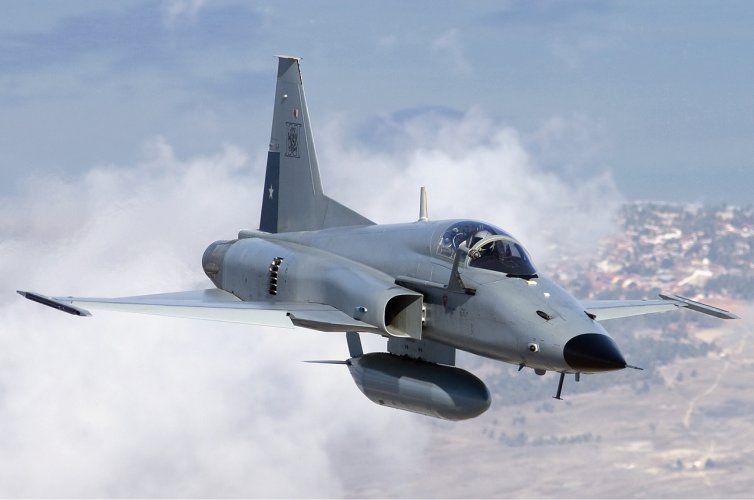
F-5 in action:
The design effort was led by Northrop vice president of engineering and aircraft designer Edgar Schmued,[6] who previously at North American Aviation had been the chief designer of the successful North American P-51 Mustang and F-86 Sabre fighters. Schmued recruited a strong engineering team to Northrop.[7]
Attachments
Last edited by a moderator:
- Joined
- 6 November 2010
- Messages
- 6,357
- Reaction score
- 8,240
Until quite recently, yes.Didn't F-35 have problems with the gun during the developement ?
https://www.documentcloud.org/docum...-testing/?mode=document#document/p45/a2599125Page 45:
If the F-35 and F-5 (derivative) ever face each other in anger, flying an F-5 is likely to be an acute health hazard.The F-35 lethality assessment suffered from the inability of the F-35's gun to hit the targets because of design and installation issues
We are drifting away from discussing the F-5 and its derivatives. Take this somewhere else?
topspeed3
ACCESS: Secret
- Joined
- 31 January 2011
- Messages
- 495
- Reaction score
- 276
M39 in F-5 has 2 x 280 shells of ammo.
What is the rate of fire ?
Would it be the cheapest drone killa ?
https://en.wikipedia.org/wiki/M39_cannon
1500 rpm
What is the rate of fire ?
Would it be the cheapest drone killa ?
https://en.wikipedia.org/wiki/M39_cannon
1500 rpm
- Joined
- 6 November 2010
- Messages
- 6,357
- Reaction score
- 8,240
Asking a question, then providing an answer from wikipedia yourself. You are not helping this thread along much.
Compared to a half brick?Would it be the cheapest drone killa ?
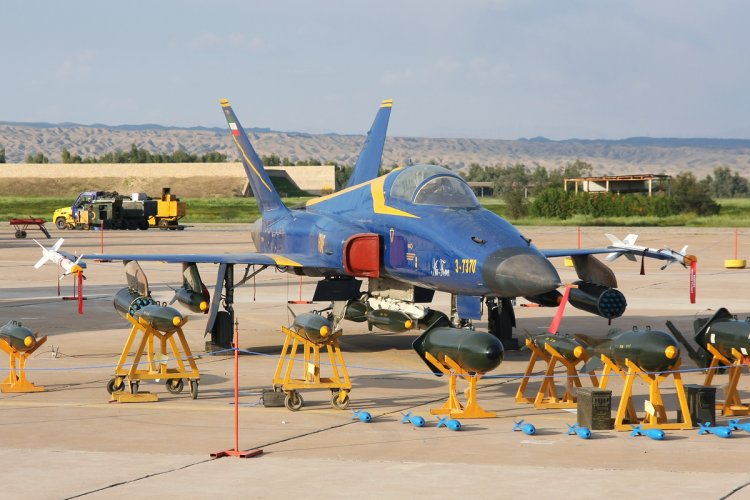
The F-5 can also use heat-seeking missiles in close combat with the F-35, which at 9 km provides high heat and infrared energy.Maybe the Iranian F-5s had some kind of thermal IR sensors like the Russian MiG-29 Iris and through them it can detect an aircraft at 30 km
topspeed3
ACCESS: Secret
- Joined
- 31 January 2011
- Messages
- 495
- Reaction score
- 276
Yup 1 800 dollar brick. It can shoot down also cruise missiles....brick cannot.Asking a question, then providing an answer from wikipedia yourself. You are not helping this thread along much.
Compared to a half brick?
-----
F-35 carries less ammo than F-5 for the gun:
The F-35 is primarily a stealth, beyond-visual-range (BVR) platform, but it can operate as a gunfighter using its internal GAU-22 25mm cannon (A-model) or external gun pods (B/C-models). While not designed for close-in, high-G dogfighting like the F-22, its advanced sensor fusion and helmet-mounted display allow for high-accuracy aiming, even if it is generally considered less maneuverable than older, dedicated dogfighters.
F-35 Gun System and Capabilities
- Internal/External Gun: The F-35A features an internally mounted 25mm GAU-22/A cannon with 182 rounds. F-35B/C variants utilize a centerline external gun pod, which carries 220 rounds.
- Targeting System: The APG-81 AESA radar and Distributed Aperture System (DAS) provide 360-degree situational awareness, feeding data directly to the pilot's helmet-mounted display for aiming.
- Performance: While some critics view it as less optimal for close-quarters "dogfighting" compared to 4th generation fighters, the F-35's advanced systems are designed to make it highly lethal if it engages in close combat, with some, such as on Quora, arguing it can compete.
- Primary Roles: The gun is intended for both precision ground attack and air-to-air engagements, particularly if stealth allows for a close approach, though the platform relies more on its missile payload.
---
The GAU-22/A 25mm Gatling gun has a maximum rate of fire of 3,300 shots per minute. This four-barrel, externally powered gun is designed for the F-35A Lightning II, offering high-accuracy close-air support with a 25mm round that delivers more energy than 20mm alternatives. It has an effective range and is engineered for reduced weight.
Key Details regarding the GAU-22/A:
- Rate of Fire: Approximately 3,300 rounds per minute.
- Weapon Type: 4-barrel, 25mm, electric-powered rotary cannon.
- Feed System: Linked or linkless.
- Capacity & Timing: As integrated into the F-35A, the system carries 180 rounds, allowing for just over 3 seconds of total firing time.
- Usage: Used internally on the F-35A and in external pods on other variants.
--------------------
I am no longer able to comment here.
What is the deal ?
Last edited:

- Joined
- 21 January 2015
- Messages
- 15,036
- Reaction score
- 24,282
U.S. Air Force T-38s Return To Flight
The U.S. Air Force’s main jet trainer returned to flying status after an approximately weeklong pause connected to a crash earlier in May.
The service in an announcement said the fleet-wide operational pause was lifted May 28 but did not provide specifics as to what the issue was that prompted the grounding.
“The Air Force continues making progress toward safely returning the fleet to service and anticipates inspected aircraft will begin returning to flying status within the next few days,” the service says. “Collaborative engineering and maintenance teams across the joint force have finalized the inspection procedures to be accomplished to ensure a safe and thorough return to flight.”

dy031101
ACCESS: Restricted
- Joined
- 13 September 2008
- Messages
- 37
- Reaction score
- 54
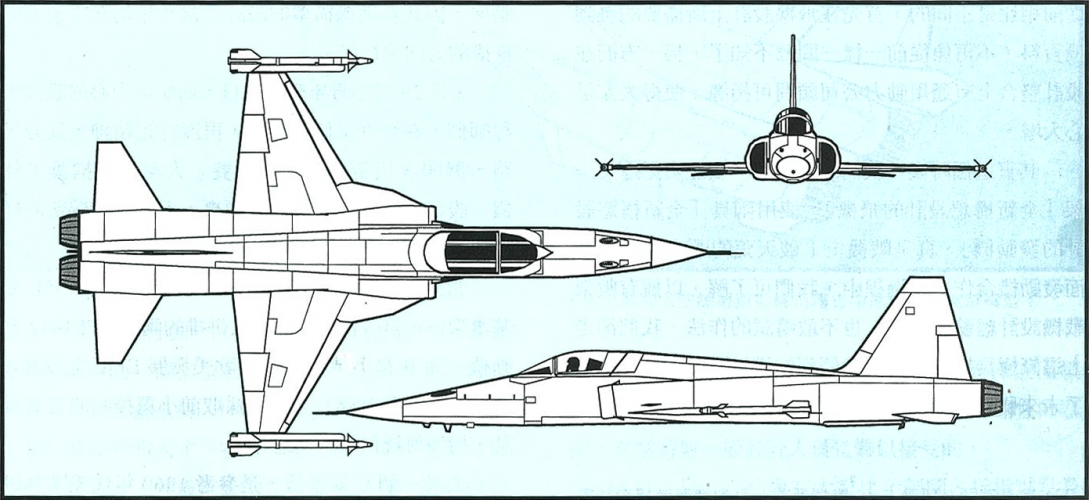
As part of the studies done early during the Indigenous Defense Fighter development, the idea a F-5E derivative powered by two TFE-1042 turbofans was evaluated.
From a book on F-CK-1 development published in 1997, ISBN# 9789578902206 (Traditional Chinese only though)

From a book on F-CK-1 development published in 1997, ISBN# 9789578902206 (Traditional Chinese only though)
Last edited:
Wow. I would kill to get my hands on that book in English. Well, maybe not kill. Wound, certainly.As part of the studies done early during the Indigenous Defense Fighter development, the idea a F-5E derivative powered by two TFE-1042 turbofans was evaluated.
From a book on F-CK-1 development published in 1997, IBSN# 9789578902206 (Traditional Chinese only though)
View attachment 818547
I've always wondered if it was possible to redesign the F5E for a more powerful and efficient engine fit than the GE J85. Looks like it could have been done after all. Trouble is, Tiger 2 was just too limited for such an expensive repower program. The IDF is as close as we will ever get.
I've been trying for years to find a book on the IDF program to no avail. However, the Fall of 1996 edition of World Airpower Journal (Volume 26) has a 14-page article if anyone is interested.
Thanks, dy03, for the heads up.
dy031101
ACCESS: Restricted
- Joined
- 13 September 2008
- Messages
- 37
- Reaction score
- 54
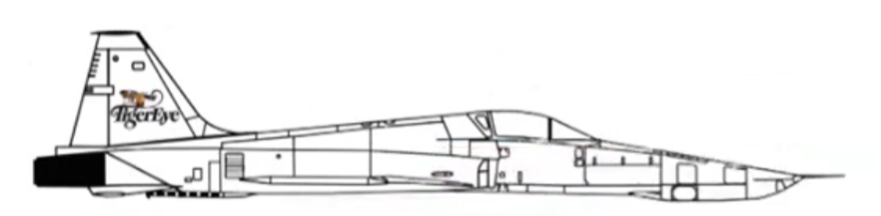
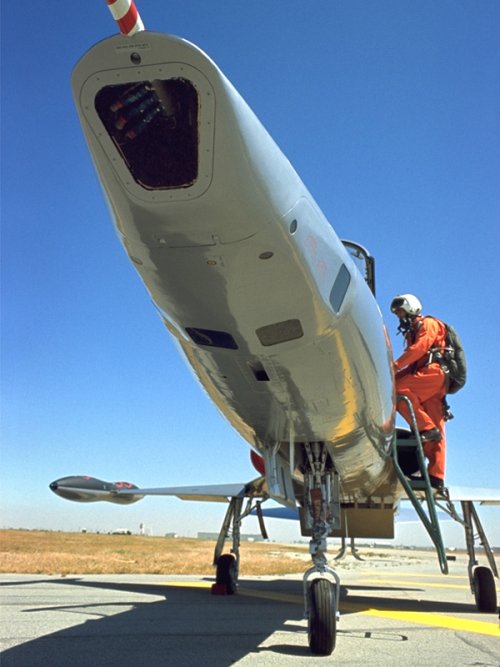
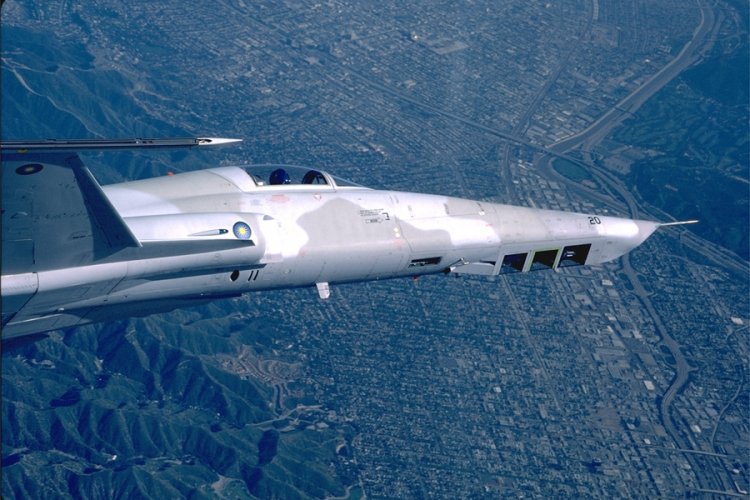
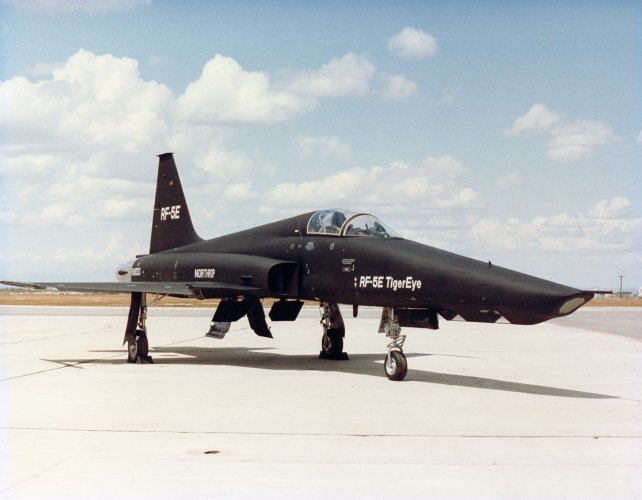
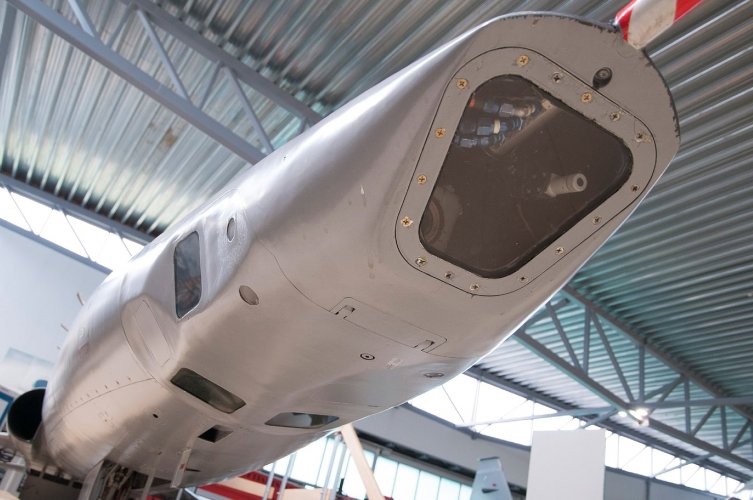
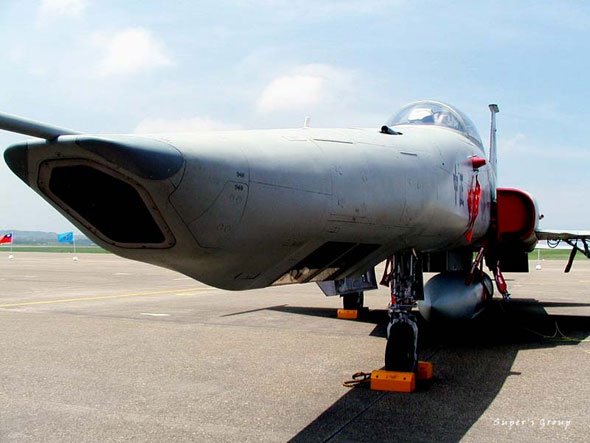
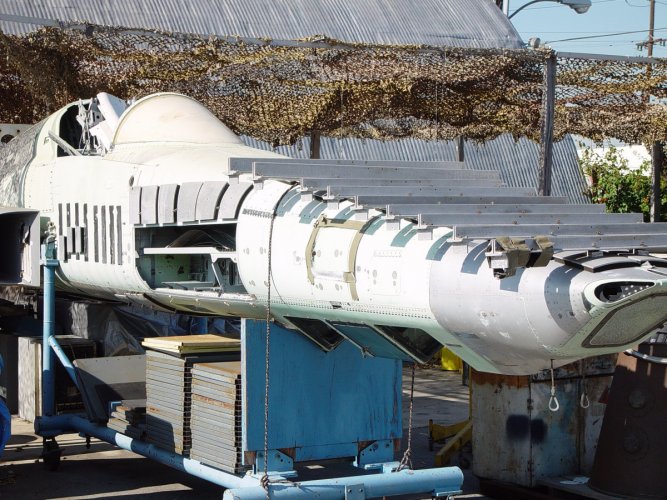
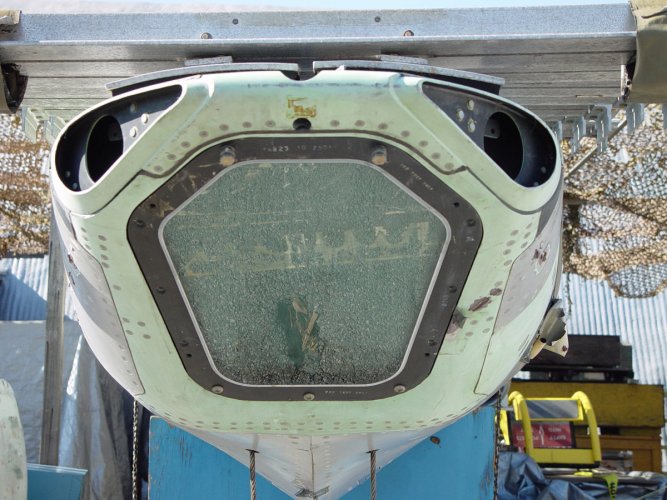
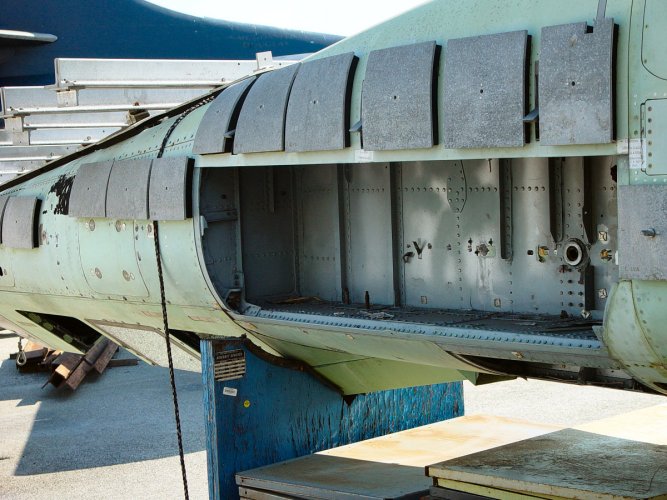
Request for info:
I recently came across some statement that a LOROP camera option, KS-147A, is available for the RF-5E.
Interesting!
As the saying goes, "Would You Like To Know More?" Yes, I would!
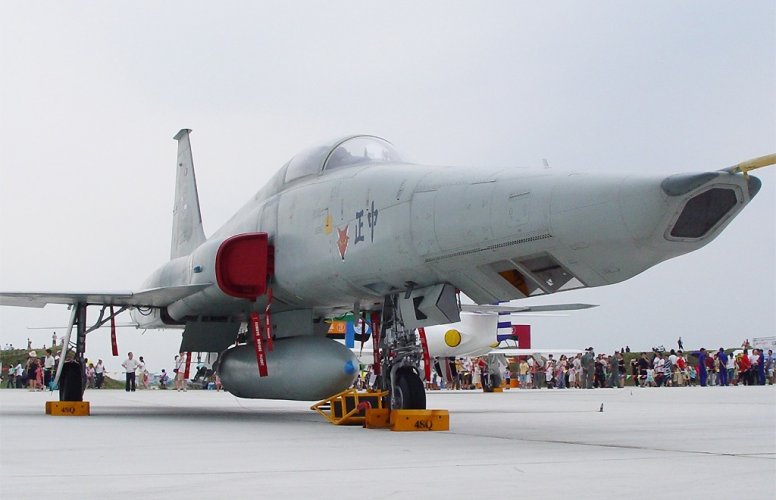
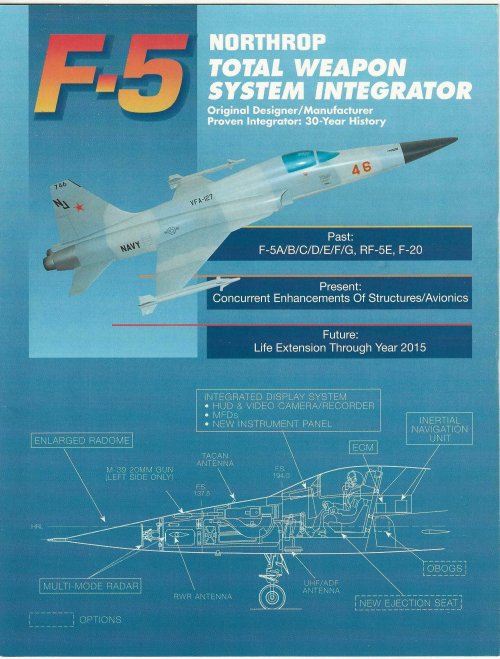
I've seen pictures of the RF-5Es with various camera ports being opened or closed off depending on their configurations. I would certainly love to see how a LOROP-equipped RF-5E would precisely look. A search on Google suggests that only the rearmost camera port would be given window; but the window is said to be "three-side" rather than vee-shaped. I could never find any close-up picture of the "three-side" camera port window.
If anyone could help, thanks in advance.
I recently came across some statement that a LOROP camera option, KS-147A, is available for the RF-5E.
Interesting!
As the saying goes, "Would You Like To Know More?" Yes, I would!
I've seen pictures of the RF-5Es with various camera ports being opened or closed off depending on their configurations. I would certainly love to see how a LOROP-equipped RF-5E would precisely look. A search on Google suggests that only the rearmost camera port would be given window; but the window is said to be "three-side" rather than vee-shaped. I could never find any close-up picture of the "three-side" camera port window.
If anyone could help, thanks in advance.
Last edited:


Similar threads
-
-
EC-121 Proliferation?
- Started by Rule of cool
- Replies: 41
-
 RAAF Wedgetail AEW&C proposals and early designs
- Started by Triton
- Replies: 2
-
Lockheed Martin C-5M Super Galaxy replacement
- Started by Triton
- Replies: 46
-
