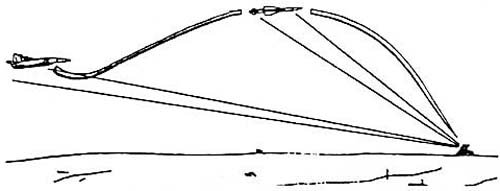
It's from the main Su-57 thread ,because this is appropriate topic for the next details.
@
Scott Kenny
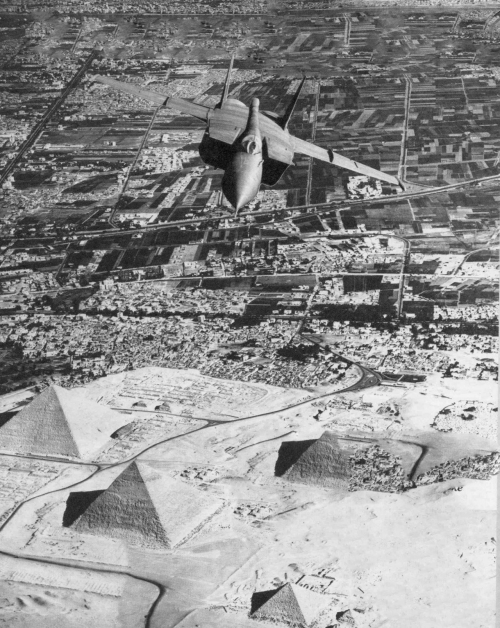
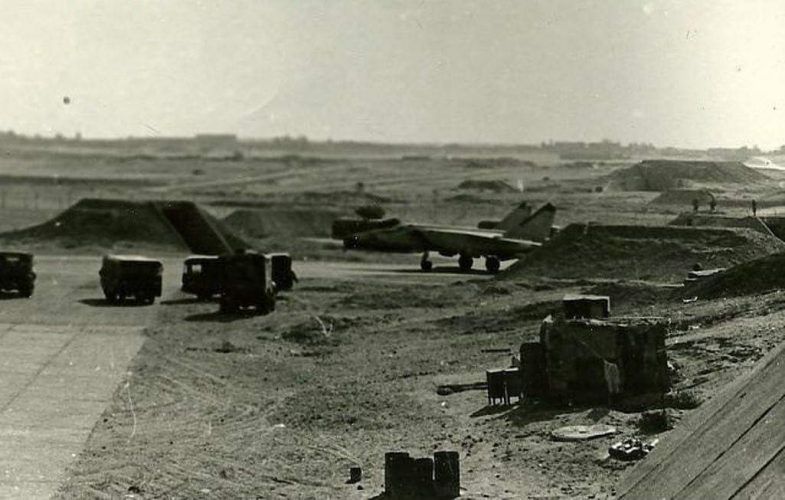
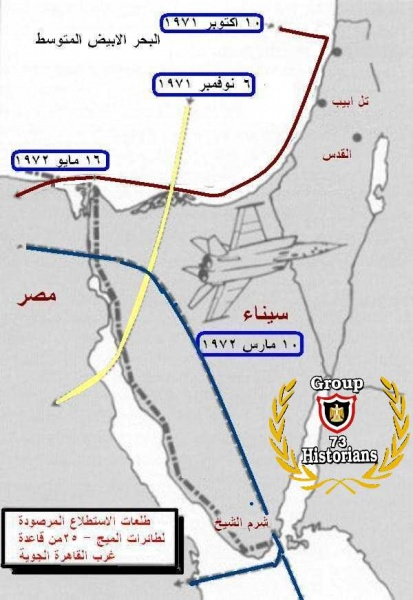
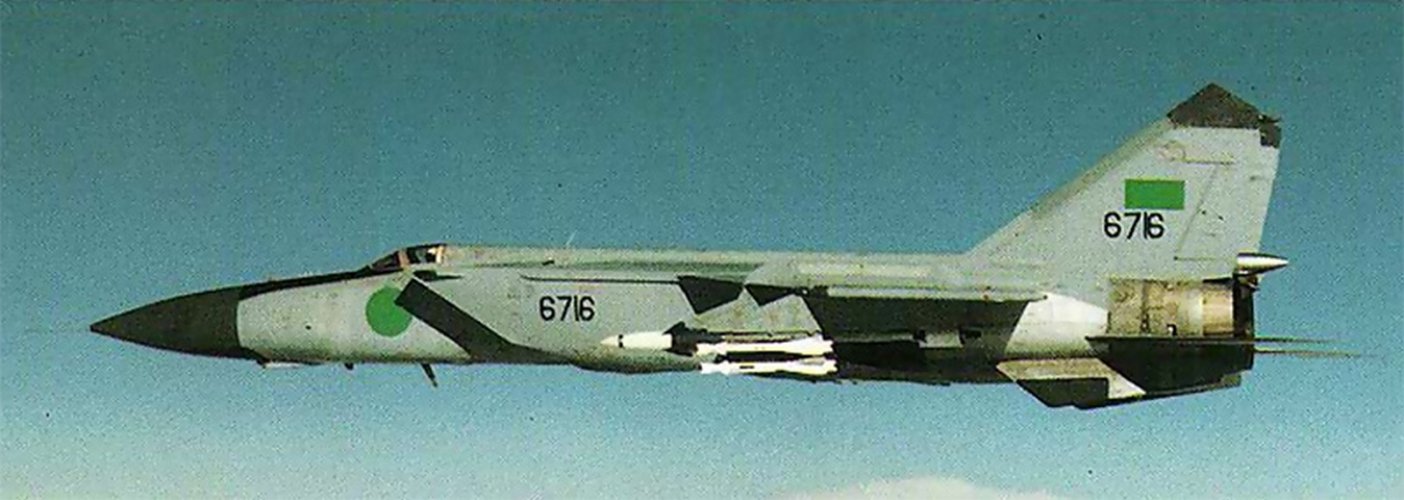
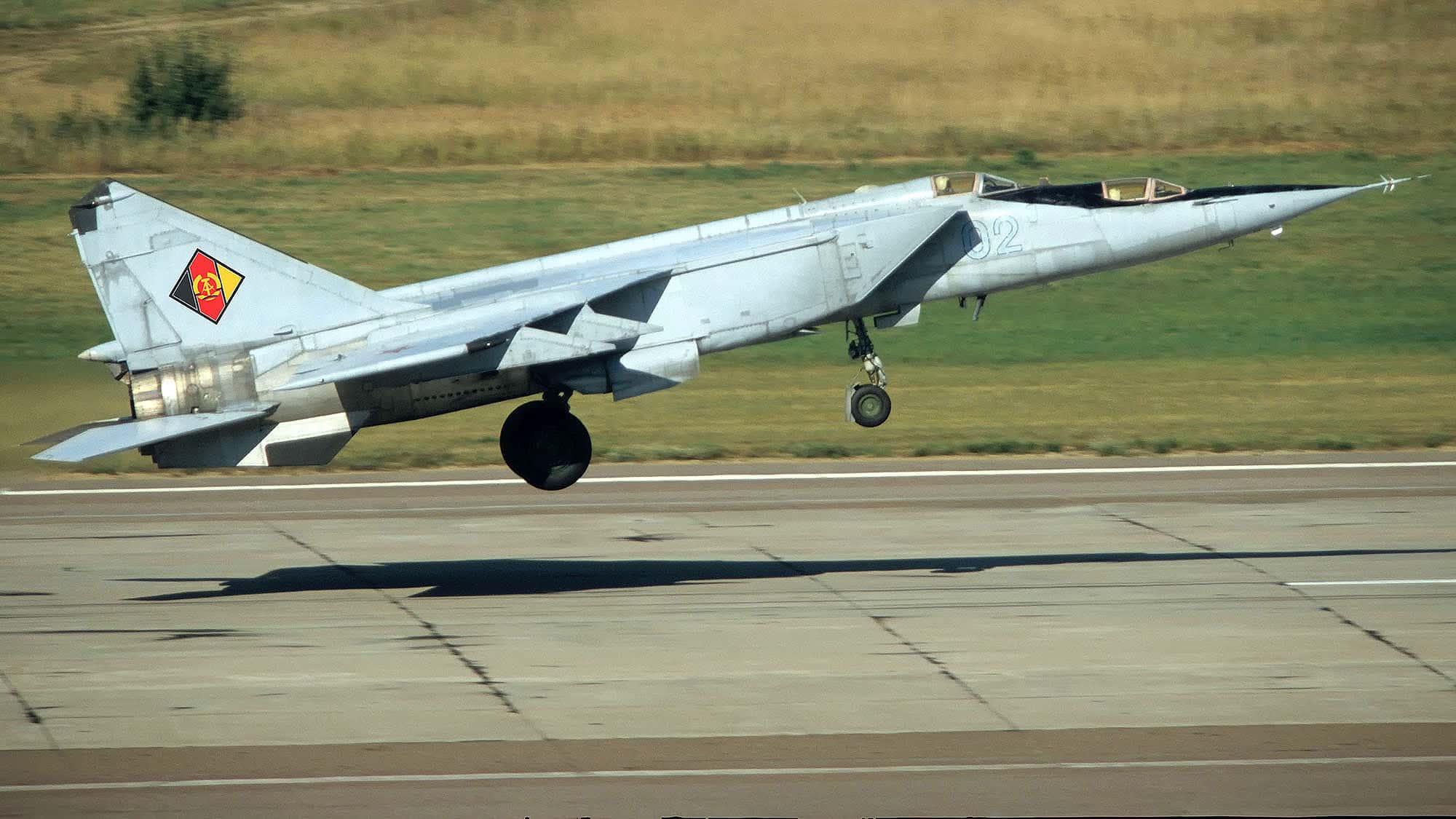
Keep in mind that 40 years ago, Soviet MiG-25BM's were in Iraq to conduct some SEAD/DEAD missions against Iranian AD/SAM sites with ARM type Kh-58U.
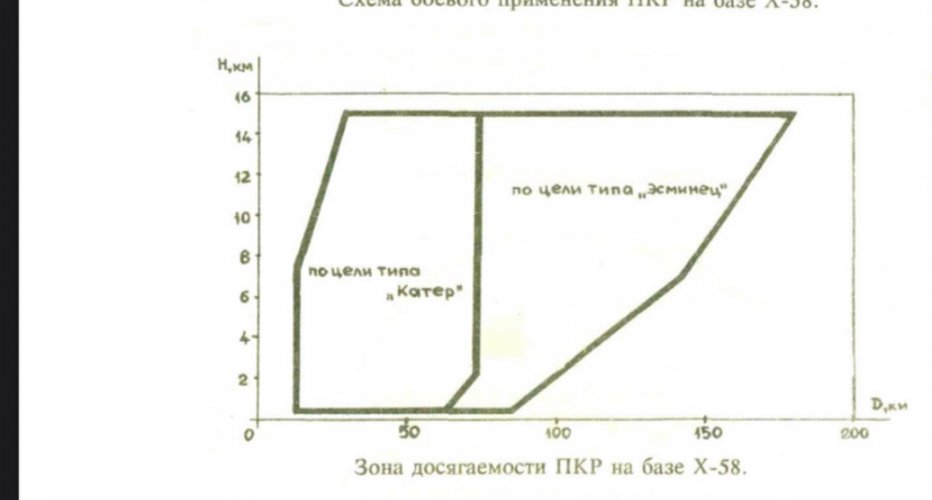
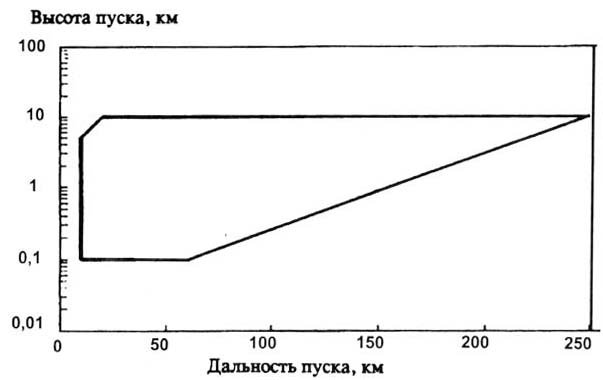
''That's a 250km range missile. And also right about the time they were introduced.''
Take a look on this data ...
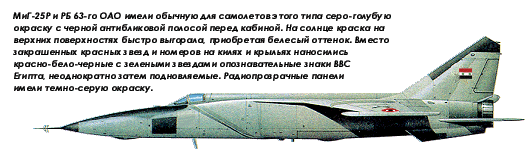
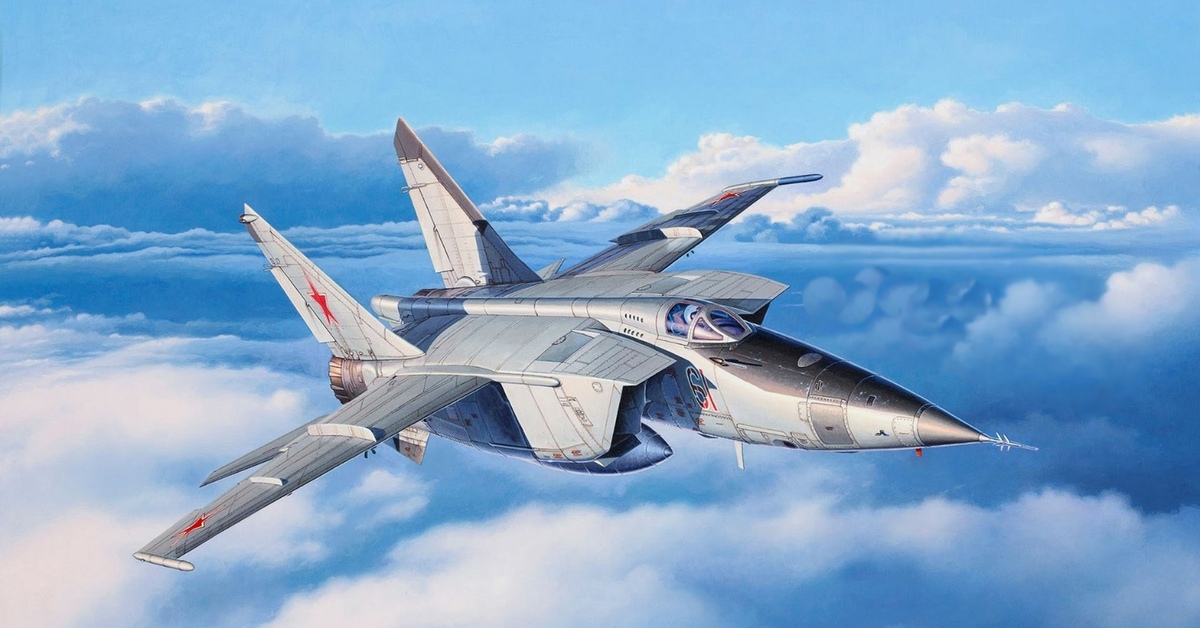
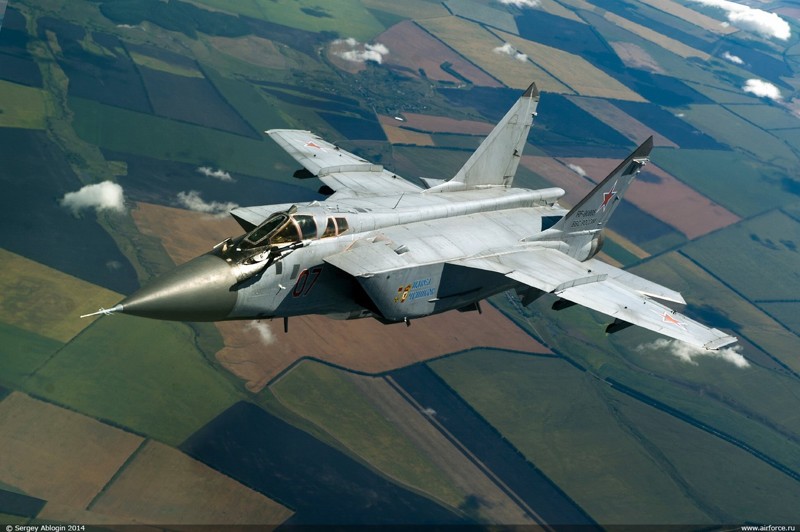
''The MiG-25BM could carry up to four anti-radar missiles under its wings (only two missiles were planned during the design phase) or a combination of missiles and bombs (up to eight FAB-500M-62AT bombs). The "Foxbat-F" carried the Kh-58U variant of the "Kilter." It was built primarily of titanium and was designed to resist kinetic heating of 400 to 500°C. The maximum Mach number with missiles was restricted to 2.38.''
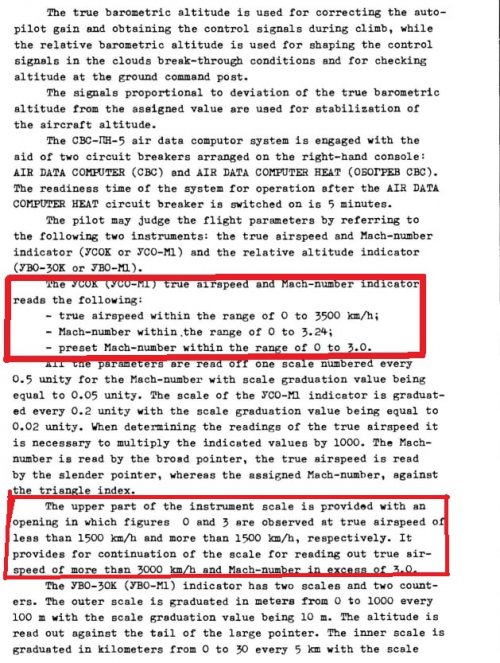
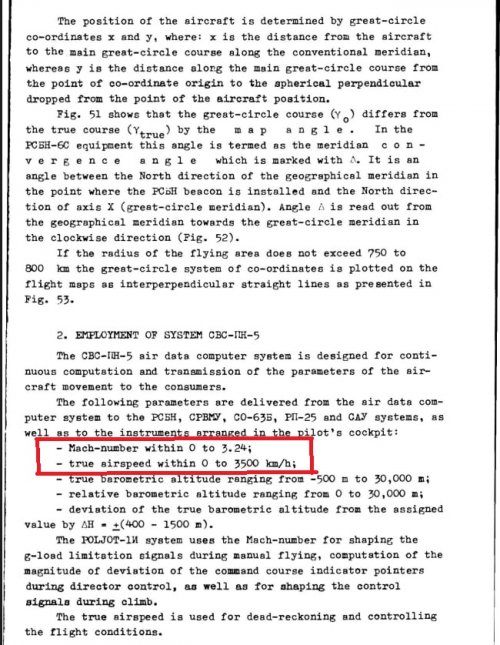
So ,with the four 650 kg heavy ( 150 kg warhead only ),MiG-25BM could reach about 2600km/h and it's amazing ,when we know that those ARM's were not attached under the fuselage but under the wings ( in terms of the huge aerodynamic drag).
Now about max launch range of the Kh-58U or Izdeliye 112U ...
''During their operational conversion, the pilots followed the Reconnaissance Aviation Combat Training Course (
Kurs Boyevoy Podgotovki Razvedyvatel'noy Aviatsii) to which the specificities of the MiG-25BM employment were added. Kh-58 "without suffix" training missiles were proposed for the initial training, because of a shortage of Kh-58U. However, the Kh-58 also employed by other aircraft types such as the Su-24 were limited to a speed not exceeding Mach 1.5 and therefore they could not be used for training. The MiG-25BM would have penetrated enemy air defences essentially without entering their lethal zone. Besides, if it had been necessary to attack NATO, targets would have been close to the front line. Thus, the approach to enemy territory would have been flown over friendly lines. Also, takeoffs and landings were protected by fighter aircraft. Following a reconnaissance mission over the potential targets, relevant data were entered into the different systems of the MiG-25BM such as the
Peleng navigation complex. The transit flight to the target area was achieved at high altitude to a range of 200 to 60 km from the target (200 km was considered the maximum acceptable operational range, although successful firing were achieved at a range of 300 km from the target during tests with the Kh-58U variant. However, there was the risk that the missiles' nickel-cadmium batteries would run down before reaching the target when firing from such a long range). The target could be locked on from ranges up to 400 km.''
''The missile seeker existed in four different versions, adapted to different radar frequency bands; moreover, they were not vulnerable to electronic countermeasures. Each missile could be programmed separately so it was possible to carry missiles with different seekers simultaneously. The
Sych-M system detected active radars and selected their signals for input into the missile control system. The missiles were attached to AKU-58 (
Aviatsionnaya Katapul'tnaya Ustanovka or literally aerial ejection unit) launch rails under the wing pylons. When fired, the Kh-58U missiles initially were separated from the aircraft by two extendable arms integrated into the AKU-58 and powered by compressed air. Thus, damage to the carrier aircraft was avoided when the missile engine was ignited and, above all, the risk of a reactor stall through gaz ingestion was eliminated. The missile was launched at about Mach 2.35 maximum from an altitude between 17,000 and 21,000 meters. The rocket engine provided 6 tons of thrust lasting 3.6 seconds, while the missile accelerated either upwards or in a downwards dive depending on the range to the target. The thrust was then autonomously reduced simply by burning solid propellant of a different caliber in a smaller combustion chamber, providing a sustained thrust of 1 ton for 15 seconds.''
''The
Yaguar had several operating modes. Thus, when the target coordinates were known, the PRGS-58M seeker aimed at the programmed coordinates; on the other hand, it locked onto the selected radar when the latter was active. Should the radar emissions be interrupted after locking onto the target, the Kh-58U, a "Fire and Forget" weapon, nevertheless hit its target because it could store in memory the last recorded target coordinates for 15 seconds. The "Kilter" was autonomous after firing, making it possible for the pilot to maneuver or turn around. The final dive to the target occured at an angle of 45°. The 149 kg missile warhead, including 58.5 kg of explosives
(3), exploded up to five meters above the target or at impact.''
Source:
https://www.16va.be/3.4_la_reco_part6_eng.html
Photo collection:
https://www.16va.be/galeries_vvs/mig-25/imgcol/imgcol_2/_00001.html
More photos:
https://www.airbase.ru/sb/russia/mikoyan/mig/25/bm/indexe-t.htm