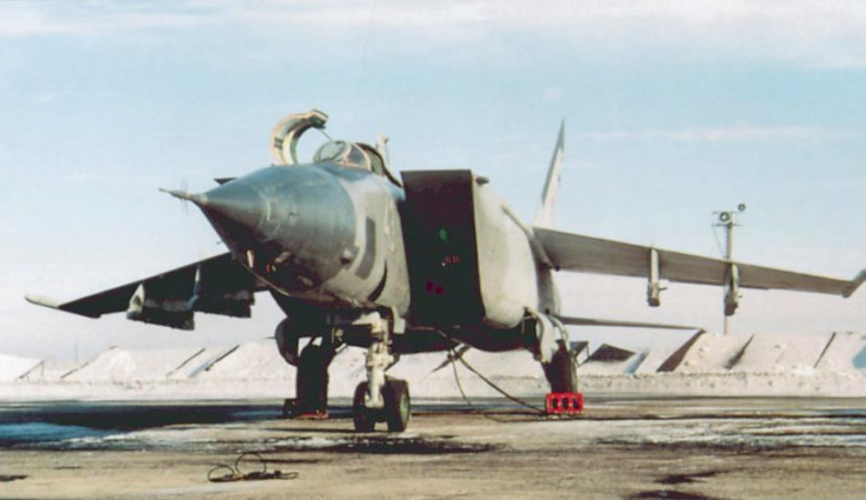
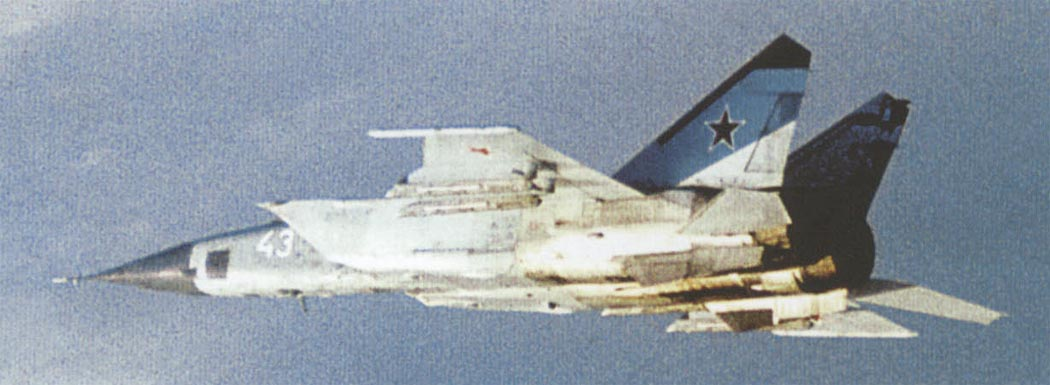
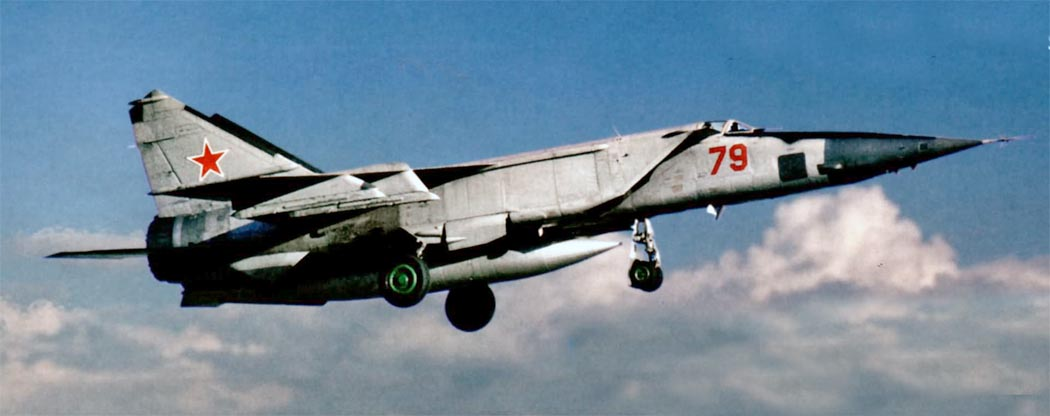
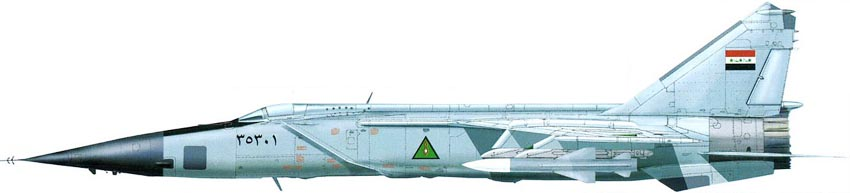
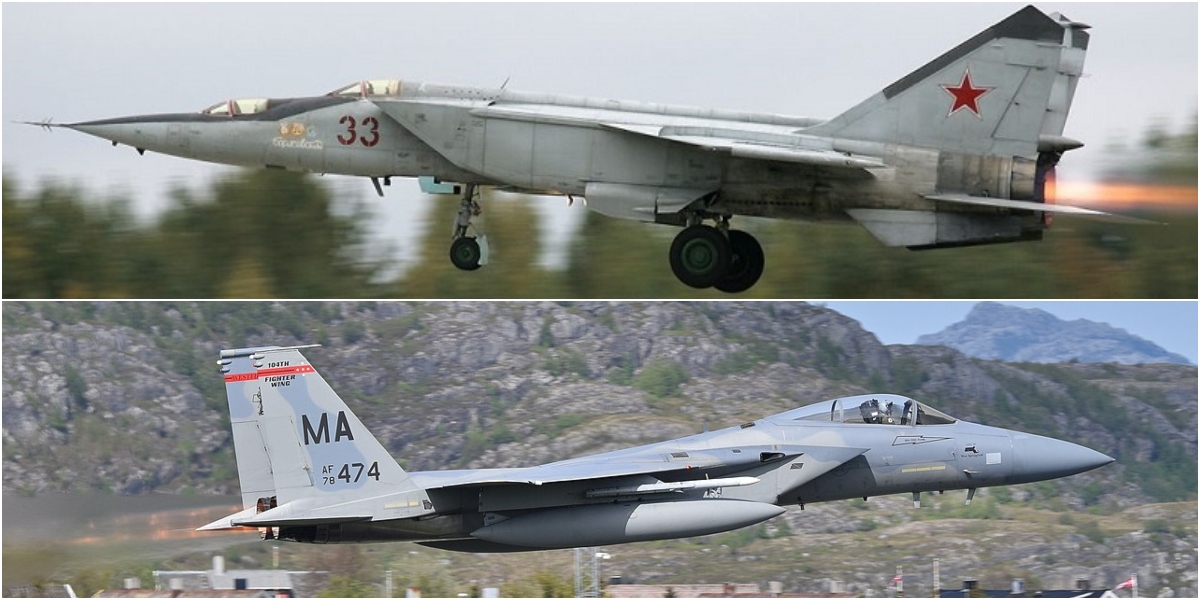
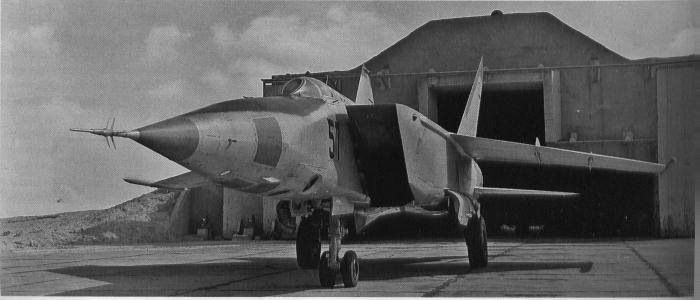
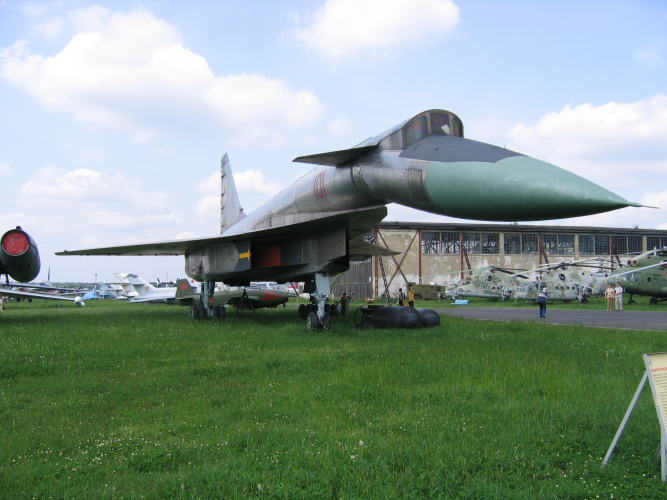
3. What was the purpose of the MiG-25 after all? When seemingly SU-15, MiG-23 and even MiG-21 could do thye same job. They built more than a thausand of that extreme machine.
False. I recommend this. You can see here max. range, max. target distance and speed data. Even the Su-15TM was far from the MiG-25P, not mentioning the PD and PDS.
View: https://youtu.be/Ewq5i1c45T4
2. The MiG was more than capable to intercept and down and SR with very high probability even alone. Even if it didn't in 1967, it did in the 70's. 1.100+ made is not because it was just a tad faster 23 of SU-15.
Yes, I could intercept the SR-71 but it never had the chance to prove it, because the SR-71 never performed overflight above the WPACT and the USSR. In fact the S-200 also could down easily, but the rule is the same. SR-71 fly along the border of the WPACT and USSR. In the Soviet friendly countries the S-200 did not appear until the mid '80s, so the SR-71 was simply an impossible target to any non Soviet country.
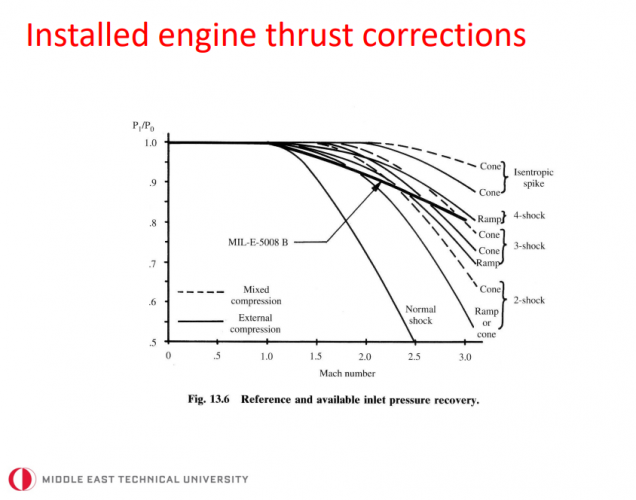
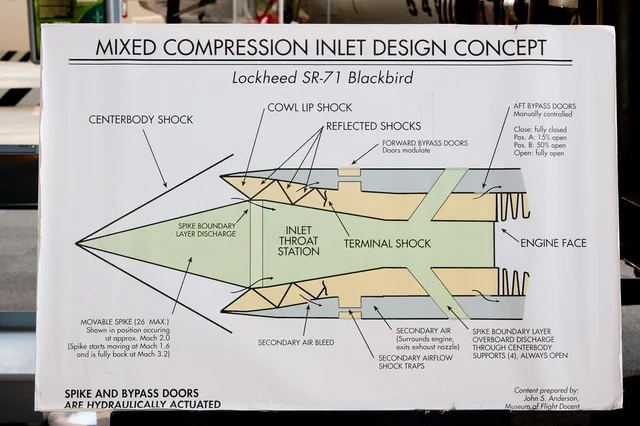
My conclusion is that almost every claim of the two planes performance is most likely true, with that twist that the SR was the more poorly made plane, also less developed with more primitive engines and metallurgy. Imagine comparing a prototype car and a series one. The SR had bigger problem with inlet heat than the MiG.
I cannot stop laughing on your totally funny "assessment". It rather would say the word ignorant / moron. Can you guess how could the USSR made 1100+ MiG-25? Because it was totally primitive compared to the SR-71.
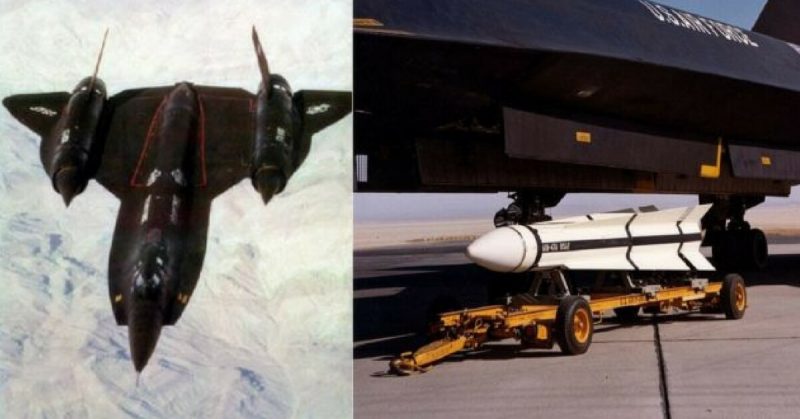
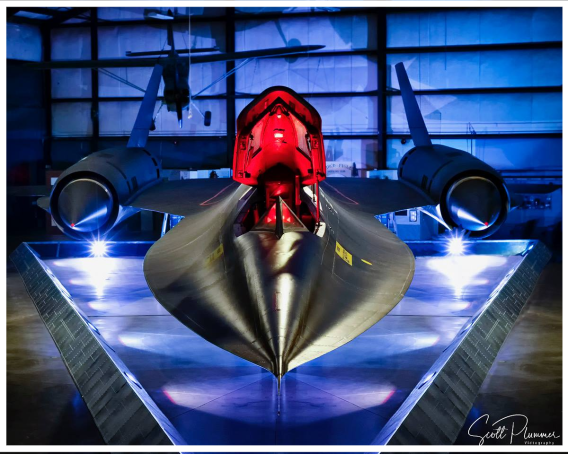
Compared to the A-12 and SR-71 types, which were built almost entirely from titanium structural materials, the MiG-25—constructed mostly from heat-resistant steel—was actually an extremely simple aircraft. Even for laypeople, the difference in range between the aircraft is striking. Assuming the same fuel quantity—15 tons—the SR-71 could fly only 10% less distance, while the Blackbird flew 35% (!) faster. Considering that air resistance is generally proportional to the square of speed, this is a staggering difference.
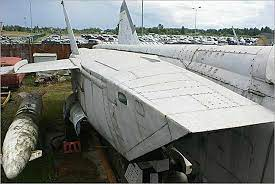
The SR-71, with slightly more fuel, a slightly heavier airframe, significantly higher speed, and slightly higher altitude, could achieve a slightly shorter flight range thanks to its sophisticated and complex engines and polished aerodynamics—compared to the MiG-25RB, with its protruding screws, misaligned panels, and massive but extremely rudimentary engines.
On top of that, the Soviet reconnaissance aircraft initially had an unreliable navigation system, which operated with much greater error than that of the American aircraft.
Due to the massive production volume, it was inherently impossible to achieve the essentially custom-built / handcrafted quality that was possible with American technology, such as in the SR-71. Unlike the SR-71, which was made almost entirely from titanium instead of heat-resistant steel, the price of aircraft in the “Blackbird” family was many times higher than that of the MiG-25. Moreover, instead of being produced in the thousands, only 15 A-12s and 32 SR-71s were built.
The price of an aircraft is also a strong indicator of its complexity. While the export price of a MiG-25PD or RB was 15.4 million rubles, a MiG-23MF cost 7 million rubles. That’s barely a
twofold difference, which is entirely understandable for a twin-engine aircraft nearly twice as heavy. In comparison, the twin-engine SR-71 had a price of 34 million dollars, which can be compared to the F-4 Phantom II family. The F-4C, in production in 1965, cost 1.9 million dollars, and the future F-4E variant, not yet in production at the time, was estimated at 2.4 million dollars. So, the price of an SR-71 was roughly
fifteen times higher than that of the only American twin-engine fighter aircraft in production during that era.
Using a simply analogy. The MiG-25 was general car while the SR-71 was a custom made luxury sport car with very limited qty.