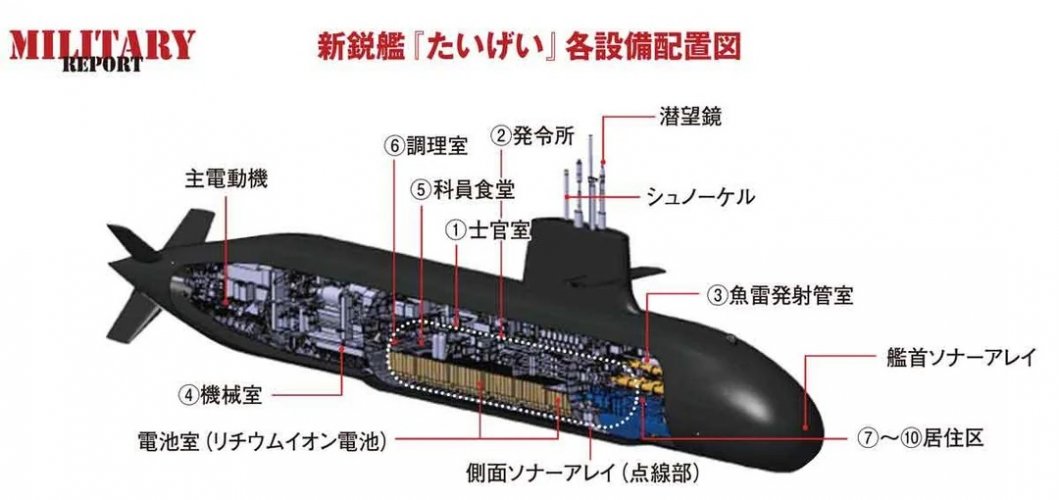
I have never seen a take on the Taigei class ditching AIP entirely as because Sterling engines suck that bad.
In that case, I have to be blunt and tell you that you had more research to do, Scott.
JMSDF first started research concerning Stirling AIP implementation in their next generation submarines in 1986. This was following numerous other research programmes concerning possible AIP propulsion systems. They eventually licensed Kockums' design in the 90s. The rest is as you would probably know already. A decade long research and evaluation parallel to designing of next generation submarine, the 16SS, which eventually became Souryuu.
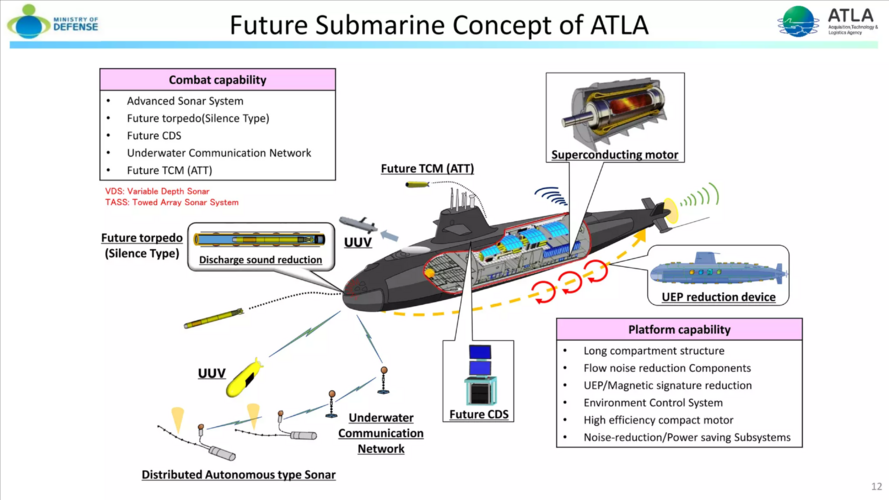
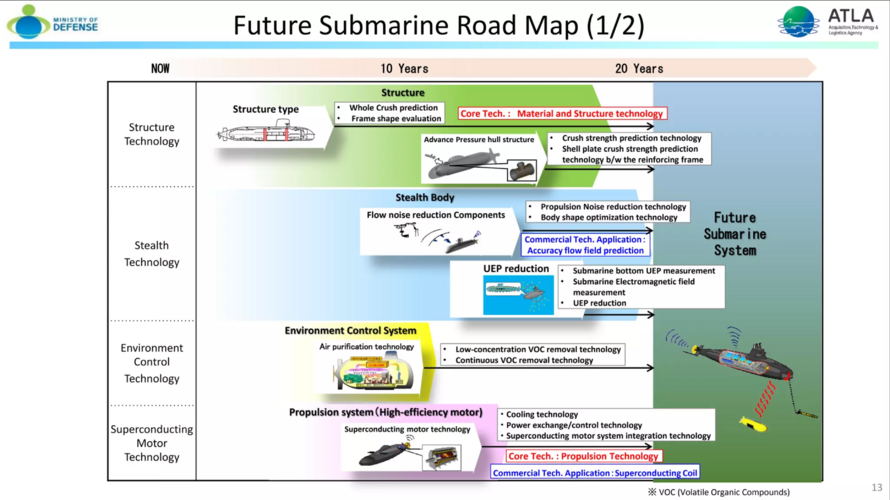
Souryuu has been built starting from 2005, but what you probably don't know is that Japan has started a next generation AIP system development starting from 2006, while they were still building the name ship of 16SS programme. And this "Next Generation AIP System for Submarine" was again a H2-O2 FC system, not a more advanced Stirling engine design continuing from the research they've funded for more than a decade. Clearly, just as they were starting to build Stirling engine AIP equipped submarine, Japan was already planning to ditch it. And to clarify, the research for next-generation Li-ion based battery system for future submarine has commenced before the new FC AIP system, so it's not like they needed an FC AIP because they were not anticipating more advanced battery types.
The reasons stated in the official documents for transitioning from Stirling engine design to a FC solution for the next generation AIP system were as follows; compared to Stirling engine, hydrogen FCs are:
- much more compact and much less heavy
- much higher output capacity for given size
- uses less oxygen per output
I'm telling you again, Stirling engine is always a far less capable option than FC when used as a submarine AIP. The only reason they have not implemented a FC-based AIP system on 28SS was due to lack of metal hydride maturity and costs.
Going further, although there is no official document confirming this as the ground for ditching the Stirling engine for very obvious security reasons, it is a very fair assumption that the operational limitation as imposed while using the 4V-275R in depth, which could only operate till around 250m of depth unless fitted with an additional exhaust gas compression system, was another major reason for them to look elsewhere. Not a problem for the Swedes when they use it in the Baltics, a big operational hurdle for the Japanese who operates in the Pacific.
Although we don't know the exact operational and maximum depths of the JMSDF submarines, their operational doctrine points to a regular dive to a much deeper depth beyond what the V4-275R is capable of, especially when they are playing the interdiction role around the first island chain, an anti-access force against PLAN access to pacific (which is pretty ironic by itself, but that's another topic). This means when submerged beyond 250~300m, Souryuus are no different than any other diesel-electric boats sans AIP. They have to regularly ascend to the operational depth of V4-275R in order to recharge its batteries before diving deeper again. Major limitation. At that point, might as well ditch the AIP all together and use that space and weight to fit even more Li-ion batteries, which is exactly what they did from Ouryuu onwards.
This operational limitation is probably a bigger reason as to why they ditched the Stirling AIP, but for now it's merely an assumption, albeit a very probable one. Anyhow, from the existence of the aforementioned programme of record alone, it is very apparent that Stirling AIP was never a long-term solution for the JMSDF.