Ares
Man from Far East
- Joined
- 15 October 2018
- Messages
- 116
- Reaction score
- 577



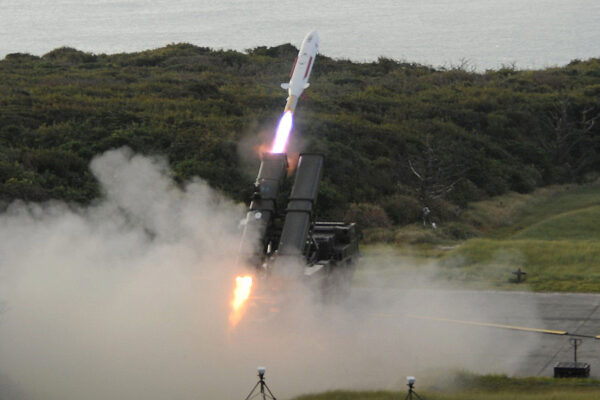
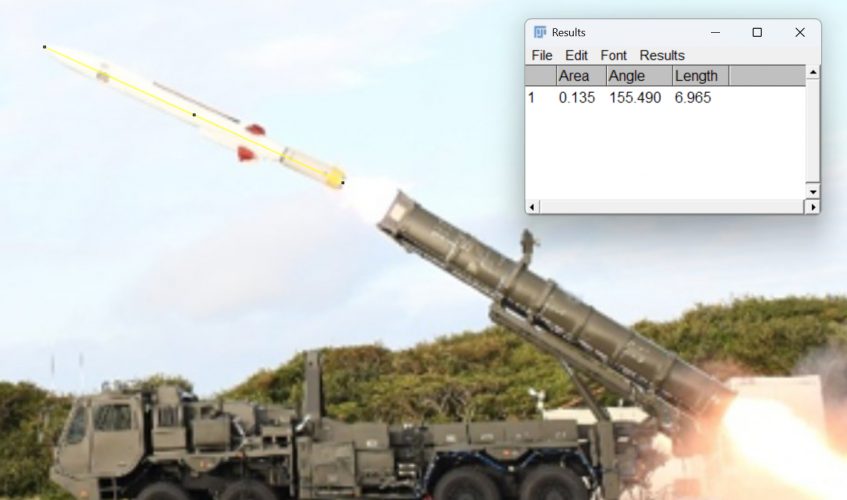
The size of the target is unclear, but since the height of a standard surface target above the water is usually around 4–5 meters, it seems the impact occurred at about 1–2 meters above the surface.Sea-skimming footage of the Type 12 SSM
View: https://www.youtube.com/watch?v=umKu2bHdFuM&t=40s
An image believed to show sea-skimming by a Type 12 SSM just before impact
View: http://jump.5ch.net/?https://x.com/THABOS47747375/status/1964705320938373499?t=HgG7S_cN9AsVXylOMSWISQ&s=19

So it looks the upgraded Type 12 will be tube launched and the other cruise missile is likely UGM-109s based on the earlier TLAM buy. That leaves the planned VLS equipped submarine to use all it's space for HGVP in the future. Word is that it might also be an SSN which would technically mean Japan will have SSBNs in the future although with conventional ballistic missiles without the usual nuclear warheads found in that class.Japan Will Arm Its Submarines With Long-Range Cruise Missiles
https://www.twz.com/sea/japan-will-arm-its-submarines-with-long-range-cruise-missiles
No, the Tomahawks will be in the VLS. The US has not made any Tomahawks encapsulated for torpedo tube launch in nearly 2 decades! Not since the last UK buy.So it looks the upgraded Type 12 will be tube launched and the other cruise missile is likely UGM-109s based on the earlier TLAM buy. That leaves the planned VLS equipped submarine to use all it's space for HGVP in the future. Word is that it might also be an SSN which would technically mean Japan will have SSBNs in the future although with conventional ballistic missiles without the usual nuclear warheads found in that class.
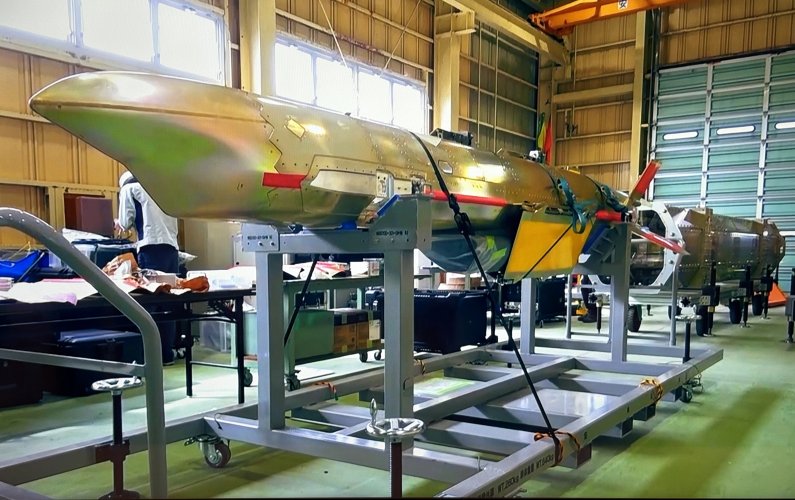
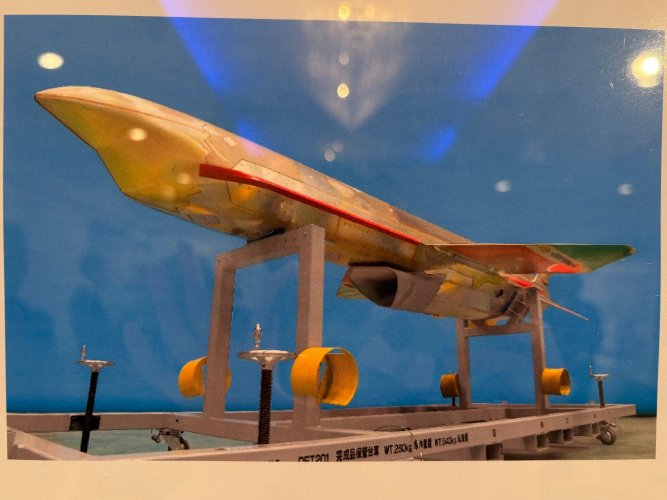
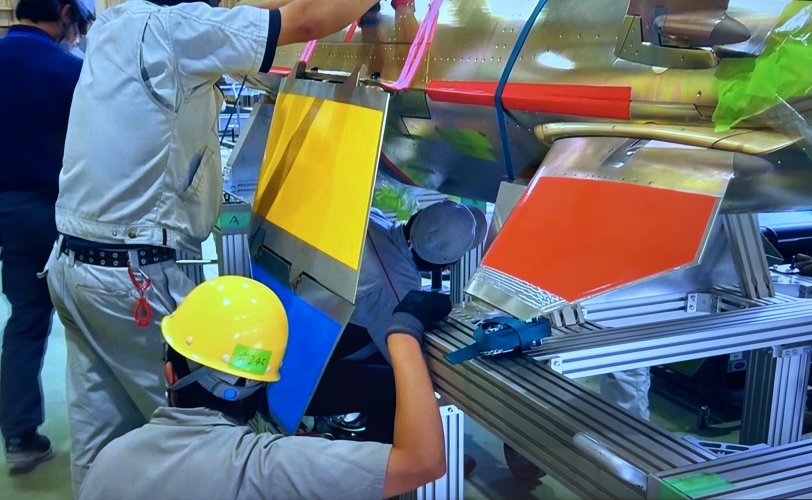
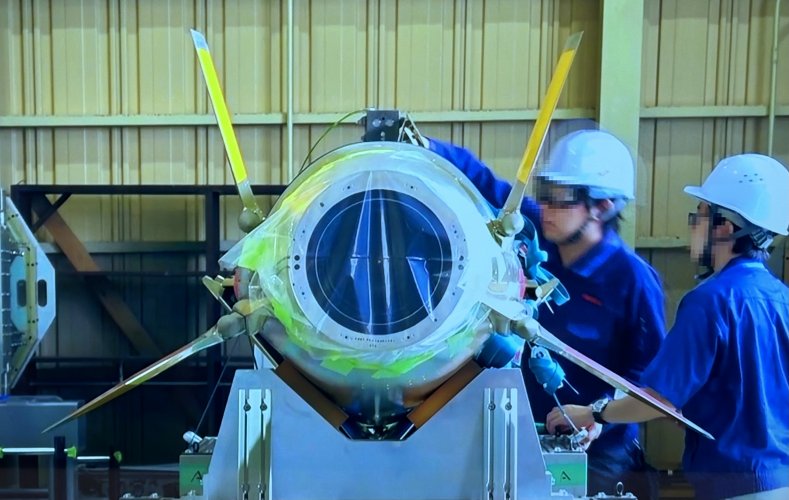
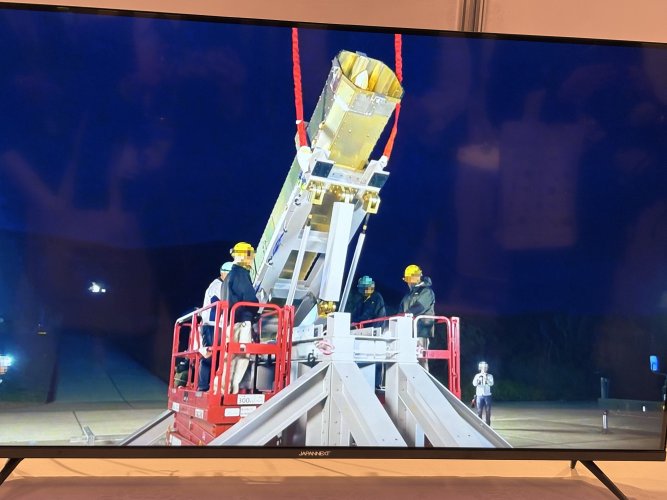
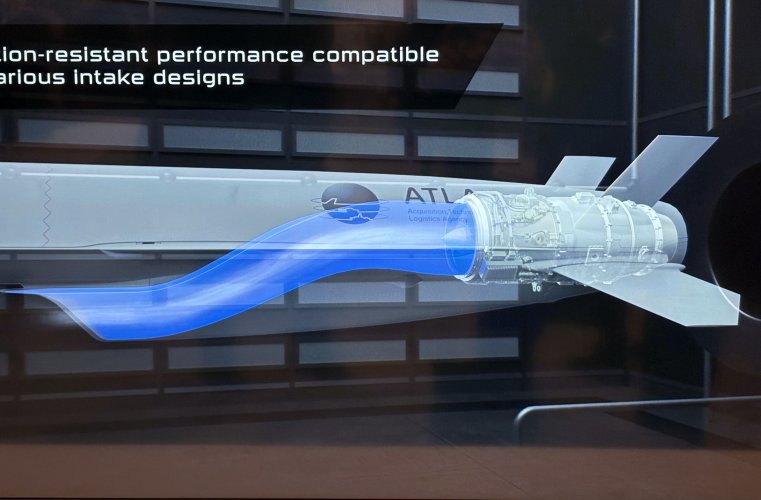
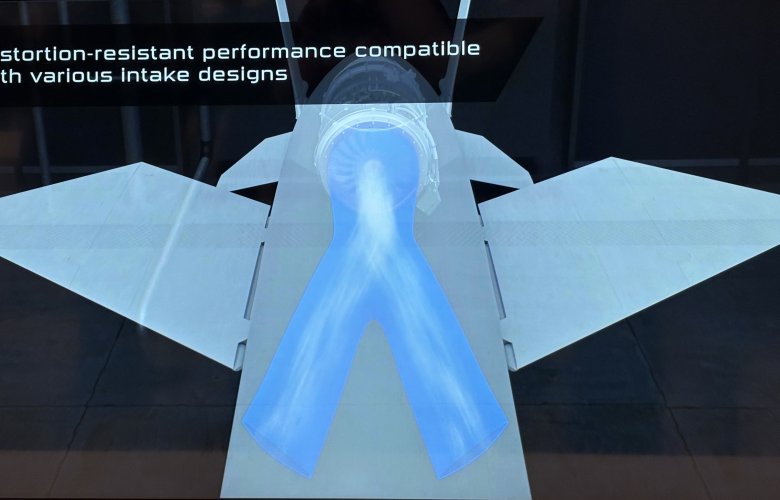
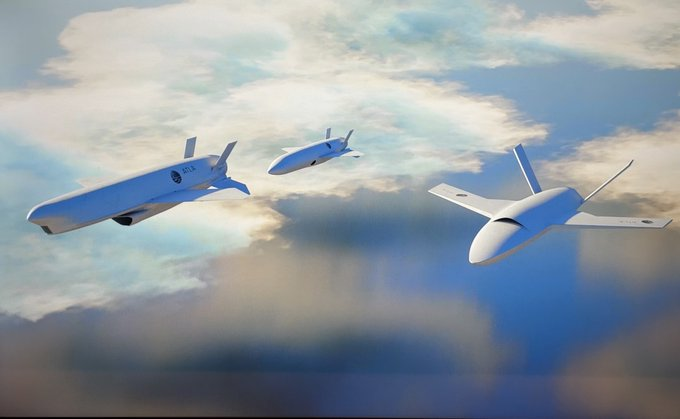
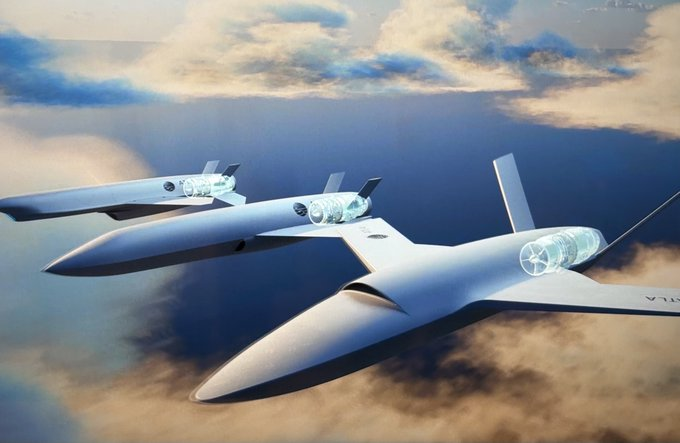
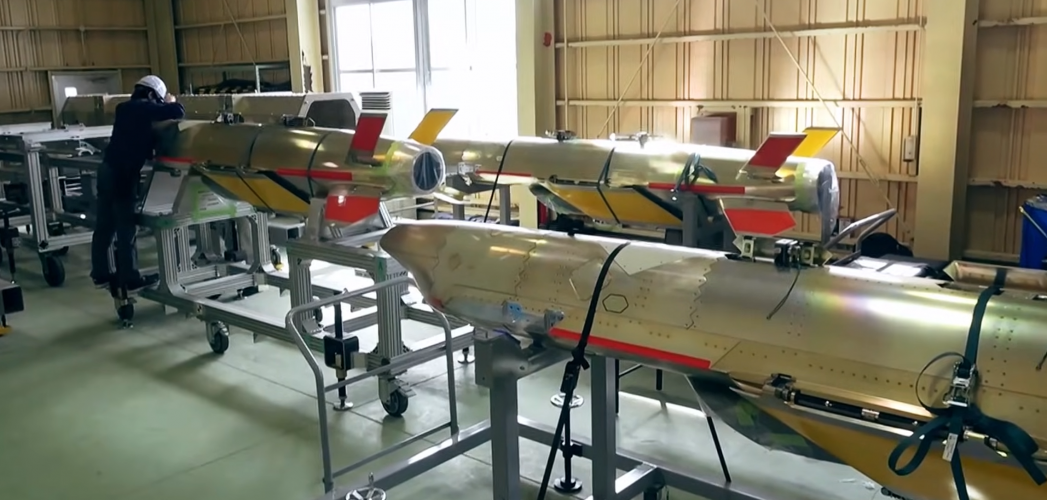
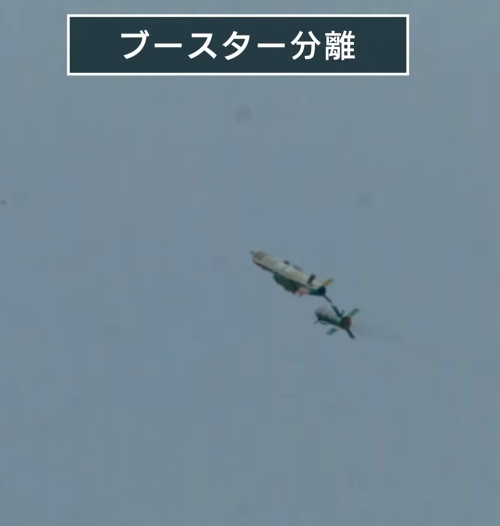
I’ve compiled information on Kawasaki’s UAV:


actually turkey has Atmaca family of anti-ship, surface-to-surface and submarine-launched cruise missiles. range for land version 400+ km and sea one ~250km.I don't think this is to do with missiles, since Turkey and Japan have their own security requirements - Turkey is more in-tune with shorter ranged, swarm capable missiles for coastal defence whilst Japan is looking for longer range deterrence.
japan is said to be interested in TB3. it's a carrier-based diesel-engine MALE UCAV with short-range landing and take-off.This is likely for co-operation in unmanned drones and surveillance purposes;
Sure, but those are numbers that Japan has had in service since 2017 and 2012 respectively. Just in terms of launch canisters, Japan has around 300 for the Type 12/Type 12 Kai and another 104 for Type 17. There's likely thousands of missiles stockpiled for them as well. I think the last thing Japan would ever have to go to a 3rd party supplier for is AShMs.actually turkey has Atmaca family of anti-ship, surface-to-surface and submarine-launched cruise missiles. range for land version 400+ km and sea one ~250km.
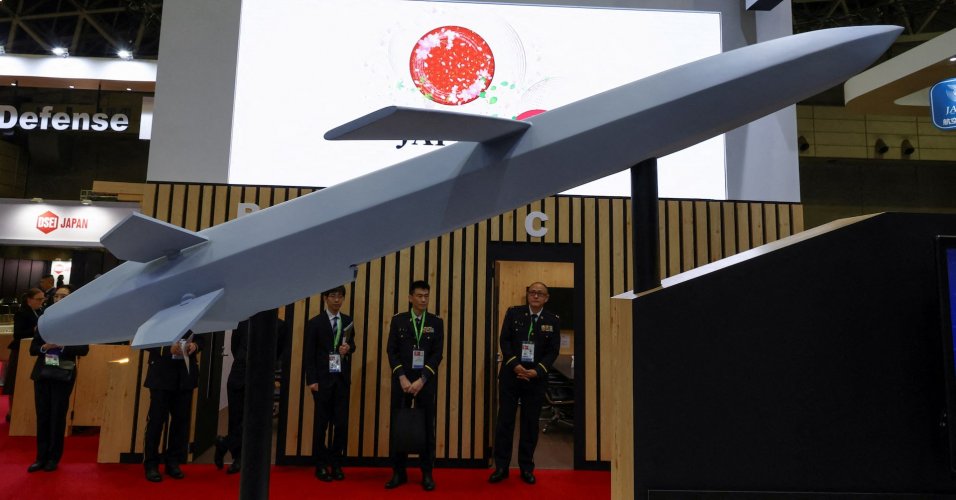
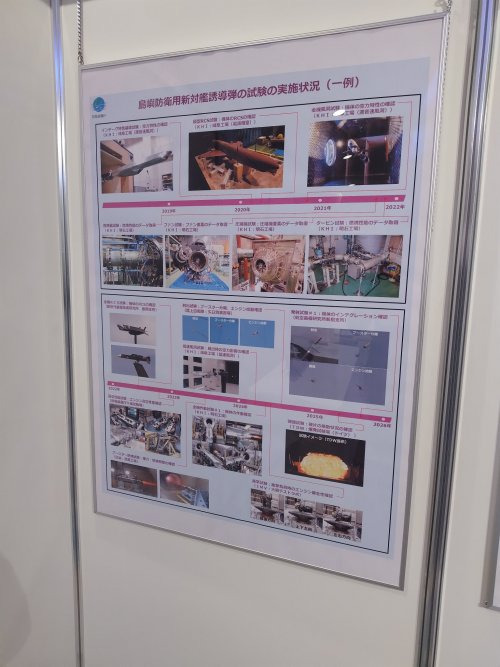
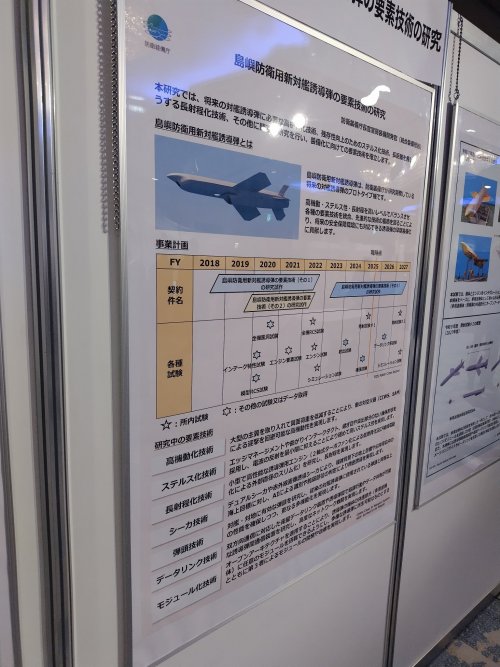
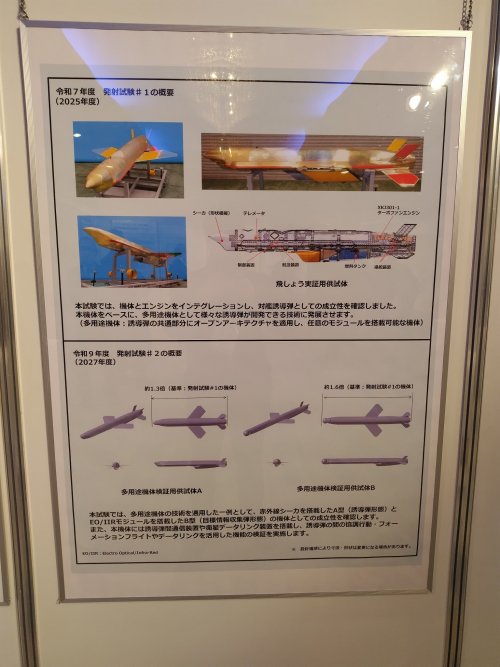
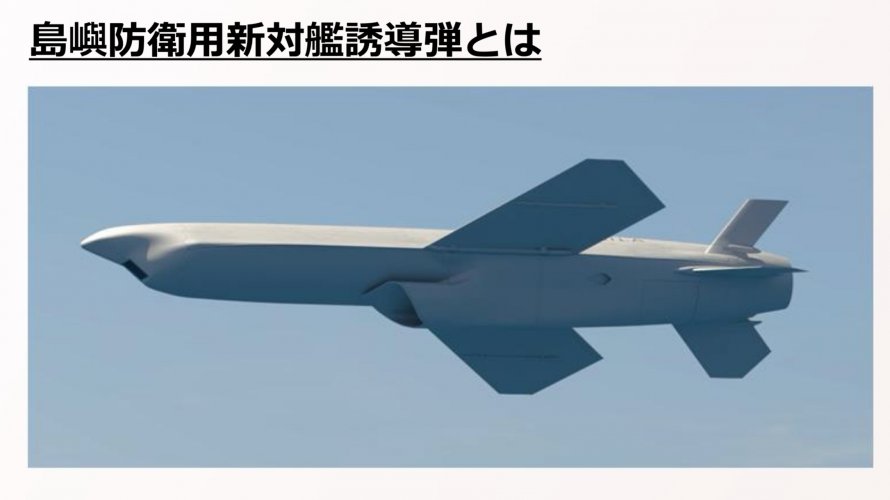
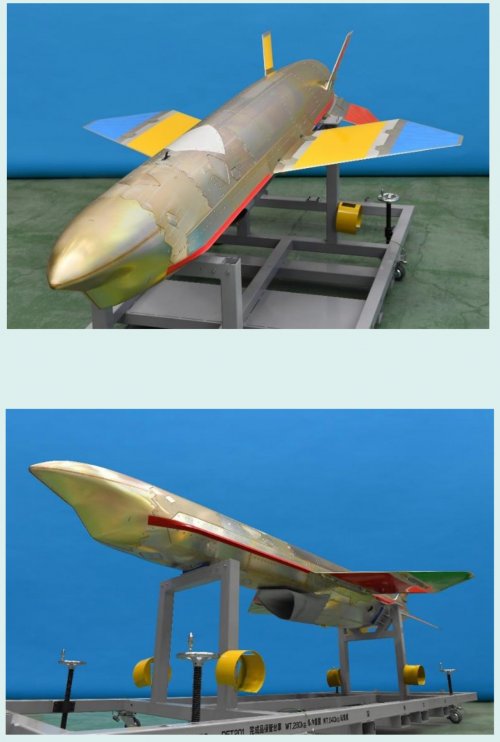
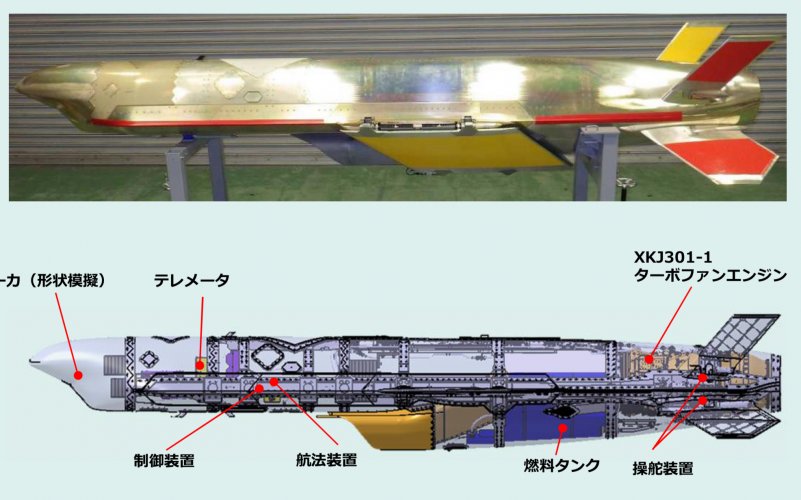
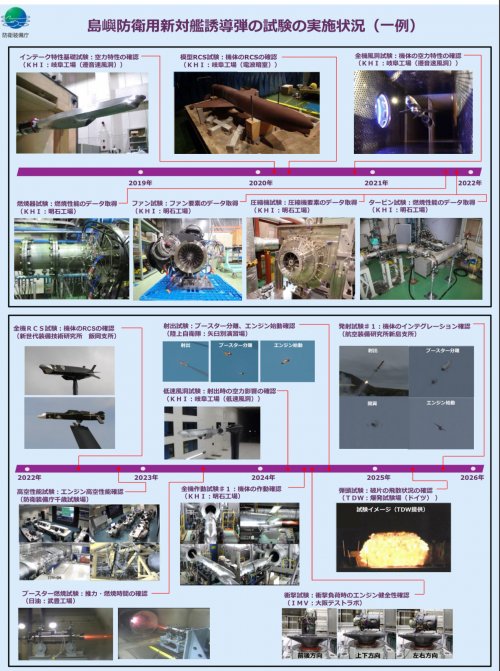
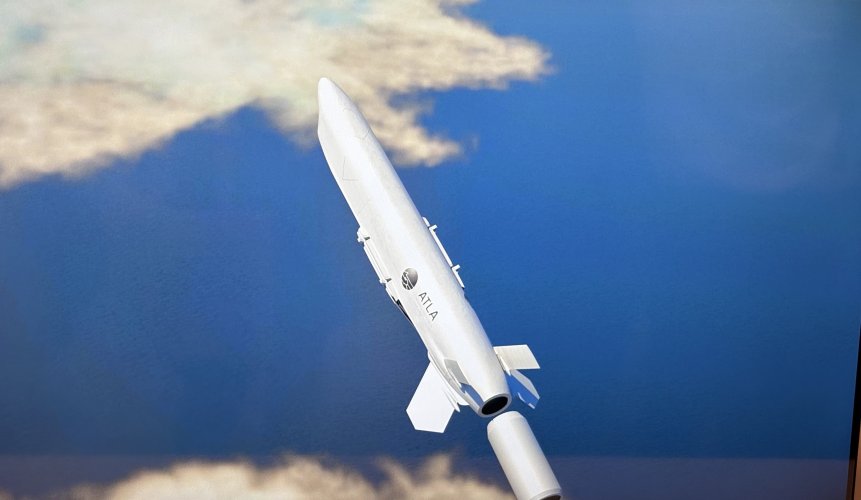
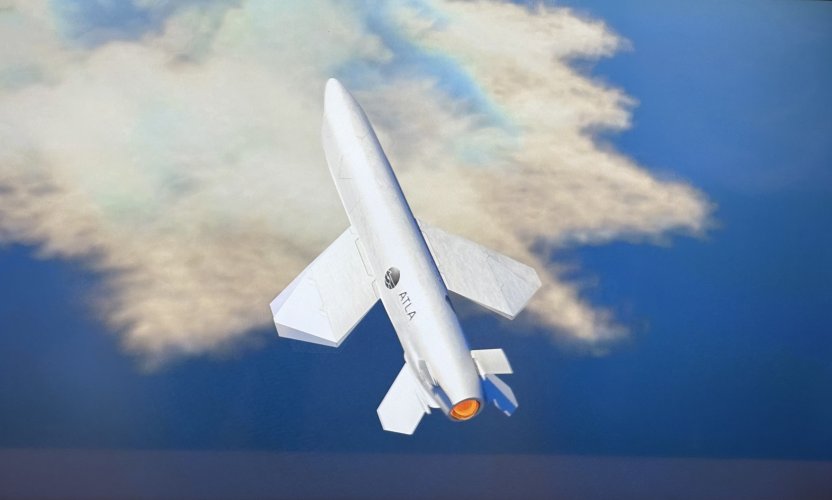
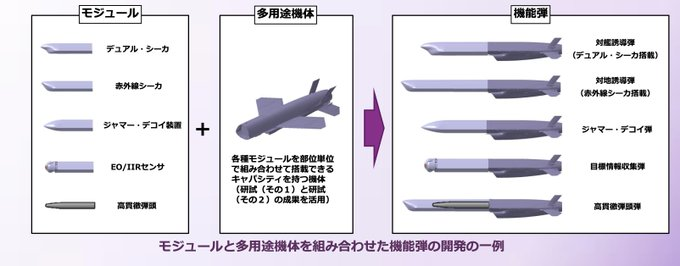
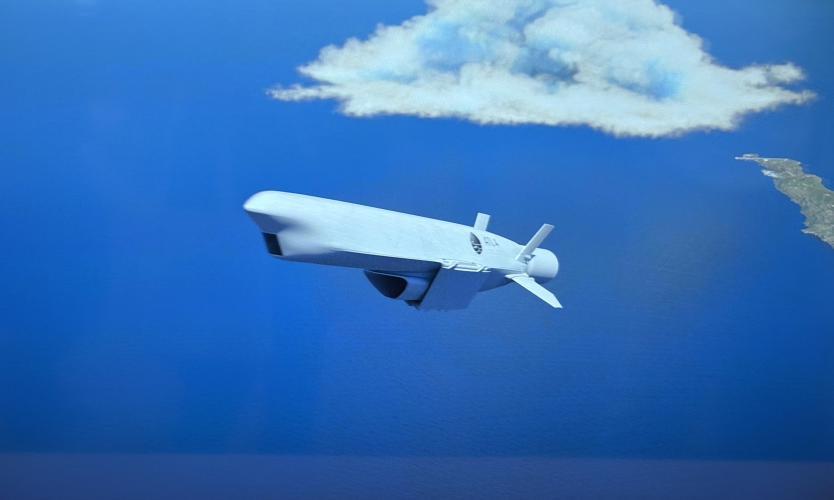
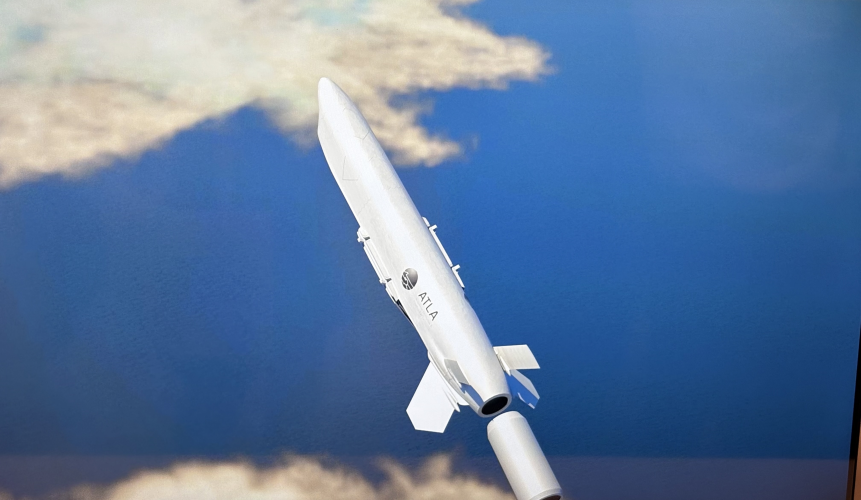
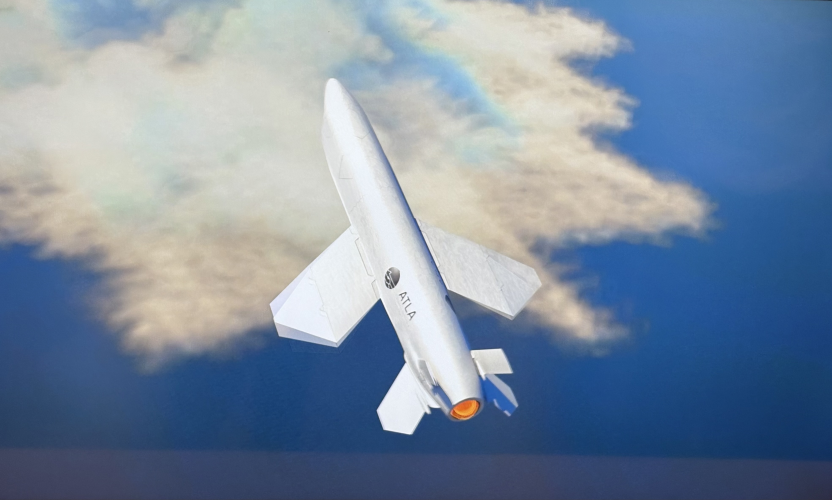
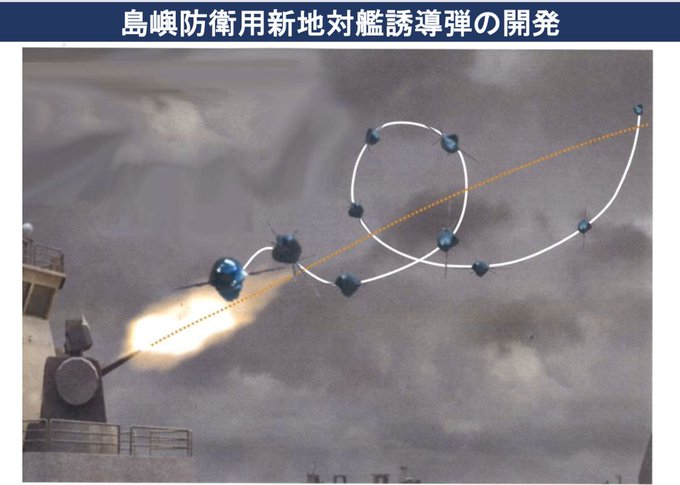
Please tell me that the MSDF is going to name the version you've attached images of "Goblin Shark" officially.https://www.mod.go.jp/atla/research/ats2025/pdf_exhi_pos/P-31.pdf
The PDF version is now available.


In what way?Looks more like a land attack missile. Something in the class of Scalp and Taurus.
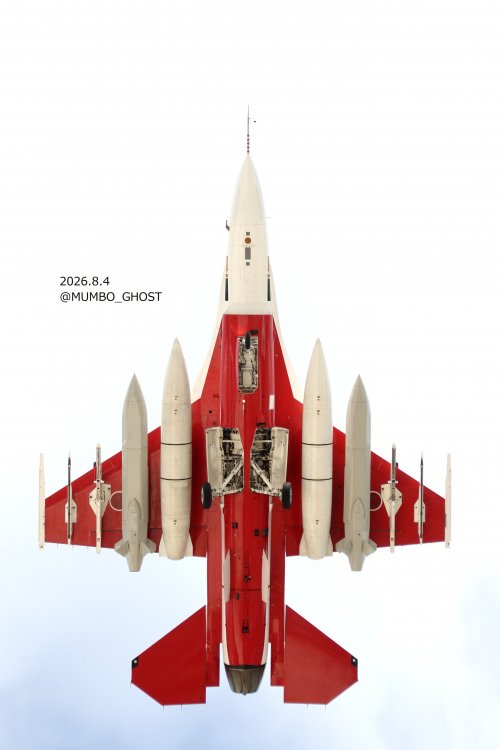
Japan is exporting complete warships now. They've changed enough laws that they should be able to export missiles as well.https://www.twz.com/air/japanese-f-...-large-stealth-cruise-missile-under-its-wings
No sure if they can export this missile ..... or have their constitution changed?
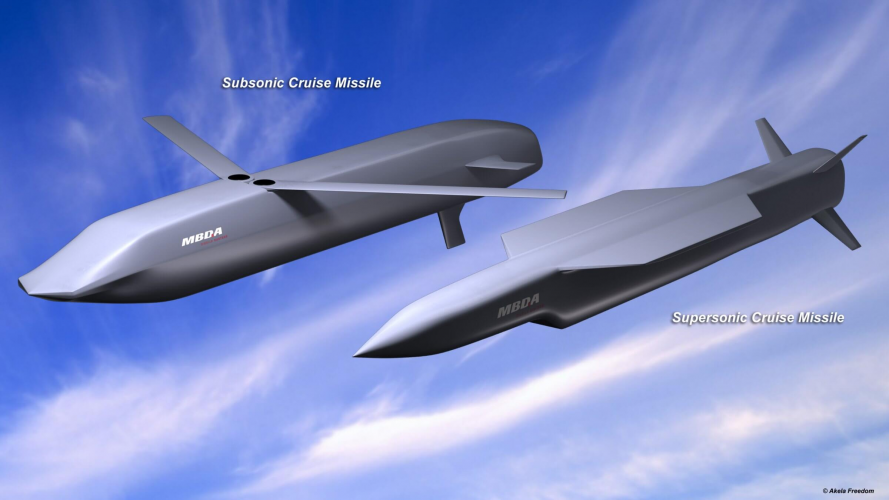
I think I'm more interested in something like the Kalibr missiles. With a M2.7ish terminal sprint.US/Japan need joint development to produce Harpoon successor, call it Harpoon II for All I care. Joint family where one long range sub-sonic cruisr missile, and 2nd boosted ramjet supersonic missile.
Why does either country need to do that? Japan already has both the subsonic and stealthy Type 25 and the supersonic ASM-3A under development.US/Japan need joint development to produce Harpoon successor, call it Harpoon II for All I care. Joint family where one long range sub-sonic cruisr missile, and 2nd boosted ramjet supersonic missile. View attachment 819991
To be fair, they appear to lack new generation light ASCM now.Why does either country need to do that? Japan already has both the subsonic and stealthy Type 25 and the supersonic ASM-3A under development.
Meanwhile the US has LRASM, NSM and JSM in service.
That's the NSM/JSM for the US and Japan built their own.US/Japan need joint development to produce Harpoon successor, call it Harpoon II for All I care. Joint family where one long range sub-sonic cruisr missile, and 2nd boosted ramjet supersonic missile.


![[1920x768] vtime=[0_23], take=[2025-05-21 23.35.10].png](https://www.secretprojects.co.uk/data/attachments/306/306598-4b969e53de80d7970f8ff4c7e0953c55.jpg "[1920x768] vtime=[0_23], take=[2025-05-21 23.35.10].png")
![[1920x768] vtime=[0_26], take=[2025-05-21 23.35.34].png](https://www.secretprojects.co.uk/data/attachments/306/306597-0ba5bad419420ce5f85b1a0ac8ff5239.jpg "[1920x768] vtime=[0_26], take=[2025-05-21 23.35.34].png")
![[1920x768] vtime=[0_29], take=[2025-05-21 23.35.44].png](https://www.secretprojects.co.uk/data/attachments/306/306596-f087764189c1245f1c0b6e85684c4e18.jpg "[1920x768] vtime=[0_29], take=[2025-05-21 23.35.44].png")