https://aviationweek.com/defense/mi...-korea-conducts-secret-hypersonic-test-flight
SEOUL—South Korea has quietly advanced its hypersonic weapons program with a successful test of its HyCore technology demonstrator, achieving speeds of up to Mach 6 during a June 2024 flight that remained undisclosed until now.
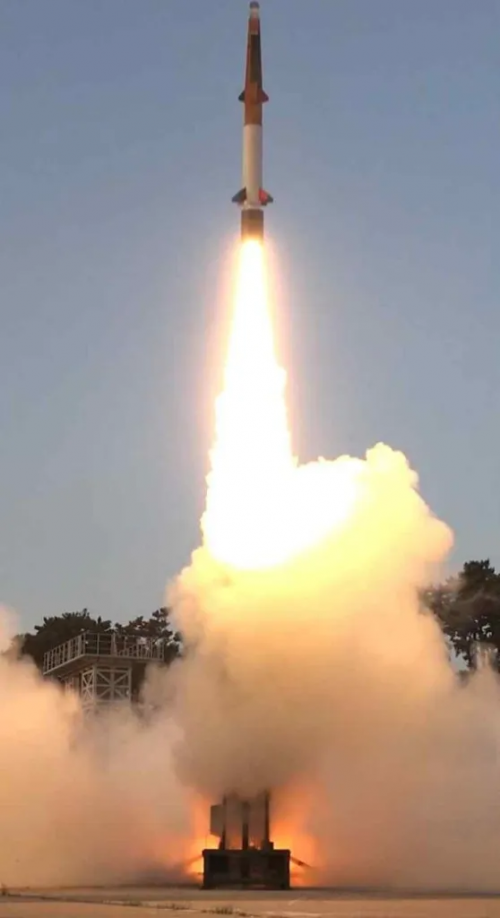
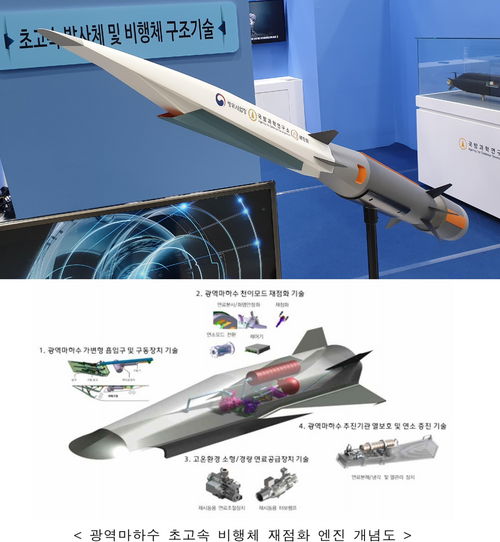
The Agency for Defense Development (ADD) confirmed the flight test this week, releasing photos of the vehicle in flight. HyCore reached a peak altitude of 23 km (14.3 mi.), gathering performance data across the hypersonic flight regime.
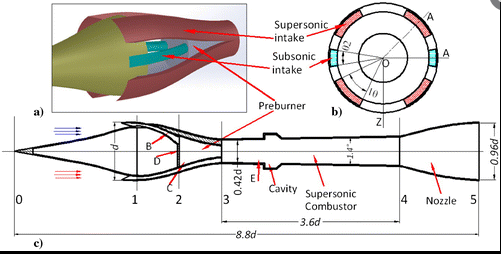
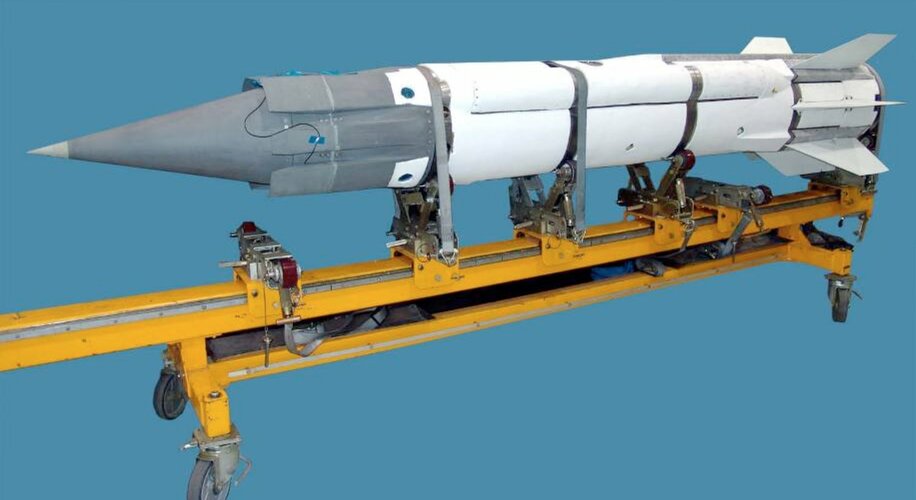
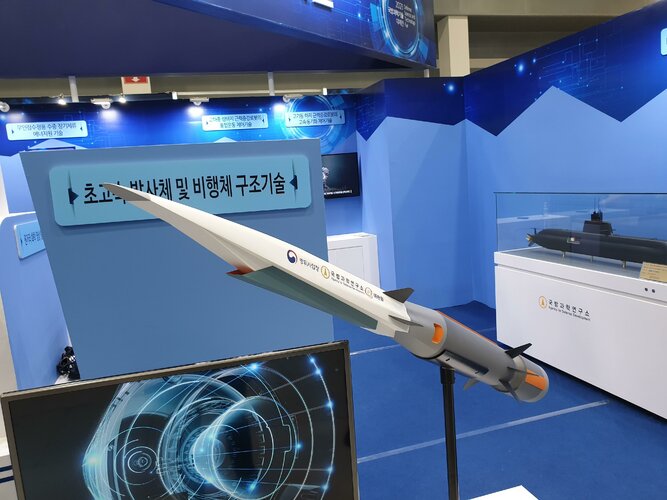
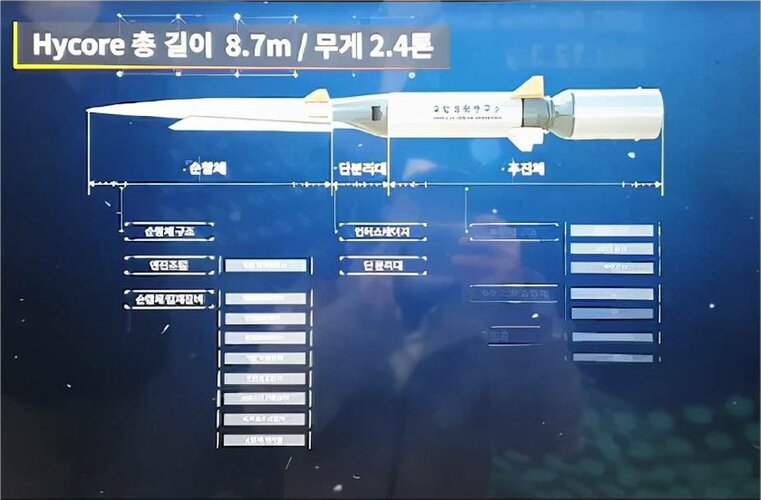
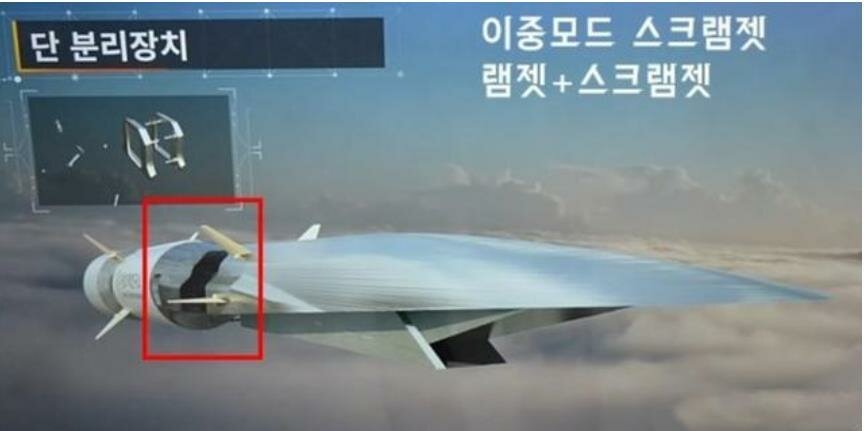
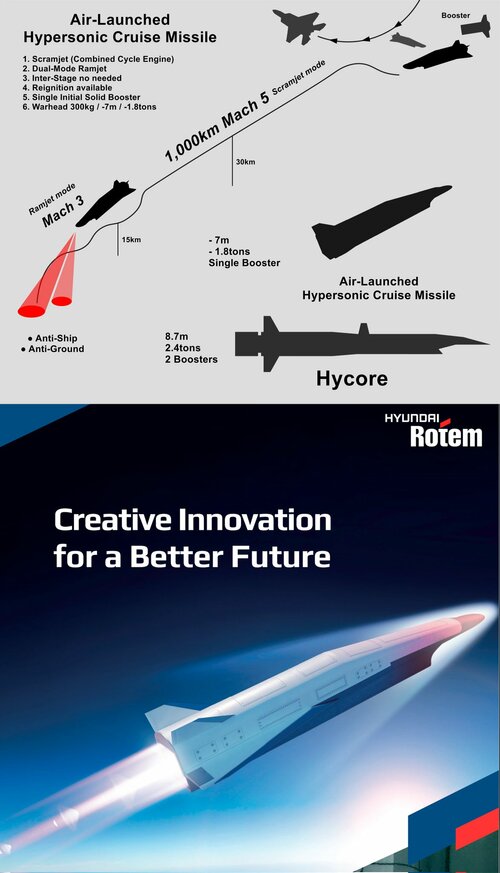
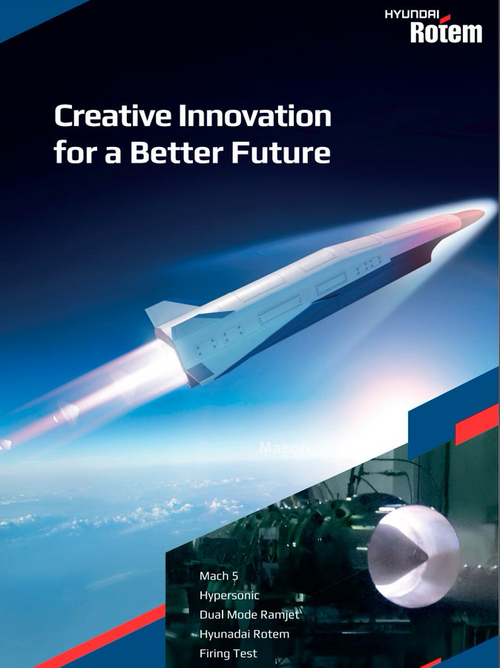
Resembling the U.S. Air Force’s X-51A Waverider, HyCore is an unarmed testbed designed to validate propulsion and aerodynamic technologies underpinning future hypersonic strike systems. Hanwha Aerospace and Hyundai Rotem developed the vehicle under ADD leadership. It incorporates a ramjet-scramjet engine designed to sustain flight from Mach 3 through Mach 6 and beyond.
The program already has produced several enabling technologies, including integrated hypersonic vehicle design tools, a high-speed combustion chamber and advanced fuel supply systems. ADD says the project has resulted in three South Korean patents and more than 40 research reports.
To accelerate progress, HyCore leverages existing ballistic missile infrastructure. Its booster is derived from the Korea Tactical Surface-to-Surface Missile, while the launch canister is adapted from the Hyunmoo series of ballistic missiles.
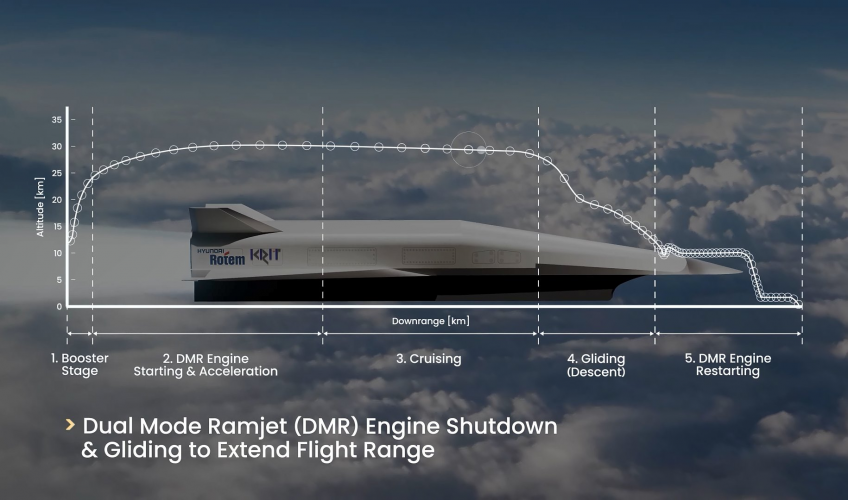
ADD and Hyundai Rotem plan to transition the demonstrator into a hypersonic cruise missile by late 2028. Key upgrades under development include variable air intakes for scramjet propulsion and optimized fuel systems. The roadmap envisions multiple applications, including air- and ground-launched variants. But defense officials say the Navy’s hypersonic anti-ship missile will be prioritized, underscoring South Korea’s focus on countering regional maritime threats.