T. A. Gardner
ACCESS: Top Secret
- Joined
- 18 February 2021
- Messages
- 1,998
- Reaction score
- 3,548
Yea, that might fly if you attached a Saturn V rocket engine to it...


Yea, that might fly if you attached a Saturn V rocket engine to it...


Someone here posted a youtube video explaining why this is likely a scam. Notice how in the flight video the windows are completely blacked out, meaning that this thing is likely just a drone and is unable to lift the weight of a person.There's something a bit off about the look of this " flying car".
https://electrek.co/2025/06/06/first-true-electric-flying-car-could-be-here-by-end-of-2025/
https://www.ktvu.com/news/bay-area-...sands-preorders-its-first-true-flying-car.amp

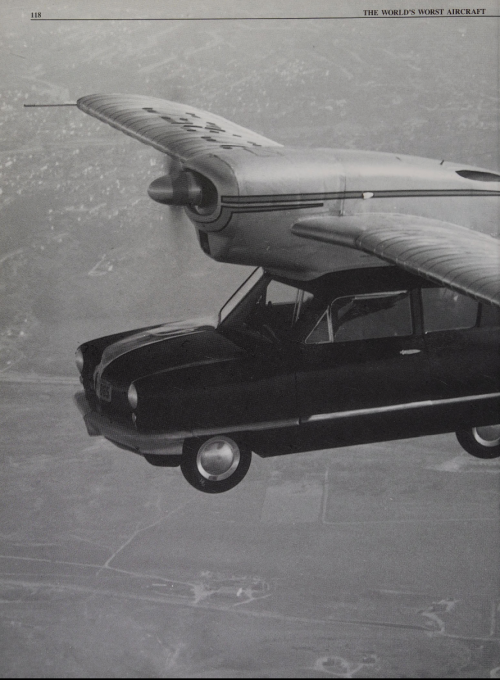
Interesting. "Molt" Taylor (Moulton Taylor, his real name, Molt was a nickname) was a USN Commander during WW 2 and as an aeronautical engineer and pilot worked on Project Gorgon. He was the first person in history on 8 March 1945 to attempt to use an air-to-air missile (a Gorgon IIA with TV and MCLOS guidance) to shoot down another aircraft off Cape May NJ (He concluded it was impossible to use MCLOS with a missile to shoot down an aircraft as the closing speeds were too high and human hand-eye coordination couldn't deal with it).I strongly feel that Molt Taylor's remarkable Aerocar designs more than deserve a topic of their own, instead of being drowned in this 17-page thread... Anyway, here is a remarkable 1949 video of the very first Aerocar!
View: https://www.facebook.com/watch/?v=1055557900063649


The presenter began with his particular opinion, satirizing both Flying Cars and those of another category such as amphibians. I began to watch the video, but it took me less than a minute to get rid of it because it was useless and lacked seriousness. I thought he would go through the hundreds of attempts at Flying Cars and then comment on the problems that would arise! Anyway, what a useless waste of time it took me to write this review. In response to the Flying Car, I will say that today there are very serious proposals from large and very serious companies in Europe, Asia, and the United States. I also believe that the aforementioned drawbacks are valid.

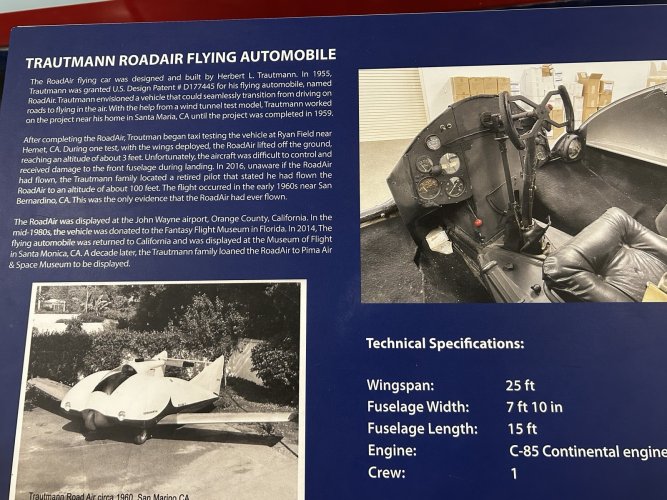
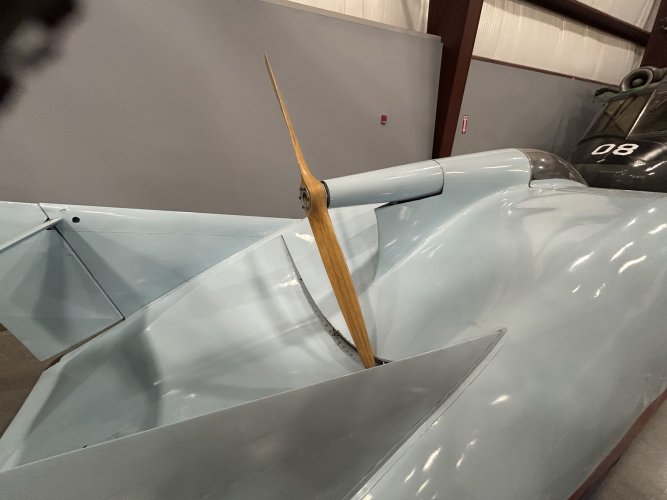
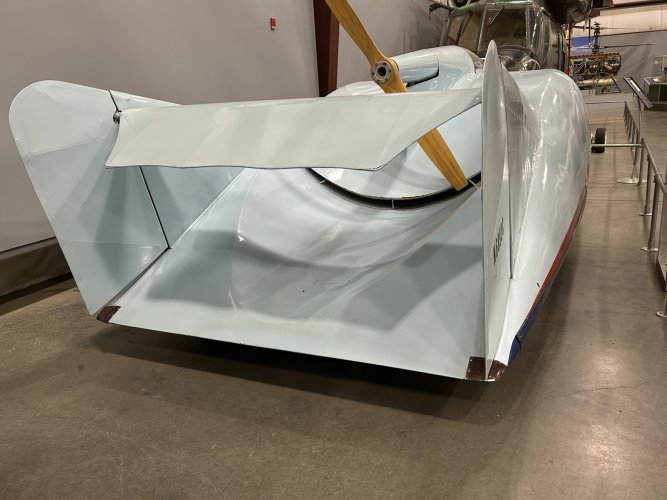
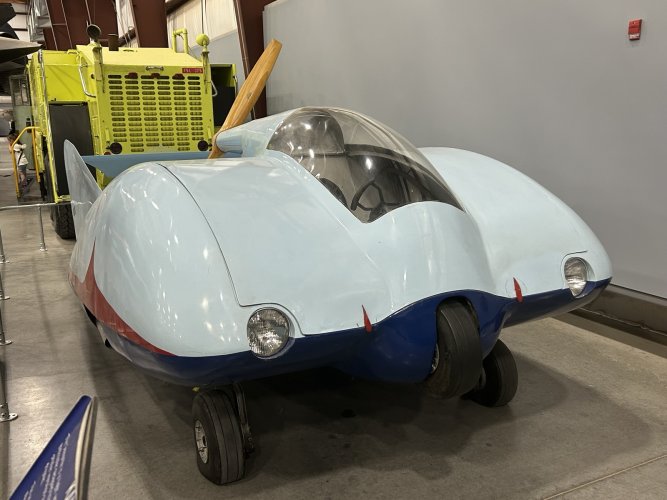
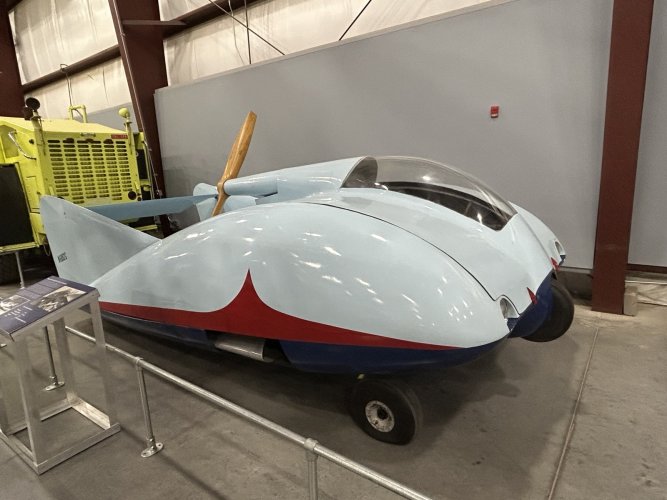
From a recent visit to Pima:Palette Trautmann Roadair, flying car project 1959
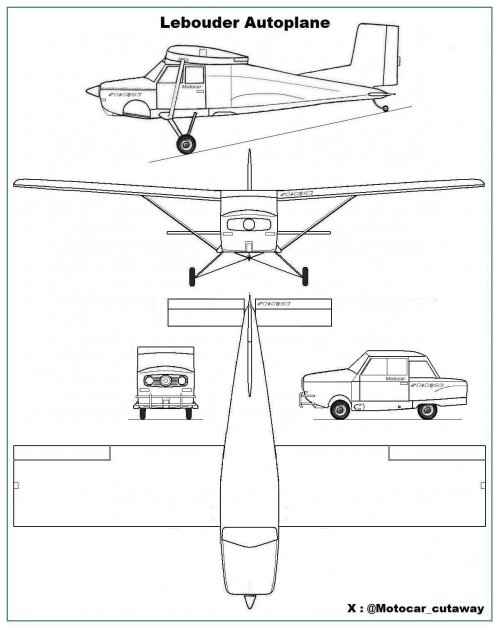
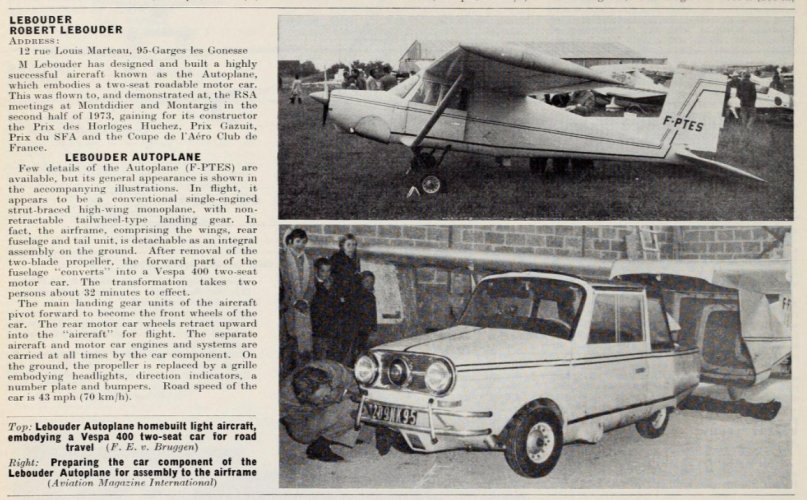
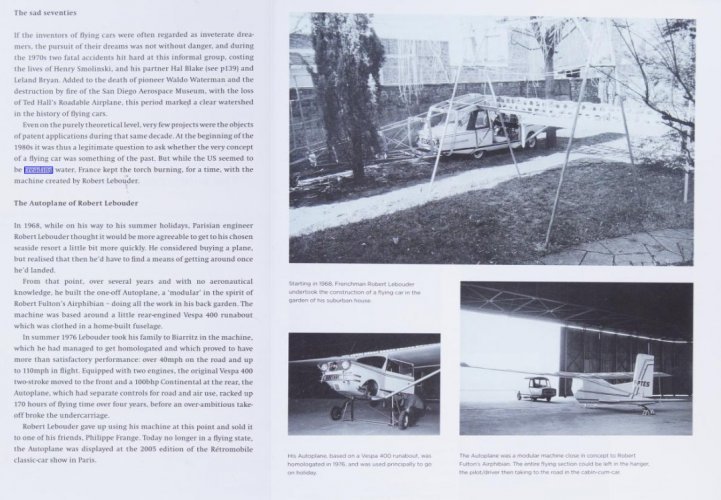
Cutaway in progress...!If I may, the Autoplane mentioned above was designed by Robert Lebouder.
https://gallica.bnf.fr/ark:/12148/bd6t5333202h/f25.item.r=(prOx: "lebouder" 50 "avion").zoom
The automobile used by this non aeronautical engineer was an ACMA (Ateliers de construction de motocycles et d'automobiles) Vespa 400 microcar.

If I may, the Autoplane mentioned above was designed by Robert Lebouder.
https://gallica.bnf.fr/ark:/12148/bd6t5333202h/f25.item.r=(prOx: "lebouder" 50 "avion").zoom
The automobile used by this non aeronautical engineer was an ACMA (Ateliers de construction de motocycles et d'automobiles) Vespa 400 microcar.