
You are using an out of date browser. It may not display this or other websites correctly.
You should upgrade or use an alternative browser.
You should upgrade or use an alternative browser.
Defense against Hypersonic Glide Vehicles

- Joined
- 3 June 2011
- Messages
- 20,033
- Reaction score
- 17,239
How are you going to know the difference between a nuke and any other satellite? A W68 is relatively small. Could almost be stuffed on as an afterthought on some satellites.'Stability' has failed to achieve its purpose.
Not going to win a space weapons race against Falcon 9 and New Glenn and a space nuke would be removed immediately as a matter of urgency.

Forest Green
ACCESS: USAP
- Joined
- 11 June 2019
- Messages
- 12,805
- Reaction score
- 27,540
Talking about Russian nukes here, radiation detection plus intelligence sources.How are you going to know the difference between a nuke and any other satellite? A W68 is relatively small. Could almost be stuffed on as an afterthought on some satellites.
The complexity of orbital ABM is beginning to show…people are talking about preemptive strikes on satellites already. Governments will likely have these same arguments and reach different conclusions about the viability and stability of such deployments. Such a system has the potential to spark the conflict it attempts to deter. This is what I mean when I say it is inherently destabilizing.
There probably is no other choice but to develop such capabilities and minimally be in a position to deploy them, but actual large scale deployment would probably have consequences beyond financial cost depending on peer capabilities and intent.
There probably is no other choice but to develop such capabilities and minimally be in a position to deploy them, but actual large scale deployment would probably have consequences beyond financial cost depending on peer capabilities and intent.
On scale of current satellite deployment, gamma ray detection seems like a staggeringly large task for a nation like the U.S. or PRC and an impossibly for anyone else.Talking about Russian nukes here, radiation detection plus intelligence sources.
On the flip side, once a country orbits a nuke, there is basically no way to ensure it is not eventually detected, with all the political fallout that entails.
Forest Green
ACCESS: USAP
- Joined
- 11 June 2019
- Messages
- 12,805
- Reaction score
- 27,540
The cost of a nuke is prohibitive, with estimates around $100m each (plus fairly large launch costs since Russia doesn't have RLVs), compared with US launches which are now $500/kg and falling. So I'm confident that nuke detection capabilities will outstrip nuke launch capabilities by several orders of magnitude.On scale of current satellite deployment, gamma ray detection seems like a staggeringly large task for a nation like the U.S. or PRC and an impossibly for anyone else.
On the flip side, once a country orbits a nuke, there is basically no way to ensure it is not eventually detected, with all the political fallout that entails.
There's also talk of conventional S2G warheads on satellites to deter such strikes, although if an SBI can take down an ICBM, it can take down an ASAT missile.The complexity of orbital ABM is beginning to show…people are talking about preemptive strikes on satellites already. Governments will likely have these same arguments and reach different conclusions about the viability and stability of such deployments. Such a system has the potential to spark the conflict it attempts to deter. This is what I mean when I say it is inherently destabilizing.
There probably is no other choice but to develop such capabilities and minimally be in a position to deploy them, but actual large scale deployment would probably have consequences beyond financial cost depending on peer capabilities and intent.
Scott Kenny
ACCESS: USAP
- Joined
- 15 May 2023
- Messages
- 17,001
- Reaction score
- 24,130
I did the math a while back, effective range of a laser is determined by mirror radius and beam wavelength. A Hubble-sized pointer mirror (and diffraction-limited optics) only gives a couple hundred km range against a 1m^2 target with IR lasers.Light travels from moon to earth in a matter of a single second. Far fetched but why wouldn't that be not relevant to have a laser gunning down high value objects from there?
S2G warheads are for dealing with laser or HPMW attacks.There's also talk of conventional S2G warheads on satellites to deter such strikes, although if an SBI can take down an ICBM, it can take down an ASAT missile.
Forest Green
ACCESS: USAP
- Joined
- 11 June 2019
- Messages
- 12,805
- Reaction score
- 27,540
They're to deal with any ground-based object that causes a threat, or any aerial one after it has landed. Although given that SBIs will be both endo- and exo-, there's nothing to say that aerial threats can't be taken out too, and space-based ones can be taken out by the exo- SBIs.S2G warheads are for dealing with laser or HPMW attacks.
I did the math a while back, effective range of a laser is determined by mirror radius and beam wavelength. A Hubble-sized pointer mirror (and diffraction-limited optics) only gives a couple hundred km range against a 1m^2 target with IR lasers.
Those Math are probably wrong or not relevant to the problem at stake.

Scott Kenny
ACCESS: USAP
- Joined
- 15 May 2023
- Messages
- 17,001
- Reaction score
- 24,130
They didn't look right to me, either, but the math is assembled the same way you put together standard firearm effective range.Those Math are probably wrong or not relevant to the problem at stake.
Note that you're still doing damage well past that, it's just that your pointing accuracy and optical path accuracy makes a cone that eventually will exceed the size of the target.
Forest Green
ACCESS: USAP
- Joined
- 11 June 2019
- Messages
- 12,805
- Reaction score
- 27,540
Space Force to solicit prototype proposals for midcourse space-based missile interceptors

Space Force to solicit prototype proposals for midcourse space-based missile interceptors - Breaking Defense
Other than stating that the call is for hit-to-kill rather than directed-energy systems for shooting down adversary missiles during their orbital flight trajectory, the notice is lacking technical detail.
DOD eyes midcourse defense Space-Based Interceptor, reaching for 'low-hanging' fruit
DOD eyes midcourse defense Space-Based Interceptor, reaching for 'low-hanging' fruit | InsideDefense.com
The Defense Department is preparing to solicit industry proposals for a prototype space-based interceptor, taking a concrete step toward what experts say is the most achievable slice of an otherwise costly and technically daunting vision for a space-based missile defense layer: midcourse kinetic...
Last edited:
Forest Green
ACCESS: USAP
- Joined
- 11 June 2019
- Messages
- 12,805
- Reaction score
- 27,540
Startups Kymeta, iRocket team for low-cost guided interceptors for Golden Dome
Startups Kymeta, iRocket team for low-cost guided interceptors for Golden Dome | InsideDefense.com
Two emerging defense firms are positioning themselves to challenge the missile-interceptor dominance of RTX and Lockheed Martin, arguing that commercial manufacturing methods and rapid development cycles can produce a new class of smart, inexpensive weapons tailored for the Pentagon's Golden...
Forest Green
ACCESS: USAP
- Joined
- 11 June 2019
- Messages
- 12,805
- Reaction score
- 27,540

Golden Dome: Space Force awards first space-based interceptor prototype contracts - Breaking Defense
The Space Force did not identify the winners, saying their names are "protected by enhanced security measures."breakingdefense.com
Forest Green
ACCESS: USAP
- Joined
- 11 June 2019
- Messages
- 12,805
- Reaction score
- 27,540
MDA picks over 1,000 initial winners for Golden Dome contracting vehicle
In total, the agency is providing awards to 1,014 "qualifying offerors" for the Scalable Homeland Innovative Enterprise Layered Defense (SHIELD) program, under deals that could eventually total $151 billion over 10 years.
MDA picks over 1,000 initial winners for Golden Dome contracting vehicle - Breaking Defense
In total, the agency is providing awards to 1,014 "qualifying offerors" for the Scalable Homeland Innovative Enterprise Layered Defense (SHIELD) program, under deals that could eventually total $151 billion over 10 years.
Forest Green
ACCESS: USAP
- Joined
- 11 June 2019
- Messages
- 12,805
- Reaction score
- 27,540
Poll finds increasing support for international engagement, Golden Dome spending

Poll finds increasing support for international engagement, Golden Dome spending - Breaking Defense
“Majorities want the United States to take the lead in international affairs, believe American military superiority is essential, and support a force sized to deter and, if necessary, win conflicts against more than one major adversary at a time,” said a summary of the annual Ronald Reagan...
Forest Green
ACCESS: USAP
- Joined
- 11 June 2019
- Messages
- 12,805
- Reaction score
- 27,540
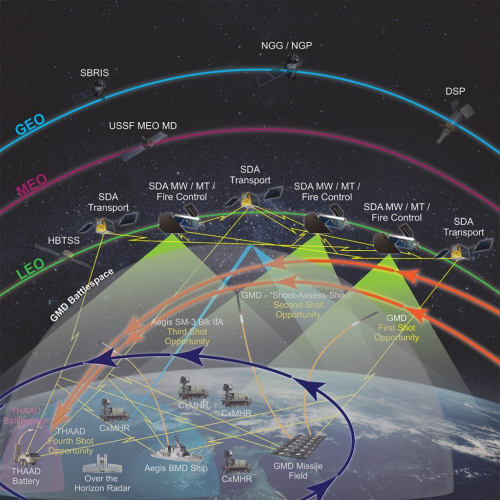
Forest Green
ACCESS: USAP
- Joined
- 11 June 2019
- Messages
- 12,805
- Reaction score
- 27,540
Golden Dome Details Begin to Emerge
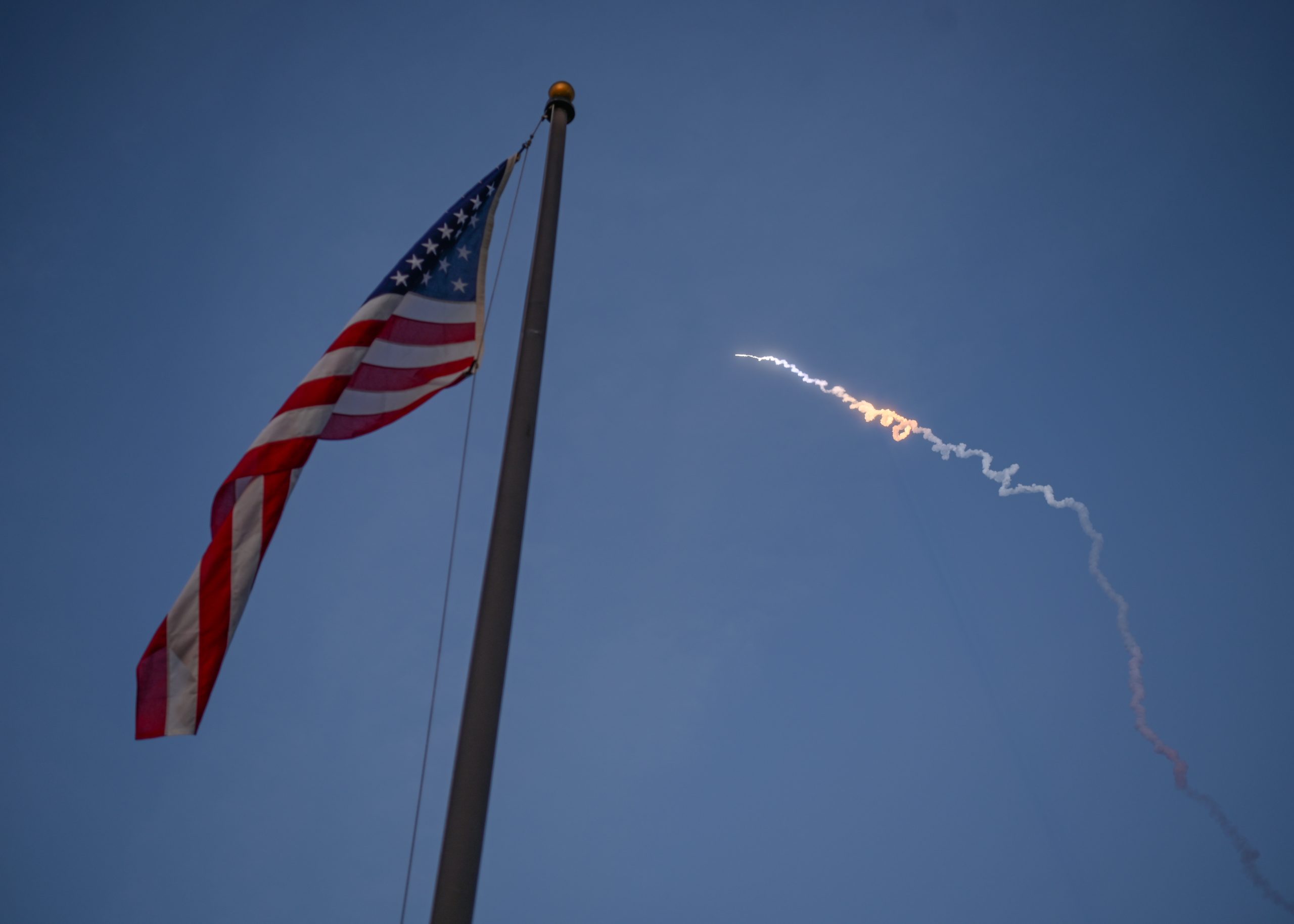
Golden Dome Details Begin to Emerge
The Golden Dome air and missile defense shield will have some “operational capability” in 2028, Space Force Gen. Michael A. Guetlein said.
 www.airandspaceforces.com
U.S. to stand up patchwork of 'mini domes' in 2028 as Golden Dome expands to cover nation
U.S. to stand up patchwork of 'mini domes' in 2028 as Golden Dome expands to cover nation | InsideDefense.com
SIMI VALLEY, CA -- The Pentagon's top missile defense official said the United States will not wait for a full national shield before fielding its new Golden Dome defense system but will begin rolling out a patchwork of "mini domes" in 2028 that will expand over time to cover the entire homeland.
Pentagon executing Golden Dome contracts by piggybacking on existing procurement vehicles
Pentagon executing Golden Dome contracts by piggybacking on existing procurement vehicles | InsideDefense.com
SIMI VALLEY -- The Pentagon has begun issuing Golden Dome contracts by leaning heavily on the military's existing acquisition machinery, Golden Dome director Gen. Michael Guetlein said in his first detailed public description of how the department is spending the $25 billion Congress provided...
Last edited:
Forest Green
ACCESS: USAP
- Joined
- 11 June 2019
- Messages
- 12,805
- Reaction score
- 27,540
USSF Eyes More Space-Based Interceptors to Take Missiles Out Midcourse

USSF Eyes Space-Based Interceptors for Midcourse Missiles
The Space Force issued a solicitation for midcourse space-based interceptor prototypes, part of the Pentagon's Golden Dome architecture.
www.airandspaceforces.com
Forest Green
ACCESS: USAP
- Joined
- 11 June 2019
- Messages
- 12,805
- Reaction score
- 27,540
Momentus joins US Space Force SHIELD contract vehicle
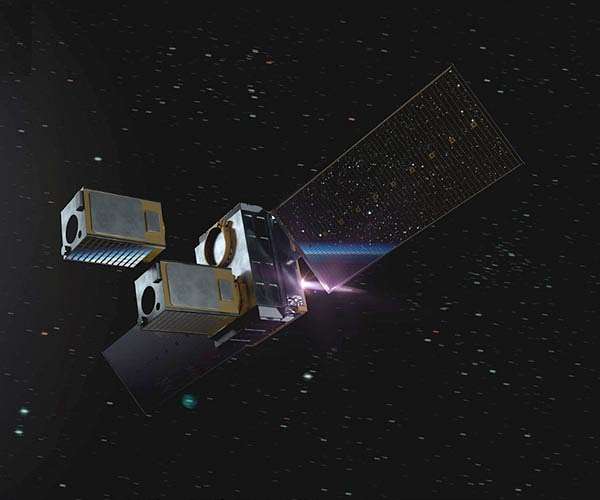
Momentus joins US Space Force SHIELD contract vehicle
San Jose, CA (SPX) Dec 11, 2025 - Momentus Inc. has been selected to participate in the U.S. Missile Defense Agency's Scalable Homeland Innovative Enterprise Layered Defense (SHIELD) indefinite-delivery, indefinite-quantity contract
www.spacewar.com
Forest Green
ACCESS: USAP
- Joined
- 11 June 2019
- Messages
- 12,805
- Reaction score
- 27,540
Space Force wants advanced tech for space-based interceptors

Space Force wants advanced tech for space-based interceptors
The U.S. Space Force is looking for advanced technologies for space-based interceptors that can intercept ballistic missiles during their boost phase.
 www.defensenews.com
The U.S. Space Force is looking for advanced technologies for space-based interceptors that can intercept ballistic missiles during their boost phase inside the atmosphere, according to a Small Business Innovation Research solicitation.
“The desired outcome is to develop and integrate high-G propulsion systems, advanced seekers, and low-SWaP [size, weight and power] interceptors integrated into space vehicles for … SBI [space-based interceptor] architectures that support fast detection-to-intercept timelines,” stated the SBIR solicitation, which opens Jan. 7 and closes Jan. 28.
The Space Force envisions boost-phase interceptors that can hit missiles at an altitude of less than 120 kilometers, or about 75 miles or less, above the Earth’s surface. Intercept time should be less than 180 seconds.
Propulsion for the new interceptor should enable high thrust, plus rapid acceleration to at least 6 kilometers, or nearly 4 miles, per second.
“Desired characteristics include dual-pulse or throttleable motors, high-grain solid or hybrid propellants, and thrust vector control,” the SBIR specified.
Other features include fast shutdown and reignition of the rocket motors, and improved specific impulse for more efficient thrust.
The service also wants to increase the probability of a kill by fitting the interceptors with multiple sensors.
The interceptors should also be small, easy to manufacture at scale and capable of being fired from constellations of orbital launch platforms that would allow continuous coverage over specific terrestrial regions below. Because they will be descending rapidly from space into the atmosphere, they will also need strong thermal protection.
“Successful solutions will also consider survivability under extreme conditions experienced during atmospheric re-entry including the extreme temperatures from aero-thermal heating,” the Space Force noted.
Last edited:
- Joined
- 3 June 2011
- Messages
- 20,033
- Reaction score
- 17,239
The Space Force envisions boost-phase interceptors that can hit missiles at an altitude of less than 120 kilometers, or about 75 miles or less, above the Earth’s surface. Intercept time should be less than 180 seconds.
Propulsion for the new interceptor should enable high thrust, plus rapid acceleration to at least 6 kilometers, or nearly 4 miles, per second.
“Desired characteristics include dual-pulse or throttleable motors, high-grain solid or hybrid propellants, and thrust vector control,” the SBIR specified.
Cha-ching. $$$$$
Scott Kenny
ACCESS: USAP
- Joined
- 15 May 2023
- Messages
- 17,001
- Reaction score
- 24,130
I need more details about the speed. Because at 200km altitude for the interceptor, the garage is doing nearly 8kps!
I'm thinking polar orbits over the ICBM fields, and/or orbits inclined to match approach vectors from the main fields.
Every garage will require both missile interceptors and RFGs to respond to anyone trying to screw with the satellites from the ground.
I'm thinking polar orbits over the ICBM fields, and/or orbits inclined to match approach vectors from the main fields.
Every garage will require both missile interceptors and RFGs to respond to anyone trying to screw with the satellites from the ground.
Forest Green
ACCESS: USAP
- Joined
- 11 June 2019
- Messages
- 12,805
- Reaction score
- 27,540
That looks like an exo-interceptor.
Last edited:
Entire relevant portion of the NG add in slow motion here: (edited for more clarity)
View: https://youtu.be/y3rBiKvv27I
Last edited:
Forest Green
ACCESS: USAP
- Joined
- 11 June 2019
- Messages
- 12,805
- Reaction score
- 27,540
It does appear to be a boost phase intercept but it doesn't seem shaped for re-entry as per the endo-interceptor spec. though.Entire relevant portion of the NG add in slow motion here:
VanHerck calls for FAA-Pentagon radar integration as Golden Dome takes shape
| InsideDefense.com
Last edited:
Forest Green
ACCESS: USAP
- Joined
- 11 June 2019
- Messages
- 12,805
- Reaction score
- 27,540
Forest Green
ACCESS: USAP
- Joined
- 11 June 2019
- Messages
- 12,805
- Reaction score
- 27,540
MDA adds 1,086 firms to its SHIELD pool for Golden Dome-related tech

MDA adds 1,086 firms to its SHIELD pool for Golden Dome-related tech - Breaking Defense
With the new awards, a total of 2,100 firms have been qualified by the Missile Defense Agency to compete for future SHIELD tech development contracts.
SDA awards four contracts worth $3.5B for next-gen missile tracking satellites

SDA awards four contracts worth $3.5B for next-gen missile tracking satellites - Breaking Defense
Lockheed Martin, Rocket Lab USA, Northrop Grumman, and L3Harris Technologies each won awards to "deliver and operate 18 space vehicles" for the Space Development Agency's Tranche 3 Tracking Layer.
SDA Hands Out $3.5B for 72 New Missile Tracking and Defense Satellites
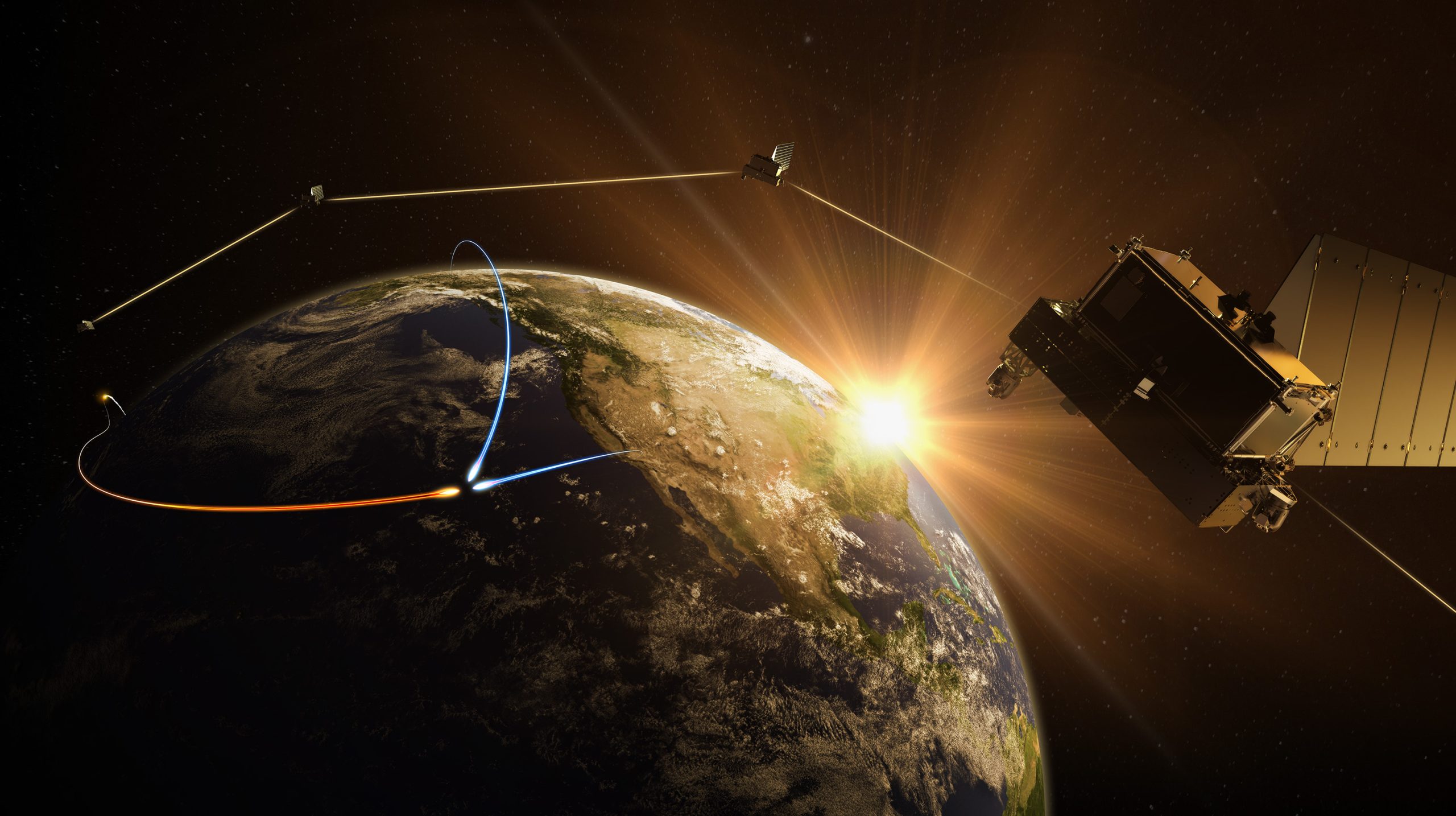
SDA Hands Out $3.5B for 72 New Missile Tracking Satellites
SDA awarded $3.5 billion in new contracts for the next iteration of its advanced missile warning, tracking, and defense constellation.
www.airandspaceforces.com
SDA expands Tracking Layer satellite awards and related missile defense contracts
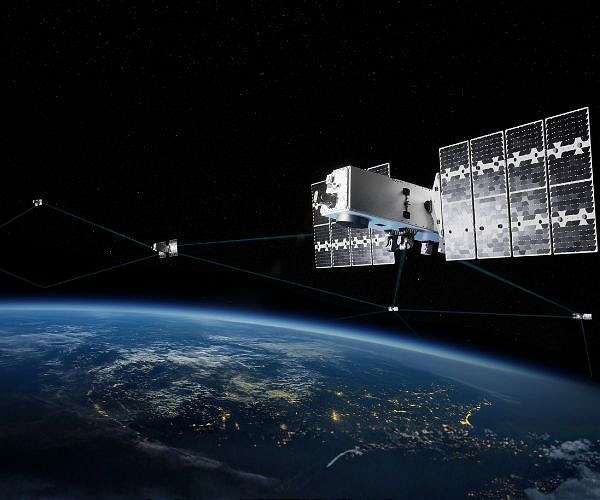
SDA expands Tracking Layer satellite awards and related missile defense contracts
Los Angeles CA (SPX) Dec 19, 2025 - The Space Development Agency has selected four contractor teams to build and operate 72 Tracking Layer satellites for Tranche 3 of the Proliferated Warfighter Space Architecture in low Earth orbit,
www.spacewar.com
Last edited:
Forest Green
ACCESS: USAP
- Joined
- 11 June 2019
- Messages
- 12,805
- Reaction score
- 27,540
Muon Space secures Direct to Phase II award for SDA missile warning and tracking mission
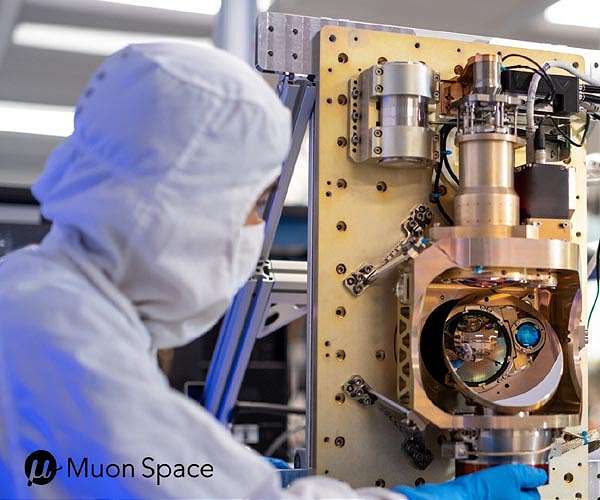
Muon Space secures Direct to Phase II award for SDA missile warning and tracking mission
Los Angeles CA (SPX) Dec 22, 2025 - Muon Space has secured a Direct to Phase II award to support the Space Development Agency's missile warning and tracking mission, advancing the company's role in developing space based sensing capab
www.spacewar.com
Forest Green
ACCESS: USAP
- Joined
- 11 June 2019
- Messages
- 12,805
- Reaction score
- 27,540
Pentagon tasked to outline proposal for accelerating Golden Dome development
Pentagon tasked to outline proposal for accelerating Golden Dome development | InsideDefense.com
Congress has ordered the Pentagon to deliver by June a sweeping assessment of the feasibility of accelerating the development and deployment of major elements and programs comprising the Golden Dome next-generation air and missile defense architecture.
Pentagon tasked to outline proposal for accelerating Golden Dome development
Pentagon tasked to outline proposal for accelerating Golden Dome development | InsideDefense.com
Congress has ordered the Pentagon to deliver by June a sweeping assessment of the feasibility of accelerating the development and deployment of major elements and programs comprising the Golden Dome next-generation air and missile defense architecture.insidedefense.com
It will be fun to watch Hegseth drink his way around that…
It will be fun to watch Hegseth drink his way around that…
I'm sure that Kegsbreath has a LOT of experience with drinking games
.
Forest Green
ACCESS: USAP
- Joined
- 11 June 2019
- Messages
- 12,805
- Reaction score
- 27,540
MDA Space wins role in US SHIELD missile defense program

MDA Space wins role in US SHIELD missile defense program
Berlin, Germany (SPX) Jan 09, 2026 - MDA Space Ltd. (TSX: MDA) reports it has received an indefinite delivery/indefinite quantity (IDIQ) contract from the Missile Defense Agency for the Scalable Homeland Innovative Enterprise Layered D
www.spacewar.com

kqcke for you
PUMA PUMA PUMA
- Joined
- 3 November 2022
- Messages
- 1,640
- Reaction score
- 2,392
Forest Green
ACCESS: USAP
- Joined
- 11 June 2019
- Messages
- 12,805
- Reaction score
- 27,540
SpaceX to launch next SDA missile tracking satellites
SpaceX will launch 36 Tranche 2 Tracking Layer satellites — 18 built by L3Harris and 18 built by Lockheed Martin — plus eight FOO Fighter birds built by Millennium Space Systems.
SpaceX to launch next SDA missile tracking satellites - Breaking Defense
SpaceX will launch 36 Tranche 2 Tracking Layer satellites — 18 built by L3Harris and 18 built by Lockheed Martin — plus eight FOO Fighter birds built by Millennium Space Systems.

Reddington777
ACCESS: Top Secret
- Joined
- 23 March 2025
- Messages
- 688
- Reaction score
- 2,218
A new generation of missiles are being developed, apparently with interchangeable parts, to conduct air, missile defense and hypersonic strike in a single weapon.

 www.navalnews.com
The relevant bit:
Apparently this is the replacement for the SM family.
New US Navy Missile to Support Hypersonic Strike, Air Defense Roles - Naval News
The U.S. Navy’s next-generation of missiles are set to support hypersonic strike and long-range offensive counter air missions.
www.navalnews.com
The relevant bit:
I have no idea what "third stage interceptor" means. Do they mean warhead perhaps? Common warhead but different propellant stacks?According to Trinque, the missile will utilize a common third stage interceptor alongside differing combinations of propulsion stacks to create variants of the missile that can conduct hypersonic strike roles and various air and missile defense missions.
Apparently this is the replacement for the SM family.
Scott Kenny
ACCESS: USAP
- Joined
- 15 May 2023
- Messages
- 17,001
- Reaction score
- 24,130
I'm reading that as it's a fully staging weapon related to how the SM3 stacks.I have no idea what "third stage interceptor" means. Do they mean warhead perhaps? Common warhead but different propellant stacks?
Apparently this is the replacement for the SM family.
Booster, first Stage, second stage, and the terminal weapon is the third stage.
Booster plus terminal "third stage" for short to medium range air defense.
Booster and first stage plus "third stage" for long range air defense.
Booster, first, and second stage plus "third stage" for hypersonics and exoatmo antimissile.
Not James Stockdale
ACCESS: Confidential
- Joined
- 29 August 2025
- Messages
- 95
- Reaction score
- 186
The article makes it sound like there is a common kill vehicle for different booster stacks that would be single-pack (SM-3 equivalent), dual-pack (PAC-3 MSE equivalent), or quad-pack (PAC-3 equivalent). Once they have the booster stacks, they can put other warheads and guidance packages on for anti-air and anti-surface missions.A new generation of missiles are being developed, apparently with interchangeable parts, to conduct air, missile defense and hypersonic strike in a single weapon.
New US Navy Missile to Support Hypersonic Strike, Air Defense Roles - Naval News
The U.S. Navy’s next-generation of missiles are set to support hypersonic strike and long-range offensive counter air missions.
The relevant bit:
I have no idea what "third stage interceptor" means. Do they mean warhead perhaps? Common warhead but different propellant stacks?
Apparently this is the replacement for the SM family.
Forest Green
ACCESS: USAP
- Joined
- 11 June 2019
- Messages
- 12,805
- Reaction score
- 27,540
Greenland is helpful, but not vital, for US missile defense
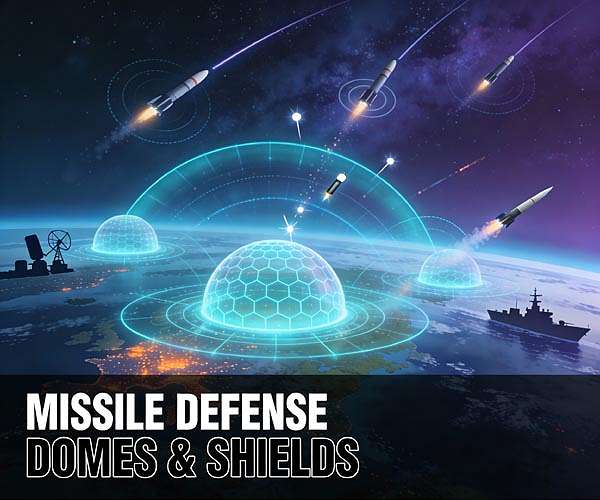
Greenland is helpful, but not vital, for US missile defense
Paris, France (AFP) Jan 14, 2026 - President Donald Trump has said US control of Greenland is vital for his planned Golden Dome missile defense system, but not all experts are convinced.
www.spacewar.com
Last edited:
Forest Green
ACCESS: USAP
- Joined
- 11 June 2019
- Messages
- 12,805
- Reaction score
- 27,540
AST SpaceMobile secures role on MDA SHIELD defense architecture

AST SpaceMobile secures role on MDA SHIELD defense architecture
Los Angeles CA (SPX) Jan 19, 2026 - AST SpaceMobile has been selected for a prime contract position on the U.S. Missile Defense Agency Scalable Homeland Innovative Enterprise Layered Defense, or SHIELD, program, placing its space-base
www.spacewar.com
Similar threads
-
-
-
Missile Defense Test Succeeds Against Medium-Range Ballistic Missile Targets
- Started by seruriermarshal
- Replies: 0
-
 Strategic Capabilities Office - Hypervelocity Gun Weapon - Missile Defense
- Started by bring_it_on
- Replies: 108
-
