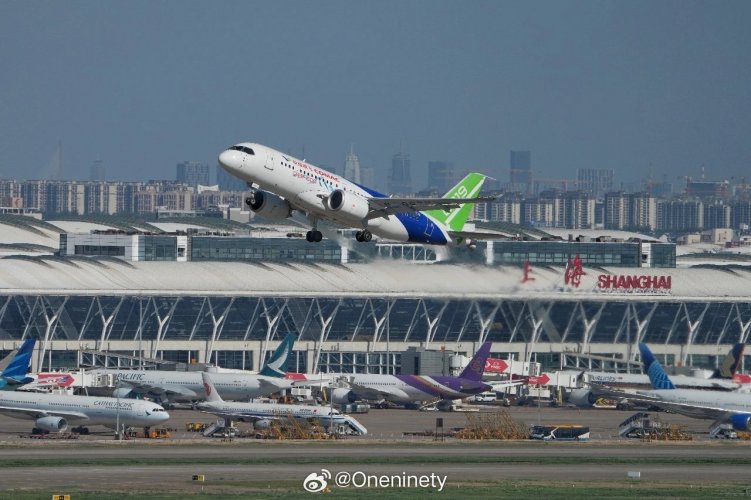
As of May 27, 2026, the C919 has obtained the Type Certificate (TC) issued by the Civil Aviation Administration of China (CAAC), allowing it to operate commercially in China. It has not yet received airworthiness certification from the European Union Aviation Safety Agency (EASA) or the U.S. Federal Aviation Administration (FAA), but EASA certification has entered the third stage (conformity demonstration), while FAA certification has not started substantial review yet.
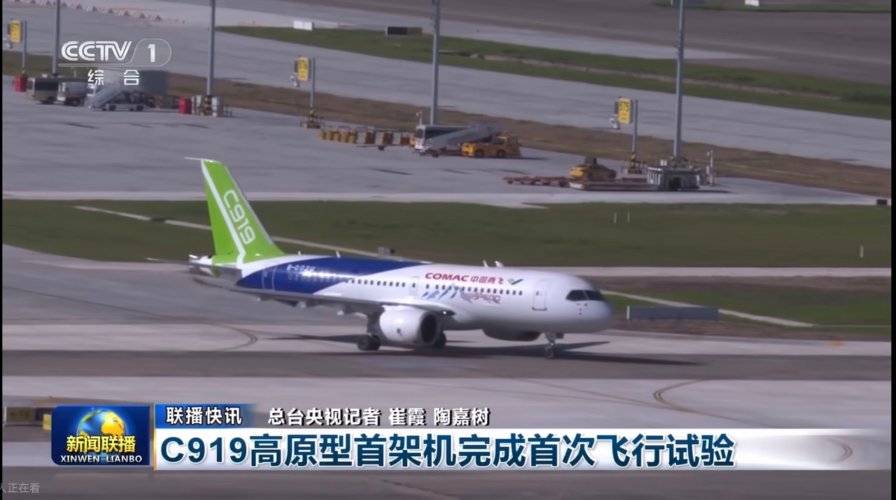
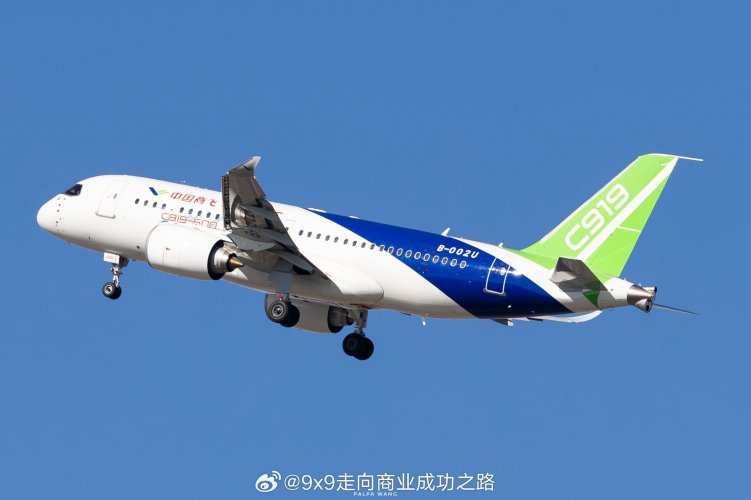
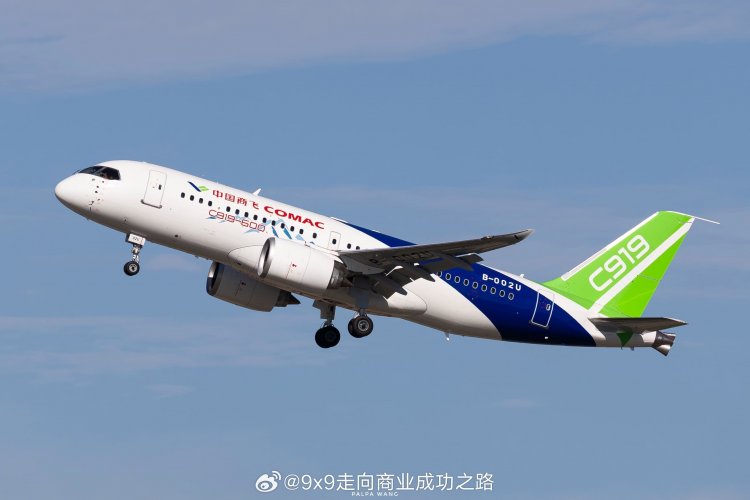
Domestic Airworthiness Status: The C919 officially received the CAAC Type Certificate in September 2022 and was put into commercial operation by China Eastern Airlines in May 2023. As of May 2026, it has safely transported over 4 million passengers, the fleet has grown beyond 30 aircraft, operating routes have expanded to 46, and continuous airworthiness is supervised by a dedicated CAAC team.
EASA Certification Progress: Applied since 2019, accelerated after China and the EU signed a technical cooperation agreement in mid-2024. By the end of 2025, it entered the third stage of EASA’s four-stage certification (conformity demonstration). Since February 2026, EASA has had a permanent team in Shanghai for test flights and system verification, but no official certification timetable has been set, with industry estimates suggesting another 3–6 years (2028–2032). Shadow audits (EASA’s full monitoring of CAAC’s approval process) have not started, which is a key bottleneck.
FAA Certification Status: As of mid-2026, the FAA has not released any approval roadmap, sent a permanent team, nor begun test flights or shadow audits. Technical assessment remains limited to data submissions and initial exchanges, with political and market protection factors widely seen as the main causes for delay.
International Mutual Recognition and "Bypass" Strategy: China has signed bilateral airworthiness agreements or memorandums with 42 countries (including Belt and Road partners like Brunei, Vietnam, Laos, Malaysia, Indonesia). Among them, Brunei (2025) and Vietnam (2025) explicitly recognize the CAAC-issued C919 certificate for direct registration and operation. The C919 has flown abroad multiple times (e.g., test flights or relocation to Vietnam and Laos), but it has not been locally registered or commercially operated by foreign airlines. Lacking EASA/FAA endorsement, mainstream international markets (Europe, America, Australia/New Zealand, wealthy Middle East countries) still have entry barriers.
Future Key Milestones: If the EASA certification finishes the conformity demonstration, it will move to the fourth stage (final assessment and certificate issuance), but all technical requirements must be closed, including bird strike, icing, and electromagnetic compatibility. There is no short-term breakthrough expected for the FAA path. COMAC’s focus remains dual-track with EASA and emerging markets. The domestic CJ-1000A engine airworthiness certification (expected by 2026) will enhance autonomy and control but does not directly affect current CAAC or EASA C919 certification progress.
In short, the C919 has crossed the "ready to fly" domestic threshold and is now tackling the international "ready to sell" certification. The current airworthiness status is: CAAC certification secured, EASA certification in progress, FAA certification not started, and emerging market agreements paving the way.