PaulMM (Overscan) said:
Yep, its Google translate. 'Sidebar controller' is obviously sidestick controller - it improves visibility of the cockpit displays by not blocking valuable real estate near the centre with a control stick, plus its argued to help pilots carry on manouvering under heavy g load as their elbow is supported, not resting on their thigh, as LowObservable says.
Agree, visibility concerns the instrument panel, not the view out of the canopy. In addition to what LowObservable, um,
observes, a sidestick is probably better suited to accommodate F-16-style semi-reclined seating for increased g-tolerance. I've also read that in formation aerobatics (such as the relevance of that is to combat ops) inflation of the g-suit trouser legs can upset the pilot's inputs with a conventional stick.
latenlazy said:
I’m actually not as sure they would have arrived at an F-22 like configuration without the engine bottleneck. I get the feeling that even without the engine bottleneck CAC would have probably gone with a delta canard of some sort anyways. They may have struck a different set of compromises though, but it probably would have the same planform, as it was the one they had the most familiarity with. Meanwhile, if what we’ve heard about the J-XX’s history is correct then its unlikely CAC wouldn’t have gotten the tender, given how much more proactively inventive they supposedly were than SAC in their approach to the contest.
To be clear to the original question I don’t think an inability to copy the F-22’s physical features had anything to do with the approach they ended up choosing for the J-XX. Nothing in their capabilities prohibited them from going with a design like the J-31 for example. An F-22 like design wasn’t pursued because it probably didn’t fit their set of requirements and conditions.
Yes, I also suspect the J-20 was always going to be a canard. Depending on your requirements, it's perfectly possible to find good arguments for a canard configuration even with access to world-class engine technology (consider for example the Eurocanards). As you say, with the J-10 as previous experience, the delta-canard is the high-performance fighter configuration most familiar to and best understood by CAC. For them, anything other than a canard could arguably have been considered a departure from convention.
Blitzo said:
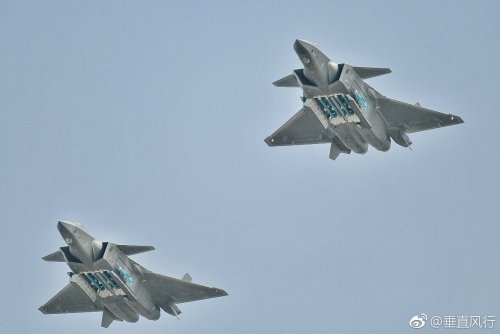
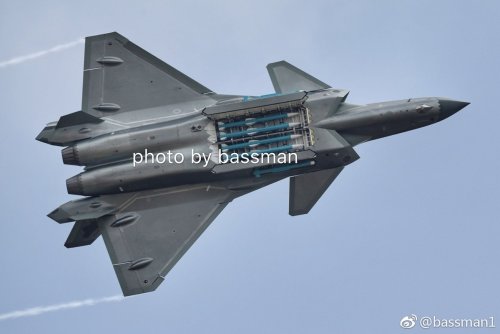
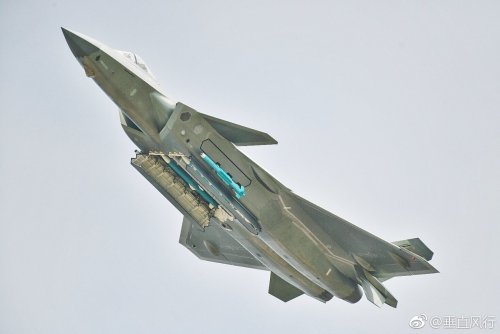
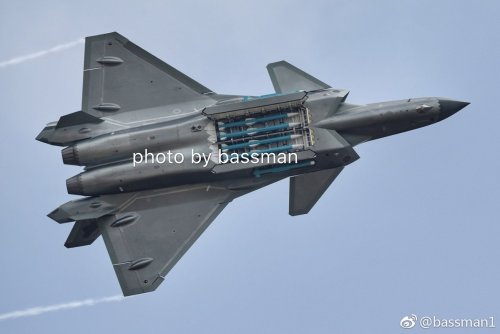
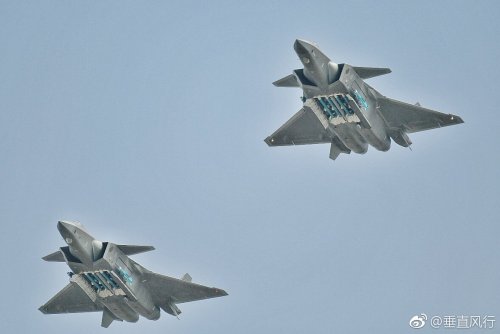
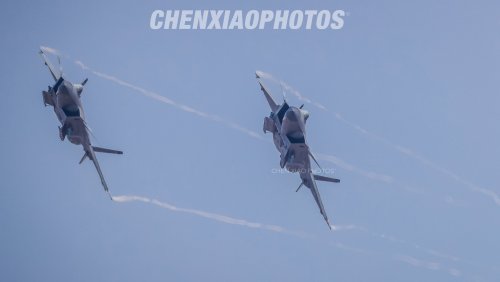
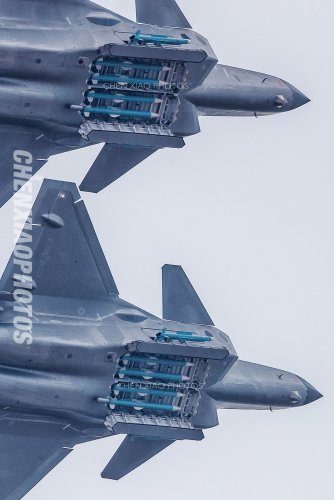
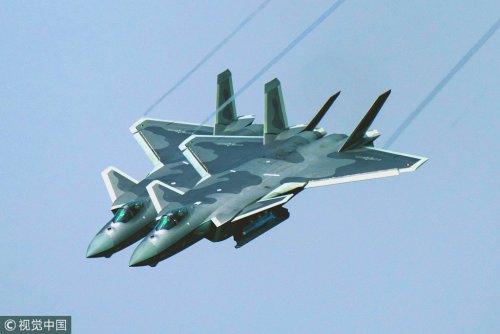
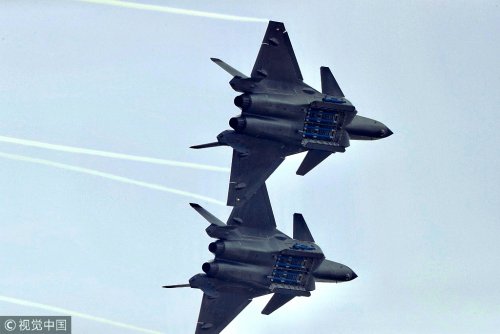
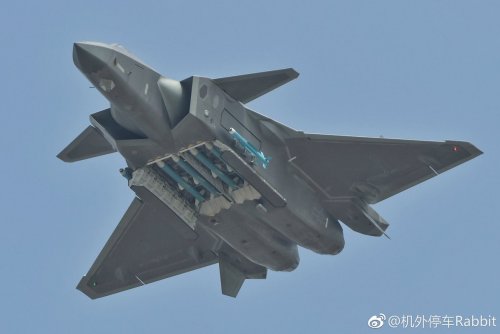
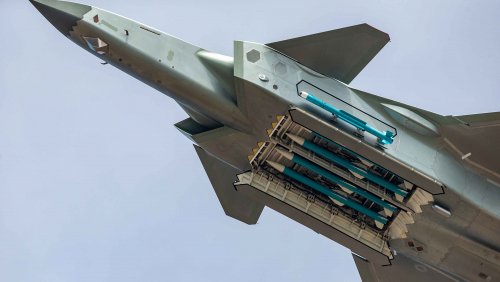
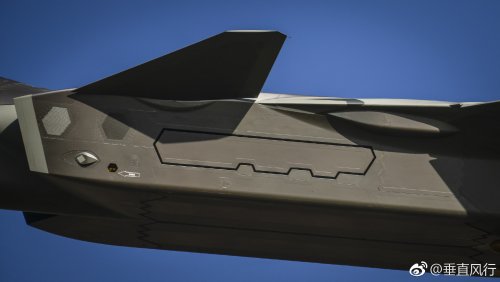
And as far as current flying and proposed 5th generation fighters go, I think one has to admit J-20's aerodynamic configuration is among the more unique. Bringing up Song's paper back here naturally would spark some more discussion about the aircraft's aerodynamic configuration
While the J-20 layout is somewhat unusual for a stealthy 5th generation fighter (and even so, it's not the first time such a configuration was considered for this purpose: Northrop/MDD NATF, JAST/CALF, Saab FS2020, Yakovlev MFI...), I don't see anything truly novel about a delta-canard by now. Between the J-10 and Eurocanards, comfortably in excess of 1000 are in service all over the world today - upgrades of existing 4th generation fighters (some of which acquired canards in the process!) notwithstanding, you could even say it was the default choice for clean-sheet 4.5 generation fighters. There's been a lot of prior art and while it's definitely no more a copy of anything else than the Rafale is a Typhoon rip-off (in other words, not at all), I don't consider the J-20 as particularly radical. Certainly not YF-23-radical and (IMHO) not even Su-57-radical, aerodynamically speaking.
Sundog said:
Something interesting to note with the Lockheed JAST design is the canards weather-vane at subsonic speeds and became "active" at supersonic speeds, to minimize trim drag and increase supersonic maneuverability.
There's also the MiG Ye-8 which used its canards to counteract the rear-ward shift of the centre of pressure in supersonic flight in a similar manner, anticipating the F-14's glove vane idea by a couple of years.
sferrin said:
Is the "Izd.30" simply an AL-31 variant or a completely new engine?
Clean sheet. Why would they bother with another AL-31 evolution when they've already pushed that architecture about as far as it will practically (i.e. with acceptable life & TBO) go in the current 147kN Izd. 117 engine? The latter is an improved version of the 142kN Izd. 117S in the Su-35S, so arguably twice (or thrice, counting the AL-31FP from the Su-30MKI which pioneered the TVC nozzle & integration) removed from the basic 122kN AL-31F by now.

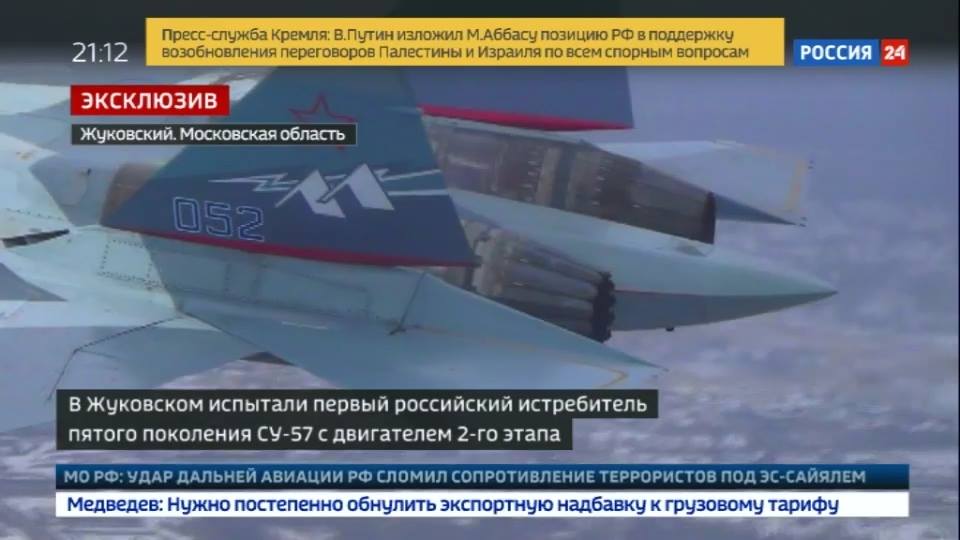

 ratio in different flight conditions, to expand the flight envelope, or ever more sophisticated methods to control these more powerful vortices. While I don’t think the J-20 is as radical as say the Su-57 in the fundamental principles it employs I think a case can be made that there looks to be some pretty significant iterative innovations with multiple different vortex generation methods. In other words, one could argue the aerodynamic design itself is innovative even if the aerodynamic principles aren’t. That said, I’ve said elsewhere before that the J-20 and Typhoon have a lot in common, and whether by intent or convergence they seem to have arrived at very similar aerodynamic solutions.