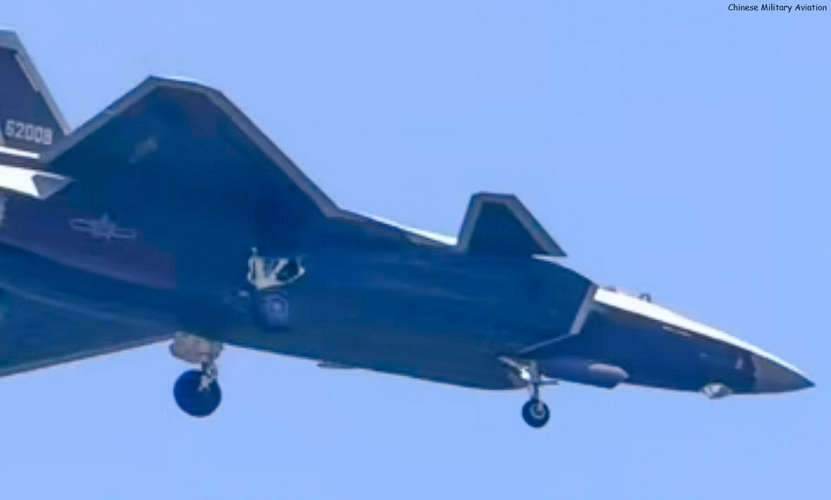
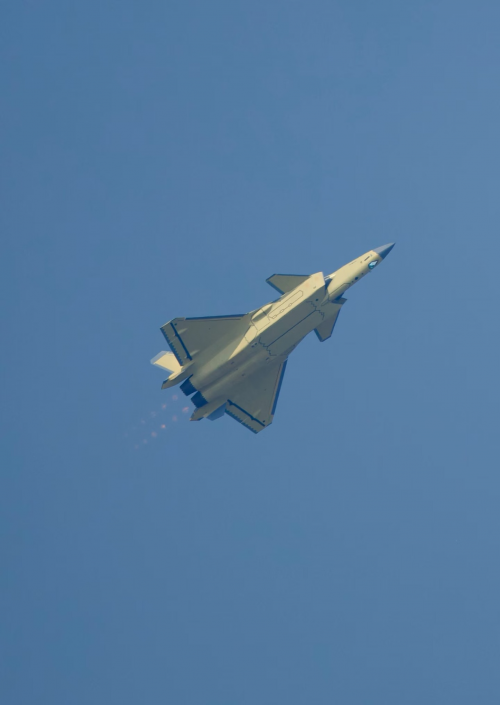
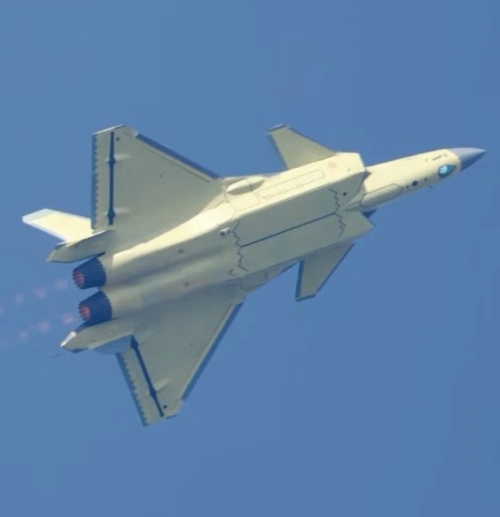
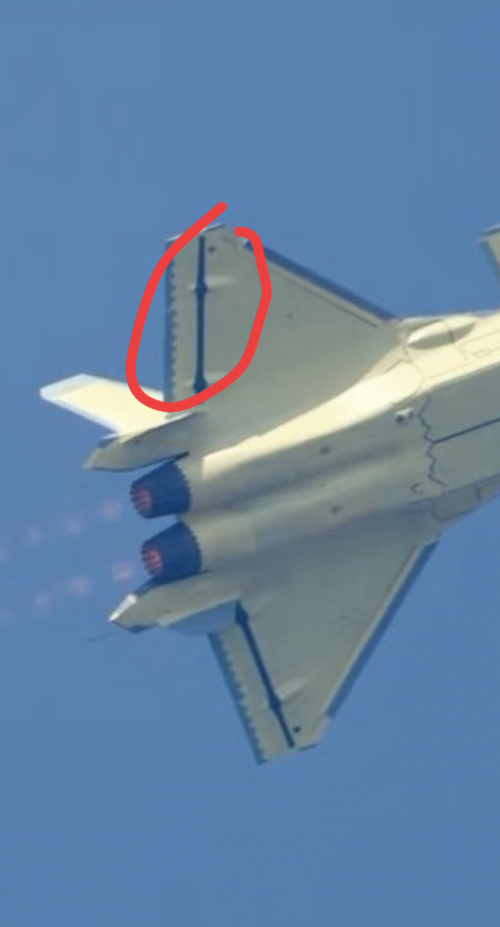
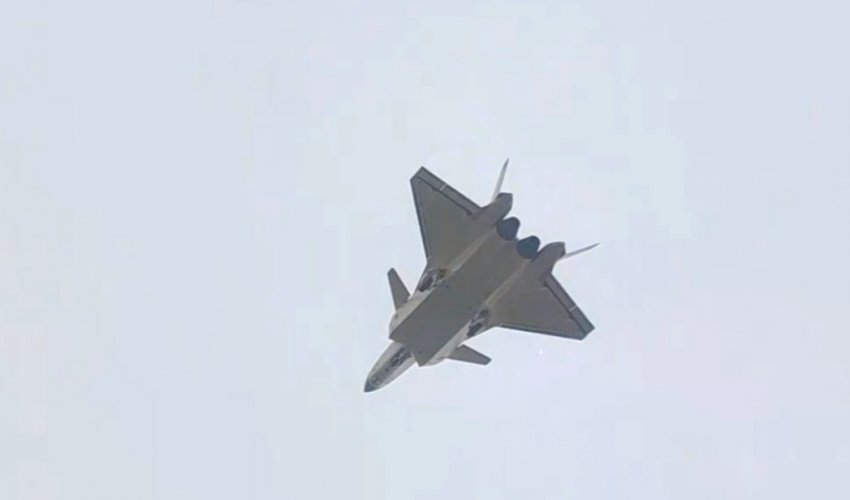
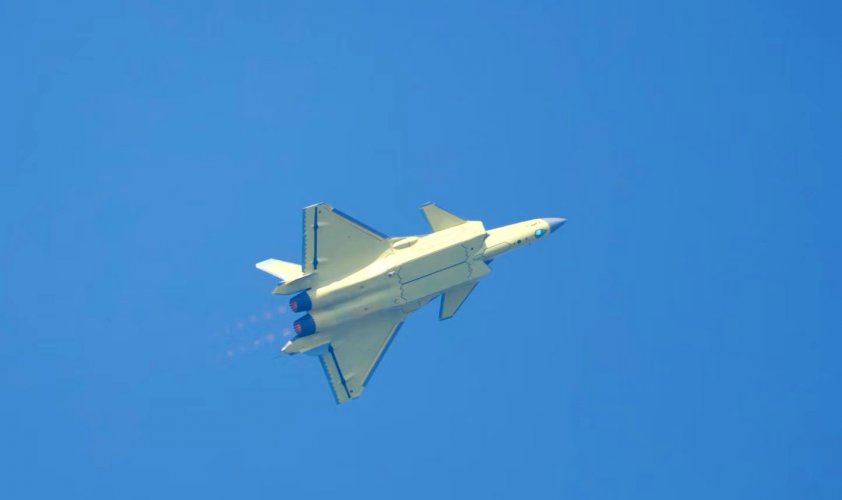
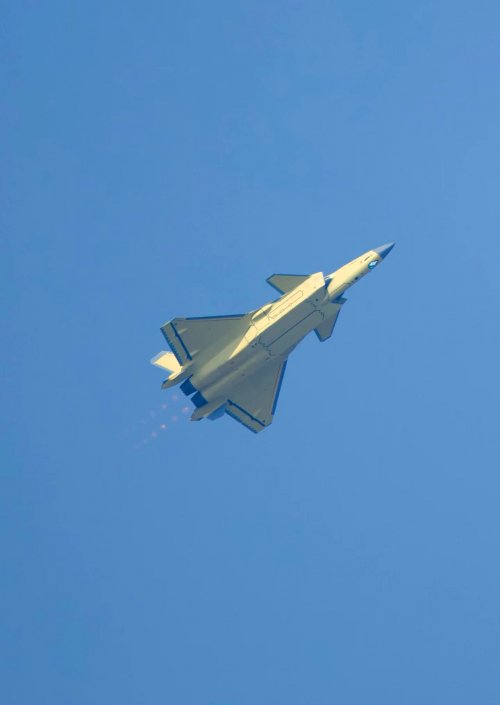
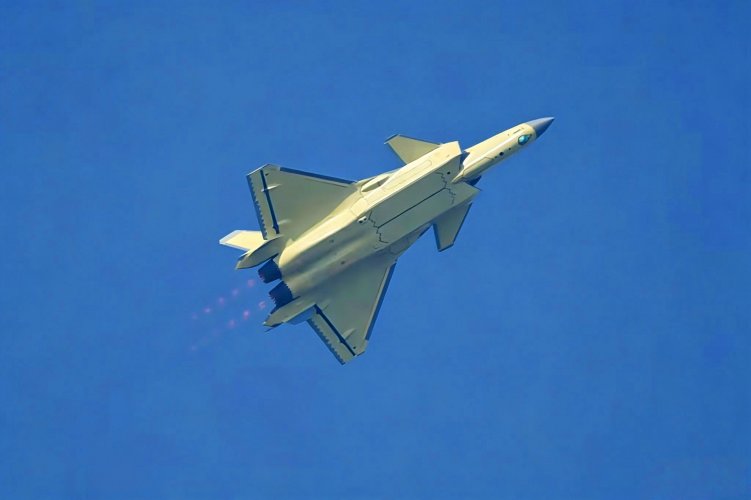
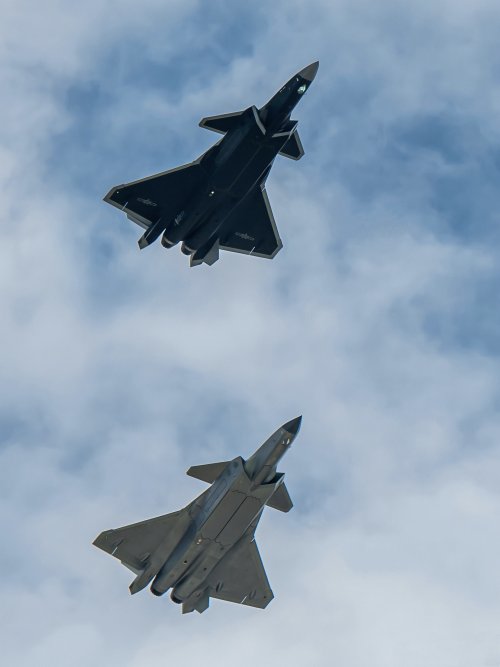
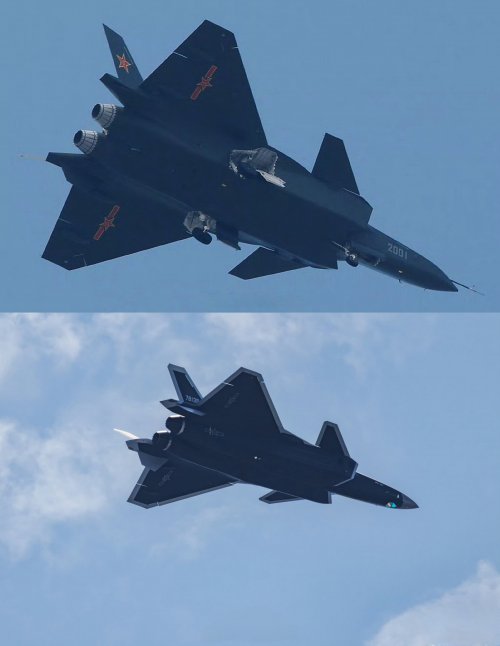
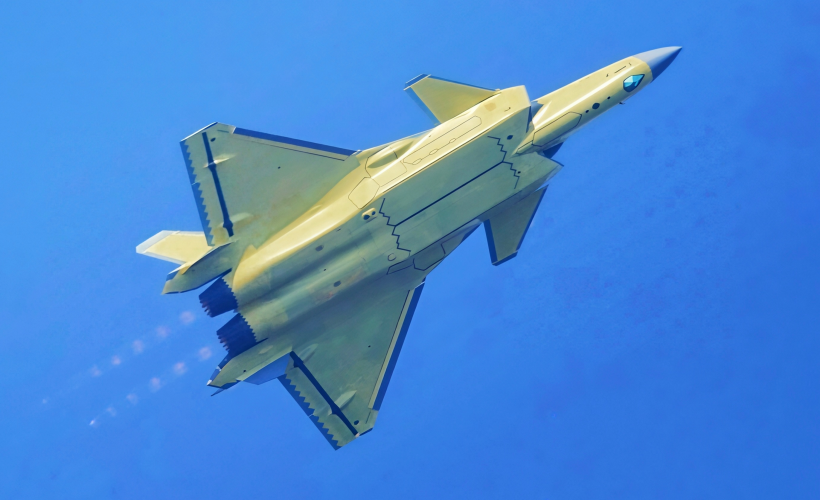
Thanks Siegecrossbow, so will they get ubgraded at some point in the future. Or will they still have the old engines?

- Existing vanilla J-20s produced to date will likely remain on WS-10C.
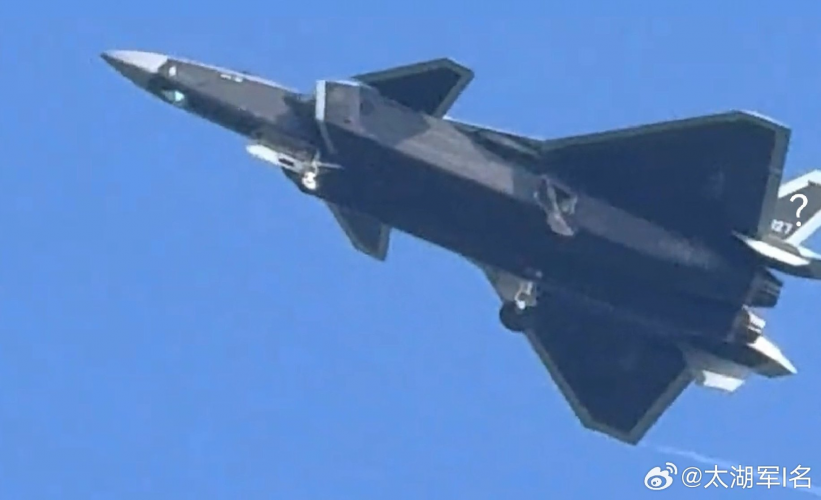
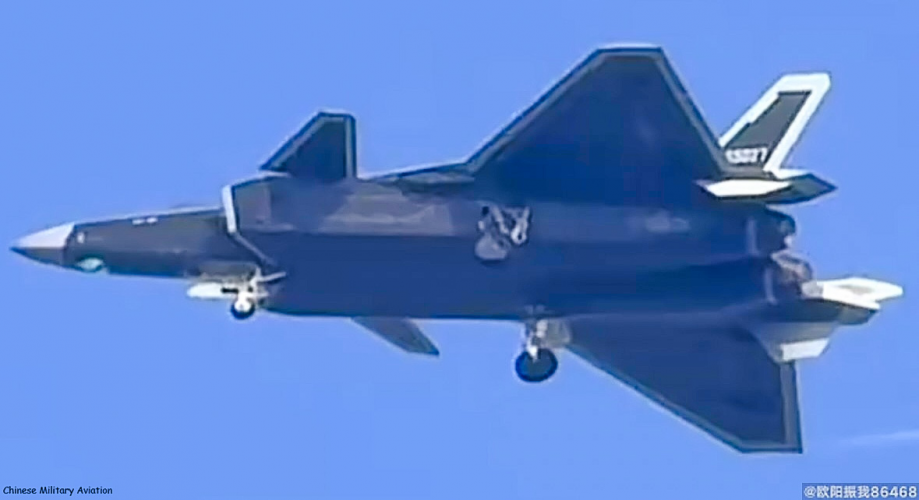
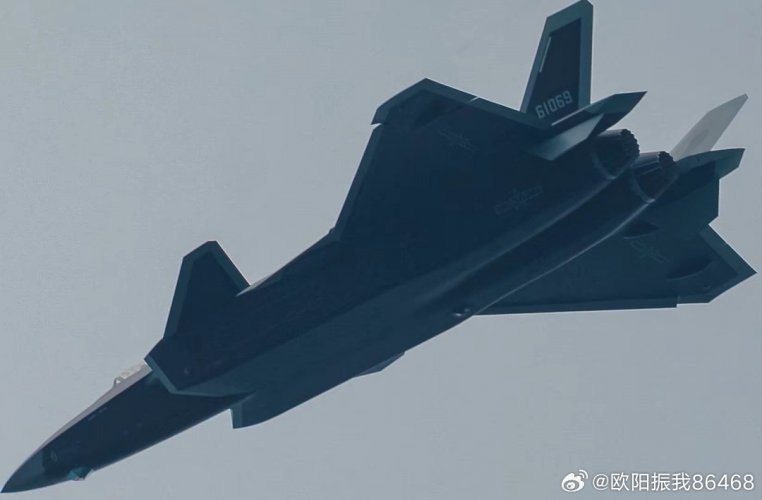
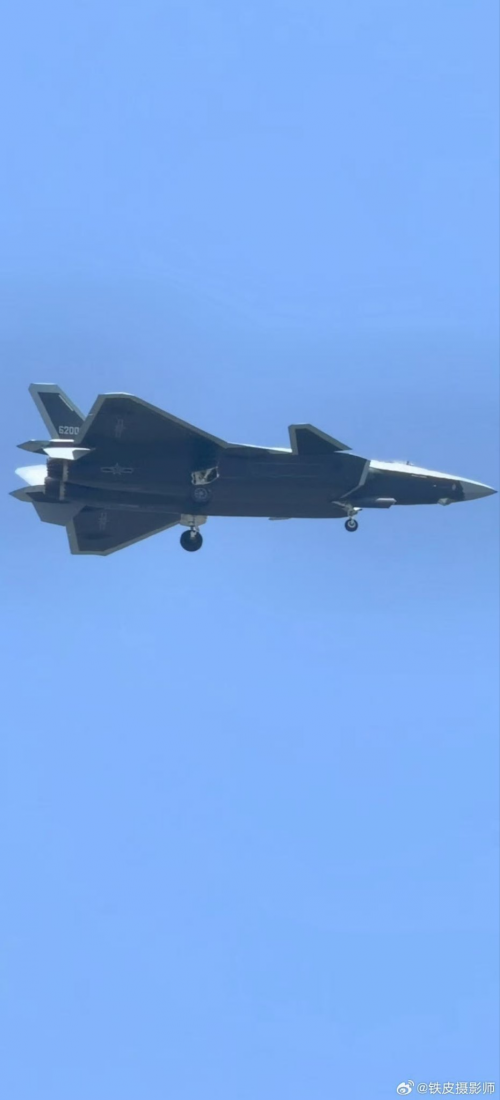
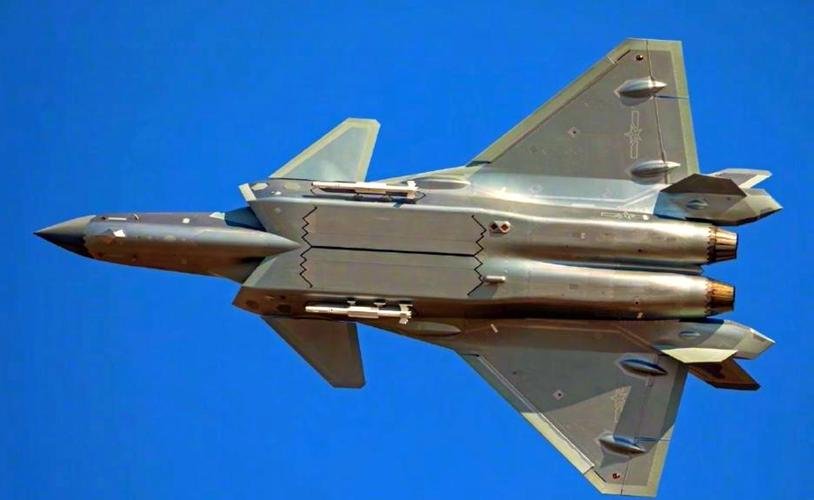
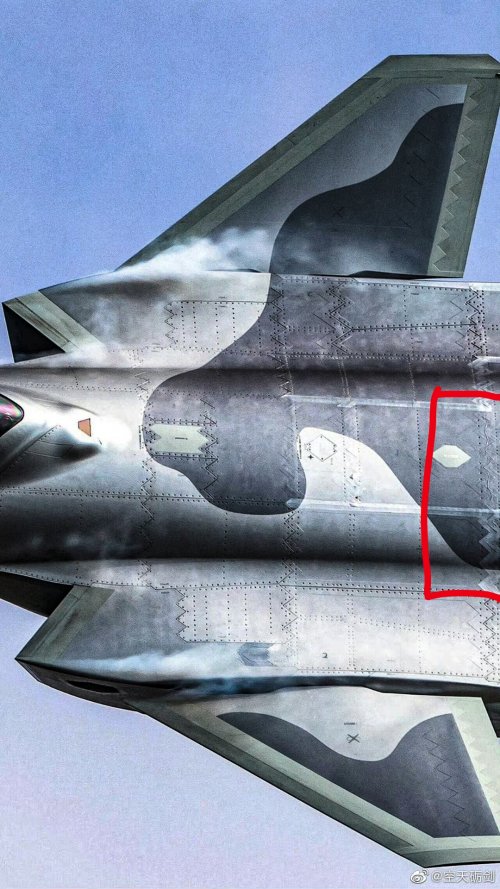
- Existing J-20A/S produced in 2025 to early 2026 are powered by an improved WS-10C2 -- these are the airframes that we've seen as in service with operational units over the last half year or so
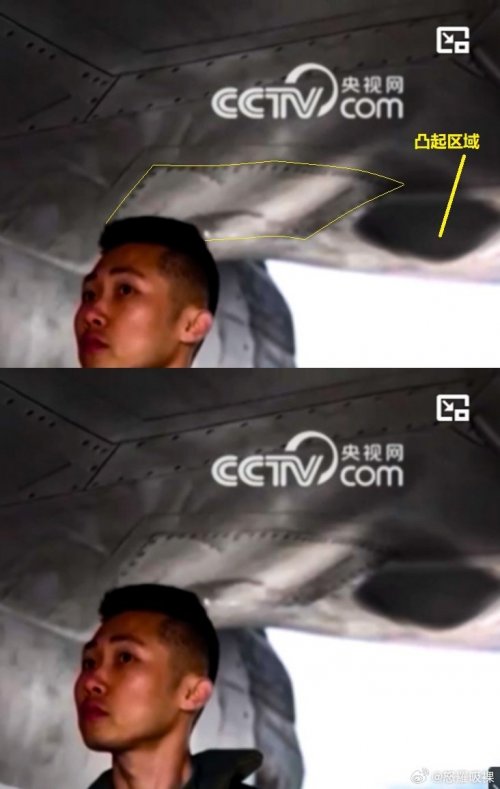
- J-20A produced from early 2026 to now are powered by WS-15s (though we don't know if all new J-20A produced from early 2026 are WS-15s or if some may still have WS-10C2 as WS-15 production ramps up, or if they are already able to meet demand of J-20A airframes); we have yet to see these in operational units, but chances are they are already in service, just per usual PLA practice we typically get pictures of new operational units many months or even years after they actually arrive.
- We have yet to see J-20S produced from early 2026 and what engines they are powered with, but I suspect they should be compatible with WS-15s, it just depends on whether they want to give it to them.

At this stage it's unlikely J-20 family (i.e.: 20, 20A, 20S) will receive a VCE/ACE during its service life, simply because the VCE/ACE project looks more suited for the 6th gen efforts (J-36, J-XDS), but who knows, never say never.

That is a pity Elysium, that will mean that the J-20 will not have a more powerful engine that can fit in it.

WS-15 is that more powerful engine.

The pursuit of a VCE/ACE for J-20 would be more for gaining greater optimization for different flight regimes and extending its already impressive range.


I just think that since the J-20 emphasizes both high-speed performance and long range, the ACE engine is crucial for it.

There is a difference between what is desirable versus what is practical.

At present, VCE/ACE efforts are obviously prioritized for the 6th gen programs. Whether those engines can also be utilized for J-20 or not (or whether they will have a separate VCE/ACE program to re-engine J-20 family aircraft with), is certainly something to consider, but J-20A/S with WS-15 is the intended target engine for the airframe from the beginning.
 
The WS-15 is likely a lower bypass engine with a larger core whose increased performance will come at the cost of efficiency. A high-bypass potentially adaptive engine built around it will have a larger diameter and will not fit in the J-20, that's my 2 cents.
However, note that the first US ACE engines were built around F135 form and thrust factors, but the current ACE designs are more on F110/F119 form and thrust factors.

I would expect the first Chinese ACE engines to be built around a larger core like the WS10 or WS15 for their 6gen airframes, and maybe in the future a physically-smaller ACE engine could be built to fit into WS10 form factors.
 
However, note that the first US ACE engines were built around F135 form and thrust factors, but the current ACE designs are more on F110/F119 form and thrust factors.

I would expect the first Chinese ACE engines to be built around a larger core like the WS10 or WS15 for their 6gen airframes, and maybe in the future a physically-smaller ACE engine could be built to fit into WS10 form factors.
Chinese VCE is using a completely new core and is technically a second generation design already as they tested a WS-10 based one in the late 2010s. WS-10 isn't much smaller than WS-15 anyhow, the new engines should be able to fit into WS-10 ish size bracket at the minimum to be compatible on the current 6th generation fighters.
 
WS-15 is that more powerful engine.

The pursuit of a VCE/ACE for J-20 would be more for gaining greater optimization for different flight regimes and extending its already impressive range.
I have not claimed the WS-15 is less powerful (in fact the contrary) - I have only said that it makes sense that the engine will have a larger core (to accomodate for future growth/VCE adaptation), giving it higher thrust and better supersonic performance. Specific impulse and specific thrust are opposing parameters - the faster you fly, the exhaust velocity (and amount of momentum added to the airflow) needs to increase, but increasing it too much wastes energy (because momentum is linear with exhaust velocity, kinetic energy scales with the square of velocity). An engine improves both at the same time while retaining the same mass flow rate and diameter is contradictory.

This has been true of real world-engines: the F-119 is a supersonic optimized engine, and has a higher specific thrust, but lower bypass, and thus efficiency than the F110. The F135, which is based on the F119, has improved on both metrics, but its inlet diameter grew from 97cm, to 109cm - a 25% increase in capture area.
However, note that the first US ACE engines were built around F135 form and thrust factors, but the current ACE designs are more on F110/F119 form and thrust factors.

I would expect the first Chinese ACE engines to be built around a larger core like the WS10 or WS15 for their 6gen airframes, and maybe in the future a physically-smaller ACE engine could be built to fit into WS10 form factors.
Afaik the YF120 predated the variable cycle engine you speak of, which are considered for the F35 as an upgrade. It was not pursued exactly because the overall low bypass of the engine meant, that the advantages were modest, and the additional complexity imposed a perf penalty in ideal conditions compared to the F119.
This is the exact reason why a VCE makes sense in a larger form factor of the F135 you spoke of, but I don't think they'll shrink one to F110 size.

This is true of the Chinese as well for the same reasons - a VCE in the WS-10 form factor makes little sense, and trading efficiency for thrust for the J-20, a plane designed around range, is also not something that'll be popular. That said, I don't doubt the WS-15 is going to go into a modified J-20 version, but I don't think either that version or the WS-15 is going to be that common.

It's much more likely, that a VCE variant with a larger diameter, and higher bypass and a core derived from the WS-15 is going to be the true home of next-gen Chinese engine tech.
 
Afaik the YF120 predated the variable cycle engine you speak of, which are considered for the F35 as an upgrade. It was not pursued exactly because the overall low bypass of the engine meant, that the advantages were modest, and the additional complexity imposed a perf penalty in ideal conditions compared to the F119.
This is the exact reason why a VCE makes sense in a larger form factor of the F135 you spoke of, but I don't think they'll shrink one to F110 size.
Did you miss that the XA100/XA101s for incorporation into F-35s will not happen, because the engines were not compatible with the LiftFan of the -B models? And F-35 Program Office refuses to consider a different engine for the Marines than for USAF and USN.

The XA102/XA103 are F119-sized (ish, they are more specifically F119 thrust levels) and are intended for the F-47.
 
Did you miss that the XA100/XA101s for incorporation into F-35s will not happen, because the engines were not compatible with the LiftFan of the -B models? And F-35 Program Office refuses to consider a different engine for the Marines than for USAF and USN.

The XA102/XA103 are F119-sized (ish, they are more specifically F119 thrust levels) and are intended for the F-47.
I am sorry, but could you point out what exactly was wrong in my post? The fact that I didn't specify that the B variant likely wont get the VCE doesnt mean that the premise that the F35 has a VCE upgrade planned for the A (and possibly C) variants. I don't think your statement about the different engine not being considered is true. I don't wanna go down this rabbit hole, as there are multiple reasons why the XA101/XA100 based variants might/might not happen, but I don't think your argument holds water. The B-variant is on life support anyways, mostly US allies buy it.

As for the XA102/XA103, I want to point out that we know exactly *nothing* certainly not the weight, bypass ratio, inlet diameter or exact thrust levels. The ~ish gives a lot of wiggle room, the F135 is within 25% throat area, thrust etc. There's nothing to indicate that the XA102 will fit into a F119 size - and even if it does, it might have a smaller core compared to the F119 giving it a similar or higher BPR as the F135. But I don't want to engage in pointless, off-topic speculation, its enough to state that we don't know.

As for the WS-15 being low bypass, Wikipedia states its BPR at 0.24, lower than even the F119 (unfortunately the Chinese article it links to is no longer available)
 
I have not claimed the WS-15 is less powerful (in fact the contrary) - I have only said that it makes sense that the engine will have a larger core (to accomodate for future growth/VCE adaptation), giving it higher thrust and better supersonic performance. Specific impulse and specific thrust are opposing parameters - the faster you fly, the exhaust velocity (and amount of momentum added to the airflow) needs to increase, but increasing it too much wastes energy (because momentum is linear with exhaust velocity, kinetic energy scales with the square of velocity). An engine improves both at the same time while retaining the same mass flow rate and diameter is contradictory.

This has been true of real world-engines: the F-119 is a supersonic optimized engine, and has a higher specific thrust, but lower bypass, and thus efficiency than the F110. The F135, which is based on the F119, has improved on both metrics, but its inlet diameter grew from 97cm, to 109cm - a 25% increase in capture area.

I never said that you suggested the WS-15 is less powerful...

My post was replying to Fighterjock, not you.
 
I am sorry, but could you point out what exactly was wrong in my post? The fact that I didn't specify that the B variant likely wont get the VCE doesnt mean that the premise that the F35 has a VCE upgrade planned for the A (and possibly C) variants. I don't think your statement about the different engine not being considered is true. I don't wanna go down this rabbit hole, as there are multiple reasons why the XA101/XA100 based variants might/might not happen, but I don't think your argument holds water. The B-variant is on life support anyways, mostly US allies buy it.
That the F-35 Program office REFUSES TO CONSIDER different airframes having different engines beyond the LiftFan.

Ergo, no adaptive engines for F-35s. At all.


As for the XA102/XA103, I want to point out that we know exactly *nothing* certainly not the weight, bypass ratio, inlet diameter or exact thrust levels. The ~ish gives a lot of wiggle room, the F135 is within 25% throat area, thrust etc.
+-25% is a whole lot more than "ish", by that error bar an F100 is an F119 is an F135.


There's nothing to indicate that the XA102 will fit into a F119 size - and even if it does, it might have a smaller core compared to the F119 giving it a similar or higher BPR as the F135. But I don't want to engage in pointless, off-topic speculation, its enough to state that we don't know.
We can make educated guesses about what a ~35klb ACE will have. It can't have a core much smaller than an F119 because you lose the ability to supercruise overall if it does. It probably will have a larger diameter than F119 because the 3rd stream needs a place to go.
 
This is true of the Chinese as well for the same reasons - a VCE in the WS-10 form factor makes little sense, and trading efficiency for thrust for the J-20, a plane designed around range, is also not something that'll be popular. That said, I don't doubt the WS-15 is going to go into a modified J-20 version, but I don't think either that version or the WS-15 is going to be that common.

It's much more likely, that a VCE variant with a larger diameter, and higher bypass and a core derived from the WS-15 is going to be the true home of next-gen Chinese engine tech.
Shenyang is likely using a completely new core design for their VCE, not a WS-15 mod. While seemingly all J-20A built after the first LRIP batch seems to feature WS-15 already and there is nothing to suggest otherwise, credible grapevine rumors have said multiple time that J-20A is designed around the new WS-15 and now that base J-20 is now out of production all future J-20 produced will be J-20A, considering J-20s will likely be produced until the mid 2030s, the good bulk of J-20s of probably be A variants featuring WS-15, that is also assuming old J-20s are incapable of being retrofitted with WS-15.

AFAIK, it is also rumored the range decrease of the new J-20As with WS-15 is not really significant due to the new aircraft being capable of a higher fuel fraction, mildly improved aerodynamics and airframe material. While WS-15 would give J-20A a much higher supercruise performance over old J-20s, increase maneuverability greatly while providing more power and cooling for the new avionics package.
 

Similar threads

Back
Top Bottom