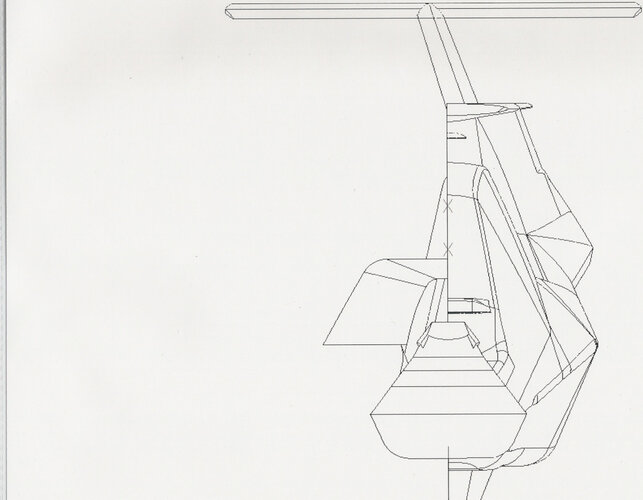
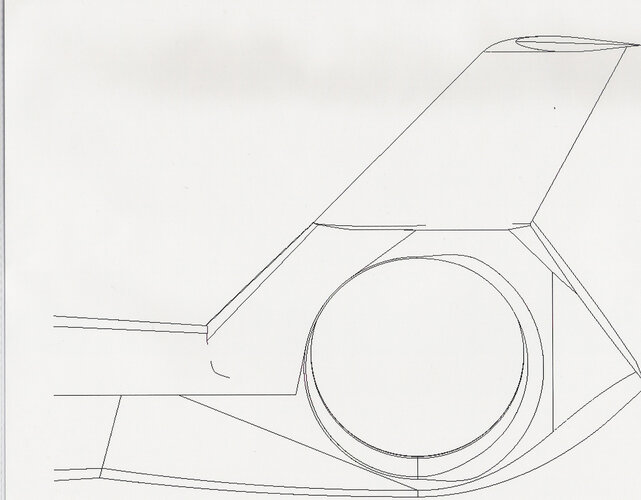
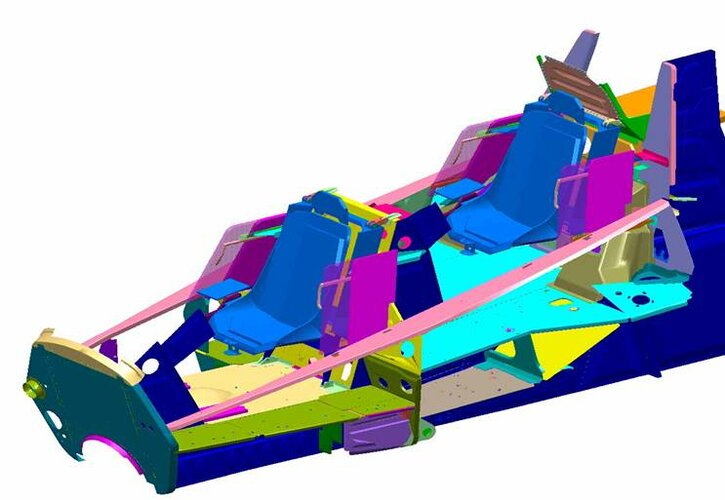
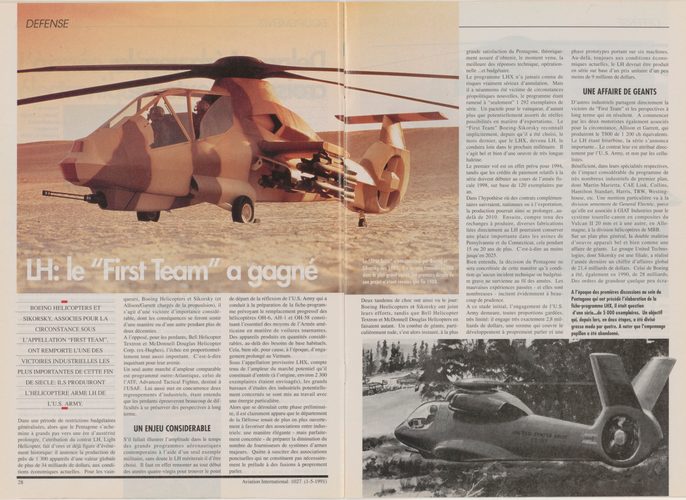
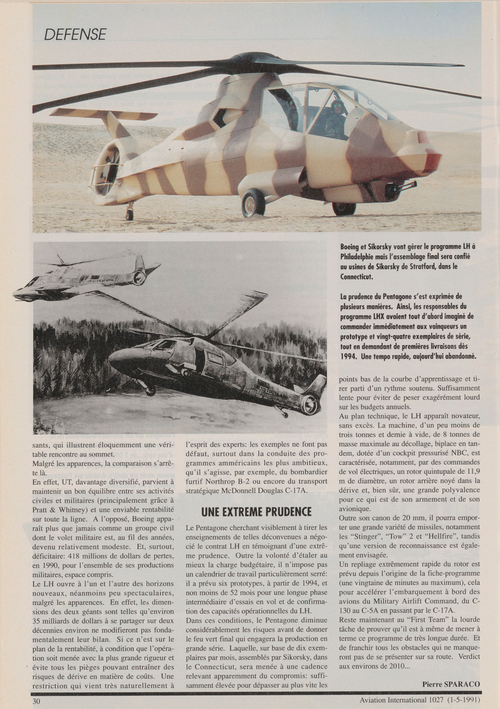
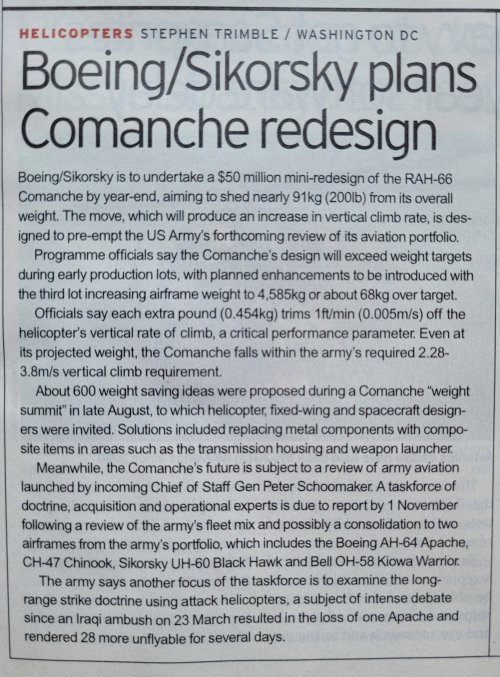
Boeing/Sikorsky RAH-66 Comanche

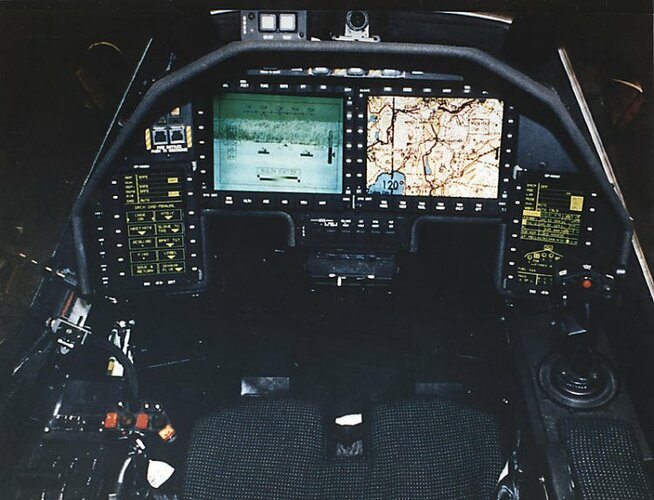
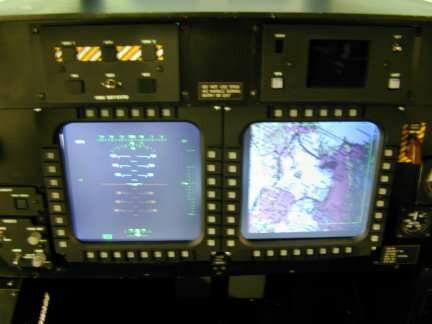
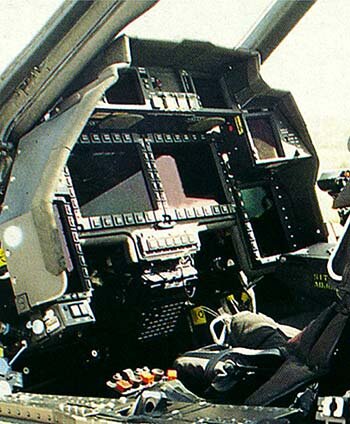
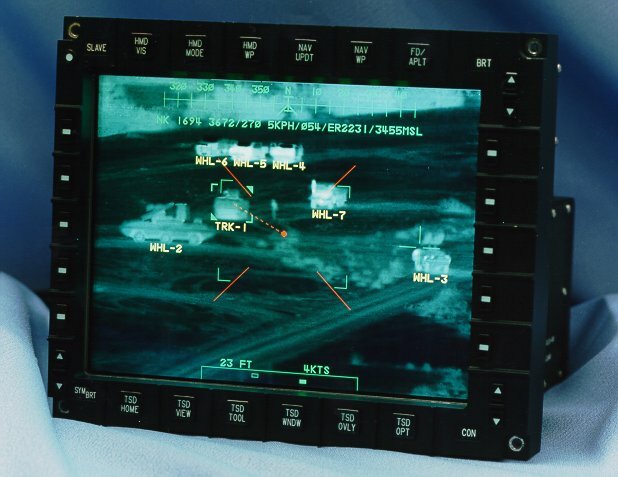
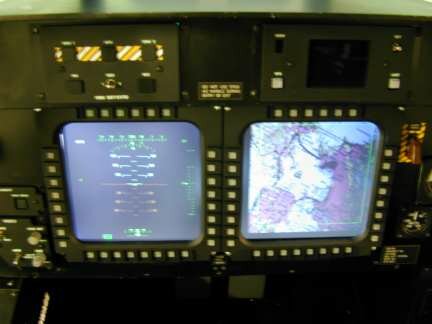
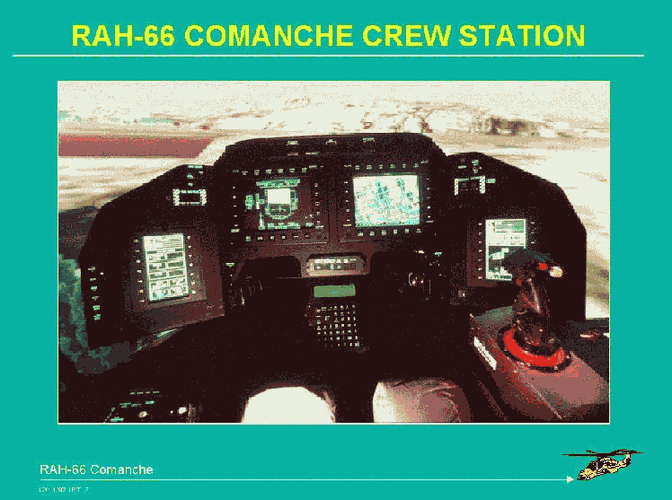
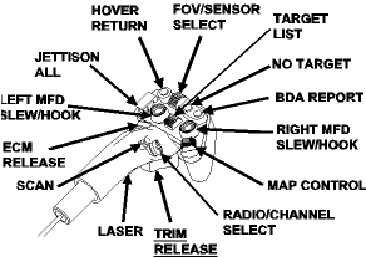
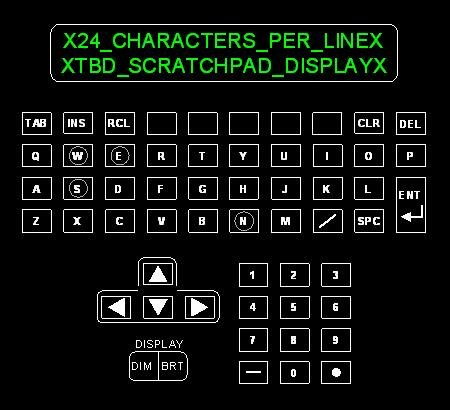
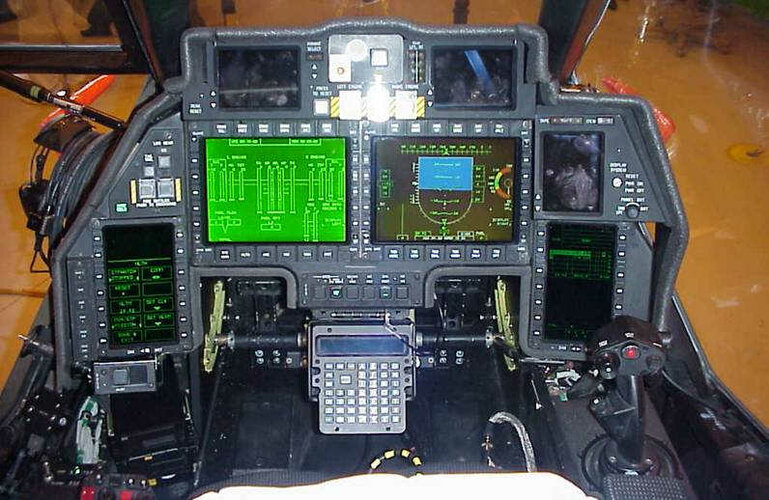
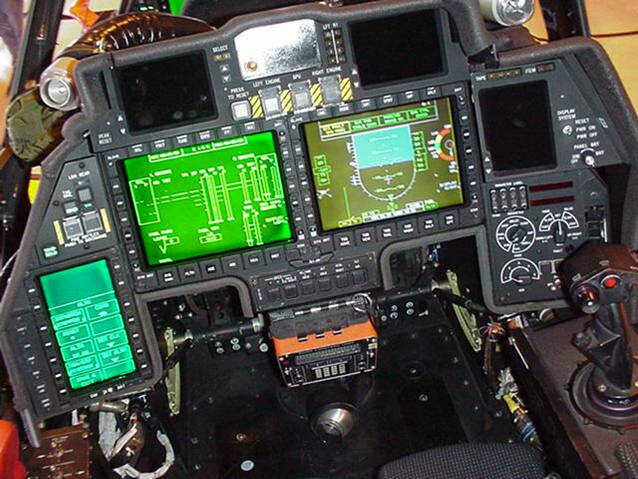
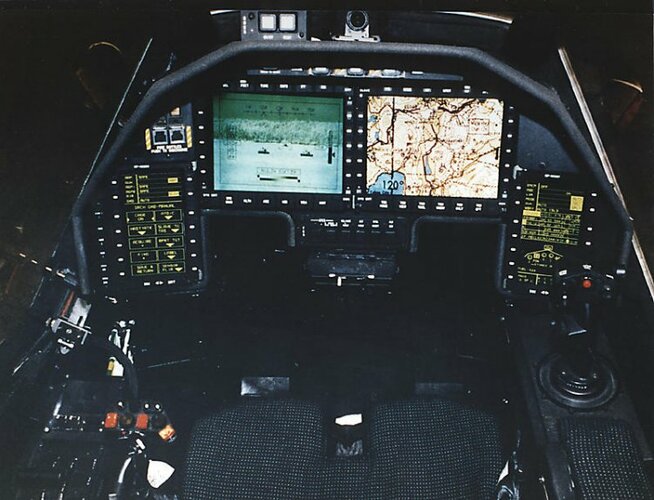
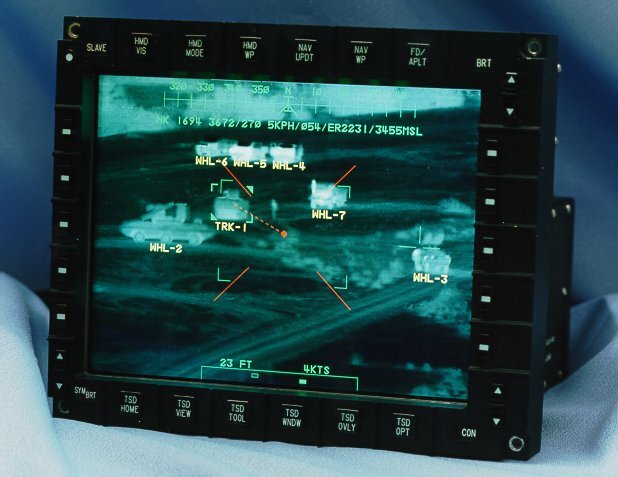
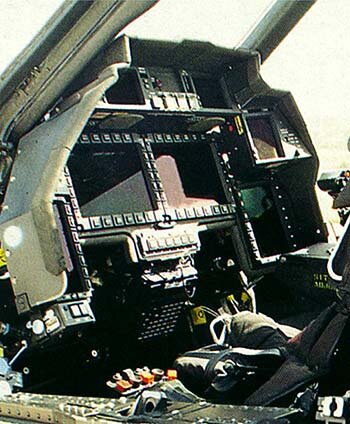
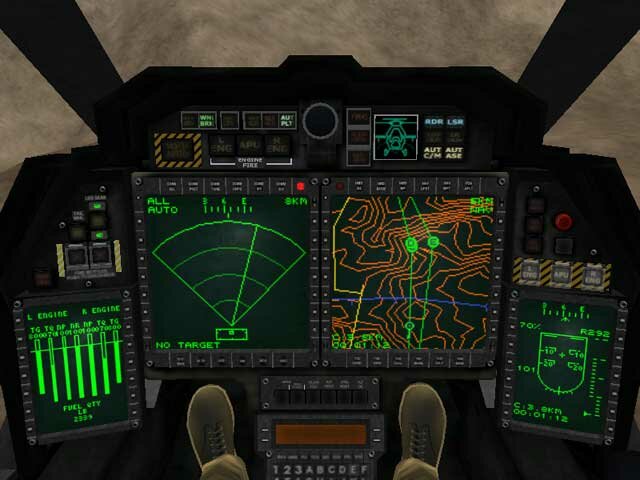
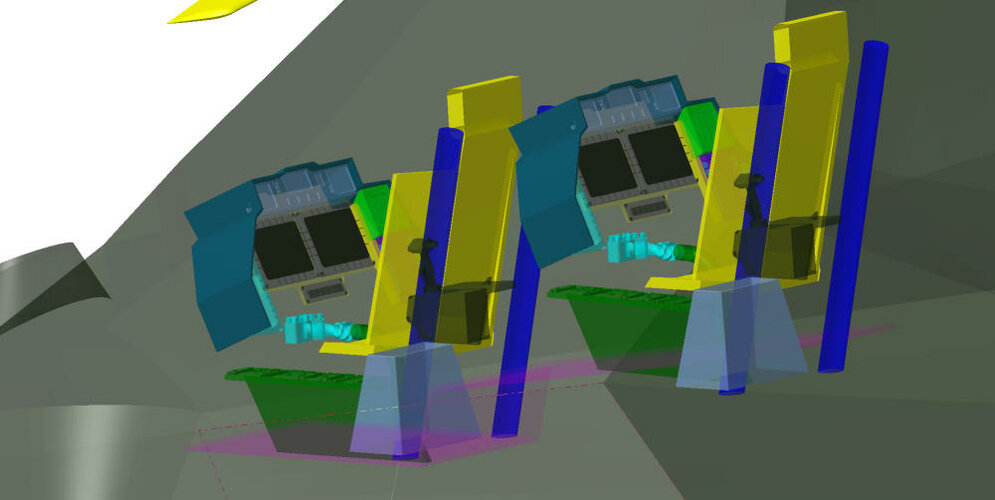
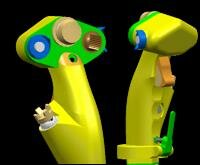
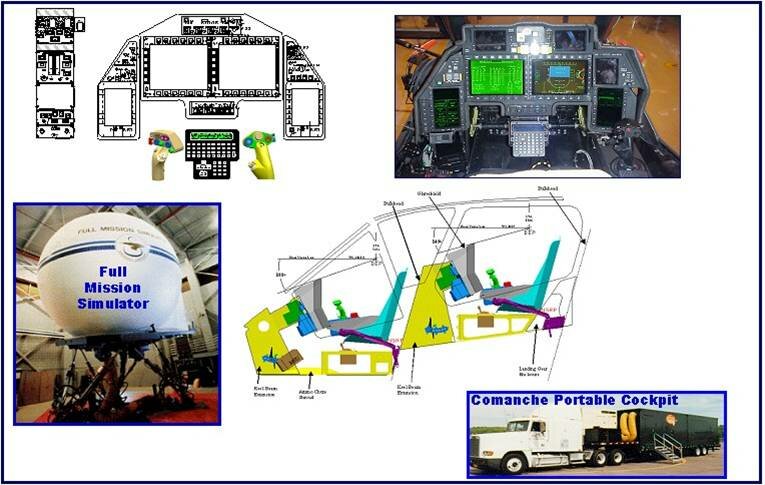
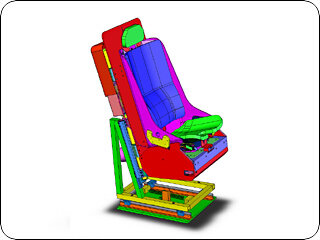
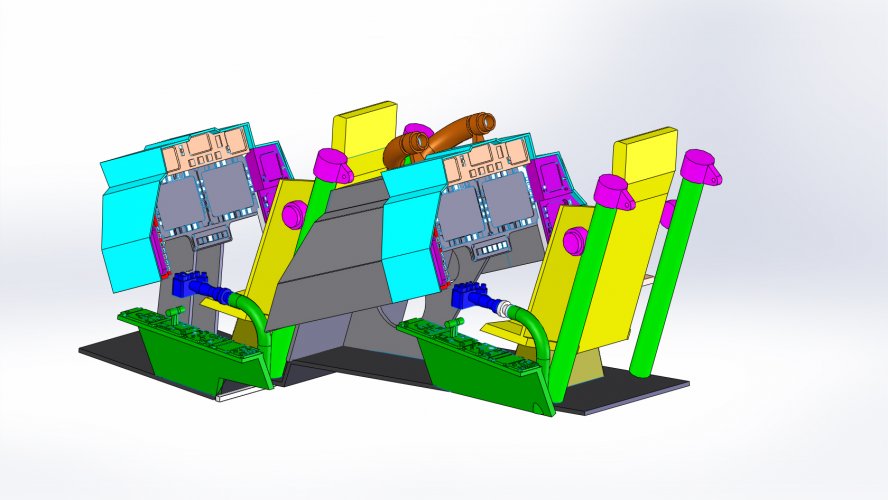
Cockpit.

Regards,
 

Attachments

  • cockpit_big.jpg
    cockpit_big.jpg
    87.3 KB · Views: 401
  • LBA_Dscn0663.jpg
    LBA_Dscn0663.jpg
    11.1 KB · Views: 217
  • LBA_dscn0667.jpg
    LBA_dscn0667.jpg
    16.3 KB · Views: 161
  • LBA_dscn0718.jpg
    LBA_dscn0718.jpg
    15.6 KB · Views: 154
  • Nbr03.jpg
    Nbr03.jpg
    16.3 KB · Views: 148
  • Nbr04.jpg
    Nbr04.jpg
    14.8 KB · Views: 140
  • Nbr16.jpg
    Nbr16.jpg
    42.3 KB · Views: 141
  • Nbr17.jpg
    Nbr17.jpg
    87.3 KB · Views: 132
  • Nbr18.jpg
    Nbr18.jpg
    54.5 KB · Views: 129
  • LBA_Dcn0679.jpg
    LBA_Dcn0679.jpg
    14.8 KB · Views: 133
  • img003.gif
    img003.gif
    54.8 KB · Views: 131
  • desc_grip_1.jpg
    desc_grip_1.jpg
    17.9 KB · Views: 133
  • CockpitIntergratedKeyboard.jpg
    CockpitIntergratedKeyboard.jpg
    33 KB · Views: 141
  • Comanche_14.jpg
    Comanche_14.jpg
    67.8 KB · Views: 146
  • Comanche_15.jpg
    Comanche_15.jpg
    60 KB · Views: 142
  • Comanche_cockpit_big.jpg
    Comanche_cockpit_big.jpg
    87.3 KB · Views: 129
  • Comanche_mfd_big.jpg
    Comanche_mfd_big.jpg
    54.5 KB · Views: 121
  • comanche1 Instrument Panel.jpg
    comanche1 Instrument Panel.jpg
    10.9 KB · Views: 123
  • comanche9.jpg
    comanche9.jpg
    42.3 KB · Views: 122
  • CPG Sta.jpg
    CPG Sta.jpg
    37.8 KB · Views: 151
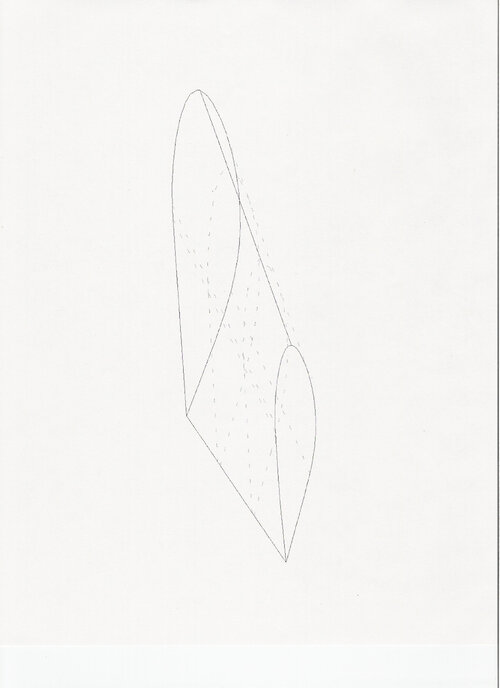
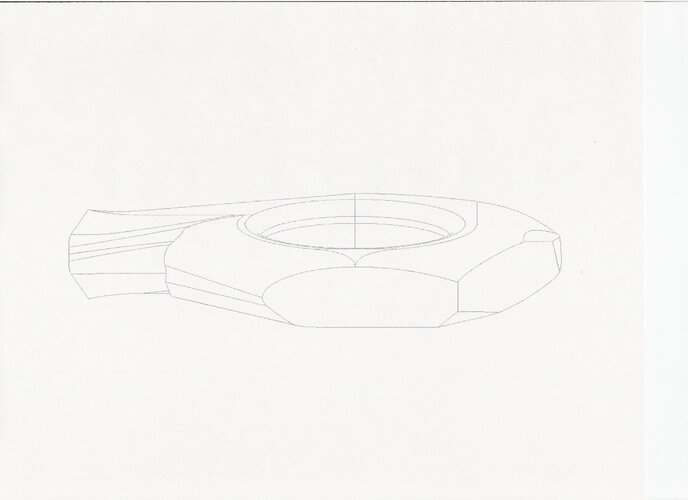
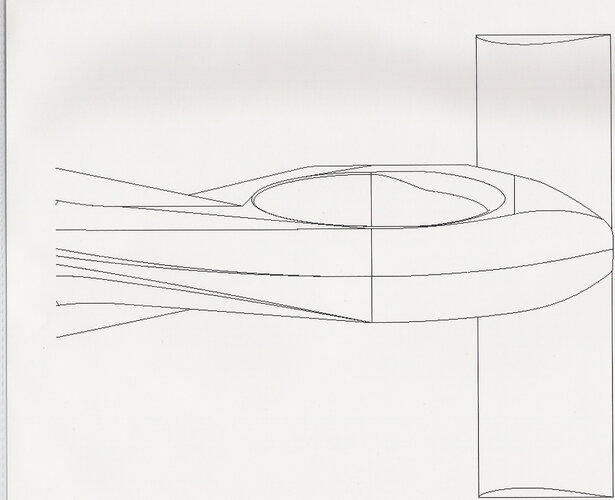
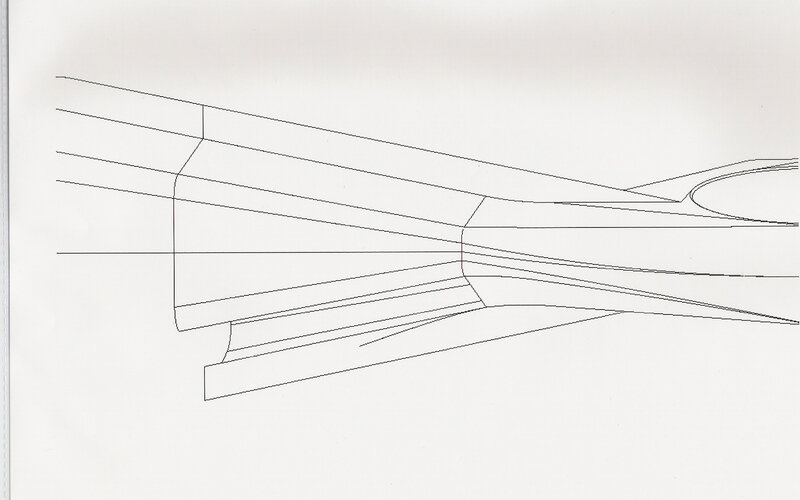
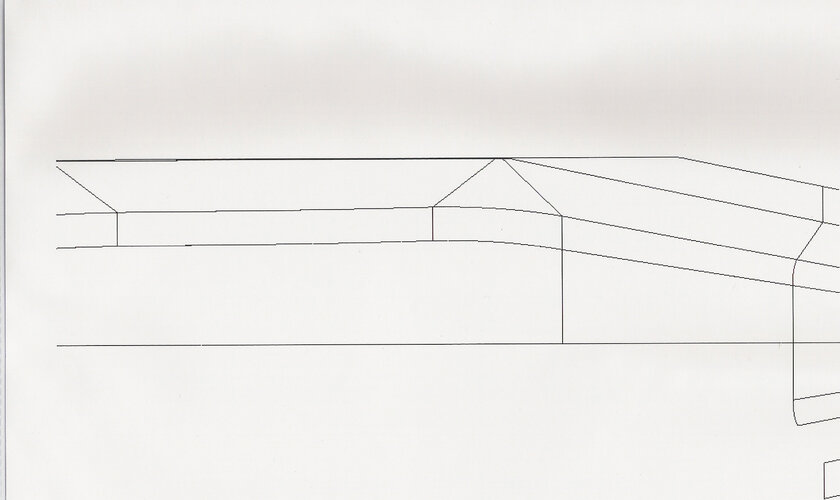
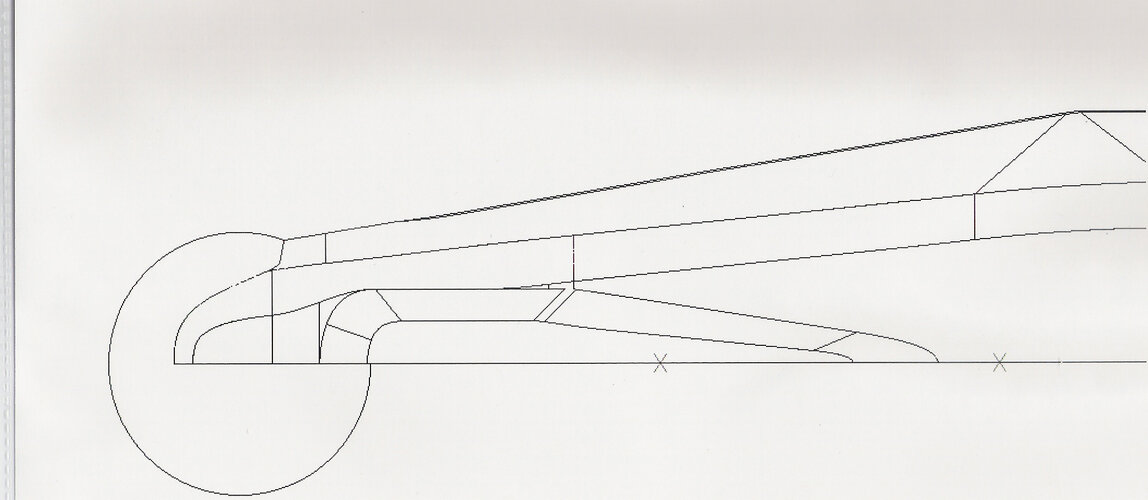
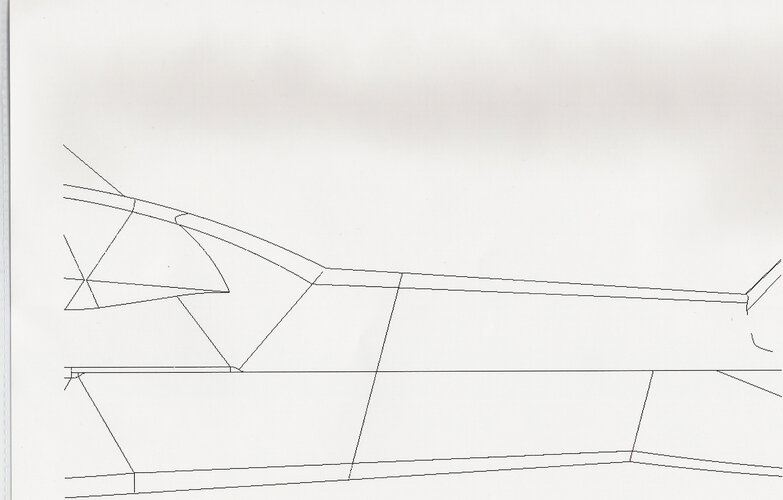
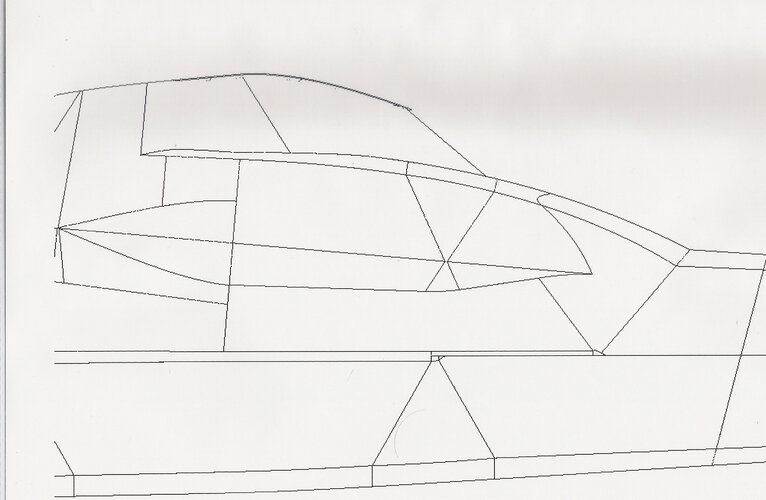
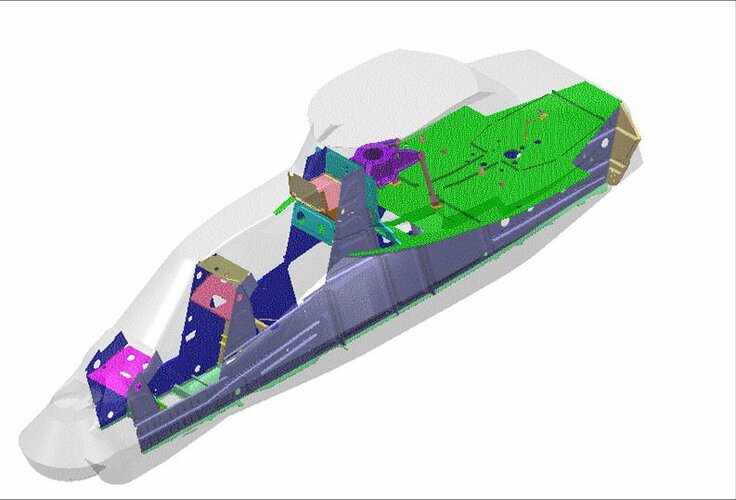
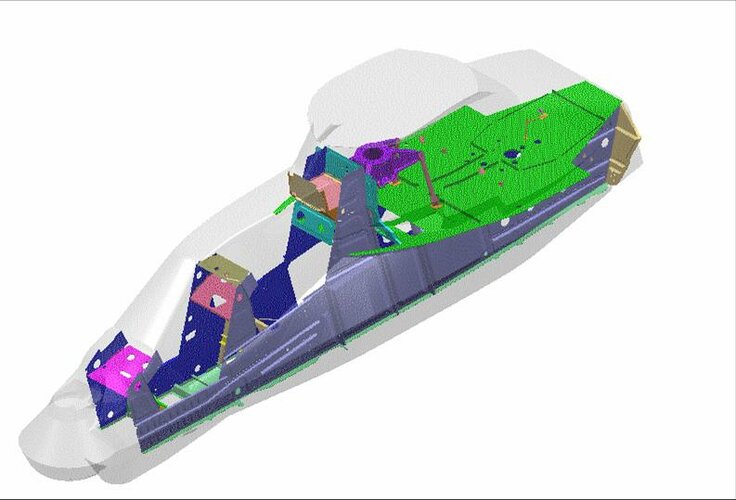
Fuselage drawings.

Regards,
 

Attachments

  • AC1 17.jpg
    AC1 17.jpg
    686.2 KB · Views: 142
  • AC1 15.jpg
    AC1 15.jpg
    713.1 KB · Views: 114
  • AC1 14.jpg
    AC1 14.jpg
    425.7 KB · Views: 103
  • AC1 13.jpg
    AC1 13.jpg
    518 KB · Views: 107
  • AC1 12.jpg
    AC1 12.jpg
    419.1 KB · Views: 100
  • AC1 11.jpg
    AC1 11.jpg
    348.7 KB · Views: 102
  • AC1 10.jpg
    AC1 10.jpg
    389.2 KB · Views: 107
  • AC1 4.jpg
    AC1 4.jpg
    530.3 KB · Views: 104
  • AC1 3.jpg
    AC1 3.jpg
    480.5 KB · Views: 98
  • AC1 2.jpg
    AC1 2.jpg
    508.9 KB · Views: 106
  • AC1 1.jpg
    AC1 1.jpg
    542.7 KB · Views: 148
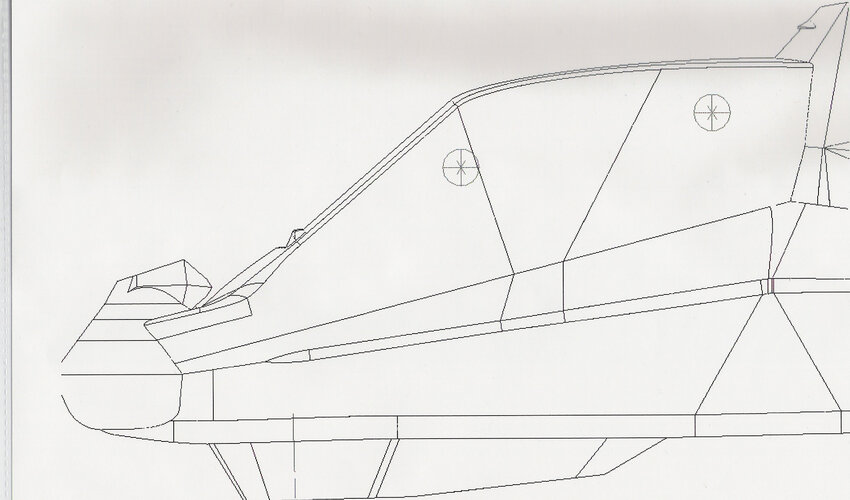
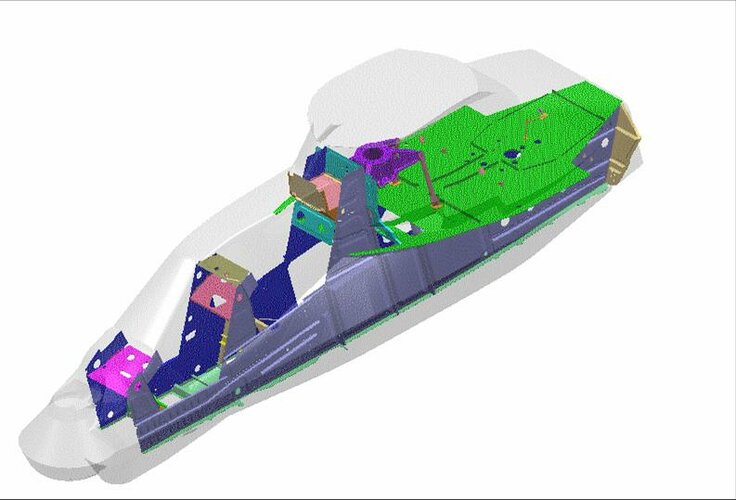
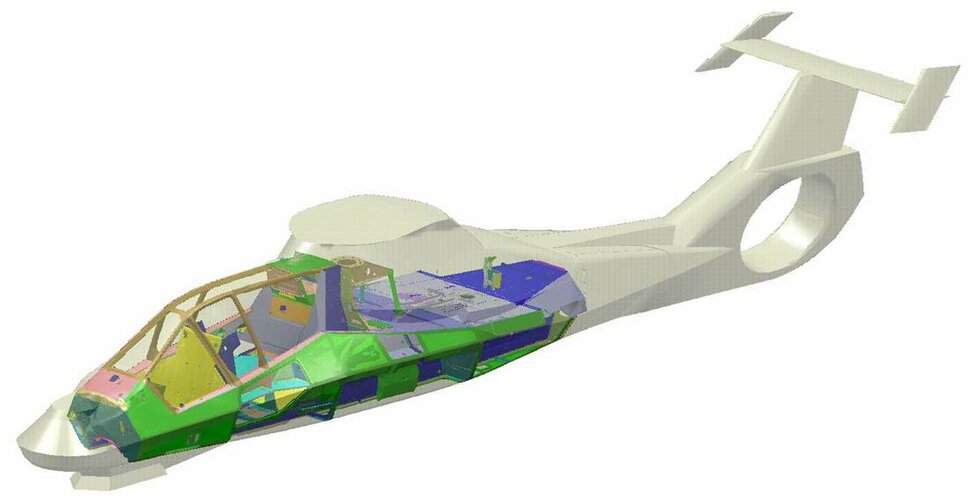
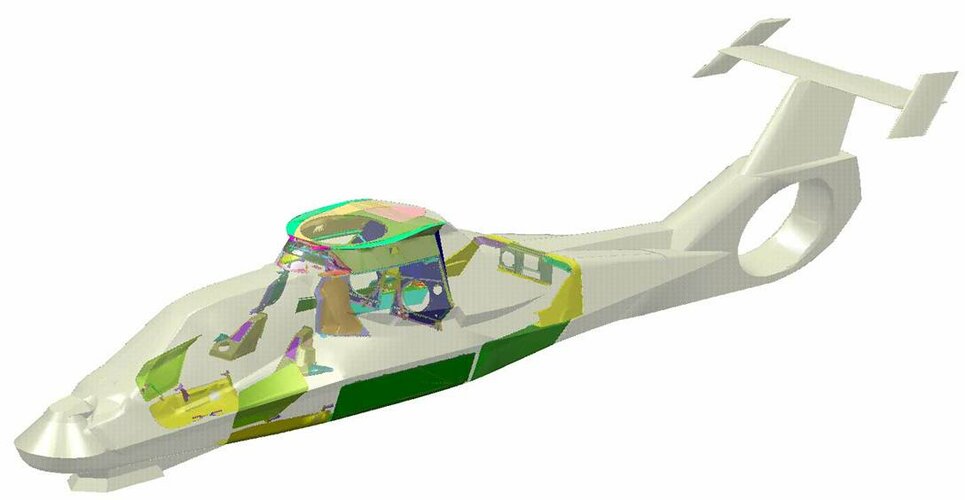
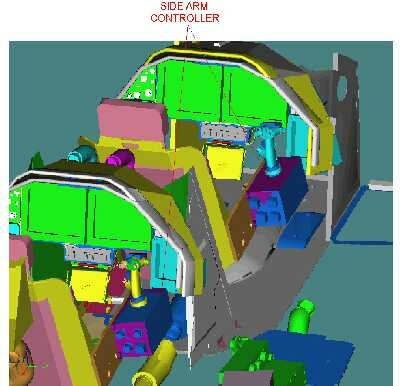
Fuselage and cockpit.

Regards,
 

Attachments

  • FWDFuselageCockpit.jpg
    FWDFuselageCockpit.jpg
    43.5 KB · Views: 155
  • FwdFuselagePrimaryStructure.jpg
    FwdFuselagePrimaryStructure.jpg
    36 KB · Views: 152
  • SecondaryStructure&NonstructualElements.jpg
    SecondaryStructure&NonstructualElements.jpg
    34 KB · Views: 143
  • Side_View_Cockpit-2.jpg
    Side_View_Cockpit-2.jpg
    43.2 KB · Views: 137
  • FwdFuselageCenterBeamAssembly.jpg
    FwdFuselageCenterBeamAssembly.jpg
    44.3 KB · Views: 129
  • FwdFuselage.jpg
    FwdFuselage.jpg
    43.5 KB · Views: 122
  • desc_side_arm_controller.jpg
    desc_side_arm_controller.jpg
    20.5 KB · Views: 127
  • CrewArmor.jpg
    CrewArmor.jpg
    39.3 KB · Views: 123
  • Stick.jpg
    Stick.jpg
    6.4 KB · Views: 136
  • Cockpita.jpg
    Cockpita.jpg
    66.8 KB · Views: 151
  • Cockpit.jpg
    Cockpit.jpg
    37.6 KB · Views: 158
  • Acme_Project_RAH66_Seat3Db.jpg
    Acme_Project_RAH66_Seat3Db.jpg
    36.7 KB · Views: 127
  • Acme_Project_RAH66_Seat_Ren.jpg
    Acme_Project_RAH66_Seat_Ren.jpg
    36.2 KB · Views: 156
More details.

Regards,
 

Attachments

  • Screenshot 2024-10-09 171629.jpg
    Screenshot 2024-10-09 171629.jpg
    123.5 KB · Views: 177
  • Screenshot 2024-10-09 171534.jpg
    Screenshot 2024-10-09 171534.jpg
    176.4 KB · Views: 200
  • Screenshot 2024-10-09 171431.jpg
    Screenshot 2024-10-09 171431.jpg
    179.9 KB · Views: 215
  • Screenshot 2024-10-09 171407.jpg
    Screenshot 2024-10-09 171407.jpg
    227.1 KB · Views: 214
  • Screenshot 2024-10-09 171351.jpg
    Screenshot 2024-10-09 171351.jpg
    216.1 KB · Views: 192
  • Screenshot 2024-10-09 171329.jpg
    Screenshot 2024-10-09 171329.jpg
    239.7 KB · Views: 200
  • Screenshot 2024-10-09 171305.jpg
    Screenshot 2024-10-09 171305.jpg
    266.3 KB · Views: 220
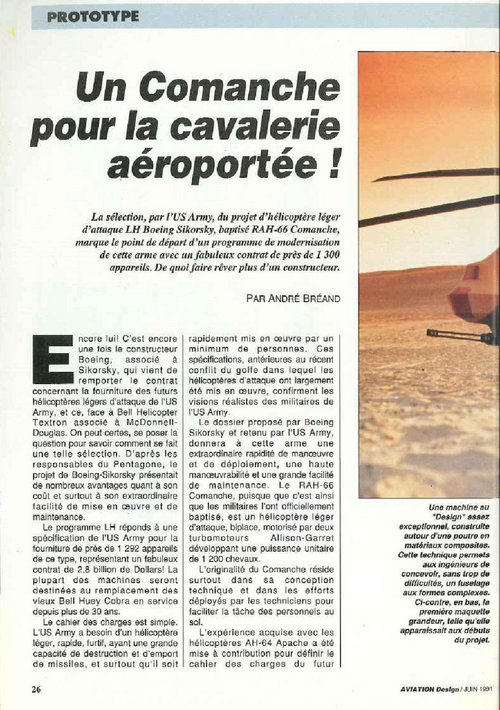
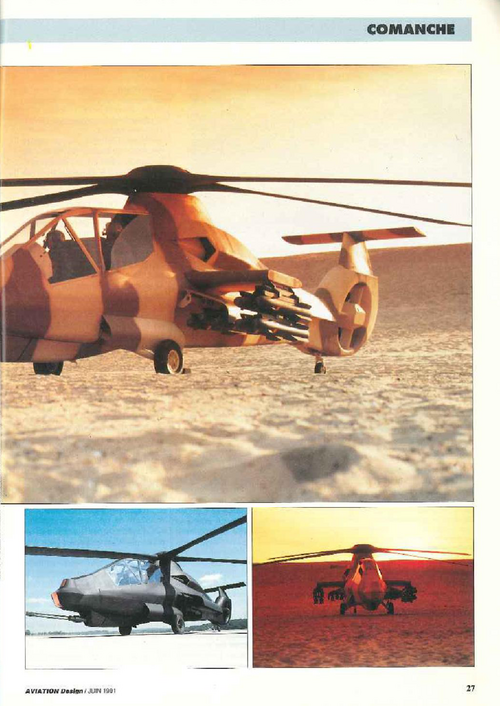
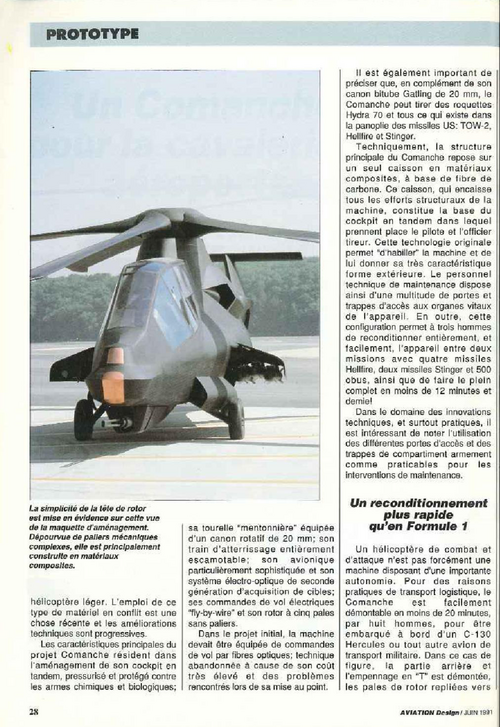
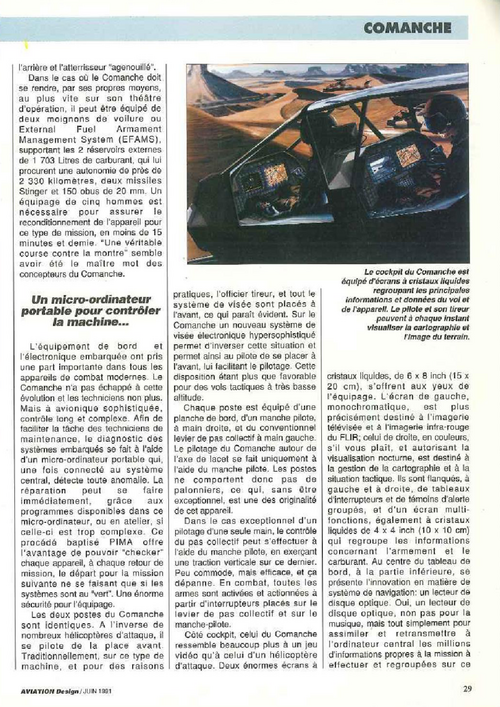
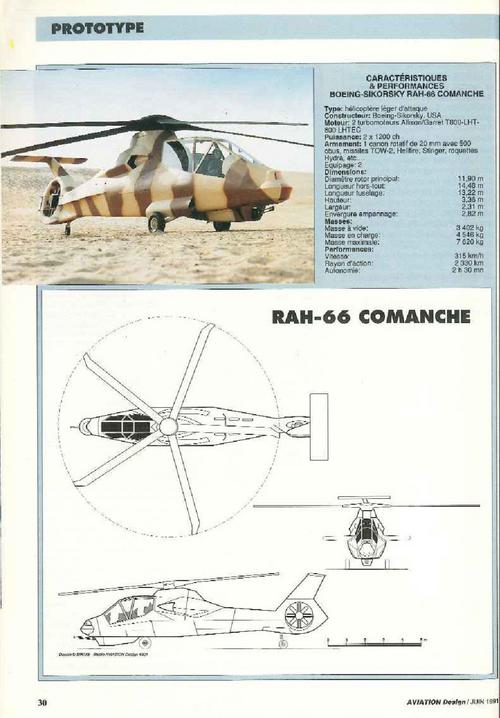
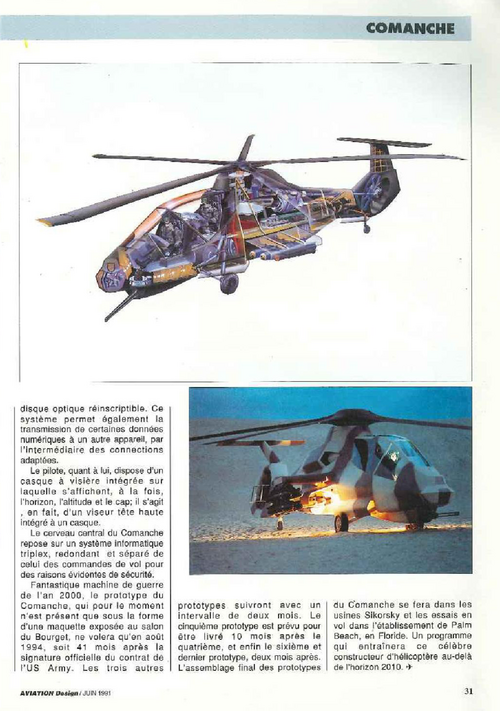
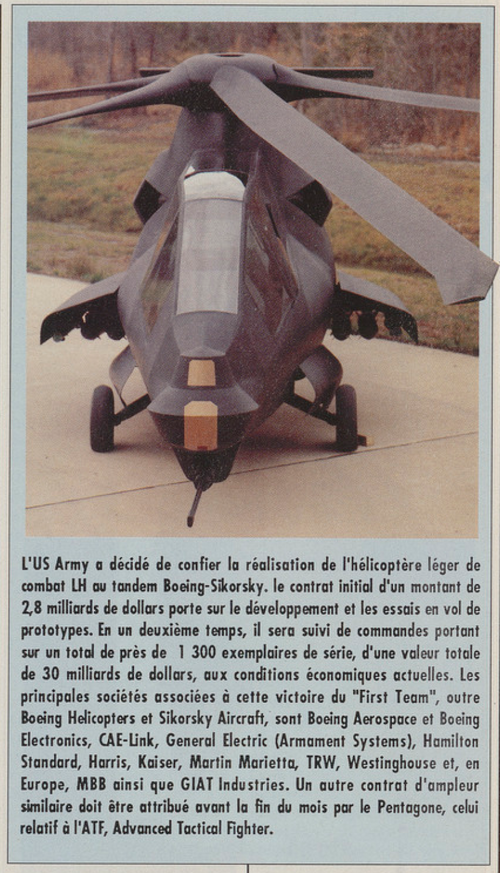
From Aviation Design 1991/6.
 

Attachments

  • 3.png
    3.png
    2.4 MB · Views: 178
  • 4.png
    4.png
    3.2 MB · Views: 155
  • 5.png
    5.png
    2.4 MB · Views: 150
  • 6.png
    6.png
    2.6 MB · Views: 148
  • 7.png
    7.png
    1.9 MB · Views: 158
  • 8.png
    8.png
    2 MB · Views: 202
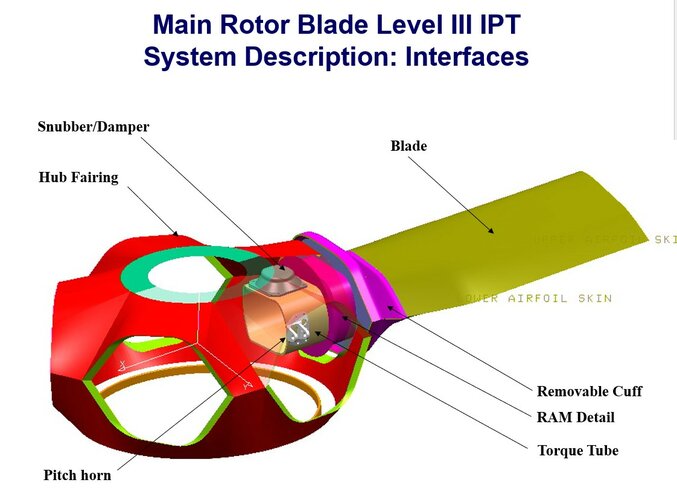
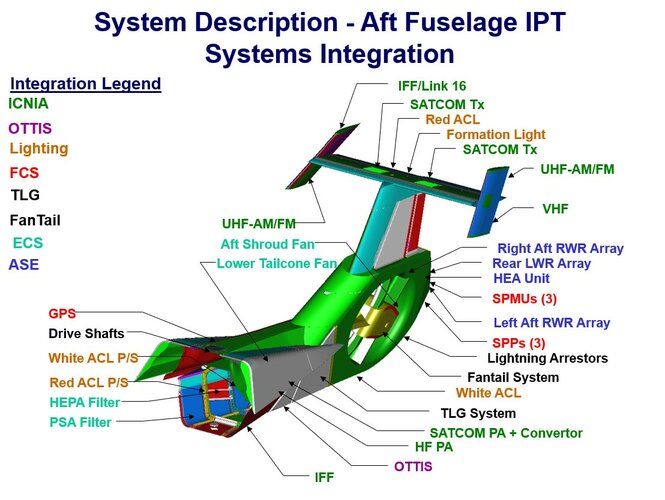
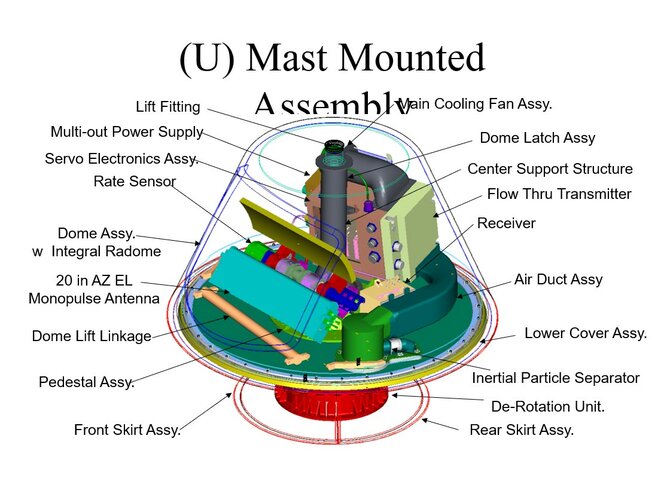
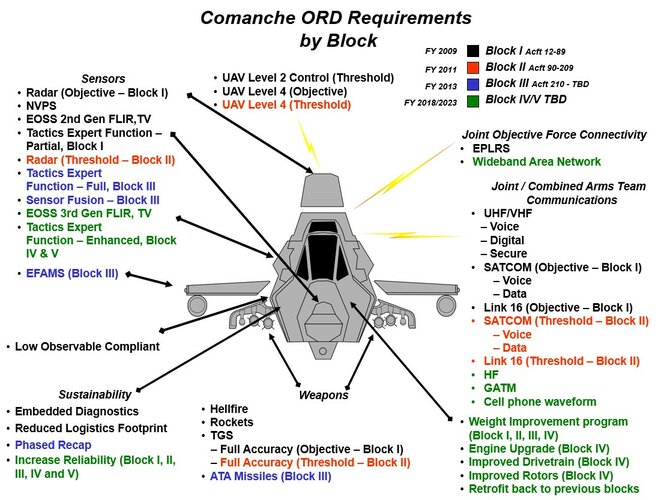
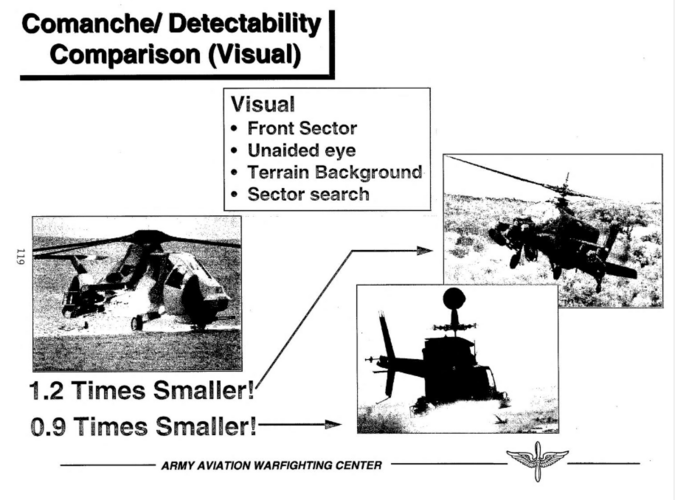
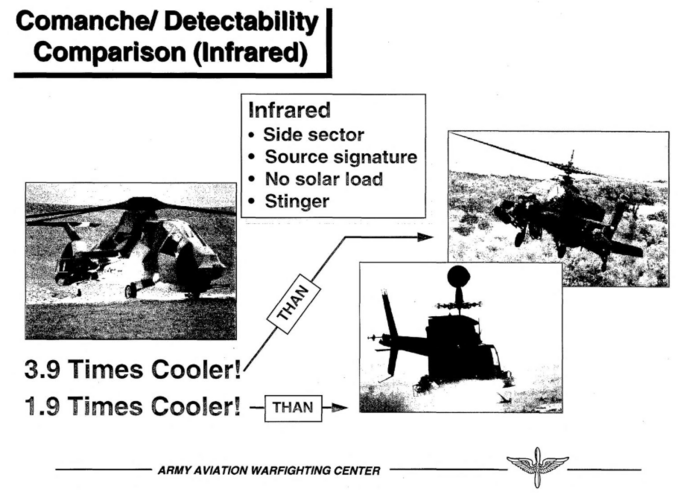
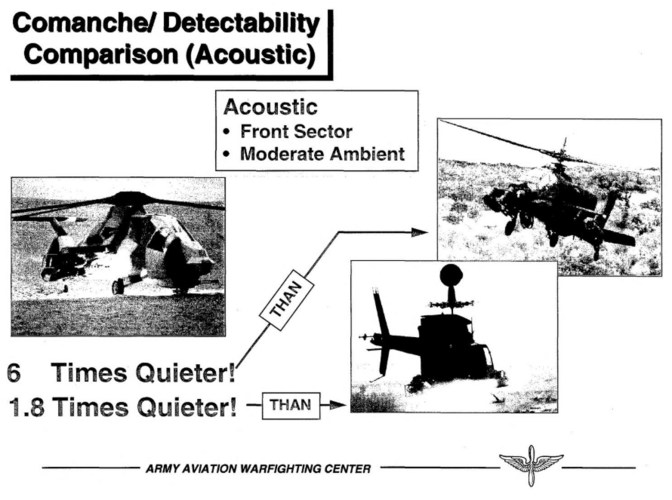
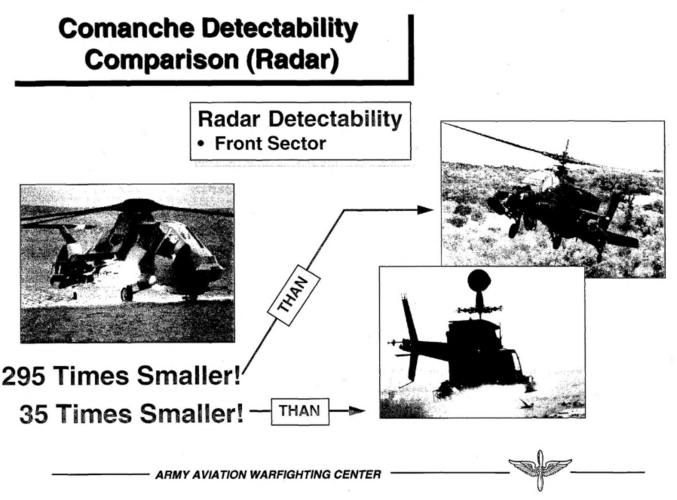
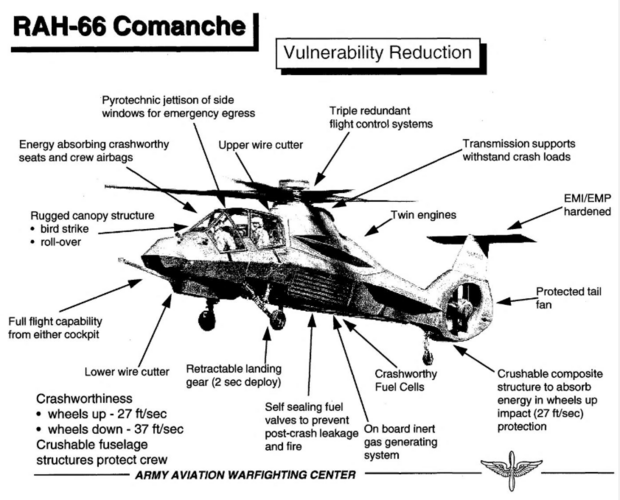
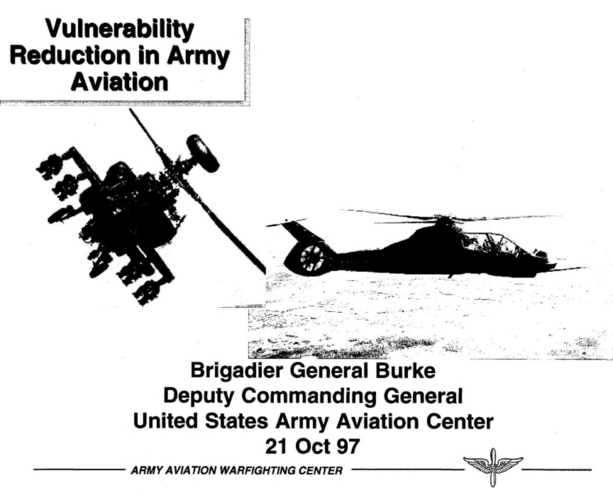
Some RAH-66 info from a US Army 1997 presentation.
 

Attachments

  • Screenshot (11574).png
    Screenshot (11574).png
    298.3 KB · Views: 218
  • Screenshot (11573).png
    Screenshot (11573).png
    300.8 KB · Views: 149
  • Screenshot (11572).png
    Screenshot (11572).png
    295.6 KB · Views: 146
  • Screenshot (11571).png
    Screenshot (11571).png
    300.4 KB · Views: 150
  • Screenshot (11570).png
    Screenshot (11570).png
    287.4 KB · Views: 158
  • Screenshot (11577).png
    Screenshot (11577).png
    214.2 KB · Views: 195
Had to chuckle at "Light Helicopter" though!
Indeed the original specification was for an aircraft that weighed only slightly more than the OH-58A/C that it was to replace.
I imagine that did not last past the first reading of the proposed specification. U.S. Army Aviation has a bad habit of ignoring physics when writing requirements.
 
Several Rockwell HIDE 'stealth' engineers went to Sikorsky on loan....

When the Rockwell crew arrived in Connecticut in 1991, Sikorsky had recently won a large Army contract. Sikorsky was in the very early phases of the RAH-66 Comanche helicopter design. The Comanche helicopter was being designed as the first low observable helicopter. Sikorsky, a world leader in helicopter design, had little or no experience in low observables. They must have benefitted greatly from the experience of the Tulsa engineers. Glen Hilderbrand recalled that the Sikorsky team was in some disarray at the beginning of the program, and the Rockwell team was often unsure what they were supposed to be doing.
 
Last edited:
Several Rockwell HIDE 'stealth' engineers went to Sikorsky on loan....
Honestly makes sense. If someone needs to either analyze their in-house design or get the in-house engineers up to speed, the fastest way would be to hire one of the companies that has solid stealth experience.

And while it's off-topic here, I'm starting to wonder if a modern graphics program could estimate an aircraft's return in real time. ... Unreal3 to name a current and affordable one, Lightwave if you've got money.
 
Yes, we were doing that in the 90s even before hardware acceleration was available.
The amount of detail would have been very limited, I think?
PCs nowadays can render a lot of detail, the limiting factor being the time you want to spend on modeling it all.

@Scott Kenny
Unreal engine 5 is free and very capable to render raytraced lights in real-time.
You can also try out Blender, also free with the Cycles render engine, which can also raytrace lights ( almost in real-time, depending on your system.)
 
@Scott Kenny
Unreal engine 5 is free and very capable to render raytraced lights in real-time.
You can also try out Blender, also free with the Cycles render engine, which can also raytrace lights ( almost in real-time, depending on your system.)
And I suppose that we could use the "Normal Mapping" ** code to represent RAM/RAS...

You'd need to have very high-poly models of the aircraft in order to make that work.

** Normal Mapping is what they use to generate rivets on skin (etc) without having to physically model the details with polygons and do all the reflection calculations. Kinda cool system, actually.
 
And I suppose that we could use the "Normal Mapping" ** code to represent RAM/RAS...

You'd need to have very high-poly models of the aircraft in order to make that work.

** Normal Mapping is what they use to generate rivets on skin (etc) without having to physically model the details with polygons and do all the reflection calculations. Kinda cool system, actually.
A very cool system in fact, I model in Sketchup and programs like Rayscaper, Maxwell and the now defunct Twilight render all make the improbable merely slower to get to.

Not the best modeling software bu when need must etc,

Blender is a bit on the cluinky side to learn.
 
And I suppose that we could use the "Normal Mapping" ** code to represent RAM/RAS...

You'd need to have very high-poly models of the aircraft in order to make that work.

** Normal Mapping is what they use to generate rivets on skin (etc) without having to physically model the details with polygons and do all the reflection calculations. Kinda cool system, actually.

The classic chicken and egg problem :)
You need a high res model to get high res detail.
More detail normalmaps requires more high detail modeling...
More detailed normalmaps require more VideoRAM ( the computer RAM-kind) which is crazy expensive.
Luckily you can make detailed normalmaps without detailed 3D models these days.
Also luckily you can add detailed normalmaps just to part you need the detail in.
( I have been using normalmaps for 20 years already, so I know a thing or two about them ;) )
Never worked with simulation software that can simulate radar reflections, so I have no idea if normalmaps are supported, but my guess is they are not supported.
 
The classic chicken and egg problem :)
You need a high res model to get high res detail.
More detail normalmaps requires more high detail modeling...
More detailed normalmaps require more VideoRAM ( the computer RAM-kind) which is crazy expensive.
Luckily you can make detailed normalmaps without detailed 3D models these days.
Also luckily you can add detailed normalmaps just to part you need the detail in.
( I have been using normalmaps for 20 years already, so I know a thing or two about them ;) )
Never worked with simulation software that can simulate radar reflections, so I have no idea if normalmaps are supported, but my guess is they are not supported.
If modern graphics programs are using Ufimtsev's equations for reflections off of edges, then you "just" plug in the correct light wavelengths and let the program do the work.

Of course, this may require modifications to the program so it will accept wavelengths multiple orders of magnitude longer than visible light.
 
I apologize if I'm asking a question already answered here, but does anyone know if the RAH-66 would've had Flare/Chaff dispensers, or was it likely to rely purely on its stealth and possible internal ECM equipment?
 
Does anyone have any documents or proof about if the Comanche was ever fitted with an RWR system? I have seen a few sites say it was fitted with AN/ALQ-211(V)3 suite but I am struggling to find anything concrete. I found a book called Jane's All the Worlds Aircraft 2005-2006 which says it did but I need some more proof.
 
No specific RWR mentioned here. There was no radar jammer though, so AN/ALQ-211(V)3 seems unlikely.
We originally planned to incorporate the integrated electronic warfare system (INEWS) into Comanche, but because of the Army’s operating the Mission equipment package environment and the low-signature approach of Comanche, the jammer portion of INEWS, which was a significant portion of its weight and cost, was considered to be low in effectiveness. It was more cost effective to carry laser and radar warning systems and take out threats before Comanche was in their range.

So we went into EMD with off-the-shelf radar and laser warning systems. Naturally, we had to integrate their signals into the overall mission computer database and cockpit display systems, but this was a minor iteration because we planned to get the same information from INEWS.
The RAH-66 Comanche Helicopter: Technical Accomplishment, Program Frustration (AIAA 2022)
 
AN/APR-39 A(V)1 Radar Warning Receiver
AN/APX-100(V)1 Identification Friend or Foe Transponder
AN/VDR-2 Laser Warning Receiver
AN/ALQ-136 (V5) Radar Jammer
AN/ALQ-144 (V3) Infrared Jammer
M-130 Chaff Dispenser
Infrared Suppression System
Radio Frequency Interferometer
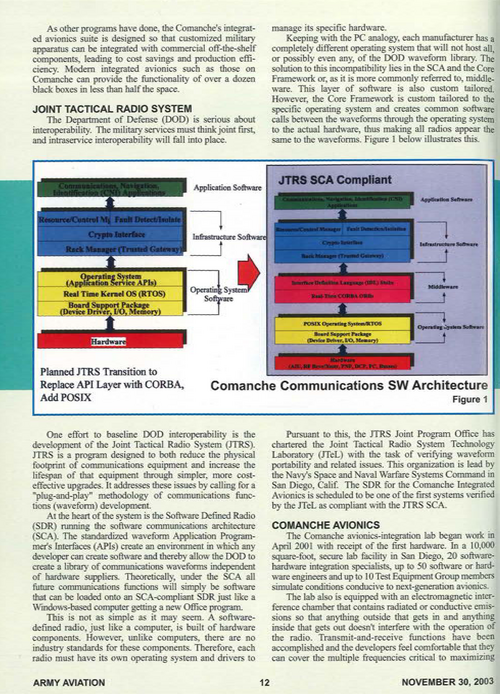
MANPRINT Cockpit


Not sure I believe this list though - some of this is contradicted by other sources and it does say some was optional. AN/VDR-2 is a radiation sensor - the AN/AVR-2 (V) laser warning receiver is given in Jane's Avionics 2006-2007.

It seems it was only in 2002 that there was a suggestion Comanche needed an IR jammer. and uo to that point no radar jamming gear was intended either.

Its possible the ITT AN/ALQ-211 SIRCM (Suite of Integrated Radio Frequency Countermeasures) suite and an IR Jammer was added just before cancellation to address perceived vulnerabilities.

During the General Schoomaker directed review, the Army Aircraft Survivability Equipment (ASE) office reported that the Comanche was vulnerable to modern infrared (IR) seeker threat systems and needed an IR jammer.

Defeating IR missiles was always one of the strong points of Comanche. We believed we had solved this requirement from our initial design days, and
the Army technical community had agreed. Our test engineers and pilots also did not believe this was an issue.

The threats had evolved over time from the Soviet (red) threats to multinational (blue and gray) advanced threat systems. In 2002, the Army had Boeing
Sikorsky perform a detailed survivability analysis of the Comanche operating within the acquisition range of the U.S. Stinger missile. The results of this analysis supported the Comanche IR signature levels and that a very small potential missile acquisition envelope resulted in a very low probability of
intercept by the missile.
Earlier hardware-in-the-loop simulations with the Stinger missile seeker, conducted by Sanders, showed no intercepts.

However, the audience in 2002 receiving the results of the analysis took the position that if the analysis did not show the Comanche completely invulnerable to a Stinger engagement, the aircraft would require IR active countermeasure equipment that would increase the unit cost of the aircraft by $1 million.
The RAH-66 Comanche Helicopter: Technical Accomplishment, Program Frustration (AIAA 2022)
 
Last edited:
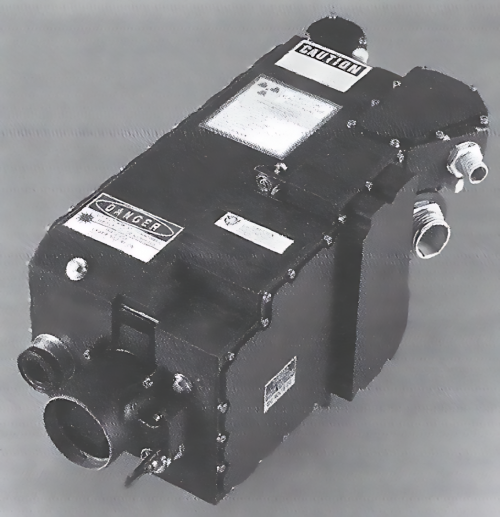
Laser Range-Finder Designator (LRFD) for RAH-66 Comanche helicopter

Comanche-LRFD_upscale.png

A new LRFD developed by Elop has been selected to form the LRFD element of the Electro-Optic Sensor System (EOSS), being integrated by Lockheed Martin Missiles and Fire Control Division for the US Army's RAH-66 Comanche reconnaissance attack helicopter.

The new Elop LRFD operates on two different spectral wavelengths, within the single system, to provide optimum performance for both the laser target designation/guidance function (1.06um), and the laser ranging function (1.57 um) simultaneously.

The system is based on use of innovative diode-pumped technology, which improves both operation and reduces power consumption.
A critical aspect of the design is that the basic wavelength is converted, through use of solid-state devices and advanced optics, to produce an eye-safe system, thus enhancing realistic crew training and training flexibility.
Source: Jane's Avionics 2006-2007
.
 
Does anyone have any documents or proof about if the Comanche was ever fitted with an RWR system? I have seen a few sites say it was fitted with AN/ALQ-211(V)3 suite but I am struggling to find anything concrete. I found a book called Jane's All the Worlds Aircraft 2005-2006 which says it did but I need some more proof.
Janes Avionics 2006-2007 says AN/ALQ-211(V)3 was a version specifically for Comanche, note however it is a modular system.

The hardware elements of the SIRFC include a receiver-processor (Line Replaceable Unit 1), a transmitter (LRU-2), countermeasures’ module (LRU-3), four antenna quadrant electronic assemblies, a low-band detection antenna and associated converter unit, four quadrant receiver antennas, four transmit antennas and a transmit switch.

Total weight of the system is approximately 45 kg.

Note AN/ALQ-211(V)5 for NH-90 and AN/ALQ-211(V)8 for ERJ-145 ACS both have provision for growth to ECM only, so RWR-only configurations of AN/ALQ-211 exist.
 
In the earlier days of Commanche there was optimism that stealth and innovative exhaust technology would negate the necessity of jammers for IR and radar. Also, as the expense grew for the program, many items were deleted from the base aircraft due to weight and corresponding cost. Later in the program some of these deficiencies were identified as critical and the SWAP battle began. I do believe by the end of the program the necessities for these types of equipment and the challenge of how to put them on the aircraft were part of what caused its demise. An acknowledgement that the stealthiness of the helicopter was waning.
 
It seems to me that it still represented as stealthy as somebody could hope to make a helicopter with the technology of the day. Even with advancements since then I don't know if you could do that much better. A helicopter is inherently a challenging object to reduce the signature of.
 

Similar threads

Back
Top Bottom