Boeing/Sikorsky RAH-66 Comanche

Another potential reason for the fenestron was to reduce the noise of the tail rotor interaction with the main rotor system. The tail rotor of UH-60 is notoriously loud and can be heard at a significant distance. Since aural detection is the first cue that helicopters are around for MANPADS, not giving away your position while sneaking around at night is an important detail. I'm not saying it made it silent, but any reduction in sound is good for a helicopter.
 
Also the fensetron does not have to fight against the vertical fin and tail boom it is just a big hole right through.

So as above you are getting much more thrust, than conventional tail rotors. Finally less acoustic footprint and harmonics between main and tail rotors.

As stated in a previous post.

Regards,
 
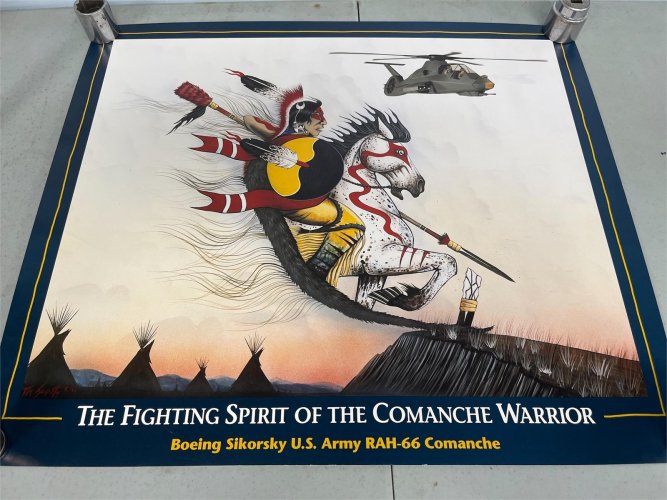
Hello everyone, I recently obtained a lot of items from a retired Sikorsky engineer.

I'd like to share the pictures as many of these items were in house items only.
 

Attachments

  • img (7).jpg
    img (7).jpg
    512 KB · Views: 157
Last edited by a moderator:
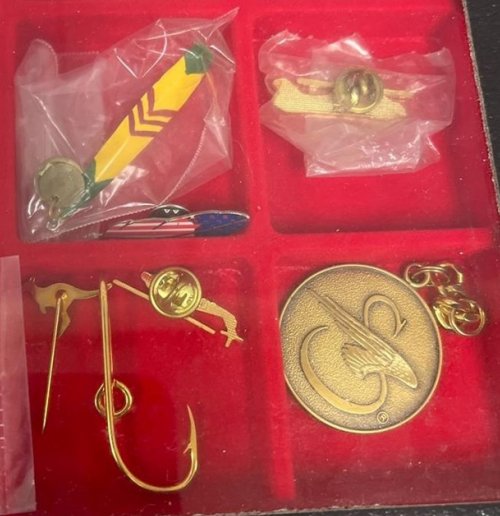
some gold pins for the program: The Comanche feather pin, in what looks like vietnam campaign colors, and one in american flag colors. An upside down gold Comanche pin.
 

Attachments

  • Screenshot 2026-04-30 025649.jpg
    Screenshot 2026-04-30 025649.jpg
    278.9 KB · Views: 136
Last edited by a moderator:
in terms of acoustic reduction was there any active acoustic reductions in a similar concept to noise cancelling headphones instead of say vibration dampening by structure and soundproofing?
very interesting discussion on the tail rotor, thank you all for the insight extremely educational and interesting , learning makes life wonderful and exciting. i digress i wonder would having an electric tail rotor where the shroud could be pivoted in order to angle it one way or the other would have made the comanche more nimble in flight?
i get that a stealth scout helicopter criteria was not needed anymore with the advancements of drones etc, i still don't get why the program was cancelled rather than pivoted, it seems to be building on the comanche frame to an attack helicopter, a drone control helicopter or a marine defence role against say small boats etc would benefit from the comanche airframe. especially if weight was drastically reduced, no need for much Armor. it would have been valid as a the marines replacement for the cobra say, or an excellent platform for frigates providing defence and scout roles, anti piracy operations at night with it reduced acoustics
as for infra red masking, so the downwash was channelled as well as ambient cold air both mixed and diffused into a cooled rear exhaust, so facing down from an elevated flight profile makes them unique markers for IR detection, would a split diffusion with say a closing door switching from down to up have solved this problem or even venting some into the tail rotor?
i still think the comanche was a step in the right direction really a shame it wasn't iterated and pursued
 
View attachment 810586

some gold pins for the program: The Comanche feather pin, in what looks like vietnam campaign colors, and one in american flag colors. An upside down gold Comanche pin.
View attachment 810585

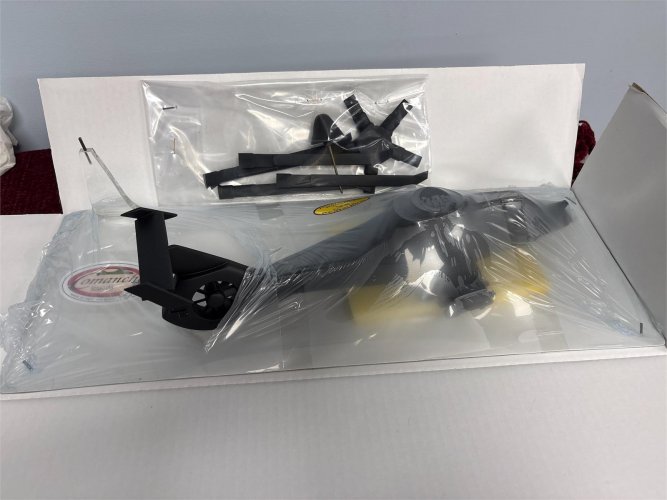
A large scale model of the Comanche given to VIPS. Afaik it's scale and design correct dimensionally.
amazing, thank you for sharing. im interested in the model, if and when you have it set up can you post its pictures any measurements would be marvellous for modelling. close up shots will be appreciated, but either case thank you for sharing very cool and a little envious hahaha... cheers
 
in terms of acoustic reduction was there any active acoustic reductions in a similar concept to noise cancelling headphones instead of say vibration dampening by structure and soundproofing?
I don't know if any was used on the Comanche, but the concept has been used on the AW101 helicopters. Those attach the rotor mast and transmission to the airframe via a number of active-vibration-control actuators.


i get that a stealth scout helicopter criteria was not needed anymore with the advancements of drones etc, i still don't get why the program was cancelled rather than pivoted, it seems to be building on the comanche frame to an attack helicopter, a drone control helicopter or a marine defence role against say small boats etc would benefit from the comanche airframe. especially if weight was drastically reduced, no need for much Armor. it would have been valid as a the marines replacement for the cobra say, or an excellent platform for frigates providing defence and scout roles, anti piracy operations at night with it reduced acoustics
Look at when it was canceled. 2005. Iraq and Afghanistan are in full swing.

The cost per unit got high enough that it just wasn't affordable while the GWOT was eating every budget alive.


as for infra red masking, so the downwash was channelled as well as ambient cold air both mixed and diffused into a cooled rear exhaust, so facing down from an elevated flight profile makes them unique markers for IR detection, would a split diffusion with say a closing door switching from down to up have solved this problem or even venting some into the tail rotor?
That would be added complexity and weight, which are not a thing you want to add aft of CG.


i still think the comanche was a step in the right direction really a shame it wasn't iterated and pursued
I do kinda agree, but the world changed faster than it took to develop the program.
 
anyone read the book : the rah-66 Comanche helicopter. technical accomplishments program frustration by Arthur w. Linden ? i couldn't afford a hard copy or paperback , and buying individual chapters is way too expensive , i would like to support the author so hopefully when i have extra i can order the book but if anyone has read it, any interesting tidbits regarding the technical aspects you could share. what was something surprising that you learned. particularly interested about what their thinking about the rcs reduction on the blades? they they treat them as a solid filled in disk with respect to the speed of rotation to radar speed of propagation( like when a camera frame rate and rotation rate match you see the blade fixed, here something Opposite like the radar sees a solid disk perhaps?) i would assume this is the hardest part of designing a stealth helicopter...

side note :helicopters in general to me look like things that should not fly, i mean every helicopter i see makes me anxious that a blade will break or fall off and plop the machine falls they fascinate me and scare me all the same

thanks for any feedback
cheers!
 
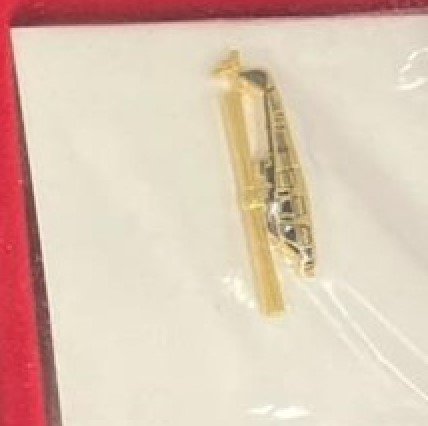
The pin itself

That pin looks like an S-76 based on the window placement.

The pin at top right is definitely a Comanche but I think you posted the one from bottom right by accident.
 
anyone read the book : the rah-66 Comanche helicopter. technical accomplishments program frustration by Arthur w. Linden ? i couldn't afford a hard copy or paperback , and buying individual chapters is way too expensive , i would like to support the author so hopefully when i have extra i can order the book but if anyone has read it, any interesting tidbits regarding the technical aspects you could share. what was something surprising that you learned. particularly interested about what their thinking about the rcs reduction on the blades? they they treat them as a solid filled in disk with respect to the speed of rotation to radar speed of propagation( like when a camera frame rate and rotation rate match you see the blade fixed, here something Opposite like the radar sees a solid disk perhaps?) i would assume this is the hardest part of designing a stealth helicopter...

side note :helicopters in general to me look like things that should not fly, i mean every helicopter i see makes me anxious that a blade will break or fall off and plop the machine falls they fascinate me and scare me all the same

thanks for any feedback
cheers!
I looked through the section on the rotor system and there is unsurprisingly nothing on much of the radar analysis of the rotor system. Likely still classified.
 
Highly surprised that the information is still classified after all those years after the Comanche was cancled? I suppose that the army have got some use for the technology yasotay otherwise it would have been de-classified by now.
 
The use of composites in the head components and the main blades reduced the RCS considerably.

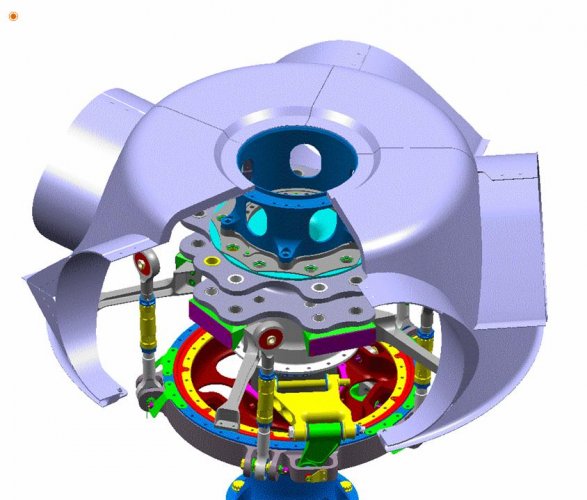
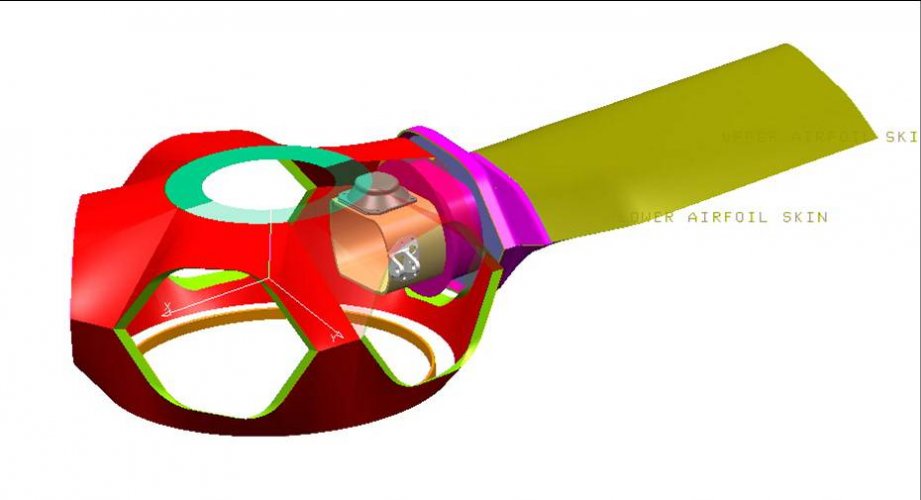
It was bearing less with flex beams and had a hub fairing to reduce returns from the swashplate and pitch links.

Rotorheada.jpg

Rotorheadc.jpg

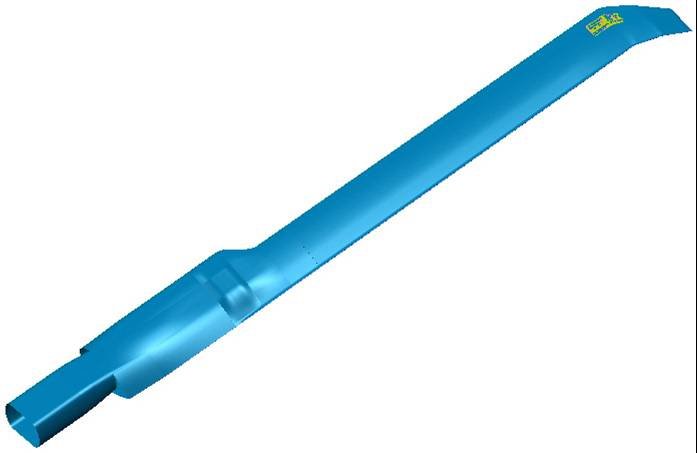
The blades were one piece with an anhedral/downward-angled tips aimed at both stealth and higher performance.

Sikorsky.jpg

The overall radar signature was supposedly 100's of times lower than other helicopters, its head-on RCS is similar to that of a hellfire missile.

Regards,
 
I looked through the section on the rotor system and there is unsurprisingly nothing on much of the radar analysis of the rotor system. Likely still classified.
Thank you for taking time to look at the book and respond! Much appreciated you are a scholar and gentleman! Anything interesting you learned from the book that was unexpected or worth mentioning to you?

Thanks again cheers
 
The use of composites in the head components and the main blades reduced the RCS considerably.

It was bearing less with flex beams and had a hub fairing to reduce returns from the swashplate and pitch links.

View attachment 811548

View attachment 811549

The blades were one piece with an anhedral/downward-angled tips aimed at both stealth and higher performance.

View attachment 811550

The overall radar signature was supposedly 100's of times lower than other helicopters, its head-on RCS is similar to that of a hellfire missile.

Regards,
Thanks for the reply, wow that last point is interesting to me so if a Comanche fired a hellfire it could theoretically move along in the same direction and have its position masked as another hellfire. What interesting tactics and dogma one can design from a front attack perspective! This alone in a navalized Comanche on something like a zumwalt or the “stealthish “ Lcs variant island hoping in the pacific would create so many scenarios for tactical surprise
Really appreciate your replies and the added images that help explain some points !

Cheers mate
 
Highly surprised that the information is still classified after all those years after the Comanche was cancled? I suppose that the army have got some use for the technology yasotay otherwise it would have been de-classified by now.
I guess the stealth hawk would have benefited from it, maybe even some stealth copter drones who knows, just shows how far ahead the work and the heli was of its time, with all the drones these days the Comanche would have found many uses in the modern field. Truly a testament to the visionary work of its designers a darn shame it was cancelled. To me I would rather have it modernized and future proofed more than having the Apache ( with its extended 3 hard point rack ) if some expanded attach version of the Comanche was worked on, stealth storage and an external twin rack would match the fire power of the future planned Apache upgrade
 
Same thoughts here avaiationentusiast1, a future stealthy attack helicopter with what was learned from Comanche would be best for the US Army.
 
Same thoughts here avaiationentusiast1, a future stealthy attack helicopter with what was learned from Comanche would be best for the US Army.
Except the U. S. Army thinks that cheap drones will do everything and they won't have to deal with cocky overpaid aviators any more.
 
we need to wait and see how the drone- anti drone cycle evolves in the next few years, as helicopters play an important role in interdiction and interception of drones, we might find some unexpected technologies that make a stealth helicopter very viable. for example lots of drones are being modified to carry air to air missiles for self protection, some early versions carry an ad hoc mounted shoulder mounted anti air missiles, some Russian drones shot down in Ukraine carry igla-s missiles, as such a Comanche evolution is more survivable in a local interceptor helicopter paired as a control helicopter for interceptor drones for example. lets see
 
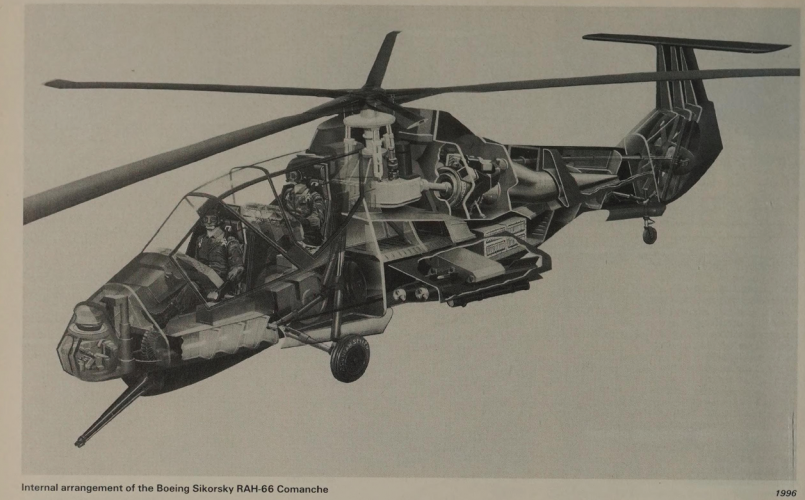
From JAWA 1998/99.
 

Attachments

  • 1.png
    1.png
    1.2 MB · Views: 27

Similar threads

Back
Top Bottom