Well I imagine the KC-46 is almost autonomous already. The boom operations could probably be automated in relatively short order. Mostly a social issue inside the USAF and out.
 
“[The OBIGGS countdown timer - On-Board Inert Gas Generation System, which is used to convert oxygen in the aircraft’s fuel tanks to nitrogen, preventing the aircraft from exploding if the tanks are hit by lightning or enemy fire] will start at 99, and it will just tick down and we can’t do anything until that timer gets to zero,” said Capt. Michelle McMillen, a KC-46 pilot and the 22nd Operations Group executive officer. “It’s very cumbersome. Sometimes it will randomly reset, and we don’t know why, and then we have to wait for it.”
The problem is a category 2 deficiency, which isn’t considered to have a major impact on safety or operations, said Brig. Gen. Ryan Samuelson, who leads the Air Force’s KC-46 cross-functional team, which coordinates the continued development and fielding of the tanker.

https://www.defensenews.com/air/202...em-isnt-the-one-that-impacts-pilots-the-most/
 
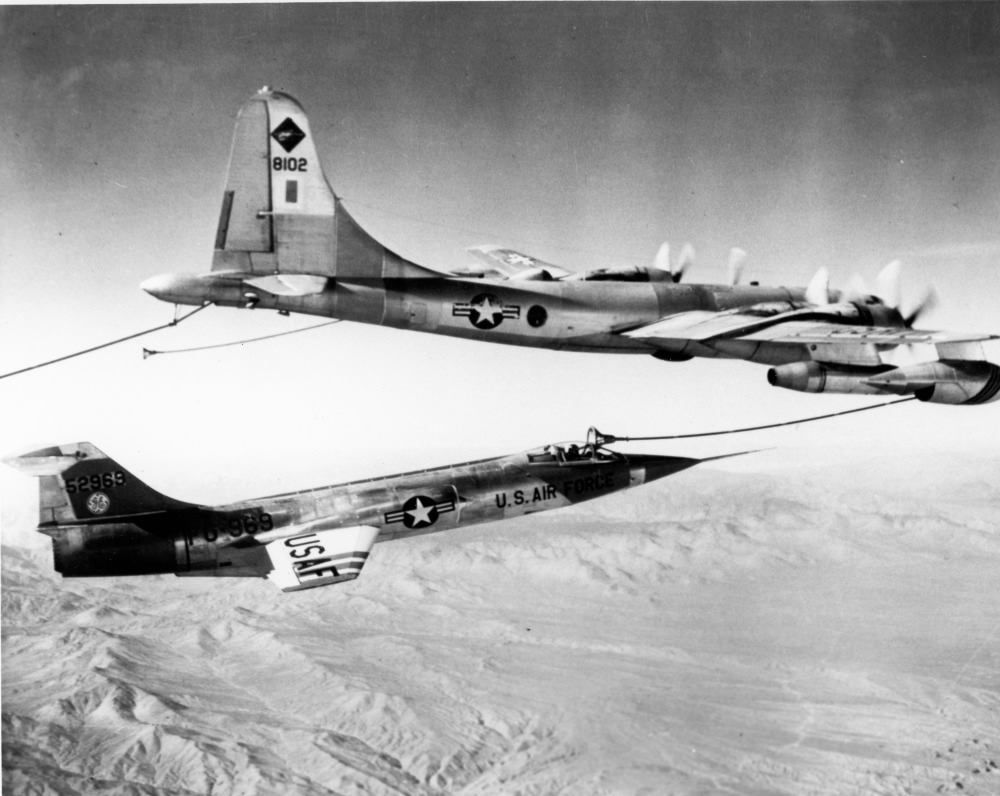
From 1951 Boeing build something like 850 KC-97 followed by an equal number of KC-135 plus some 707 tankers; nearly 2000 aerial refueling platforms.
...
Nowadays they can't even build a working tanker TOILET.
 
From 1951 Boeing build something like 850 KC-97 followed by an equal number of KC-135 plus some 707 tankers; nearly 2000 aerial refueling platforms.
...
Nowadays they can't even build a working tanker TOILET.

I would not like to be on a KC-46 Pegasus without a working toilet that's for sure.
 
From 1951 Boeing build something like 850 KC-97 followed by an equal number of KC-135 plus some 707 tankers; nearly 2000 aerial refueling platforms.
...
Nowadays they can't even build a working tanker TOILET.
"the Air Transportable Galley-Lavatory" - even working, that sounds like a less than ideal combination!
 
Can't be worse than Apollo "waste management system" - only NASA could invent such an euphemistic accronym to mask such a misery. Had women been flown on Apollo missions, there would have been a major privacy issue... and a major problem for peeing. Even the Shuttle was tricky at times.
Of course that point wasn't discussed in For all mankind... or maybe they had a subplot to steal the Soyuz toilet. How the soviets did managed to put a toilet in Soyuz - even the upward module - I have no idea. I wonder if it would have fit in the Lunar Module: but once that one dropped... the issue would return. Then again, Apollo 13 proved the LM could stay attached to Apollo until the very end.

The module also contains a toilet, docking avionics and communications gear. Internal volume is 6 m3 (210 cu ft), living space 5 m3 (180 cu ft). On the latest Soyuz versions (since Soyuz TM), a small window was introduced, providing the crew with a forward view.

  • Lunar Module
  • Crew cabin volume: 235 cu ft (6.7 m3)
  • Habitable volume: 160 cu ft (4.5 m3)

The Lunar Module is nearly as roomy, 4.5 m3 habitable volume vs 5 m3 for Soyuz orbital module...
 
Last edited:
From 1951 Boeing build something like 850 KC-97 followed by an equal number of KC-135 plus some 707 tankers; nearly 2000 aerial refueling platforms.
...
Nowadays they can't even build a working tanker TOILET.

I would not like to be on a KC-46 Pegasus without a working toilet that's for sure.
There is a working toilet. The problem is with the palletized accomodations which are intended for high passenger-capacity ferry flights. On normal missions with just the standard crew on board, that module isn't installed.
 
From 1951 Boeing build something like 850 KC-97 followed by an equal number of KC-135 plus some 707 tankers; nearly 2000 aerial refueling platforms.
...
Nowadays they can't even build a working tanker TOILET.

I would not like to be on a KC-46 Pegasus without a working toilet that's for sure.
There is a working toilet. The problem is with the palletized accomodations which are intended for high passenger-capacity ferry flights. On normal missions with just the standard crew on board, that module isn't installed.

Thanks for the information Moose, I did not know that they could remove the toilet for normal missions and then put it back in when required.
 
The Air Transportable Galley-Lavatory is actually 2 toilets and a small kitchen all in one module, and it's been around for quite awhile. The problem on KC-46 is that the ATGL doesn't fit the way it does on other aircraft that use it, and it's orientation causes a valve in the plumbing to malfunction under the right, or perhaps very wrong, circumstances. USAF is, sensibly, going to refit the ATGLs with new valves which won't have this problem. But until they do it's an easy problem to make fun of.
 
just catching up to the tanker drama..
how different is the KC-46 from the KC-767 which was already being operated by Japan and Israel? I'm just trying to understand why there's so much trouble over this when its a pre-existing design.
 
just catching up to the tanker drama..
how different is the KC-46 from the KC-767 which was already being operated by Japan and Israel? I'm just trying to understand why there's so much trouble over this when its a pre-existing design.
From last year, the Category 1 deficiencies:
The tanker’s remote vision system or RVS — the camera system that allows KC-46 boom operators to steer the boom into a receiver aircraft without having to look out a window and use visual cues — provides imagery in certain lighting conditions that appears warped or misleading. Boeing has agreed to pay for potentially extensive hardware and software fixes, but the Air Force believes it will system won’t be fully functional until 2023-2024.

The Air Force has recorded instances of the boom scraping against the airframe of receiver aircraft. Boeing and the Air Force believe this problem is a symptom of the RVS’s acuity problems and will be eliminated once the camera system is fixed.

Boeing must redesign the boom to accommodate the A-10, which currently does not generate the thrust necessary to push into the boom for refueling. This problem is a requirements change by the Air Force, which approved Boeing’s design in 2016. Last year, Boeing received a $55.5 million contract to begin work on the new boom actuator

“The KC-46 fuel system is equipped with redundant protection for fuel containment. In some cases with this issue, aircraft maintenance crews are finding fuel between the primary and secondary fuel protection barriers within the system,” the company said in a statement.
There's also been work quality issues with the production line.

The export KC-767s don't have RVS and don't have to worry about refueling A-10s.
 
just catching up to the tanker drama..
how different is the KC-46 from the KC-767 which was already being operated by Japan and Israel? I'm just trying to understand why there's so much trouble over this when its a pre-existing design.
From last year, the Category 1 deficiencies:
The tanker’s remote vision system or RVS — the camera system that allows KC-46 boom operators to steer the boom into a receiver aircraft without having to look out a window and use visual cues — provides imagery in certain lighting conditions that appears warped or misleading. Boeing has agreed to pay for potentially extensive hardware and software fixes, but the Air Force believes it will system won’t be fully functional until 2023-2024.

The Air Force has recorded instances of the boom scraping against the airframe of receiver aircraft. Boeing and the Air Force believe this problem is a symptom of the RVS’s acuity problems and will be eliminated once the camera system is fixed.

Boeing must redesign the boom to accommodate the A-10, which currently does not generate the thrust necessary to push into the boom for refueling. This problem is a requirements change by the Air Force, which approved Boeing’s design in 2016. Last year, Boeing received a $55.5 million contract to begin work on the new boom actuator

“The KC-46 fuel system is equipped with redundant protection for fuel containment. In some cases with this issue, aircraft maintenance crews are finding fuel between the primary and secondary fuel protection barriers within the system,” the company said in a statement.
There's also been work quality issues with the production line.

The export KC-767s don't have RVS and don't have to worry about refueling A-10s.
boo, if only the USAF was like the USN and went with the probe
 
just catching up to the tanker drama..
how different is the KC-46 from the KC-767 which was already being operated by Japan and Israel? I'm just trying to understand why there's so much trouble over this when its a pre-existing design.
From last year, the Category 1 deficiencies:
The tanker’s remote vision system or RVS — the camera system that allows KC-46 boom operators to steer the boom into a receiver aircraft without having to look out a window and use visual cues — provides imagery in certain lighting conditions that appears warped or misleading. Boeing has agreed to pay for potentially extensive hardware and software fixes, but the Air Force believes it will system won’t be fully functional until 2023-2024.

The Air Force has recorded instances of the boom scraping against the airframe of receiver aircraft. Boeing and the Air Force believe this problem is a symptom of the RVS’s acuity problems and will be eliminated once the camera system is fixed.

Boeing must redesign the boom to accommodate the A-10, which currently does not generate the thrust necessary to push into the boom for refueling. This problem is a requirements change by the Air Force, which approved Boeing’s design in 2016. Last year, Boeing received a $55.5 million contract to begin work on the new boom actuator

“The KC-46 fuel system is equipped with redundant protection for fuel containment. In some cases with this issue, aircraft maintenance crews are finding fuel between the primary and secondary fuel protection barriers within the system,” the company said in a statement.
There's also been work quality issues with the production line.

The export KC-767s don't have RVS and don't have to worry about refueling A-10s.
boo, if only the USAF was like the USN and went with the probe

Anyone got any ideas as to why the USAF went with the flying boom method of air to air refuelling instead of the more popular probe and drogue that the rest of the world uses?
 
Fuel flow. Large aircraft need a massive quantity of fuel being transfered, a concern that nations without heavy Bombers don't share.
Boom is also more stable and less demanding on pilots, a bonus for fighters that can otherwise be unqualified, too tired or subjects to gust to the point of being unable to get fuel.
With a higher mass flow during each transfer, a group of aircraft can refuel in less time, expending less fuel in the process (and then having more mission range or loiter time).
 
just catching up to the tanker drama..
how different is the KC-46 from the KC-767 which was already being operated by Japan and Israel? I'm just trying to understand why there's so much trouble over this when its a pre-existing design.
From last year, the Category 1 deficiencies:
The tanker’s remote vision system or RVS — the camera system that allows KC-46 boom operators to steer the boom into a receiver aircraft without having to look out a window and use visual cues — provides imagery in certain lighting conditions that appears warped or misleading. Boeing has agreed to pay for potentially extensive hardware and software fixes, but the Air Force believes it will system won’t be fully functional until 2023-2024.

The Air Force has recorded instances of the boom scraping against the airframe of receiver aircraft. Boeing and the Air Force believe this problem is a symptom of the RVS’s acuity problems and will be eliminated once the camera system is fixed.

Boeing must redesign the boom to accommodate the A-10, which currently does not generate the thrust necessary to push into the boom for refueling. This problem is a requirements change by the Air Force, which approved Boeing’s design in 2016. Last year, Boeing received a $55.5 million contract to begin work on the new boom actuator

“The KC-46 fuel system is equipped with redundant protection for fuel containment. In some cases with this issue, aircraft maintenance crews are finding fuel between the primary and secondary fuel protection barriers within the system,” the company said in a statement.
There's also been work quality issues with the production line.

The export KC-767s don't have RVS and don't have to worry about refueling A-10s.
boo, if only the USAF was like the USN and went with the probe

Anyone got any ideas as to why the USAF went with the flying boom method of air to air refuelling instead of the more popular probe and drogue that the rest of the world uses?
I've read something along the lines that it was intended for SAC and their bombers in the old days. tactical jet fighters in the USAF still used the drogue back in those days

3ff1a4a3372b2c4ad6120c21e756d29a.jpg
 
Italians KC-767 have a probe and a RVS. They are even refuelling Italians F-35 without any known problems ;)
Yep, completely forgot the Italians also use an RVS. However the control stations are dramatically different between the two, and it's also possible the Italians just avoid the sort of conditions which cause the KC-46's system to degrade.
 
Italians KC-767 have a probe and a RVS. They are even refuelling Italians F-35 without any known problems ;)
Yep, completely forgot the Italians also use an RVS. However the control stations are dramatically different between the two, and it's also possible the Italians just avoid the sort of conditions which cause the KC-46's system to degrade.
so if the older (and non controversial) KC-767 had an RVS and no problems, I wonder if the problem is specifically just due to refuelling the A-10 since its something only the US has
 
Last edited:

Similar threads

Back
Top Bottom