Forest Green
ACCESS: USAP
- Joined
- 11 June 2019
- Messages
- 14,613
- Reaction score
- 31,726

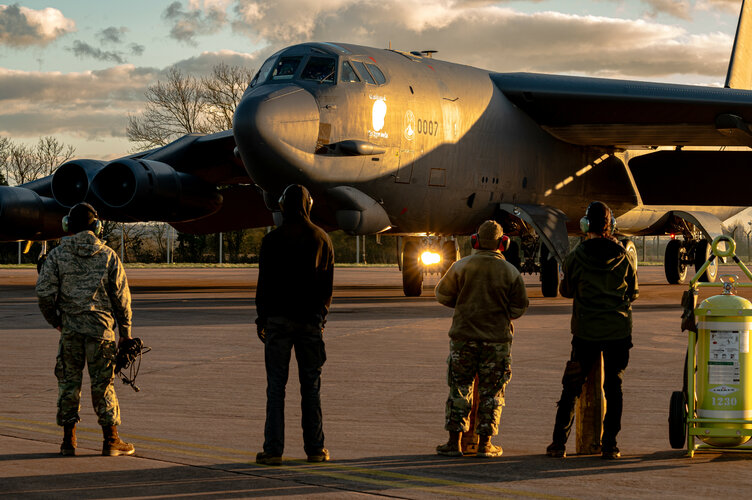
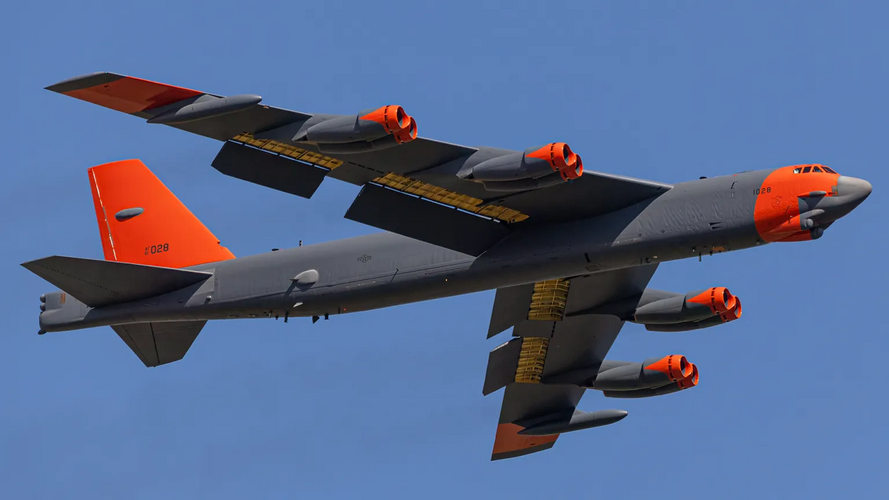
LOL, the DT guys (and gals) out at ED should have done this, not the OT guys out of Barkatraz. Shame on my old squadron...

Ah, yeah, loggers be crazy, yo.Ha! Always heard it referred to as Barksport. Never visited; almost got there and then turned right to go to the Base in the middle of "L". Spent a year there one month dodging pine trucks.
Ingested a few turkey vultures?Got to see one or two unique catastrophic TF34 failures there.
That's definitely interesting, in the Chinese sense of the phrase... Yikes!Oh no, far more interesting. Misaligned oil jet caught fire (internal engine fire). LPT shaft (long tom) was 3/4 melted through (circumference) when it failed (in tension load). With nothing to take thrust loads, the shaft and LPT shifted aft until the last stage mechanically interfaced the stators.
RUD and excitement ensued.
With no fan flow, the mixture is super rich, and the HPT overtemps and it then slags itself creating GE turbine gravel. Not to be outdone, the C sump oil return line is severed and that uncontained oil flow then catches fire. Now you have an internal and external engine fire. The pilot pulls the fire handle and stopcocks the throttle and and the engine shuts down, seizing to a stop and the fires go out.
The incident aircraft and wingman IFE'd to Eglin uneventfully. But on postflight, the pilot reportedly climbed up on the horizontal stab for a looksee. He reached over, grabbed the engine [core flow] exhaust nozzle, swung it through a 20 degree arc and called down to the ground "that's not normal, is it?"
You might be interested to know that having the thrust loads on the LPT causing it to move axially to mechanically interfere with the static parts during a shaft failure is a design requirement. Otherwise, the unloaded turbine will accelerate and over speed to the point of rotor rupture and uncontained pieces of the turbine disk flying out at very high speed ! It has happened in the past.Oh no, far more interesting. Misaligned oil jet caught fire (internal engine fire). LPT shaft (long tom) was 3/4 melted through (circumference) when it failed (in tension load). With nothing to take thrust loads, the shaft and LPT shifted aft until the last stage mechanically interfaced the stators.
RUD and excitement ensued.
With no fan flow, the mixture is super rich, and the HPT overtemps and it then slags itself creating GE turbine gravel. Not to be outdone, the C sump oil return line is severed and that uncontained oil flow then catches fire. Now you have an internal and external engine fire. The pilot pulls the fire handle and stopcocks the throttle and and the engine shuts down, seizing to a stop and the fires go out.
The incident aircraft and wingman IFE'd to Eglin uneventfully. But on postflight, the pilot reportedly climbed up on the horizontal stab for a looksee. He reached over, grabbed the engine [core flow] exhaust nozzle, swung it through a 20 degree arc and called down to the ground "that's not normal, is it?"
I did not know that; thank you. Explains the ball bearings up front and the roller bearing support in back. That would also allow for the axial thermal expansion/contraction of the LPT & HPT shafts.You might be interested to know that having the thrust loads on the LPT causing it to move axially to mechanically interfere with the static parts during a shaft failure is a design requirement. Otherwise, the unloaded turbine will accelerate and over speed to the point of rotor rupture and uncontained pieces of the turbine disk flying out at very high speed ! It has happened in the past.
You are correct that most jet engines have one ball bearing per rotor for axial positioning, usually toward the middle, with one or more roller bearings to accommodate thermal growth of the rotor towards each end. There are exceptions..I did not know that; thank you. Explains the ball bearings up front and the roller bearing support in back. That would also allow for the axial thermal expansion/contraction of the LPT & HPT shafts.
In fact, that is indeed what happened, an uncontained LPT failure although I don't think the disk burst. The engine case was cut circumferentially. Back in the engine shop, it took only the removal of two sheet metal screws in the stub pylon and the rear of the engine was rolled away from the front.
Remember, there are entire paygrades in the military that lose their minds when anything is created to make life easier for the troops...Wow, I'm surprised it took them so long to figure out something car owners figured out decades ago.

Wow, I'm surprised it took them so long to figure out something car owners figured out decades ago.

Just make it out of rice paper coated in nail polish to make it water proof. Then you don't even need to remove themI had the same thought, then realized that
a) covers were probably no starters in the old SAC alert days because they could slow down a launch
b) you would need to be very careful with the design to ensure it doesn't create a FOD hazard.