MiG-21MF/bis vs Sea Harriers ?

  • Sea Harriers would have complete air superiority.

  • Sea Harriers would have had some losses.

  • Sea Harriers would have been blasted out of the sky.

  • None of the two aircraft would have gained air superiority.


Results are only viewable after voting.
Yes the crux is that Argentina didn’t prepare for the conflict.
That's what irritates me the most. The junta forces had been talking about retaking the Malvinas for how long, even before the Coup?

Yes, there are forces that need to be laser focused on the coup, but everyone else could be handed instructions saying "plan how to retake the Islas Malvinas" to keep them distracted from seeing the coup if nothing else.


They lacked the training and ability to sustain sorties to properly use what they already had… all of that would have to be addressed with funding and proper planning. Only then would it make sense to fix some of the equipment gaps.

As for Port Stanley you wouldn’t need anywhere like that much infrastructure with only 4 fighters on the ground at any time. Just metal matting for a pair of alert spots at the runway threshold, some matting at the runway end to help aircraft temporarily clear the runway after landing, and a hardstand area with 2 spots for quick turnaround (refuel & a few AIM-9 missile containers nearby). With so few sorties, pairs of fighters could taxi on the runway without blocking it for very long.

Protective revetments would be a nice to have, but not absolutely necessary. Given the low effectiveness of Harrier strikes and the presence of at most 2 widely dispersed pairs of fighters, it’s unlikely more than 1 or 2 could be hit. And that would be an acceptable risk considering the alternative which is to not have fighters at all, wasting the Mirages’ potential.

I think the infrastructure requirements do increase if you want the ability to simultaneously refuel strike aircraft, as even small numbers of strike aircraft (2-6 at a time) would eat up runway and hardstand availability as well as increasing fuel logistical requirements.
Just with the size of the airfield, I think the best plan is to keep a couple of fighters there, no attackers. Maybe 2 pairs, 1 pair for QRA and chasing the Harriers off, and 1 pair for spares, while everyone else flies in in the morning to fuel and then do a CAP mission or two before flying home at the end of the day. While the visitors are refueling, the QRA is airborne, so that there's only about 4 planes on the ground at a time. This would require staggering the arrivals of the daily forces into pairs maybe 15min apart. However long it takes to refuel a Mirage/Dagger, so that 1 pair is landing and going to the hardstand while the pair that arrived before them is going to the turning loops to take off.

Since the airfield engineers will be doing a lot of work laying matting etc, we can ask them to make revetments at the end.
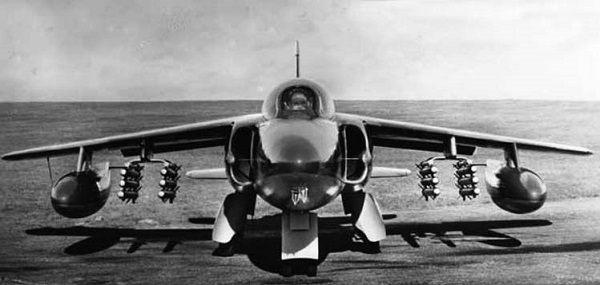
 
My thoughts on planning is that in Argentina's case it has strict limitations. Argentina had a huge problem by winging the entire war, not even knowing what they had and to what use it might be put for what reason. Good planning would likely have seen much better results just by deploying equipment they had in service according to a pre-arranged schedule. We've gone over a lot of the possibilities in this informative thread.

However, once the plans make good use of the equipment and forces they already have the ability to go beyond that is severely restricted. In 1982 Argentina had been under embargo by the US for the previous 4 or so years and was restricted to buying from Europe and Israel, but even then the mix of equipment was not uniformly of a high calibre that might be expected of a top tier medium power. Good planning isn't going to allow the Argentine Air Force to match the sortie rates of 'NATO standard' air forces for example, or foster good relations between officers and their soldiers, or produce Red Flag and Top Gun graduate level pilots.

When it's all said and done the reason the war was close is because Britain also rushed and winged their war, but they were simply better across the board with planning on the fly, sortie rate generation and combat capability from the front line individual upwards.
 
Oh no I agree it would be a formidable opponent in the air, just not flown by Argentina.

Argie fliers were totally untrained and inexperienced in the tactics needed to confront RN aircraft and pilots. After the first few attempts they withdrew their fast-movers in most cowardly fashion, leaving the Skyhawks to their fate.

The air victories would have gone to Britain even without the AIM-9L.
I would not dismiss the A-4 as a threat in air to air mode. It is a very maneuvrable dogfigther, let`s not forget that the americans used it as a disimilar air combat threat at Top Gun, against the best Navy fighters, right at the period of the Falkland conflict. And it constantly made kills.
https://nationalinterest.org/blog/buzz/heres-why-a-4-skyhawk-made-such-good-enemy-plane-hk-122625

It has comparable speed performance, while beeing lighter and with a bigger wing area as the Harrier. It has an excellent instantaneous turn rate. This makes the A-4 a very dangerous close range gunfighter. The difference in the air combat win rate over Falkland resulted mainly because the pilot training, not the machines.
 
You might say I’m being quite provocative! I enjoy the "what if" line of thinking...

What kind of hardware could a Third World country with no established tradition implement without drastically altering the actual timeline? The Pucará proved far too limited. This speaks volumes about the importance of equipment selection for an inventory. The Argentines built and operated over 55 of them at the time, deploying 24 to the islands. Had Argentina opted to build the Gnat—specifically the Indian *Ajeet* version—in the 1970s, they would have possessed a weapon that was resilient against poor decision-making and extremely versatile. Equip the *Ajeet* with the AIM-9B (I know it’s vastly inferior to the AIM-9L), and it would still have posed a difficult tactical problem for the aircraft carriers.

Whether configured for air defense with two AIM-9Bs, armed with 18 to 36 76mm rockets for anti-ship strikes, or carrying 250kg or 125kg bombs, such an asset would have created a major dilemma for the continental air force. There is no doubt the Harrier was far superior when armed with the AIM-9L; however, beyond merely securing an extra kill or two during the campaign, the *Ajeet* would have placed immense strain on the Harriers—which were already busy intercepting A-4s and Daggers as they withdrew from ship attacks. They wouldn't have needed to win the dogfight; simply preventing the Harriers from focusing on Combat Air Patrols (CAPs) would have sufficed. Even the Vulcan would have faced risks. As for the ships, those rockets could have blinded their combat systems, leaving the vessels defenseless against A-4 bombing runs...


weapons.jpg
 
gnat-3.jpg


The Indian Ajeet version featured increased internal fuel capacity and extended range. This left four weapon hardpoints available, with an external payload capacity of up to 900 kg.

Maximum speed of 1,152 km/h.

Simple, inexpensive, and highly versatile equipment for that operational scenario.
 
Equip the *Ajeet* with the AIM-9B (I know it’s vastly inferior to the AIM-9L), and it would still have posed a difficult tactical problem for the aircraft carriers.
What does the Ajeet offer that the A-4 Skyhawk couldn't have done though? Skyhawks could launch AIM-9 and use rocket pods already.
 
This type of rocket launcher is advantageous for anti-ship attack missions. It eliminates the aerodynamic drag associated with conventional launchers—drag that is particularly detrimental during the return phase of a mission. Firing 76mm rockets in salvos was less risky than flying directly over the ship to drop bombs, as the attack could be initiated from a slightly greater distance. While it would not sink the ship, it would riddle the hull with holes and damage fire-control antennas, turrets, anti-aircraft missile systems, and other equipment, rendering the vessel combat-ineffective. It is worth noting that the low-altitude firing profile would be the same as that used for bombs. Similarly, the aircraft could carry two to four 250 kg bombs or six 125 kg bombs...

01e4d941e67d47ddf6f0d570ba4f5369.jpg
 
Last edited:
Operate more easily from Port Stanley?
Exactly! And it is worth noting that the premise here is based on the idea that Argentina’s domestic aeronautical program had focused on the Ajeet rather than developing the Pucará. Under this scenario, even if Ajeets were destroyed by special operations or bombing raids at Port Stanley, each one could have been replaced and replenished from mainland stocks. The Pucará did not offer such a favorable cost-benefit analysis, as the turboprop lacked any anti-ship or air-to-air combat capability. The Ajeet, however—despite being vastly inferior to the Harrier—was a different story. It didn't need to defeat the Harrier in every engagement; it simply needed to prevent British Combat Air Patrols (CAPs) from targeting the A-4s and Daggers. This alone would have significantly increased the survival rate of the A-4s, Mirages, and Daggers in aerial combat—after all, it would be difficult to attack them and leave one's own "six o'clock" position exposed with Ajeets right on one's tail.

ea2c9e2fdaaf4a9893757d945ac73b125fdea83a.jpeg


hal-ajeet-invincible_2.jpg
 
In other words, the premise would be that the Argentines never produced or manufactured the Pucará, but rather the Ajeet.

The Ajeet would occupy the Pucará's position throughout the Argentine inventory.
 
In other words, the premise would be that the Argentines never produced or manufactured the Pucará, but rather the Ajeet.

The Ajeet would occupy the Pucará's position throughout the Argentine inventory.
Not sure that the Ajeet would make a good COIN bird like the Pucara, though.
 
They are different niches. Argentine could have made good use of both aircrafts, and a factory able to produce the Pucara would also be able to build an Ajeet. Though, a posible problem would have been the engine, a Hal built under licence HAL/Bristol Siddeley Orpheus. The brits could have opossed the sale of these engines by India. An under licence production in Argentina would have been even less likely.
 
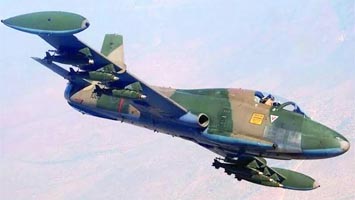
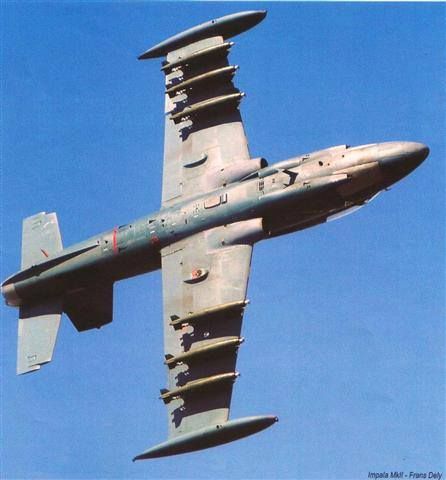
Brazil followed this same path around that time... it built and operated over 140 EMB 326 GB Xavantes (Aermacchi MB 326).

I don't see it as being all that different. Anyway, "what if"....


impl-i.jpg

cb7a5fc56f359a50bafbdb965b6acb23.jpg
Atlas Impala Version
 
Sure, but then you need more trainers if the COIN birds are busy doing their thing and you need to train new pilots.
Argentina made 110 Pucaras. They could've probably gotten a good mix of 2- and 1-seater light jets (Gnat/Ajeet, or some Italian design, like the stuff they were already using) and a few dozen of turboprop armed trainers. The jets still can be used in the COIN warfare, and are much better against a serious foreign opponent, like Chile was for Argentina at the time.
 
Argentina made 110 Pucaras. They could've probably gotten a good mix of 2- and 1-seater light jets (Gnat/Ajeet, or some Italian design, like the stuff they were already using) and a few dozen of turboprop armed trainers.
If we're going to go into hypothetical domestic production, I'd much rather that Argentina buy the design license and tooling for an older fighter design (ideally the F-11 Tiger or F-8 Crusader), modify it to its needs (Spey engine? + greater focus on ground attack / close air support, e.g. 30mm DEFA cannons + rockets) and build a bunch of those domestically instead of 110 Pucaras and Daggers from Israel.
 
If we're going to go into hypothetical domestic production, I'd much rather that Argentina buy the design license and tooling for an older fighter design (ideally the F-11 Tiger or F-8 Crusader), modify it to its needs (Spey engine? + greater focus on ground attack / close air support, e.g. 30mm DEFA cannons + rockets) and build a bunch of those domestically instead of 110 Pucaras and Daggers from Israel.
For a hypothesis to be feasible, it has to make sense from technical, historical, and budgetary standpoints... Argentina with 110 F-8s? Consider the difference: I’m talking about a small fighter that cost a third of the Hunter—a simple aircraft that fit within the procurement packages that countries like Brazil, India, South Africa, and Australia—nations with far more limited resources—could manage at the time... India bought and built numerous Gnats and, following their success, produced an improved version, the Ajeet, between 1975 and 1982... This isn't a debate about which plane is better; it’s about which one fits best without completely altering historical reality... Swapping the Pucará project for the F-8 would be too big a leap... besides, that wouldn't even make the scenario fun... the real appeal lies in achieving so much more with so much less...
 
The Gnat/Ajeet meets all the requirements... It is a very low-cost, second- or third-tier fighter (costing one-third of the Hunter), with a speed of 1,152 km/h and a 900 kg external payload; it is rugged and very simple to maintain. It looked like a toy because it was so small, consuming very little fuel. It could take off in 600 meters without needing any runway modifications and exerted very little pressure on the ground. It fit the budgets and realities of Third World countries. I believe simply carrying the AIM-9B would have been enough (I’m not even altering the actual Argentine missile inventory)... making it a formidable dogfighter, even against the Harrier... (there are accounts of dissimilar air combat training involving Harriers, Hawks, and Hunters where the latter sometimes won... while there are no specific accounts of Gnat vs. Harrier engagements, many pilots have reported on the Gnat's huge advantages over the Hunter and Hawk)... of course, the Harrier with AIM-9Ls was—and would have been—unbeatable, but the Harrier could never simply turn its back on an Ajeet armed with AIM-9Bs to attack A-4s and Daggers... that alone was more than enough in an air-to-air scenario... As for ships, as I mentioned before... they could attack them with bombs and, preferably, rockets... especially rockets...
 
Gnat/Ajeet is just preposterously silly suggestion, especially by the 1982 timeframe postulated.
The real world procurements made total sense with the politics and economics of their time, Skyhawk, MB.326, Mirage/Dagger, Skyhawk, Super Etendard, all in service in 1982.
For alternatives, one should really look at the ACTUAL types pitched or enquired, I recall approaches re. F-4 Phantom being one which particularly stands out, the Vulcan too being another (the former not allowed as would upset the agreed balance in the region) :)
 
Last edited:
Gnat/Ajeet é simplesmente ridículo.
As aquisições no mundo real faziam todo o sentido dentro do contexto político e econômico da época: Skyhawk, MB.326, Mirage/Dagger, Skyhawk e Super Étendard, todos em serviço em 1982.
Para alternativas, é preciso analisar os tipos de aeronaves REALMENTE propostos ou consultados. Lembro-me de algumas abordagens em relação ao F-4 Phantom que se destacaram, e ao Vulcan também (o primeiro não foi permitido, pois desequilibraria o acordo na região).:)
 
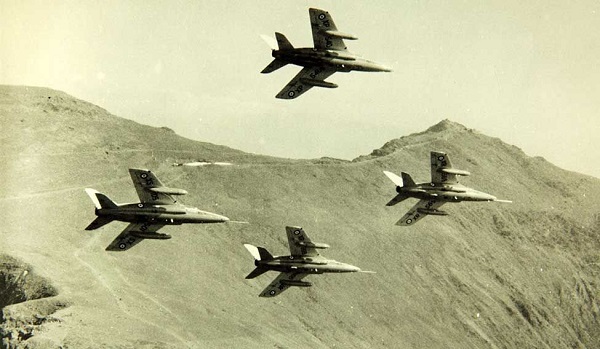
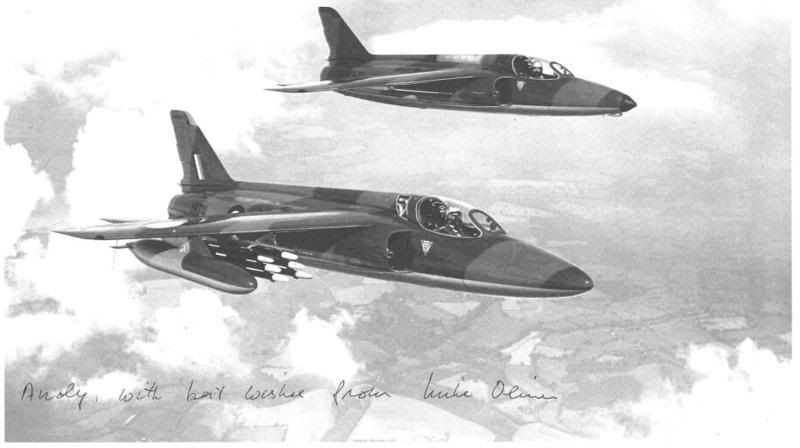
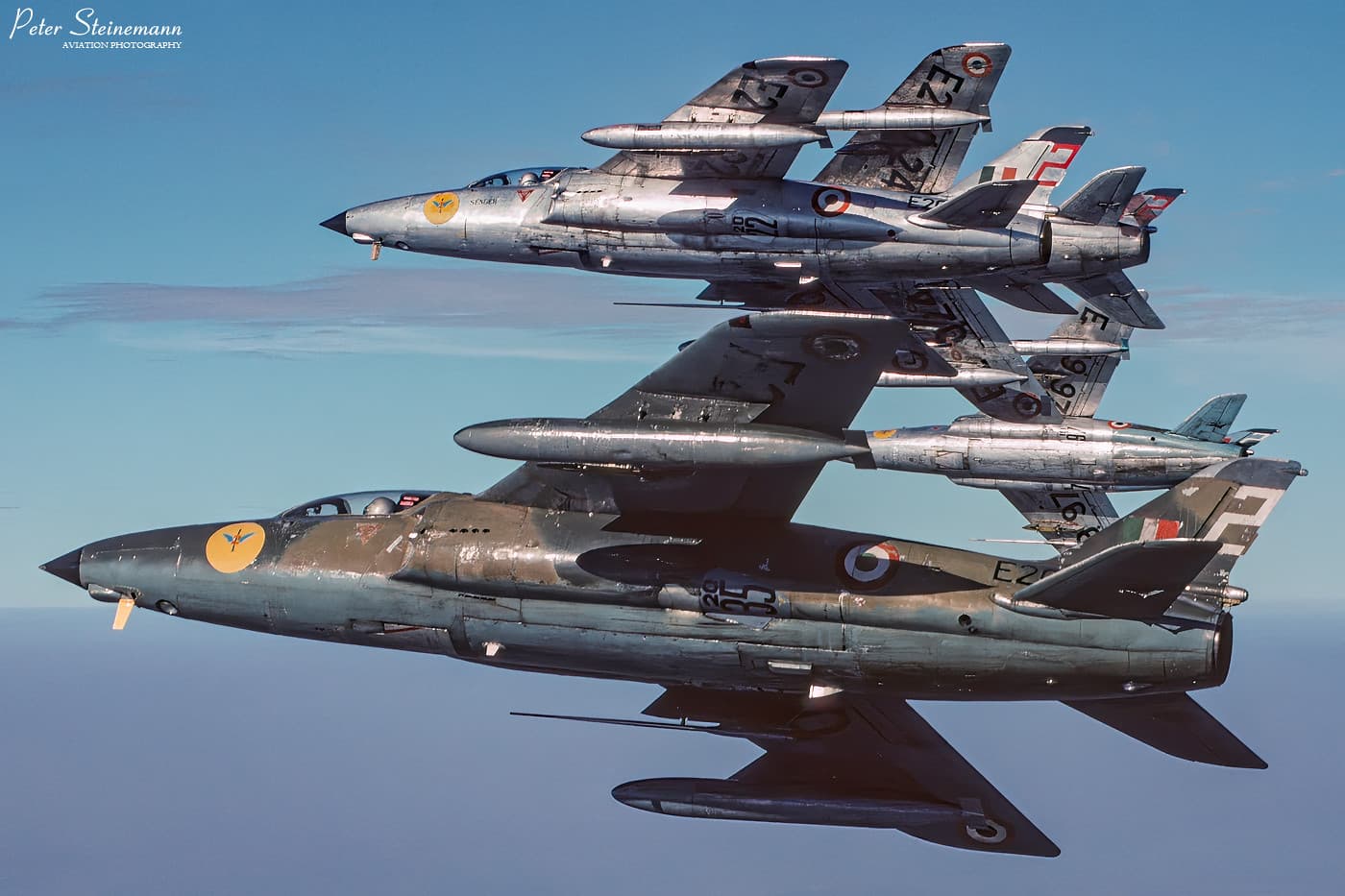
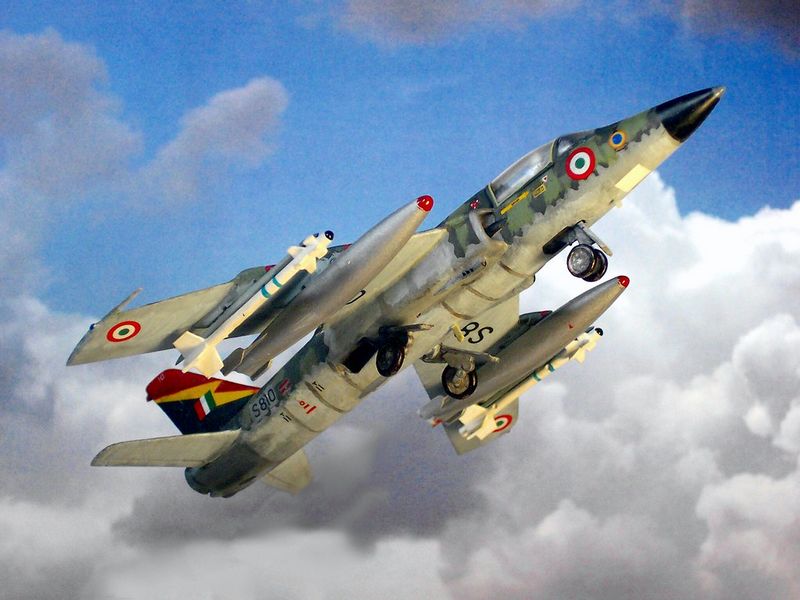
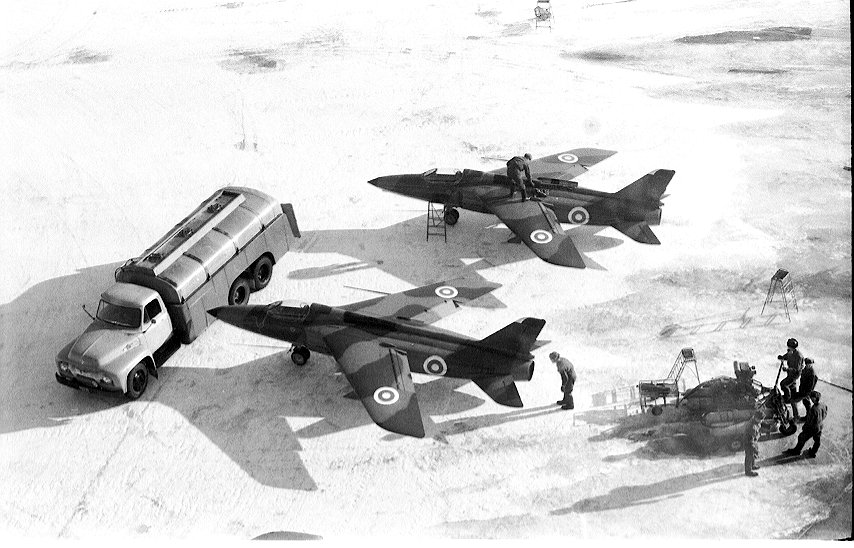
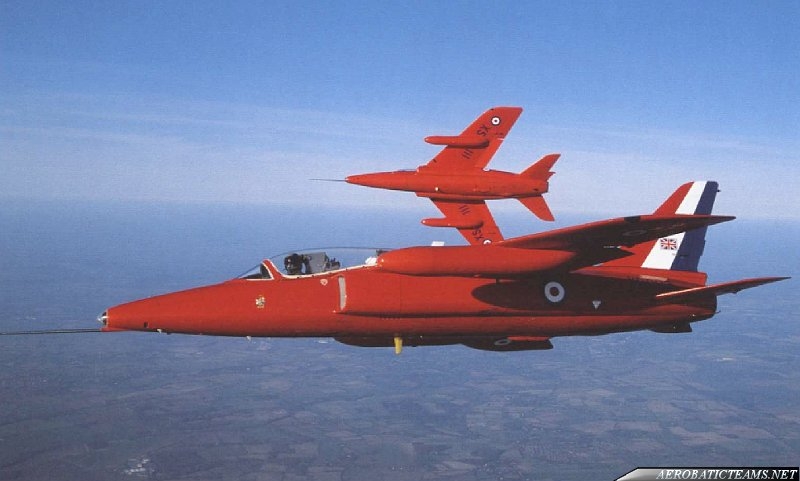
The Folland Gnat was operated in the UK until the arrival of the Hawk; it saw service in four countries, most notably in India during the 1965 and 1970 wars. The improved Ajeet version entered service in India in 1975 and was not retired until 1992. Although an older design, it was a contemporary of—and competed against—aircraft like the MB-326 and Fiat Falco; there is nothing far-fetched or laughable about it. Production in India continued until 1982.
 
The Gnat in RAF. service was as a TRAINER. NOT ANYTHING ELSE (the F.1 was EVALUATED AS UNSUITABLE and met NONE OF THE REQUIREMENTS desired by the RAF.)
The Ajeet in IAF. service was as a CHEAP, SIMPLE INTERIM SHORT RANGE type (ie. USELESS) primarily produced to establish a manufacturing base and supplanted by more capable types

28 pages of 'what-if' which might be better served in the group there ?
 
Last edited:
The Gnat in RAF. service was as a TRAINER. NOT ANYTHING ELSE (the F.1 was EVALUATED AS UNSUITABLE and met NONE OF THE REQUIREMENTS desired by the RAF.)
The Ajeet in IAF. service was as a CHEAP, SIMPLE INTERIM SHORT RANGE type (ie. USELESS) primarily produced to establish a manufacturing base and supplanted by more capable types

28 pages of 'what-if' which might be better served in the group there ?
Objectively, the F1 project was active and undeniably saw combat use—regardless of any theories regarding negative or positive expectations for its operational outcome in battle. We should stop using derisive language when discussing the analysis of technical parameters. The Indian production line was active—with the last two F1 models manufactured in 1974—and, given the 1972 directive for the Ajeet version, those final two airframes were used for the prototype. It entered service in 1976 and was only retired in 1992. It was a point-defense fighter—short-range, certainly, but well within combat engagement distances for both air-to-air and anti-ship roles. There is no need to mock a model that proved its worth in war. Equipped with AIM-9B missiles, it was fully capable of air combat, or anti-ship missions using rockets and bombs. Documented engagement ranges in those scenarios were very short—partly because the Harrier itself shared this same limitation, forcing aircraft carriers to approach within a dangerous 70 km of the island on multiple occasions.
 
Oh no I agree it would be a formidable opponent in the air, just not flown by Argentina.

Argie fliers were totally untrained and inexperienced in the tactics needed to confront RN aircraft and pilots. After the first few attempts they withdrew their fast-movers in most cowardly fashion, leaving the Skyhawks to their fate.

The air victories would have gone to Britain even without the AIM-9L.
Precisely,

Even if Mirages operated CAPs over the Islands I fail to see how that would have been a disaster. It would have made things more challenging certainly - but the Mirage IIIs did CAP on the first few days and were hopelessly outmatched - poor missiles, no countermeasures, and poor tactics (fighting/welded wing).

Some of the Argie pilots reminded us that brave does not equal smart. And while they may have had a single skill in low level ship attacks, they failed totally in providing fighter protection and tactics to cover their Skyhawk attack aircraft - which were splashed with regularity.

You need more than a longer runway. At a minimum, aviation fuel facilities, ammo facilities (probably both need to be hardened), plane dispersal bunkers, better air traffic controller, better radar, enhanced air defences (as you know the harriers will be visiting) and finally, much better ground security, as you also know the SAS/SBS will be also be visiting. Most of these will need a huge air and sea lift, and stellar planning and coordination. None of those were on the cards.
 
In other words, the premise would be that the Argentines never produced or manufactured the Pucará, but rather the Ajeet.

The Ajeet would occupy the Pucará's position throughout the Argentine inventory.
In all due respect carvalho2008, but
the Argentine Air Force issued the requirement for the Pucará in August 1966, to meet a then identified threat. A threat and requirement some sixteen years before the Falklands War.

Regards
Pioneer
 
The Gnat has little range no ? Could never fly from Argentina to Falklands and back. Not sure it could fly out of Port Stanley runway.
 
The Gnat has little range no ? Could never fly from Argentina to Falklands and back.
500 miles of range - probably without drop tanks and no external stores? Can not just do Arg to Falk, but also return. Endurance with two drop tanks and nothing else was better than 2 hours.

Not sure it could fly out of Port Stanley runway.
That might be a problem, even if the drop tanks are not used. Something straight-winged, like the popular Italian jet trainers, should've been much better in this regard. Arm them with rocket pods and Bob's your uncle?

An 'interesting' job for the British defenses - Gnat as a fighter (so it is as light as possible, job being to mix with the Harriers), MB 339 with rockets to attack ships, both based at Falklands... Another interesting thing is, that from the distance, the Shar and Gnat might look the same - no AA gunner likes that.
 
Com todo o respeito, carvalho2008 , mas
A Força Aérea Argentina emitiu a exigência para o Pucará em agosto de 1966, para enfrentar uma ameaça então identificada. Uma ameaça e uma exigência cerca de dezesseis anos antes da Guerra das Malvinas.

Cumprimentos
Pioneiro

The Gnat has little range no ? Could never fly from Argentina to Falklands and back. Not sure it could fly out of Port Stanley runway.
If the premise is that Argentina had invested in producing the Gnat/Ajeet instead of the Pucará, these fighters—numbering between 16 and 24 aircraft—would then be operating out of Port Stanley. Their takeoff distances, in both defensive and offensive configurations, fall well within the available runway dimensions. In addition to being small, the aircraft was lightweight; despite its limited range, it could have performed a full spectrum of missions, whether for attack or defense.
 
Last edited:
In all due respect carvalho2008, but
the Argentine Air Force issued the requirement for the Pucará in August 1966, to meet a then identified threat. A threat and requirement some sixteen years before the Falklands War.

Regards
Pioneer
The requirement process began in 1966.

Spanning the maturation of requirements, design, and delivery of the first unit, the initial delivery did not take place until 1975.

The final unit was produced in 1986.

The timeline mirrors that observed between the Gnat F1 and Ajeet projects...

And to reiterate... the Indian Ajeets were not retired from service until 1992.
 
The Gnat F1 pilot's manual is available here: https://online.fliphtml5.com/dqyy/wydq/. We can also find some info on the wet wing from the Gnat T1 trainer manual here: https://hang-out.co.uk/uploads/Gnat-T-Mk-1-Aircrew-Manual.pdf

This gives us the following stats:
  • 2,400kg empty weight including pilot, 2 guns, and 200rds 30mm
  • 950kg fuel capacity (720kg in the fuselage + 235kg in the wet wing)
  • 3,350kg take-off weight clean, 3,550kg with 2x AIM-9 Sidewinders, 4,100kg maximum take-off weight with 750kg external stores
And the following performance numbers:
  • 0.64 thrust/weight at take-off (clean). Similar to an F-8E Crusader and better than all A-4 Skyhawks except for the souped-up A-4M
  • ~0.283 fuel fraction at take-off (clean). Similar to a clean Etendard IV with full fuel, or an F-8E Crusader or A-4 Skyhawk with 85% fuel
  • ~700m take-off run lightly loaded with 2x AIM-9s (3,550kg), ~900m at 4,100kg max take-off weight
  • ~650m landing run at 2,800kg landing weight (200kg fuel + 2x AIM-9s)
  • ~200nm max range at sea level with allowances for take-off, landing and 2.5 minutes combat (this aligns with the Ajeet's combat radius of ~93nm with 2x 500lb bombs)
All in all the the runway take-off and landing performance is definitely compatible with Port Stanley's 1,200m runway. Thrust/weight is on par with high-performance aircraft like the F-8 and A-4M. Fuel fraction with the wet wing is decent but the max combat radius is limited unless you add external fuel tanks.
 
The Gnat F1 pilot's manual is available here: https://online.fliphtml5.com/dqyy/wydq/. We can also find some info on the wet wing from the Gnat T1 trainer manual here: https://hang-out.co.uk/uploads/Gnat-T-Mk-1-Aircrew-Manual.pdf

This gives us the following stats:
  • 2,400kg empty weight including pilot, 2 guns, and 200rds 30mm
  • 950kg fuel capacity (720kg in the fuselage + 235kg in the wet wing)
  • 3,350kg take-off weight clean, 3,550kg with 2x AIM-9 Sidewinders, 4,100kg maximum take-off weight with 750kg external stores
And the following performance numbers:
  • 0.64 thrust/weight at take-off (clean). Similar to an F-8E Crusader and better than all A-4 Skyhawks except for the souped-up A-4M
  • ~0.283 fuel fraction at take-off (clean). Similar to a clean Etendard IV with full fuel, or an F-8E Crusader or A-4 Skyhawk with 85% fuel
  • ~700m take-off run lightly loaded with 2x AIM-9s (3,550kg), ~900m at 4,100kg max take-off weight
  • ~650m landing run at 2,800kg landing weight (200kg fuel + 2x AIM-9s)
  • ~200nm max range at sea level with allowances for take-off, landing and 2.5 minutes combat (this aligns with the Ajeet's combat radius of ~93nm with 2x 500lb bombs)
All in all the the runway take-off and landing performance is definitely compatible with Port Stanley's 1,200m runway. Thrust/weight is on par with high-performance aircraft like the F-8 and A-4M. Fuel fraction with the wet wing is decent but the max combat radius is limited unless you add external fuel tanks.
Fantastic!!!
 
What do the RN SSNs do if there were Soviet subs in the area? Do the merely note them and continue to chase the Argentinians and conduct their other Falklands War tasks?

For their part, would the Soviets try to track the RN SSNs to the extent it would impede their operations?
According to rumour, the Soviet submarine was tracking the Argentinian surface fleet to the extent that it impeded their operations.
If the premise is that Argentina had invested in producing the Gnat/Ajeet instead of the Pucará, these fighters—numbering between 16 and 24 aircraft—would then be operating out of Port Stanley. Their takeoff distances, in both defensive and offensive configurations, fall well within the available runway dimensions. In addition to being small, the aircraft was lightweight; despite its limited range, it could have performed a full spectrum of missions, whether for attack or defense.
In terms of production numbers, it doesn't seem implausible for Argentine Gnats to match Pucaras at least one-for-one. If not two-for-one, but that's limited by pilot numbers. Not the leggiest aircraft in existence, but if forward based in numbers could be quite a headache.

The logistics of doing so would be a challenge of course, which ties into the point about actually having a plan

Talk of the Ajeet has me thinking...

Under Peron, Kurt Tank et al developed the I.Ae. 33 Pulqui II. Which wasn't very good, and Argentina wound up buying F-86s instead. After the fall of Peron, Tank wound up working for HAL and developing the HF-24 Marut, based on work begun in Argentina for the I.Ae. 43 Pulqui III.

It's maybe a bit of a stretch to suggest that it would be better than the aircraft the FAA actually operated. But it would at least be domestic.
 
Back
Top Bottom