Scott Kenny
ACCESS: USAP
- Joined
- 15 May 2023
- Messages
- 19,517
- Reaction score
- 27,964
By killing any idiot that walks into the tail rotor.How does every other helicopter manage? Most dont have a wing structure separating passengers from the tail rotor.

By killing any idiot that walks into the tail rotor.How does every other helicopter manage? Most dont have a wing structure separating passengers from the tail rotor.
Natural selection at it's finest. Don't walk into the metal spinny bits.By killing any idiot that walks into the tail rotor.


While true, a complete risk benefit assessment would also have to factor in the lives saved from flying 60-70% faster. Faster times for Medevac / fire support missions, better survivability etc.All of this said, I remain concerned about the military utility due to the hazard.
The super-fast Airbus Racer helicopter will take off in February
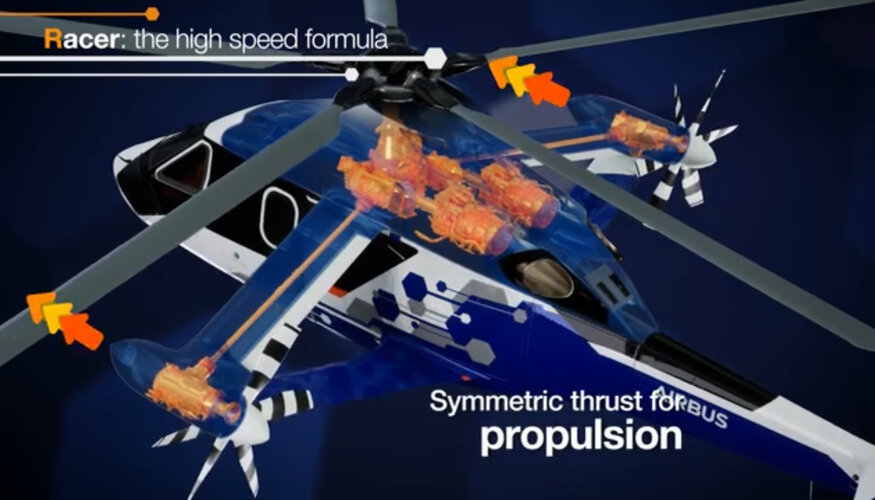
I mean, it's a simple compound helicopter, only slightly more complex than the Cheyenne arrangement. Trivially more complex than Cheyenne, IMO.Interesting that they also for the first time stressed the commonality with conventional helicopters (from both a parts and pilot training perspective), potentially leading to easier mixed-fleet operations of conventional and “Racer” helicopters under one roof.
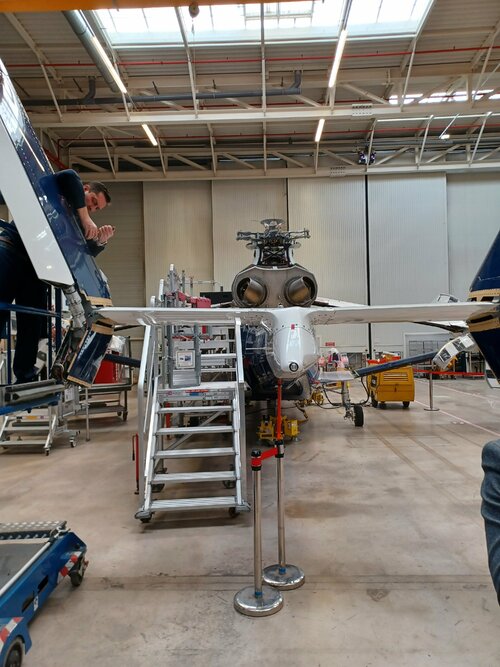
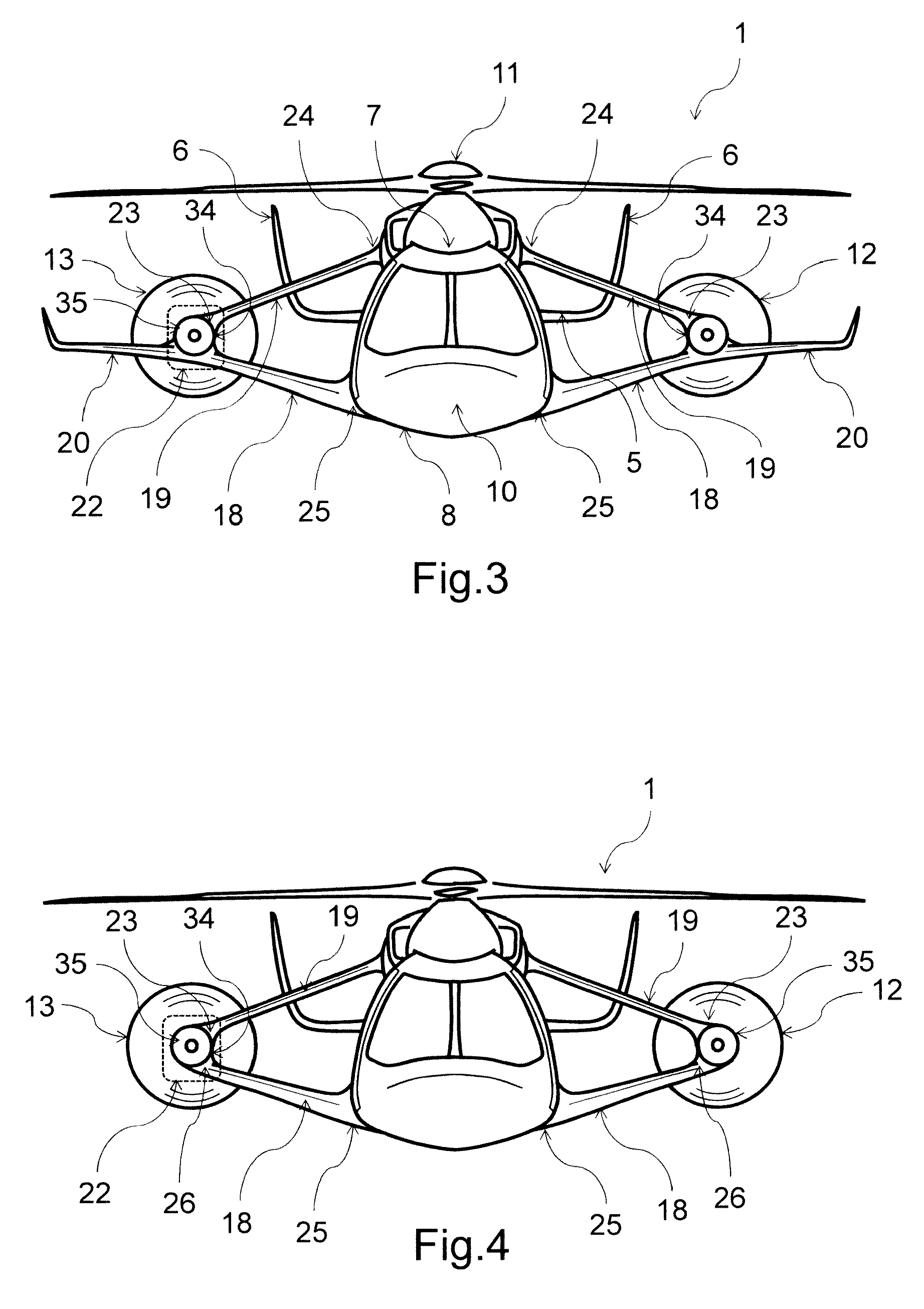
engineers getting sneaky!I find it fascinating that in part the upper wing is to shield the lower wing from the downwash of the main rotors so that it generates more lift and also to minimise the vertical drag when hovering compared to a single larger wing. Lot of complex aerodynamic interactions between the different elements.

LifeRCraft = Low Impact, Fast & Efficient RotorCraft
The next step after X³
Refer to page 332 (8.7 Compound Rotorcraft Demonstration (LifeRCraft)) for further information:
http://ec.europa.eu/research/partic...l/jti/h2020-guide-techprog-cleansky-ju_en.pdf
Info about Clean Sky: http://www.cleansky.eu/fast-rotorcraft
BR Michael
...H160 derivative? :
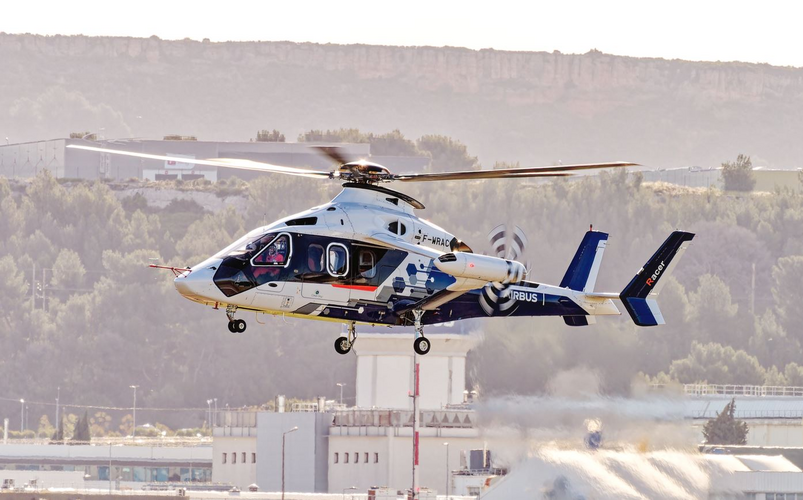
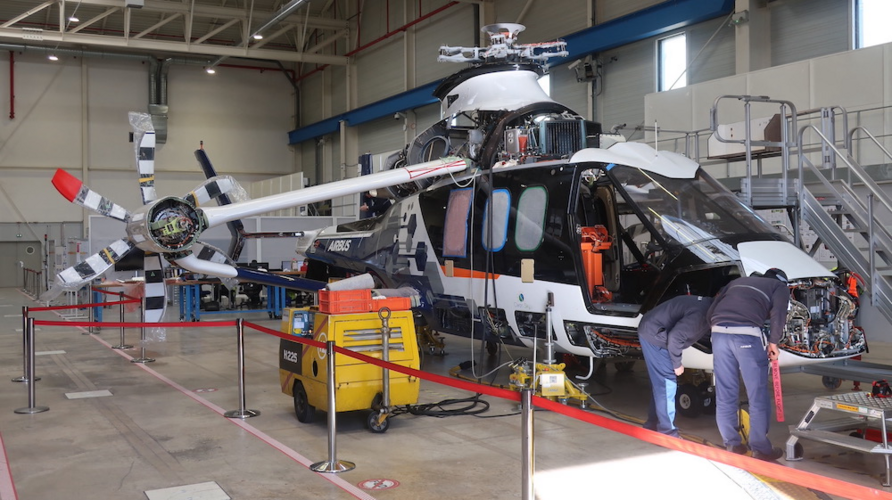
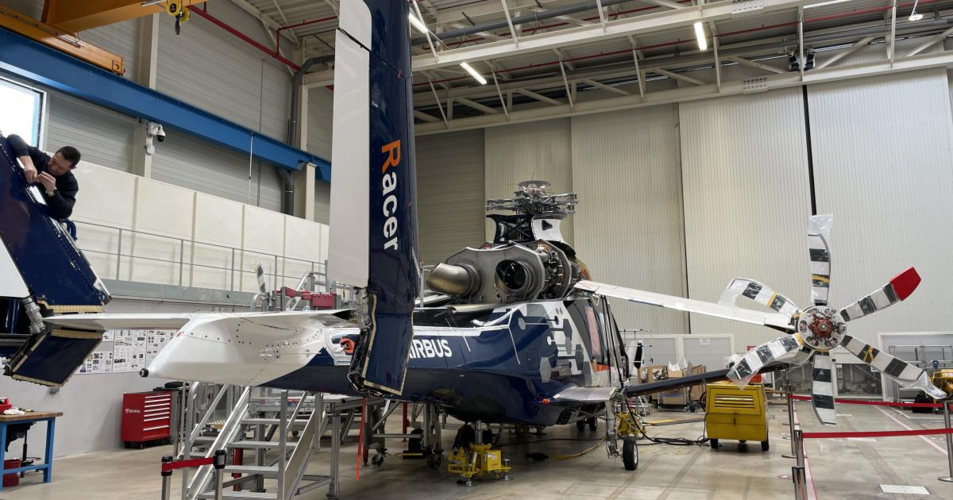
A few more pics.


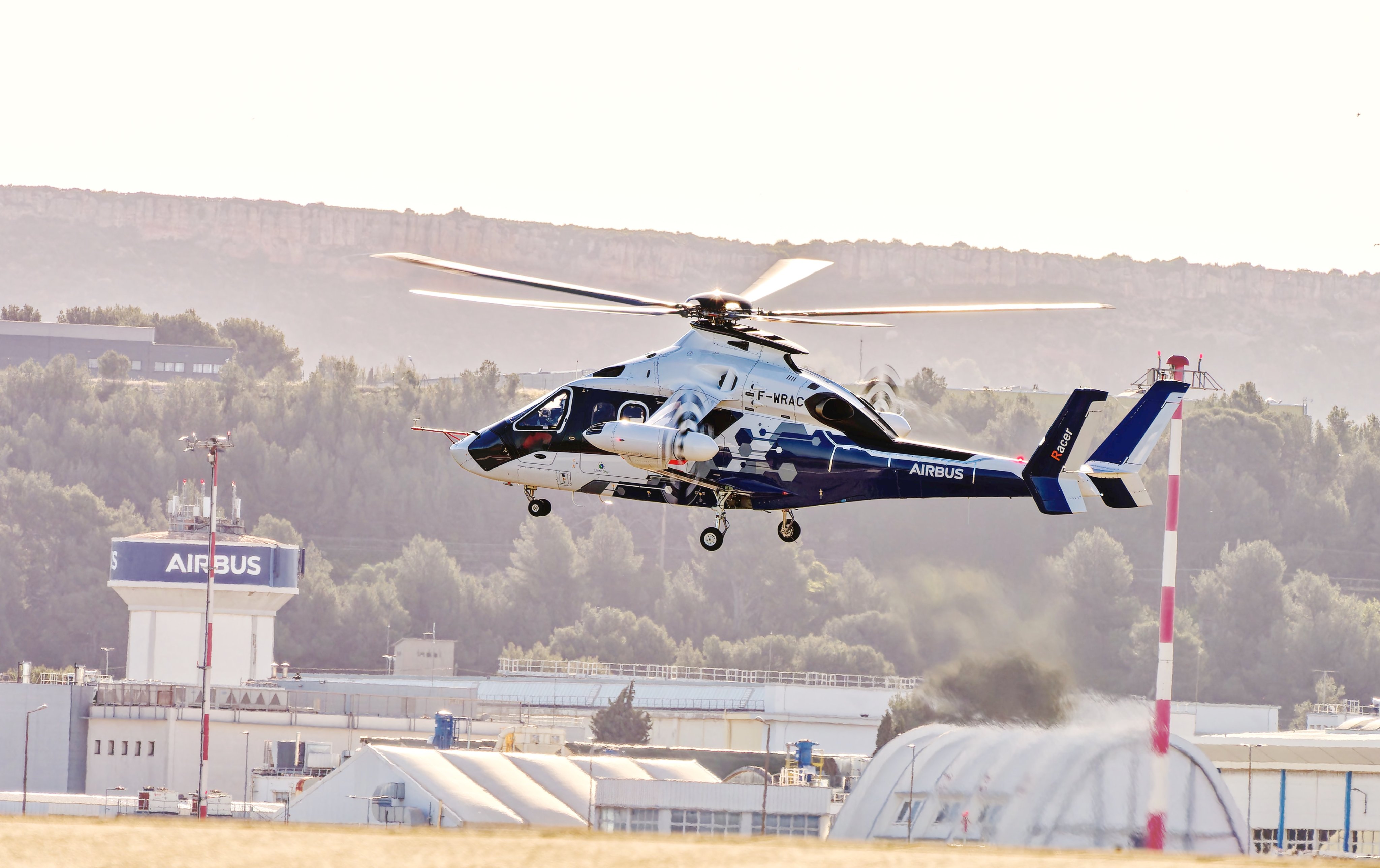



That may be flight control laws that need adjustments. Remember the Raider oops, where the roll oscillations got bad enough to make the blades cross? Happened because of how the bird transitioned from "on the ground" to "in the air", something went odd and made the stick have 2.5x greater effect per input during the transition.Roll stability is awkwardly low. And it doesn´t seem wind is at pay here. The control in roll seems to be a bit touchy.
Regarding the extra test crew members, they are probably doing so according to their own procedures, with an in-flight check of parameters and monitoring recording installations as well as guiding the pilots through the test scenario.
Here is an example with the A350:
https://hal.science/hal-02189905/document
Racer flew up to 80 knots (almost 150 km/h) during its first flight and reached 165 knots during its second flight on April 30.
Apparently they were not aware of the stability issues observed by some forum members
That's quite impressive indeed!P.S. Quick comparison of flight test milestones:
S-97 Raider: 14 months and 19 flight hrs to reach 150 knots
SB-1 Defiant: 11 months and 11 flight hrs to reach 140 knots
Eurocopter X3: 3 months and 10 flight hrs to reach 180 knots
>> Racer: 5 days and 1 flight hr to reach 165 knots

That would add too much weight and drag.Still think they need to wrap ducts around the pusher props...
Weight? use bigger engines.That would add too much weight and drag.
Don´t forget that this is an European program at the edge of a contested European major election. Hastily looking for a record, if that is, is probably not that glamourous...
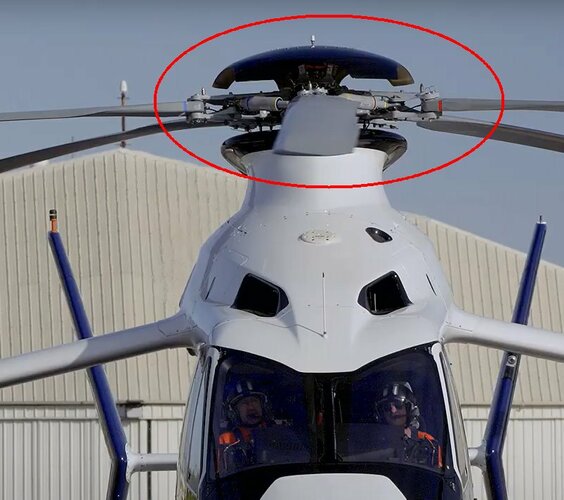

Apparently they are using a standard H175 rotor hub (and rotors) initially so they can generate a baseline using known components. When they are ready to start high speed flight trials they will install the new low drag hub.Low drag main rotor hub? Probably not yet.
![p1b8v1fjn19odofa4n5164p1o4p6.jpg.optimal[1].jpg](https://www.secretprojects.co.uk/data/attachments/264/264771-6dd9d7c8bb8eae9be538b228da9f9dda.jpg "p1b8v1fjn19odofa4n5164p1o4p6.jpg.optimal[1].jpg")
Today, Airbus is sharing its one-off working demonstration model of the Racer in France’s southern port city of Marseille for the first time, Reuters reports. It follows new flight images and video posted by Airbus earlier this week that shows how it can take off like a helicopter and make a smooth landing without a long runway. The Racer had its first flight in April.
In an email to The Verge, Airbus Helicopters head of external communications Laurence Petiard writes that a ceremony was held today for the company’s partners in the Clean Sky 2 project, involving 40 partners from 13 different European countries. “They were able to see Racer in flight and then on static display,” Petiard said.
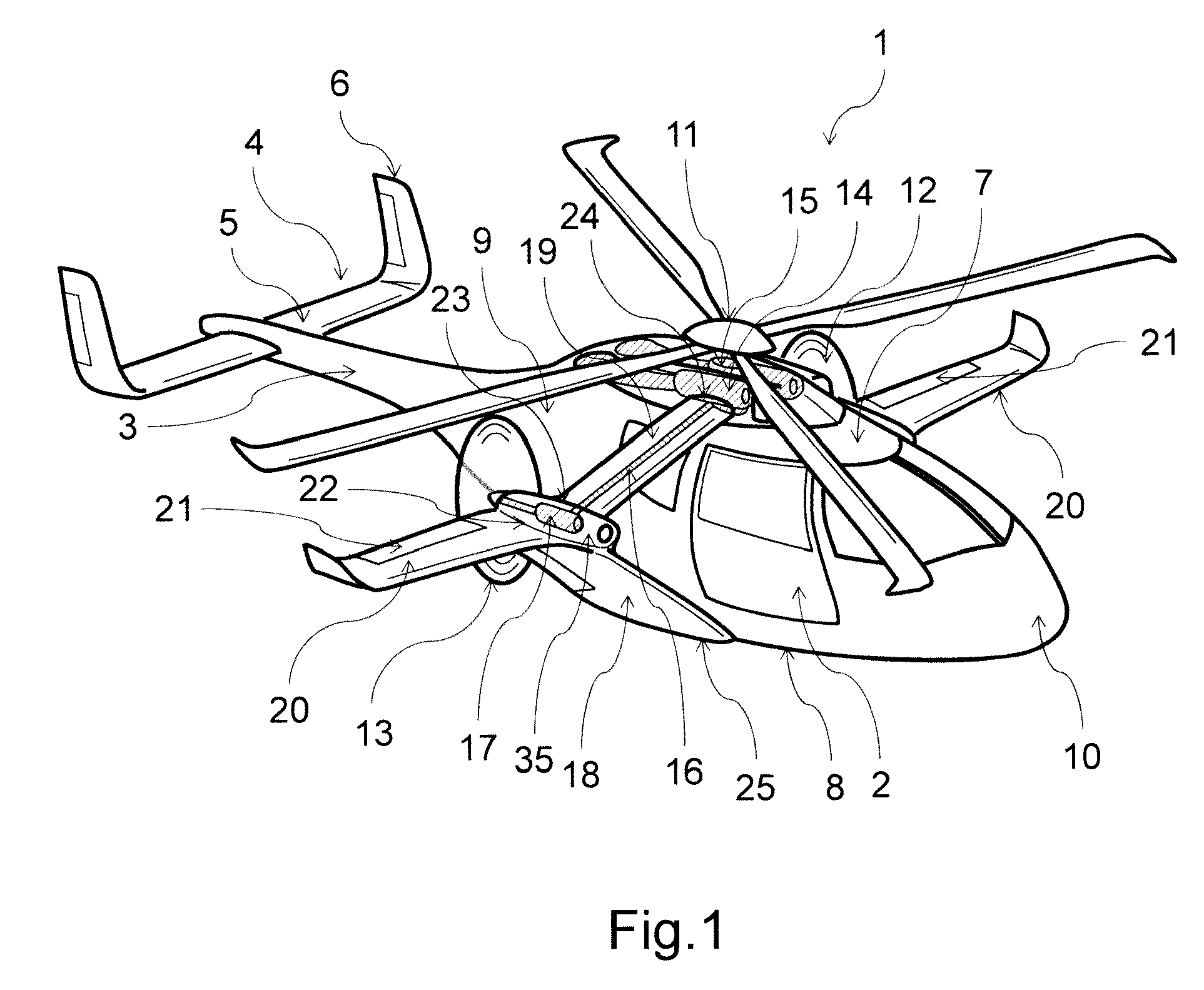
Interestingly Airbus has also patented a mid wing mounted configuration, which might allow for more ground clearance and reduce safety concerns. I guess it has some drawbacks since it wasn’t chosen.Well part of the demonstrator is to illustrate the configuration envisioned for the a/c. Here the props are not wing mounted somewhere along the span but at the tips.
There have been 2 flights this week, 1:22 and 1:06 duration, according to FlightRadar. That brings total flight time in the first 3 weeks to ~4hrs in 4 flights… though there may have been more flights not recorded by spotters.
Racer has now flown four times since 25 April maiden sortie. On its 25 April first flight of 30min, the Racer reached 80kt, rising to 55min and 160kt on the second and 1h 40min and 165kt on the third. The fourth sortie – performed as part of an event to showcase the aircraft at the airframer’s Marignane headquarters on 15 May – saw the helicopter fly for 1h 20 min and at a speed that was “about 10 knots more”, says Krysinski.
Test flights have also become increasingly dynamic, already including 2g turns and “very deep dives and climbs”, he adds. In fact, says Brice Makinadjian, Racer chief engineer, the aircraft has achieved bank angles of “more than 45° at 150kt” and performed “autorotations at 80kt in descent”.
“We are at a maturity level that we reached after 20 flights or even more on the X3.”
Both of the Racer’s Safran Helicopter Engines Aneto-1X were at 50% torque with the aircraft at 160kt true air speed. “The first indications are that we have low drag, even a bit lower than predicted.” The initial data shows the Racer using around 300kW less power than a conventional helicopter at 165kt, he says.
Further improvements are likely to come with the installation of a low-drag cowling for the main rotor head and landing-gear doors.