FighterJock
ACCESS: Above Top Secret
- Joined
- 29 October 2007
- Messages
- 7,266
- Reaction score
- 8,584
What are the main differences between the radar of the E-3 Sentry and the E-2 Hawkeye in terms of range?

As per cruise altitude(e-3 will see further because it's horizon is further); incorrect question.What are the main differences between the radar of the E-3 Sentry and the E-2 Hawkeye in terms of range?

Interesting commentary in the recent Aerospace Advantage podcast where they discussed the E-2s that are essentially doing the airspace control for Op Epic Fury over the E-3 fleet, which isn't mission capable enough in sufficient numbers to support the mission.
I feel like the E-7 program is going to be too little too late
It is probably the mid 2030s by the time the USAF has sufficient E-7As while an E-2 fleet could conceivably arrive much quicker and be useful even as a stop gap for a decrepit E-3 fleet.

Twelve apparently through FY-27 order year. 2 under the MTA rapid prototyping and rapid fielding, five funded under the FY-26 RDTE accounts under EMD and, if what’s stated in this testimony above stands, five via FY27 procurement adjustment (it was originally zero under 27 procurement). The more in FY-28 (funding to be present ; confirmed my SecDef). Original plan is 20 plus and I have not seen any indication they have changed that.So the USAF are going to have 12 E-7s? That is a major turn around from threatning to canclle the program last year, the RAF should order more to take our total to 12 as well when the production line is still open.

It’s apparent that there is still a role for large AEW&C aircraft in a potential West Pacific contingency, as the Chinese themselves continue developing and fielding large platforms such as the KJ-3000 and KJ-700 alongside the carrier-borne KJ-600; as well as space-based systems.The decision to disregard the AFs own analysis on the E-7 and nuke the program with AF E-2D funding was an OSD CAPE decision. The CSAF at the time publicly distant himself stating that he had absolutely no involvement in the analysis. Good to see the OSD buckle under pressure from the service, hoards of retired senior AF officials, and Congress. It would also have been important to ask the INDOPACOM commander, tasked with executing a potential conflict with China, whether the E-7 would be useful in that effort. Luckily the decision was flipped before Congress got all these and others to give their statements and share their views on the record. Something I’m sure it was prepared to do had the OSD dragged it out further.
I think Iran/Ukraine made it abundantly clear it's now absolute necessity and more. You have to track hordes of physically small, low altitude, LO targets overland somehow. Especially in a new connected reality.It’s apparent that there is still a role for large AEW&C aircraft in a potential West Pacific contingency, as the Chinese themselves continue developing and fielding large platforms such as the KJ-3000 and KJ-700 alongside the carrier-borne KJ-600; as well as space-based systems.
It’s apparent that there is still a role for large AEW&C aircraft in a potential West Pacific contingency, as the Chinese themselves continue developing and fielding large platforms such as the KJ-3000 and KJ-700 alongside the carrier-borne KJ-600; as well as space-based systems.
It’s apparent that there is still a role for large AEW&C aircraft in a potential West Pacific contingency, as the Chinese themselves continue developing and fielding large platforms such as the KJ-3000 and KJ-700 alongside the carrier-borne KJ-600; as well as space-based systems.


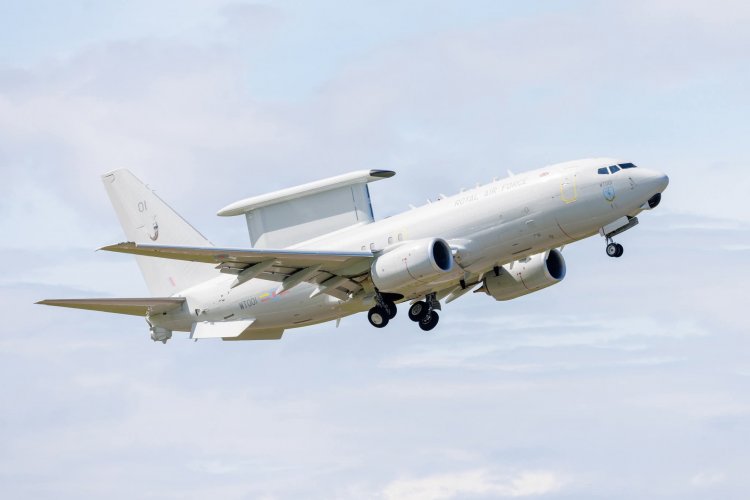
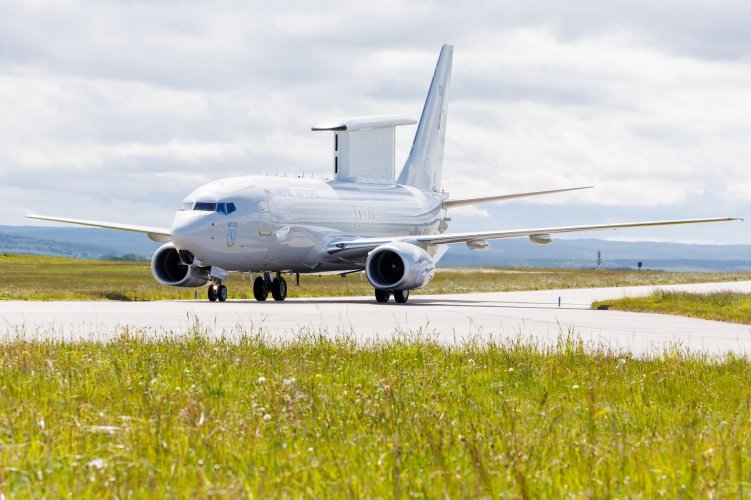
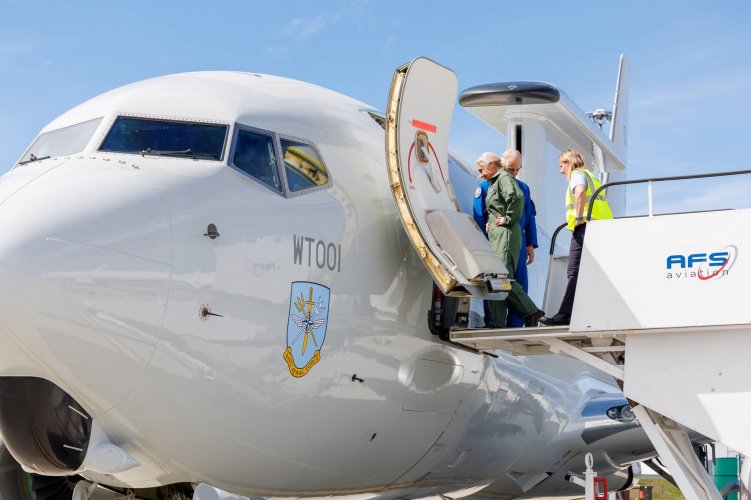
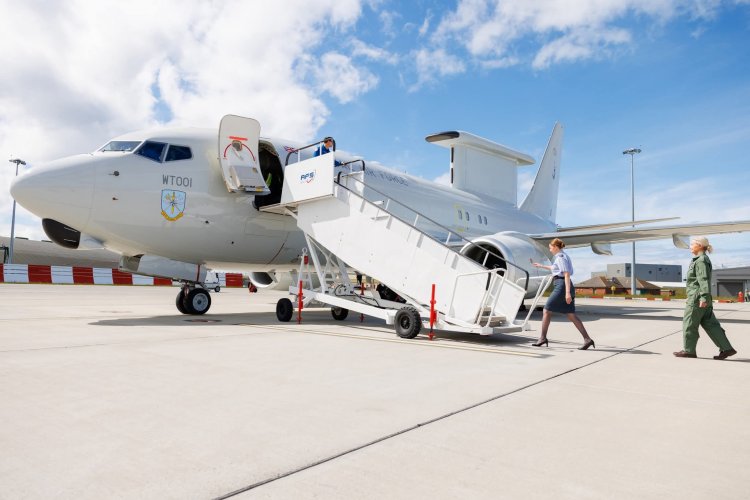
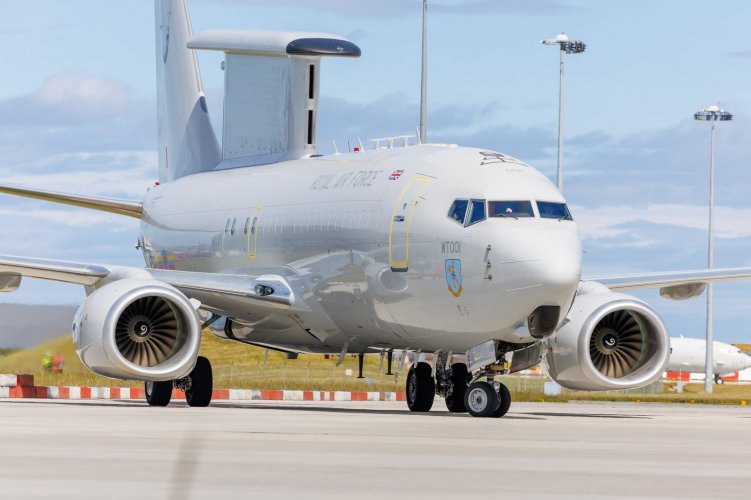
I could see that happening when the Wedgetails finally enter service timmymagic and what a sight that will be.
I could see that happening when the Wedgetails finally enter service timmymagic and what a sight that will be.

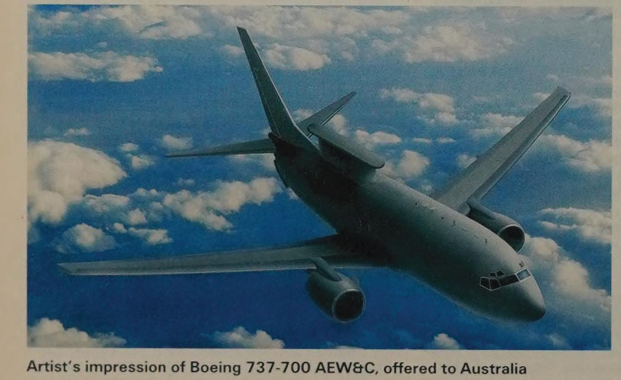
The Pentagon wants to raid the Navy’s aircraft and broader Pentagon procurement funding to reverse course on developing the Boeing E-7A Wedgetail.
The White House Office of Management and Budget in a budget amendment letter to House Speaker Rep. Mike Johnson (R-La.) on June 17 stated the funding adjustments would pay for the two E-7 prototype aircraft, along with other amendments to pay for nuclear facility enhancements. The shifts would not affect the overall discretionary base budget authority in the request.
Specifically, the letter states the Pentagon wants to reduce the Navy’s aircraft procurement account by $650.549 million to fund the prototypes and continue engineering and manufacturing development for a program of record. The letter does not say which part of the Navy’s aircraft procurement request would be cut, and the dollar amount does not directly coincide with a specific program. However, the Navy had sought to increase its spending on the Northrop Grumman E-2D Advanced Hawkeye that Pentagon officials have said would cover the gap in airborne early warning and control.
Additionally, the amendments would cut the Pentagon’s other procurement account by $899 million for the E-7s. Combined, OMB would request about $1.55 billion for the E-7 program.

Haphazard reprogramming of money on a whim sounds like fun until you try to go backsies.So a case of robbing Paul to pay Peter?
Chinese version: Dismantling East wall to repair west wall.So a case of robbing Paul to pay Peter?
Haphazard reprogramming of money on a whim sounds like fun until you try to go backsies.
Anything you can add specifically on this, certification issues with the base airframe modifications or something else?Hearing that Wedgie 1 hasn't flown since arriving at LM, and is in a world of pain certification-wise...


The first USAF E-7 is being worked on by STS right now and two deliveries are expected to complete next year. It could well be that those aircraft run ahead of final certification and get into operational testing before the UK aircraft.It's a pretty typical issue with using existing airframes e.g. very similar issue with RAF Airseekers / Rivet Joints and their previous usage. And it can also happen with brand new aircraft as evidenced with Boeing T-7 recently.
This then comes up against the UK military regulatory environment that is extremely risk adverse and you get gridlock. It's pretty easy for a future prosecutor to argue that you could have practicably taken more action to reduce risk.
The UK military regulatory environment is fundamentally broken at the moment regardless of what aircraft type is being pushed through it. There appears little appetite to fix this.
The RAF could equally have chosen to buy 2nd Global 6000 airframes...A similar question could be asked about Wedgies vs Globaleye/G550AEW.