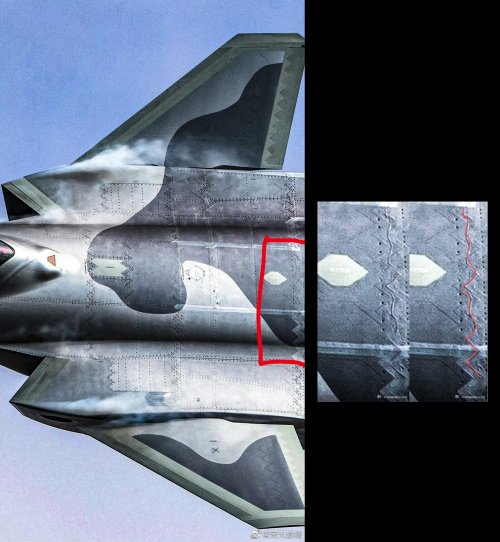
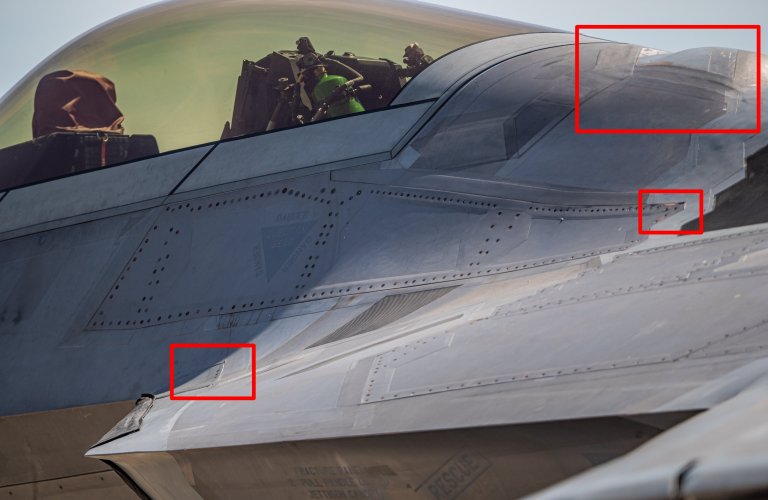
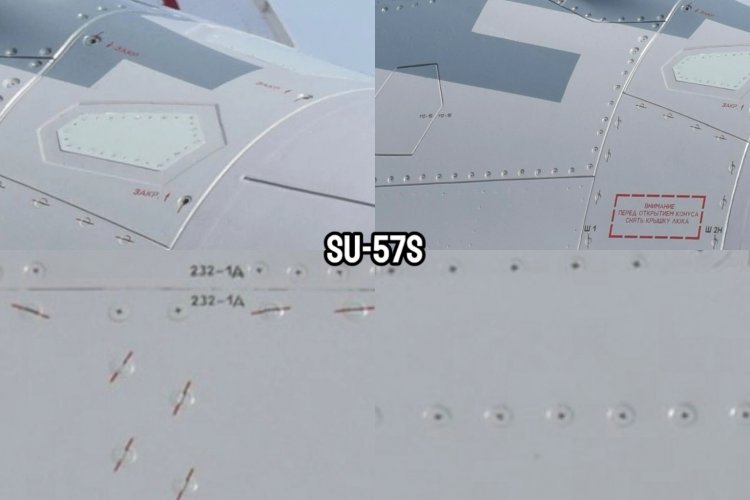
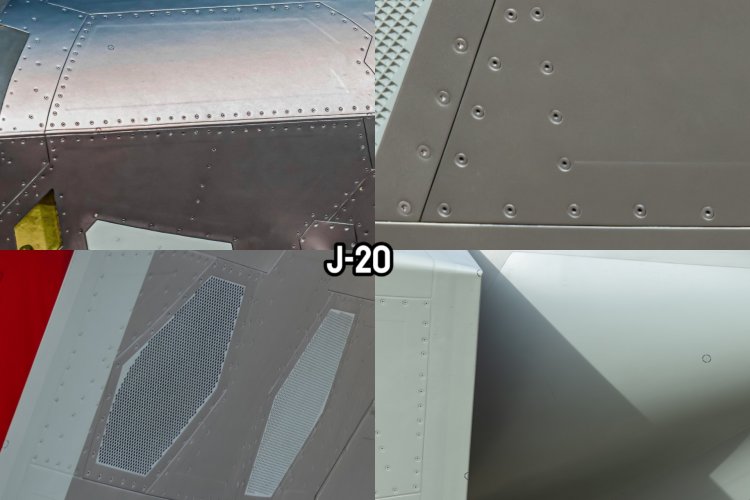
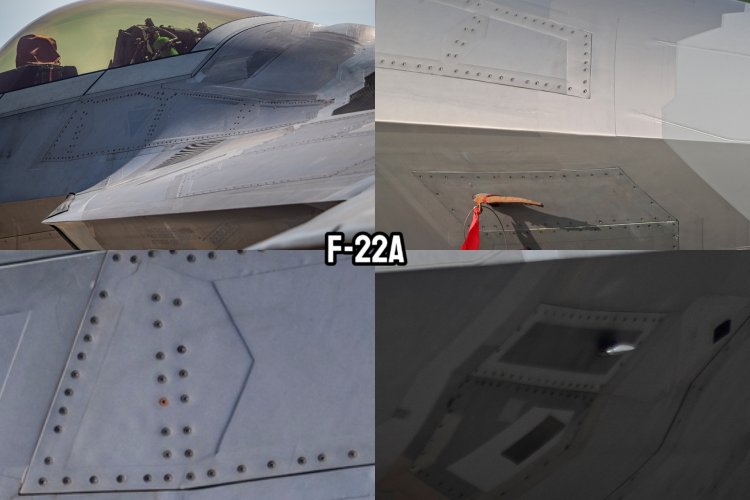
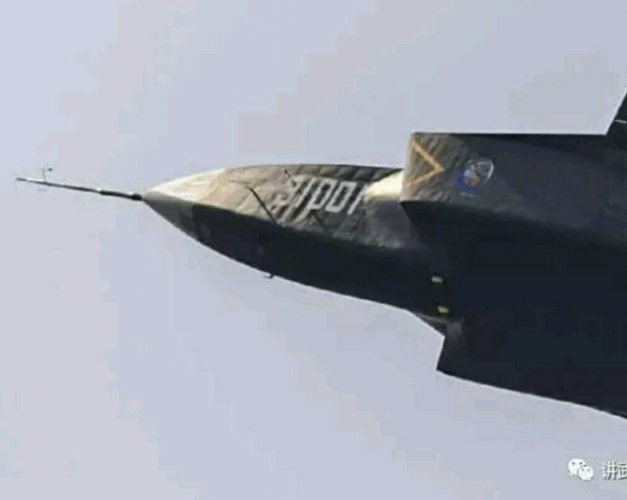
What this new acquaintance said reminds me of those low-quality, toxic and pointless discussions widely referred to as "street gossip" across the Chinese internet, which are filled with groundless and preconceived subjective assumptions. That said, I think I’ve figured out where this newcomer stands... 1780174276432.png
 
This is incorrect, the izdeliye 117 (AL-41F-1) produces 9 metric tons of thrust dry and 14.5 metric tons in full afterburner.

You’re mixing it up with the recently announced izdeliye 177 (no designation announced yet), which essentially mates an izdeliye 30 (AL-51F-1) derived 3-stage fan with an evolved core from the AL-41F-1. The izdeliye 177 is the one that’s advertised to have 11 metric tons of thrust dry and 16 metric tons in full afterburner. It wouldn’t be accurate to call it the izdeliye 30’s predecessor.

Given the shared fan lineage, the izdeliye 177 probably has static sea level thrust close to the AL-51F-1, but the latter’s newer core can probably drive the fan harder in higher or supercruise altitude conditions for more dynamic thrust. News about this engine has been sparse as of late.


As far as the WS-15 architecture, I’m not aware of any confirmed lineage, I’ve seen the R-79 connection in forum discussions, but they’re very speculative.

I do think it’s reasonable to assume that the airflow of the WS-15 is likely not dramatically different from the WS-10C. The inlet geometry of the J-20A does not appear to be visually different from the J-20, and given the fixed geometry, you’d run into compatibility and stability issues if flow rates are too different across the same inlet design.
Izdeliye 20(AL-41F):?/18
117S(AL-41F-1S):8.8/14
117(AL-41F-1):8.8/14.5
177S:9/14.5
177:11/16
Izdeliye 30(AL-51F)

The Izdeliye 30 did not just appear out of nowhere either. Around 2013, there were rumors of a new engine called the Izdeliye 129, which in all probability is the current Izdeliye 30. There is simply no logical reason for the performance of the Izdeliye 30 to be inferior to that of the Product 117 or the Izdeliye 20 (AL-41F); this is a very straightforward deduction.

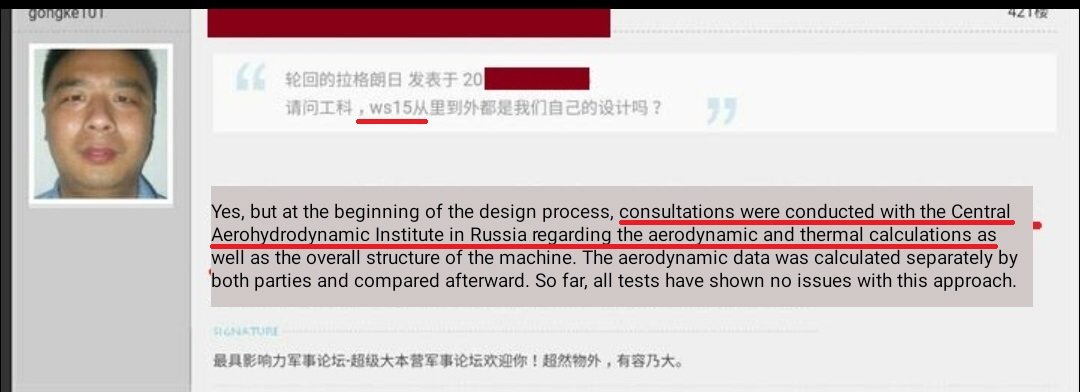
As for the WS-15, it is undoubtedly an improved variant of the R-79; its RCS testing and thermal balancing were both consultation services contracted by China to TsAGI.
 
What this new acquaintance said reminds me of those low-quality, toxic and pointless discussions widely referred to as "street gossip" across the Chinese internet, which are filled with groundless and preconceived subjective assumptions. That said, I think I’ve figured out where this newcomer stands...View attachment 813958
Is the photographic and video evidence I provided authentic?
 

Attachments

  • img-17582545238801758254434196_by_mosaic.jpg
    img-17582545238801758254434196_by_mosaic.jpg
    985.1 KB · Views: 78
The Izdeliye 30 did not just appear out of nowhere either. Around 2013, there were rumors of a new engine called the Izdeliye 129, which in all probability is the current Izdeliye 30. There is simply no logical reason for the performance of the Izdeliye 30 to be inferior to that of the Product 117 or the Izdeliye 20 (AL-41F); this is a very straightforward deduction.
This is getting off topic but your information is incorrect. The izdeliye 129 is the designation for R&D work for the fan (or low-pressure compressor) of the izdeliye 30. It’s not a separate engine design, that was an earlier misreporting.
https://www.aviaport.ru/news/budet-li-u-rossii-samolet-s-dvigatelem-pyatogo-pokoleniya/

As for the WS-15, it is undoubtedly an improved variant of the R-79; its RCS testing and thermal balancing were both consultation services contracted by China to TsAGI
What is the source of this information?
 
Last edited:
Is the photographic and video evidence I provided authentic?
This proves nothing. If you sharpen an image, you can get this kind of effect on photos of any aircraft. Also, my question is: not even semi-official aviation enthusiasts within China have released any information about the WS-15. Where did you get your sources? Why are you diverting the conversation to this heavily filtered photo? Does this picture have anything to do with the point you're making?
 
View attachment 813960
I have found statements from a senior insider within Aero Engine Corporation of China (AECC); I wonder if you will be satisfied with that?
Bro, if you’re being serious, people at that level in China would never leak any weapon-related info on internet forums.What’s more, Chinese military forums are a total free-for-all with every take imaginable. I could easily dig up people saying India’s engine tech has lapped China’s if I tried. None of that garbage is worth treating as a reliable source.
 
This is getting off topic but your information is incorrect. The izdeliye 129 is the designation for R&D work for the fan (or low-pressure compressor) of the izdeliye 30. It’s not a separate engine design, that was an earlier misreporting.
https://www.aviaport.ru/news/budet-li-u-rossii-samolet-s-dvigatelem-pyatogo-pokoleniya/


What is the source of this information?
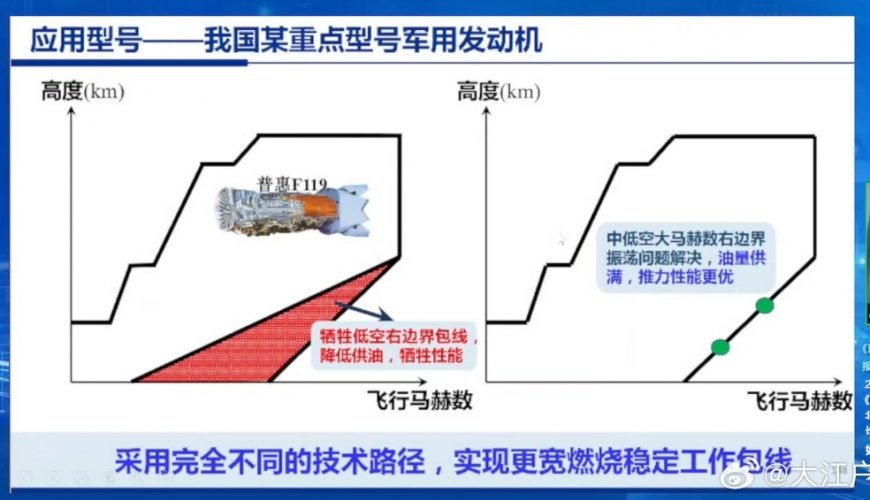
It has already been presented. Furthermore, according to last year's new PPT, the WS-15 only holds an advantage over the F119 within the low-altitude/low-speed envelope. This perfectly aligns with the original positioning of the R-79: a pursuit of vertical takeoff performance.
 

Attachments

  • img-17547425598831754742332431_by_crop.jpg
    img-17547425598831754742332431_by_crop.jpg
    202.5 KB · Views: 79
It has already been presented. Furthermore, according to last year's new PPT, the WS-15 only holds an advantage over the F119 within the low-altitude/low-speed envelope. This perfectly aligns with the original positioning of the R-79: a pursuit of vertical takeoff performance.
That…is a non-sequitur and not even the proper interpretation for what the slide is claiming.
 
Go ahead and believe what you want bro.
That…is a non-sequitur and not even the proper interpretation for what the slide is claiming.

Turbojet engine
VK-1>WP5
RD-9>WP6
R-11>WP7
RD-3>WP8
R-13>WP13

Turbofan engine
MK-202>WS9
CMF-56+AL-31F>WS10
Al-25>WS11
RD-33>WS13
R-79>WS15
D-30KP2>WS-18

Piston engine
M-11>HS5
Al-14>HS6
Ash-82>HS7
V2>12L150(tank)
BF8M1015>type132(15式)

Turboshaft engine
Al-24>WZ5\WJ5
Turmo-IIIC6>WZ6
Arriel-1C>WZ8
T700>WZ10
Ardiden-3C>WZ-16

Gas turbine
UGT-110000=QC-400
UGT-25000=QC280
UGT-15000=QC185
UGT-6000=QC70

This has always been the norm throughout history.
 
This dude spouts toxic nonsense under every post related to China. Interesting.I bet we'll see this guy popping up under the J-35 posts soon too.
 
Turbojet engine
VK-1>WP5
RD-9>WP6
R-11>WP7
RD-3>WP8
R-13>WP13

Turbofan engine
MK-202>WS9
CMF-56+AL-31F>WS10
Al-25>WS11
RD-33>WS13
R-79>WS15
D-30KP2>WS-18

Piston engine
M-11>HS5
Al-14>HS6
Ash-82>HS7
V2>12L150(tank)
BF8M1015>type132(15式)

Turboshaft engine
Al-24>WZ5\WJ5
Turmo-IIIC6>WZ6
Arriel-1C>WZ8
T700>WZ10
Ardiden-3C>WZ-16

Gas turbine
UGT-110000=QC-400
UGT-25000=QC280
UGT-15000=QC185
UGT-6000=QC70

This has always been the norm throughout history.
ws-20?ws-19?ws-15?cgt-40?radar?j-36?j-50?pl-17?hq-19?hq-29?type-100?df-17?BRO...I think these discussions are pretty meaningless. Wonder if the admins will delete them.
 
The belief that the J-20 looks good is primarily a result of news censorship and the 'self-censorship' of photographers who have access to the aircraft. Once they forget to Photoshop the images, its true colors are instantly exposed.

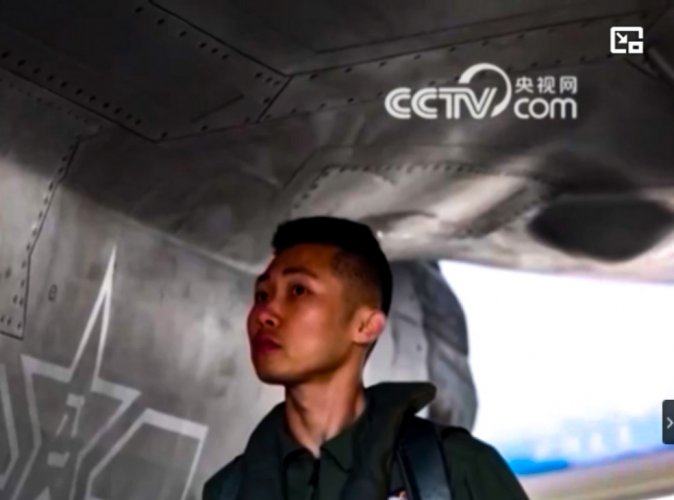
For example, China Central Television (CCTV) is notorious for never applying 'beauty filters' to the faces of female celebrities.
These crap images are when you process the shit out of a picture with Photoshop. Sharpen like a MF for example.
 
It doesn't matter, let him leave his words here to be tested by history. After all, from another perspective, his views are also quite interesting. I hope he can list all his evidence and viewpoints. There's no need for this post to devolve into a bickering match.
 
这些糟糕的图片都是用 Photoshop 过度处理过的。比如,过度锐化。
Can videos be photoshopped too?
China Central Television (CCTV)?

Such a severely buckled surface
 

Attachments

  • unknown_2025.01.04-16.23 00_00_10-00_00_12_gif.gif
    unknown_2025.01.04-16.23 00_00_10-00_00_12_gif.gif
    8.1 MB · Views: 110
It doesn't matter, let him leave his words here to be tested by history. After all, from another perspective, his views are also quite interesting. I hope he can list all his evidence and viewpoints. There's no need for this post to devolve into a bickering match.
Hmm, I’m just all too familiar with this toxic, pestering style. It reminds me of figures like ZWZ and the so-called "Guru" from the Chinese internet.
 
Hmm, I’m just all too familiar with this toxic, pestering style. It reminds me of figures like ZWZ and the so-called "Guru" from the Chinese internet.
So what, doubts haven't just appeared in a day or two. Over ten years ago, didn't people still question whether it could even fly? Looking on the bright side, at least those people acknowledged it as a fighter jet rather than a model. Now they are only questioning the quality, not the quantity. By now, no one should be questioning that the number of J-20s is less than triple digits, right...?

They certainly have reasons to doubt. You can explain over and over again tirelessly, but what really convinces them is only a real battle, a genuine record of achievement. Otherwise, arguments never end, and doubts always exist. Just like now, probably no one doubts the capabilities of China's air-to-air missiles. They might not know the difference between the PL-15 and PL-15E, but the record is right there.
 
The belief that the J-20 looks good is primarily a result of news censorship and the 'self-censorship' of photographers who have access to the aircraft. Once they forget to Photoshop the images, its true colors are instantly exposed.

For example, China Central Television (CCTV) is notorious for never applying 'beauty filters' to the faces of female celebrities.
Aside from the fact that I meant with "easy on the eyes" aesthetically pleasing (with regards to shape and proportions), I'll take the obvious bait.

We shouldn't pretend like anything seen on the J-20 is out of the ordinary. Or are we also starting to doubt build quality and maintenance routines on US made jets too?
 

Attachments

  • IMG_20260531_043105.jpg
    IMG_20260531_043105.jpg
    2.8 MB · Views: 77
  • retouch_2025102820464769.jpg
    retouch_2025102820464769.jpg
    395 KB · Views: 64
  • retouch_2025102820530933.jpg
    retouch_2025102820530933.jpg
    855.3 KB · Views: 66
  • retouch_2025102820485383.jpg
    retouch_2025102820485383.jpg
    1.1 MB · Views: 74
Aside from the fact that I meant with "easy on the eyes" aesthetically pleasing (with regards to shape and proportions), I'll take the obvious bait.

We shouldn't pretend like anything seen on the J-20 is out of the ordinary. Or are we also starting to doubt build quality and maintenance routines on US made jets too?
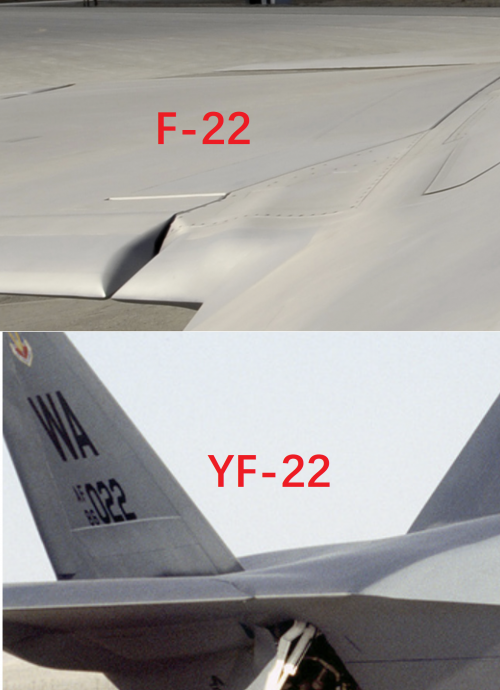
Ah, exactly. Shouldn't American aircraft be subjected to the same scrutiny? Look at the F-22 in particular—its skin looks like an orange peel, especially around the wing sections. The pictures you provided don't even show
 
There is no reason for scrutiny, you're looking for outstanding flaws when there are non. These are aircraft, high performance machines that undergo repeated thermal cycles and have to endure extreme atmospheric conditions. Wear and tear is normal, be it on an F-22 or J-20, if combat potential would be sufficiently degraded, the next maintenance cycle would remidy this issue. And build quality on all of these stealth aircraft, be it F-22, J-20 or Su-57 is far exceeding that of previous non-stealth aircraft from their respective countries. And let's not pretend like it isn't known that subsequent follow ups improved on those aspects, like the J-20A and J-20S, which are evidently treated with a new coating and are also possibly in the process of eliminating the undesirable gaps created by the movable control surfaces.

Let's just be a bit serious here.
 
There is no reason for scrutiny, you're looking for outstanding flaws when there are non. These are aircraft, high performance machines that undergo repeated thermal cycles and have to endure extreme atmospheric conditions. Wear and tear is normal, be it on an F-22 or J-20, if combat potential would be sufficiently degraded, the next maintenance cycle would remidy this issue. And build quality on all of these stealth aircraft, be it F-22, J-20 or Su-57 is far exceeding that of previous non-stealth aircraft from their respective countries. And let's not pretend like it isn't known that subsequent follow ups improved on those aspects, like the J-20A and J-20S, which are evidently treated with a new coating and are also possibly in the process of eliminating the undesirable gaps created by the movable control surfaces.

Let's just be a bit serious here.
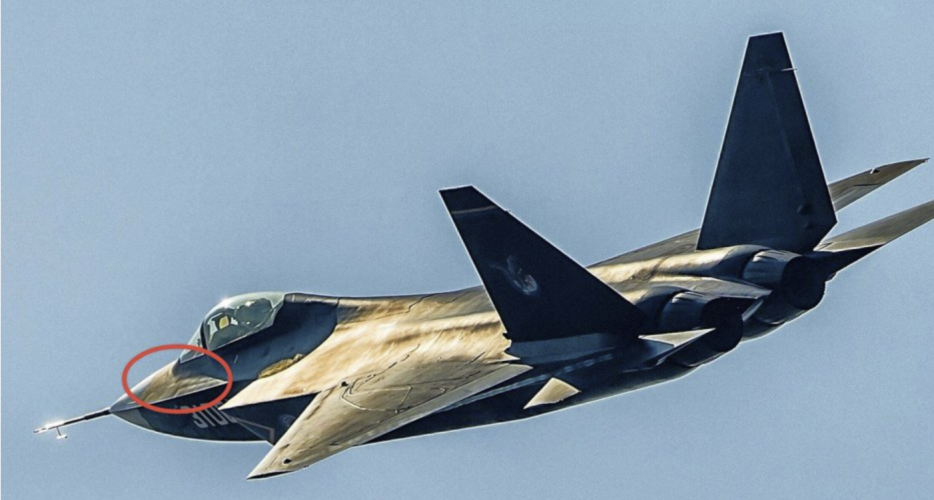
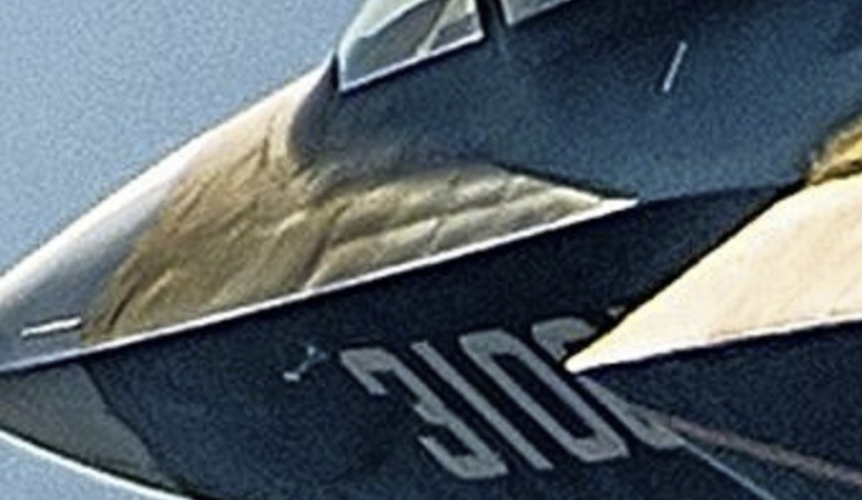
These are clearly design compromises made during the later stages when subsystem dimensions exceeded their initial limits, forcing an alteration to the skin's shape to accommodate the bulging contours, which ultimately resulted in that orange-peel-like exterior. These issues were completely nonexistent on the early prototype aircraft, and this is obviously not a case of a few loose screws or aged coatings.

This is an irregular skin contour, and this is an abnormal aerodynamic profile

Your angle of defense is rather bizarre—attempting to frame such a glaring case of project management failure as mere 'deformation from long-term flight and training wear and tear.' Furthermore, you are trying to deflect from the actual issue by questioning my stance.

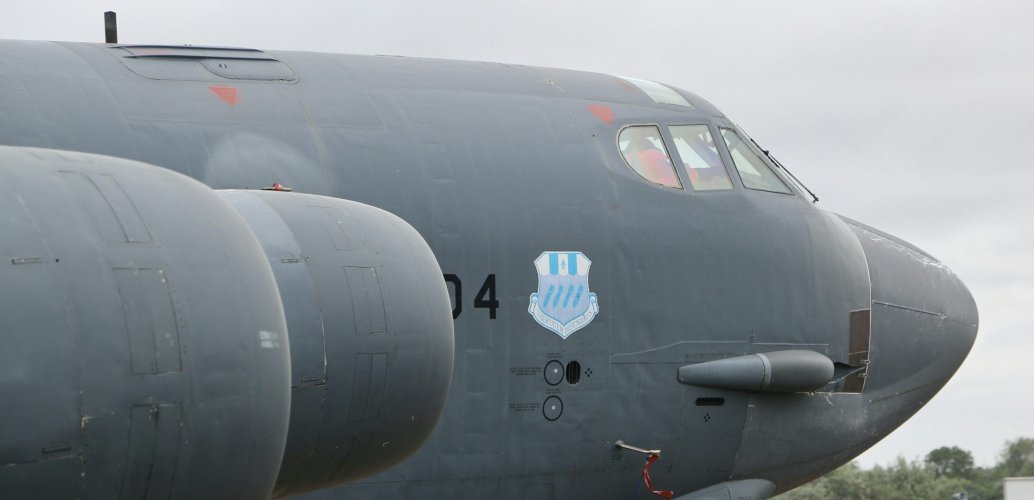
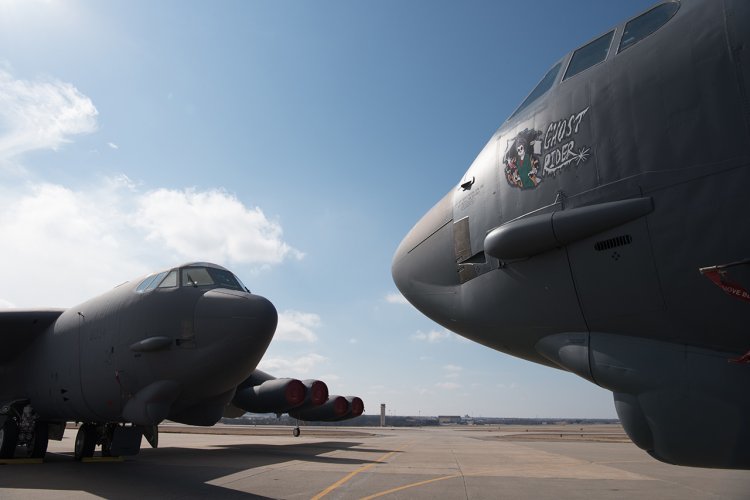
According to your logic, the reason those 60-year-old B-52s in active service haven't shown this kind of deformation is because they were built out of Kryptonian materials or Gundanium alloy back then?
 

Attachments

  • 20260531-104502.png
    20260531-104502.png
    1.3 MB · Views: 78
  • img-17359153674171735915266484_by_crop.jpg
    img-17359153674171735915266484_by_crop.jpg
    226.7 KB · Views: 73
Last edited:
I don't know if we talk about the same B-52, but there are clear deformations in the skin of the airframe.

I question your stance because it is a contrarian stance for the sake of it based on no evidence or hard facts. It's mostly pure assumptions which have quite simple explanations at their root.

As I said, absolute bait.
 

Attachments

  • photo-1689659774889-3a2948b10413.jpeg
    photo-1689659774889-3a2948b10413.jpeg
    227.9 KB · Views: 51
  • Wise-Guy-and-Ghost-Rider-2.jpg
    Wise-Guy-and-Ghost-Rider-2.jpg
    514.3 KB · Views: 55
I don't know if we talk about the same B-52, but there are clear deformations in the skin of the airframe.

I question your stance because it is a contrarian stance for the sake of it based on no evidence or hard facts. It's mostly pure assumptions which have quite simple explanations at their root.

As I said, absolute bait.
Oh, absolutely. For an aircraft that has been in service for less than ten years, the J-20's level of wear and tear—at least in your eyes—can only be compared to the B-52, a bomber that went out of production over sixty years ago. While we're at it, let's put the FC-31 on display as well.

By comparing the 'flight-induced skin fatigue' of a B-52—which went out of production in 1962, making the newest airframe 64 years old—with a J-20 that only entered active service in 2017, is scaling up production, and has an average fleet age of under 5 years, is your intent to strengthen your argument, or merely to undermine your own position?
 

Attachments

  • 2026-5-31_11-12-35.png
    2026-5-31_11-12-35.png
    884.4 KB · Views: 53
  • 2026-5-31_11-12-20.png
    2026-5-31_11-12-20.png
    1.7 MB · Views: 49
  • 2026-5-31_11-12-5.png
    2026-5-31_11-12-5.png
    1.3 MB · Views: 55
Last edited:
I'm gonna preface by saying that you should be banned by the mods for clearly being a Chinese troll, but regardless, get ready for this belt.

Just look at the massive gap between the 117 AL-41F-1 (with an officially claimed thrust of 14.5 tons) and the WS-10C2/10E (with a claimed thrust of 14 tons).
Enough people have already corrected you about the AL-41F1. I just wanna point out that there's no official thrust figures for ANY of the WS-10 variants beyond 2016, nevermind the WS-10C2. I see we love making stuff up huh?

I do think it’s reasonable to assume that the airflow of the WS-15 is likely not dramatically different from the WS-10C. The inlet geometry of the J-20A does not appear to be visually different from the J-20, and given the fixed geometry, you’d run into compatibility and stability issues if flow rates are too different across the same inlet design.
You're forgetting that the intake system of the J-20 has an adjustable component to it beyond the DSI bump. Also, my impression is that the DSI bumps are indeed different in size going from the 20 to 20A. Given how a DSI works (they're quite sensitive in terms of geometry), small geometric changes is enough to have large aerodynamic effects.

The WS-15 is rumoured to have a core mass flow of 35 kg/s.

The belief that the J-20 looks good is primarily a result of news censorship and the 'self-censorship' of photographers who have access to the aircraft. Once they forget to Photoshop the images, its true colors are instantly exposed.

For example, China Central Television (CCTV) is notorious for never applying 'beauty filters' to the faces of female celebrities.
Lol.

View: https://twitter.com/i/status/1968600771551007040

View: https://twitter.com/i/status/1968614115124846813


As for the WS-15, it is undoubtedly an improved variant of the R-79; its RCS testing and thermal balancing were both consultation services contracted by China to TsAGI.
View attachment 813960
I have found statements from a senior insider within Aero Engine Corporation of China (AECC); I wonder if you will be satisfied with that?
Lol again! Gonke is talking out of his ass btw, this isn't reflective of the actual WS-15 we know of currently post-2018 overhaul. This "senior insider" is in fact virtually a janitor in IIRC Guiyang, not SARI which is responsible for designing the WS-15. We went through this in SDF.

It has already been presented. Furthermore, according to last year's new PPT, the WS-15 only holds an advantage over the F119 within the low-altitude/low-speed envelope. This perfectly aligns with the original positioning of the R-79: a pursuit of vertical takeoff performance.
That's not what the seminar said, buddy. It was "a particular novel approach to combating thermoacoustic instability allowed us to not use Helmholtz resonators, as opposed to the F119. This alone enabled superior low altitude performance, especially at higher speeds." You can't even read a graph you used correctly lmao, and you expect us to take you seriously?

Turbojet engine
VK-1>WP5
RD-9>WP6
R-11>WP7
RD-3>WP8
R-13>WP13

Turbofan engine
MK-202>WS9
CMF-56+AL-31F>WS10
Al-25>WS11
RD-33>WS13
R-79>WS15
D-30KP2>WS-18

Piston engine
M-11>HS5
Al-14>HS6
Ash-82>HS7
V2>12L150(tank)
BF8M1015>type132(15式)

Turboshaft engine
Al-24>WZ5\WJ5
Turmo-IIIC6>WZ6
Arriel-1C>WZ8
T700>WZ10
Ardiden-3C>WZ-16

Gas turbine
UGT-110000=QC-400
UGT-25000=QC280
UGT-15000=QC185
UGT-6000=QC70

This has always been the norm throughout history.
I cannot, in clear conscience, regard you as having the same level of sapience as the rest of us.
 
Oh, absolutely. For an aircraft that has been in service for less than ten years, the J-20's level of wear and tear—at least in your eyes—can only be compared to the B-52, a bomber that went out of production over sixty years ago. While we're at it, let's put the FC-31 on display as well.

By comparing the 'flight-induced skin fatigue' of a B-52—which went out of production in 1962, making the newest airframe 64 years old—with a J-20 that only entered active service in 2017, is scaling up production, and has an average fleet age of under 5 years, is your intent to strengthen your argument, or merely to undermine your own position?

You were the one who chose to raise B-52 of all things in your last post, so naturally he would have responded to that. You really shouldn't be disparaging his citing of B-52 photos when you mentioned it to begin with in #1984.


If one is comparing the fit and finish of J-20 with other aircraft, there are a few factors to consider.
The most immediate, is that the fit and finish of early production J-20 batches is different to those of later batches (let alone that of the latest J-20A/S variants). We have plentiful images of all types from a variety of sources to be able to determine that, and the fit and finish of J-20s (as well as J-35/A, etc) produced in the last few years are generally not particularly of controversial note.
The second, is that aircraft angles and lighting/shadows will exaggerate the look of an aircraft's skin and paneling and minor discolouration inconsistencies.

Side fuselage here near the side maintenance hatch
pic1.jpg


Ventral fuselage here, either side of the engine nacelle
pic2.jpg


As for FC-31, it was a relatively conservative company funded technology demonstrator, so it's not quite in the same ballpark of standards as a properly EMD'd aircraft that has then entered production.
 
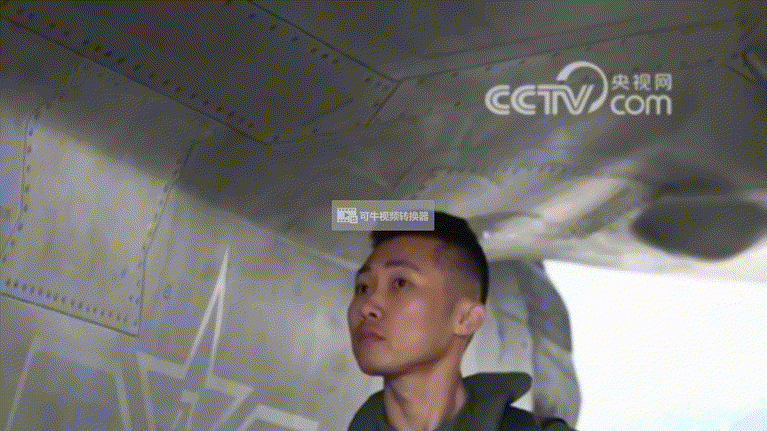
As usual the CCTV really does not show it's best with it's shitty camera quality and poor lighting.
 
I'm gonna preface by saying that you should be banned by the mods for clearly being a Chinese troll, but regardless, get ready for this belt.


Enough people have already corrected you about the AL-41F1. I just wanna point out that there's no official thrust figures for ANY of the WS-10 variants beyond 2016, nevermind the WS-10C2. I see we love making stuff up huh?


You're forgetting that the intake system of the J-20 has an adjustable component to it beyond the DSI bump. Also, my impression is that the DSI bumps are indeed different in size going from the 20 to 20A. Given how a DSI works (they're quite sensitive in terms of geometry), small geometric changes is enough to have large aerodynamic effects.

The WS-15 is rumoured to have a core mass flow of 35 kg/s.


Lol.

View: https://twitter.com/i/status/1968600771551007040

View: https://twitter.com/i/status/1968614115124846813


Lol again! Gonke is talking out of his ass btw, this isn't reflective of the actual WS-15 we know of currently post-2018 overhaul. This "senior insider" is in fact virtually a janitor in IIRC Guiyang, not SARI which is responsible for designing the WS-15. We went through this in SDF.


That's not what the seminar said, buddy. It was "a particular novel approach to combating thermoacoustic instability allowed us to not use Helmholtz resonators, as opposed to the F119. This alone enabled superior low altitude performance, especially at higher speeds." You can't even read a graph you used correctly lmao, and you expect us to take you seriously?


I cannot, in clear conscience, regard you as having the same level of sapience as the rest of us.

The fact that the China government has never officially disclosed the performance figures for the WS-10 does not mean those numbers do not exist. Given that both are derived from the CFM-56 core, are we to believe that China's WS-10 can somehow outperform America's F110?

If that were the case, the narrative should be flipped: it would be the United States stealing the core of China's CJ-1000A engine to develop its own F120,
and the US would be importing commercial aircraft engines from China, wouldn't it? This is the most fundamental rule of dialectical reasoning.
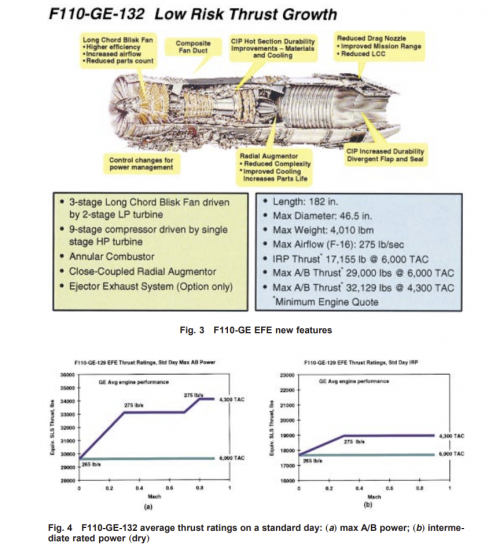
In fact, even with America’s formidable industrial capacity and aviation expertise, they were only able to push the CFM-56 core to a maximum special afterburning thrust of 32,129 pounds(14.5t) at the expense of engine lifespan, a standard-lifespan thrust of 29,100 pounds(13.2t), and an intermediate thrust of 17,155 pounds(7.8t)-------it is F110-GE-132
These figures are significantly inferior to those of the AL-41F1S(14.5t of afterburning thrust、intermediate thrust of 8.8t).

If your expertise carries more authority than that of an industry professional—such as an employee at Guizhou Aviation Engine Co.—it would stand to reason that you would be the one publishing reference materials online for others to learn from. However, that does not appear to be the case.
 

Attachments

  • QQ20260531-130440.png
    QQ20260531-130440.png
    690.7 KB · Views: 70
Last edited:
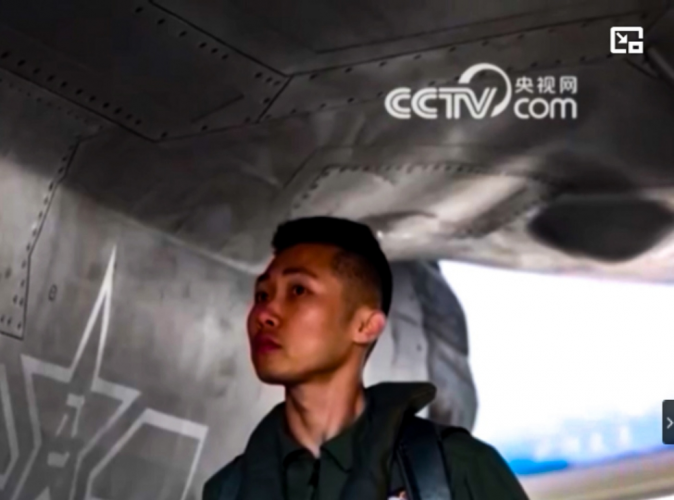
What good lighting and camera that isn't contrasted and saturated to high hell does to your surface finish.
1780203854916.png 1780203877682.png
Why is his face so bloody dark red? Look like he's been holding in a big one and is ready to pop. That 1000 yard stare..
Forget the J-20 I can see the bumps and creases on his face.
1780204770613.png
 
What good lighting and camera that isn't contrasted and saturated to high hell does to your surface finish.
View attachment 814012View attachment 814013
Why is his face so bloody dark red? Look like he's been holding in a big one and is ready to pop. That 1000 yard stare..
Forget the J-20 I can see the bumps and creases on his face.
View attachment 814015


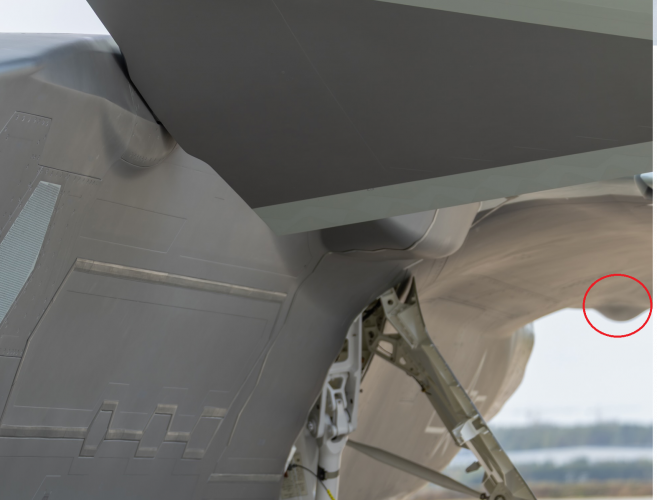
Physical reality does not alter based on exposure length. In the photograph you provided, that 'spherical tumor' is still clearly visible on the aircraft's tail.
 
Physical reality does not alter based on exposure length. In the photograph you provided, that 'spherical tumor' is still clearly visible on the aircraft's tail.

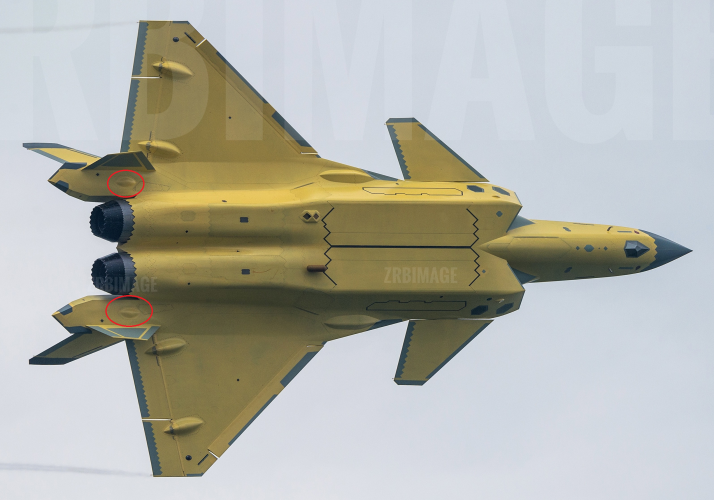
If the thing you have been complaining about is this:
1780205486238.png


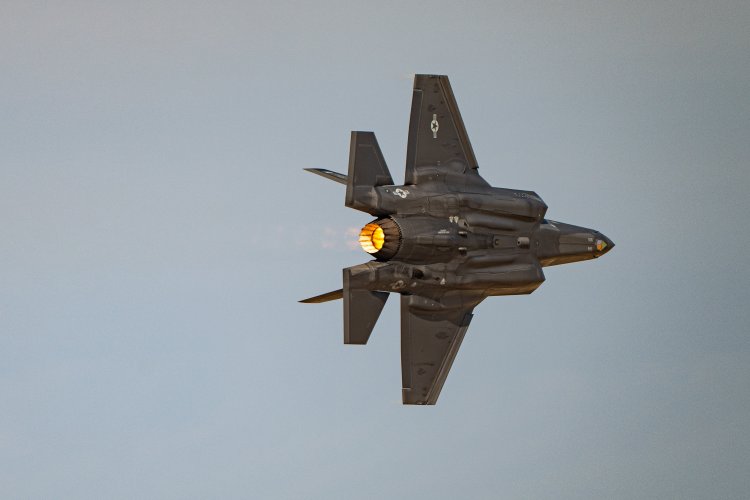
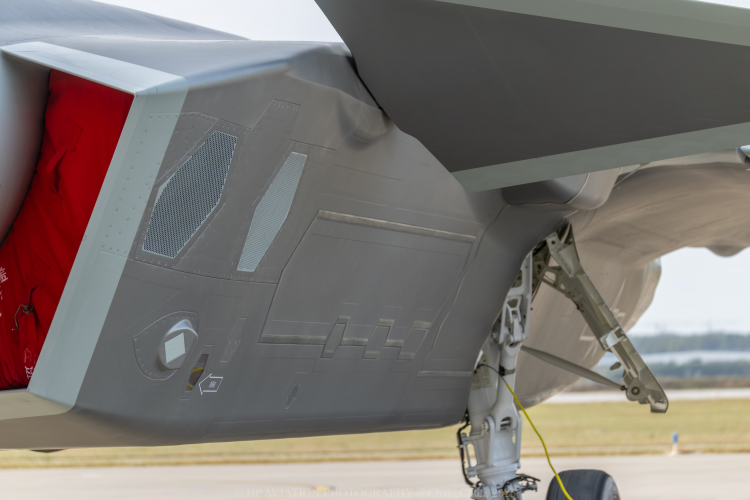
... those are obviously deliberate fairings which are meant to exist as part of the aircraft's design, and not a reflection of any design oversight or material malfeasance (see below).

1780205454579.png


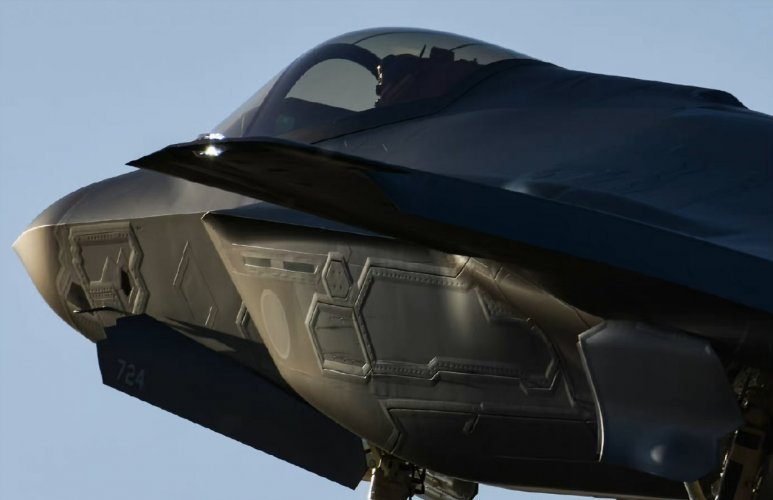
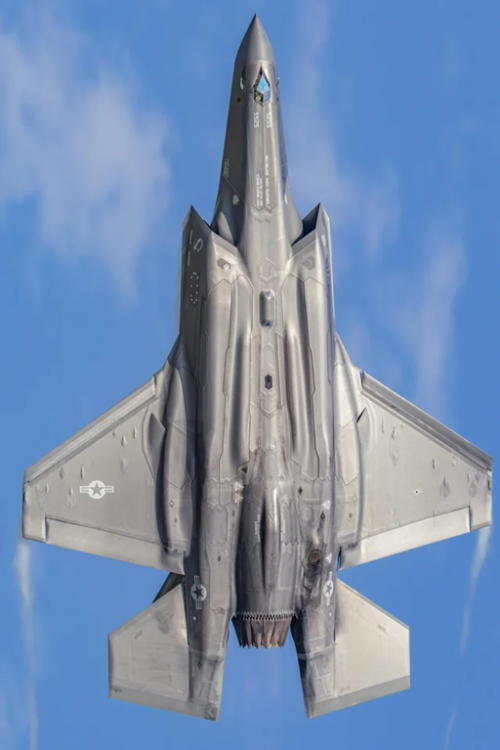
If you are asserting those two are undesirable features or "tumours" then I can only ask how you perceive the entirety of the ventral fuselage of F-35, as no one would accuse the F-35's various ventral protrusions as being design flaws or being populated by cancerous metastases.

1780205604621.png
 
If the thing you have been complaining about is this:
View attachment 814017


... those are obviously deliberate fairings which are meant to exist as part of the aircraft's design, and not a reflection of any design oversight or material malfeasance (see below).

View attachment 814016


If you are asserting those two are undesirable features or "tumours" then I can only ask how you perceive the entirety of the ventral fuselage of F-35, as no one would accuse the F-35's various ventral protrusions as being design flaws or being populated by cancerous metastases.

View attachment 814018
Of course it would—it's a textbook defect. The F-35’s shortcomings are neck-and-neck with those of the J-20, though it currently seems slightly better off than the J-35. At least they've built a thousand F-35s, and it can actually deploy JDAMs. While the F-35 fails to live up to the 'F' (Fighter) designation, it manages a passing grade when judged against its original 'JSF' (Joint Strike Fighter) project goals. By the way, I happen to be a fan of the X-32.
 
Of course it would—it's a textbook defect. The F-35’s shortcomings are neck-and-neck with those of the J-20, though it currently seems slightly better off than the J-35. At least they've built a thousand F-35s, and it can actually deploy JDAMs. While the F-35 fails to live up to the 'F' (Fighter) designation, it manages a passing grade when judged against its original 'JSF' (Joint Strike Fighter) project goals. By the way, I happen to be a fan of the X-32.

The way you assess and weigh the values and design features of aircraft is very bizarre.
 
The way you assess and weigh the values and design features of aircraft is very bizarre.
First of all, the X-32 is just incredibly cool; I absolutely love its aesthetics. Second, it has a very flat belly, and the forward-projecting chin intake provides better radar shielding for the lower aspect compared to the X-35. Third, the design concept was radical—and I love radical concepts. The F-35, by comparison, is just pathetic—it looks like a jar of pickled cucumbers that nobody wants.

Professional tasks should be left to professional platforms: air superiority should have been left entirely to the ATF. Expecting a lightweight aircraft to be truly multi-role was wishful thinking from the very beginning. To achieve true versatility, you must rely on a heavyweight platform.
 
The way you assess and weigh the values and design features of aircraft is very bizarre.
Because he's not just evaluating airplanes…… He evaluates electric vehicles too. I just went to war with him in an EV thread. He's a Howard Hughes + Elon Musk style polymath — he could build a Mark I in his garage. As long as it lets him unleash his fury, he'll become an expert in any field. Please don't discriminate against a giant of thought who is misunderstood by the world.
 
Because he's not just evaluating airplanes…… He evaluates electric vehicles too. I just went to war with him in an EV thread. He's a Howard Hughes + Elon Musk style polymath — he could build a Mark I in his garage. As long as it lets him unleash his fury, he'll become an expert in any field. Please don't discriminate against a giant of thought who is misunderstood by the world.
If someone can't even grasp the basic principles of electric vehicles, how on earth can they understand aircraft? What bizarre logic. It is one thing to have never touched an airplane, but if someone hasn't even mastered the fundamental laws of automotive physics, that is truly pathetic.

Just as a gentle reminder, Elon Musk is a businessman with a background in economics. In my personal view, he doesn't possess the capability to build an electric vehicle himself—he wouldn't even be able to sort out something as basic as an inverter's power transistor. We shouldn't praise someone simply because they are wealthy.
 

Similar threads

Back
Top Bottom