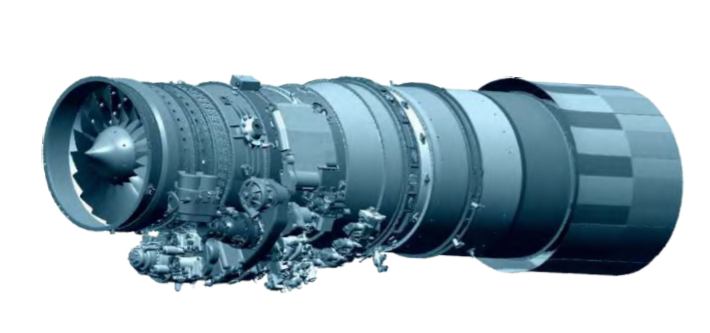
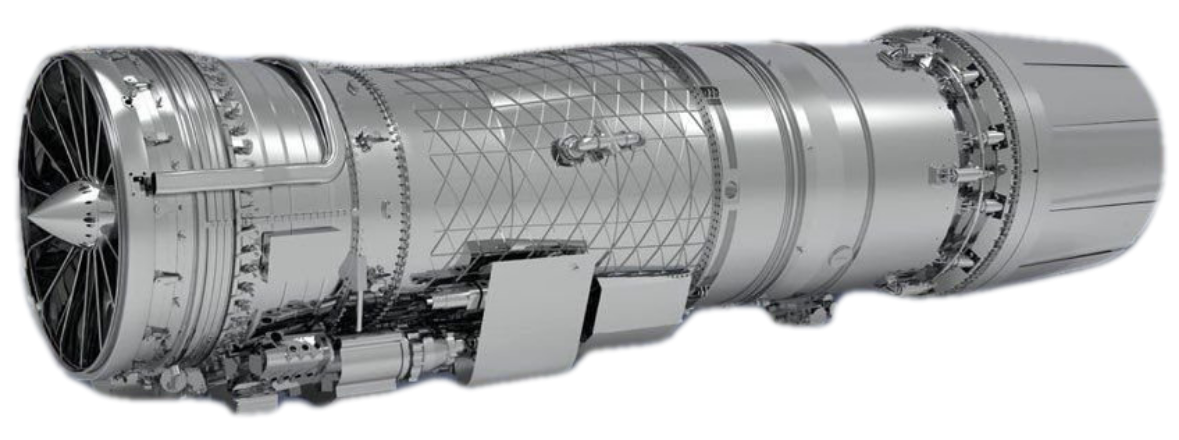
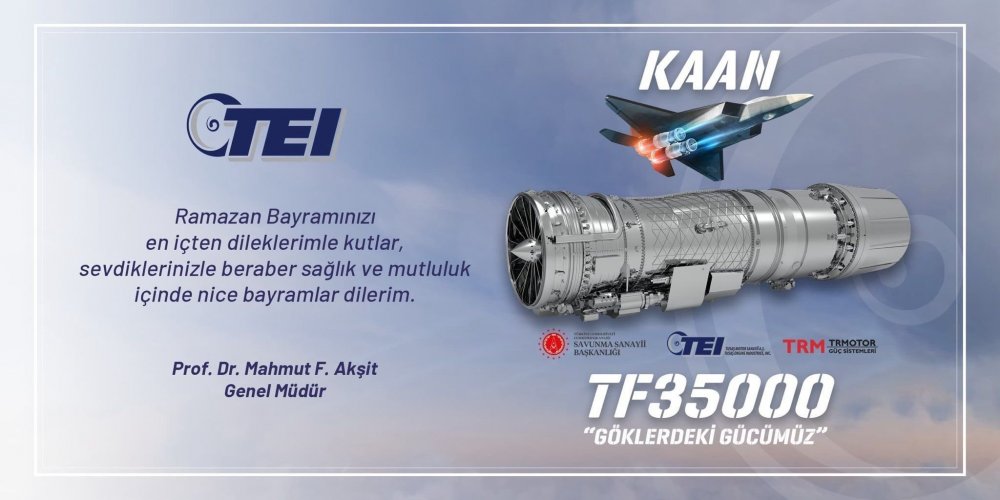
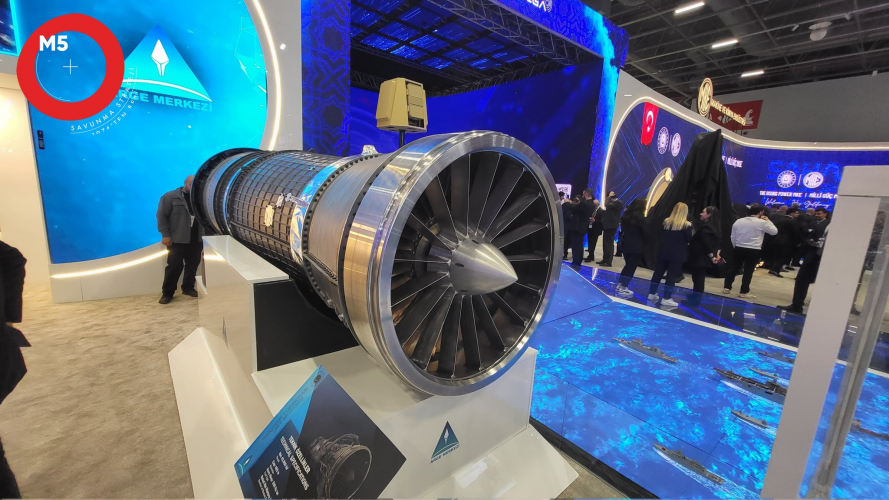
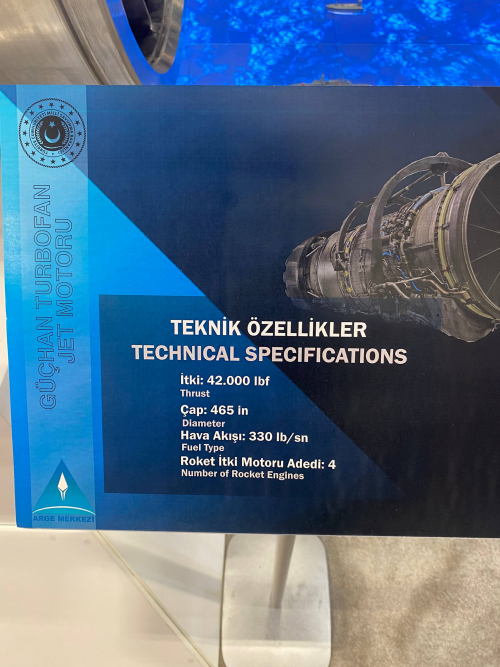
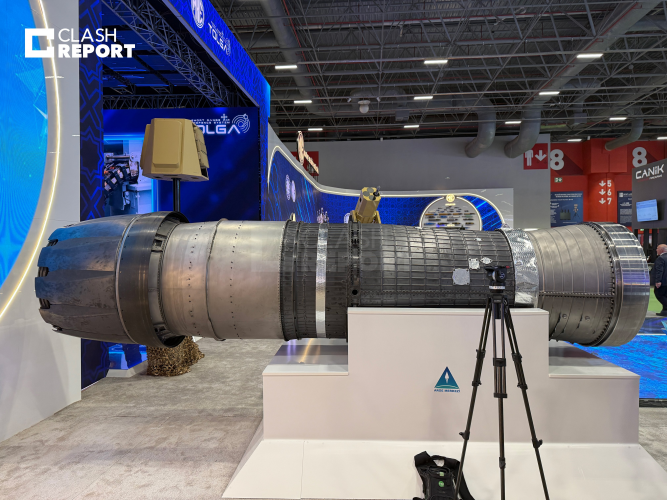
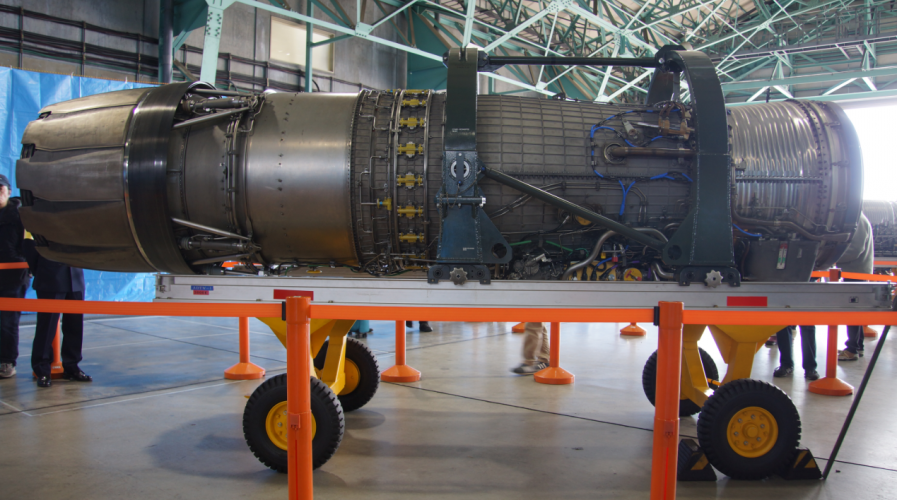
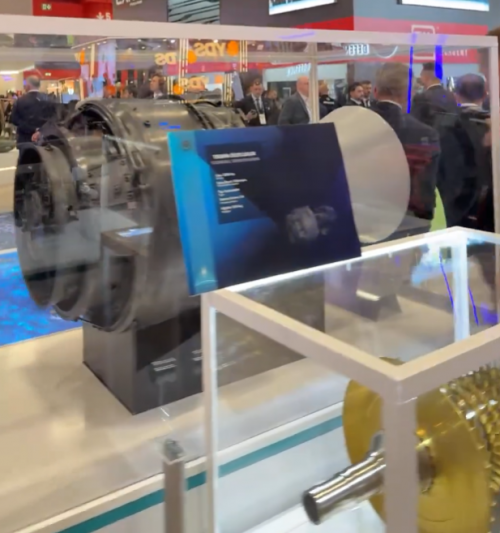
I wonder why people would be so disingenuous to compare '90s cutting edge turbine technology consisting of SX materials, blisks and TBC to contemporary cutting edge variable cycle technology, blings and CMC HPT blades? The Turks are aiming for the 1st and not the latter.
We are talking about a country which put 4 turbofan engined aircraft in the air within the span of 14 months, 3 of which are (V)LO, 3 of which are supersonic capable and 2 of which are unmanned.
It is the same country who put their first turboshaft engine in the air from scratch, 25% to 33% faster than their modern counterparts while a pandemic was ravaging supplylines globally and locally.
They are among the first, if not the first as claimed below to print Ni superalloy turbine blades as well (turbowizardry indeed)
They are providing more than 1000 blisk parts every year for some of the most prolific turbofan engines in the world...
...and are able to indigenously design blisks with advanced shaping. Take note of the forwards swept blade tips. These are the technologies that enable a pressure ratio of 5 for a 3 stage fan. A 3 LPC/6 HPC stage TF36000 could reach an OPR of at least 35 easily, should there be a need.
They are developing and casting themselves various alloys for turbine engines from the Incos to the CMSXs...
...which they are also mining themselves
And they are funding two CMC and one MMC project, SİCİM (development of SiC fiber and SiC Matrix Composite), AMETİST (development of laser metal powder melting process for Metal Matrix Composite materials) and ÖTEKTİK (development of high temperature Eutectic Oxide Ceramic Matrix Composites).
There is more (like indigenous turbine engine design software etc.) but this should be enough to show what the Turks are capable enough. I'll try to keep it updated as much as possible.
And there is always some sturdy Soviet legacy Ivchenko-Progress support from the sides to make sure things don't go too much in the "fragile boutique" direction.