I agree, to an extent.
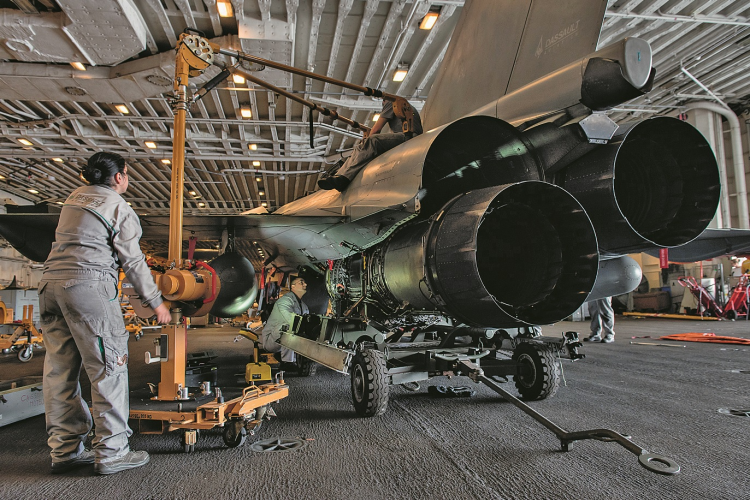
Gripen was different from other Western fighters in the degree of emphasis in its requirements placed on reliability, availability, ease of maintenance, and low operational costs compared to achieving the best possible turn rate, range, LO capabilities etc. This leads armchair experts to underrate it compared to other fighters. Such things are in fact always tradeoffs - the Gripen that is available and does its mission has infinitely higher turn rate than the Typhoon stuck at base awaiting maintenance.
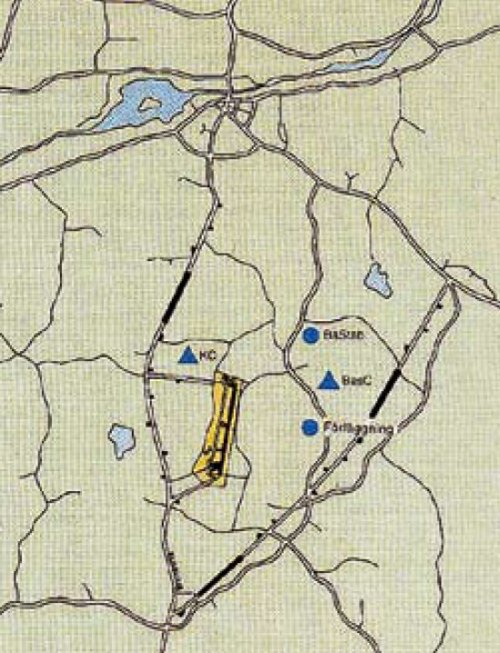
Sweden with the Bas 60 and then Bas 90 concept had an operational plan for dispersal that was brilliant, if costly, with specially designed dispersal bases all over Sweden. These had actual runways and some base facilities, with the surrounding roads' being designed with sections that served as additional runways and taxiways surrounding the base to allow wide dispersal of aircraft in the local area, versus lining them all up on a single taxiway next to the base. There were mobile repair units, etc which allowed the maintenance crew to go to where the Gripens were dispersed to.
Of course, with the ending of the Cold War stopped work on Bas 90, and in the 2000s most of this infrastructure was sold off.
Someone buying the Gripen does not magically get Bas 90 bases with it. This is true. However, the Gripen retains a primary design emphasis on reliablity, availability and ease of maintenance that would make dispersed operations for short periods significantly easier than for, say, a squadron of F-22 or F-35 aircraft.
If the current conflict with Iran has shown anything, it is that lining up all your aircraft next to each other on unprotected runways with no air defence is a bad idea in an era of cheap, accurate drones.