
Grey Havoc
ACCESS: USAP
- Joined
- 9 October 2009
- Messages
- 24,417
- Reaction score
- 17,875


Scheduled for Mar 15, 2026
I'll take questions about the latest Artemis news, as NASA gets ready to return Artemis II to the launch pad on March 19.
Imagery is courtesy of NASA, except where noted.
In this video, I'll go over the Artemis II flight readiness review, where NASA cleared the machines, people, and enterprise to fly the mission, and what comes next. I'll look through the agency's inspector general report on the HLS program to see if it resolves any Starship or Blue Moon mysteries.
In other news and notes, I'll look at what NASA is saying about the programs and projects orphaned in the new Artemis plan; it's more what they're not saying. Like the word "Gateway."
Imagery is courtesy of NASA, except where noted.
NASA OIG report IG-26-004 link: https://oig.nasa.gov/office-of-inspec...https://www.youtube.com/redirect?ev...human-landing-system-contracts/&v=YZTywa2vexA
Links to stories referenced:
https://rollcall.com/2026/03/04/white...https://www.youtube.com/redirect?ev...of-march-30-for-budget-release/&v=YZTywa2vexA
https://www.youtube.com/redirect?ev...://buymeacoffee.com/philipsloss&v=YZTywa2vexA
00:00 Intro
01:07 Artemis II Watch: NASA holds Flight Readiness Review
13:51 NASA OIG releases report on HLS lunar lander program audit
24:42 Other news and notes, still waiting to find out about orphaned programs like Gateway
28:12 Thanks for watching!
Due to quicker than expected completion of close-out activities, NASA now may roll out the Artemis II rocket from the Vehicle Assembly Building to Launch Pad 39B, on Thursday, March 19.
A final decision on start time will be made on Wednesday, March 18.
The rollout was originally scheduled for March 19, but engineers identified an electrical harness on the flight termination system of the core stage of the SLS (Space Launch System) rocket that needed to be replaced. They expected to delay the move to Friday, March 20. However, since addressing the issue, teams have gained some of the time back, which may allow rollout to begin March 19, once again.
The journey to the launch pad will take up to 12 hours; NASA will provide a live stream of the move.
Once the start time for the trek is identified, an update will be provided. A rollout on either day would still preserve the possibility of launching as early as Wednesday, April 1, though teams continue to keep an eye on the weather forecasts. The April launch window includes opportunities through Monday, April 6, as well as Thursday, April 30.
that would be wrong. Lunar orbit would be more logical for another starshipThe most logical profile is to start with two fully fueled Starship HLS landers in Earth orbit. Both will land on the Moon. However during transit one Starship HLS transfers 25-35% of its propellant to the other Starship HLS. One Starship stays on the surface as a habitat..
bad assumptionI assume the Starships will be tipped onto their side using the landing legs.
You are clearly not thinking from first principles. The primary goal is to build a moon base on the surface. The leftover Starships becomes the moon base. We have hundreds of renderings showing Starship placed horizontal on the surface acting as a moon base.that would be wrong. Lunar orbit would be more logical for another starship
No, the primary goal is too land and do some exploration first. Base comes later. And You obviously haven’t been keeping up with SpaceX. they are not going to expend Starships in lunar orbit. There will be tankers and depots.You are clearly not thinking from first principles. The primary goal is to build a moon base on the surface. The leftover Starships becomes the moon base. We have hundreds of renderings showing Starship placed horizontal on the surface acting as a moon base.
If they are left in Lunar orbit that means after 100 crewed missions there are 100 Starships in Lunar orbit. There is no logical purpose of that.
Starships becomes the ideal moon base. The plan is to eventually produce oxygen and hydrogen on the Moon. The Starships propellant tanks then become oxygen and hydrogen storage. Did you think NASA were going to transport dedicated storage tanks to the Lunar surface? Starship becomes the tanks.
Each Starship that remains on the surface can be a module with a purpose.
I am well aware of the capability of Starship. They will definitely expend Starships at the moon as it is simple math using the rocket equation.No, the primary goal is too land and do some exploration first. Base comes later. And You obviously haven’t been keeping up with SpaceX. they are not going to expend Starships in lunar orbit. There will be tankers and depots.
Obviously, you don't understand SpaceX and Starship capabilities other than mass to orbit.I am well aware of the capability of Starship. They will definitely expend Starships at the moon as it is simple math using the rocket equation.
Your crystal isn't clear. Expending Starships won't happen until the base will be built. There will several years of landings using reusable Starships before the base will be built.This is crystal clear. They will expend Starships on the surface of the Moon as part of the regular mission profile.
That is not the plan. The base will be built much laterThe NASA plan should be considered in 3 stages.
Stage 1: uses SLS for the first few basic missions
Stage 2: uses Starship with expended ships on the surface to create the moon base.
Stage 3: uses a hydrogen powered lander using fuel created on the surface of the Moon. A fully fueled Starship variant without any additional refueling can easily go from LEO to Lunar orbit and back to LEO.

They will likely have to start work a lot sooner than that, with the way things are going. At least, if they are serious about having one.I would think that any moonbase would be built at least mid next decade at least.
You have things completely backwards. The plan was always for Starship HLS to be expended on the first mission. The original profile had Starship HLS taking itself to Lunar orbit. The crew from Orion would transfer to Starship HLS. Starship HLS would go to the surface of the Moon and then come back to Lunar orbit. The Starship HLS would then be abandoned/expelled as it does not have enough fuel to return back to Earth. The crew then comes home on Orion with the European Service Module.Your crystal isn't clear. Expending Starships won't happen until the base will be built. There will several years of landings using reusable Starships before the base will be built.
I have no dates on my stages. The order is correct.That is not the plan. The base will be built much later
I think we need to provide a definition of a moonbase. I consider a single Starship expelled on the surface to be a moon base. It doesn't even need to have life support systems. If it provides storage of useful materials then I consider that a moon base.They will likely have to start work a lot sooner than that, with the way things are going. At least, if they are serious about having one.
Popcorn time... (even though I personally absolutely, positively hate, disdain, detest, and abhor that utterly disgusting gross ceiling covering material that is apparently meant for human consumption...)That names sounds good to me.
In terms of building a moon base it makes no sense to transport blocks or modules as cargo and the blocks get assembled on the surface. The cost of these structures and the assembly effort would be more than the cost of Starship upper stages.
SpaceX would definitely make unique Starship MB (moon base) versions for the ships that would form the moon base. The obvious change is that cabin would be designed based on it laying horizontal on the surface instead of standing up. Starship MB variants would need less fuel as the trip is one way. The habitable area can be much larger possibly reaching half of the volume of the current Starship HLS. Construction on the surface of the moon would want to be minimised. Connecting flexible human sized tubes between Starships would be the obvious solution. To tip the Starships over there would be no need for cables. The landing legs would initiate the tip. Starship HLS has multiple landing engines towards the nose which would allow it to fall gently. Each Starship MB would have its own climate control and oxygen system including two air locks. This allows a daisy chain of Starship MBs to form a moon base.
At 11:21 a.m. EDT on Friday, March 20, NASA’s Artemis II SLS (Space Launch System) rocket and Orion spacecraft arrived at Launch Pad 39B after an 11-hour journey from the Vehicle Assembly Building at the agency’s Kennedy Space Center in Florida.
NASA’s crawler-transporter 2 began its 4-mile trek with the integrated SLS and Orion stacked on top of the mobile launcher at 12:20 a.m. EDT. Moving at a maximum speed of just 0.82 mph, the crawler carried the 322-foot-tall Moon rocket and spacecraft slowly and steadily toward the pad.
Now that the rocket is at Pad 39B, NASA teams are gearing up for the final stretch of prelaunch preparations ahead of launch as soon as Wednesday, April 1. The early April launch window includes opportunities through Monday, April 6.
Artemis II Commander Reid Wiseman, Pilot Victor Glover, and Mission Specialist Christina Koch of NASA, along with CSA’s (Canadian Space Agency) Mission Specialist Jeremy Hansen will embark on a 10-day journey around the Moon and back.
As part of a Golden Age of innovation and exploration, Artemis II is another step toward new U.S.-crewed missions to the Moon’s surface, leading to a sustained presence on the Moon that will help the agency prepare to send astronauts to Mars.
The Space Launch System rocket and Orion spacecraft for the Artemis II mission arrived to the launch pad today at 11:21am ET (1521 UTC).
We are gearing up for preparations ahead of launch of the crewed lunar mission. The earliest possible launch opportunity is April 1. go.nasa.gov/4sXHmtl
America's Moon rocket has returned to the pad
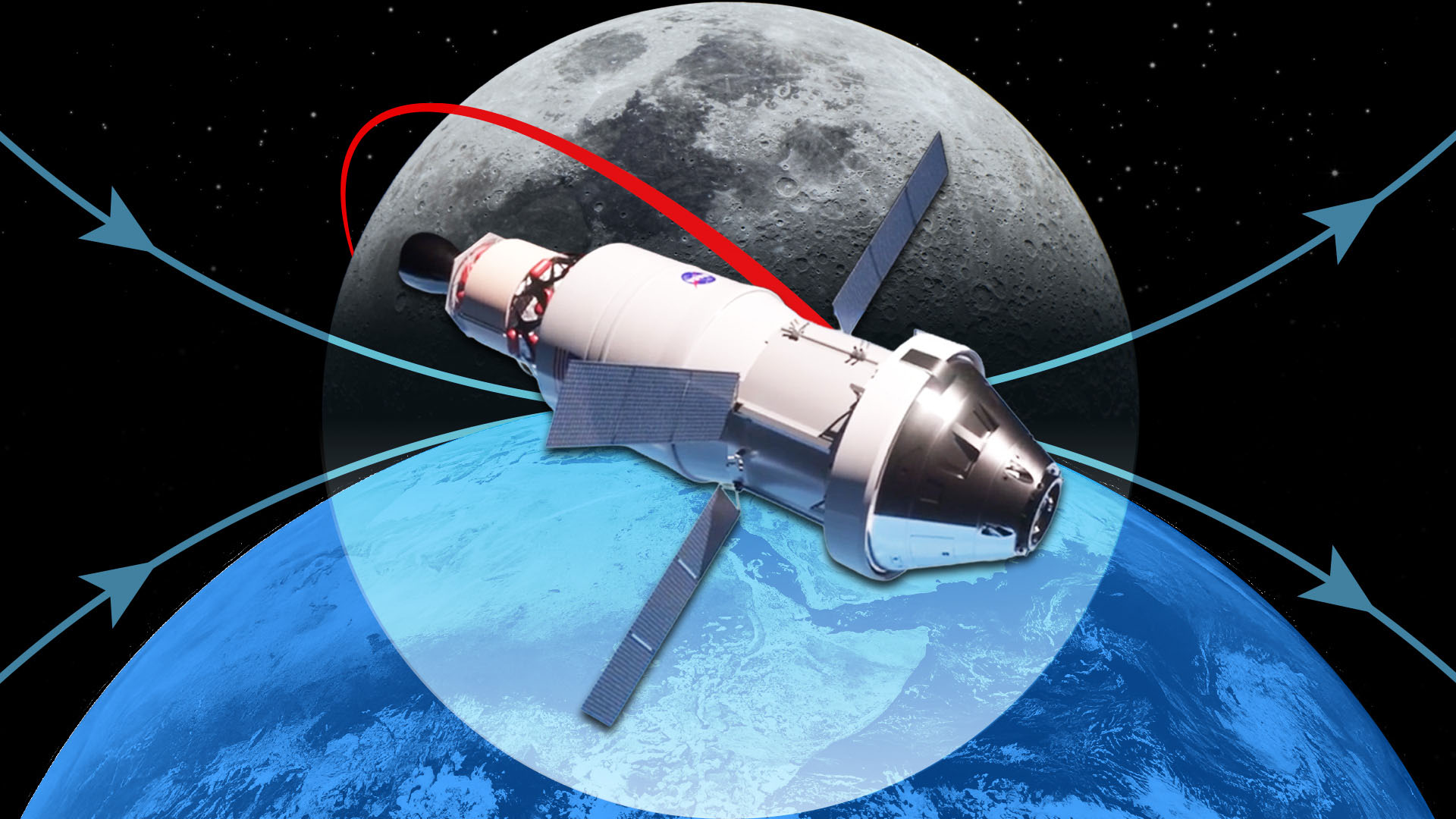
Below is a note I shared with the NASA workforce outlining today’s Ignition event and how America will deliver the golden age of space exploration.
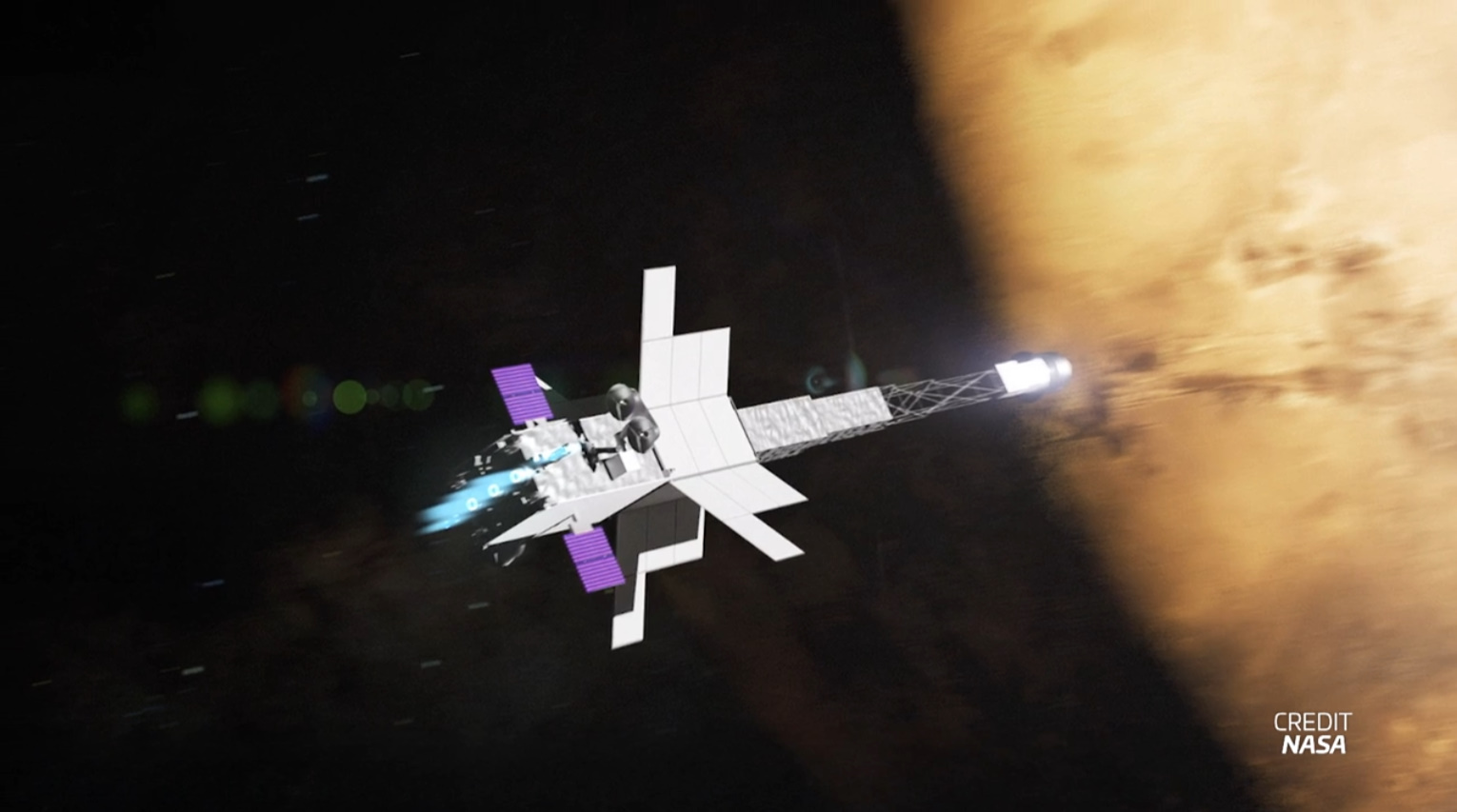
Lunar Gateway is now dead. Or rather paused (indefinitely).
I posted the Starship based lunar system a few days ago and it did not require the Lunar Gateway. I am not surprised that the gateway is paused/cancelled.Lunar Gateway is now dead. Or rather paused (indefinitely).
NASA would be waiting until Starship hits a few more milestones just to be 100% confident.Possibly the later as the core modules have been structural completed and are being fitted out IIRC.

Looks like it's being repurposed.I posted the Starship based lunar system a few days ago and it did not require the Lunar Gateway. I am not surprised that the gateway is paused/cancelled.
 www.nasaspaceflight.com
March 25, 2026 5:11PM
NASA Teams Continue Artemis II Preparations at Launch Pad
Teams at NASA’s Kennedy Space Center in Florida continue preparing the SLS (Space Launch System) rocket and Orion spacecraft for its crewed launch as early as Wednesday, April 1. After rolling to Launch Pad 39B on top the mobile launcher on March 20, teams began securing the rocket, spacecraft and launch platform to the pad infrastructure to ensure there is power supply and communications with the rocket and ground teams. The emergency egress baskets were connected to the mobile launcher, and the crew access arm was extended to support access into the White Room – the location where personnel can access Orion.
In the days leading up to launch, technicians will conduct pad-specific engineering tests for ordnance connectivity on the flight termination system, radio frequency testing for the core stage and Orion spacecraft and complete final closeouts of the rocket and spacecraft before getting into launch countdown.
The four members of the Artemis II crew – NASA astronauts Reid Wiseman, Victor Glover, Christina Koch, and CSA (Canadian Space Agency) astronaut Jeremy Hansen – began their quarantine period on March 18, to ensure they stay healthy leading up to launch. While avoiding close contact with anyone not quarantining alongside them, they are continuing some training activities at NASA’s Johnson Space Center in Houston, reviewing procedures and plans for the approximately 10-day mission.
The crew will fly to Florida on Friday, March 27, and spend the remainder of their quarantine at NASA Kennedy. Details on their arrival and other mission events and milestones will be available shortly.

 www.nasa.gov
And how wrongYou have things completely backwards. The plan was always for Starship HLS to be expended on the first mission. The original profile had Starship HLS taking itself to Lunar orbit. The crew from Orion would transfer to Starship HLS. Starship HLS would go to the surface of the Moon and then come back to Lunar orbit. The Starship HLS would then be abandoned/expelled as it does not have enough fuel to return back to Earth. The crew then comes home on Orion with the European Service Module.
I have no dates on my stages. The order is correct.
I think we need to provide a definition of a moonbase. I consider a single Starship expelled on the surface to be a moon base. It doesn't even need to have life support systems. If it provides storage of useful materials then I consider that a moon base.
Some people clearly have the definition where humans are permanently on the Moon like the international space station.
It was a bad assumption.that would be wrong. Lunar orbit would be more logical for another starship
bad assumption

 payloadspace.com
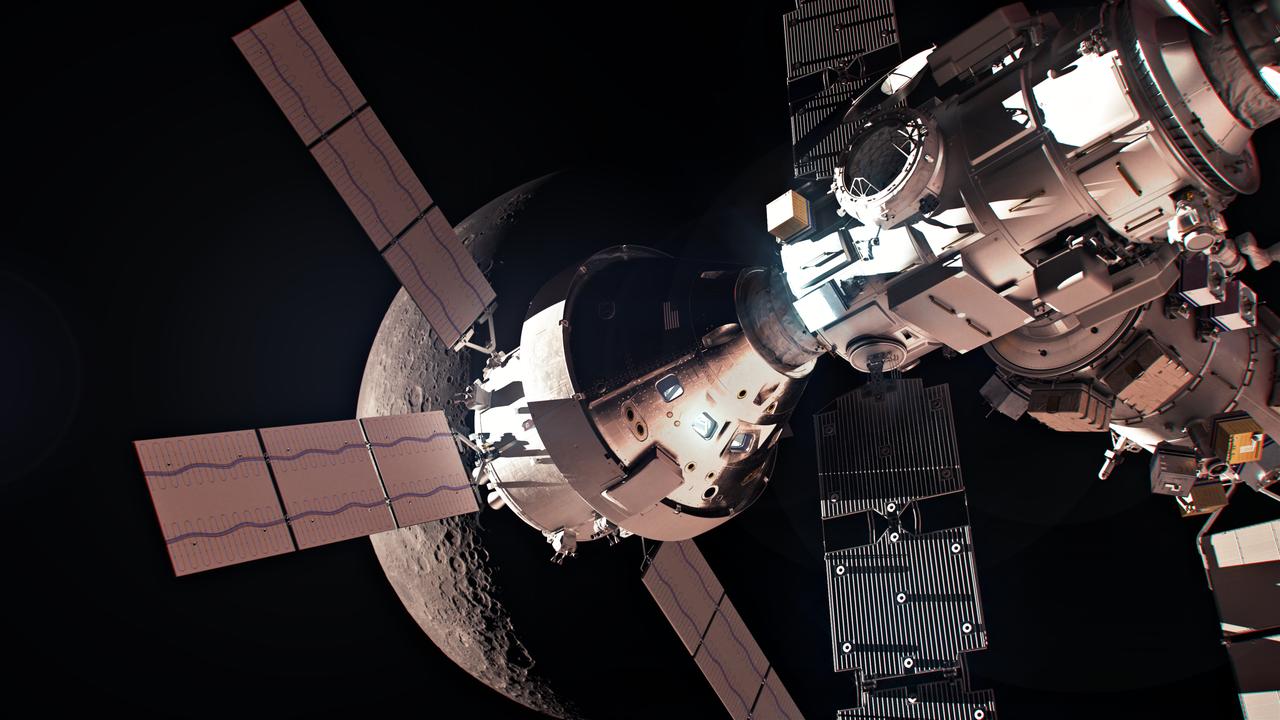
For example, Airbus, which was supplying the European Service Module, as well as the power management and distribution system for Gateway’s HALO module, only formally found out about Gateway’s proposed pause during the presentation this week, according to a company spokesperson.

 www.nasa.gov

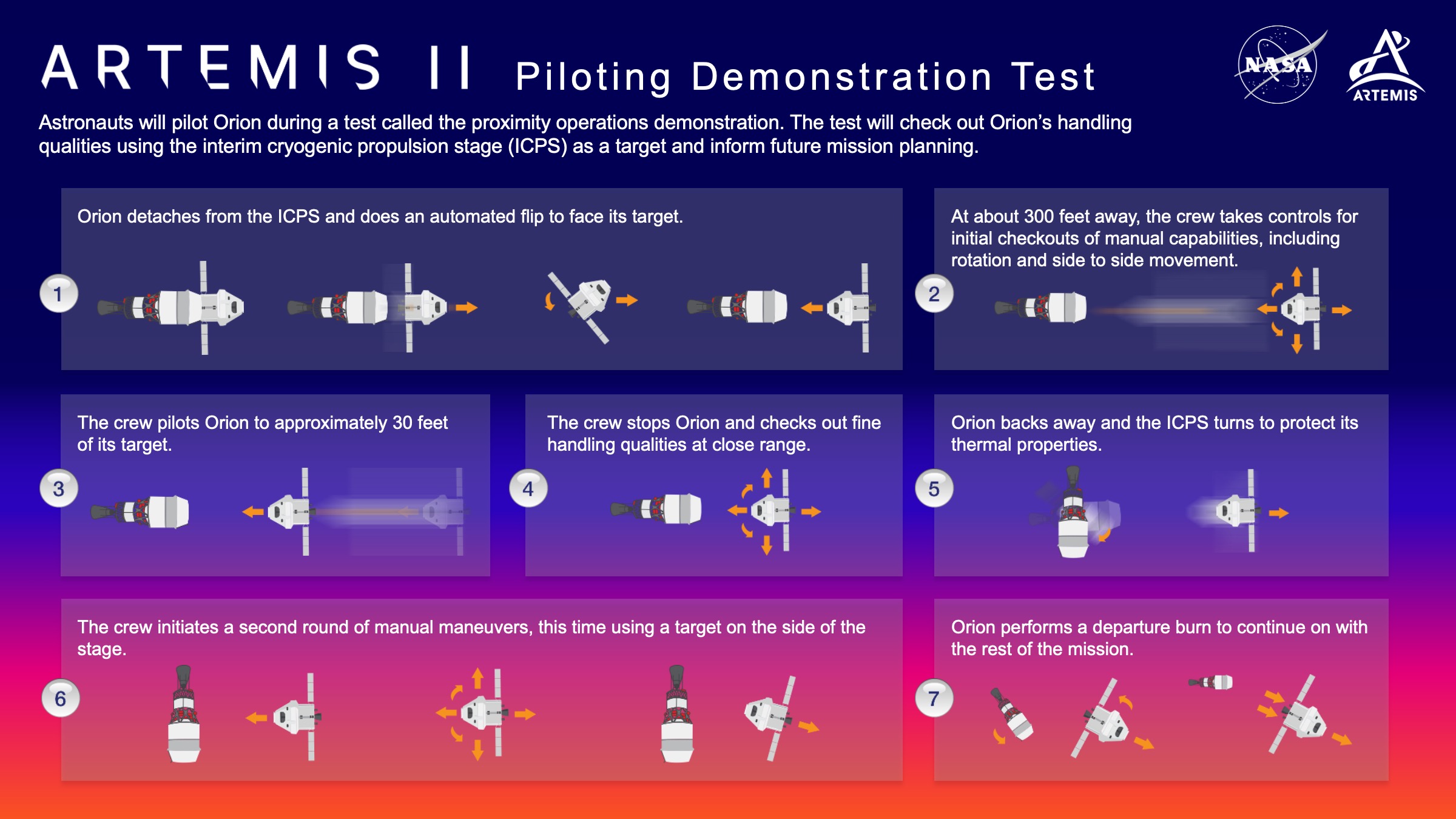
My messy health is being messy today & right now my brain has not the first clue what an ICPS is.and then approach to within 10 meters of the ICPS
right now my brain has not the first clue what an ICPS is.
 forum.nasaspaceflight.com


