Scott Kenny
ACCESS: USAP
- Joined
- 15 May 2023
- Messages
- 19,533
- Reaction score
- 27,977
France has said 100klbs for the PANG.I thought current catapults still maxed at 80k. Does EMALs shoot higher weights?
The A-3s were about 82k, F-111Bs were 88k MTOW.

France has said 100klbs for the PANG.I thought current catapults still maxed at 80k. Does EMALs shoot higher weights?
The catapults aren't limited by weight they are limited by energy over distance. Same with the arresting cables.I thought current catapults still maxed at 80k. Does EMALs shoot higher weights?


The A-3 used bridle catapults, not the modern "grab the nose gear" types.Come to think of it though, the A-3 has a single wheeled nose landing gear without the giant support arms that F-18s and F-35s have.
View attachment 799549
Is this also because of the landing speed?

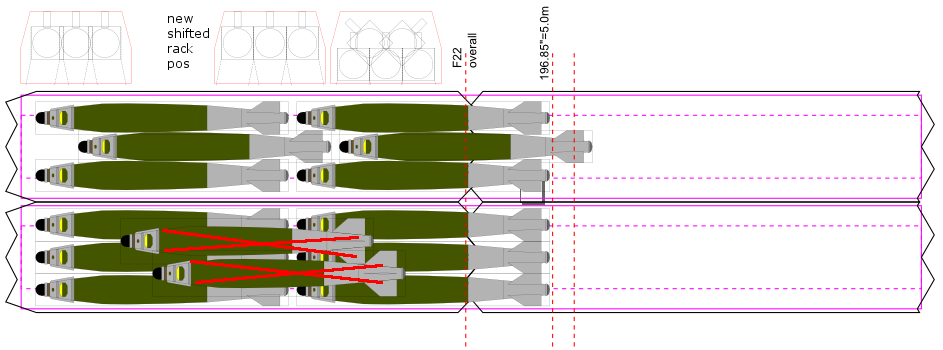
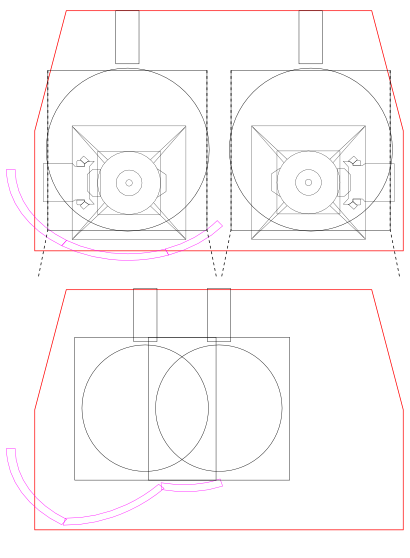
Nice work.Lately had some thoughts about a weapons bay optimized for air-to-ground / strike. The task was to efficiently accommodate various A/G weapons. Here is what I came up with:
It's one of the issues with bays.One of the things that bothered me is how it's harder to pack more of the lesser weapons and match the payload values.
Here you can pack 2x 2000 lbs but it's hard to get 3x 1000 lbs, hence, 1000 lbs short. Or 5x 500 lbs, hence, 1500 lbs short.
I've been looking to construct a morphable bay design. The problem is how to get the "nose" cover to work that won't cave or create holes at Mach speed let alone the heating.
You also gave a picture of the old type.Edit: Scott beats me to it.

Yeah, it's difficult to design a versatile A/G-bay that is both compact and makes the best possible use of volume in every loading configuration.One of the things that bothered me is how it's harder to pack more of the lesser weapons and match the payload values.
Here you can pack 2x 2000 lbs but it's hard to get 3x 1000 lbs, hence, 1000 lbs short. Or 5x 500 lbs, hence, 1500 lbs short.
I'd really like to know how that was realized. Do you have any details? Photos? Drawings?It's one of the issues with bays.
...
One of the interesting bits of the MDD A-12 was how they were packing the bays: 2x 2000 (or 1x AGM-84 and 1x GBU-15), 5x 1000, 8x 500lb. But each one of those took a separate rack setup. That's per bay.
Fly out is basically a build your own aircraft simulator with “realism” in aerodynamics accounted for. If you come from this background you might find it easier then starting off with little to no knowledge in aircraft and aircraft construction. If you’re interested check out the YouTube channel Messier82. He’s the most famous one when it comes to flyout, as he essentially popularized the game.How does the realism compare to DCS?
As I understand it, it was all unique racks, though the 8x500 could be something like a 4-rack on each of the 2000lb weapon pylons, similar to the SDB rack but bigger.I'd really like to know how that was realized. Do you have any details? Photos? Drawings?
The arrangement of the 5x 1000 / 8x 500 lb JDAMs would be of particular interest!
As I understand it, it was all unique racks, though the 8x500 could be something like a 4-rack on each of the 2000lb weapon pylons, similar to the SDB rack but bigger.
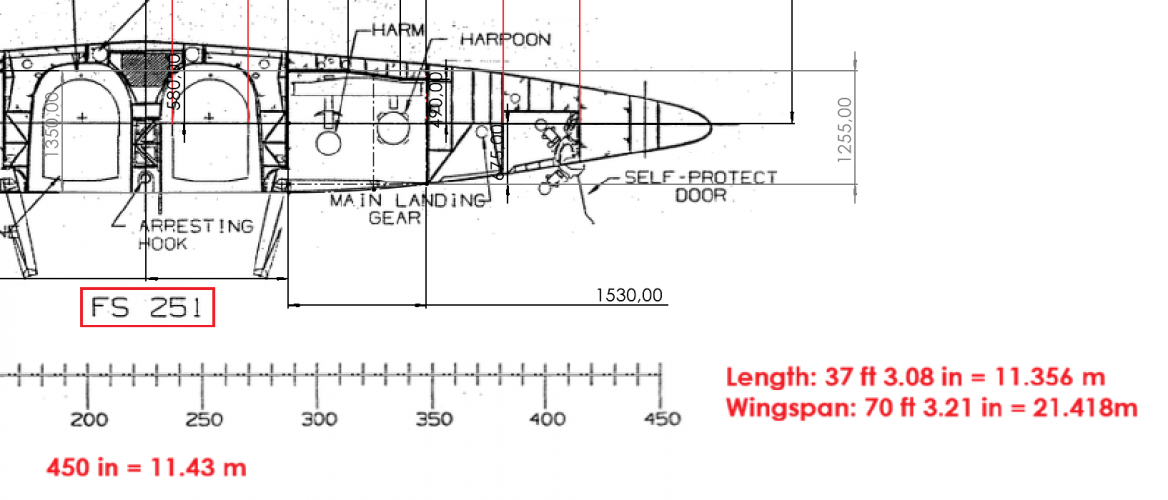
This made the whole bay roof a crazy set of brackets and bolt holes. 2 spaced parallel for missiles or 2000lb. 3+2 spots for the 1000lb weapons, not totally sure if those are all in a single row or in two rows. ATA bay was 185" long by 34" wide by 25" deep.

there is a program shared between the Navy and Air Force called Long Range Strike.


Not debating the measurements, but I'm wondering how they got from "needs to be able to hold a GBU-15 and a Harpoon" clear up to 205x60x50.I took measurements... These bays are huge! They are about 60" wide, 50" deep and 205" long.
View attachment 799668
Oh my. Err...I'll be in my bunk if anyone needs me.Hello,
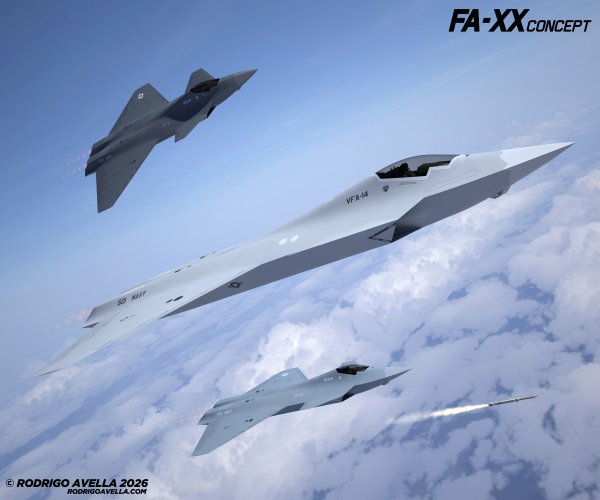
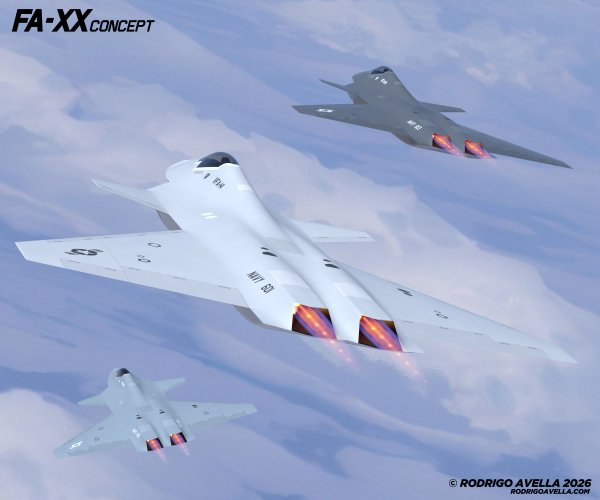
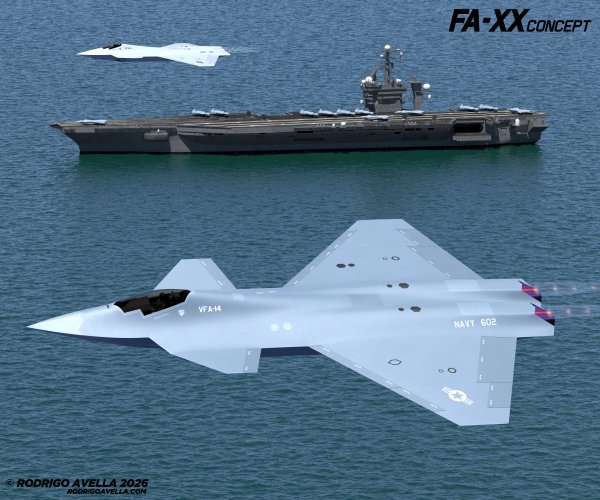
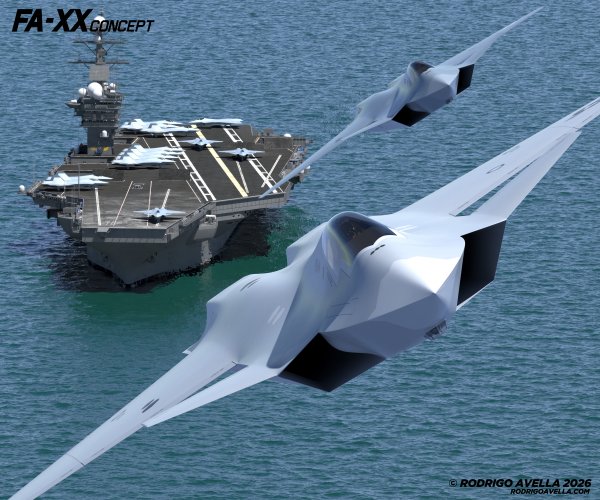
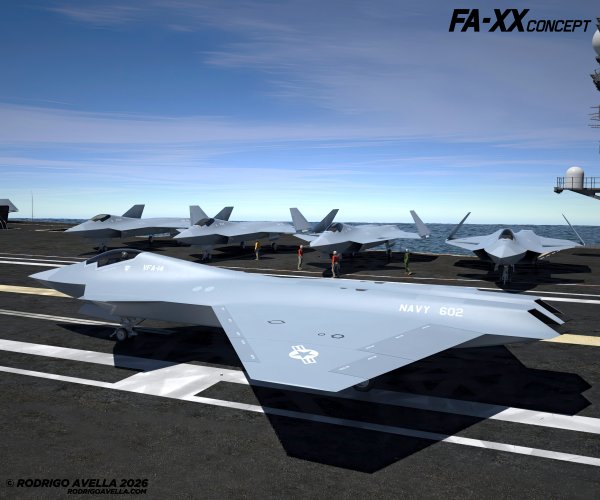
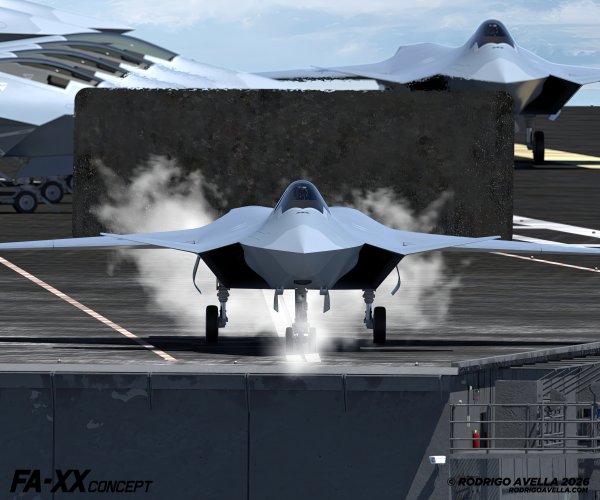
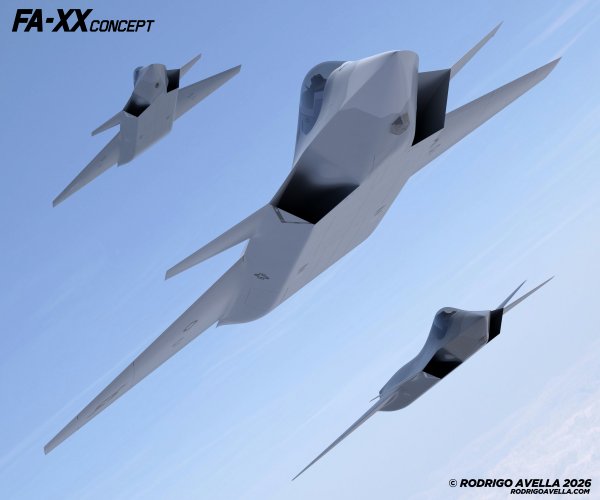
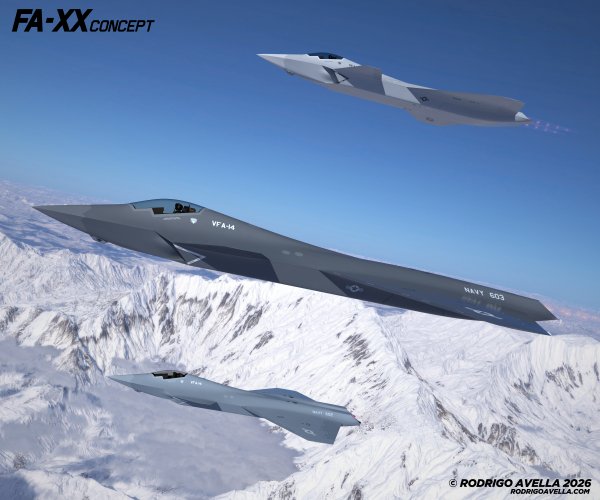
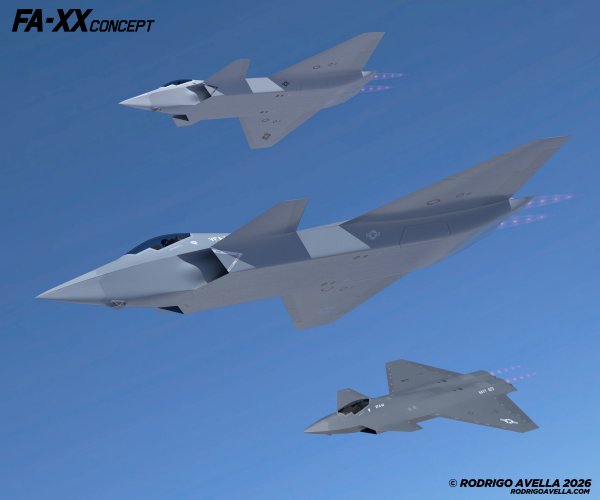
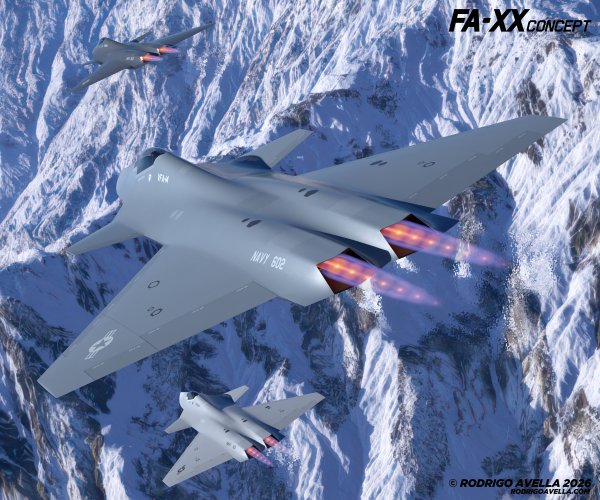
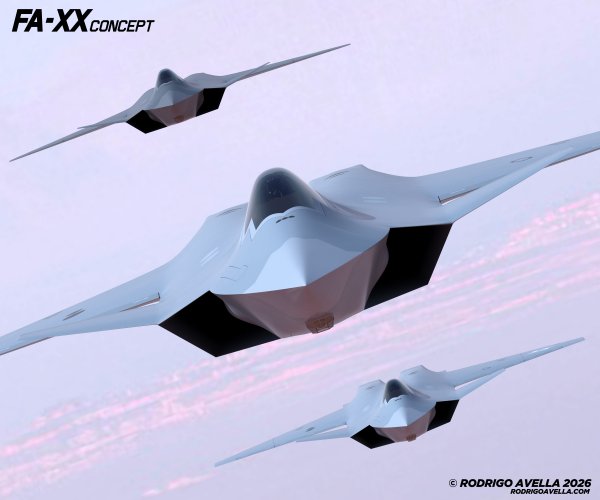
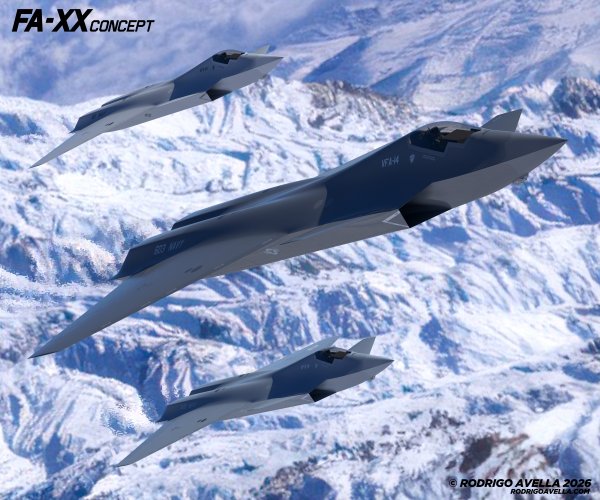
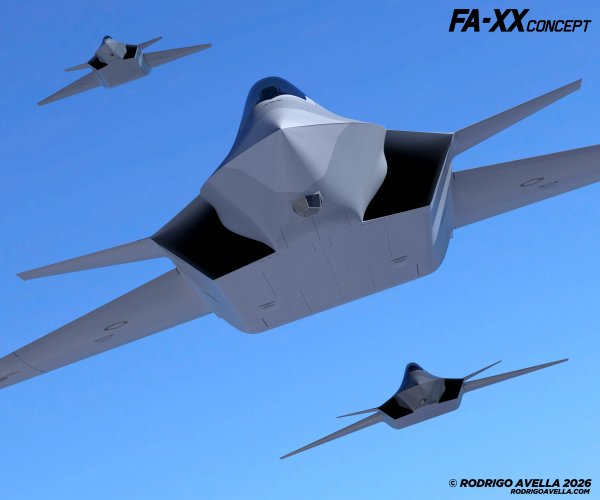
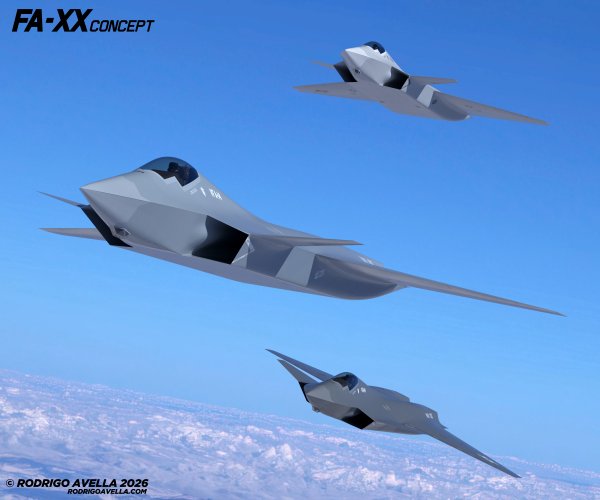
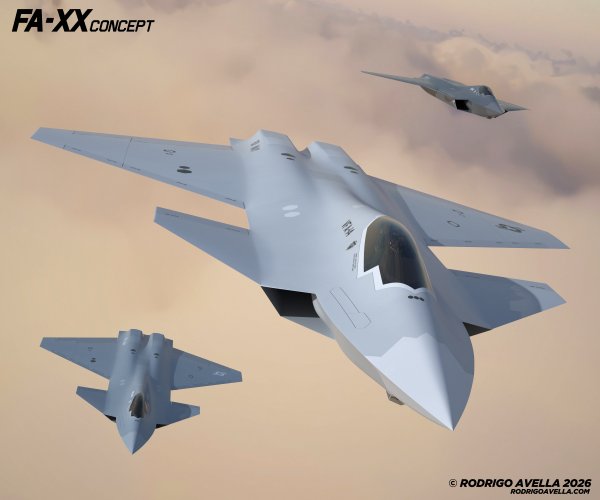
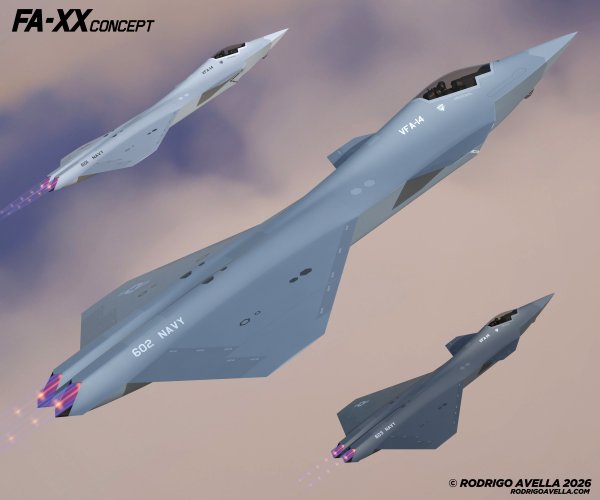
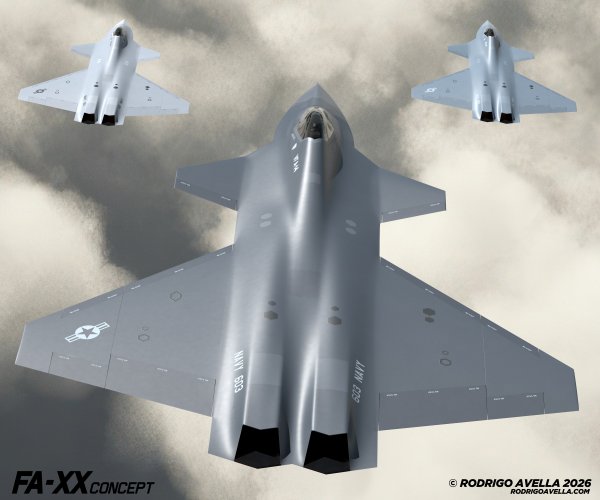
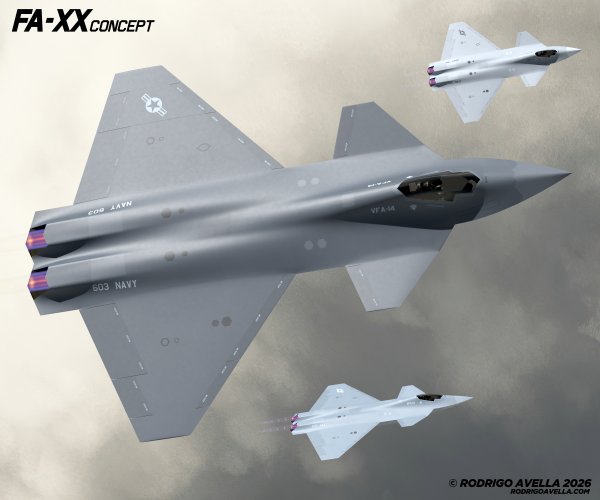
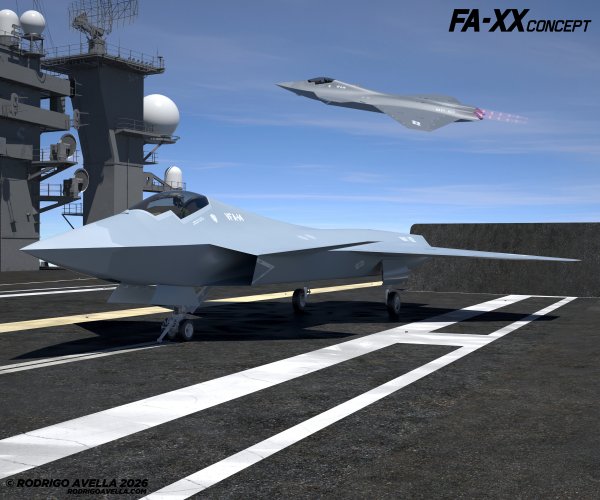
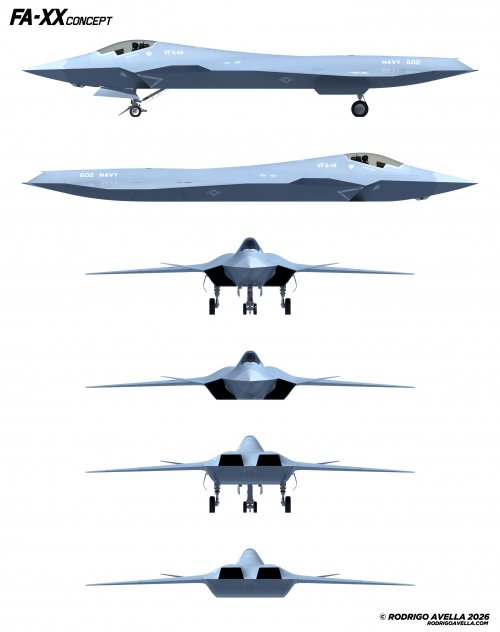
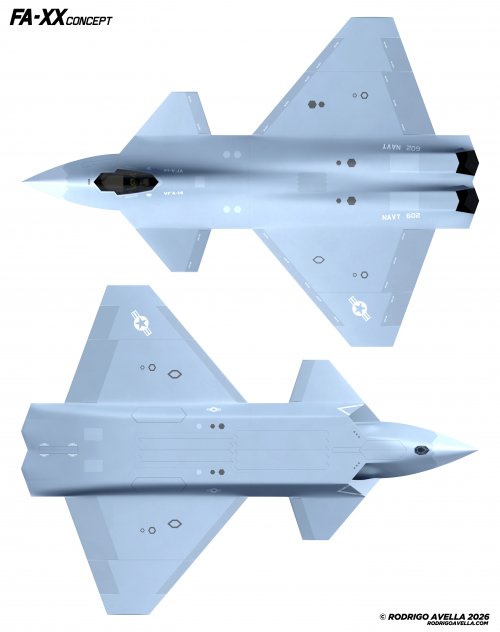
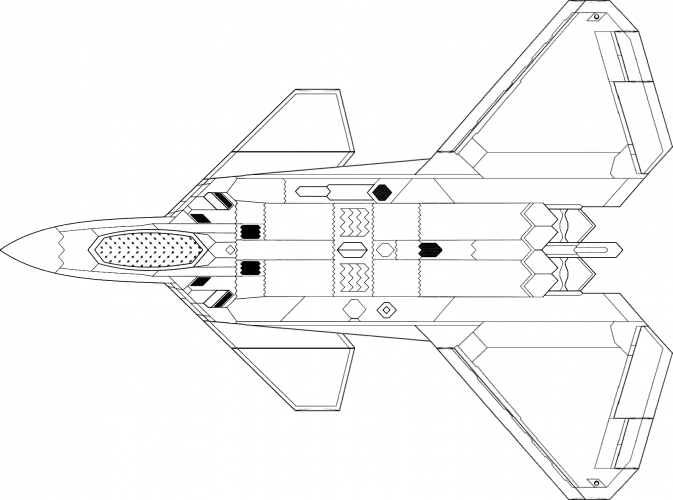
I'm sharing some images of what I think could be an FA-XX, based on the Northrop image where the aircraft is obscured by smoke.
I didn't base it exactly on the image. But I envisioned a fighter with side air intakes and no tail.
I'm not sure if this is the right thread for this. Feel free to delete or move it.
-SNIP-
Yeah, that's why I think the next generation has to have similar arresting arrangement. I bet GCAP should have something similar, too.As I understand it, it was all unique racks, though the 8x500 could be something like a 4-rack on each of the 2000lb weapon pylons, similar to the SDB rack but bigger.
This made the whole bay roof a crazy set of brackets and bolt holes. 2 spaced parallel for missiles or 2000lb. 3+2 spots for the 1000lb weapons, not totally sure if those are all in a single row or in two rows. ATA bay was 185" long by 34" wide by 25" deep.
You're going to need a higher level of proof for this forum than a summary from a journalist.
Did anyone read the OBBB topic? Lol.
...Enlighten me. Please.

You're going to need a higher level of proof for this forum than a summary from a journalist.
...Enlighten me. Please.
Where in that summary by a journo do you see evidence of a common, shared program? It even mentions TWO EFFORTS.

$9 billion for air superiority. The latest version of the bill deleted $1 billion in spending for classified programs and inserted $600 million for an Air Force long range strike aircraft and $500 million for a Navy long range strike aircraft - two efforts that do not seem to be associated with a publicly-known program of record.
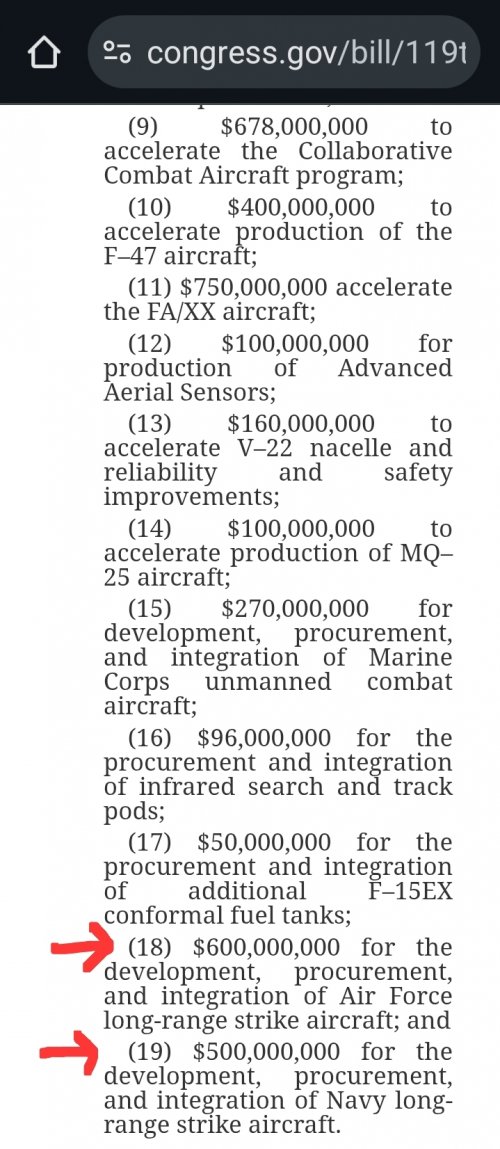
$600,000,000 for the development, procurement, and integration of Air Force long-range strike aircraft;
$500,000,000 for the development, procurement, and integration of Navy long-range strike aircraft.
No, it is the exact wording from the Congress reconciliation bill. Using the same program name in both services budget means it is a shared program. This is standard naming convention with many examples. For example with the F-35 development both the USAF and US Navy yearly budgets had the same program name.
I don't know what higher level proof is needed than this. The wording is so crystal clear that it is an aircraft.

Hello,
I'm sharing some images of what I think could be an FA-XX, based on the Northrop image where the aircraft is obscured by smoke.
I didn't base it exactly on the image. But I envisioned a fighter with side air intakes and no tail.
I'm not sure if this is the right thread for this. Feel free to delete or move it.
Best regards!!!View attachment 799778View attachment 799779View attachment 799780View attachment 799781View attachment 799782View attachment 799783View attachment 799784View attachment 799785View attachment 799786View attachment 799787View attachment 799788View attachment 799789View attachment 799790View attachment 799791View attachment 799792View attachment 799793View attachment 799794View attachment 799795View attachment 799796View attachment 799797View attachment 799798View attachment 799799View attachment 799800
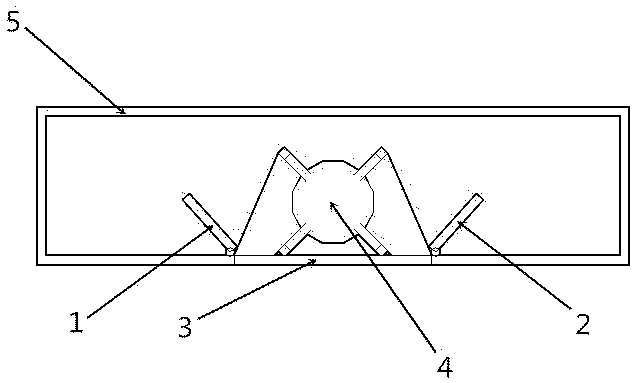
Question: can a DSI work with a backward-slanted inlet?Hello,
I'm sharing some images of what I think could be an FA-XX, based on the Northrop image where the aircraft is obscured by smoke.
I didn't base it exactly on the image. But I envisioned a fighter with side air intakes and no tail.
I'm not sure if this is the right thread for this. Feel free to delete or move it.
Best regards!!!

So what is it ?This came from a journalist. As has been pointed out many times (https://www.secretprojects.co.uk/th...he-northrop-grumman-f-a-xx.50922/#post-868962 , etc), the actual text of the bill is:
This is very different. First, the journalist added "an Air Force long range strike aircraft". This one word changes the meaning significantly, implying that the funding is for a single Air Force or Navy aircraft.
It is not.
The bill text of "development, procurement, and integration" should have been a clue. These things do not normally go together, they are accounted for separately. For example, the F-22 has separate programs for development, integration, operations, etc. These are always separate, yet here they are all together. This should have been a red flag to anyone reading the bill.
No, what you originally posted was from the journalist, not from the bill. And the journalist changed the meaning by adding "an".
No, this is not standard naming convention. Normally funds would be allocated through Program Elements in the various parts of the DoD budget (i.e. in the Air Force R-1, etc.). This is not what was done here.
The "development, procurement, and integration of long-range strike aircraft" are a collection of long range strike related programs that are (mostly) pre-existing and openly discussed. They just put them all into two lines rather than list all of them. There are hundreds of pages of public documents that describe this.
The "higher level of proof" for the existence of some secret shared Air Force and Navy long range strike aircraft program would require evidence that counters all of the evidence that points to this part of the bill NOT being such a program.
For example, do you have Program Element Codes for this supposed program? Contract numbers? Have you.... asked DoD for any of these things?
He said it is "a collection of long range strike related programs that are (mostly) pre-existing and openly discussed."So what is it ?
Quellish is always sneaky and ambiguous with his wording. He will say the program is not solely for a manned aircraft.

Ok for that but so what is the Area 51 Dorito ? could it have something to see with FA/XX?Then let me be very clear. This is not for an aircraft itself, manned or unmanned . It is for things like integrating weapons on aircraft, flight test supporting software upgrades, etc.
It is absolutely not a secret new aircraft. That is fantasy.

I just wish quellish would show us what he actually has, I totally respect his reasoning for doing so, but its an itch that cant be scratchedOk for that but so what is the Area 51 Dorito ? could it have something to see with FA/XX?
Question: can a DSI work with a backward-slanted inlet?
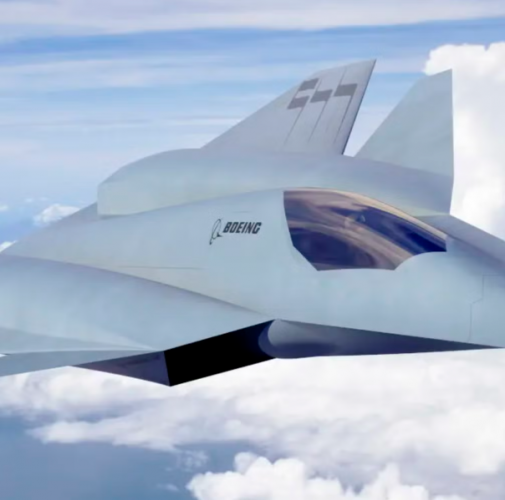
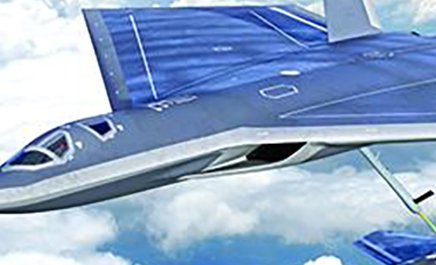
Thank you!Hello.
There are several images from Boeing and Lockheed showing concepts for rearward-sloping DSI air intakes.
thinking this over, I do wonder about a two-seater. It's unlikely that the USAF will have a two-seater NGAD, but FA-XX might have a two-seat variant.Hello,
I'm sharing some images of what I think could be an FA-XX, based on the Northrop image where the aircraft is obscured by smoke.
I didn't base it exactly on the image. But I envisioned a fighter with side air intakes and no tail.
I'm not sure if this is the right thread for this. Feel free to delete or move it.
Best regards!!!
-SNIP-