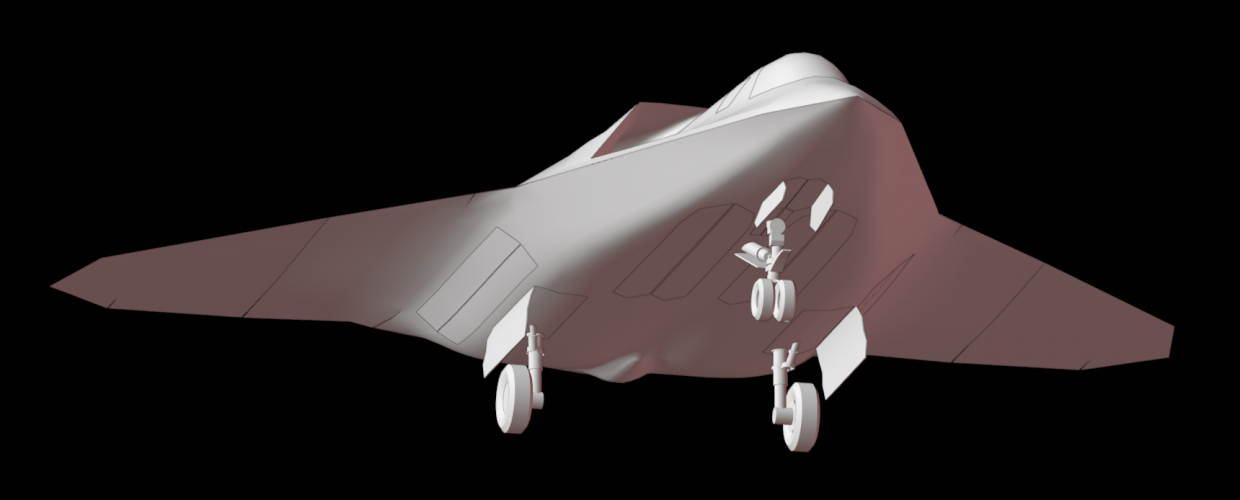
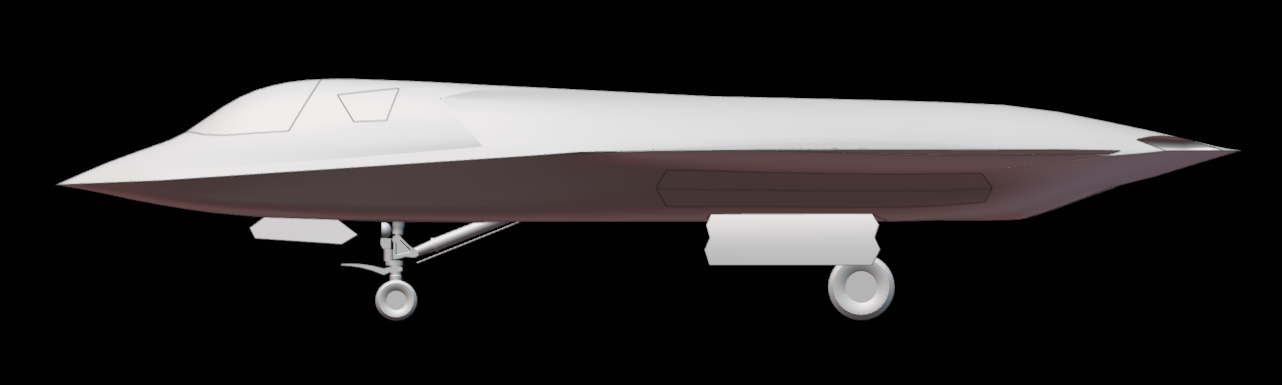
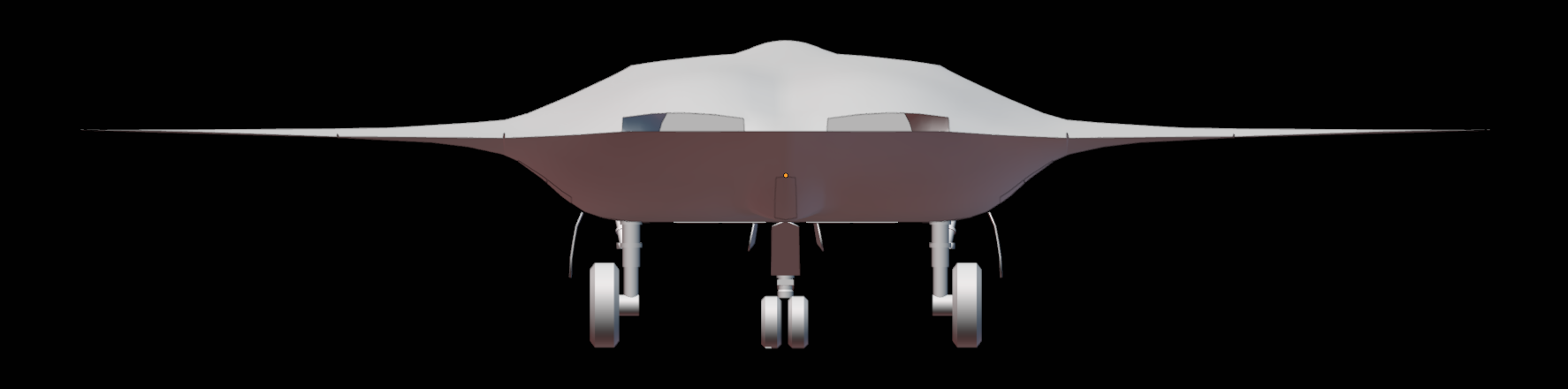
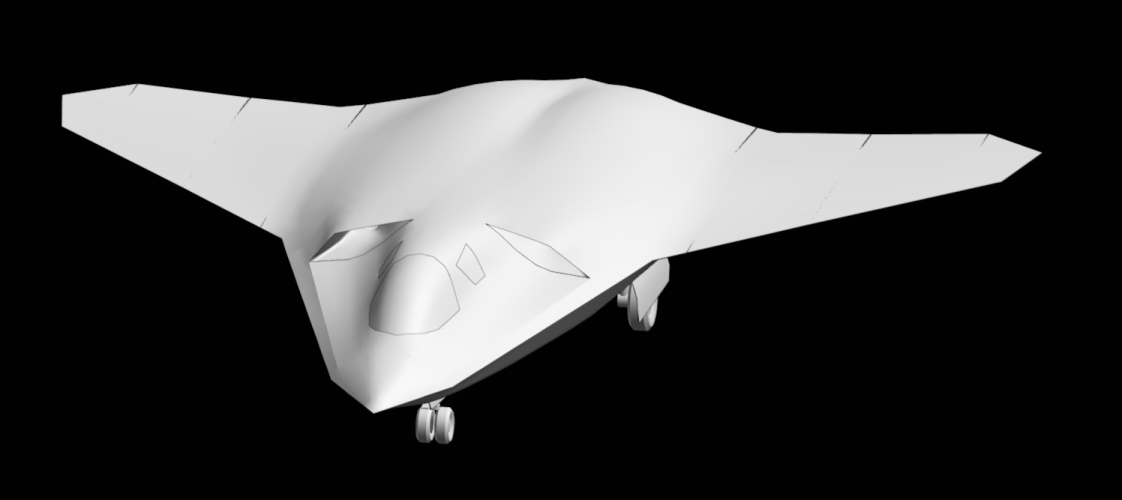
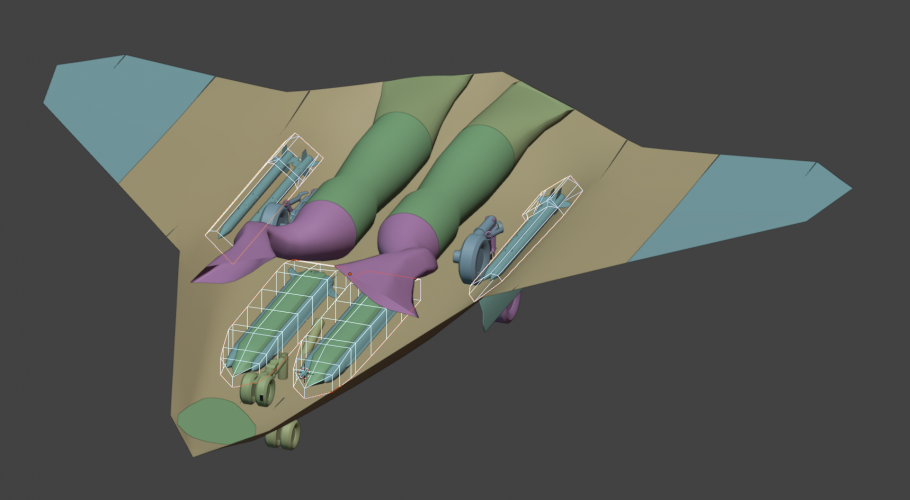
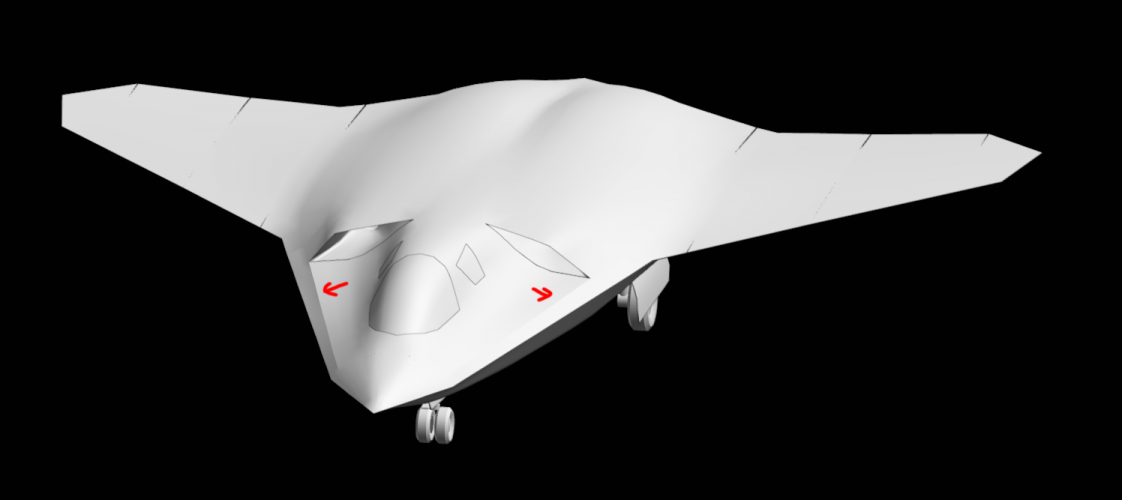
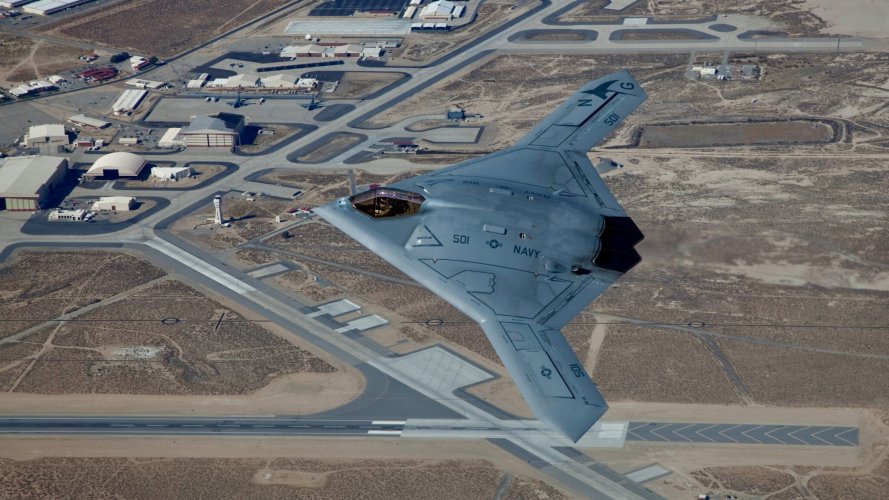
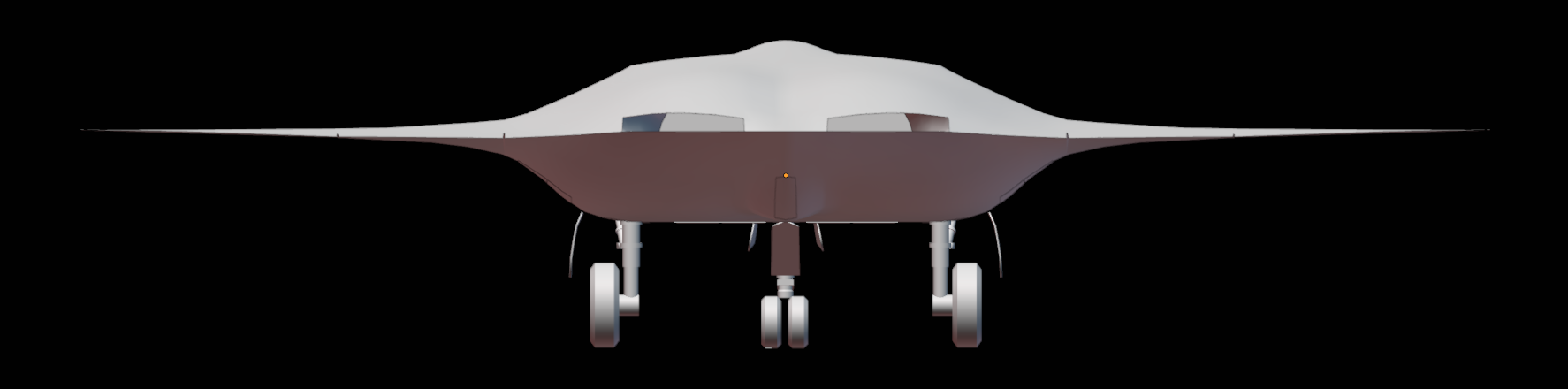
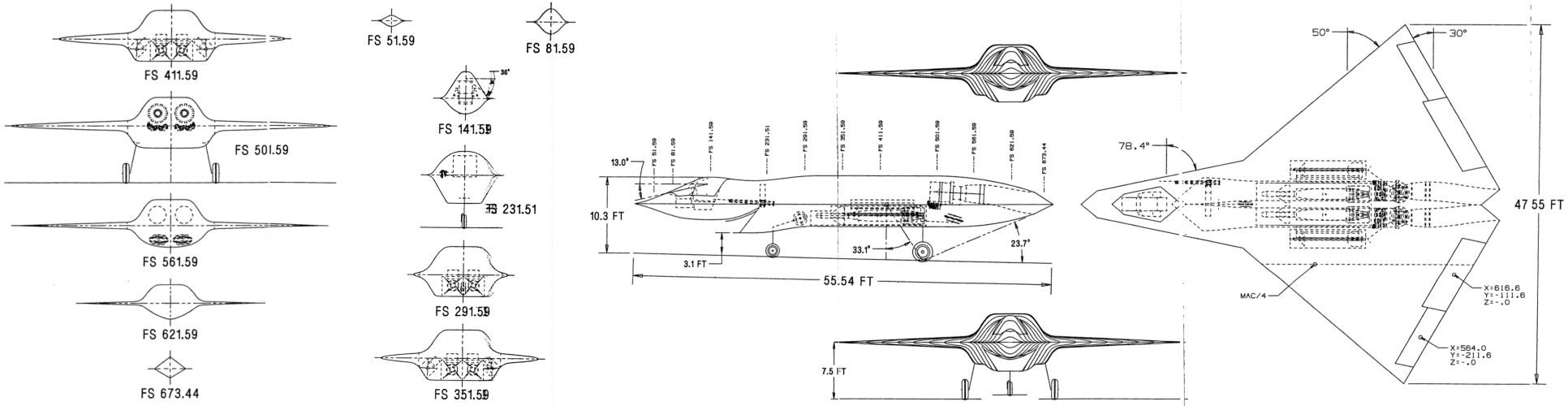
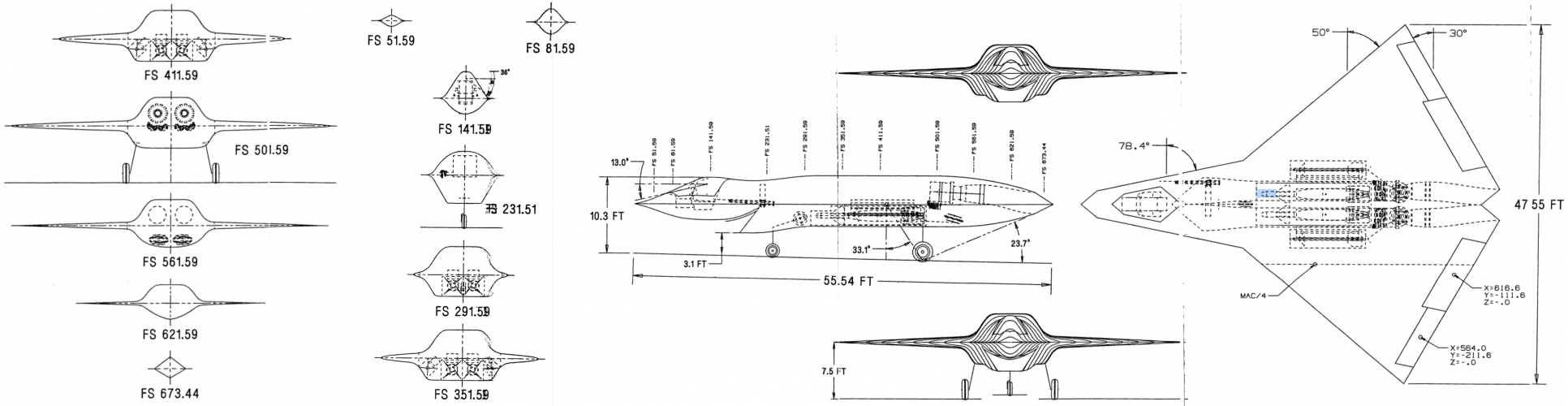
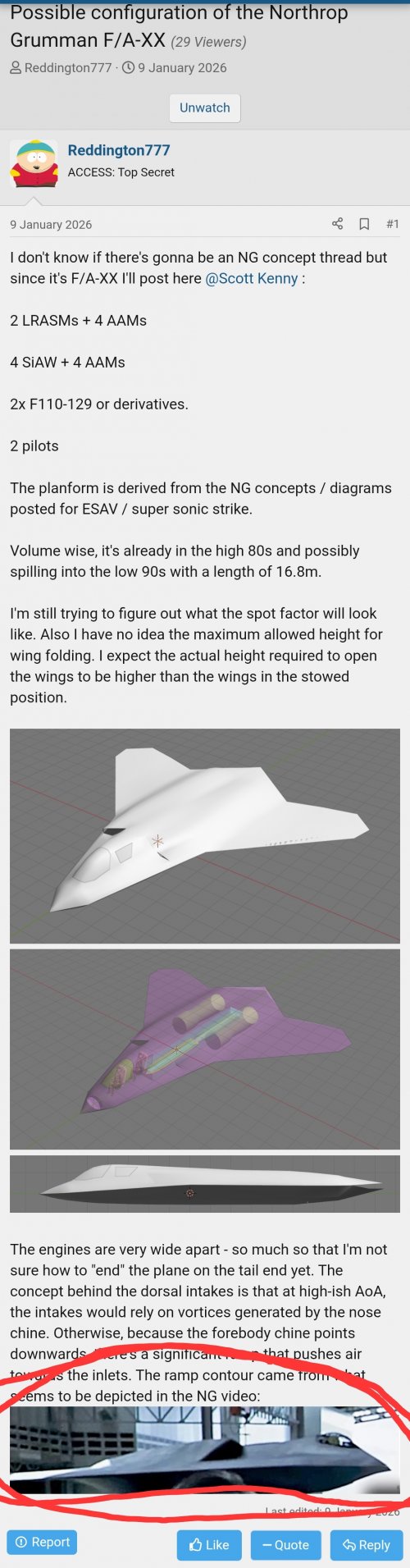
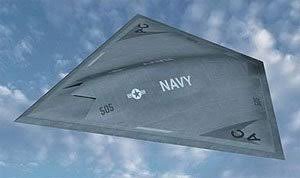
Artwork: possible configuration of the Northrop Grumman F/A-XX

I just had a look at AGM-158 A / C specs... Is LRASM really shorter, but 3" wider than JASSM?

Source Wikipedia:
The information on wikipedia is a direct citation of official millitary publication.
Btw:
14 ft 1 in = 4293 mm
22 in = 559 mm
18 in = 457 mm
For some reason these discrepancies happen a lot even with authentic informations. *shrugs*
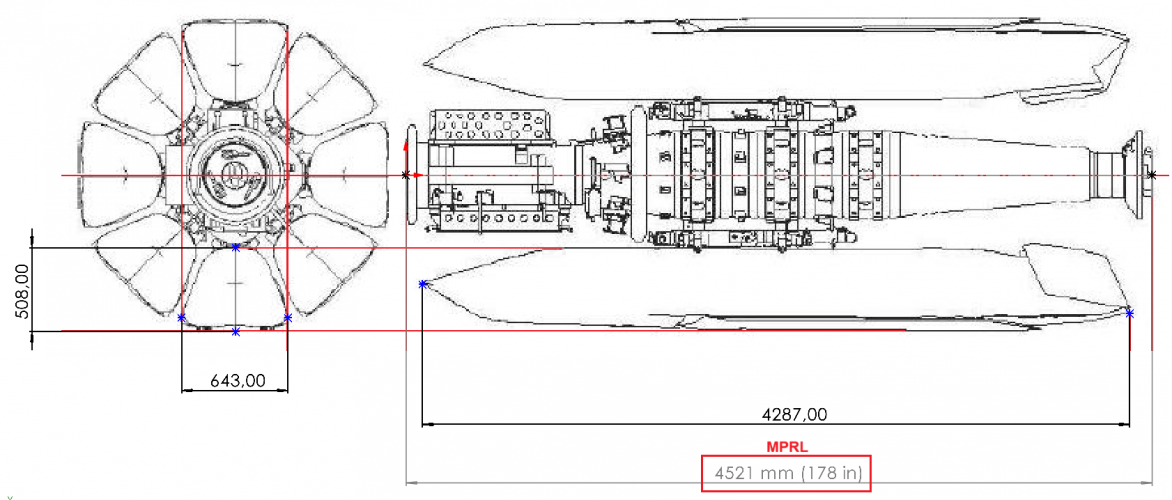
EDIT: Does anyone know the length of the Multi-Purpose Rotary Launcher (MPRL)? That would help with determining JASSM dimensions. Alternatively, a precise/scale three-view drawing would be very helpful ;)
also caled "180 Inch Rotary Launcher"
L: 178.00"
 
The information on wikipedia is a direct citation of official millitary publication.

For some reason these discrepancies happen a lot even with authentic informations. *shrugs*

also caled "180 Inch Rotary Launcher"
L: 178.00"
For years. . .yep, still there, the official spec sheet on the F-15 has said its maximum speed was 1,875 mph. Originally it was easy to see how they made their mistake. They took its generally accepted max speed of Mach 2.5 (which they had listed) and multiplied it by 750 (roughly sea-level Mach 1). Now they still have the 1875 but just say "Mach 2 class".

https://www.af.mil/About-Us/Fact-Sheets/Display/Article/104501/f-15-eagle/
As for LRASM being wider than JASSM, I'd be astonished if that were the case, unless it's got something additional mounted outside the shell.
 
As for LRASM being wider than JASSM, I'd be astonished if that were the case, unless it's got something additional mounted outside the shell.
It's heavier, too, which means the inside was rearranged to accomodate unknown components or more fuel (but has slightly less range).
At this point it seems to be an evolutionary step to JASSM-XR sharing the same (modular) airframe. Likely the move to modular design increases mass, too, due to additional connecting bulkheads.
 
what would a 5% OML stretch look like? Yes, I know that is a 16% weight increase.

Gear mechanisms are packed into the bays. The main gear architecture you've chosen looks like F-14, I'd grab one of the close-up photo books to see how the actuators fit into the main bays.

IIRC the Hornet's nose gear folds the same way you've drawn, though I'd use Super Bug not Legacy (difference is probably 10% increase in girth)

2 seater, IMO. 1 pilot, 1 running the drones.
You could try swapping the main landing gear bays with the AAM bays.
When retracting the landing gear, the wheel wouldn't need to rotate 90° and would fit into a narrower bay then (next to the engine).
However, for structural reasons, the AAM bays should be positioned so that they only occupy space beneath the wings.
I think you could also size the AAM bays so that they either accommodate 2 AMRAAM (stacked) or 1 SiAW.
I think a two seater is the way to go

But I think you could actually make the windows even smaller
The above are basically the changes I implemented. Overall this seems to fit better than before. Precisely, the changes are:
1. Increased the width of the aircraft by 5% (to almost 19ft). Increased wing/fuselage length to accomodate the location of the AAMs and engine keep out areas. Made the contours of the aft fuselage more tighter fitting to reduce volume. Even so, after these tweeks, the volume has increased from 86m3 to 88m3. The forebody and wing sweep remain pretty much the same and it looks like it could still do lower supersonic dashes between 1.6 - 1.8 mach, but the wide body makes me a little uncomfortable even though I can't really go narrower.
2. Removed the wing root fairings as everything fits
3. Moved the gears inboard and the AAM bay outboard as VTOL suggested. AAM bays are on the fuselage and the AAMs are pushed out diagonally from the fuselage.
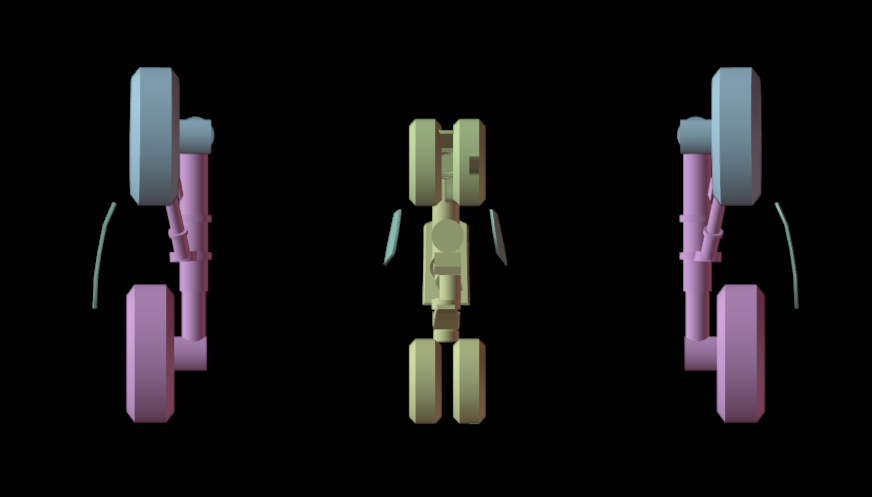
4. Increased landing gear arms size. I opted for the F-18's landing gear mechanism for the front gear and the F-14 mechanism for the main gears.
5. Made a version with a reduced cockpit window. @EmoBirb I also like the smaller cockpit as I assume there could be a lot more MFDs and controls back there, but @Scott Kenny mentioned wanting a larger WSO cockpit (I'm assuming probably something to do with ejection?) So I haven't really decided on which to use yet.
6. I think the cockpit is a little more stealthy shaped now.
1769066356170.png
1769067757361.png

1769066808844.png
1769068312654.png
Some further problems/marginal design stuff:
1. I attempted to hide the engine fan blades with the duct curvature. Honestly they look whacky as hell even though F-35 intakes are quite curved too. I think there may be enough vertical room to have the ducting be more curved vertically. That way the duct cross sections would be larger while still hiding the engine face.
2. The main landing gear folding mechanism is essentially what the F-14 has, but the auxiliary arms in the folded position sits outboard rather than inboard. My reasoning for this is that the location for the wheels are quite far from the sides of the fuselage thanks to the wide fuselage, and there appears to be a large enough area between the main gear arm and the weapon bay to accommodate the mechanisms responsible for pulling the gear up. When extended, the auxiliary arms actually point outward. Yet - even though the gear folding scheme is the same, I've never seen another aircraft with gears folding like this so ... maybe it's not practical.
1769067458439.png
1769067423015.png
3. I made thinner and wider exhausts pipes - sort of how the B-21 exhausts are. Obviously the B-21 is a subsonic bomber so this might not be practical for a fighter. Increasing exhaust mouth size isn't hard though.
1769067644860.png
4. The folded wingspan is 32 ft and certainly wider than the hornet for F-35C's wingspan folded. Lengthwise (53ft), the plane is comparable to the F-35C (51ft)

 

Attachments

  • 1769066764013.png
    1769066764013.png
    120.8 KB · Views: 104
  • 1769066322748.png
    1769066322748.png
    470.3 KB · Views: 111
Last edited:
5. Made a version with a reduced cockpit window. @EmoBirb I also like the smaller cockpit as I assume there could be a lot more MFDs and controls back there, but @Scott Kenny mentioned wanting a larger WSO cockpit (I'm assuming probably something to do with ejection?) So I haven't really decided on which to use yet.
It was for visibility, not that I expect FAXX to be doing much dogfighting in practice.

I don't trust HMDs/DAS.
 
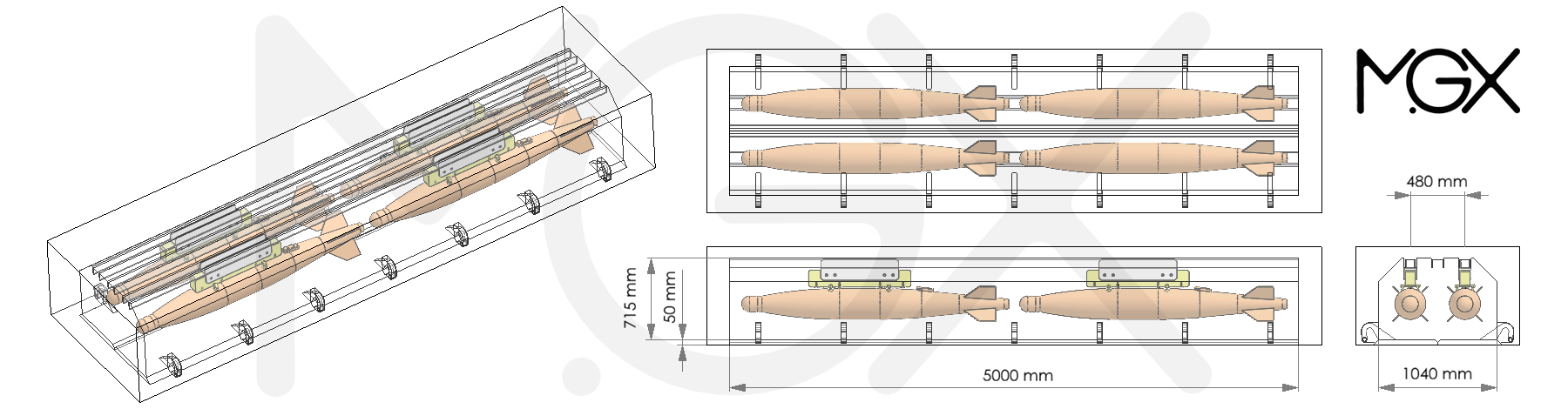
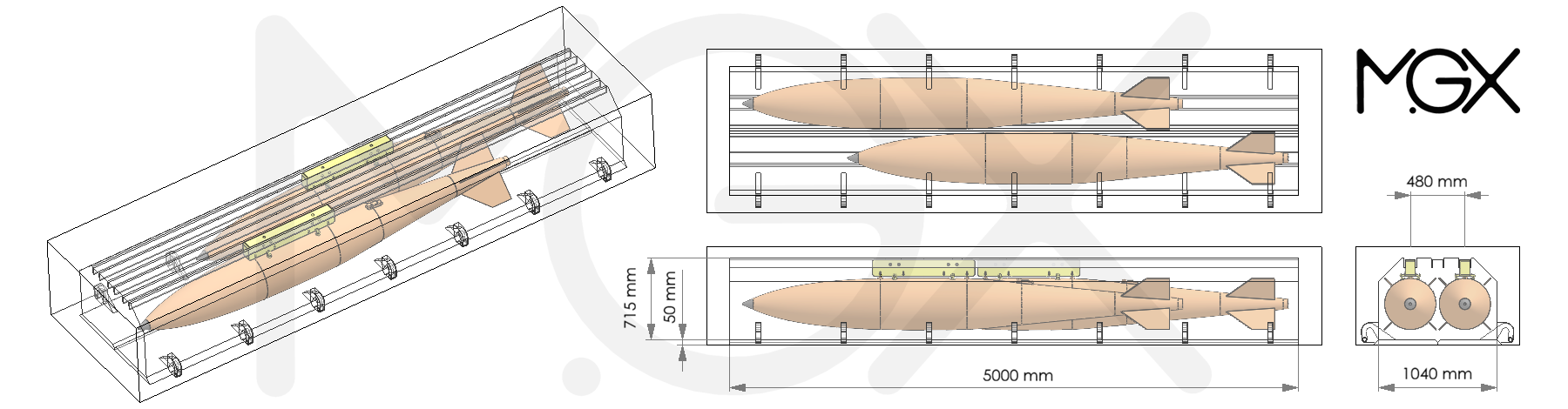
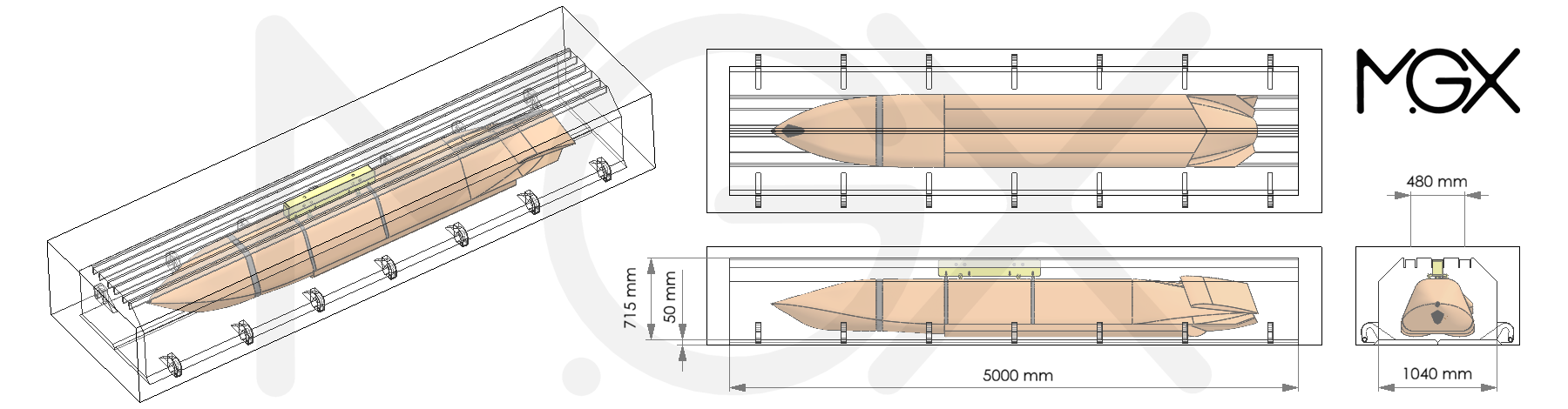
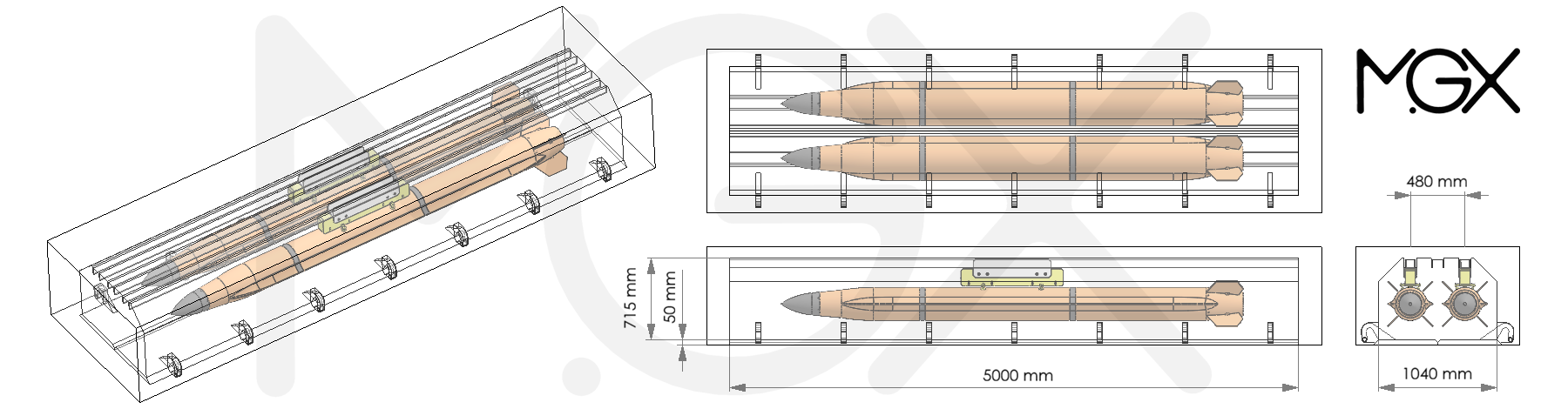
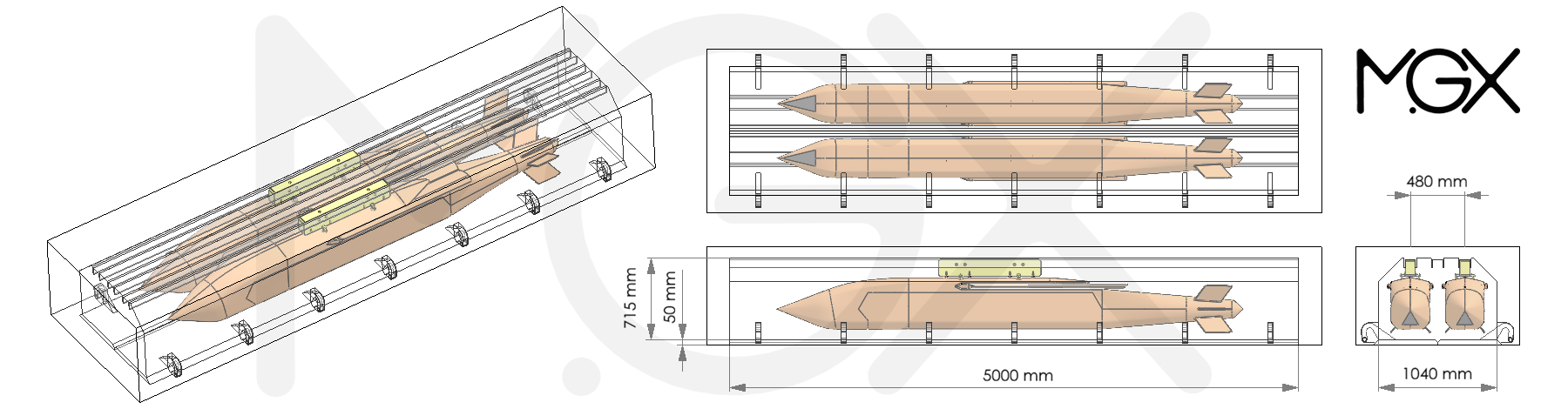
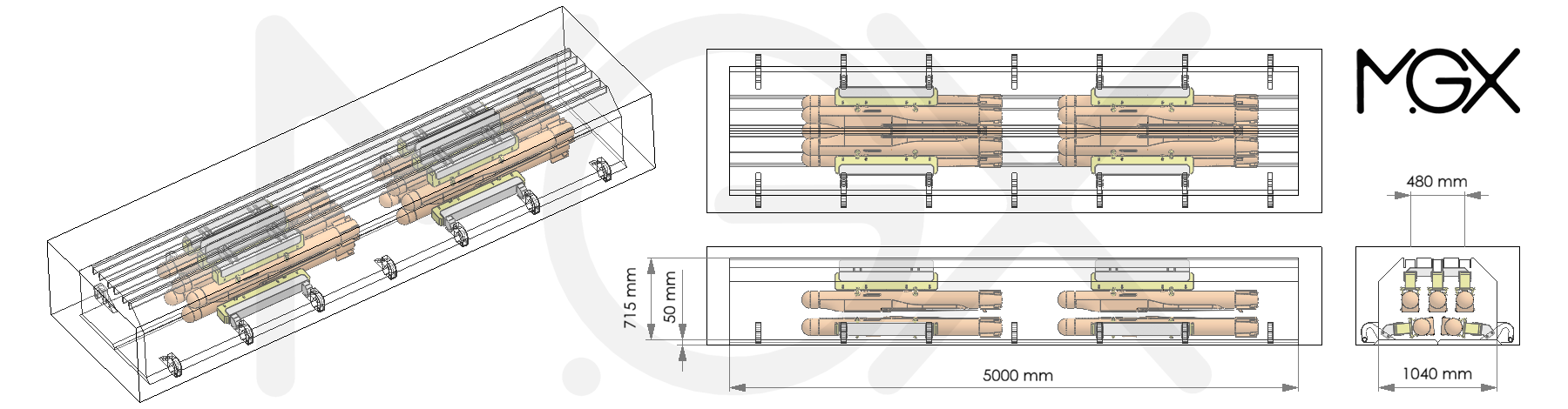
Lately had some thoughts about a weapons bay optimized for air-to-ground / strike. The task was to efficiently accommodate various A/G weapons. Here is what I came up with:

Length is determined by the tandem arrangement of 500 lb JDAMs (5000 mm).
MGX_AG-IWB_01_JDAM-500.png

Width is determined by the side-by-side arrangement of 2000 lb JDAMs (1040 mm).
MGX_AG-IWB_02_JDAM-2000.png

Depth is determined by the height of JASSM/LRASM (715 mm).
MGX_AG-IWB_03_JASSM.png

Everything else, e.g. AARGM-ER/SiAW and JSOW, would fit as well...

AARGM-ER/SiAW
MGX_AG-IWB_05_AARGM-ER.png

JSOW
MGX_AG-IWB_04_JSOW.png

EDIT: SDB II added...
MGX_AG-IWB_06_SDBII.png

In the case of F/A-XX one could assume two such bays.
 
Last edited:
Hi,
Please forgive my intrusion @Reddington777, and I hope you don't take it as a lack of respect for your work, which I truly love!
But I think it would look better if you rounded this edge a bit more and made the transition smoother.
1769066764013.png

That's all. Whenever you'd like, I can render this model as well. I imagine it taking off from an aircraft carrier.
Best regards and please excuse me again for the comment.
 
It was for visibility, not that I expect FAXX to be doing much dogfighting in practice.

I don't trust HMDs/DAS.
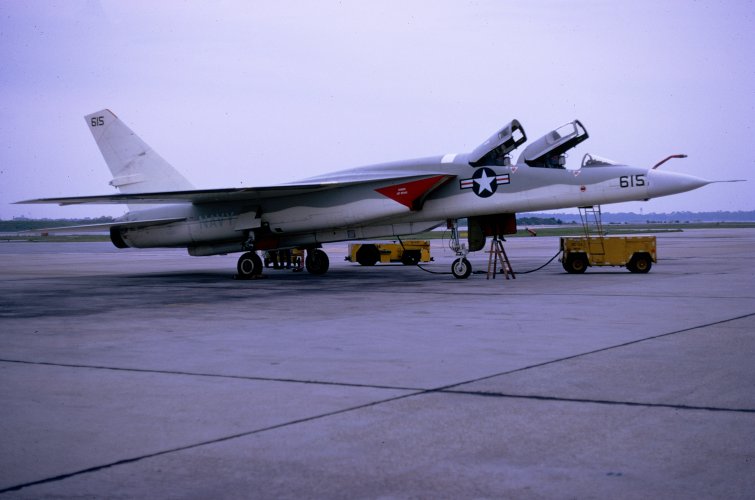
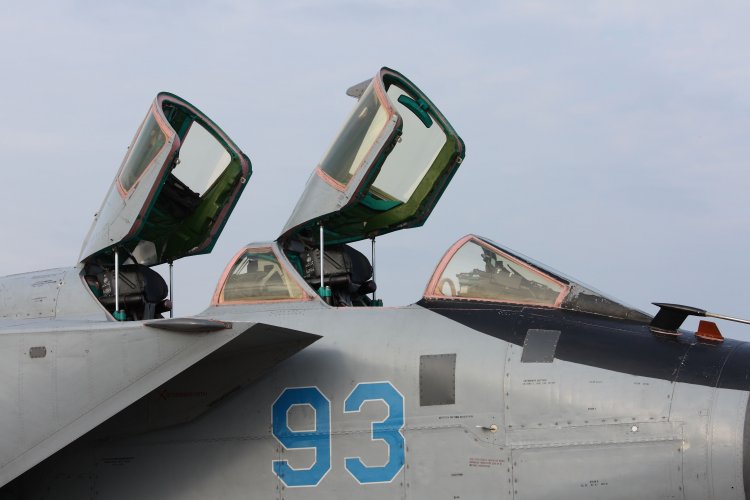
I based my comment on these:
vigi11.jpg.0edb873122ecfc27964f11d72a04f2a4.jpg
MiG-31BM_at_the_MAKS-2013_(03).jpg
25631002-271A4439-scaled.jpg
Especially the Vigilante seems important in many ways as a reference to me, not because I think it's somehow related any next generation naval strike fighter, but because it's a well known example of a large, carrier based, attack aircraft. And it has really tiny windows in the back. Generally speaking, visibility for the operator in the rear didn't seem important even back then, I doubt it is nowadays with far more advanced and reliable displays and sensors in play. And with regards to windows on low observable aircraft, when one looks at the B-21, it looks like Northrop Grumman went through a lot of effort to minimize the area covered by glass as much as possible while maintaining a minimum level of visibility they either set for themselves or has been set by the USAF. So having smaller windows or ditching them when possible seems like a reasonable solution, especially as it should make manufacturing easier and cheaper, because the rear canopy piece wouldn't require large cut-outs, the structural reassessment that comes with it, the secure installation and the coating of the windows. Instead it could be a solid piece or just have very small cut-outs. It's unlikely that the guy in the rear will land the plane when the pilot goes unconscious, certainly not on a carrier. They either punch out or, depending on how far the on-board systems are developed, it may land by itself. Visibility is an afterthought in the back and maybe the only reason to keep them is psychological in nature, I think being fully encased and only lit by displays may lead to severe claustrophobia in some people, especially on long missions. Or lack of daylight being dentrimental for their eyesight. The pilot in front obviously should retain a conventional canopy for obvious reasons.
 
Would the operator at any point be expected to fly the plane, for instance if the pilot is incapacitated?

Are there any modern examples of a two seater with a minimally windowed second seat?
 
The above are basically the changes I implemented. Overall this seems to fit better than before. Precisely, the changes are:
1. Increased the width of the aircraft by 5% (to almost 19ft). Increased wing/fuselage length to accomodate the location of the AAMs and engine keep out areas. Made the contours of the aft fuselage more tighter fitting to reduce volume. Even so, after these tweeks, the volume has increased from 86m3 to 88m3. The forebody and wing sweep remain pretty much the same and it looks like it could still do lower supersonic dashes between 1.6 - 1.8 mach, but the wide body makes me a little uncomfortable even though I can't really go narrower.
2. Removed the wing root fairings as everything fits
3. Moved the gears inboard and the AAM bay outboard as VTOL suggested. AAM bays are on the fuselage and the AAMs are pushed out diagonally from the fuselage.
4. Increased landing gear arms size. I opted for the F-18's landing gear mechanism for the front gear and the F-14 mechanism for the main gears.
5. Made a version with a reduced cockpit window. @EmoBirb I also like the smaller cockpit as I assume there could be a lot more MFDs and controls back there, but @Scott Kenny mentioned wanting a larger WSO cockpit (I'm assuming probably something to do with ejection?) So I haven't really decided on which to use yet.
6. I think the cockpit is a little more stealthy shaped now.
View attachment 799292
View attachment 799301

View attachment 799294
View attachment 799302
Some further problems/marginal design stuff:
1. I attempted to hide the engine fan blades with the duct curvature. Honestly they look whacky as hell even though F-35 intakes are quite curved too. I think there may be enough vertical room to have the ducting be more curved vertically. That way the duct cross sections would be larger while still hiding the engine face.
2. The main landing gear folding mechanism is essentially what the F-14 has, but the auxiliary arms in the folded position sits outboard rather than inboard. My reasoning for this is that the location for the wheels are quite far from the sides of the fuselage thanks to the wide fuselage, and there appears to be a large enough area between the main gear arm and the weapon bay to accommodate the mechanisms responsible for pulling the gear up. When extended, the auxiliary arms actually point outward. Yet - even though the gear folding scheme is the same, I've never seen another aircraft with gears folding like this so ... maybe it's not practical.
View attachment 799299
View attachment 799298
3. I made thinner and wider exhausts pipes - sort of how the B-21 exhausts are. Obviously the B-21 is a subsonic bomber so this might not be practical for a fighter. Increasing exhaust mouth size isn't hard though.
View attachment 799300
4. The folded wingspan is 32 ft and certainly wider than the hornet for F-35C's wingspan folded. Lengthwise (53ft), the plane is comparable to the F-35C (51ft)
Any provisions for directed energy weapons?
 
A gentle reminder and at the same time respecting how much seems to be in flux (“more work to be done”), that as it currently stands, XX will replace both E, F and G Super Hornets. Assuming those roles - aside from tanking - don’t change too much by USN UAVs between now and a potential XX introduction - a big assumption, I know - I think that may provoke some discussion about power and cooling.

@quellish has alerted us to Boeing’s NGAD demonstrator producing substantial power (seemingly without ACE). While it’s unclear how this was done, it seems prudent to budget some space explicitly for generators and/or chillers & heat exchangers. We can save the DEW discussion for another day ;)
 
The above are basically the changes I implemented. Overall this seems to fit better than before. Precisely, the changes are:
1. Increased the width of the aircraft by 5% (to almost 19ft). Increased wing/fuselage length to accomodate the location of the AAMs and engine keep out areas. Made the contours of the aft fuselage more tighter fitting to reduce volume. Even so, after these tweeks, the volume has increased from 86m3 to 88m3. The forebody and wing sweep remain pretty much the same and it looks like it could still do lower supersonic dashes between 1.6 - 1.8 mach, but the wide body makes me a little uncomfortable even though I can't really go narrower.
1769067644860.png
Looks pretty good - Great work!

I share your concern with regards to the large fuselage cross-section.

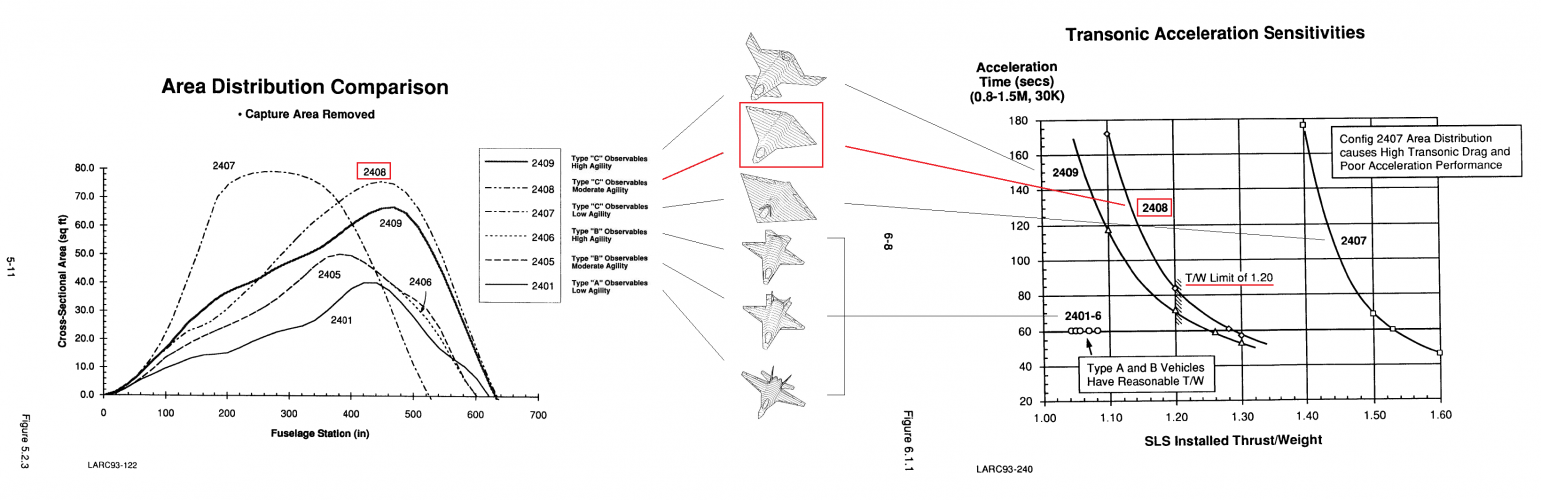
I recently took another look at the McDD report "Impact of Agility Requirements on Configuration Synthesis". It clearly shows that in particular the Type C aircraft have issues with transonic wave drag due to their large fuselage cross-section, which in turn negatively affects acceleration and top speed.

To better illustrate this, I copied Figure 5.2.3 / 6.1.1, and the illustrations of the individual models into one image:
Screenshot 2026-01-11 105614b1.png

I think Model 2408 is of particular interest, as its shape is roughly equivalent to your F/A-XX design. However, it has a chin air intake, and the wing trailing edge is also clearly different.
McD 2408 High Stealth Medium Agility 100px=1m.png

On another note: I really wonder why such a small payload capacity was chosen for this design study. It seems practically useless...
  • A/A: 2x AIM-120 + 2x AIM-9, or
  • A/G: 2x GBU-24 + 2x AIM-9
 

Attachments

  • McD 2408 High Stealth Medium Agility 100px=1m.png
    McD 2408 High Stealth Medium Agility 100px=1m.png
    2 MB · Views: 87
Last edited:
It clearly shows that in particular the Type C aircraft have issues with transonic wave drag due to their large fuselage cross-section, which in turn negatively affects acceleration and top speed.
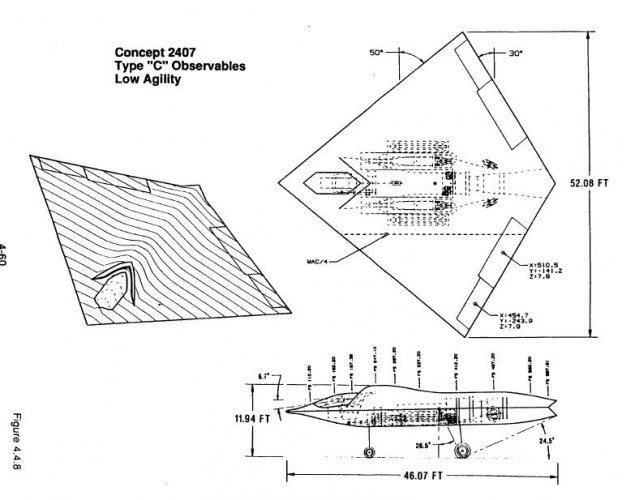
It also clearly shows only one of the six designs with intakes above the wing. It clearly says "Low agility".

I'm not sure how that can take over the air defense role from the Super Hornet. Maybe some laws of physics have been broken since the McDD report.

2407.jpg

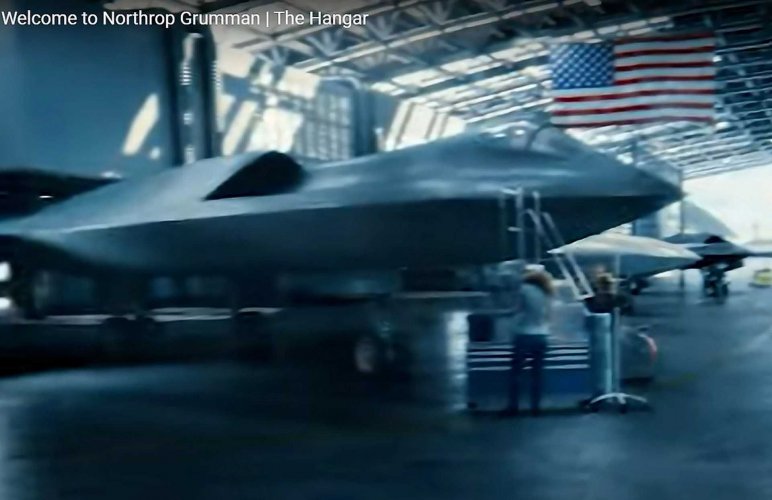
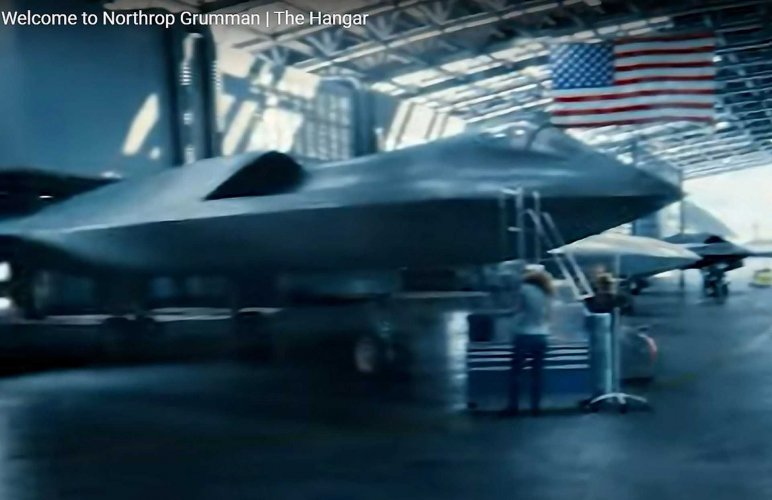
This design is the closest match to the Northrop hanger video and the recent sighting.

Northrop LRS program.jpeg
 
On another note: I really wonder why such a small payload capacity was chosen for this design study. It seems practically useless...
  • A/A: 2x AIM-120 + 2x AIM-9, or
  • A/G: GBU-24 + 2x AIM-9
The GBU-24 are huge weapons. They are JASSM sized. That's actually greater weapon volume than the F-35. The AIM-120 were the uncropped fin version.

In the space of the two GBU-24 it could easily pack 4 cropped AMRAAM. If door weapons were allowed there is enough depth to allow a 6 AMRAAM.
 
It also clearly shows only one of the six designs with intakes above the wing. It clearly says "Low agility".

I'm not sure how that can take over the air defense role from the Super Hornet. Maybe some laws of physics have been broken since the McDD report.

View attachment 799406

This design is the closest match to the Northrop hanger video and the recent sighting.

View attachment 799408
I wonder what is the vehicle partially showing below the nose?
 
And with regards to windows on low observable aircraft, when one looks at the B-21, it looks like Northrop Grumman went through a lot of effort to minimize the area covered by glass as much as possible while maintaining a minimum level of visibility they either set for themselves or has been set by the USAF. So having smaller windows or ditching them when possible seems like a reasonable solution, especially as it should make manufacturing easier and cheaper, because the rear canopy piece wouldn't require large cut-outs, the structural reassessment that comes with it, the secure installation and the coating of the windows. Instead it could be a solid piece or just have very small cut-outs. It's unlikely that the guy in the rear will land the plane when the pilot goes unconscious, certainly not on a carrier. They either punch out or, depending on how far the on-board systems are developed, it may land by itself. Visibility is an afterthought in the back and maybe the only reason to keep them is psychological in nature, I think being fully encased and only lit by displays may lead to severe claustrophobia in some people, especially on long missions. Or lack of daylight being dentrimental for their eyesight. The pilot in front obviously should retain a conventional canopy for obvious reasons.
Except the USN has long tolerated a larger RCS than the USAF in exchange for carrier compatibility.

Also, the ATA proposals both had large canopies, giving the "guy in back" a full canopy. And so did the A/F-X proposals.


Would the operator at any point be expected to fly the plane, for instance if the pilot is incapacitated?

Are there any modern examples of a two seater with a minimally windowed second seat?
Only the B-21.
 
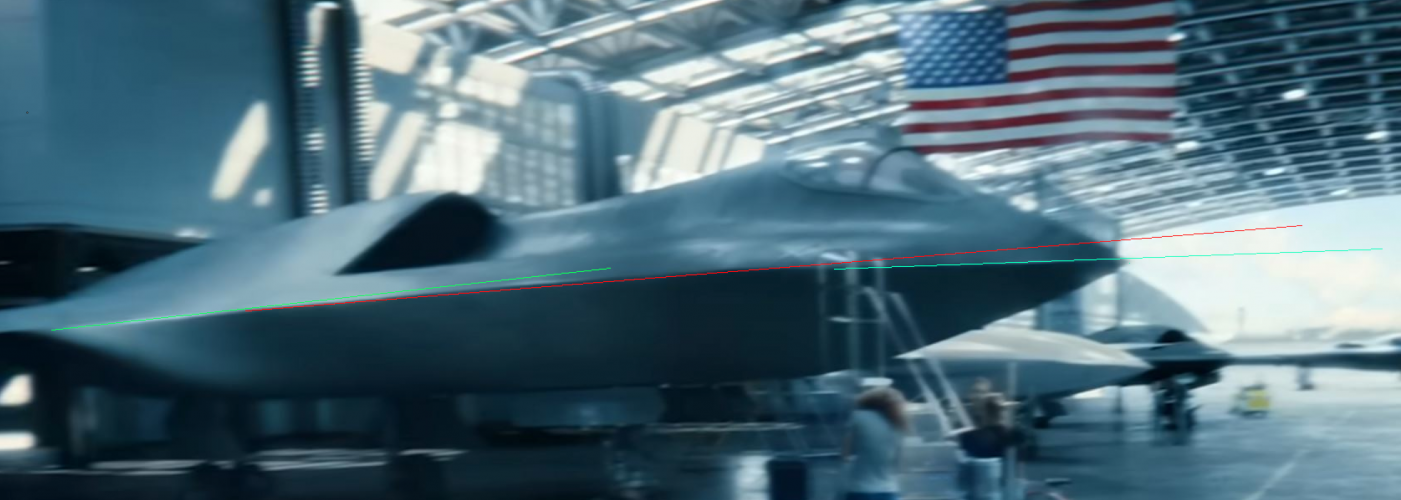
I don't think this NG concept is the same as the diamond one shown in the MDD concept. It is the type C one that VTOL pointed to - albeit with a much wider nose and body.

1769122573849.png

Tracing the chine lines, you can see there are actually 3 different angles at play here. Near the nose, sorta just under the cockpit arch and where the ladder's top is, you can see what is clear change in chine incidence as well as the lighting change in the same area.

@VTOLicious
I'm still contemplating the design that Nx4eu made for this with a sharper nose and narrower body, but the limitations I've come across is pretty much still engine diameters and the consequent tapering of the fuselage blending to accommodate engines, ducting and exhaust.
I've got a narrower model with tandem bays, but it's blown past 94m3 and would still require a higher cockpit area for nose wheel stowage - that is unless the front wheel is okay being rotated to a flat position in stowage.

Life would be a lot easier with two F414 derivative / footprint engines but that comes with a penalty to MTOW.
 

Attachments

  • 1769122105807.png
    1769122105807.png
    286.2 KB · Views: 49
Except the USN has long tolerated a larger RCS than the USAF in exchange for carrier compatibility.

Also, the ATA proposals both had large canopies, giving the "guy in back" a full canopy. And so did the A/F-X proposals.
I don't see how visibility for the WSO/RIO/USO-whatever impacts carrier capability in any way. As for ATA, the NG proposal envisioned side by side seating, while MDDs proposal was a failure (for many reasons).

As for how prevalent something is, most modern two seat aircraft are derived from a pre-existing single seat design, extending the canopy further back is an easily implemented solution on such jets. But we're talking about aircraft that are fighter jets first and foremost in this instance, like the F-15B/D/E, F/A-18B/D/F or the Su-30 series.

If we're talking about an aircraft that leans even further into the strike role than for example the existing F-35C, then it's easier to justify a different style of canopy, a second operator on board in the first place and possibly even an entirely different seating arrangement (F-111 and Su-34 send their regards).

So while I cannot confidently say that what I proposed is being reflected in the actual demonstrators, the reasoning that a content style canopy is required for carrier operations isn't convincing to me. Especially not when there drones with zero windows and zero people inside landing on carriers, or aircraft like Vigilante having operated from carriers in the past.
 
I don't see how visibility for the WSO/RIO/USO-whatever impacts carrier capability in any way. As for ATA, the NG proposal envisioned side by side seating, while MDDs proposal was a failure (for many reasons).
Backseater visibility doesn't impact carrier compatibility.

But a larger RCS being acceptable means that you don't have to push as hard for ways to minimize it. Like tiny windows for the backseater.
 
A gentle reminder and at the same time respecting how much seems to be in flux (“more work to be done”), that as it currently stands, XX will replace both E, F and G Super Hornets. Assuming those roles - aside from tanking - don’t change too much by USN UAVs between now and a potential XX introduction - a big assumption, I know - I think that may provoke some discussion about power and cooling.

Those roles are changing drastically. Standoff jamming is pretty much dead. It’s almost certain there will be no Growler 2. The F/A-XX won’t be a do-everything platform. UAVs will be performing roles new and old.
 
Tracing the chine lines, you can see there are actually 3 different angles at play here. Near the nose, sorta just under the cockpit arch and where the ladder's top is, you can see what is clear change in chine incidence as well as the lighting change in the same area.
Such minor angle changes is consistent with a wide angle lense on the camera/render.

Even if the nose has a minor 5° angle change it would not be noticed in that low resolution IR camera image. So it is still a perfect match for the recent sighting.

The USAF has been clear they had one demonstrator for NGAD and it was made by Lockheed Martin.

The Navy has been clear they had one demonstrator for F/A-XX and it was made by Boeing.

The China report is clear that the US had three demonstrators. The obvious conclusion is Northrop Grumman made the third demonstrator but it was not created under NGAD or F/A-XX. It is not a coincidence that there is a program shared between the Navy and Air Force called Long Range Strike. NG would be the obvious company to make a subsonic very stealthy strike demonstrator. Such an aircraft would have intakes above the fuselage.
 
Such minor angle changes is consistent with a wide angle lense on the camera/render.

Even if the nose has a minor 5° angle change it would not be noticed in that low resolution IR camera image. So it is still a perfect match for the recent sighting.
No. Just no. Perhaps NG flew something. Perhaps not, but it's definitely not what is in that image. In fact I'm certain that image is not a real aircraft. The cockpit and nose is too small.
 
Last edited:
I'm still contemplating the design that Nx4eu made for this with a sharper nose and narrower body, but the limitations I've come across is pretty much still engine diameters and the consequent tapering of the fuselage blending to accommodate engines, ducting and exhaust.
I've got a narrower model with tandem bays, but it's blown past 94m3 and would still require a higher cockpit area for nose wheel stowage - that is unless the front wheel is okay being rotated to a flat position in stowage.
Remember that carrier compatibility means dual nose wheels. So turning the nosewheel flat won't help much.

But I would really like to see that design.


Life would be a lot easier with two F414 derivative / footprint engines but that comes with a penalty to MTOW.
Even the EPEs aren't enough power for a strike fighter, IMO.

I mean, we've already figured that this is a ~95-100klb MTOW airframe counting external ordnance, normal TOW of ~80k with standard combat load.


Those roles are changing drastically. Standoff jamming is pretty much dead. It’s almost certain there will be no Growler 2. The F/A-XX won’t be a do-everything platform. UAVs will be performing roles new and old.
Interesting, since the Clark Report ("Regaining the High Ground At Sea") specifically includes Growler-sized standoff jamming/EW drones in the 2040 Carrier Air Wing.

Has the USN dropped any official reports/ideas for their future carrier air wings besides that report, and if so do you have a link to them?
 
@VTOLicious
I'm still contemplating the design that Nx4eu made for this with a sharper nose and narrower body, but the limitations I've come across is pretty much still engine diameters and the consequent tapering of the fuselage blending to accommodate engines, ducting and exhaust.
I've got a narrower model with tandem bays, but it's blown past 94m3 and would still require a higher cockpit area for nose wheel stowage - that is unless the front wheel is okay being rotated to a flat position in stowage.

Life would be a lot easier with two F414 derivative / footprint engines but that comes with a penalty to MTOW.
I feel you - Everything is a trade off :)
I would opt for F119 sized engines and aim for a MTOW in the range of the F--22 (83500 lb) - This should be good enough for a decent strike fighter.
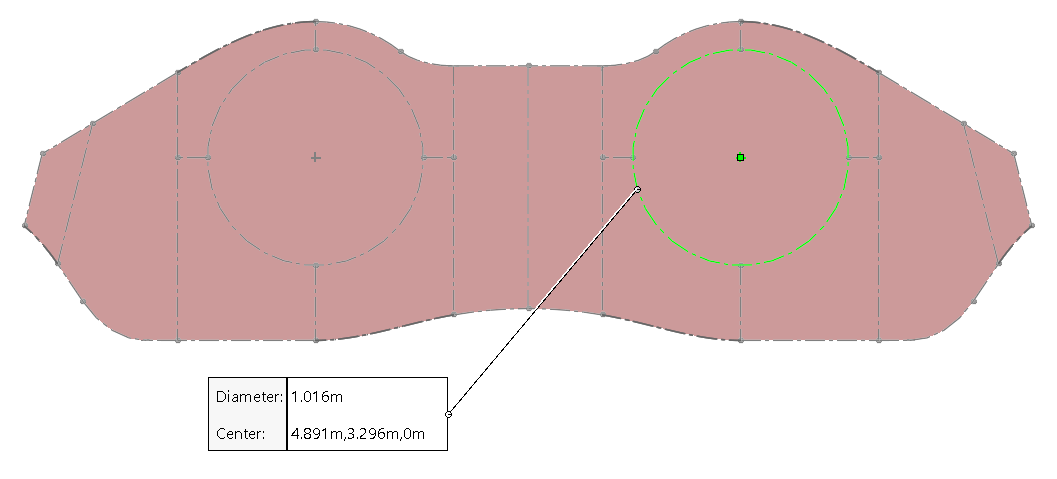
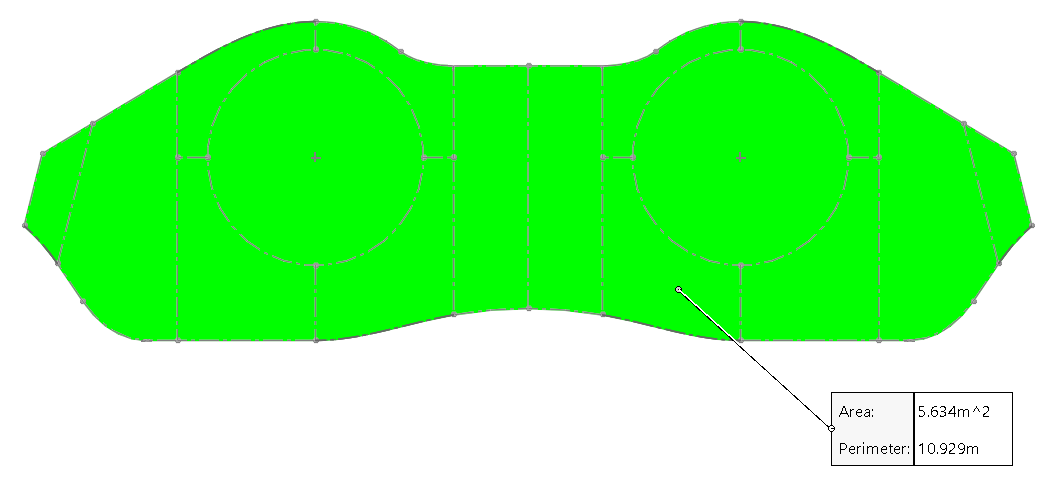
I already posted a F-23A fuselage cross section in the F-47 thread - You could use that (outside) duct diameter (1016 mm/ 40"). And you could use the area of the fuselage cross section as a reference as well (5.634 m² / 60.64 ft²).
Screenshot 2026-01-23 101027.png
Screenshot 2026-01-23 100839.png
 
Last edited:
No. Just no. Perhaps NG flew something. Perhaps not, but it's definitely not what is in that image. In fact there's no real that image is a real aircraft. The cockpit and nose is too small.
The Dorito seem to have a size similar or near of the B2
 
In fact there's no real that image is a real aircraft. The cockpit and nose is too small.
No, the aircraft is just large. The cockpit looks perfectly to scale with the ladder and people on the ground. The nose also has the same proportions as the F-35. With the F-35 the nose in front of the canopy is roughly the same length as the canopy itself. The same applies to this Northrop hanger video.

If Northrop was tasked with making a subsonic attack aircraft to fit on a carrier it makes sense to use the cockpit and compact radar from the F-35.

The Dorito seem to have a size similar or near of the B2
There is no way of telling the size from the IR video footage.


Please discuss Dorito stuff in this thread: Current mystery aircraft / urban legends
The original post of this thread has a picture of the "Dorito" aircraft. This thread is the correct one. It is one of the possible Northrop Grumman configurations.
 
If Northrop was tasked with making a subsonic attack aircraft to fit on a carrier it makes sense to use the cockpit and compact radar from the F-35.
Why would Northrop use Lockheed parts?


The original post of this thread has a picture of the "Dorito" aircraft. This thread is the correct one. It is one of the possible Northrop Grumman configurations.
This thread was started by @Reddington777 and has his CAD files in the original post.

Try again.
 
I feel you - Everything is a trade off :)
I would opt for F119 sized engines and aim for a MTOW in the range of the F--22 (83500 lb) - This should be good enough for a decent strike fighter.
I did consider F119 engines, though I didn't use one mainly because F119 itself was never used in a naval setting even though F135 is technically of the same family. I don't know how much that matters as far as the likely engine of F/A-XX. Though that doesn't exclude the possibility of F119 sized engines.

I think my problem is what F119 Doctor spoke of in the F47 art thread - the overall / max diameter is usually greater in the vertical direction than the horizontal direction. With no reference of how much greater I defaulted to the worst case scenario for both. Since things aren't working, it's time to make some compromises. This shaves off maybe 2 -3 more m3 off my F-47 model (40 inches inlet diameter + 3 inches for the third stream and another 1 - 2 inches for the casing + 6 for the bulkhead frames that drops my the footprint size for the engines), but it'll help the F/A-XX model a lot more.

In another thread Scott made the following comment:
F110 has a 35.66" inlet diameter and 46.5" overall diameter.
So I can probably reduce my engine diameters accordingly. Even F119 could probably fit too.
 
I'm sure NG sized their aircraft to support possibly the F110, F119 or F135 until the new adaptive engine comes into play. You want to keep the cost down, use two from these very good available engines in order to get the program going then implement the new engine as an upgrade. There are also a variety mission avionics to choose from as well. as an example, it seems the B-21 (regarding internal systems) may be using some B-2 hardware, a distributed hydraulic system, fuel components, bleed air driven ECS (no entire F-35 complete liquid cooling system, possibly only for radar) and conventional flight control servoactuators (no F-35-type EHAs). This from a former colleague source close to the program and from some suppliers I have visited. I doubt the NG F/A-XX FCAS for example would use F-35 EHAs, heavy and are extreme power hogs (even at 270 vdc) but I also could be wrong as well.
 
Last edited:
I'm sure NG sized their aircraft to support possibly the F110, F119 or F135 until the new adaptive engine comes into play. You want to keep the cost down, use two from these very good available engines in order to get the program going then implement the new engine as an upgrade.
A subsonic attack aircraft wouldn't gain anything from having an adaptive engine. A fixed higher bypass ratio engine would perform best for this mission profile. The A-6 Intruder had a 60,000lb MTOW and had only 18,600lb of total thrust. The F135 puts out 28,000lb of thrust without afterburner. A single non-afterburning F135 could power a 80,000lb MTOW attack aircraft.

The PW9000 is actually the perfect engine for such a design. Basically a higher bypass ratio F-135 with thrust increased to 27,000lb. Two of these engines are used in the B-21. Nearly all of the F-35 missions see it flying subsonic and being a bomb truck. A subsonic design with high fuel fraction and less agility could easily have double the range of the F-35. The market wants this. If the cockpit, avionics and sensors has 90+% commonality with the F-35 that will massively reduce cost.

The Northrop hanger video shows a sweep angle on the front section that is closer to the A-12 than the F-47 renderings. The sweep angle does not suggest a supersonic design. It suggests a subsonic design that performs well at low altittude. The B-2, B-21, RQ-180, RQ-170 all have less sweep as they are optimised for high altitude.
Northrop LRS program.jpeg

I estimate the Northrop design might be more like the X-47A than the X-47B.
images - 2026-01-24T100027.715.jpeg

I think the Navy had the goal of two new aircraft.
1) Supersonic, high agility, 800nm radius fighter aircraft.
2) Subsonic, larger payload, 1,000+nm combat radius attack aircraft.

Now if budget constraints means one of the above aircraft had to be cancelled then I would actually keep the subsonic attack aircraft and put the F-35C into the fighter role. While Top Gun glorifies air-to-air combat the carrier aircraft spend the vast majority of the time hitting ground targets.
 
Last edited:
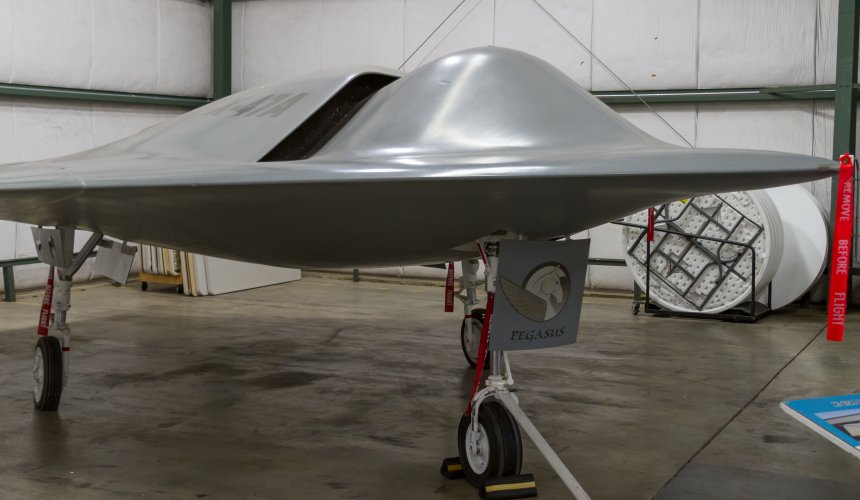
X-47A_Pegasus_Model_PRNAM.jpg Northrop LRS program.jpeg

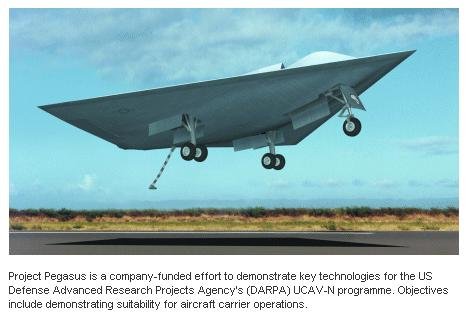
Northrops Project Pegasus flew in 2003. It was a program to make a manned carrier capable subsonic attack aircraft. Northrop flew a scaled model that had the upper intakes and a fake bubble canopy to simulate airflow.

That program shifted to the NG X-47B strike drone which first flew in 2011. No space for a bubble canopy in that design. That program ended around 2017 around the time the three full size manned demonstrators started construction.

We have a full size aircraft in the hanger video that looks like the Project Pegasus strike aircraft. Now the "Dorito" sighting.

UCAV.JPG
 
Remember that carrier compatibility means dual nose wheels. So turning the nosewheel flat won't help much.
Agh. Forgot about that you're right.
I mean, we've already figured that this is a ~95-100klb MTOW airframe counting external ordnance, normal TOW of ~80k with standard combat load.
I thought current catapults still maxed at 80k. Does EMALs shoot higher weights?
 
Back
Top Bottom