Reddington777
ACCESS: Top Secret
- Joined
- 23 March 2025
- Messages
- 830
- Reaction score
- 2,746
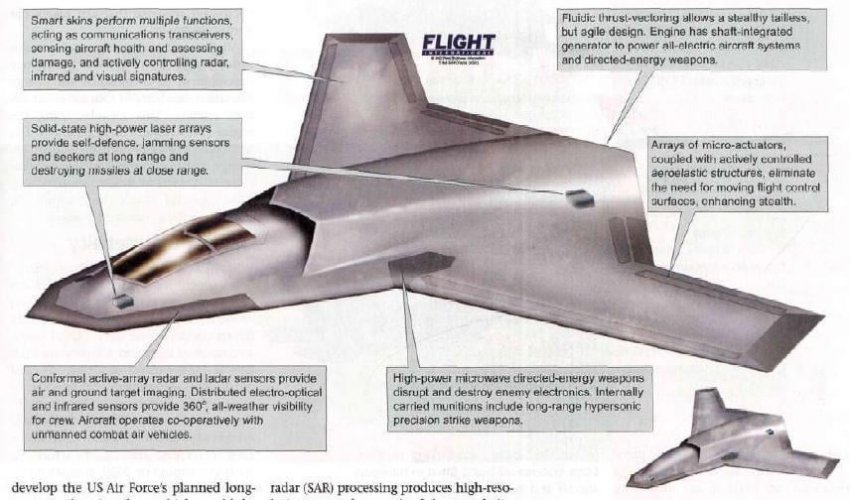
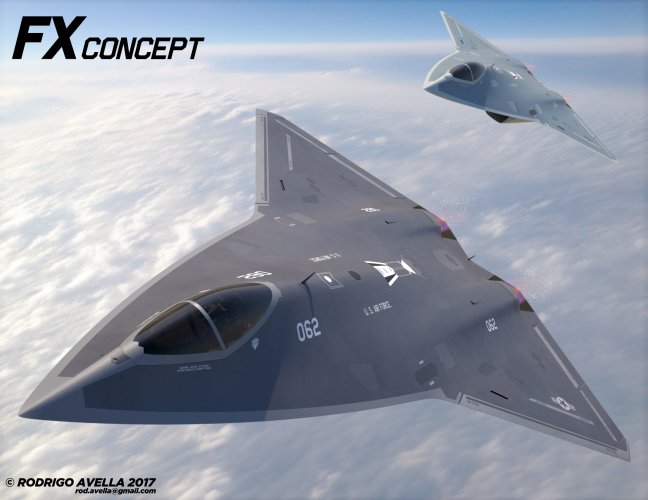
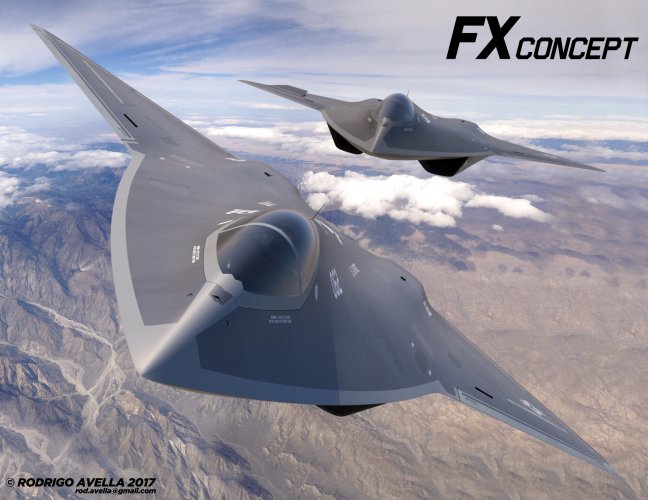
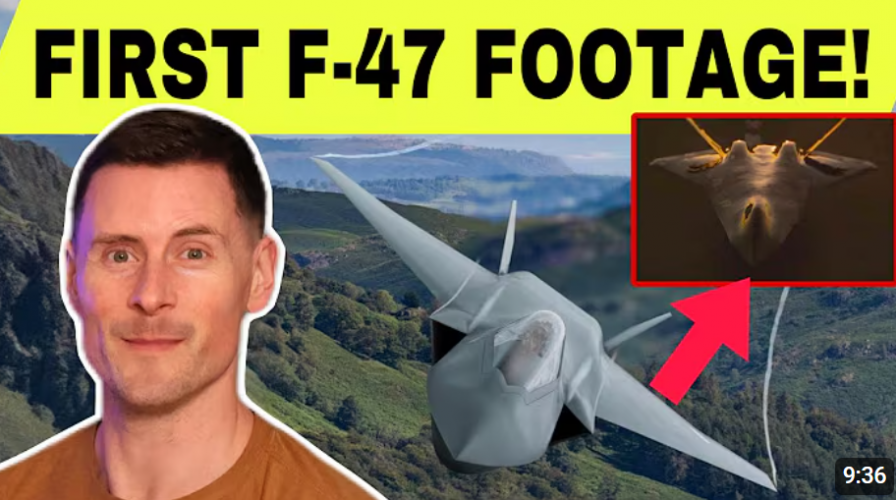
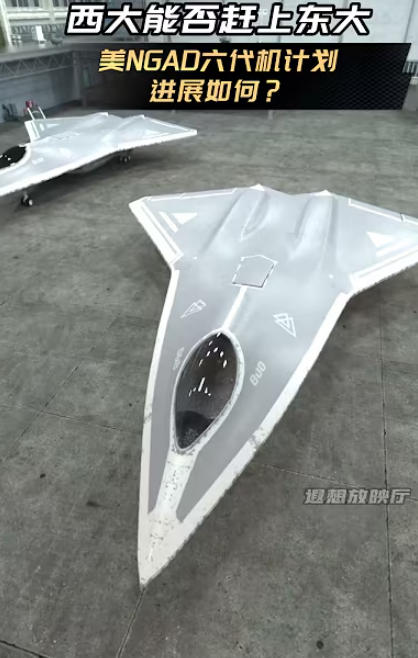
Disaggregation of mission equipment and capability had been part if it from the very start, but I'm not sure that it necessarily detracts from the capability / required capability of the PCA platform, though that also comes down to which capabilities, how much to offboard, and what the underlying operational contexts are. We should also consider that even though we now have more shooters, the enemy now has far more fieldable and threatening targets in the air - most of which will be unmanned.Given the recent progress with regards to CCA (YFQ-42, 44, 48... Inc 2 soon?), I wonder if disaggregation of capability and shifiting mission equipment to other platforms is indeed part of the concept, eventually to decrease cost of the main platform (F-47).
The PCA element relies on the rest of the NGAD framework to enable it to perform it's job, which is to penetrate and persist within enemy integrated air defenses, but conversely, it must remain there to enable the rest of the NGAD framework to deliver it's results and that requires a higher margin of survivability. The survivability requirement necessarily means you are at least looking at 5th gen fighter capabilities in some areas while in other areas exceed that - even if other elements already carry the capability. A number of these requirements actually exceed 5th gen baselines while others can get traded away.
What I think cannot be offloaded and why:
- Meaningful VLO technology. Even with distributed jamming and EM spectrum degradation, that only raises the noise/clutter floor, but to hide in it and remain hard to detect in coverage gaps (and especially against a highly sophisticated network like China's) the PCA element needs to lower it's signature from all aspects and useful wavelengths. That calls at the very minimum for 5th gen level of VLO treatment.
- Much higher processing capability. The PCA element acts more or less like the stand in forward air controller and needs to sythesize remotely detected tracks, as well as maintain contact and control of the airspace. Compounding this is the fact that the number of targets to track in a future war is going to be exponentially higher with the advent of so many different kinds of amassable drones.
- Onboard sensing at least as capable as 5th gen fighters, with additional off-axis apertures. The PCA element, if it does it's job right, would be spending most of its time within or possibly behind the vast numbers of static elements that forms the enemy's system of systems construct. Depending on how far you are from your own static supporting elements, you need much greater situational awareness just to not get suprised. I expect the PCA element to have an sizeable but not terribly revolutionary (1.5x) increase in main aperture size with more capable/numerous than 5th gen fighters, but that just how much increase could be arguable
- Power, cooling and range requirements, of which NGAP forms the centerpiece in terms of capability and cost
- Possibly exclude additional sensing capabilities beyond the 5th gen baseline. Not necessarily in aperture size per se, but in aperture count. PCA still needs competetive targeting and EW functionality from the main array, plus baseline survivability functionality in distributed apertures, but beyond that, off axis apertures could maybe be offloaded to CCAs. Personally, I find this to be antithetical to what I understood about the PCA concept and the environment the US wants the F-47 to operate in, but that's because it's a tactical / operational problem that obviously I'm not privy to. Historically, meaningful side looking apertures have been the first thing to get axed when the cost savings man comes around. Whether the new operational complexities have changed that remains to be seen but even in released concept art, the US seems like it just doesn't think a dedicated cheek array is actually that meaningful.
- Some amount of weapon complement reduction. Even with a generous 8 AAMs in a PCA fighter, one has to wonder if that's a meaningful complement given the sheer number of targets that requires engagement. You certainly can't ever have enough to shoot at everything you'd like to shoot at (onboard) so what difference does 2 or 4 more AAMs make? More than 8 AAMs isn't possible. Retaining 6 AAMs should be good enough. 4 AAMs is possibly enough to enable escape if caught in a disadvantageous A2A engagement and for taking high pK shots at high value targets (which should be the only thing the PCA is shooting at).
- Additional EW equipment. That's already been offloaded (or was never planned to be included) and has no business going back onto a 6th gen fighter. That's not to say that the F-47 isn't going to be doing any EW, but it'll just be done through is main array / distributed apertures and not any dedicated EW jammers or what not.
Last edited: