I find such instances especially annoying when media pulls someone out of the left field, calls them an expert and when one looks closer said "expert" was just a regular service member or even less. Now, someone who served on the practical side of things and then went into the engineering side of things as well, that's someone who has valuable insights into design, construction and operation of a given system.
Honestly, even people who appear to have respectable credentials may not be experts on the topic at hand.

Most notably, you'll often see articles penned by former senior officers from the NAVSEA program office--and the fact is, there are staggeringly few real engineers in the program office... people who know exactly how things work and the challenges engineering faces on the deckplate. They're really just program managers or--if they want to sound more impressive--"system engineers." (Which frankly I do not consider a legitimate engineering discipline.)

In my experience, the more topics anyone holds a strong opinion about... the less they know about any of those individual topics. I do not trust any engineer if I've never heard them say "I don't know."

I for one see little reason to doubt the DPRKs ability to construct such a vessel.
Returning to the topic after my little rant, I don't know enough about their industry to hazard a guess on whether or not this is within their capabilities--but with the friends they have and the assistance they can call in I don't see any reason to believe they couldn't build this.

A lot of people believed the "weirdness" of the image meant it was AI but like I said--it really looks so unusual just because it's so dressed up in primer. It makes it virtually impossible to guess how mature this build is--there were assumptions that because she's hull-complete that all the internals must be finished... but hell, for all we know it's still largely empty and they just pulled the sections together and painted over the seams.
 
There was an underwater launch of a SLBM some years ago, one of the Pukguksong missiles. So likely that or a variant thereof will arm the new SSBN.

What do you thing will be next on their wishlist @EmoBirb ?
 
What do you thing will be next on their wishlist?
The last remaining piece they need to achieve a nuclear triad, some form of potent air launched cruise or ballistic missile with a nuclear warhead, carried by an aircraft which has at least some chances of getting into the air in a potential conflict. Which at this point disqualifies their entire air force. A Su-34ME would have to be the bare minimum with a domestic missile akin to the French ASMP-A or the Russian Kinzhal. Now, they lack any aircraft or missile that are suitable for this role. And a full on strategic bomber seems not reasonable as of now, unless China is suddenly off loading some of their older H-6s, which I simply don't see happening.

But I wouldn't be surprised if the DPRK will pursue a full nuclear triad. It ensures unparalleled security for any country. A sort of security many of the nuclear nations do not enjoy.
 
Just a quick thought about these "experts" we have discussed about, think about car drivers, a lot of people drive cars but how many are familiar with the intricacies of car design/mechanics and so on? Far far fewer. Same with some of these "experts" boasting about having served in the air force or navy etc., they might have been competent enough doing their "bit" but hardly knowledgeable on the intricacies of their ships or planes, let alone about a completely foreign design.
 
Just a quick thought about these "experts" we have discussed about, think about car drivers, a lot of people drive cars but how many are familiar with the intricacies of car design/mechanics and so on? Far far fewer. Same with some of these "experts" boasting about having served in the air force or navy etc., they might have been competent enough doing their "bit" but hardly knowledgeable on the intricacies of their ships or planes, let alone about a completely foreign design.
Honestly, that's exactly the example I generally use. Even an F1 driver--easily among the most competent drivers in the world--doesn't know how to build that car. They have a general understanding of how every element of the car works but doesn't necessarily understand all of the challenging engineering problems that arise in integrating every subsystem on that car.

Even the team principal (comparable to a submarine commanding officer) understands everyone's responsibilities and has a greater understanding of the challenges everyone faces but that doesn't mean he knows how to do their jobs. He can neither drive the car *nor* build the car.
 
The last remaining piece they need to achieve a nuclear triad, some form of potent air launched cruise or ballistic missile with a nuclear warhead, carried by an aircraft which has at least some chances of getting into the air in a potential conflict.
They seems to be more interested in strategic-range land-based cruise missiles, though.
 
I'm far from an expert, but something like Polaris seems very much within the DPRK's capabilities given what they've previously demonstrated.

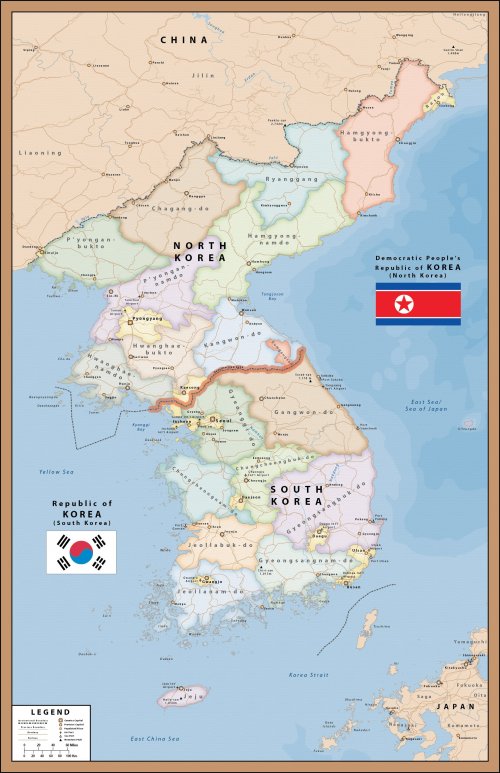
My biggest question would be where they'd do deterrent patrols (assuming they do that, I don't think there's a good spot for a bastion area for them like the Barents was for the USSR). I guess they could use the Yellow Sea --> East China Sea assuming cooperation with China, but that area is pretty shallow.
 
I'm far from an expert, but something like Polaris seems very much within the DPRK's capabilities given what they've previously demonstrated.

My biggest question would be where they'd do deterrent patrols (assuming they do that, I don't think there's a good spot for a bastion area for them like the Barents was for the USSR). I guess they could use the Yellow Sea --> East China Sea assuming cooperation with China, but that area is pretty shallow.
The Yellow Sea seems like the most obvious choice, alternatively on the other side of the peninsula close to Wŏnsan would also be an option that could be suitable to monitor the waters and if necessary launch ASW and anti-ship efforts if the submarines are in danger.

But a lot depends on where the submarine will ultimately be stationed, and consequently supplied and maintained. It's built at Sinpo at the east side of the country, no? I'm unsure how willing they are to move the Sub into the Yellow Sea, along the ROK coastline and between South Korea and Japan through the Korean Strait

north_korea_physical_map.gif
north-and-south-korea-map.jpg
 
Some info a Russian arms ship that sank in 2024 including the line

The cause of the Ursa Major's sinking appears to be kinetic. The shipowner told media that there were three explosions and a 20-inch hole in the shell plating, and the captain confirmed that the hole's ragged edges were bent inwards. This is consistent with an explosion on the outside of the hull.


The special cargo aboard the Russian arms ship that went down off Cartagena last year was not what its crew initially reported, according to Spanish outlet La Verdad. The blue-tarped objects on the vessel's stern were likely naval reactor components, unfueled and potentially headed for North Korea, national authorities determined.

Image


In December 2024, Ursa Major was under way in an eastbound convoy through the Strait of Gibraltar, a trip she had made many times before. The vessel was well-known to shipwatchers as a Russian arms ship, and many suggested that she was on another "Syria Express" run to the Russian base at Tartus.

On December 21, Spanish maritime SAR authorities noticed that the vessel was making unusual course changes. On the 22nd, Ursa Major veered to port and slowed to bare steerageway, then drifted. A distress call came at last on the 23rd, and Spanish authorities dispatched search and rescue units. On arrival, they found that the ship was listing, two engineering crewmembers were missing, the engine room was shut tight, and the survivors were ready to abandon ship. 14 surviving crewmembers were evacuated to shore, and the vessel went down soon after.

The circumstances of the vessel's sudden sinking were suspicious, and the maritime captaincy began asking questions. Ursa Major's master, Capt. Igor Vladimirovich Anisimov, initially told investigators that the cargo consisted of more than 100 empty containers, two giant crawler cranes on deck, and two large components for a Russian icebreaker project (the tarped objects located near the stern). All this was headed to Vladivostok, he said.

The two "icebreaker components" were shipped as deck cargo and were visible to spotting planes during the ship's earlier transit (top). Based on aerial surveillance, they were each approximately 20-25 feet square, including any crating material, dunnage and tarping.

Spanish authorities estimated their weight at about 65 tonnes each, suggesting unusual density. La Verdad reports that after the master was pressed on the matter, he asked for time to think, then told investigators that the items were "manhole covers."

Documents seen by La Verdad show that Spanish investigators identified the cargo as a pair of casings for nuclear-submarine reactors - specifically, for a pair of Soviet-era VM-4SG reactors. This model was the final iteration of the VM-series, the naval reactors that powered Russia's nuclear ballistic missile sub fleet through the Cold War. The VM-4SG variant was installed aboard the Delta IV-class submarine, and is still in active service aboard half a dozen of these ballistic missile subs in the Russian Navy.

Public audiences have more access to information about the VM-4SG than they do about most naval reactors. Virtually every parameter and component of a naval reactor is secret: knowledge of its design could help an opponent to target the sub, or to improve their own equipment. Luckily, in 2023 Russia's defense ministry shared rare footage of the inside of a 4M-4SG reactor compartment on a Delta IV, including a detailed video exploration of the control rod system and the visible top of the "lid," which is bolted to the top of the barrel-shaped containment vessel.

The lid of this reactor is about three feet thick, and it is made of solid steel to protect the sub's crew from ionizing radiation, propulsion division commander Andrei Leonov told the Russian Ministry of Defense's TV Zvezda channel. This thickness suggests exceptional weight, in line with the suspected mass of the Ursa Major's cargo.

As for the destination, Spanish authorities speculated that the reactor parts may have been destined for the North Korean nuclear submarine program, which just launched its first ballistic-missile sub. Multiple analysts have suggested that the newbuild North Korean vessel likely benefited from Russian technical assistance for its reactor design, and could potentially have incorporated a fully built Russian reactor. Russia owes North Korea a special debt for vast transfers of artillery shells and other munitions, which have helped the Russian Army to reverse losses and begin gaining ground in Eastern Ukraine.

The cause of the Ursa Major's sinking appears to be kinetic. The shipowner told media that there were three explosions and a 20-inch hole in the shell plating, and the captain confirmed that the hole's ragged edges were bent inwards. This is consistent with an explosion on the outside of the hull.
 
That ship sank in December 2024. It's also worth remembering that the renewed friendship between Russia and North Korea began only a couple of years ago, but before building a submarine, you first have to design it and then manufacture or already have practically all the most important internal components, including the engine, which must be installed in the resistant hull before sealing/welding it. Therefore, the submarine recently unveiled by Kim Jong-un took much longer than two or three years.
So, if by chance that ship was carrying nuclear reactors suitable for submarines, perhaps they were intended for another submarine yet to be built.
In conclusion, if they want confirmation of this "news," the Spanish, or NATO allies, will have to recover the ship or its cargo; otherwise, it remains just one of the many hypotheses that appear on the web every week.
 
In conclusion, if they want confirmation of this "news," the Spanish, or NATO allies, will have to recover the ship or its cargo; otherwise, it remains just one of the many hypotheses that appear on the web every week.

I won't be surprised at all if the Spanish navy sent out a ship to inspect the wreck using an ROV or two.
 
Also, just to say that imo westerners probably forget that asian people are probably the most intelligent as far as IQ goes, koreans being consistently near the top. DPRK is of course made of koreans. If you couple this with the general obsession of communism with technology (they always dreamed tractors and combines and factories and steel works and all this stuff) you can bet DPRK probably has some of the best scientific minds. Their limitation is indeed lack of access to resources which the west have been trying for decades to block DPRK from, but even so the demonstrated military and other advances of DPRK shows their true potential.
Starvation-level rations means that any possibly-more-intelligent person gets stuck with stunted growth in both height and IQ. Regardless of ethnic group or culture.

The average Nork is still at least 4" shorter than their South Korean and Chinese neighbors.


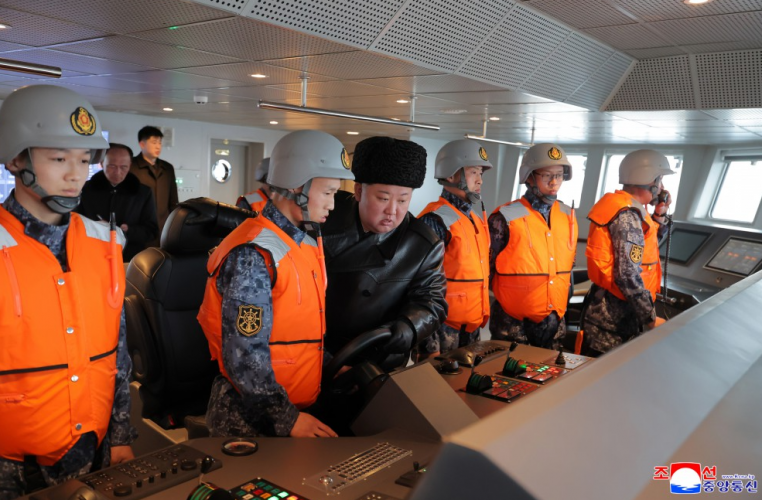
3 more images, one of which shows Kim Jong Un probably observing weapons systems for the submarine. You can see what appears to be the rear part of a torpedo + the green cylindrical one that I can't figure out what it could be.
View attachment 796390
I'm suspecting a naval mine by co-location with torpedo.


The last remaining piece they need to achieve a nuclear triad, some form of potent air launched cruise or ballistic missile with a nuclear warhead, carried by an aircraft which has at least some chances of getting into the air in a potential conflict. Which at this point disqualifies their entire air force. A Su-34ME would have to be the bare minimum with a domestic missile akin to the French ASMP-A or the Russian Kinzhal. Now, they lack any aircraft or missile that are suitable for this role. And a full on strategic bomber seems not reasonable as of now, unless China is suddenly off loading some of their older H-6s, which I simply don't see happening.

But I wouldn't be surprised if the DPRK will pursue a full nuclear triad. It ensures unparalleled security for any country. A sort of security many of the nuclear nations do not enjoy.
I doubt it. I'd suspect a ground-launched cruise missile instead. Bombers or Su34/MiG31Ks would be highly expensive to develop.
 
Tom Shugart said:
Might be just be the low resolution, but the hull looks awfully bare for a real submarine - I don't see seawater system intakes or discharges, main ballast tank grates, etc. (shrug emoji)

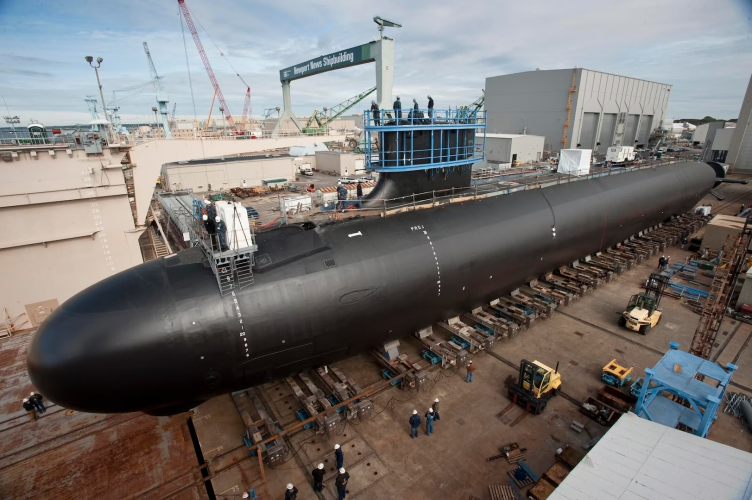
While it's a rather unique looking boat, this is a rather less than logical comment. MBT vents/inlet grates would be near the centerline top and bottom for instance - areas not visible at all in the pictures. There is some evidence of hull openings on the sides aft, and while there's other penetrations I would expect on a functional boat, they could very easily be in the out of sight area along the bottom of the hull, under the turtleback topside or only on the other side of the boat. Or are covered and painted over for whatever reason.

There is pretty much nothing about the boat's state of completion capability, etc. that can be determined from these pictures. She could very easily be only lacking a final coat of paint, or could be nothing but a shell. Or even just a fancy mockup. Anyone thinking they can draw significant conclusions from has a badly misinformed sense of their own ability.

See for instance this picture of a Virginia. How many hull openings can you see?

1767062975785.png

Most notably, you'll often see articles penned by former senior officers from the NAVSEA program office--and the fact is, there are staggeringly few real engineers in the program office... people who know exactly how things work and the challenges engineering faces on the deckplate. They're really just program managers or--if they want to sound more impressive--"system engineers." (Which frankly I do not consider a legitimate engineering discipline.)

Somewhat off topic, but your habit of crapping on NAVSEA is a touch excessive, and frankly rather disconnected from reality. I woln't disagree that not all decisions are optimal, but there's no shortage of real engineers, and the vast majority are solid people trying to do good things to support the fleet. You may have had bad experiences, but recognize that there's just as many derogatory things the program office could say about contractor stupidity. That doesn't mean it's a valid perspective, nor is it valid that everyone in NAVSEA is worthless.
 
Last edited:
While it's a rather unique looking boat, this is a rather less than logical comment. MBT vents/inlet grates would be near the centerline top and bottom for instance - areas not visible at all in the pictures. There is some evidence of hull openings on the sides aft, and while there's other penetrations I would expect on a functional boat, they could very easily be in the out of sight area along the bottom of the hull, under the turtleback topside or only on the other side of the boat. Or are covered and painted over for whatever reason.
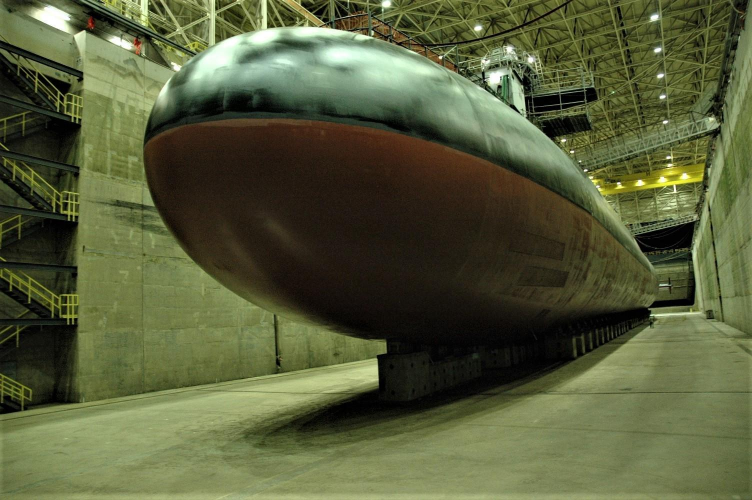
The MBT grates on an Ohio are visible from that angle.
 
While interesting, the issue I see with the story is that Russia could simply and far more covertly transport any components from their far east, through China, into North Korea by land.
China is unnecessary in this equation, as Russia and NK share border and have railroad connection:
 
I'm far from an expert, but something like Polaris seems very much within the DPRK's capabilities given what they've previously demonstrated.
I suspect they want intercontinental-range missiles on their boomers - so they could fire against US territory from the DPRK home waters, if pressed. Their leadership attitude toward strategic deterrence seems to be "we aren't rich enough to afford anything less than very best". I suspect that they would field their boomer with existing - medium-range - SLBM's, but with a goal to re-arm her on longer range ones as soon as possible. Therefore such long tubes.
 
The MBT grates on an Ohio are visible from that angle.

With the right angle, lighting, dock setting, etc. yes. Not always. That's also knowing exactly what to look for and where.

Also notable that the ballast tanks on a trident are likely a touch bigger, and the grate area on a US boat is driven by EMBT blow requirements - DPRK submarine design probably has different requirements, which could very easily mean less grate area.


1767103362788.png
 
I won't be surprised at all if the Spanish navy sent out a ship to inspect the wreck using an ROV or two.

Suchomimus has just put out a video about this sinking:


The M/V Ursa Major, a Russian-flagged and operated heavy-lift ship, part of Russia’s Shadow Fleet, which mysteriously sank December 2024 in the Western Mediterranean off the coast Cartagena, Spain, was possibly sunk by a torpedo and was carrying two VM-4SG Nuclear Pressurized Water Reactors (PWR) bound for North Korea, likely to be utilized for their new class of nuclear-powered submarines, Spanish authorities have told La Verdad.​

Yes, that would be a great research mission. Do you happen to know how deep the ship lies?
I imagine it's lying in several thousand feet of water.

It turns out from the above video it has sunk in 8,200ft of water.

IMO the Spanish navy needs to send suitable ROVs down to the wreck ASAP to investigate whether or not it was carrying two VM-4SG Nuclear Pressurized Water Reactor components.
 
With the right angle, lighting, dock setting, etc. yes. Not always. That's also knowing exactly what to look for and where.

Also notable that the ballast tanks on a trident are likely a touch bigger, and the grate area on a US boat is driven by EMBT blow requirements - DPRK submarine design probably has different requirements, which could very easily mean less grate area.


View attachment 796875
Excellent shot that shows both the offset between the torpedo tubes and the grate just below the lower tube is what I was talking about.
 
Suchomimus has just put out a video about this sinking:

Saw that and wondered whether he reads this message board as it wasn't too many days before the video that @PMN1 wrote his thorough post on the incident ...

(edit: even if he does, to his credit the video featured much additional information)
 
Last edited:

Surprised no-one's posted this here, the article has been up a week or so already.
 
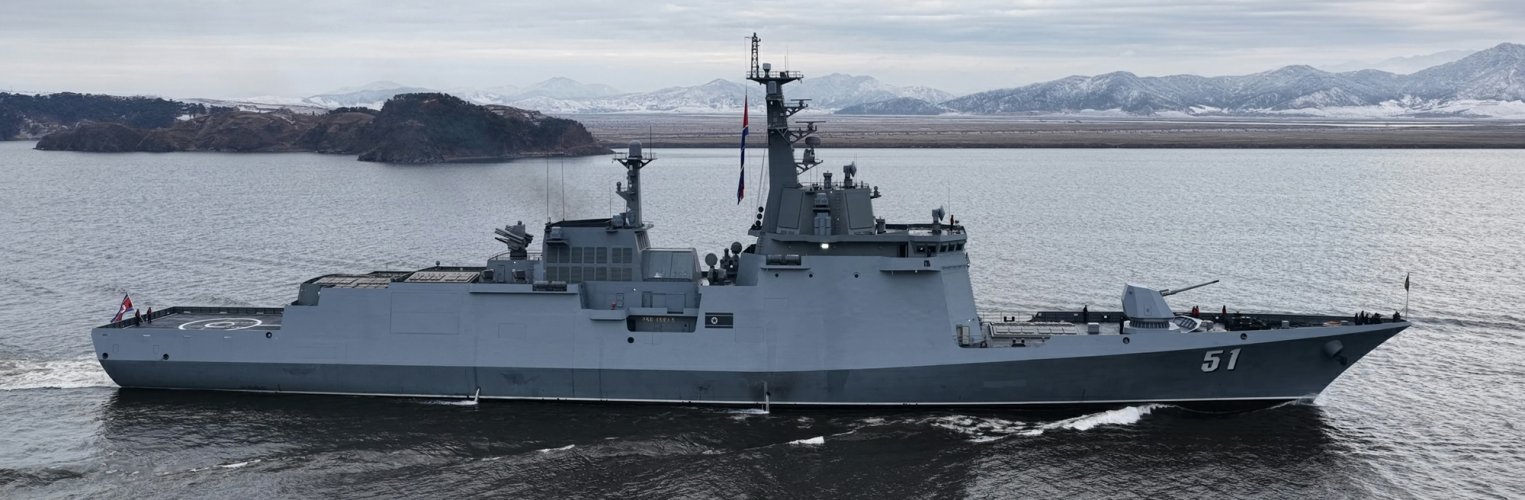
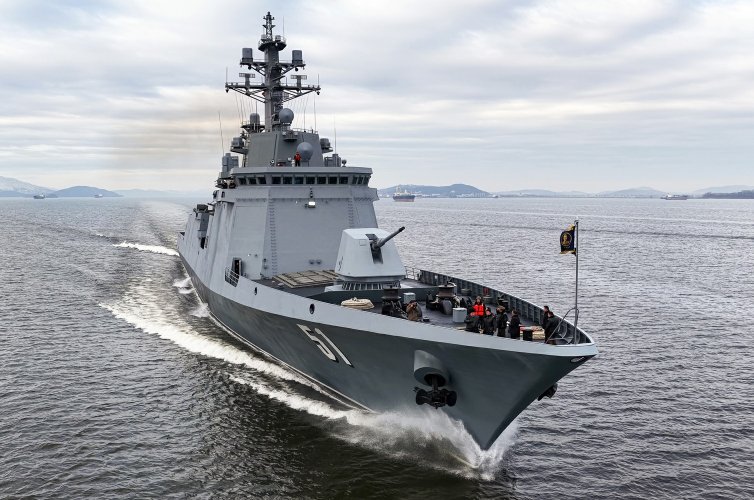
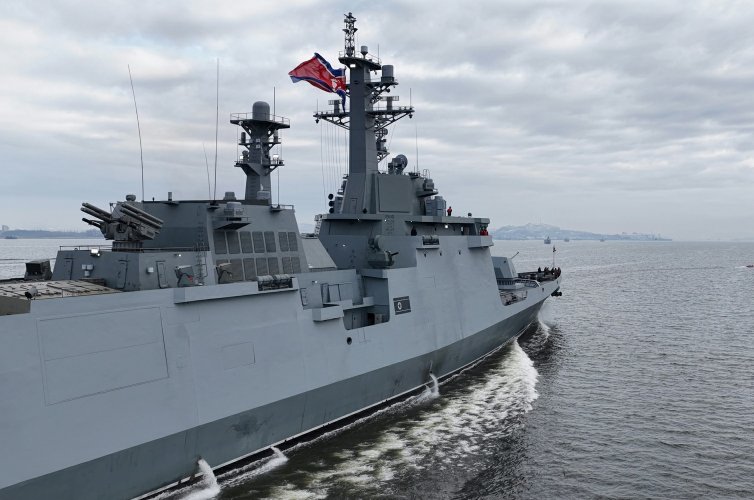
The South Korean company SI Analytics, which specializes in the analysis of satellite photographs, has produced another article highlighting that further work is underway on the first North Korean destroyer "Choi Hyon-51", and that system "Pantsir-like" is currently not present.

The First New Destroyer ‘CHOI HYUN’ update #3: Replacement with Domestic Weapons Systems ― Jan 8, 2026 – SI Analytics


si-analytics.ai
si-analytics.ai
But to understand whether the Pantsir will be reinstalled, we'll have to wait for new photographs, when the covers hiding the work done will be removed.
 
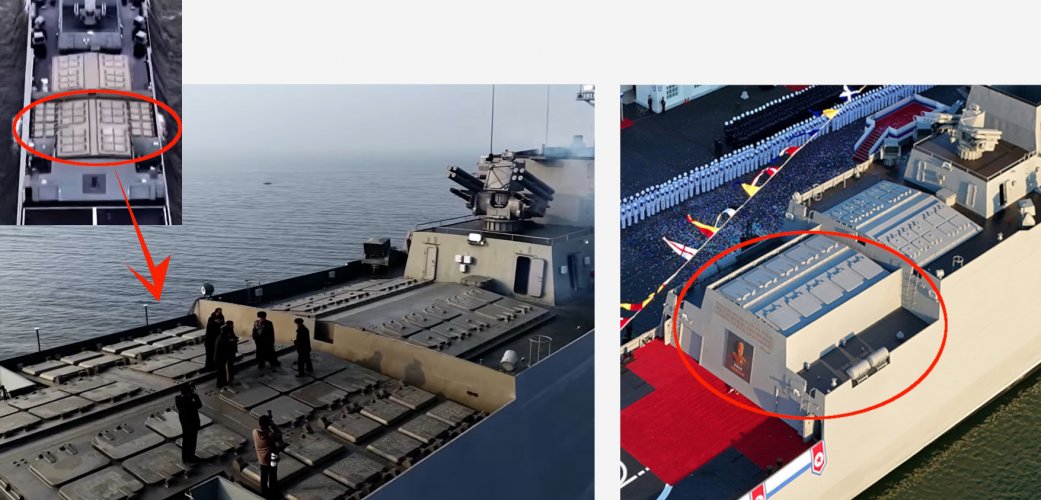
VLS towards the stern. Today, a further image from a video screenshot has emerged, confirming that changes have indeed been made.
I have created a collage, attached on the right, showing the configuration during the launch ceremony, in which the ship then carried out live-fire tests with its on-board systems,
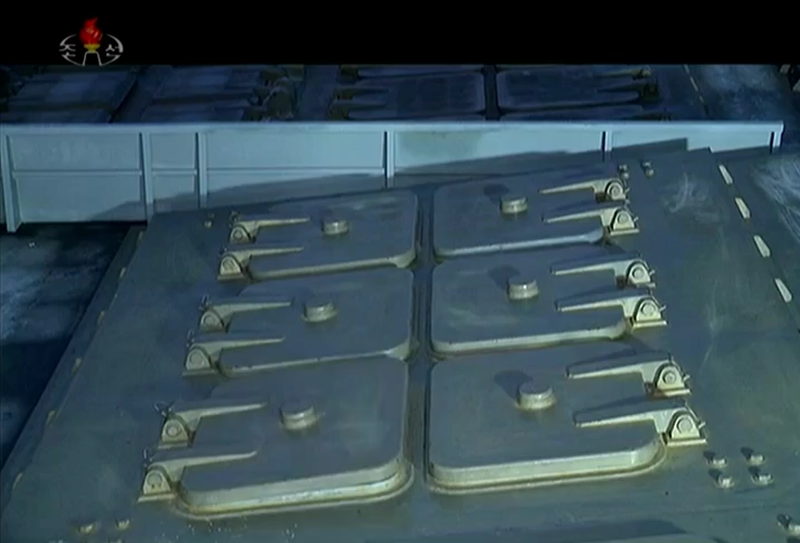
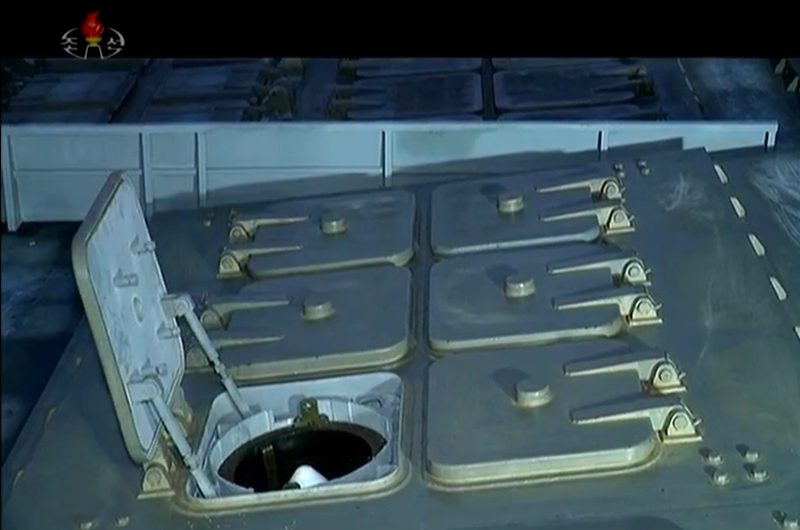
while on the left is yesterday's image, 4 March. As can be seen, in the position of the 10 large VLS, there are now 24 smaller ones (from which, presumably, the cruise missiles were launched yesterday).
In addition, 16 20 more VLS (8 + 8) ( 10 + 10 ) with smaller cells have been installed on the sides, which could be intended for air defence.
To summarise the number of VLS at the stern of the ship:
Under the CIWS: 20 VLS, probably for air defence; cruise missiles
then: 24 VLS for cruise missiles ; ??
on the sides, 8+8 10+10 VLS, also for air defence, ?? but given the size of the cells, the CIWS: 20 VL
Just to put forward some hypotheses:
These destroyers, depending on the mission they are to carry out, are able to quickly change the type of missile and the corresponding vertical launch tube.
Or, after the first live-fire tests or evaluating the experiences of others, they may have concluded that it is operationally and strategically preferable to carry smaller but more numerous cruise missiles, while increasing the number of VLS dedicated to air defence missiles.
Destroyer 51.jpg
 
Last edited:
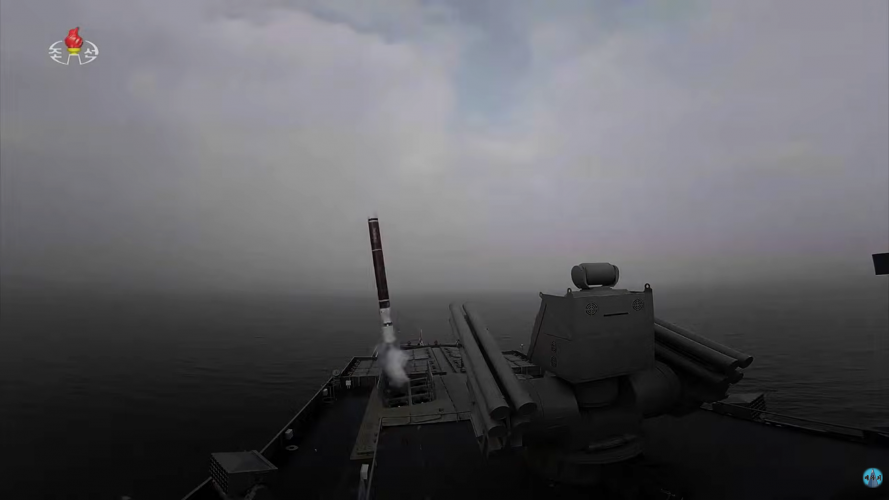
The video brought another surprise, at least for me.
I thought the 20 VLS under the aft CIWS were for air defense missiles, but apparently they launched cruise missiles from these.
So, which missiles will be launched by the 24 VLS
and which by the 10 VLS on the sides?
:p
Screenshot (2379).png
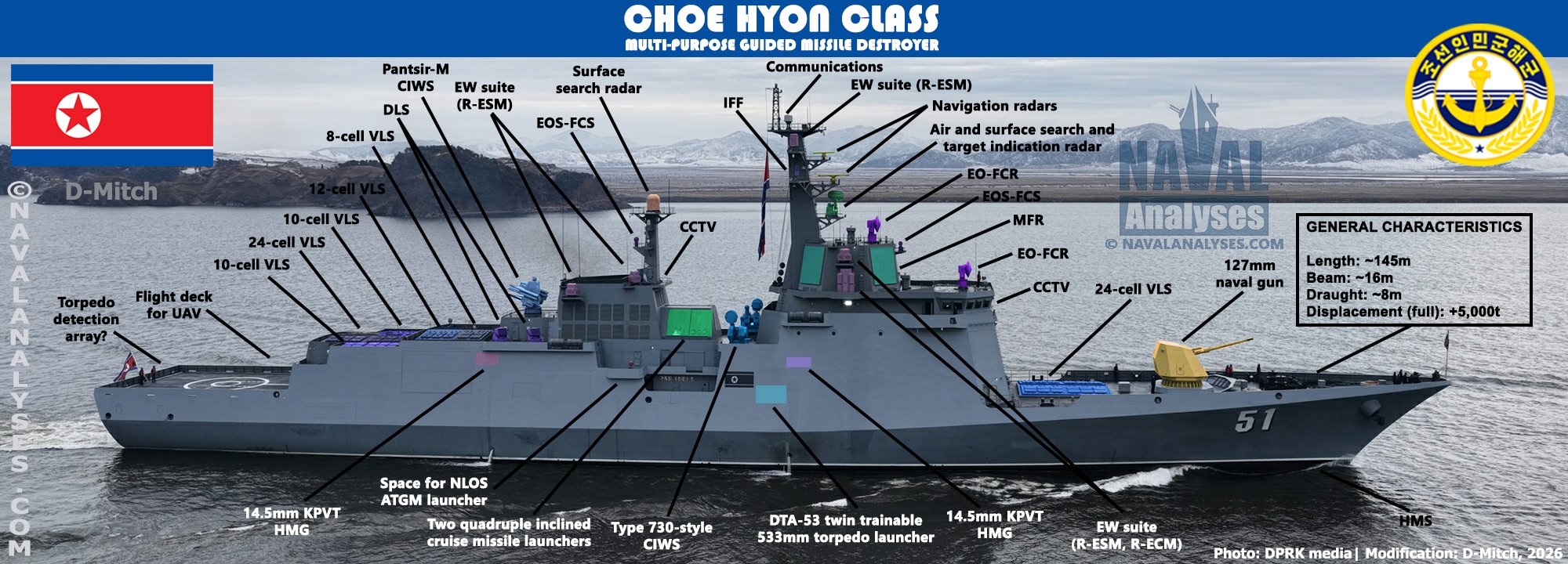
Therefore, the destroyer is equipped with a total of:
24 VLS at the bow of the ship
64 VLS at the stern of the ship
88 VLS in total
+ 4 inclined launchers hidden amidships in the superstructure in front of the engine exhaust stack
+ 8 ready-to-use short-range CIWS missiles similar to the Pantsir
 
Last edited:
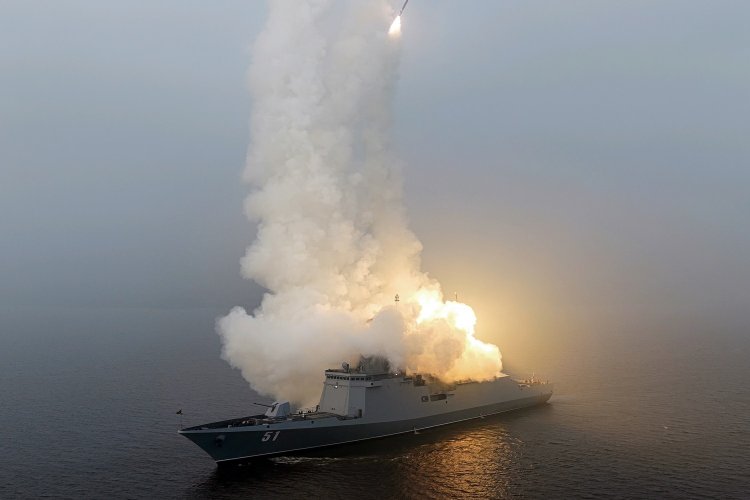
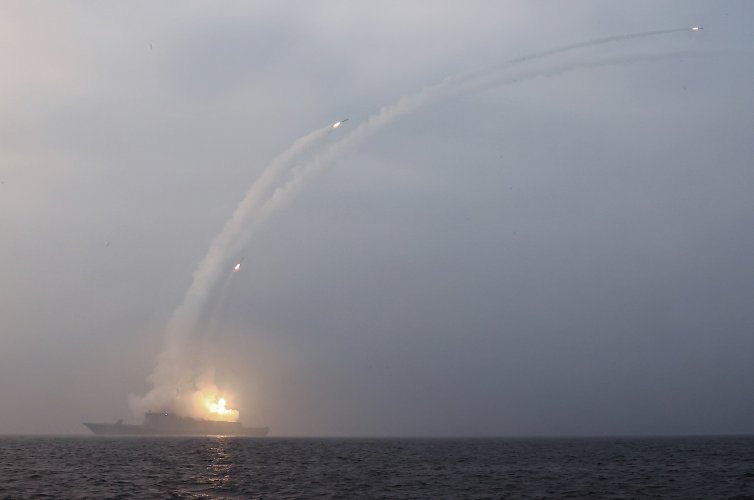
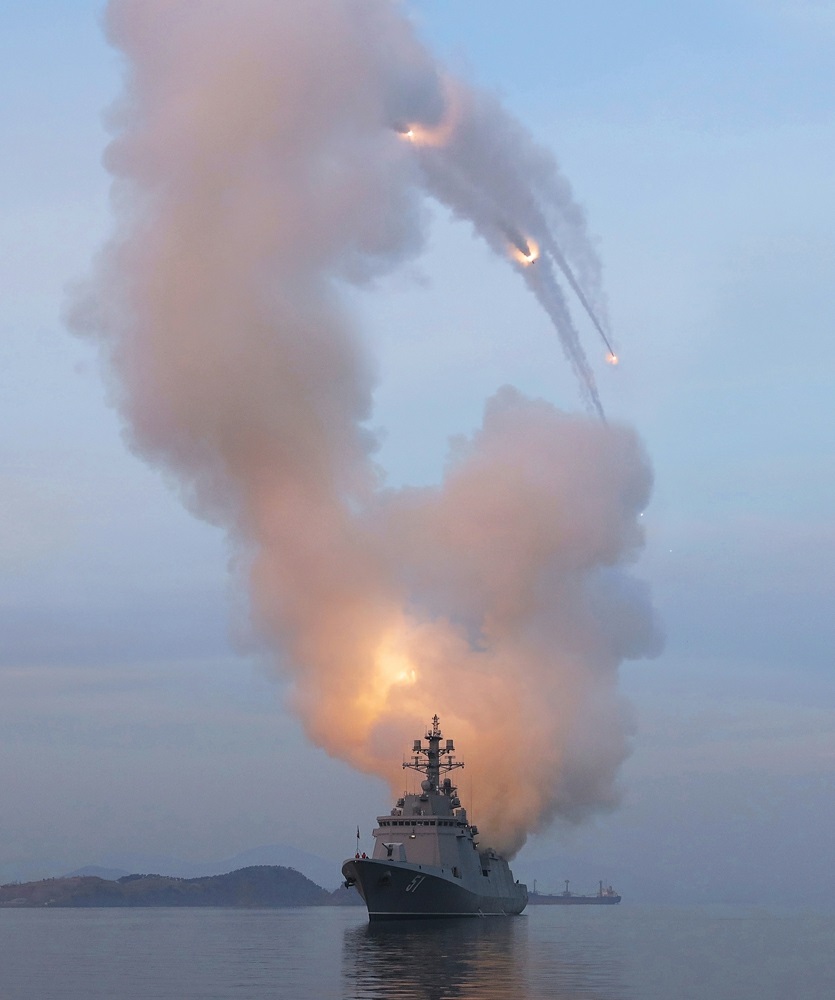
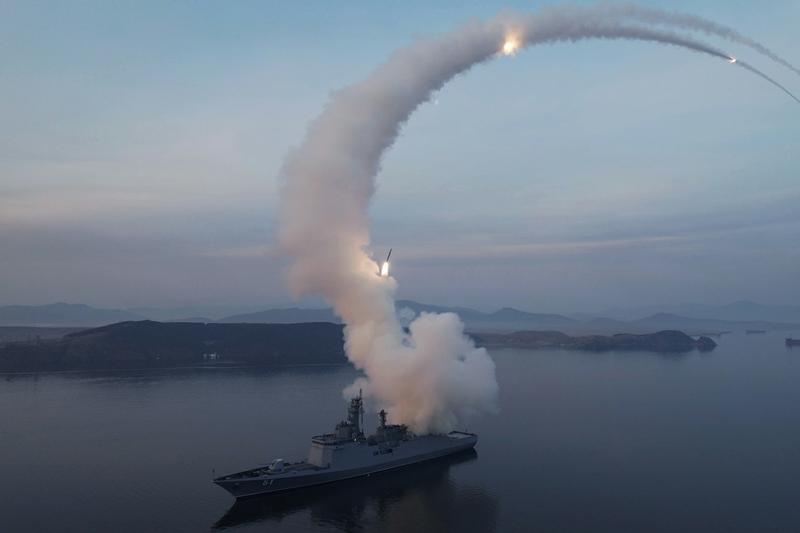
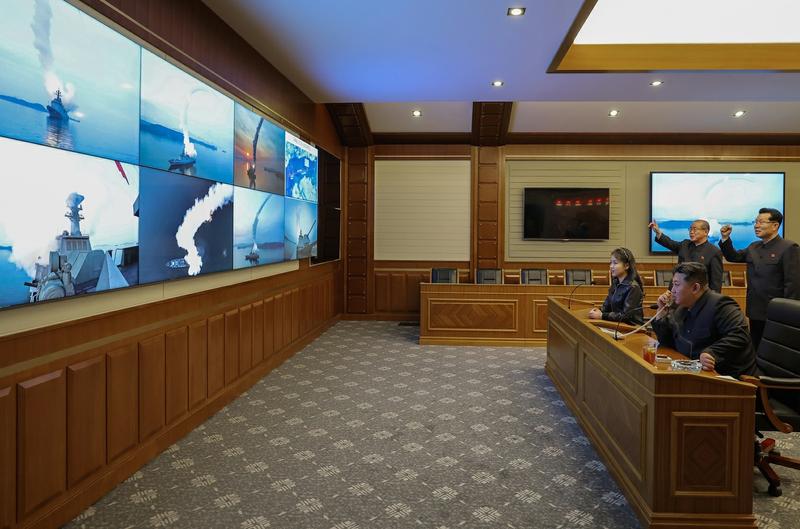
Amid the continued tests of operational efficiency of the Destroyer Choe Hyon of the Navy of the Korean People's Army, a strategic cruise missile test-fire was conducted again on March 10.
https://kcnawatch.org/newstream/177...ducts-test-fire-of-strategic-cruise-missiles/

This passage by Kim Jong-un is interesting:
<<Underlining the need to examine the military efficiency of the naval automatic gun installed on the warship in the light of our specific conditions, he expressed his view that it is more favorable to enhance the anti-warship and strategic attack capabilities, as required by operational features, by equipping high-speed warships of below 3 000 tonnage with such naval automatic guns and additionally installing supersonic weapon systems instead of those guns on the 5 000-tonnage, 8 000-tonnage destroyers in the future.
He gave an instruction on examining the plan of organizing such Korean-style weapon system and applying it to the warships to be built, including the third destroyer under constructio
n.>>

It is not easy to guess what Kim Jong-un means by removing the automatic cannon from the next destroyer under construction, but since he then states that it is better to install it on 3,000-tonne naval units, this leads me to assume that he is referring to a system similar to the Pantsir. which will be replaced by additional VLS, we will probably also see a different configuration and size of all the current VLS at the stern.
But the most interesting thing he revealed is that there will be a class of 3,000-tonne frigates and that the future class of large destroyers/cruisers will have a displacement of 8,000 tonnes.
Therefore, Kim Jong-un will have many surprises in store for us in the future and much for us to discuss. :cool:

11-12645551-1.jpg

1773193120409.png

11-12645551-2.jpg

11-12645551-3.jpg

11-12645551-4.jpg
 
The modernization of the People's Navy wasn't on my bingo card but it sure is a welcome surprise. Being able to operate together with Chinese and Russian naval assets in the pacific region, protecting it's coasts and being able to throw their weight around in the ocean as a nuclear power should are all positive developments for the DPRK.

This, paired with the ongoing expansion of drones and missile forces, is a winning strategy when it comes to deterring hostile actors.
 
But the most interesting thing he revealed is that there will be a class of 3,000-tonne frigates and that the future class of large destroyers/cruisers will have a displacement of 8,000 tonnes.
Therefore, Kim Jong-un will have many surprises in store for us in the future and much for us to discuss. :cool:
She is pretty impressive, must admit!
 
These destroyers, depending on the mission they are to carry out, are able to quickly change the type of missile and the corresponding vertical launch tube.
Or, after the first live-fire tests or evaluating the experiences of others, they may have concluded that it is operationally and strategically preferable to carry smaller but more numerous cruise missiles, while increasing the number of VLS dedicated to air defence missiles.
It's also possible that some cells might hanlde both SAM and cruise missiles; maybe not truly universal, but adaptable.
 
It's also possible that some cells might hanlde both SAM and cruise missiles; maybe not truly universal, but adaptable.
Kim Jong-un and his engineers have surprised us many times, so it is certainly possible.
However, I would like to point out that this destroyer is the first of its kind in terms of size and potential combat capability, so it can be considered a prototype, a prototype whose different configurations are being tested, and the final results will then be applied to future naval units of this class.
Nevertheless, I believe that the VLS (Vertical Launch System) is incorporated into interchangeable modules that facilitate rapid replacement, allowing the North Korean Navy to vary the type of VLS and missiles installed depending on the mission assigned to the ship.
 
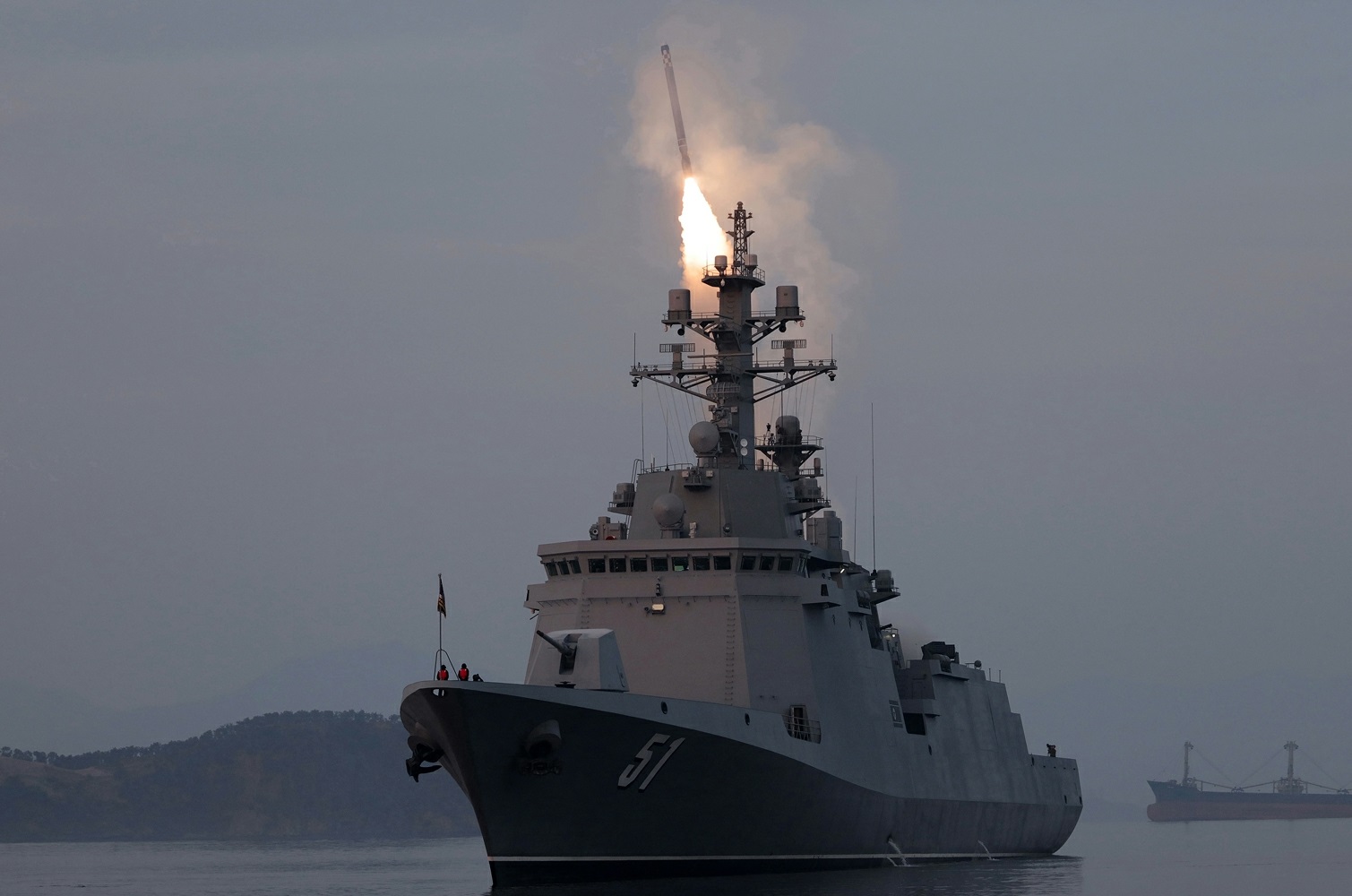
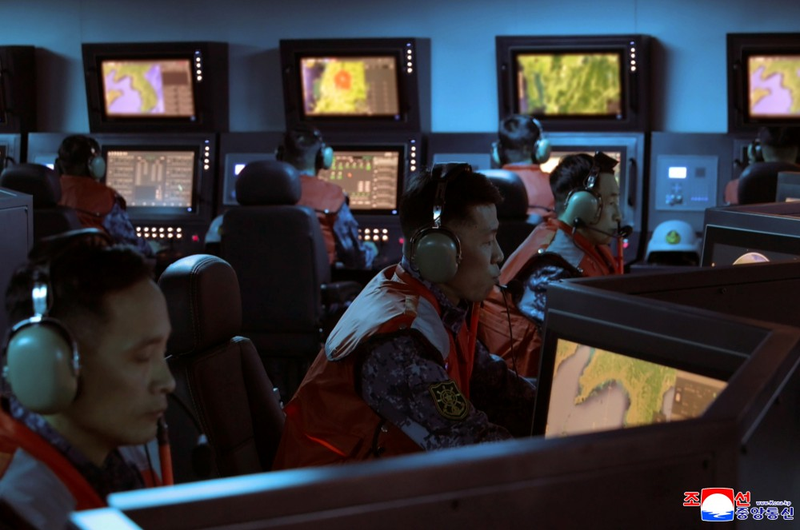
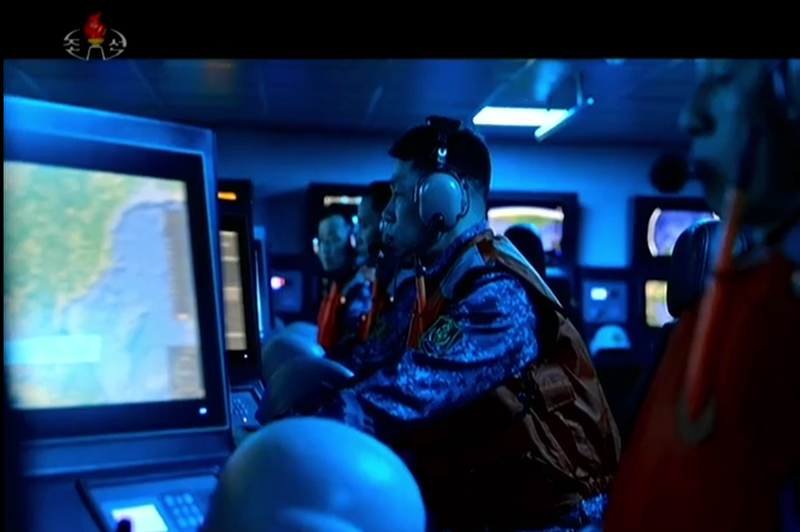
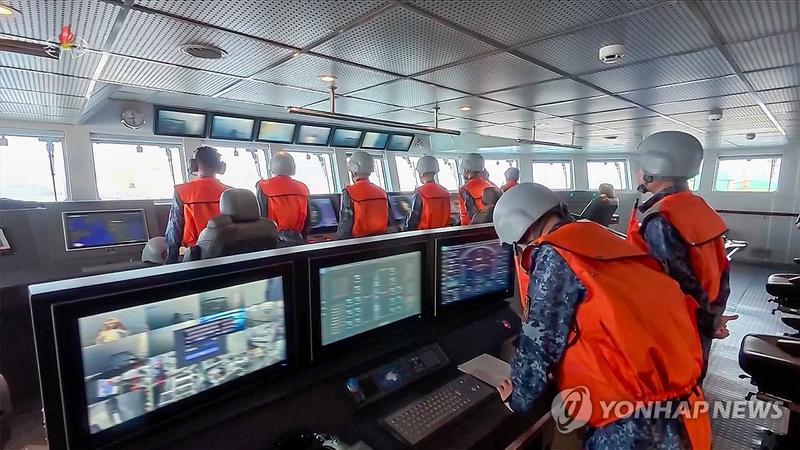
State TV KCNA's afternoon news bulletin shows the first 6 minutes and 40 seconds of yesterday's tests, March 10, by the destroyer Choe Hyon 51, with some new, previously unreleased frames and launch footage from other positions.

I attach some screenshots
Screenshot-(2416).png

Screenshot-(2423).png

Screenshot-(2420).png

Screenshot-(2421).png

Screenshot-(2422).png

and a photo from Yonhap agency
PYH2026031111980031500-P4.jpg
 
State TV KCNA's afternoon news bulletin shows the first 6 minutes and 40 seconds of yesterday's tests, March 10, by the destroyer Choe Hyon 51, with some new, previously unreleased frames and launch footage from other positions.
So it looks like Tomahawk-esque missiles are fired from medium-size cells with "central pimp" on hatch?

Nevertheless, I believe that the VLS (Vertical Launch System) is incorporated into interchangeable modules that facilitate rapid replacement, allowing the North Korean Navy to vary the type of VLS and missiles installed depending on the mission assigned to the ship.
Hm. So you are suggesting that VLS modules themselves are made for specific missile types, but slots for VLS modules are universal? Interesting idea!
 

Similar threads

Back
Top Bottom