graving dock and dry dock are the same.Economics. You'd need to either built what is essentially a large drydock, or find a drydock that's in condition to be usable and isn't in use or required for use. Not a whole lot of large docks around, and of those that are, the vast majority are in use. Further, a graving dock requires considerable maintenance of it's own accord, very likely more than the cost of drydocking a floating ship would be.

You are using an out of date browser. It may not display this or other websites correctly.
You should upgrade or use an alternative browser.
You should upgrade or use an alternative browser.
Kuznetsov: is this ship cursed?
- Thread starter Orionblamblam
- Start date
graving dock and dry dock are the sameEconomics. You'd need to either built what is essentially a large drydock, or find a drydock that's in condition to be usable and isn't in use or required for use. Not a whole lot of large docks around, and of those that are, the vast majority are in use. Further, a graving dock requires considerable maintenance of it's own accord, very likely more than the cost of drydocking a floating ship would be.
Given that the Russian navy appears to have written off the Kuznetsov I wonder if they'll try to make some money first (Since Russia desperately needs all the hard currency it can get) by offering it for sale to India or China?

EmoBirb
ACCESS: Top Secret
- Joined
- 18 January 2025
- Messages
- 2,694
- Reaction score
- 6,921
Given that the Russian navy appears to have written off the Kuznetsov I wonder if they'll try to make some money first (Since Russia desperately needs all the hard currency it can get) by offering it for sale to India or China?
China is building more capable, more modern carriers nowadays in-house. As for India, that probably depends on how much the price would be, the current state of the ship, how much would have to be replaced and if the Russians would sell the MiG-29Ks with the carrier. But I can't really see this either. I suspect that if Kuznetsov is truly done for, then it will either be broken up or, less likely, preserved as a museum ship, given it's status as the last CV of the USSR.
pathology_doc
ACCESS: Top Secret
- Joined
- 6 June 2008
- Messages
- 1,895
- Reaction score
- 2,116
The HMS Leviathan of the Russian Navy? Yes, I know she was completed and served; but given how long she's been dockside, I feel that the comparison is legitimate.End of the curse... The scrapyard awaits.
(For those who don't know, this Majestic-class carrier was laid down and launched during WW2, never completed, and scrapped in 1968. IIRC she's the one that the breakers leased back to the Navy for temporary accommodation, earned back their purchase price in rent, and then had her at full value for scrap. )
pathology_doc
ACCESS: Top Secret
- Joined
- 6 June 2008
- Messages
- 1,895
- Reaction score
- 2,116
Better-preserved museum ships have gone to the breakers.either be broken up or, less likely, preserved as a museum ship

- Joined
- 16 April 2008
- Messages
- 10,588
- Reaction score
- 18,127
China is building more capable, more modern carriers nowadays in-house. As for India, that probably depends on how much the price would be, the current state of the ship, how much would have to be replaced and if the Russians would sell the MiG-29Ks with the carrier. But I can't really see this either. I suspect that if Kuznetsov is truly done for, then it will either be broken up or, less likely, preserved as a museum ship, given it's status as the last CV of the USSR.
India has already built a more modern and effective carrier themselves, with the new Vikrant commissioning in 2022. And possibly a sister or larger development eventually to replace their current ex-Soviet carrier.
Ironically, I suspect Russia's best chance of getting a replacement carrier would be to buy Shandong in a decade or so when China's fleet of proper CATOBAR carriers has built up a bit. (She's a modernized Kuznetsov anyway.) But for now they honestly can't spare the manpower or the cash.

Dilandu
I'm dissatisfied, which means, I exist.
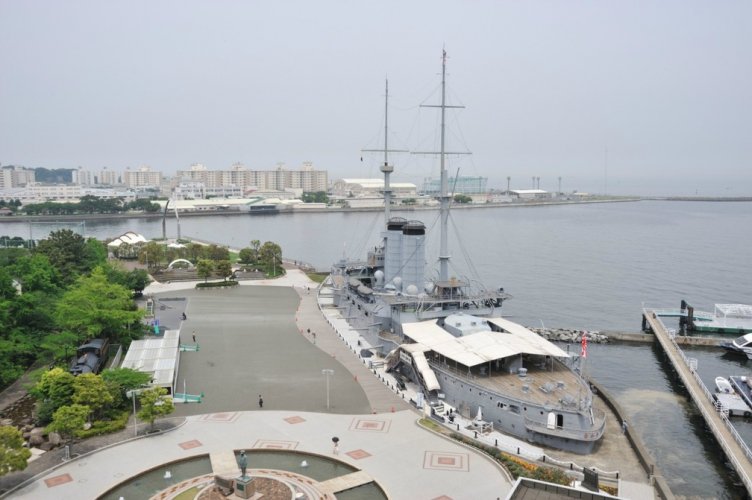
Then why is every large museum ship floating and not in dry berth.
EmoBirb
ACCESS: Top Secret
- Joined
- 18 January 2025
- Messages
- 2,694
- Reaction score
- 6,921
India has already built a more modern and effective carrier themselves, with the new Vikrant commissioning in 2022. And possibly a sister or larger development eventually to replace their current ex-Soviet carrier.
Ironically, I suspect Russia's best chance of getting a replacement carrier would be to buy Shandong in a decade or so when China's fleet of proper CATOBAR carriers has built up a bit. (She's a modernized Kuznetsov anyway.) But for now they honestly can't spare the manpower or the cash.
Mhh, the quality of everything Indian is dubious at best, regardless of what it says on paper.
As Russian carriers, Russians have no interest to buy such a ship abroad really. As it has no benefit for them. The benefit of a carrier is the creation of plenty of workplace and the building on institutional knowledge with regards to construction of large naval vessels. Something that isn't happening when such a ship is simply bought outright. Which is also why countries like France or the UK rather produce their own not-so impressive carriers rather than going to the US and looking for a way to grab an infinitely more capable Nimitz Class CVN (well, at least France has the CVN portion nailed down).
Furthermore, if Russia will ever construct/desire an aircraft carrier that's primarily intended to be used with manned fixed wing aircraft, they want something nuclear. Something the USSR was already working on and every proposal by the design bureaus since was a CVN. Shandong isn't nuclear, while a from-ground construction could be, after all they're still building plenty of surface ships with reactors to this day. While a drone carrier, being intended to be smaller and cheaper as an alternative would probably rely on conventional propulsion. I could see an evolution of the Ivan Rogov Class eventually maturing into that role, perhaps with one catapult (which would be an opportunity where Russia would be wise to consult their Chinese colleagues which are building experience with catapults on 076 and 003 flattops).
So there would be little benefit in that purchase with regards to economic opportunity on one hand, building a knowledge base and lastly it wouldn't deliver what they would want out of a new carrier, as it's in essence still just an evolution of the old soviet design.
Sure, it is mainly about size, but a combined turbine/boiler arrangement like in modern gas power plants would surly even smaller because about 60 % of the power comes direct from the gas turbines, so that the boilers need only 40 % of the size from a 100 % steam propulsion.The western term is pressure fired boilers. In the US originally developed for submarine use (as one of a number of projects initiated in the late 40's to support higher submarine speeds), and used in FF-1040 class ships. The main benefit is higher power density - important for high power in smaller hulls. Potentially some benefit in economy, but the main driver in US service was size.
Rather baffling that Soviet navy would choose it for a CV, since it's hard to see any need for power density, and the machinery is more expensive, complex and dangerous.
This is untrue for steel hulls, assuming dock and blocks are stable. It's true for wooden hulls, but steel doesn't work that way. Urban myth that I think derives from a few widely followed folks who don't actually know what they're talking about. Strength for docking is certainly an issue, but if the ship had the strength to dock, there's no inherent structural reason she can't stay indefinitely.
I totally agree to the steel hulls, if steel would creep like that, all steel bridges would hang down low in the middle and using steel screws would be impossible...
Last edited:
EmoBirb
ACCESS: Top Secret
- Joined
- 18 January 2025
- Messages
- 2,694
- Reaction score
- 6,921
Then why is every large museum ship floating and not in dry berth.
In the Netherlands they literally parked a submarine (S805) next to the museum...out of the water. To be fair, that may no fit your description of large, but it's not small either.


archipeppe
ACCESS: Top Secret
- Joined
- 18 October 2007
- Messages
- 2,556
- Reaction score
- 3,892
To be honest there's nothing basically wrong in the Project 1143.5 Kuznetsov Class, the proof is that the Chinese were able to get the Varjag and successfully turning it into the current Liaoning.
What's wrong are essentially two things:
- the powerplant
- the usual Russian poor manufactoring and maintenance standards
No curse only bad workmanship.
What's wrong are essentially two things:
- the powerplant
- the usual Russian poor manufactoring and maintenance standards
No curse only bad workmanship.
doesn't prove your point. It is not on blocks.
wrong. The analogy would be the bridge being supported on other than the primary supports.I totally agree to the steel hulls, if steel would creep like that, all steel bridges would hang down low in the middle and using steel screws would be impossible...
A large ship is not meant to be supported on blocks forever. There are induced and localized stresses that don't exist when floating.
archipeppe
ACCESS: Top Secret
- Joined
- 18 October 2007
- Messages
- 2,556
- Reaction score
- 3,892
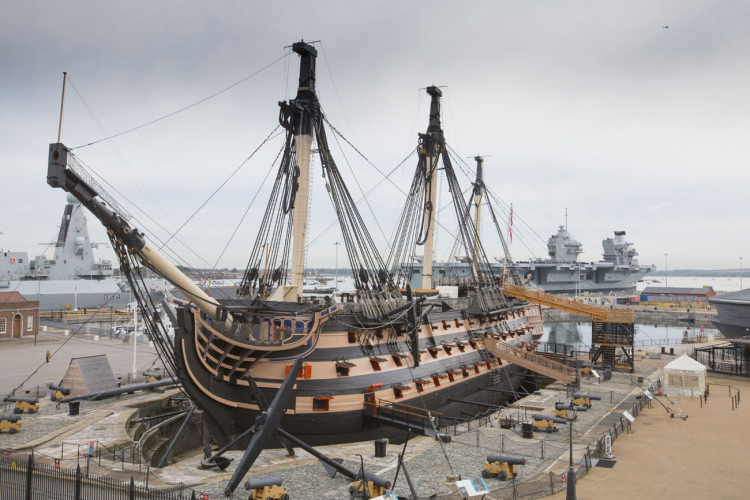
I really do agree.A large ship is not meant to be supported on blocks forever. There are induced and localized stresses that don't exist when floating.
Of course we are talking about steel ships, the wooden ones have other rules, the proof is the HMS Victory currently on the blocks.

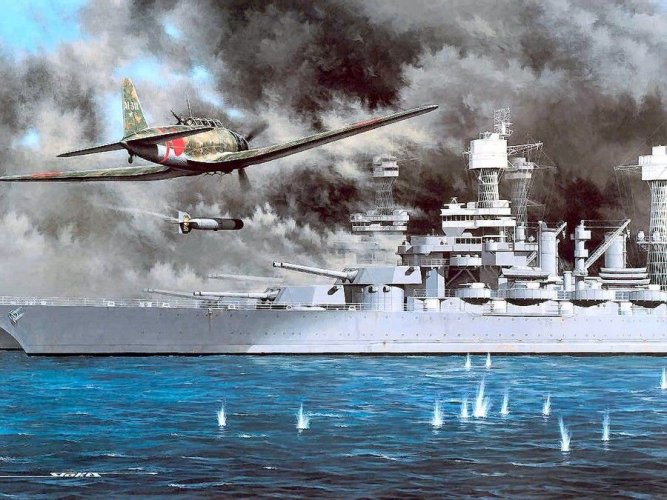
Supporters of battleships before World War II probably didn't think that these armored monsters would be destroyed by plywood and percale flyersnot true. You have no real data to support that claim. unsupported conjecture.
Attachments
The first and only Soviet aircraft carrier with horizontal takeoff and landing aircraft served faithfully for 26 years. It became the progenitor of an entire family of aircraft carriers. It is a ship of the Empire, and it is difficult for the Russian Federation, which has only 38% of the potential of the USSR, to maintain such a ship. However, it has managed to do so.
Given that the Russian navy appears to have written off the Kuznetsov I wonder if they'll try to make some money first (Since Russia desperately needs all the hard currency it can get) by offering it for sale to India or China?
Perhaps Brazil might want to have a go! (Lol)
(Putting Kuznetsov back in service would probably make Foch look like a walk in the park)
Yes, Billy Mitchell didSupporters of battleships before World War II probably didn't think that these armored monsters would be destroyed by plywood and percale flyers

Colonial-Marine
UAVs are now friend, drones are the real enemy.
- Joined
- 5 October 2009
- Messages
- 1,715
- Reaction score
- 1,820
In earlier photos of the ship, maybe taken when she was first commissioned back in the days of the USSR, or later during the 1990s was she still making so much black smoke when underway? I have to assume her machinery or the operation of it wasn't always in such a sorry state.
The first and only Soviet aircraft carrier with horizontal takeoff and landing aircraft served faithfully for 26 years. It became the progenitor of an entire family of aircraft carriers. It is a ship of the Empire, and it is difficult for the Russian Federation, which has only 38% of the potential of the USSR, to maintain such a ship. However, it has managed to do so.
You neglected to mention that the Russians stole it from the Ukrainian shipyard where it was built right after the Soviet Union collapsed.
There are two possibilities, the steel can carry those stresses or not, if it can, it will continue to do so until corrosion will change it one day, if not, it bends immediately and you can see how the ship will deform. Steel simply doesn't creep (not talking about very high temperatures).wrong. The analogy would be the bridge being supported on other than the primary supports.
A large ship is not meant to be supported on blocks forever. There are induced and localized stresses that don't exist when floating.
Steel only know stresses and no difference between supposed stresses and supposed stresses.
it is the type of fuelIn earlier photos of the ship, maybe taken when she was first commissioned back in the days of the USSR, or later during the 1990s was she still making so much black smoke when underway? I have to assume her machinery or the operation of it wasn't always in such a sorry state.
not trueThere are two possibilities, the steel can carry those stresses or not, if it can, it will continue to do so until corrosion will change it one day, if not, it bends immediately and you can see how the ship will deform. Steel simply doesn't creep (not talking about very high temperatures).
Stress corrosion cracking and other stress related issues
I mentioned corrosion myself, but this is something which can be prevented. Stress alone doesn't bend steel over time, otherwise we would run in to serious trouble...
Just think about the valve springs of a car engine, even when the car is parked for decades, the engines usually run trouble free with the old valve springs. If one valve is fully opened during the parking, the spring will be constantly pre tensioned to the max. The stress in the valve spring can be as high as 1200 N/mm*mm without causing creeping.
Or think about screws, they can last for decades or longer with the same high pre tension.
Just think about the valve springs of a car engine, even when the car is parked for decades, the engines usually run trouble free with the old valve springs. If one valve is fully opened during the parking, the spring will be constantly pre tensioned to the max. The stress in the valve spring can be as high as 1200 N/mm*mm without causing creeping.
Or think about screws, they can last for decades or longer with the same high pre tension.
Dilandu
I'm dissatisfied, which means, I exist.
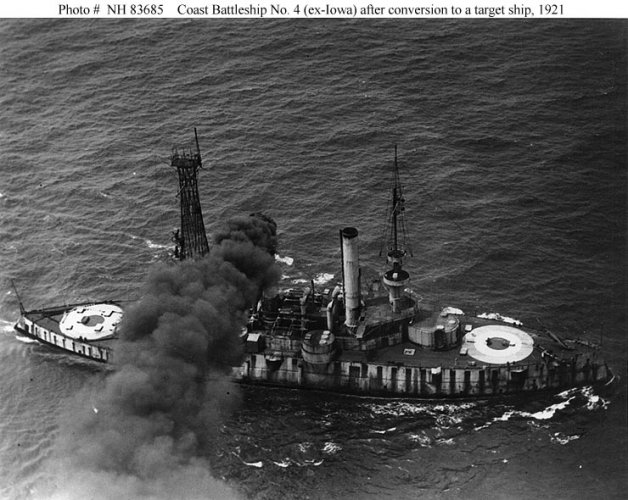
Doubtful. His insistence about aviation being more powerful than battleships was based not on any kind of practical consideration, but on burning ambition to create independent Air Force (with Mitchell in control). His tests were nothing more than a public farce; he pretended that air attacks on ships is some kind of revelation (all navy personnel were aware that aviation could sunk ships since at least 1915), he refused to use torpedoes (since Navy already have torpedo aircraft program running), and he avoided repeating his tests in any realistic conditions. When Navy later invited Mitchell to test his theories on maneuvering target - a radio-controlled target ship, former CB-4 "Iowa" - Mitchell avoided the participation under formal excuses. The Navy proceeded with testing, and soon realized why Mitchell run away; level bombing was absolutely useless against mobile warship.Yes, Billy Mitchell did
Scott Kenny
ACCESS: USAP
- Joined
- 15 May 2023
- Messages
- 19,533
- Reaction score
- 27,983
Same as the nuclear ships, really.Steam boilers are a cheap and effective means of ship power. But they require high-quality preparation of fresh water.
That seems like a particularly foolish decision, unless the Central Asian folks were used to using steam heat?In the Soviet Navy, personnel for the machine-boiler combat unit were traditionally recruited from Central Asia, this is one of the reasons for the failure of the boilers. On the destroyer where I served, by mistake, the fresh water tank was filled with seawater, after which the ship returned to the base at a speed of six knots and this was the end of its life.
Dilandu
I'm dissatisfied, which means, I exist.
Not exactly, it was likely a tradition since coal fuel days; Central Asian recruits were usually worst educated amongst available, so they were put on stocker duties.That seems like a particularly foolish decision, unless the Central Asian folks were used to using steam heat?
- Joined
- 5 May 2007
- Messages
- 2,016
- Reaction score
- 4,277
It wasn't claimed otherwise. You still need to either find one that's out of use and buy it, or build one, and in either case maintain it. Both are expensive.graving dock and dry dock are the same.
Technically you could put a museum ship in a floating dry dock, but you'd still have all the problems of being afloat, just on a different hull, plus the cost of obtaining the floating dry dock.
A badly-docked ship is going to have issues. But it'll have them quickly. The excessive stresses come from sueing loads during docking and undocking, and there are ways to minimise them if you're concerned about structural integrity. Once you're on the blocks in the proper location, the ship is not fundamentally different from a steel-framed building.A large ship is not meant to be supported on blocks forever. There are induced and localized stresses that don't exist when floating.
Yes, the stress distribution is different, but a steel ship is designed to withstand those stresses. It has to be - it has to sit on blocks for a reasonably extended period during docking periods for maintenance, and for that matter during construction. One that goes onto a properly designed docking arrangement can stay there pretty much indefinitely. In fact, what fails first is likely to be the timber cappers on the dock blocks - and there are ways to replace those.
Nice try at rewriting historyDoubtful. His insistence about aviation being more powerful than battleships was based not on any kind of practical consideration, but on burning ambition to create independent Air Force (with Mitchell in control). His tests were nothing more than a public farce; he pretended that air attacks on ships is some kind of revelation (all navy personnel were aware that aviation could sunk ships since at least 1915), he refused to use torpedoes (since Navy already have torpedo aircraft program running), and he avoided repeating his tests in any realistic conditions. When Navy later invited Mitchell to test his theories on maneuvering target - a radio-controlled target ship, former CB-4 "Iowa" - Mitchell avoided the participation under formal excuses. The Navy proceeded with testing, and soon realized why Mitchell run away; level bombing was absolutely useless against mobile warship.
Only for a few years and not decadesYes, the stress distribution is different, but a steel ship is designed to withstand those stresses. It has to be - it has to sit on blocks for a reasonably extended period during docking periods for maintenance, and for that matter during construction.
Dilandu
I'm dissatisfied, which means, I exist.
Rewriting what? That Mitchell "tests" were an utter farce that demonstrated nothing besides awing the public? That aviation used torpedoes since 1915, and USN already worked on torpedo bombers since roughly the same time? That level bombing is next thing to useless against maneuvering warships? It's facts, you know.Nice try at rewriting history

- Joined
- 6 November 2010
- Messages
- 6,351
- Reaction score
- 8,226
It all started with this.I note that I, and others, have contributed to drifting away from discussing Kuznetsov.
Then it started a life of its own.S.S. United States needed that set up—maybe it could have lasted longer?
Any seamounts it could rest upon as a base of some kind?
I know, I am a softie
Dry docks.
Billy Mitchell.
martinbayer
ACCESS: Above Top Secret
- Joined
- 6 January 2009
- Messages
- 5,062
- Reaction score
- 6,969
Huh???Steel only know stresses and no difference between supposed stresses and supposed stresses.
Scott Kenny
ACCESS: USAP
- Joined
- 15 May 2023
- Messages
- 19,533
- Reaction score
- 27,983
Okay, I follow that logic, but someone should have talked to the personnel assignment folks when stokers went away, and have the poorly-educated get assigned as basic deck seamen.Not exactly, it was likely a tradition since coal fuel days; Central Asian recruits were usually worst educated amongst available, so they were put on stocker duties.
forced-draft or pressure-fired boilers are not a place for the poorly-educated!
If steel can bear the stresses for years, it can do so for decades and centuries as well. In many cases, steel rivets and screws in steel bridges and sometimes even steel ships work for more than 100 years, despite being under a high strain.Only for a few years and not decades
In a drydock, you don't even have load fluctuations which eliminates any fatigue stresses.
Similar threads
-
-

-
Advanced Tactical Support Aircraft (ATSA) US Navy
- Started by dauby09
- Replies: 33
-
 Alternate post-WW2 RAN amphibious fleet
- Started by BlackBat242
- Replies: 8
-
