
You are using an out of date browser. It may not display this or other websites correctly.
You should upgrade or use an alternative browser.
You should upgrade or use an alternative browser.
Lippisch Projects P.12, 13 and 14
- Thread starter KJ_Lesnick
- Start date


Dagger
ACCESS: Secret
- Joined
- 24 December 2019
- Messages
- 399
- Reaction score
- 786
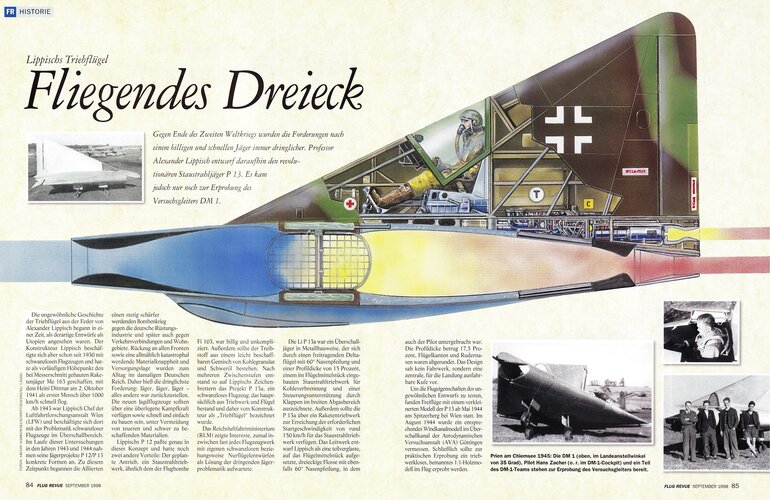
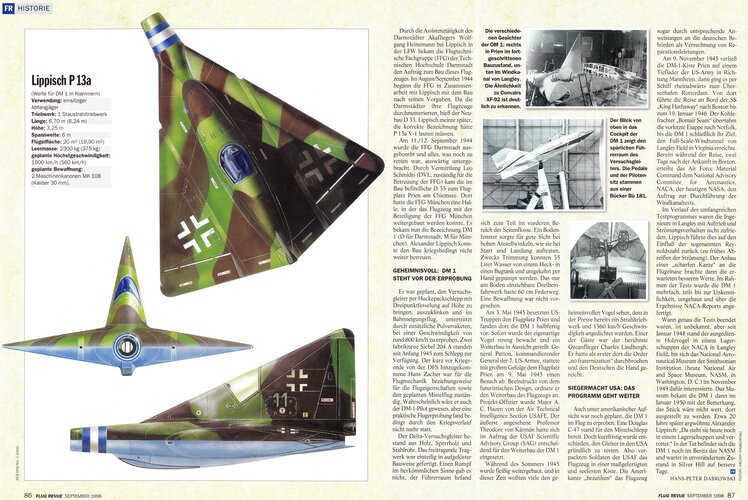
While clearing out old paper article that I forgot I had, I found one that seemed worth scanning and posting.
In another topic there has been some discussing years ago on a Lippisch P13 drawing that appeared in Lippisch book "Ein Dreieck Fliegt" as well as in Dabrowski's "Überschalljäger Lippisch P13a und Versuchsgleiter DM-1",
see https://www.secretprojects.co.uk/th...s-of-the-third-reich.25158/page-2#post-299147
but I think this is a more suitable topic to post the article, which has a similar but much clearer and detailed drawing that is moreover coloured. Even if it is not entirely correct, it looks great......
The article was written by Dabrowski and appeared in FlugRevue of September 1998:
In another topic there has been some discussing years ago on a Lippisch P13 drawing that appeared in Lippisch book "Ein Dreieck Fliegt" as well as in Dabrowski's "Überschalljäger Lippisch P13a und Versuchsgleiter DM-1",
see https://www.secretprojects.co.uk/th...s-of-the-third-reich.25158/page-2#post-299147
but I think this is a more suitable topic to post the article, which has a similar but much clearer and detailed drawing that is moreover coloured. Even if it is not entirely correct, it looks great......
The article was written by Dabrowski and appeared in FlugRevue of September 1998:
Attachments

klem
I really should change my personal text
- Joined
- 7 March 2015
- Messages
- 740
- Reaction score
- 1,752
Hi,Jemiba.Following the new posts today on this thread. I re-read everything that was posted before and that's when I saw that you were talking about the IOWA university film, I have it and you can clearly see the launch pad for the Lippisch models.Re: Lippisch P.12 and P.13 projects
IF not a fake (And that's really difficult to prove!), it's quite clearly not a real
aircraft, the canopy would be recognisable in the stills otherwise (Don't think,
they would have used such an aircraft for blind-flying training !). And the
landscape doesn't look suited very well for a real airfield, does it ? Could be
a model test by the Lippisch team of course, but be aware, that, instead of photo-
shopping such a film, it's much easier to build a flyable scale model and make a
b/w-film with it. Alexander Lippisch did a lot of aerodynamical research, but
after the war, Convair still had to do quite a lot of work, to make their deltas
supersonic. Would it have been necessary, if the "P.13a" already was a "ready-
to-use" supersonic fighter, as often is claimed today and in the title of that film ?
klem
I really should change my personal text
- Joined
- 7 March 2015
- Messages
- 740
- Reaction score
- 1,752

T. A. Gardner
ACCESS: Top Secret
- Joined
- 18 February 2021
- Messages
- 1,713
- Reaction score
- 3,083
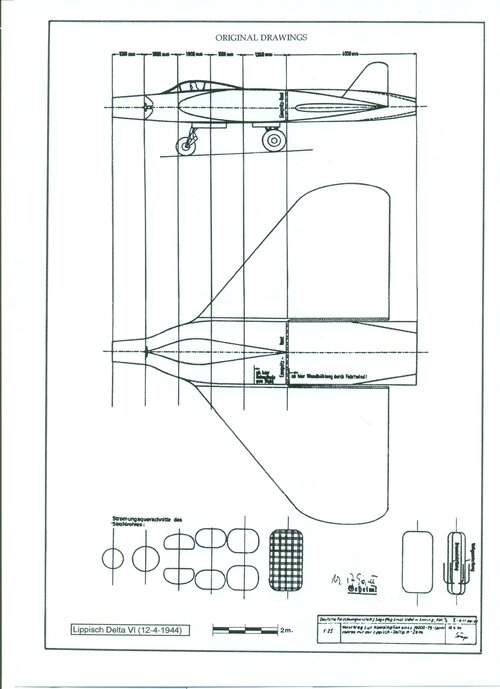
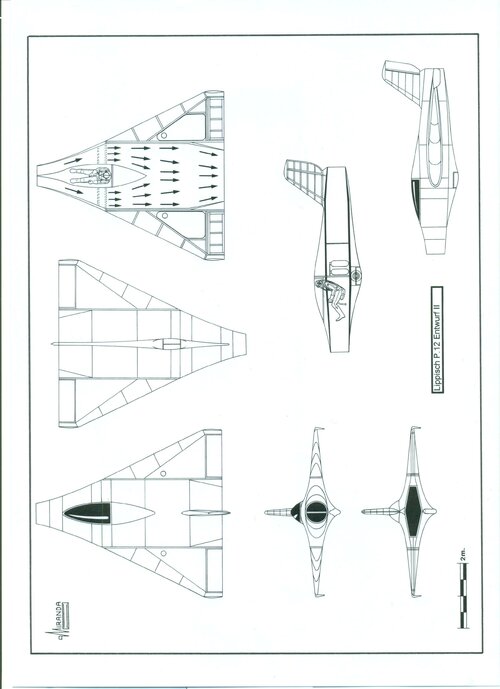
I've noticed one thing that has never been pointed out about the P 13 design. It is definitely a subsonic aircraft based on the engine. The ramjet proposed and shown in every drawing lacks a supersonic shock cone and inlet for the engine. It is highly unlikely that the P 13 could have gone sonic without losing engine power and likely would have lost power during transonic acceleration.
I don't think the Lorin ramjet design from which the P 13 gets its engine, would have worked at supersonic speeds in any case.
I don't think the Lorin ramjet design from which the P 13 gets its engine, would have worked at supersonic speeds in any case.
In the first designs there were such structures to cushion the shock in air intake, but later they were eliminated because they generated too much drag.I've noticed one thing that has never been pointed out about the P 13 design. It is definitely a subsonic aircraft based on the engine. The ramjet proposed and shown in every drawing lacks a supersonic shock cone and inlet for the engine. It is highly unlikely that the P 13 could have gone sonic without losing engine power and likely would have lost power during transonic acceleration.
I don't think the Lorin ramjet design from which the P 13 gets its engine, would have worked at supersonic speeds in any case.
Attachments

T. A. Gardner
ACCESS: Top Secret
- Joined
- 18 February 2021
- Messages
- 1,713
- Reaction score
- 3,083
Well, without them, the P 13 wasn't going to go sonic. I suspect that Lippisch simply didn't have enough data to design a true supersonic fighter plane. The designs you show simply show variations on a plain inlet that wouldn't work in the capacity for a supersonic ramjet.In the first designs there were such structures to cushion the shock in air intake, but later they were eliminated because they generated too much drag.
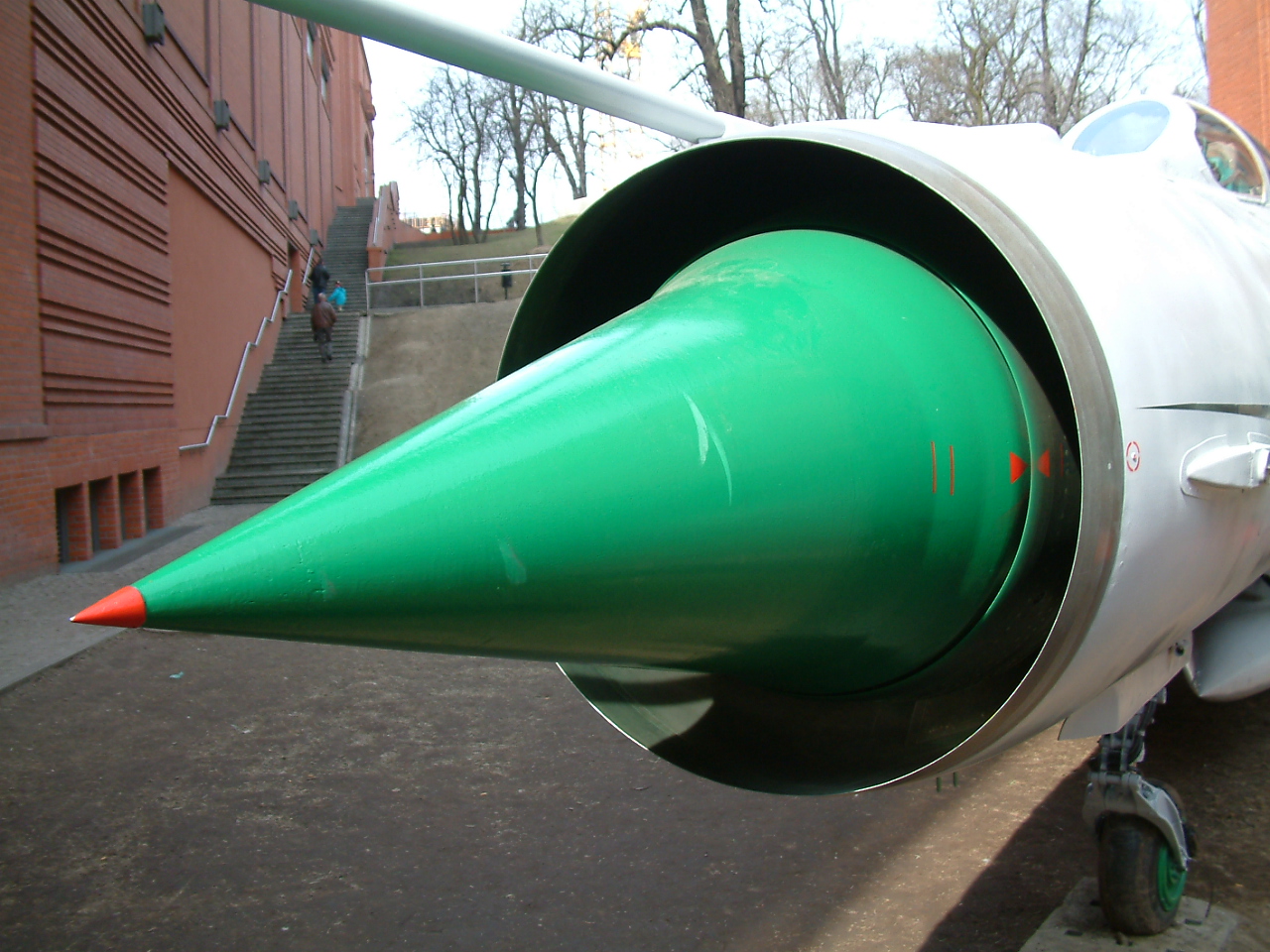
Inlet cone - Wikipedia
You need an inlet cone or ramp that is variable to allow for subsonic air to enter the inlet and supply the engine. Without that, the plane's engine stalls and flames out. Also, with ramjets of the early post war period that were supersonic they were limited to about a 4G maneuvering envelope to prevent flow disruption at the inlet.
This was a problem on many early jet and ramjet engine designs. The Me 262 suffered this on its maiden flight when both BMW 003's compressor stalled in a shallow turn, something BMW hadn't designed for because they didn't know about it at the time.
Last edited:
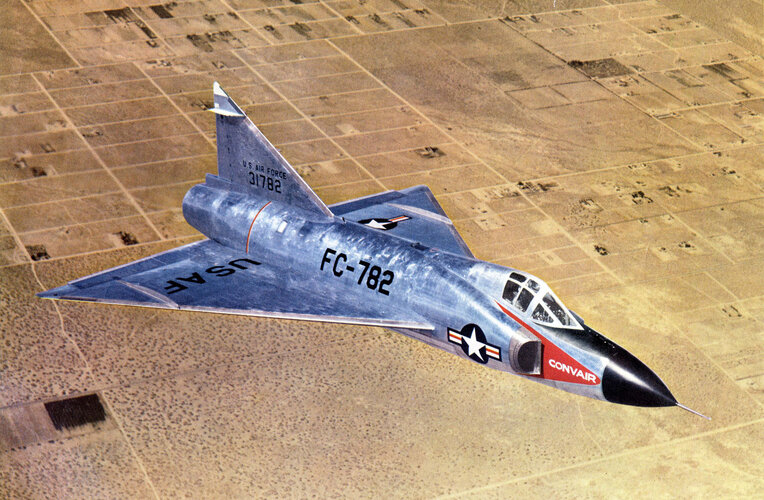
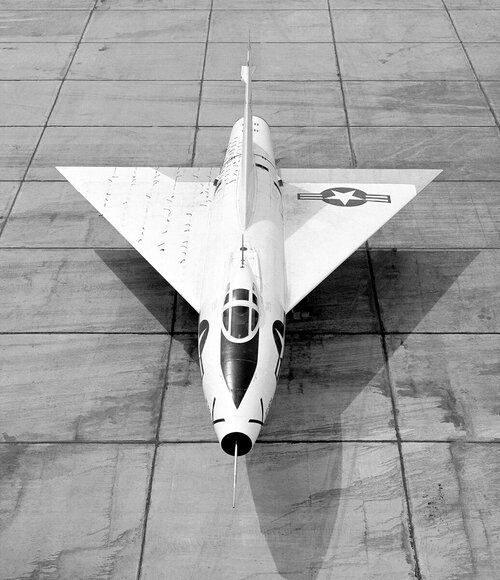
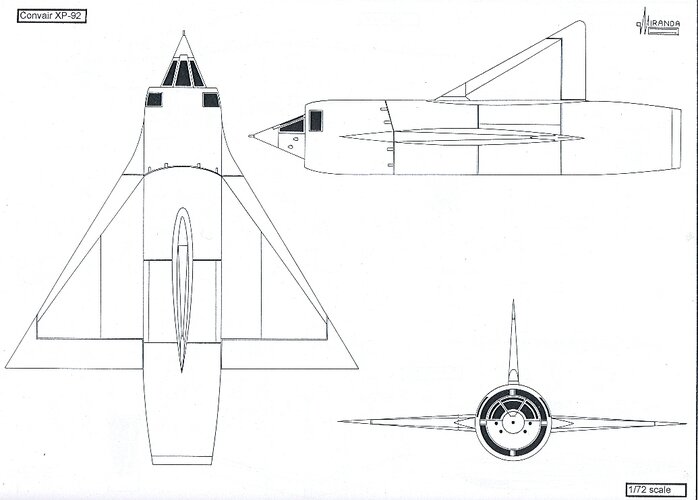
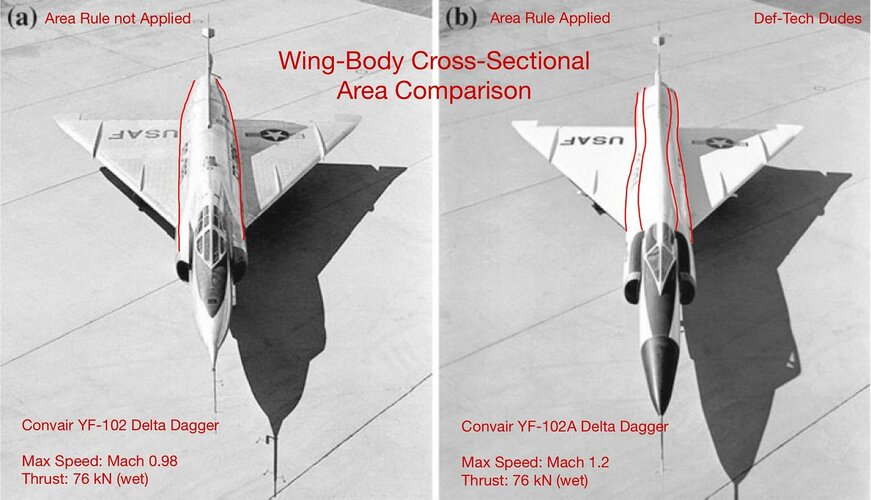
Most of Alexander Lippish's research was concentrated on obtaining a stable delta wing in all flight conditions. I don't think he was interested in the problems of transonic flight. The poor aerodynamic conception of the Convair XF-92 and YF-102 prototypes reveals its shortcomings.Well, without them, the P 13 wasn't going to go sonic. I suspect that Lippisch simply didn't have enough data to design a true supersonic fighter plane. The designs you show simply show variations on a plain inlet that wouldn't work in the capacity for a supersonic ramjet.
Inlet cone - Wikipedia
en.wikipedia.org
You need an inlet cone or ramp that is variable to allow for subsonic air to enter the inlet and supply the engine. Without that, the plane's engine stalls and flames out. Also, with ramjets of the early post war period that were supersonic they were limited to about a 4G maneuvering envelope to prevent flow disruption at the inlet.
This was a problem on many early jet and ramjet engine designs. The Me 262 suffered this on its maiden flight when both BMW 003's compressor stalled in a shallow turn, something BMW hadn't designed for because they didn't know about it at the time.
Attachments
CaseyKnight
I really should change my personal text
- Joined
- 25 July 2011
- Messages
- 108
- Reaction score
- 101
Impressive performance, a ramjet that can work as low as 200 mph and with a power/weight ratio for a 45˚ climb is quite impressive. Even if the plane had to accelerate a bit before increasing the climb angle to 45˚ is quite remarkable.Re: Lippisch P.13A unknown version
From "The ultimate flying wings of the Luftwaffe"
T. A. Gardner
ACCESS: Top Secret
- Joined
- 18 February 2021
- Messages
- 1,713
- Reaction score
- 3,083
That's a Lorin-type ramjet. These are subsonic in nature and more of an athodyd than a true ramjet.Impressive performance, a ramjet that can work as low as 200 mph and with a power/weight ratio for a 45˚ climb is quite impressive. Even if the plane had to accelerate a bit before increasing the climb angle to 45˚ is quite remarkable.
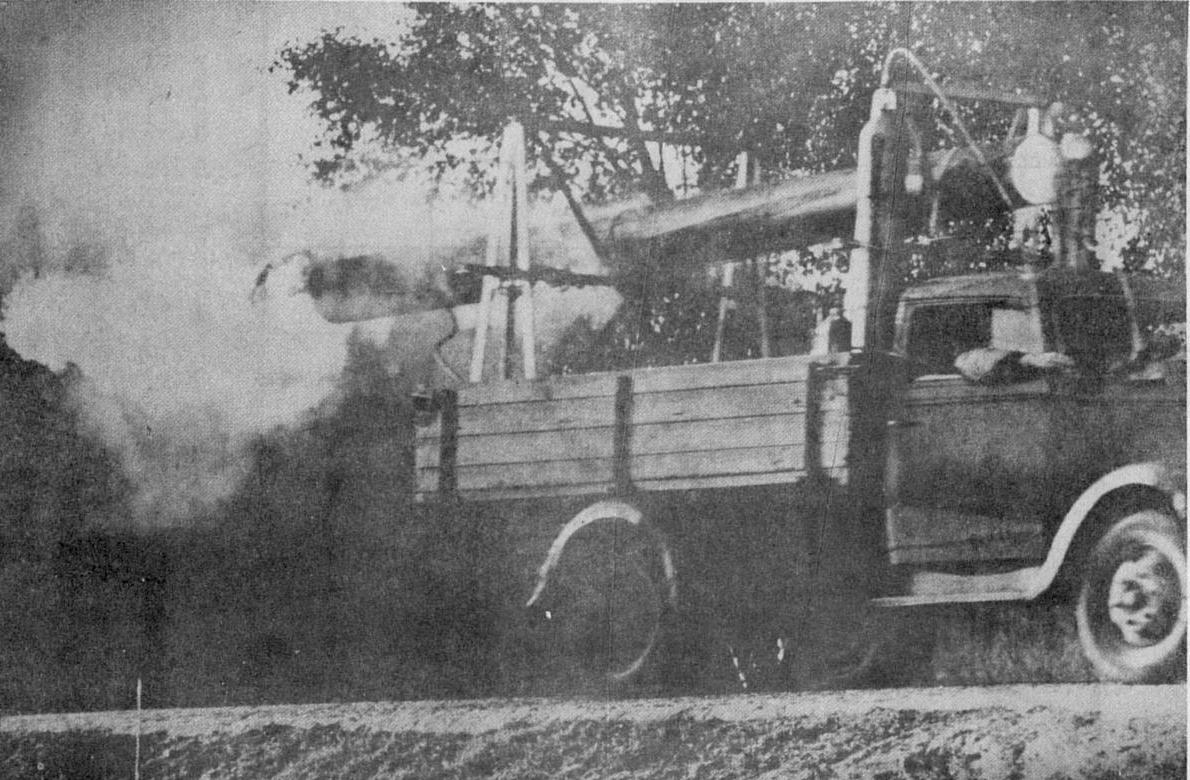
An early Lorin ramjet on a truck for testing.
So, a P 13 using this type of ramjet is pretty much going to be subsonic in all flight regimes.
T. A. Gardner
ACCESS: Top Secret
- Joined
- 18 February 2021
- Messages
- 1,713
- Reaction score
- 3,083
It shows the difficulty in getting an aircraft into supersonic flight at the time. Convair did briefly consult with Lippisch, but I'd say 98% of what they did was internally engineered or done with consultation of the NACA. I'd also agree that Lippisch was likely more interested in researching and designing a delta wing than on building an actual combat capable aircraft using one. Like many late-war advanced German projects, it had to be given at least a veneer of plausible combat use to get any funding. I'm sure Lippisch, like other research engineers simply added some gibberish about it being an "interceptor" or whatnot to the proposal to get the cash.Most of Alexander Lippish's research was concentrated on obtaining a stable delta wing in all flight conditions. I don't think he was interested in the problems of transonic flight. The poor aerodynamic conception of the Convair XF-92 and YF-102 prototypes reveals its shortcomings.

Dronescapes
ACCESS: Confidential
- Joined
- 21 August 2022
- Messages
- 83
- Reaction score
- 171
Cracking Flight's Code: Alexander Lippisch Explains The Secrets Of Flight [VIDEO]

Grey Havoc
ACCESS: USAP
- Joined
- 9 October 2009
- Messages
- 24,413
- Reaction score
- 17,872
For those of us who may not be familiar with that particular wartime explosive:Wasn't it supposed to have a warhead made of Nipolit?

A Versatile, Makeshift Solution – the Explosive Nipolit - Small Arms Review
Since the campaign in the East, despite great initial successes, did not lead to a rapid defeat of the Red Army, the German forces used more ammunition than originally planned. Stockpiles shrank alarmingly and the arms industry had to resort more and more often to inferior raw materials or...
 smallarmsreview.com
Nipolit – Wikipedia

blackkite
Don't laugh, don't cry, don't even curse, but.....
- Joined
- 31 May 2007
- Messages
- 9,408
- Reaction score
- 9,272
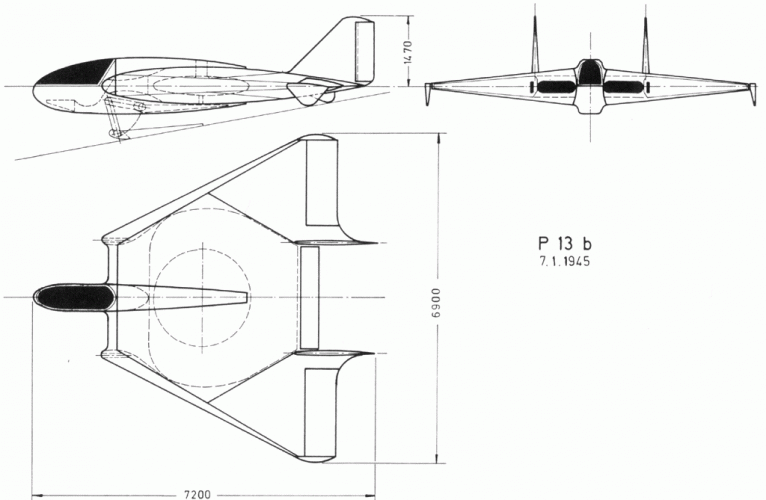
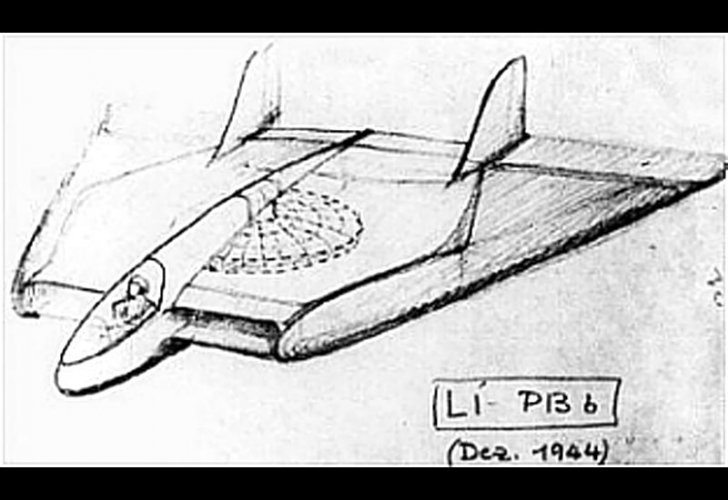
Hi! P.13b.

 alchetron.com
Lippisch P.13b - Alchetron, The Free Social Encyclopedia
The Lippisch P.13b was a World War II German ramjet powered fighter aircraft designed by Alexander Lippisch. Designed in December 1944, the P.13b was a further development of the similarly deltawinged Lippisch P.13a, which was also a ramjet fighter. The cockpit was located in the nose of the fusela
Lippisch P.13B Coal-Fueled, Ramjet-Powered Single-Seat, Delta-Winged Aircraft Proposal
Page details technical specifications, development, and operational history of the Lippisch P.13B Coal-Fueled, Ramjet-Powered Single-Seat, Delta-Winged Aircraft Proposal including pictures.
www.militaryfactory.com
Attachments
blackkite
Don't laugh, don't cry, don't even curse, but.....
- Joined
- 31 May 2007
- Messages
- 9,408
- Reaction score
- 9,272
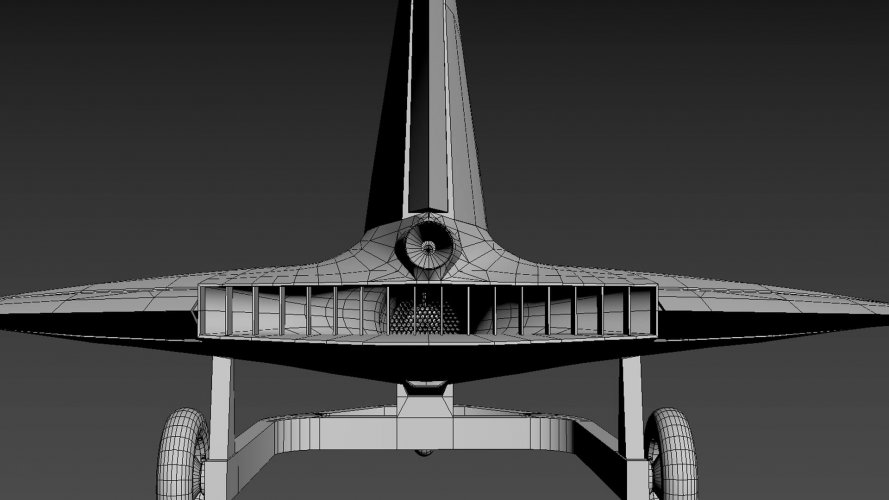
P.13a

 www.renderhub.com
Lippisch P 13 Nazi Coal Plane - 3D Model by citizensnip
The Lippisch P.12, P.13a and P.13b were related design projects for a ramjet-powered delta wing interceptor aircraft studied in 1944 by German designer Alexander Lippisch. The P.12 and P.13a were unarmed, relying on reinforced wings to ram its opponent. The P.13a and b were to be powered by...
www.renderhub.com
Attachments
blackkite
Don't laugh, don't cry, don't even curse, but.....
- Joined
- 31 May 2007
- Messages
- 9,408
- Reaction score
- 9,272
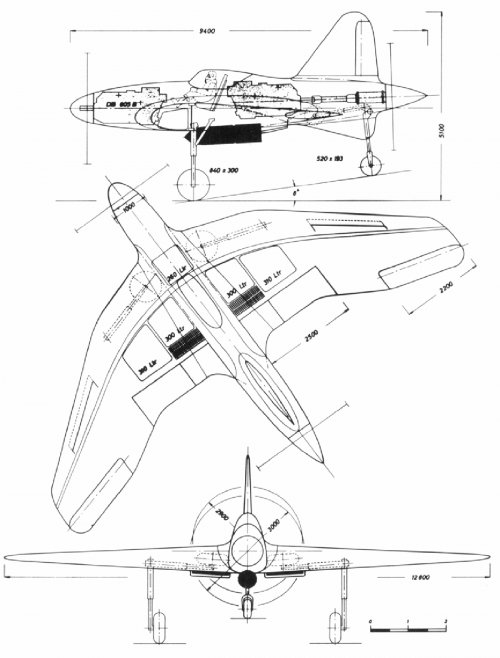
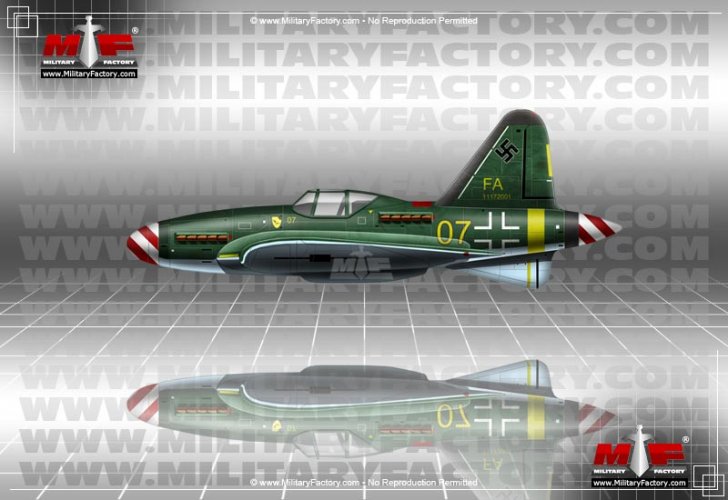
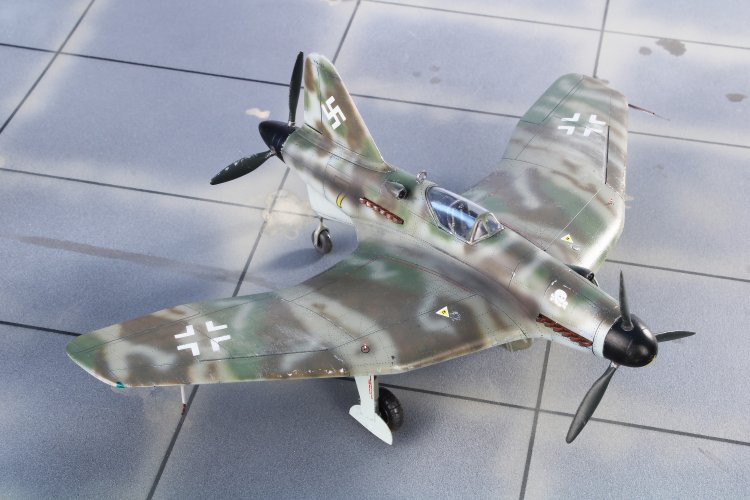
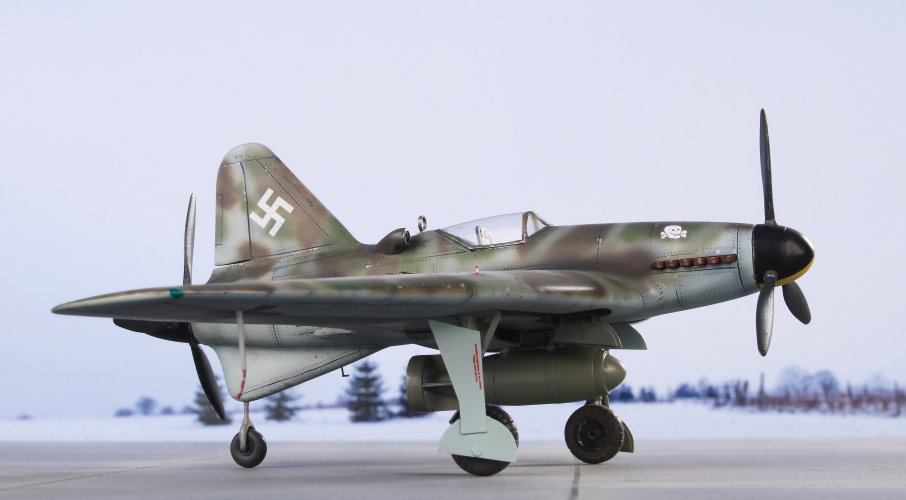
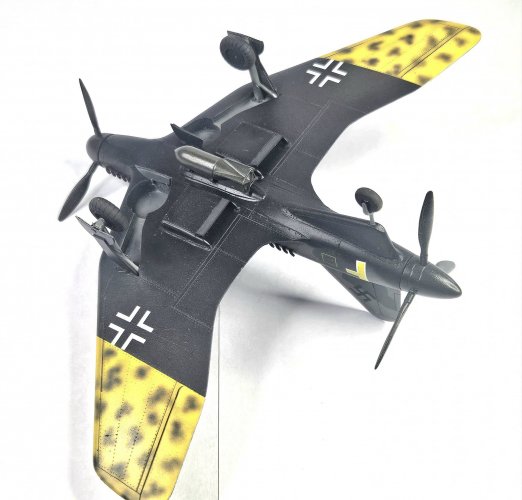
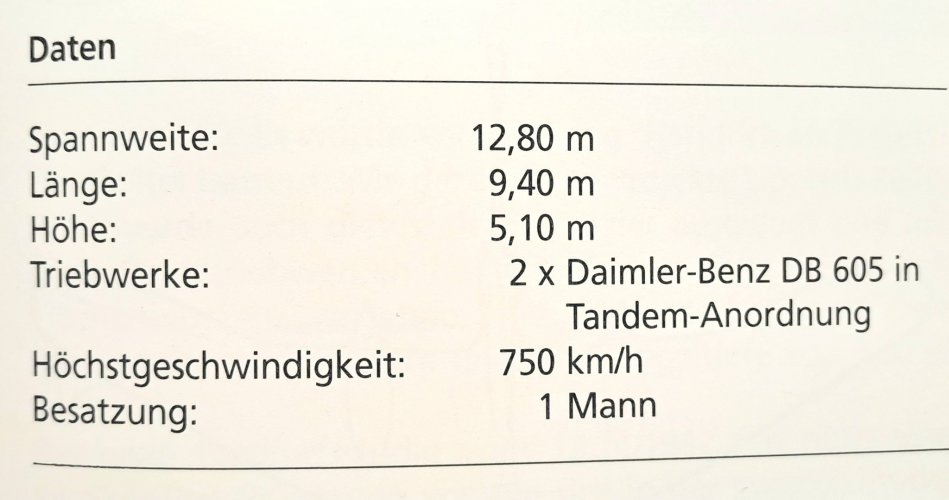
Hi! Lippish P.13 single seat twin engine fighter.

 aeroscale.net
The Lippisch Li P.13 was a German high-speed, tandem-mounted twin engine bomber project.
The Lippisch P.13 project was developed by the team led by Josef Hubert, the head of Lippisch’s aerodynamic department of the Messerschmitt concern. When the Lippisch design office was dissolved, the P.13 project was abandoned altogether and its designation was later given to different ones.
Lippisch Li P.13 Schnell Bomber Luftwaffe Project | AeroScale
Special Hobby have released details of a forthcoming Luft '46 Planet Models resin kit - the Lippisch Li P.13.
aeroscale.net
Lippisch P.13 High-Speed, Tandem Engine Bomber Aircraft Proposal
Page details technical specifications, development, and operational history of the Lippisch P.13 High-Speed, Tandem Engine Bomber Aircraft Proposal including pictures.
www.militaryfactory.com
The Lippisch Li P.13 was a German high-speed, tandem-mounted twin engine bomber project.
The Lippisch P.13 project was developed by the team led by Josef Hubert, the head of Lippisch’s aerodynamic department of the Messerschmitt concern. When the Lippisch design office was dissolved, the P.13 project was abandoned altogether and its designation was later given to different ones.
Attachments
Last edited:
blackkite
Don't laugh, don't cry, don't even curse, but.....
- Joined
- 31 May 2007
- Messages
- 9,408
- Reaction score
- 9,272

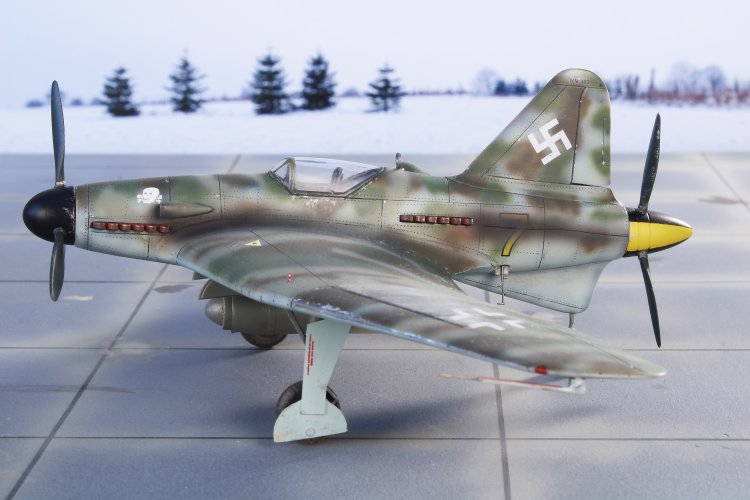
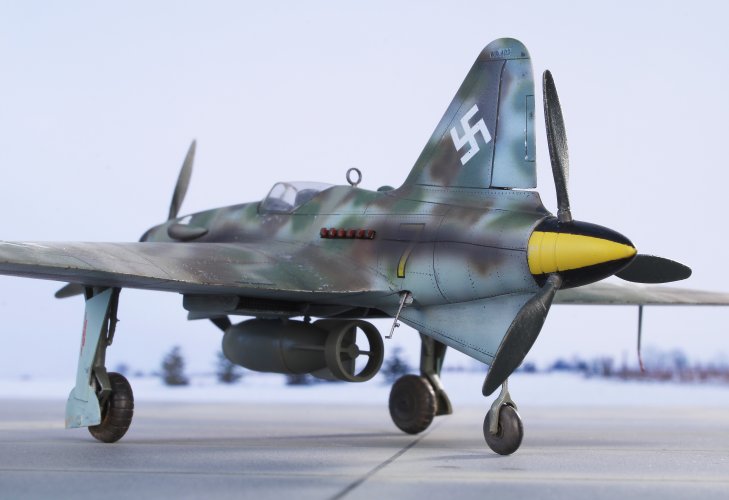
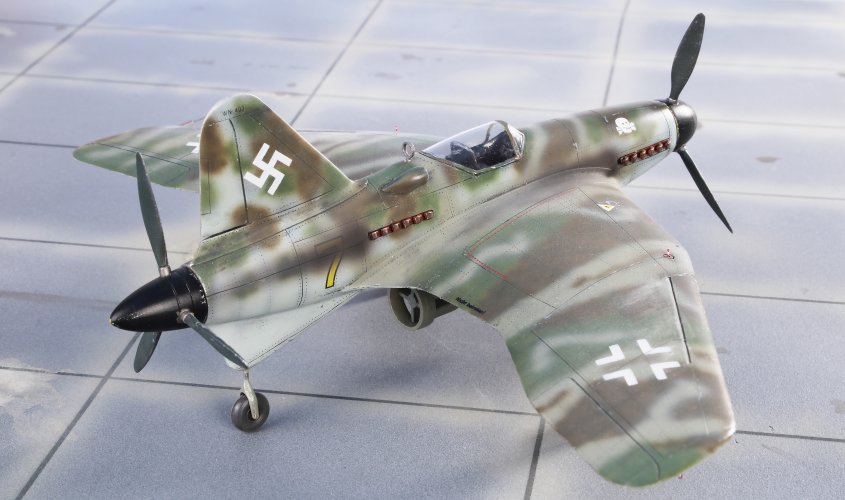
PLT255 Lippisch Li P.13 Schnell Bomber Luftwaffe Project 1/72 - postavený model Lukáše Novotného
 Lukáš Novotný nám zapůjÄil k nafocenà model nÄmeckého projektu Lippisch Li P.13 Schnell Bomber Luftwaffe Project 1/72. Postavil jej z resi...
 www.facebook.com
Attachments
-
 129-PLT255 Lippisch Li P.13 Stavba Lukáš Novotný (2).JPG8.4 MB · Views: 25
 -
 129-PLT255 Lippisch Li P.13 Stavba Lukáš Novotný (3).JPG7.6 MB · Views: 25
 -
 129-PLT255 Lippisch Li P.13 Stavba Lukáš Novotný (4) (1).JPG9.3 MB · Views: 21
 -
 129-PLT255 Lippisch Li P.13 Stavba Lukáš Novotný (5).JPG12 MB · Views: 20
 -
 129-PLT255 Lippisch Li P.13 Stavba Lukáš Novotný (6).JPG6.2 MB · Views: 22
 -
 485149963_10231525867703027_660473327520841799_n.jpg288.1 KB · Views: 23
Last edited:
blackkite
Don't laugh, don't cry, don't even curse, but.....
- Joined
- 31 May 2007
- Messages
- 9,408
- Reaction score
- 9,272

blackkite
Don't laugh, don't cry, don't even curse, but.....
- Joined
- 31 May 2007
- Messages
- 9,408
- Reaction score
- 9,272
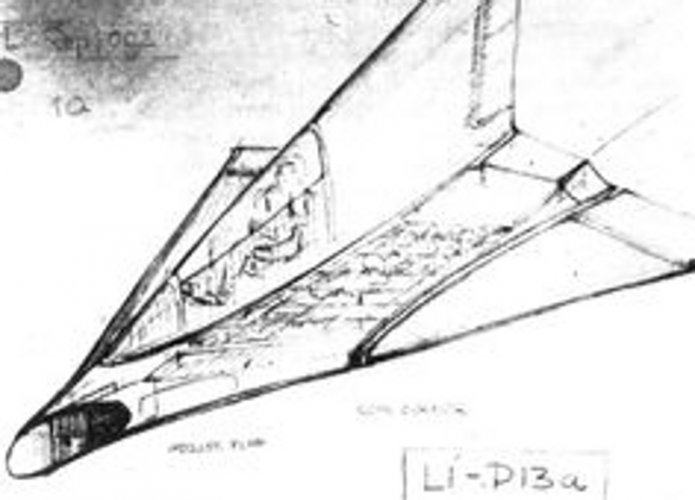
Hi!
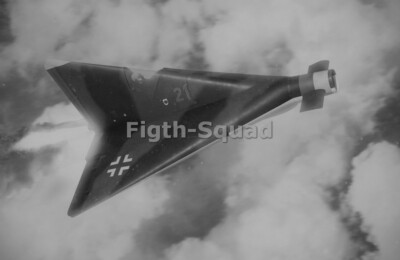
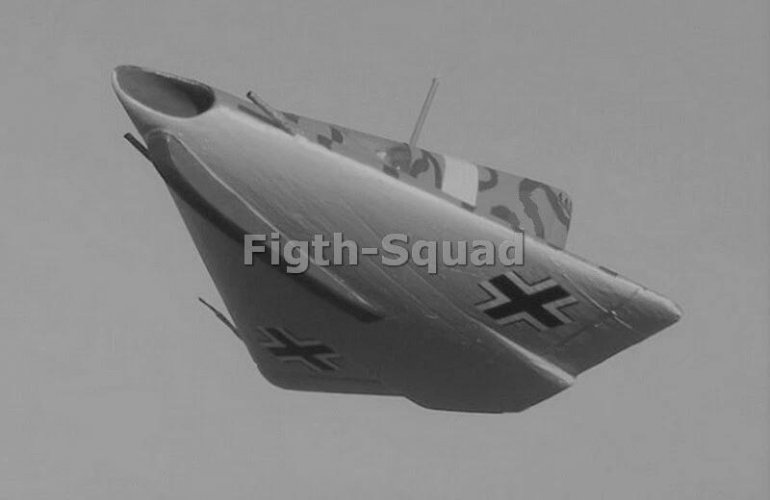
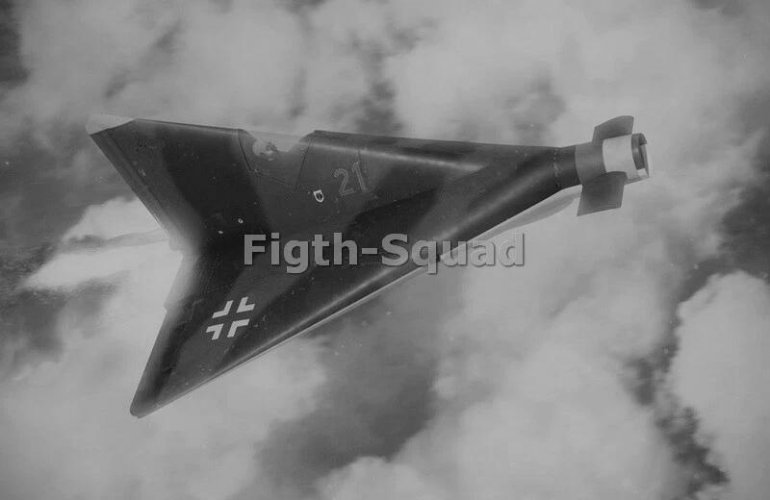
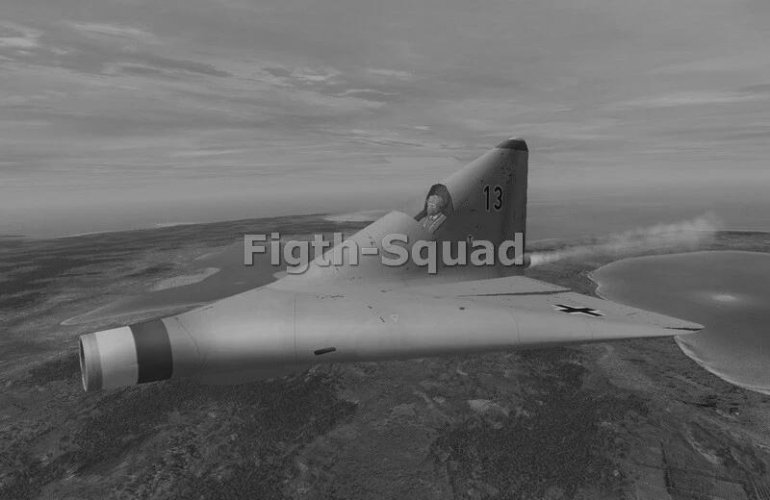
WW2 Picture Photo 1944 German Prototype Lippisch P.13b Jet delta wing 4671 | eBay UK
This is a nice reproduction of an photograph Size is about 4" x 6" (10x15cm). Type: New Print on high quality Photo Paper. Quality: This is NOT an inkjet or LaserJet print but one produced in a professional photographic lab.
www.ebay.co.uk
Attachments
Last edited:
blackkite
Don't laugh, don't cry, don't even curse, but.....
- Joined
- 31 May 2007
- Messages
- 9,408
- Reaction score
- 9,272
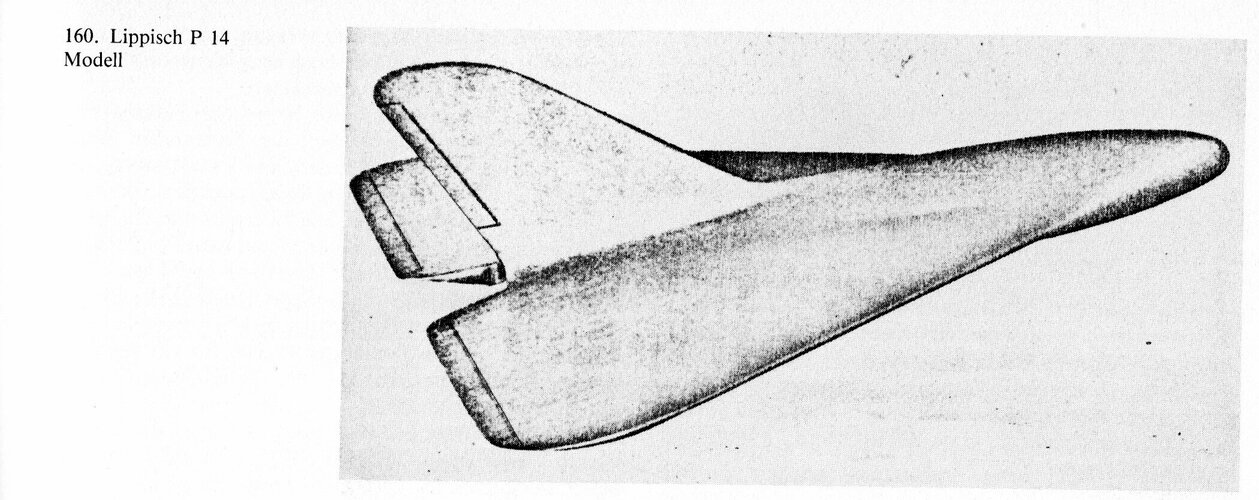
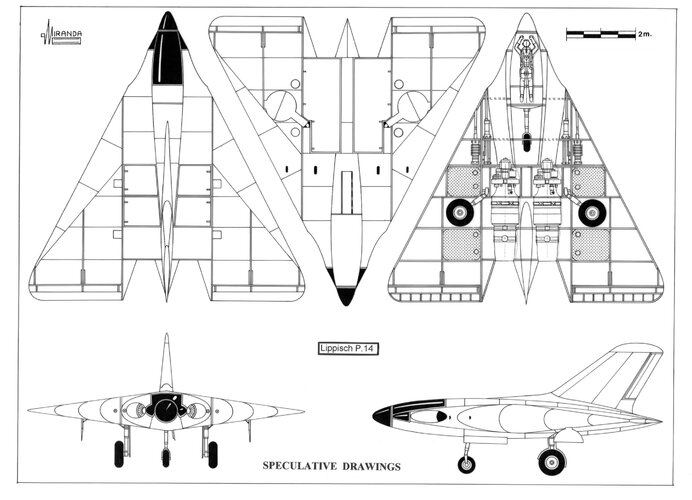
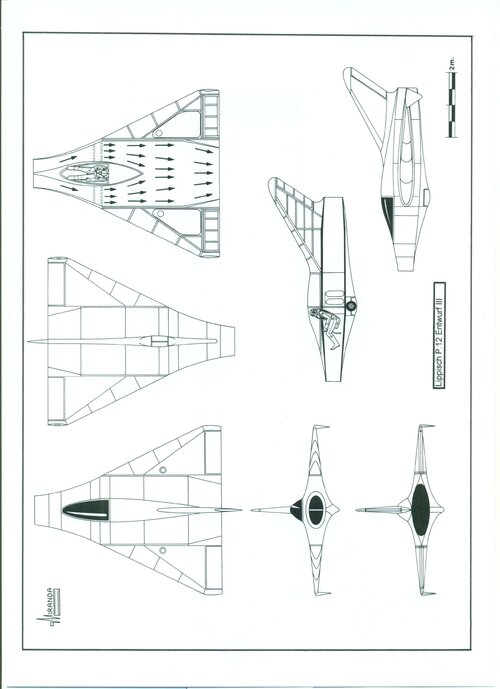
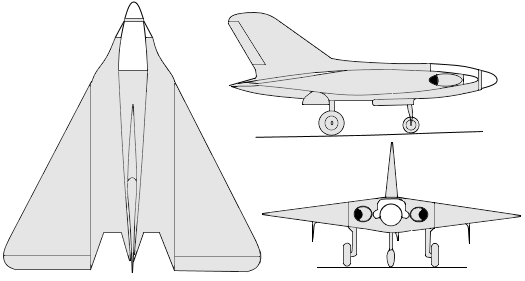
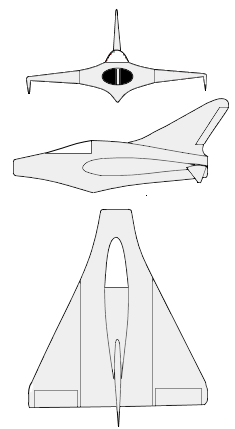
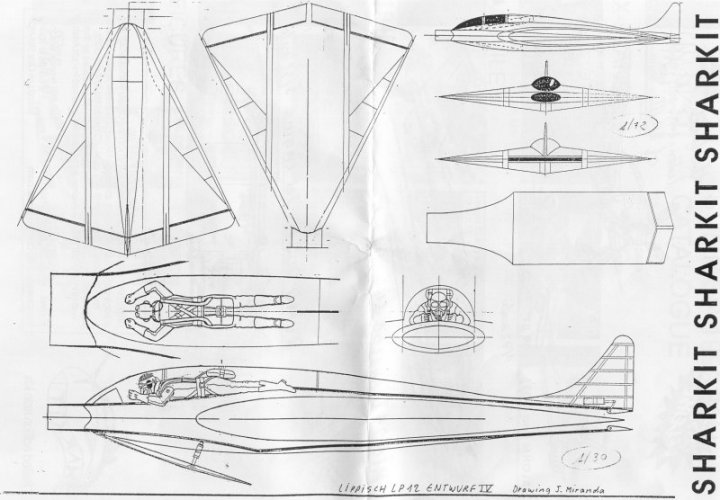
Hi! P.14 and P.12 versionⅢ.
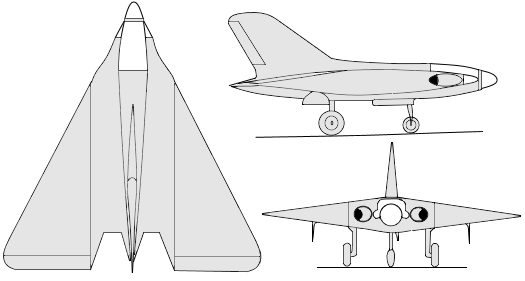
 commons.wikimedia.org
"The P.14 was one of Alexander Lippisch's mid-War concepts for a delta-wing fighter. It was to feature two internal jet engines and tricycle landing gear. Its slim profile required the pilot to lie in a prone position. From the front, the P.14 closely resembled Lippisch's own DM-1, the prototype of which was built in 1945."
File:Lippisch P.14.png - Wikimedia Commons
"The P.14 was one of Alexander Lippisch's mid-War concepts for a delta-wing fighter. It was to feature two internal jet engines and tricycle landing gear. Its slim profile required the pilot to lie in a prone position. From the front, the P.14 closely resembled Lippisch's own DM-1, the prototype of which was built in 1945."
Attachments

Last edited:
blackkite
Don't laugh, don't cry, don't even curse, but.....
- Joined
- 31 May 2007
- Messages
- 9,408
- Reaction score
- 9,272
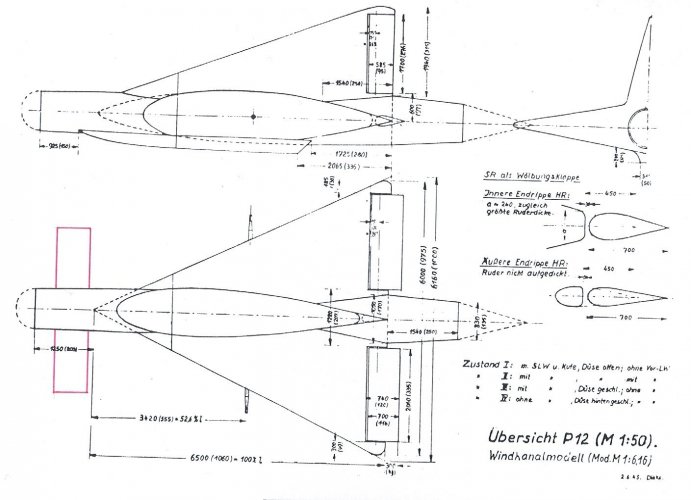
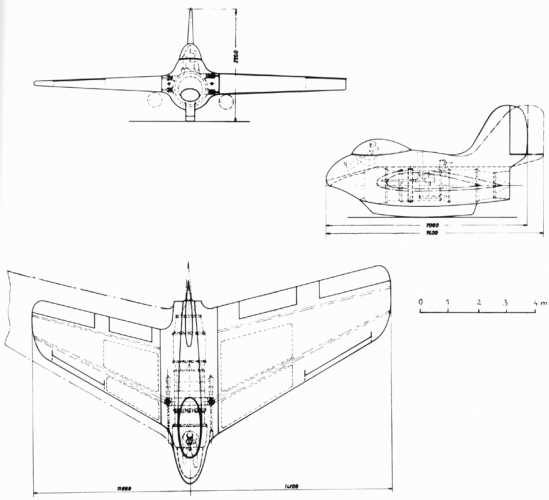
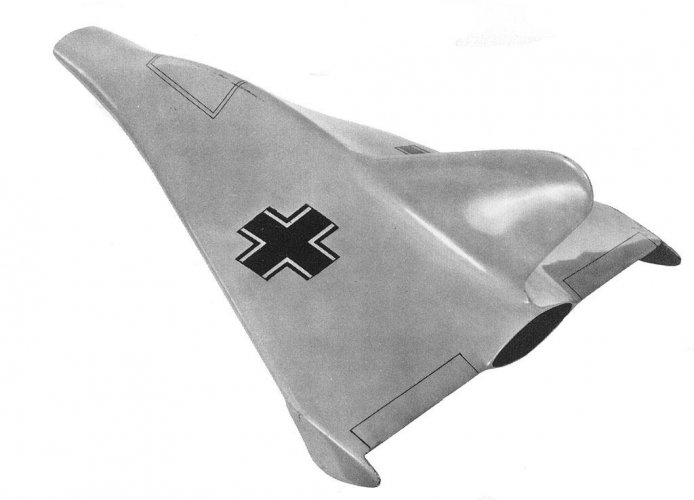
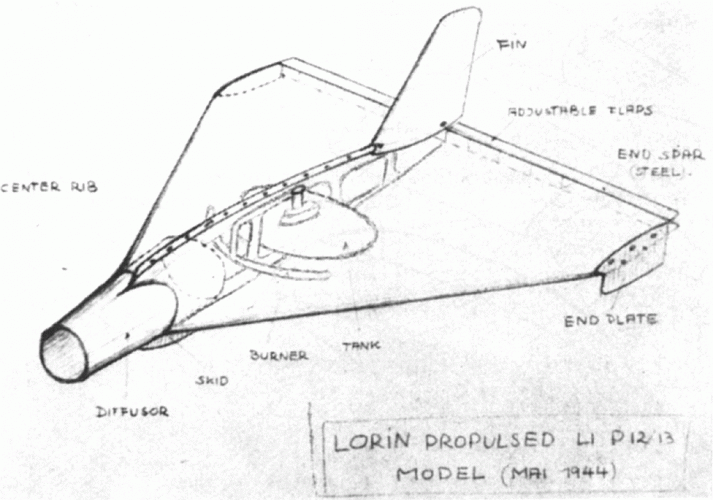
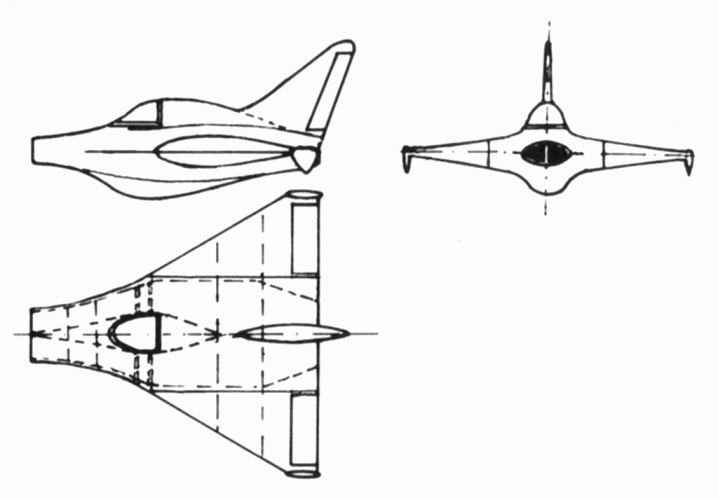
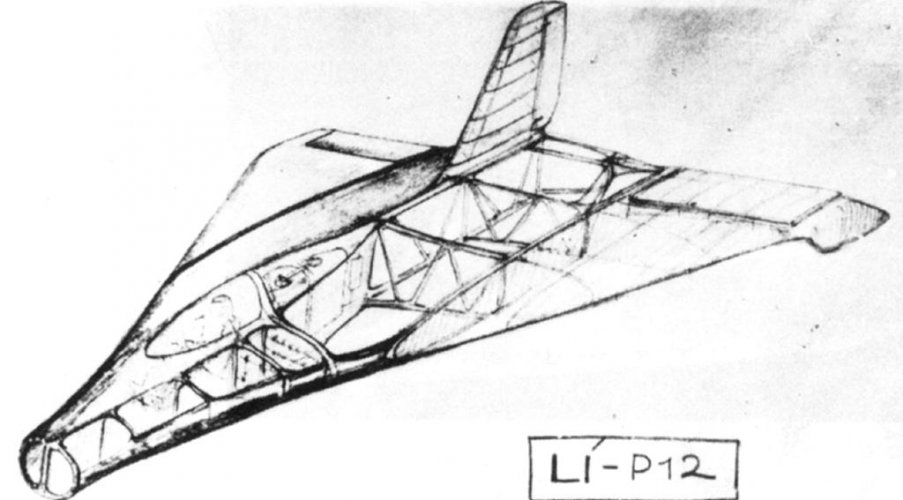
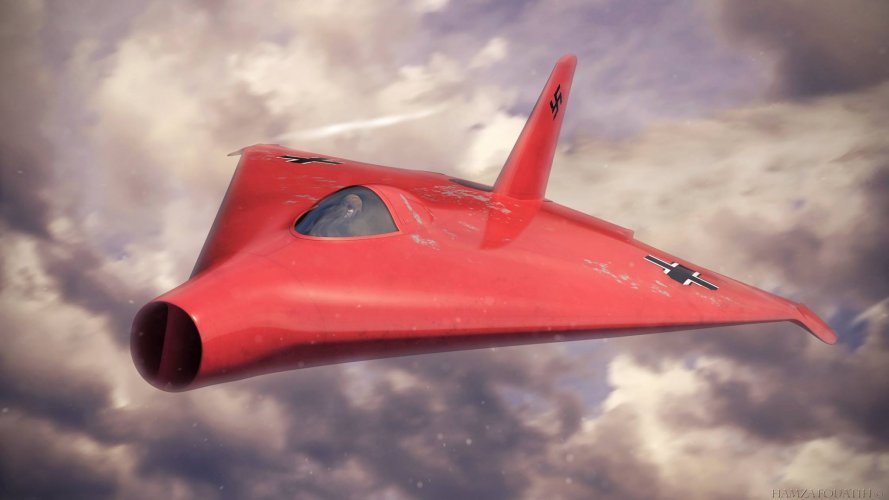
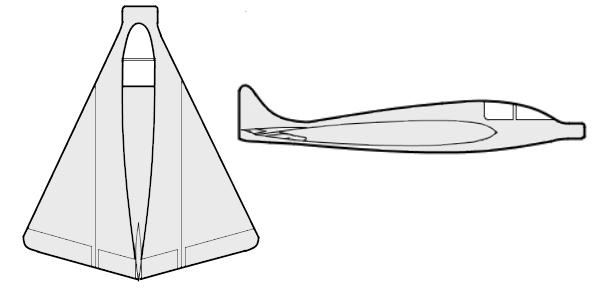
Hi! P.12.
Facebook
www.facebook.com
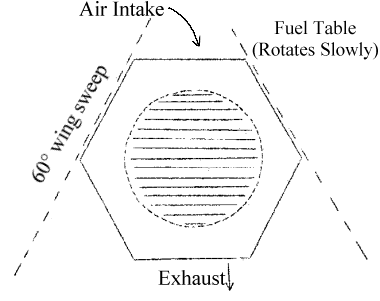
"This unusual little flying-wing project was to be powered by a single liquid-fuel ramjet. A large oval air intake in the nose fed the powerplant, which was located between the delta wings. These were to mod downward at the tips to form stabilizers for the single central landing wheel. The pilot was seated in a finely blended cabin located above the ramjet combustion chamber, the cockpit canopy forming the base of the single triangular fin. Wing area was approximately 130 ft2 (12.0m2) and aspect ratio 1.33. This project was abandoned in favor of the P.13.2
www.facebook.com
"This unusual little flying-wing project was to be powered by a single liquid-fuel ramjet. A large oval air intake in the nose fed the powerplant, which was located between the delta wings. These were to mod downward at the tips to form stabilizers for the single central landing wheel. The pilot was seated in a finely blended cabin located above the ramjet combustion chamber, the cockpit canopy forming the base of the single triangular fin. Wing area was approximately 130 ft2 (12.0m2) and aspect ratio 1.33. This project was abandoned in favor of the P.13.2
Attachments
-
 lippisch_p-12_2_schematic.gif57.1 KB · Views: 6
 -
 lippisch_p12_model.jpg54.8 KB · Views: 4
 -
 lippisch_p-12_model_sm.jpg2.7 KB · Views: 5
 -
 lippisch_p-12_propulsion_diagram.gif189.4 KB · Views: 5
 -
 lippisch_p-12_schematic.gif57.7 KB · Views: 5
 -
 lippisch_p-12_layout.jpg51.7 KB · Views: 4
 -
 514730887_24388164830790754_3565531002708956372_n.jpg90.9 KB · Views: 5
Last edited:
blackkite
Don't laugh, don't cry, don't even curse, but.....
- Joined
- 31 May 2007
- Messages
- 9,408
- Reaction score
- 9,272
Attachments
Last edited:
T. A. Gardner
ACCESS: Top Secret
- Joined
- 18 February 2021
- Messages
- 1,713
- Reaction score
- 3,083
Although I can't find them at the moment, there are a number of photos of a captured P 13 undergoing wind tunnel testing at Langley Field in the US by the NACA right after the war. They even made some modifications to it during the tests to try out different things.
Similar threads
-
-
-
-
 A collection of Luftwaffe oddities from "L'aviazone nuova"
- Started by lippischh
- Replies: 12
-
New Fonthill Book - Rocket Interceptors 1941-1947
- Started by Justo Miranda
- Replies: 10