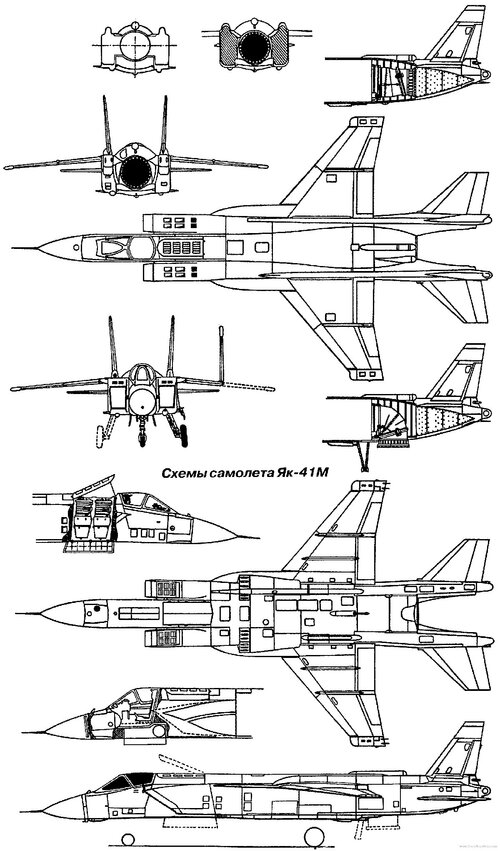
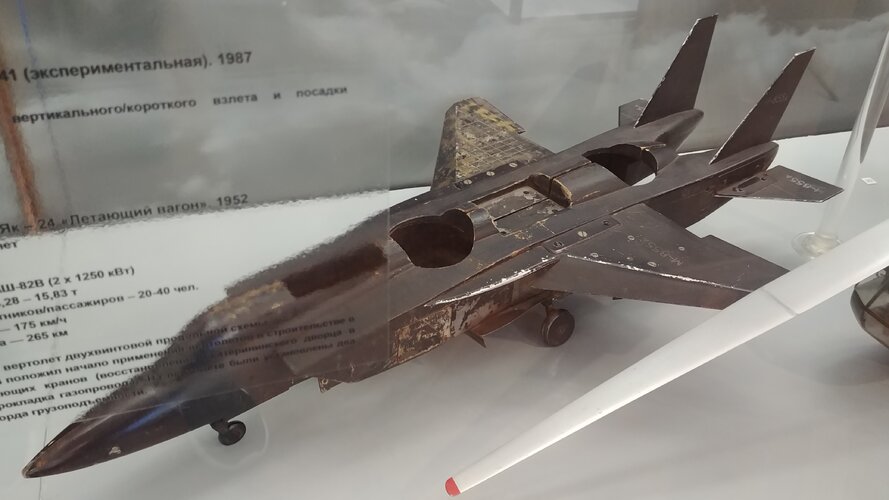
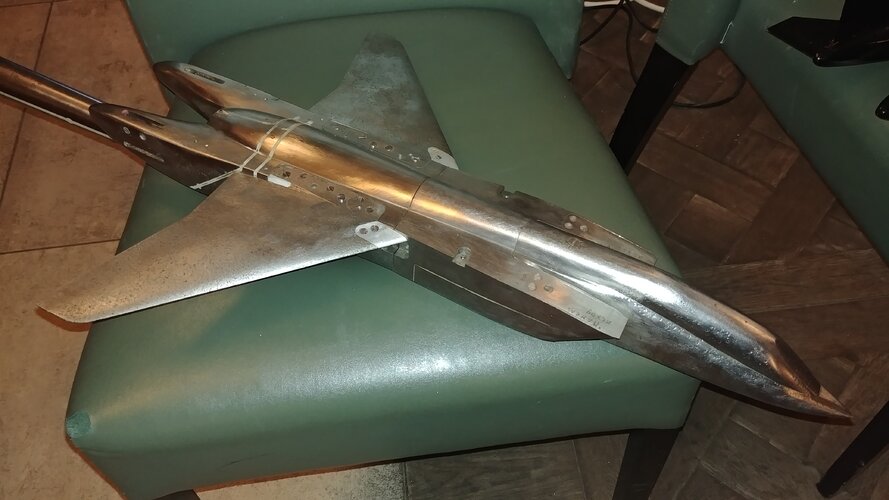
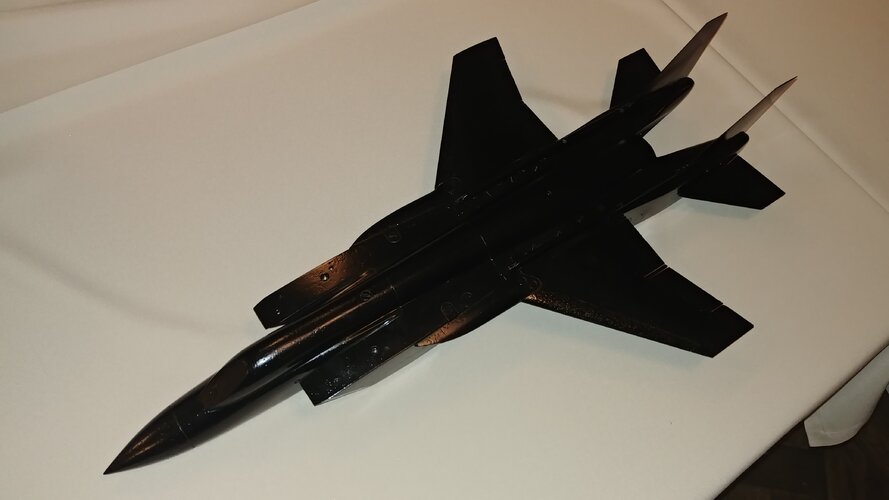
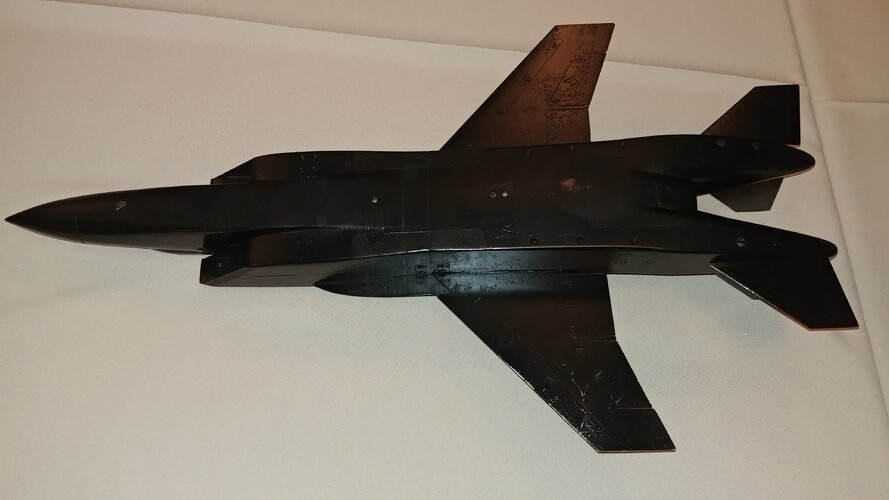
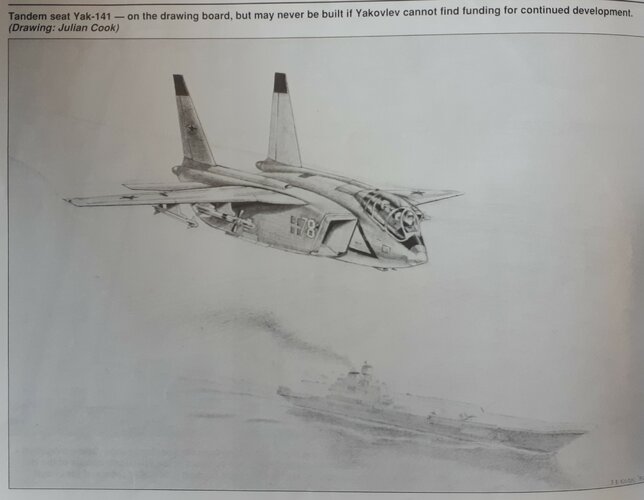
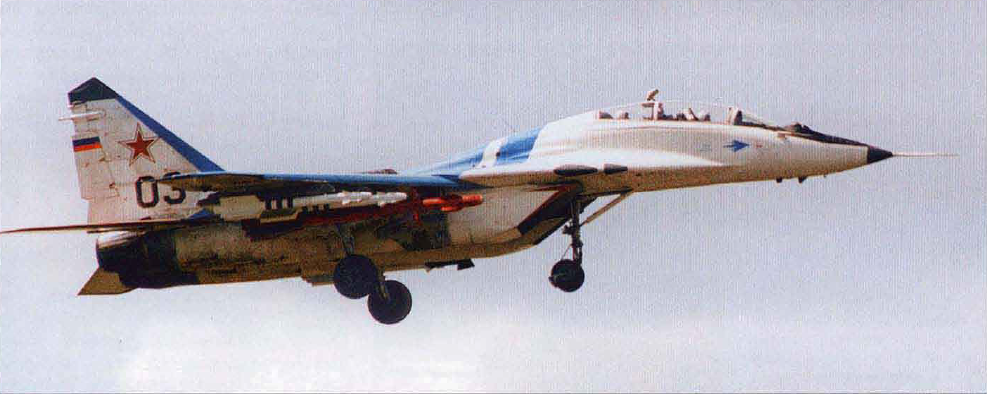
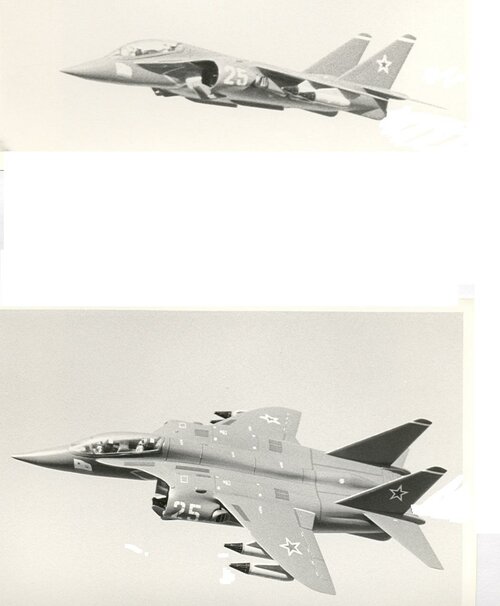
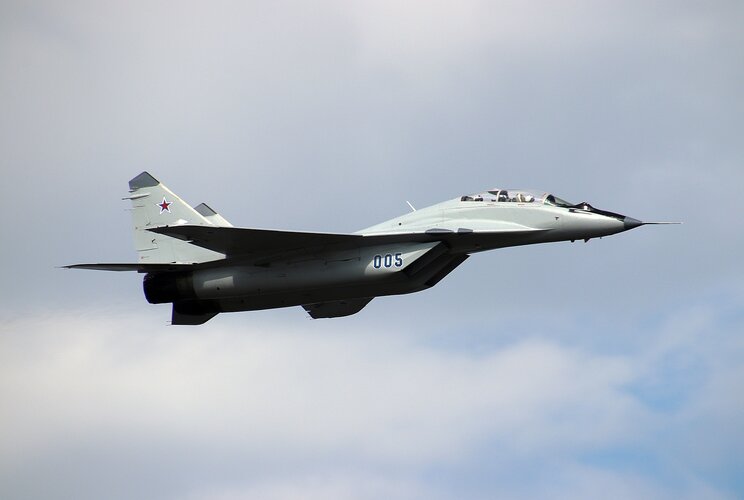
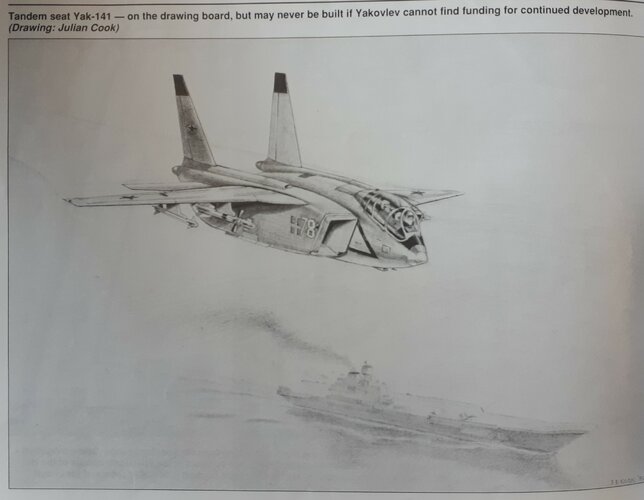
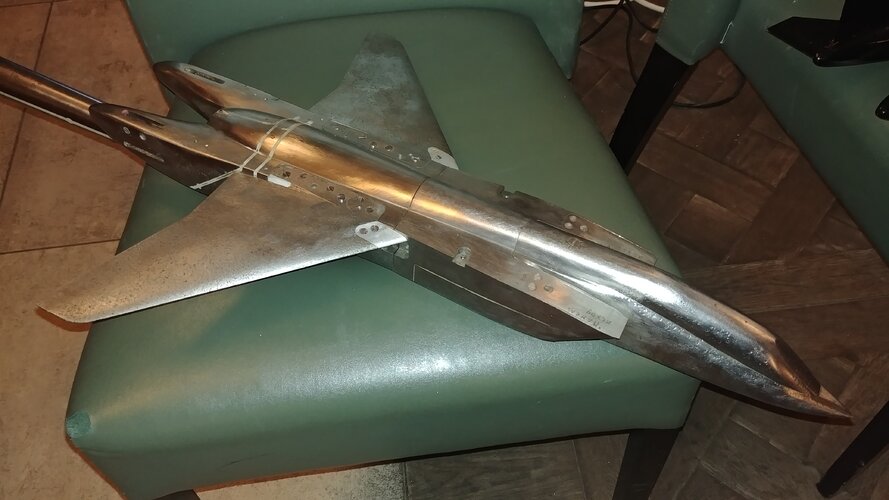
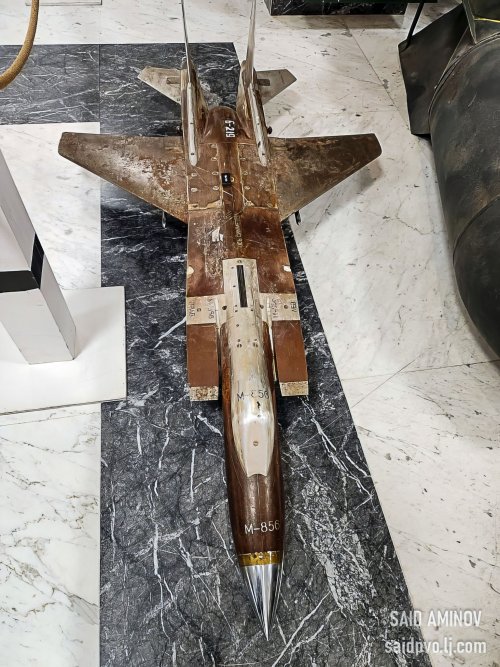
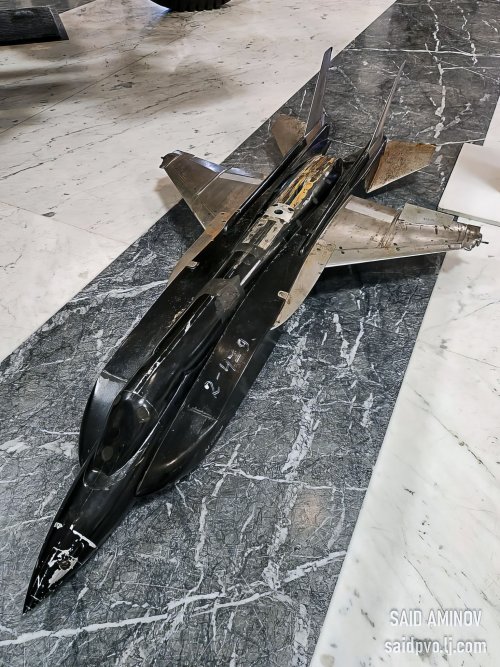
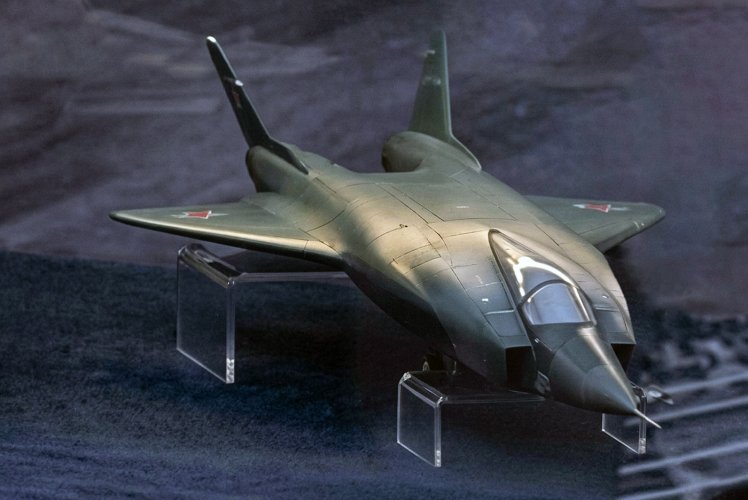
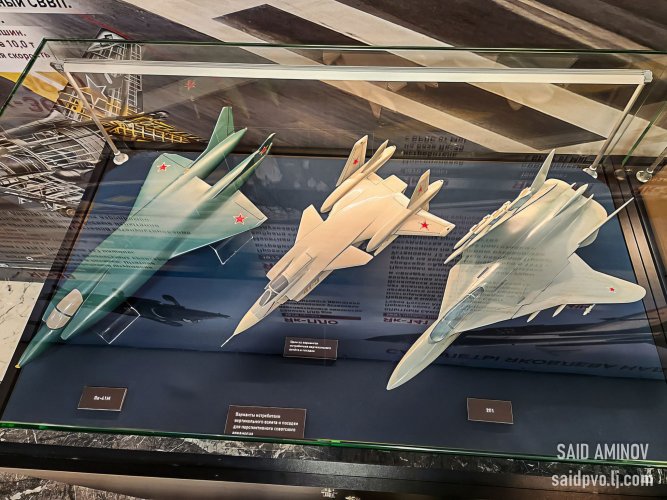
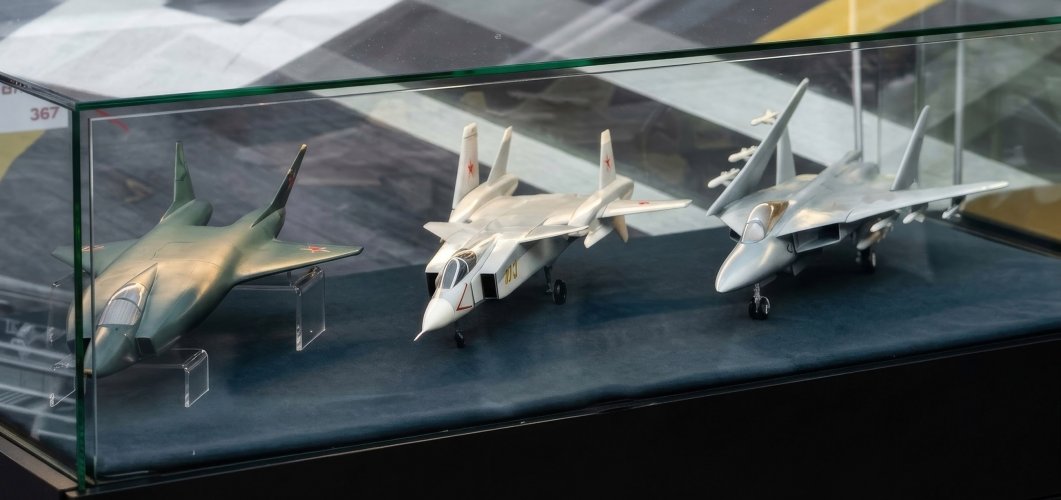
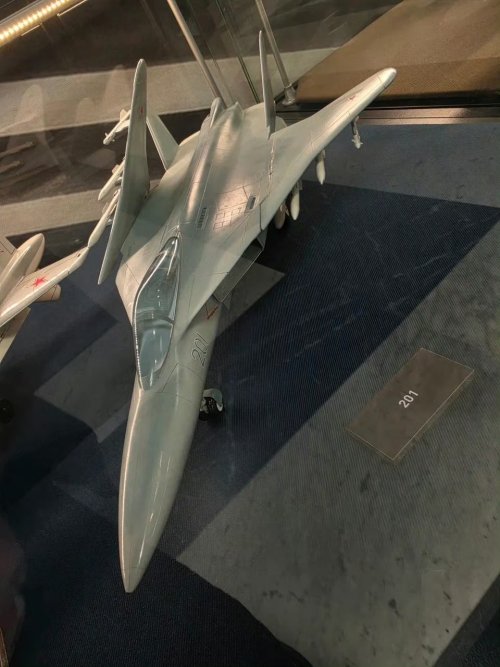
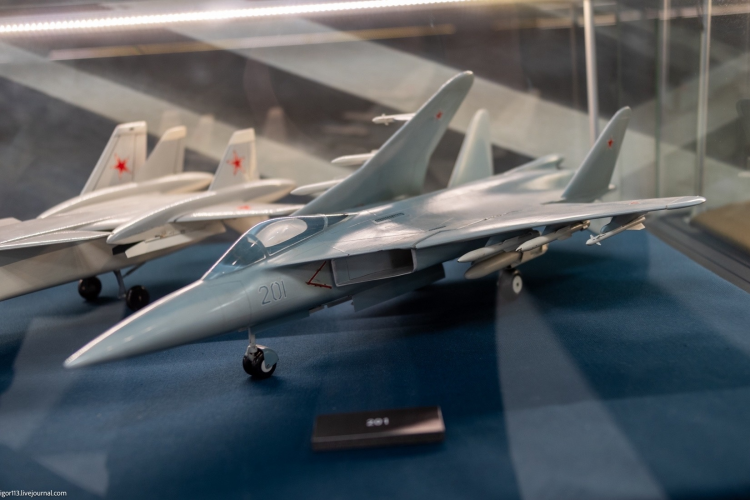
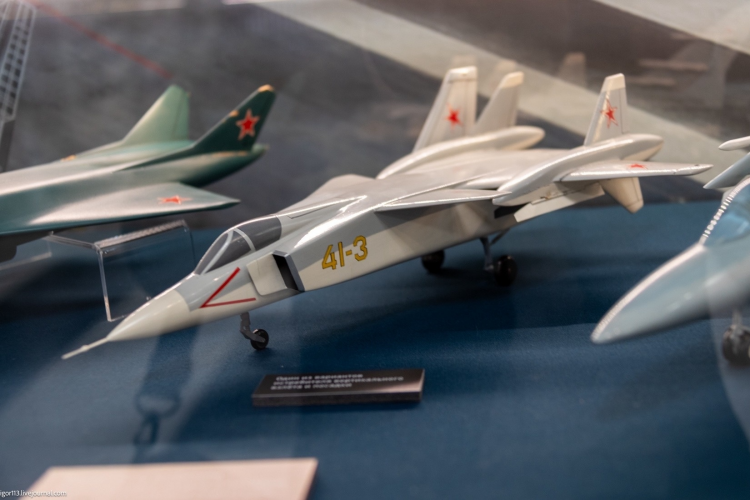
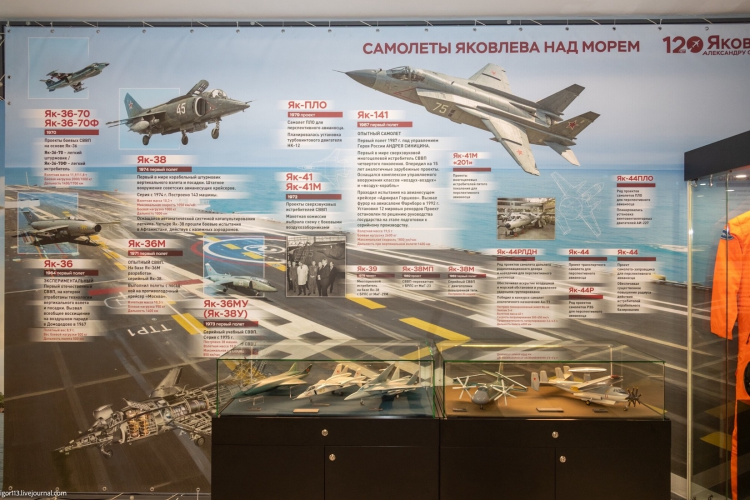
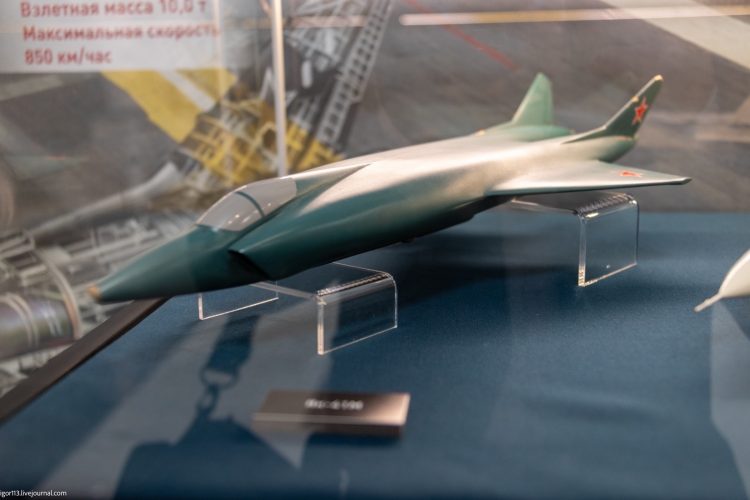
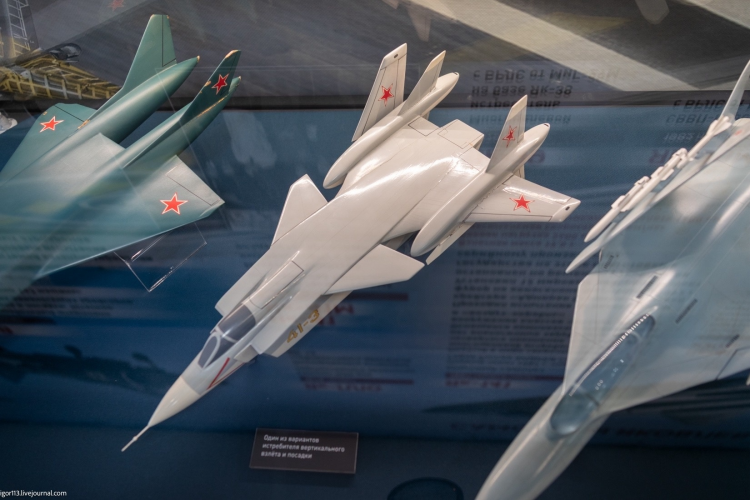
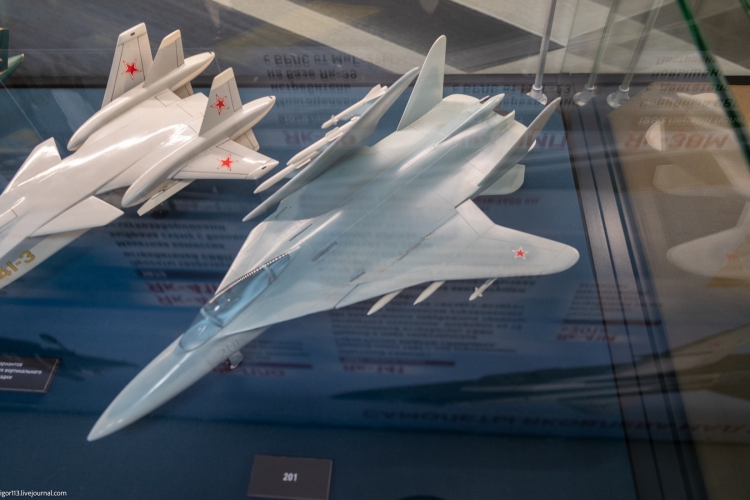
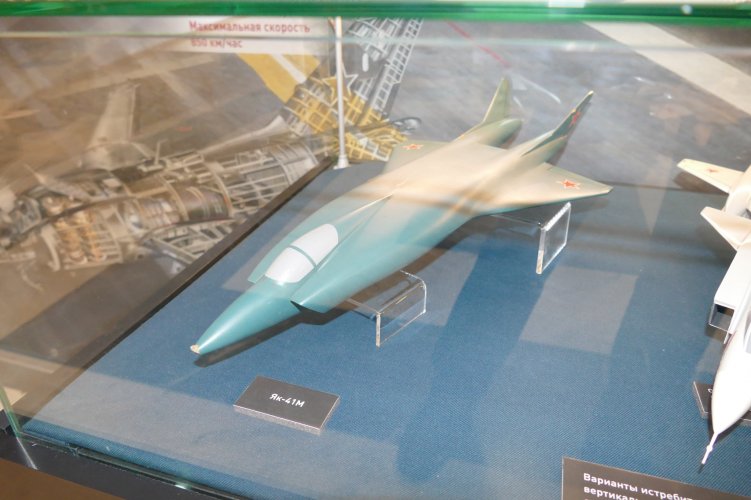
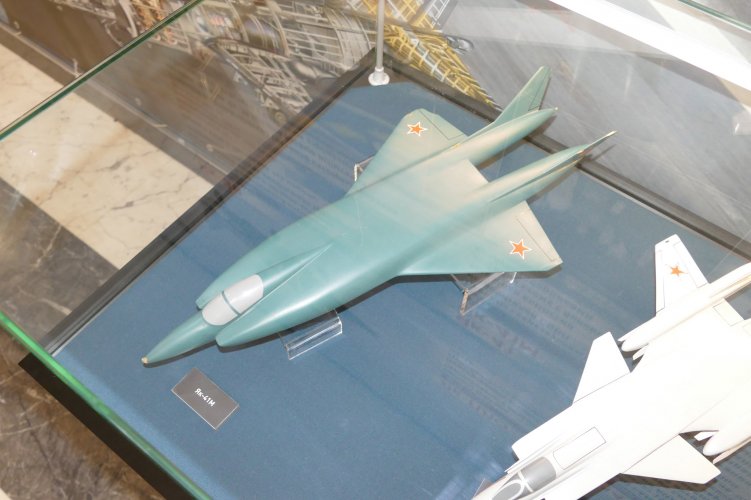
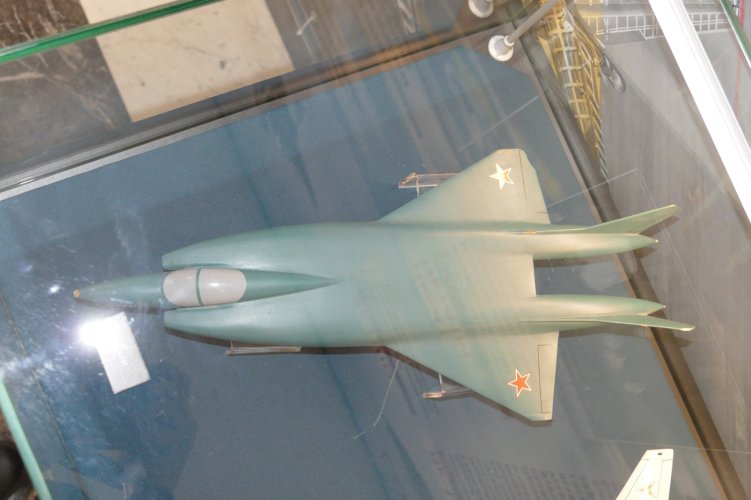
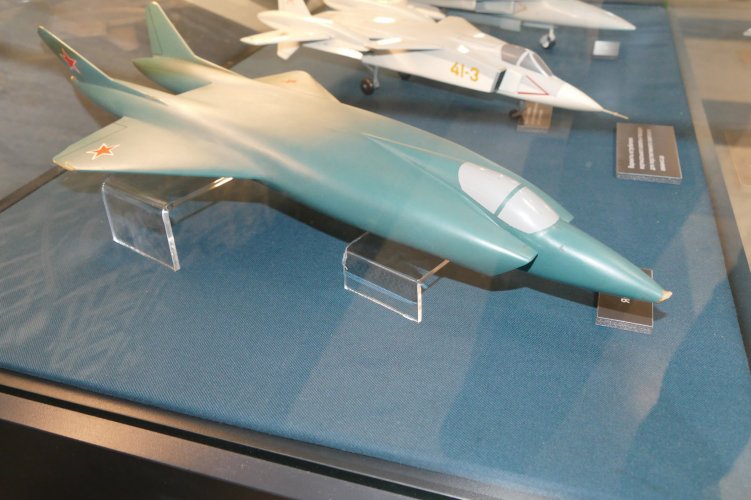
Something that stuck out to me with the Yak-141 visually is how small the wings are compared to its contemporaries - and indeed the Mig-29K is a 12t plane with 45m2 wing area, while the Yak-141 is a 11.65t plane with a 31.7m2 wing area (and production planes are often heavier than prototypes).
Is there some aerodynamic reason for this? Are most planes designed to acommodate low-speed regime, for landings and takeoffs, which leads to compromised high speed characteristics? Would smaller wings be more desirable if the takeoff/landing didn't matter? Does it make sense to take on extra weight/complexity in the STOVL system, if that means the aerodynamics can be tuned for higher speeds and altitudes?
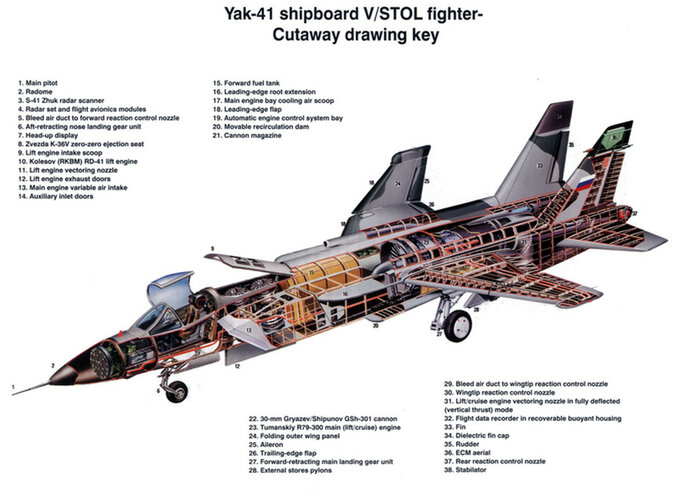
Yak's designers seemed to have answered yes, and imo it bears considering, that according to the linked video, the 141 was designed more as a STOVL plane, like the F35B, and not a full VTOL.
I'm kinda curious if this tradeoff would be worthwhile in future aircraft, introducing extra STOL specific systems, so that the low speed/low altitude requirements can be more relaxed on the rest of the airframe design.
In the narrow context of carrier based planes, and using the F35B/C comparison (as its as), it seems the extra reinforcement adds comparable weight as the lift system.