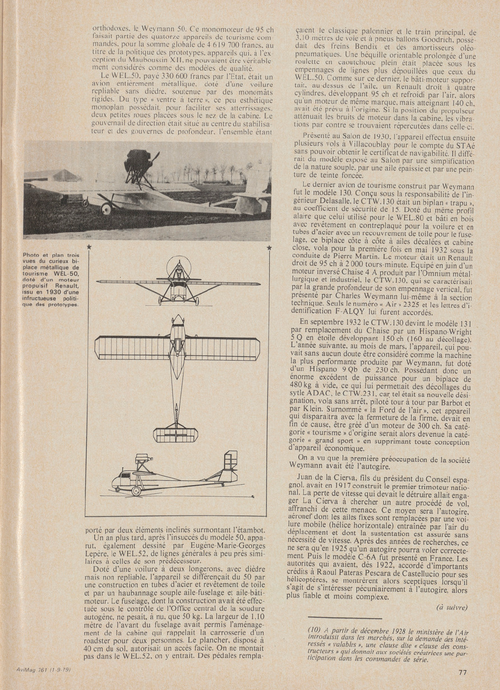
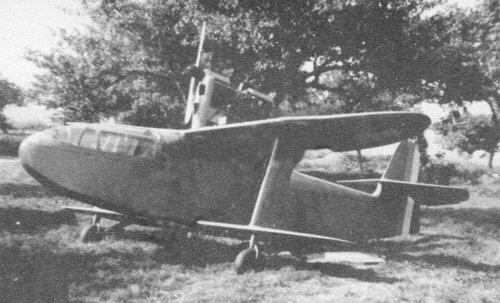
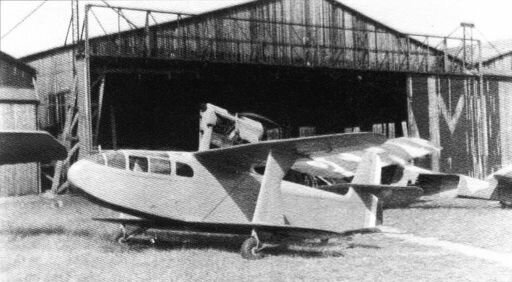
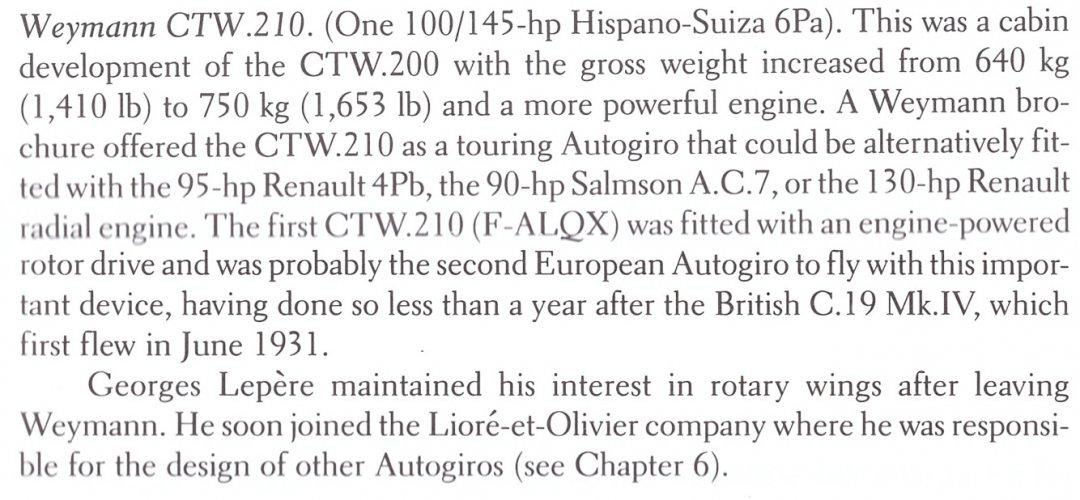
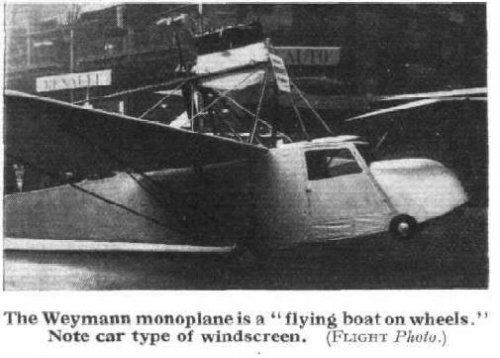
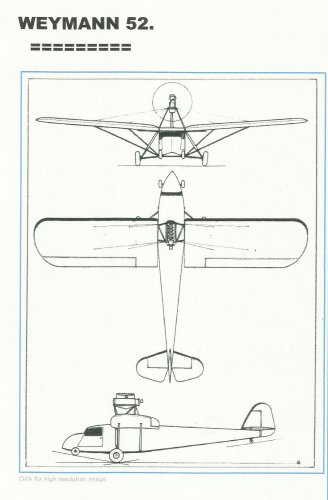
Another shot of the model 52 "flying boat on wheels" (original from 'The Aeroplane', 3 Dec 1930). Thanks as always, Hesham, for the Flight link.
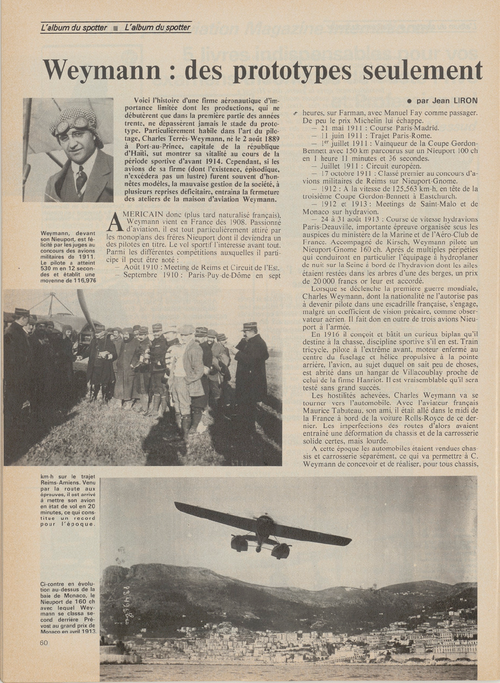
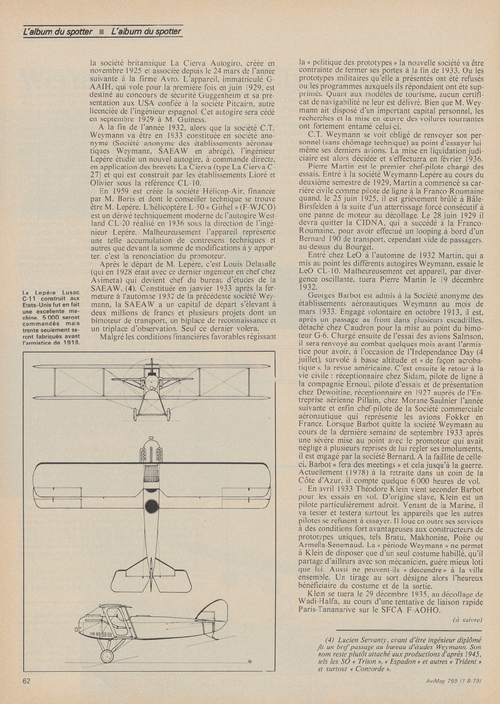
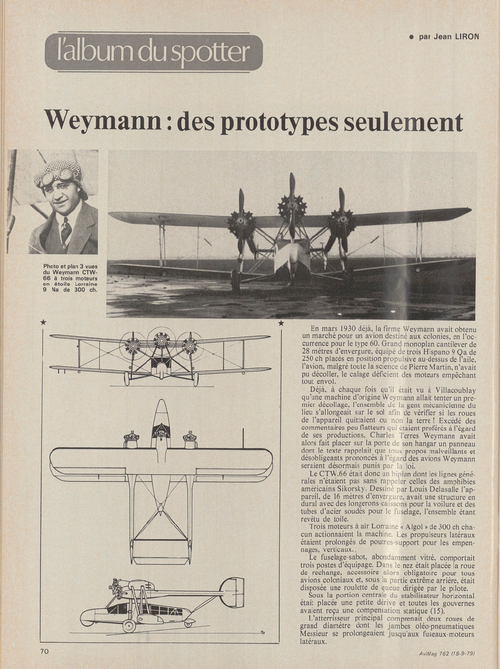
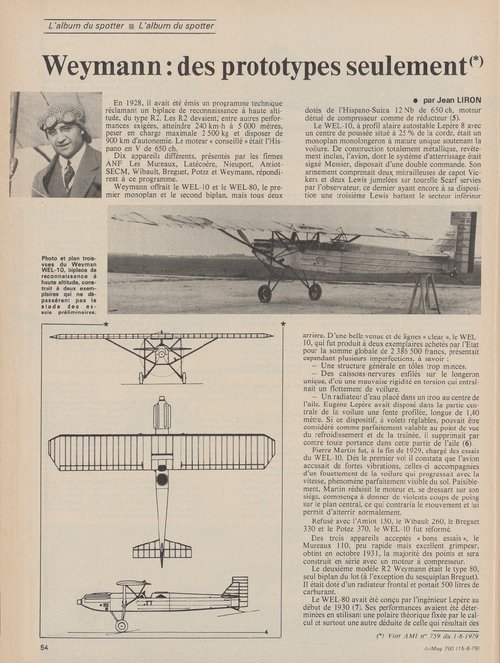
The company name was Weymann-LePère (Societé des Avions). Charles Terres Weymann was an American. Capt. Georges LePère (LUSAC-11, etc.) was the designer for the Société Aviméta, a Schneider subsidiary.
I notice that Flight says that "the whole cabin arrangement looks more like the interior of a car" (and a similar comment about the windscreen). There's a simple explanation for that. Charles Weymann was better known for his 'metal-panelled' auto coachwork than for his aircraft.
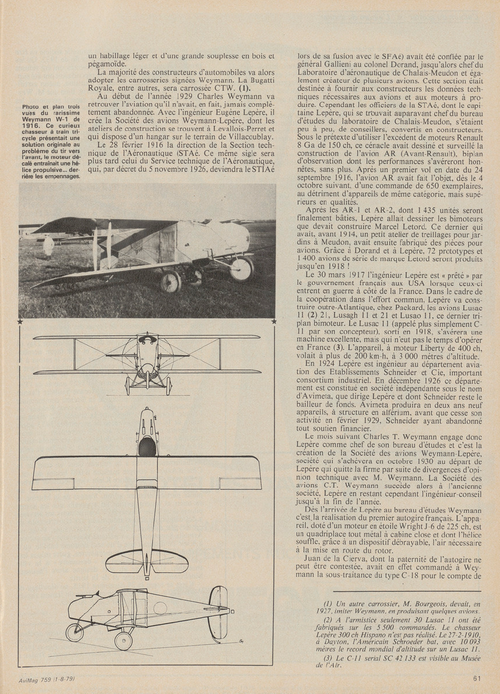
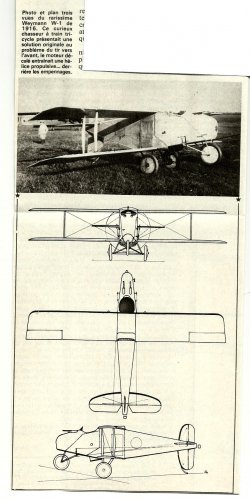
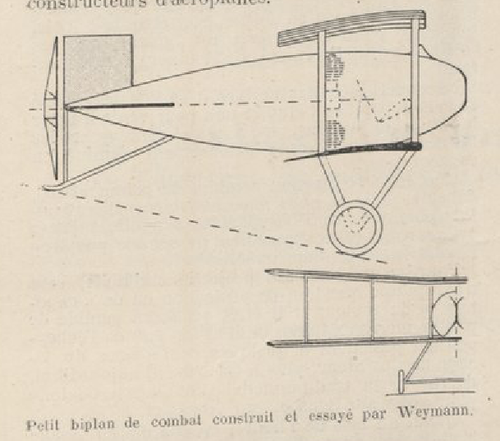
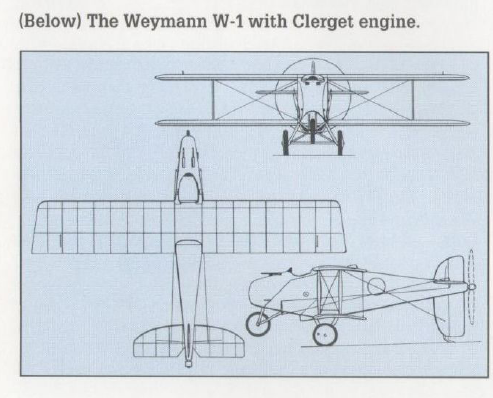
we know Weymann W-1 single seat fighter prototype of 1916,
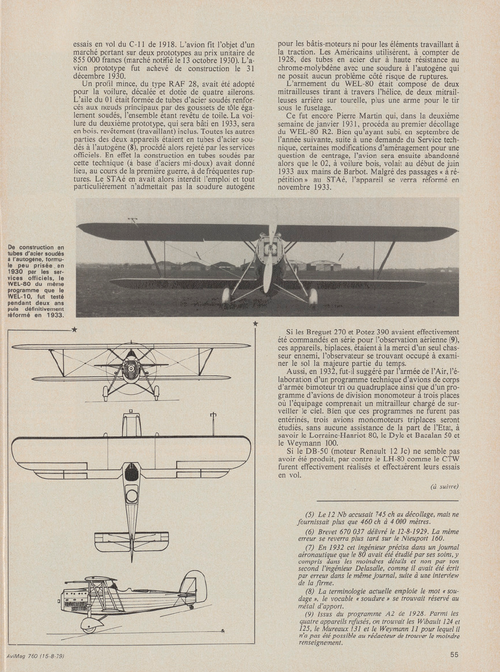
does anyone know the Weymann metal wing colonial biplane
of 1918 ?, which was powered by one engine.
CTW-40 was light transport aircraft project.
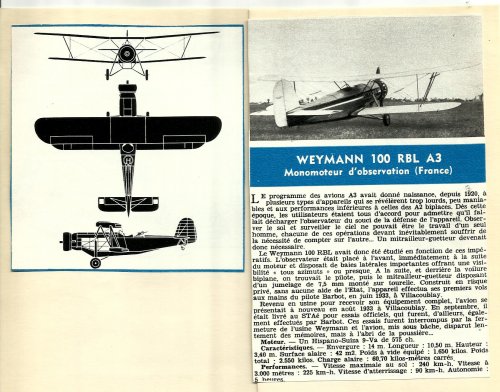
WEL-70 was recce aircraft project.
WEL-81 was also recce aircraft project,derivative of WEL-80.
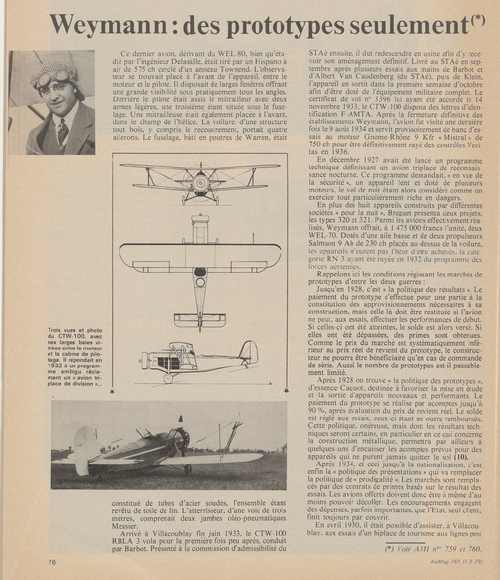
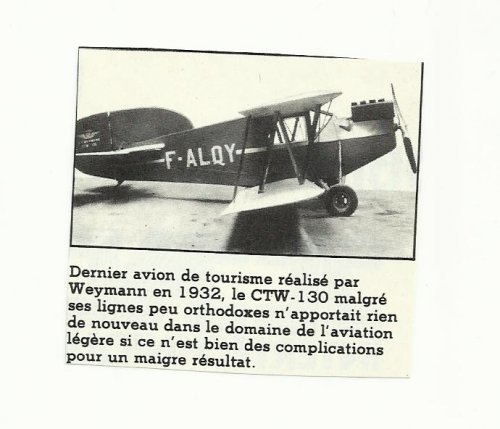
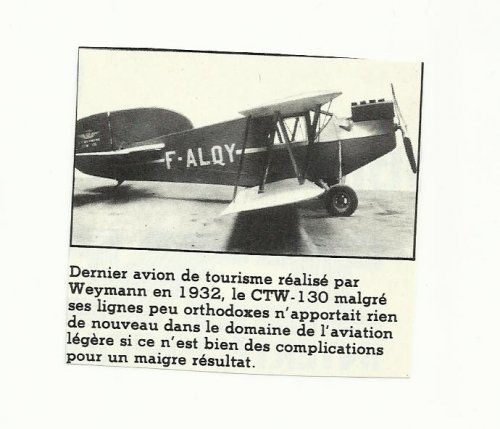
CTW-132 was a light transport aircraft,obviously based on CTW-130.
Tourisme
Biplan.
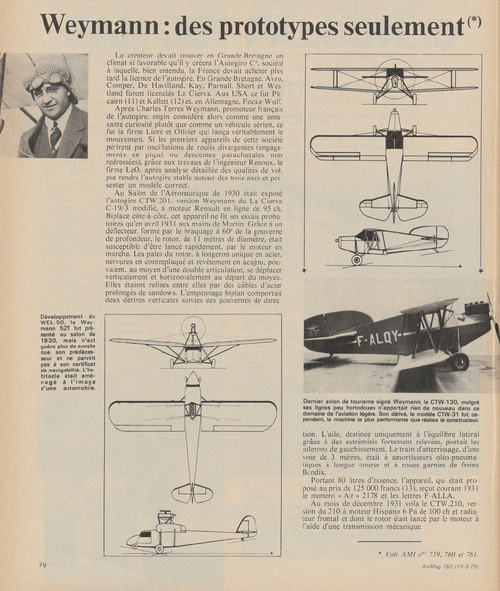
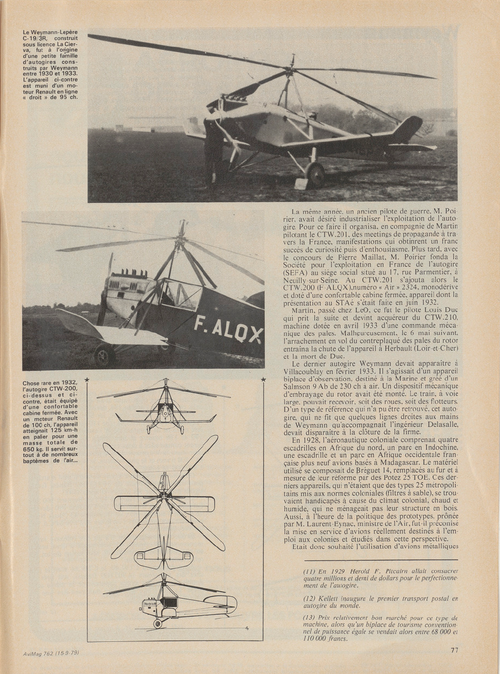
Lots of questions raised. I believe that the CTW-200 Autogire (that is the way Weymann spelled it) was derived from the basic airframe of the CTW-130 biplane. Then the CTW-201 Autogire has very little in common with the CTW-200 autogire. Some of his obscure designs with Weymann Lepere, seem to have been incluenced by the company they absorbed, Aviamet. I find it odd that they went from simple strut bracing to the maze of wire bracing, from the design of the WEL-50 to the WEL-52. Photos of Weymann or Weymann Lapere aircraft are hard to find
Does anyone have any other models to add or photo suorce references? Spent a couple of days browsing for history but not much out there, it would seem. There is more info on Weymann's important participation in the pre-WWI major air events and competitions, and a bit on his Schneider Cup involvement. He was quite an imporant figure in early aviation history
My Weymann research continues.
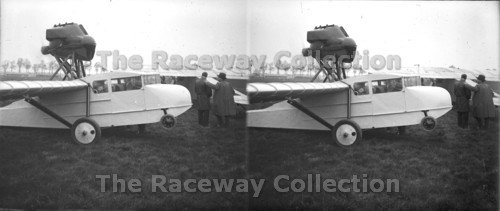
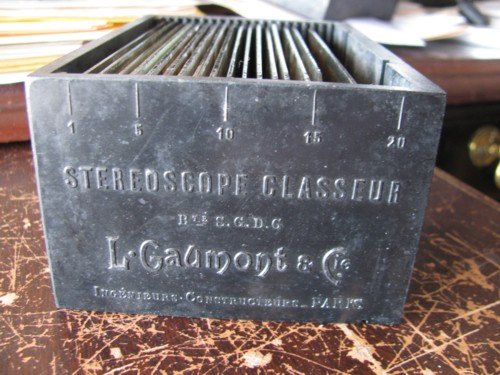
In a bit of aviation "archeology," I have found several old boxes of Original French glass stereo diapositives. All seem to be at/from the Weymann Company circa 1933-34. Some are in poor conditon,. some have been photographed with poor lenses/exposures etc. These are obviously a private set, rather than one of the commercial glass stereo slide group offerings of the period.
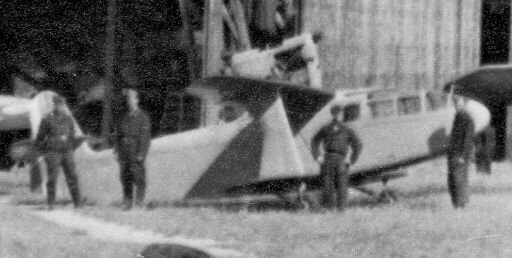
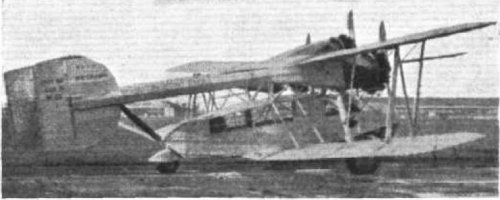
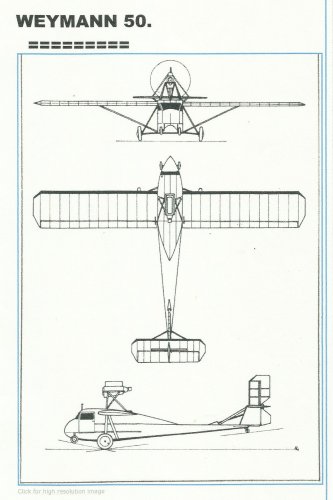
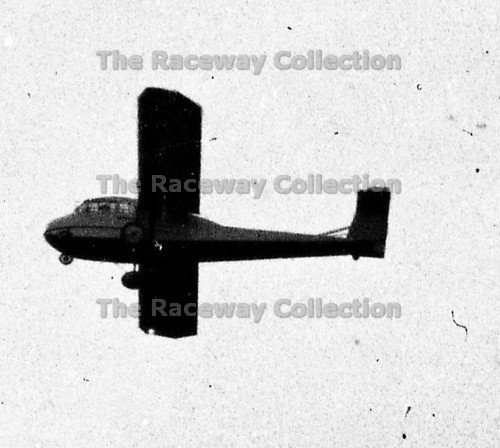
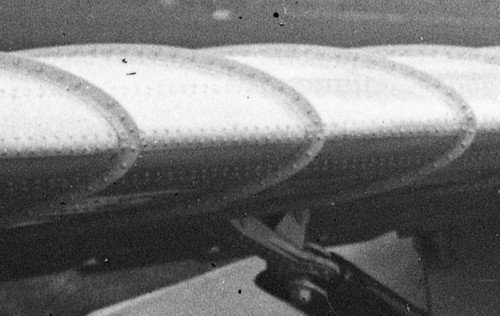
According to the dwgs found by Toura, (and photos in Janes 1930-33)it does not "quite" fit the WEL 50. but is certainly not the WEL52, Differences from the 50 dwg show the plane in the photo to have another window, aft of the door. It also has the longer nose in front of windshield, that is more similar to the 52. Finally... there can be NO confusing a 50 and 52, as the 50 has a completely different, riveted, metal wing, unlike the fabric covered wing of the 52. Also 50 has solid struts and 52 has wire bracing. Look at the wonderful riveted metal design of the 50 (and the one in my photos) It is possible that there are no internal ribs, and it is "possibly" a design using rivet-together sections that form external wing ribs. (*Much like the Emigh Trojan, of some 15 years later). Again, the tail surfaces of the 50 and 52 are completely different shape.Nothing but a "guess' but could it be the missing Model 51? Or is it simply a modified 50?
As to referring to the WEL 50, as "unsuccessful," I have photographic evidence that it did fly. Almost all of Weymann's designs were one of a kind aircraft, and did not go into mutiple construction, with a few exceptions, even THEN, limited.
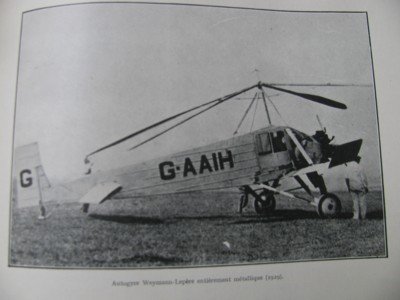
Another Weymann Lepere autogyro.
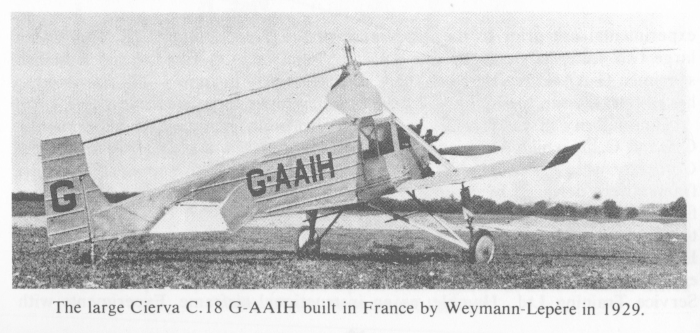
This one is a 1929 all metal, enclosed cabin. Still trying to put a "WEL" (Weymann-Lapere) model number to it. Source of photo is the "Vingt Cinq Ans D'Aeronautique Francaise, Volume II." One reference says it is derived from Cierva 18, but does not look much like it to me.
Another version is that there was a single Cierva C-18 built, construction of which was outsourced by Cierva to Weymann-Lepère. Which seems to be also the opinion of this interesting blog: http://alasvirtuales.blogspot.ch/2011/02/cierva-autogiros.html "La designación C.18 recayó en un autogiro con cabina cerrada biplaza construido en 1929 en Francia por Weymann-Lèpere. El único ejemplar fabricado, propulsado por un motor Salmson AC7 de 195 hp."
The boxes of glass stero slides, that I found from of different Weymann company aircraft, had about a half dozen dfferent autogiros, including some Ciervas (another assumption") becasue I have not had time to check their registration numbers. Several are purely CTW models that are marked on tail, but several of them had British registrations, and several had French registrations. There are photos of one or two giroplanesthat appear to be in the middle of major modifications, ad he had some Cievas there, I believe..most of the planes he built were one of a kind. My source that it was 'derived' was perhaps an incorrect "assumption?" The C.18 reference was from www.rotorcraft.nl wth a line reference of :
Cierva had a unique system of designations whereby the manufacturers who built Cierva-type autogiros were allocated a number within Cierva's model number sequence (see: http://www.secretprojects.co.uk/forum/index.php/topic,13436.msg132998.html#msg132998).
And so the reference you quote seems perfectly normal: G-AAIH was the Weymann-Lepère/Cierva (C.)18, just like G-ABLM was the De Havilland/Cierva C.24 or G-ABTO the Comper/Cierva C.25.
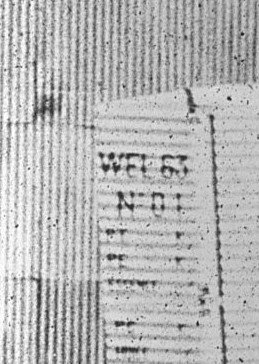
One of my favorite words of English (and one which has no one-word equivalent in my language) is "serendipity": a sudden, pleasant and unexpected discovery. Well... this WEL 63 is just that: a sweet, sweet serendipity! Thanks a lot Kdmoo.
Yes; That is my WEL 63 scan, from the over 100 glass stereo slides from the Weymann and Weymann-Lepere hangar and factory, that I found in France. That scan started my research. I was initially intrigued by the tail identification of WEL 63, not knowing a company whose spelling started with those three letters? Then discovered it was the combination of Weymann and Lepere.. and from that.. able to identify most of the other photos and planes. It was quite exciting to discover a "lost" type aircraft. In Google and bing searches there was not only Not even one photo, but not even one listing or mention of, or referrence to, the type 63 in any text or web searches. Lots of lost history it would seem.
I have been busy researching them, as previously mentioned. I was intending to post it here, following my use of the photo as an identification challenge series, on theaerodrome forum, which just ended. Not only decent photos of some of the above known Weymann types, (for example the riveted metal wing rib sections on the model 50, as I have shown.) Then there are quite a number of photos of the company’s own CTW autogires, and some of its Ciervas, (Cierva C-19 MkII) as well. It even includes photos of other type planes owned by Weymann, (Such as his 1930 Potez 36.10) and some of his famous exotic cars at the hangar. (Weymann was quite famous for his unique design auto bodies for everything from Duesenbergs, to Bugattis, and many more famous, elegant Classics cars.)
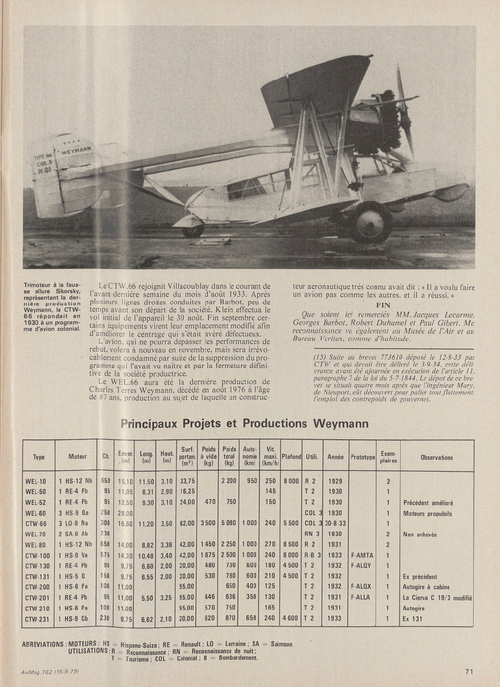
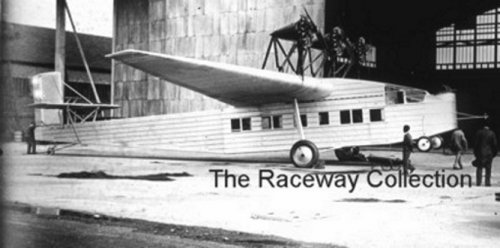
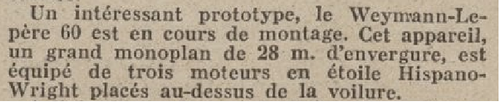
the Wel-60 was a high-wing colonial police monoplane of 1930,failed to fly in this year,and powered by three 250 hp Wright-Hispano 9 Qa engines,mounted above the wing as Wel-63.
I think the wrote on its tail fin for this airplane was a registration number only,and not a designation
number,because it was very similar to Wel-60 as I mentioned,and maybe it was the only aircraft built
in this shape as I thought ?.
the Wel-60 was a high-wing colonial police monoplane of 1930,failed to fly in this year,and powered
by three 250 hp Wright-Hispano 9 Qa engines,mounted above the wing as Wel-63.
From the book Cierva Autogiros; The Development of Rotary-Wing Flight, by Peter W. Brooks: the irrefutable proof that most sources about the Weymann autogiros get their identification wrong. Even Jean Liron, who was usually very accurate in his Aviation Magazine series and Docavia books, got it wrong too.
The Cierva C.18, or Weymann-Lepère C.18, never received a Weymann designation. It was a one-off machine built for participation in the Guggenheim Safe Airplane competition, registered by its owner in England, then flown to the U.S. and modified by Pitcairn there, although too late to actually participate in the event. Its later whereabouts are unknown.
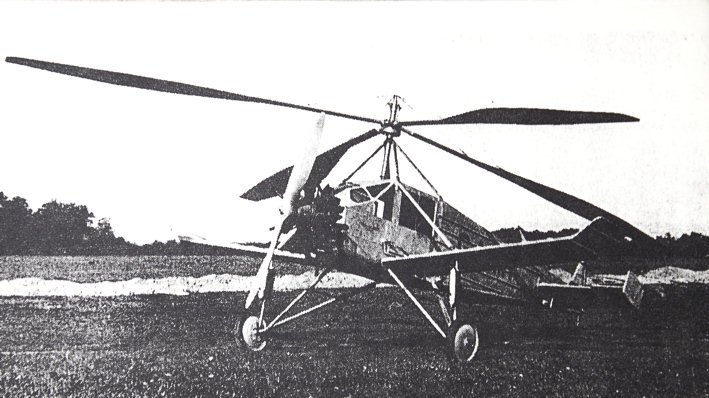
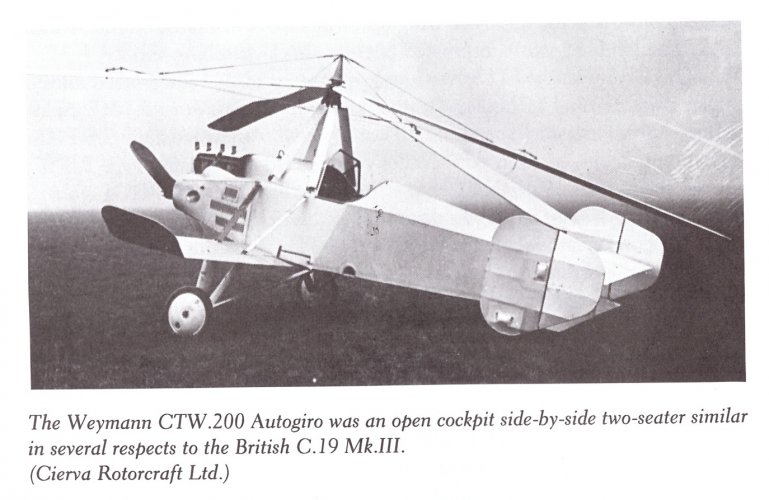
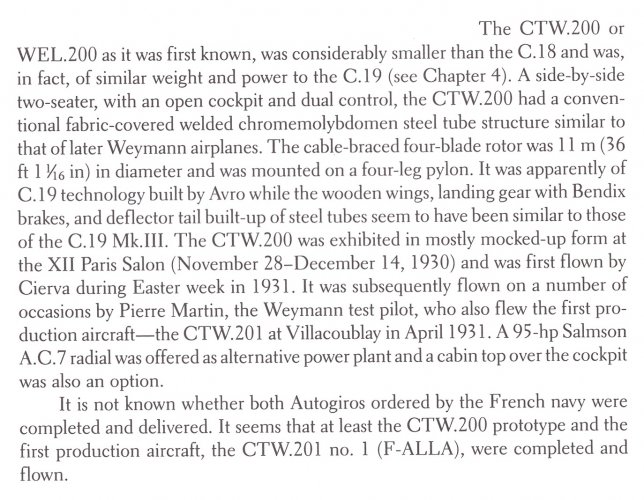
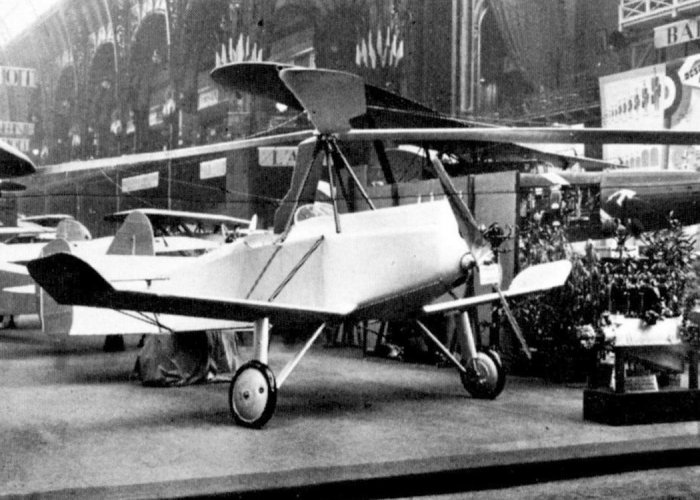
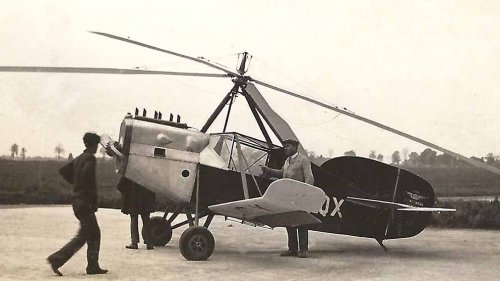
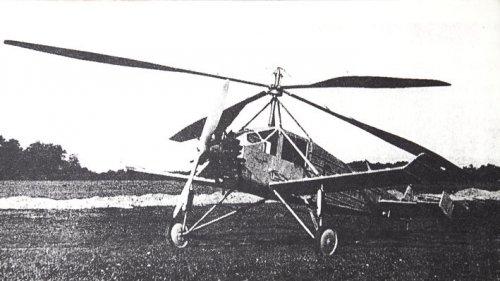
The autogiro presented at the 1930 Paris Salon (either in mockup form or, more likely, incomplete form) was NOT the CTW.201 as usually claimed, but the WEL.200, soon redesignated as CTW.200 when Lepère ended his collaboration with Weymann. The fact that so many sources misidentify it may result from the fact that both types were nearly identical (the 201 being the production version of the 200), but I also wonder if there could have been misidentification from the very start at the manufacturer's booth: indeed, the 201 had been ordered by the military, so it might have seemed desirable for Weymann to display it under its operational designation rather than the prototype one, even though the 201 had not yet been constructed and none of them had flown yet.
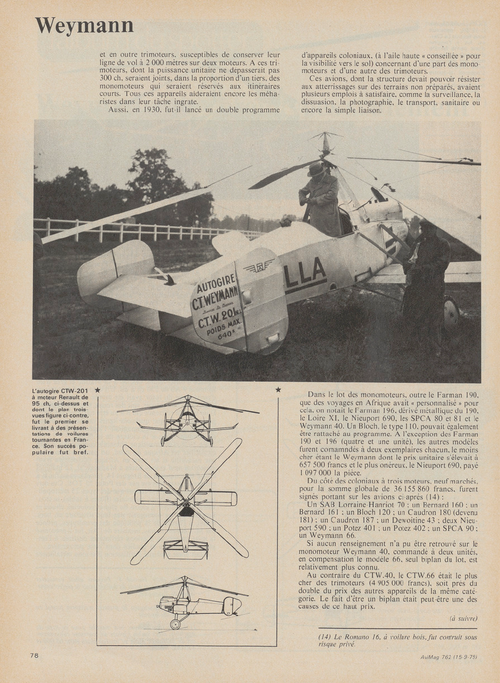
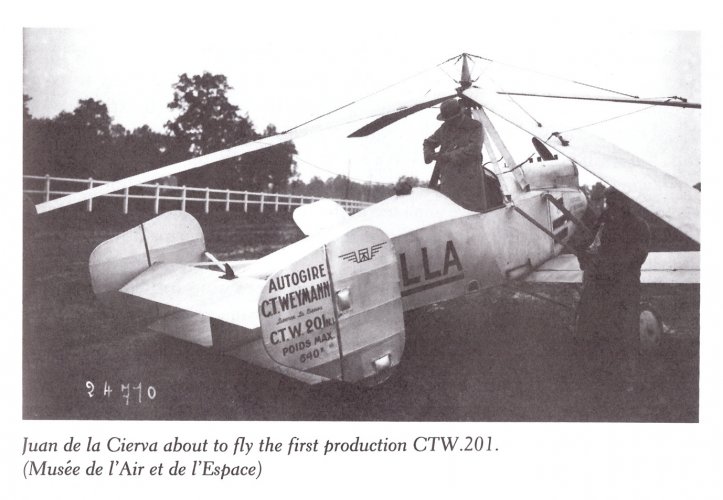
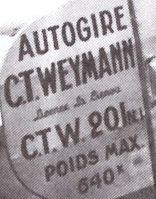
The CTW.201 (no longer a Weymann-Lepère, just a C. T. Weymann) was not only clearly labeled as such on its tail (see photo), but it was also registered [F-ALLA]. Two examples were ordered by the French Navy (presumably as WEL.201, originally), but it is not known if they actually operated any of them, as no photos seem to exist to show either of them in military use or evaluation. Also, there is no evidence that any other machine beside the 200 prototype and the 201 N° 1 was ever built.
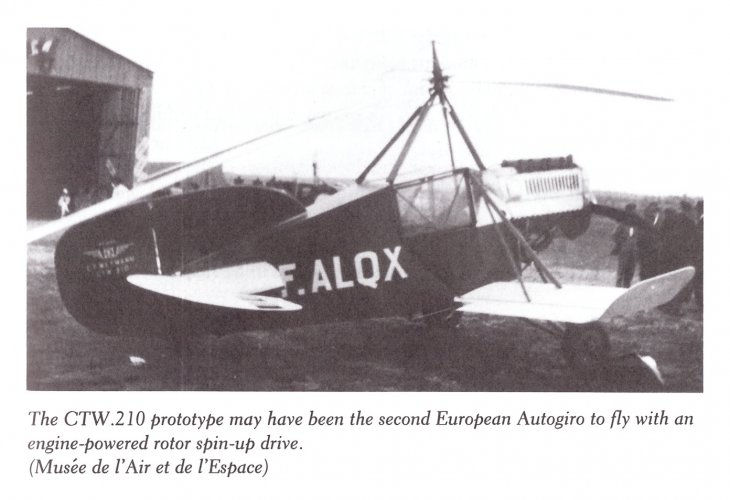
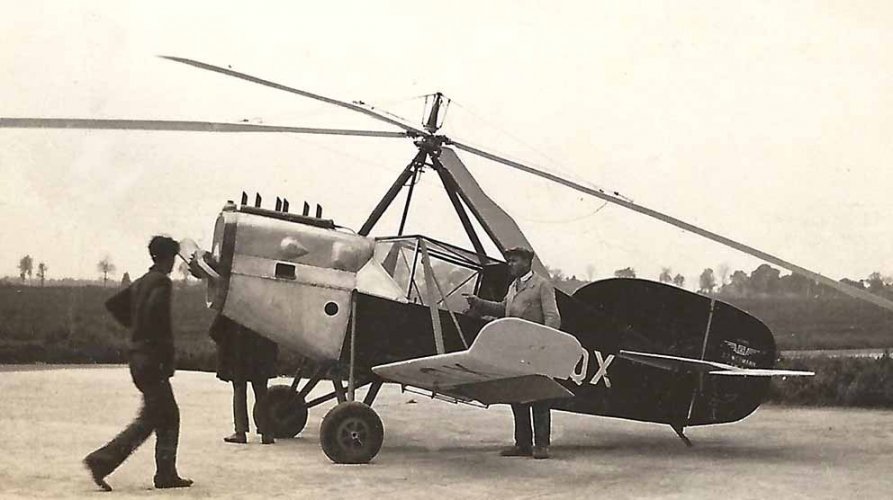
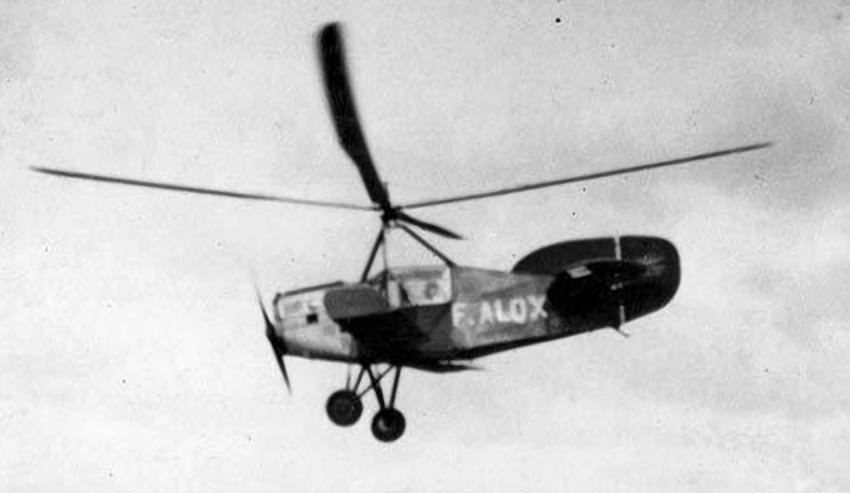
The enclosed machine that absolutely everyone has always labeled as the CTW.200 was actually the CTW.210 (again, evidence can be found on the tail) And come to think of it, it's pretty logical since it flew after the open version and used a more powerful engine. And the jump from 20 to 21 is also logical given how different it was. Why the confusion? The French register! The registration [F-ALQX] is clearly listed as pertaining to the CTW.200... which now begs the question: could the CTW.210 have been the former CTW.200 prototype modified? Possible, though unlikely since the two types were very different—not just the cockpit, but also the engine and most of all the very different tail unit. So IF the same machine, it would have been heavily modified.
Now I have spent a lot of time last week digging through the Cierva design history and designations, and I've come up with a theory which I believe has some merit: under the Weymann-Lepère association, and despite the fact that not all projects are documented, company designations were assigned in logical numeral order: WEL.50 and WEL.52 (1930), WEL.60 (1930) and WEL.63, WEL.70, WEL.80. And then, suddenly, the jump to WEL./CTW.200 and CTW.210. Doesn't seem to make much sense... UNLESS the numbers "20" and "21" were straight from the Cierva system. After all, the Cierva C.18 was the Weymann-Lepère C.18, so it is not far-fetched to imagine that the Weymann CTW.200/201 could have been the Cierva C.20, and the CTW.210 the Cierva C.21. In fact the designation "CTW.20" has been seen. I thought it might have been a typo, but if you take a close look at the tail of the CTW.201, you'll notice that the number "1" looks like it was added after the job was finished, being completely squeezed between the "0" and the msn "N° 1"... Almost like an afterthought.
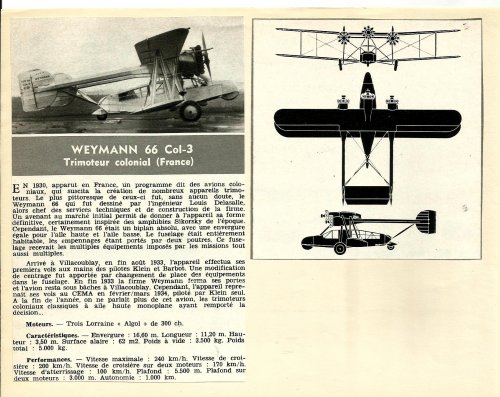
Also, when Weymann continued his designations systems, he went back to CTW.66, CTW.100, CTW.130/131, as if the autogiros were not part of the sequence.
The designation buffs will contend that C.20 and C.21 were already allocated... Indeed, but to projects that didn't materialize. And we have other evidence that Cierva sometimes reassigned numbers that hadn't been used (C.18 itself had been reassigned, after all). The C.20 was originally a design study for the British Air Ministry undertaken late in 1929, of which no details are available; the C.21 was originally a design study for a side-by-side two-seat autogiro with pusher engine installation. It is very possible that when those projects were cancelled, Cierva reused the numbers for the Weymann-Lepère autogiros (note that "C.20" was also quoted for the one-off Focke-Wulf-built C.19 Mk.IV "Don Quichote", and "C.21" for the cancelled Lioré-et-Olivier-built C.19 Mk.IV, but Brooks himself deems both allocations unlikely.)
The tail of the CTW.201 clearly indicates "Licence La Cierva", and the Spaniard himself is shown about to fly it himself. True, not all Cierva-licensed designs got a Cierva number: none of the American Kellett/Pitcairn/Buhl types did for instance, but European ones typically did. So to me, the only explanation that truly makes sense for the jump to 200 and 210 is for those to have been designated C.20 and C.21 in Cierva's personal system. I would gladly hear other members' opinions about this.
This site uses cookies to help personalise content, tailor your experience and to keep you logged in if you register.
By continuing to use this site, you are consenting to our use of cookies.






![Les_Ailes___journal_hebdomadaire_[...]_bpt6k6553724j_14.jpeg](/data/attachments/170/170838-2e80d9d6d5bea32d7de4737338f6c04a.jpg)